Fiat 600 Review

Written By Keith WR Jones
- 2024
- Small SUV
- Petrol mild hybrid
What we love
Distinctive styling inside and out
Strong fuel economy
Sprightly performance
Things to consider
Cramped in the back for adults
Interior doesn’t feel as good as it looks
Ride comfort isn’t as polished as it could be
The DRIVE take on the Fiat 600, is it the right car for you?
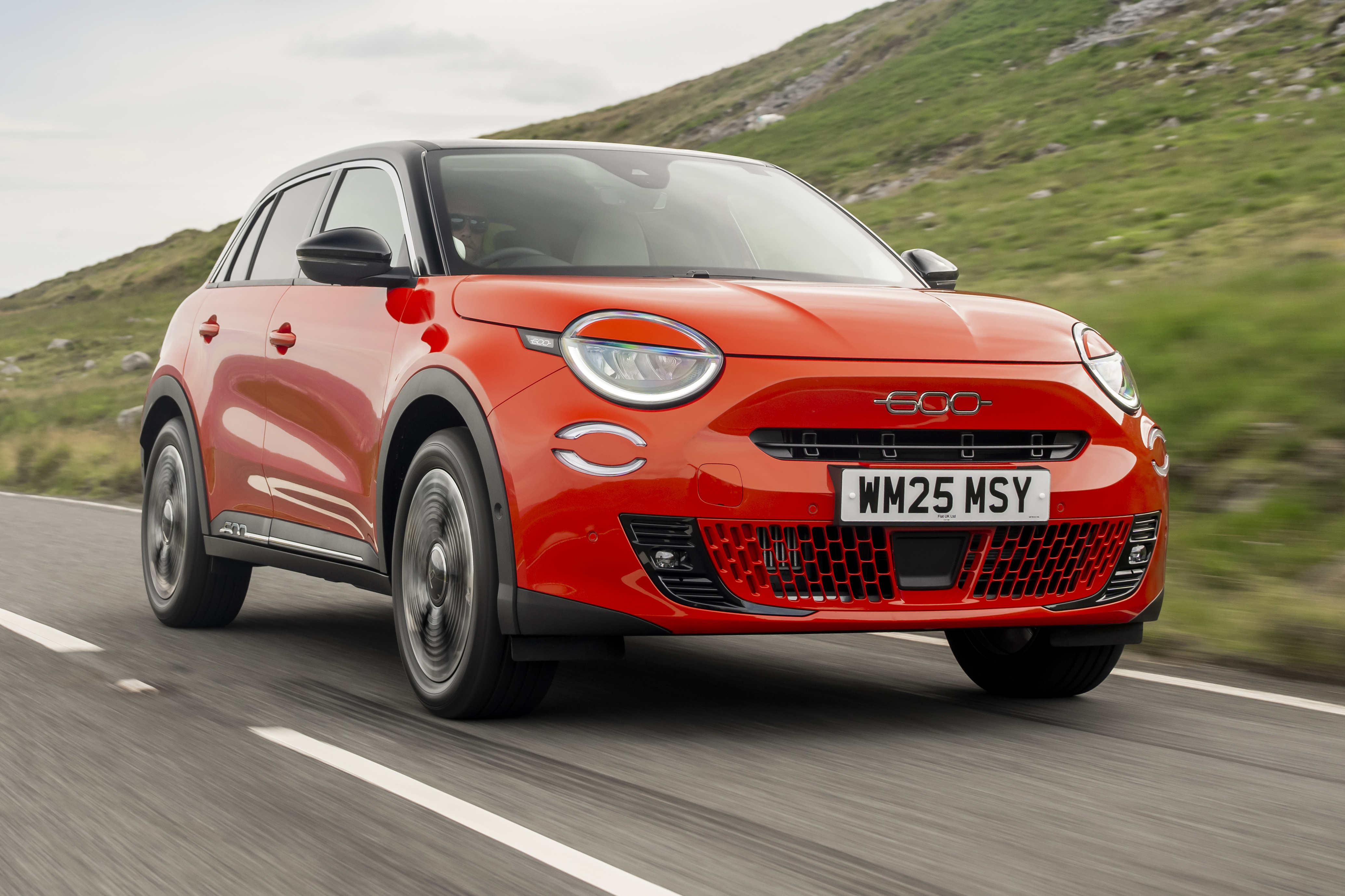
There’s no surprise about what the Fiat 600 compact SUV is — a petrol-electric mild hybrid-powered version of the fully electric 600e. Visually, the combustion-engined 600 is nigh-on identical inside and out, sharing its BEV-propelled twin’s plus points and foibles.
The Fiat 600 in more detail
Small SUVs are hot property for car manufacturers right now with every major player looking for a slice of the profitable pie. While most are electric, consumers’ collective reluctance to embrace battery-powered motoring as quickly as hoped means many are now additionally available in combustion-engined guise. Are these retrograde steps or a pragmatic pathway?
You'll need to be a paid-up, anorak-wearing car spotter to pick out the visual differences between this combustion-engined Fiat 600 we’re concentrating upon in this review and its electric twin, the Fiat 600e.
There’s a welcome absence of the usual styling tropes such as a blanked-off grille and blue-coloured detailing to virtue-signal the battery-powered version. The key giveaways are found in the lower-right quarter of the petrol-fuelled 600’s rear end — an exhaust pipe pokes out from the bumper, complemented by a Hybrid badge on the tailgate a few inches above.
Use of the H-word is a tad misleading here — a theme common across the various Stellantis-owned brands, such as Citroen, Peugeot and Vauxhall, that use this particular petrol-electric arrangement. Rather than a conventional self-charging hybrid (a HEV in industry terminology) that will bless you with a handful of electric driving miles, the Fiat 600 Hybrid is of the mild hybrid variety (often shortened to MHEV). Its role is to save fuel by switching off the engine when decelerating as well as giving a zap of urgency when accelerating.
Two versions are available, pairing a 1.2-litre three-cylinder engine with an electric motor and a titchy 0.89kWh battery to produce 100PS and 136PS — the punchier of them feels satisfyingly swift, with an 8.5-second 0-62mph time. Drive is sent to the front wheels via a six-speed dual-clutch automatic transmission with both engine options.
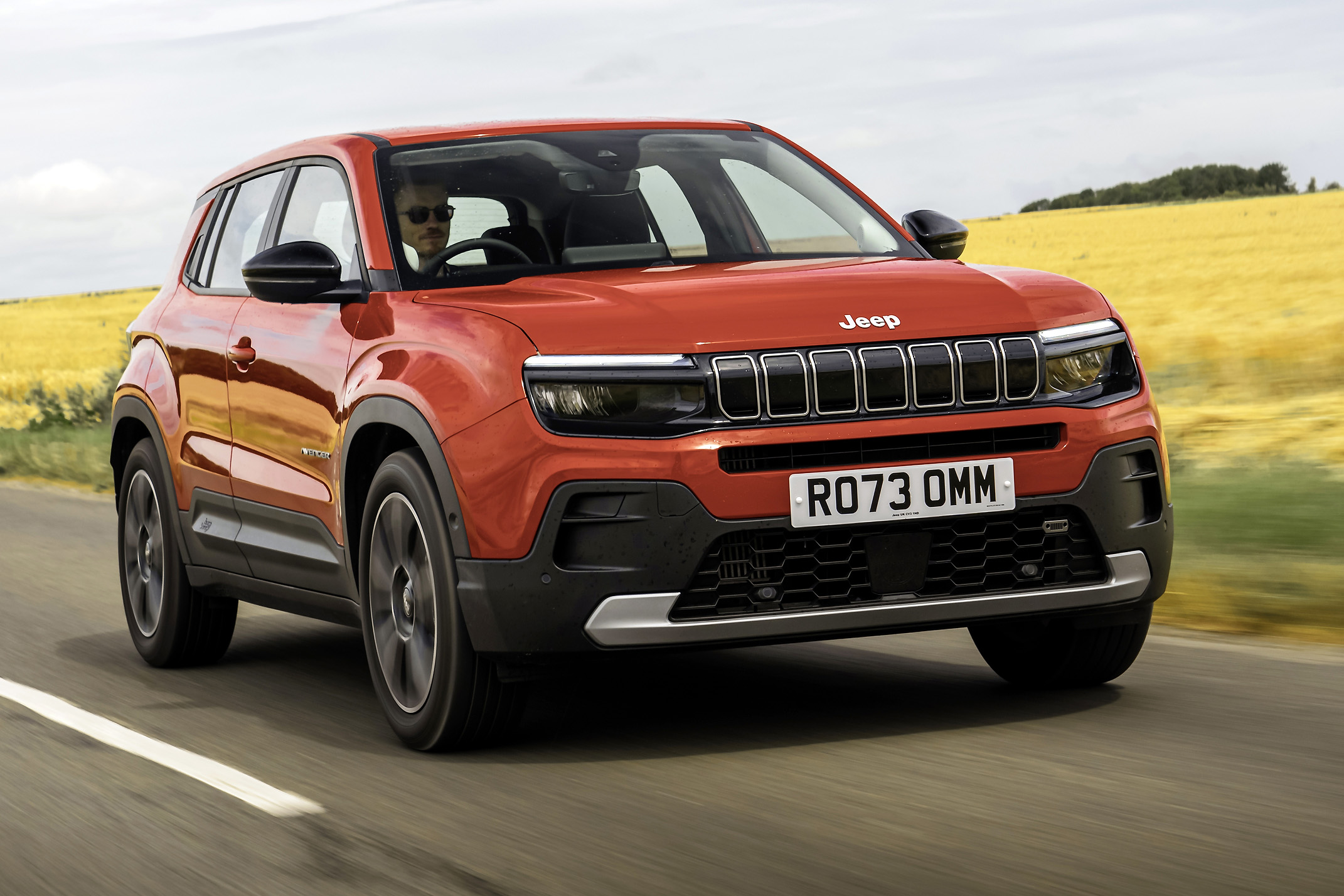
Among the Fiat 600 Hybrid’s many rivals are two models that both share its underpinnings and are built alongside it in Poland — the Alfa Romeo Junior Ibrida which has sportier overtones to its styling and handling, while dinky mud-plugger is the vibe of the Jeep Avenger e-Hybrid.
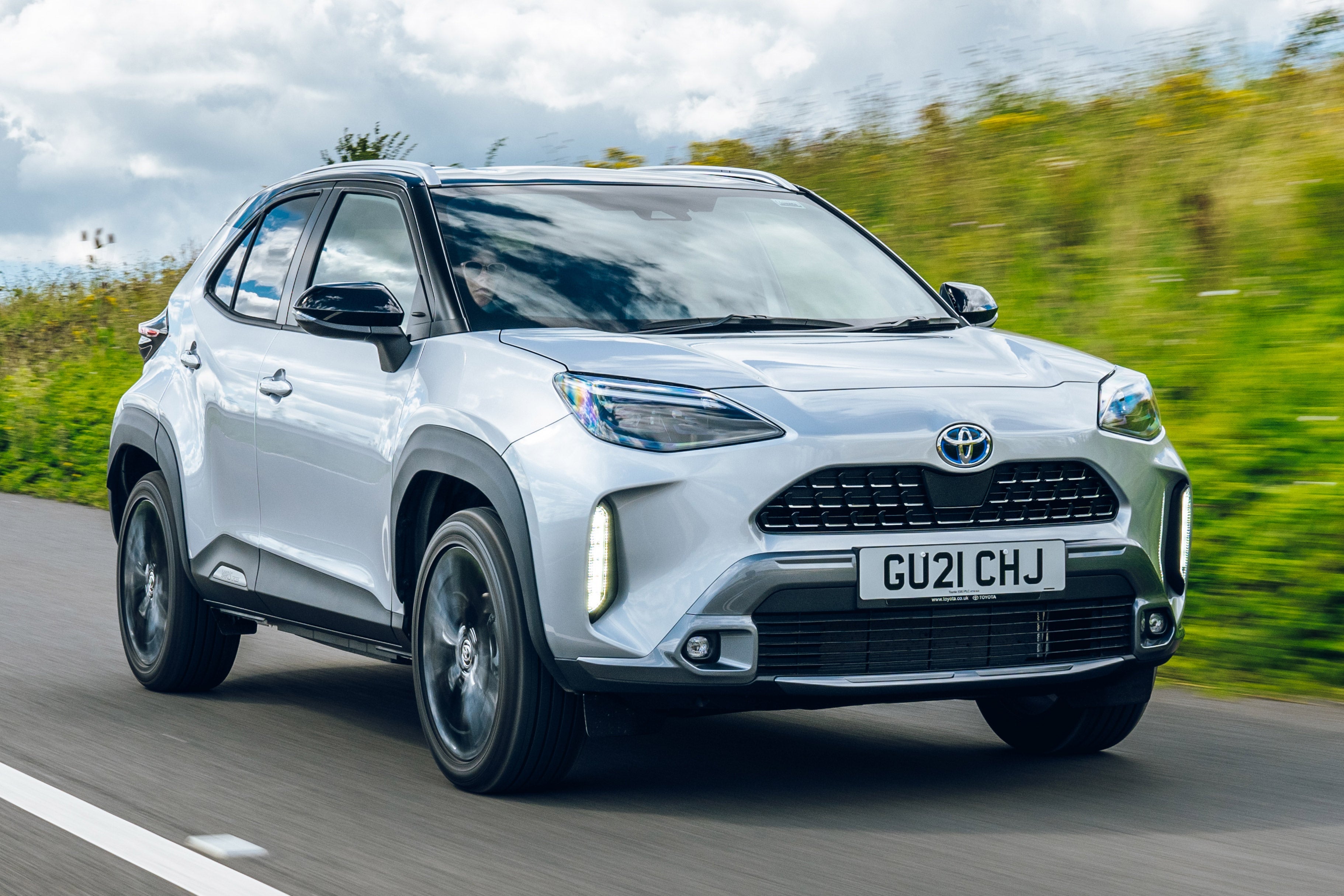
Elsewhere, the Fiat has the UK’s best-selling car of 2023 and 2024 in its sights — the excellent and recently refreshed Ford Puma. Higher pricing doesn’t seem dent the popularity of the Toyota Yaris Cross, while the MG ZS Hybrid+ is winning fans with its excellent value for money.
Not that the Fiat’s too bad on the value front with generous levels of standard equipment on both the nameless, entry-level 600 Hybrid and the plusher La Prima specification — those two are the only trim level choices, with the special Red model remaining exclusive to the 600e.
Once inside the Fiat 600 Hybrid you’ll immediately spot that, like its exterior, it’s a near facsimile of the electric model’s cabin. It’s a sleek, elegant dash design featuring a 10.25-inch multimedia touchscreen in the centre and a cubby with a folding lid beneath where a gear lever might be expected — drive is selected via push buttons just ahead of that storage space. It feels generally well-assembled but the material quality isn’t anything special.
Space up front is fine for taller adults although anyone over above average height will struggle to find sufficient space for genuine comfort on the rear bench. A trio of adults fitting side-by-side in the back is unlikely unless all three have the physique of petite marathon runners.
Similarly short on room is the boot, with just 385 litres of capacity on offer with the rear seat in use. Sure, that’s 25-litres more than the 600e can manage, but you’ll struggle to fit bulkier pushchairs in there.
While the Fiat 600 Hybrid isn’t the kind of car you’d find excuses to go out and drive for the sheer joy of it, the way it can tackle corners feels assured, with plenty of traction and lean kept in check. It errs towards the firmer end of the comfort scale — while this won’t encourage you to have a chiropractor on speed-dial, it does mean the Fiat’s somewhat jiggly on rougher surfaces, with occasional clonking noises from the suspension being audible.
There’s plenty that’s competent about the Fiat 600 Hybrid, while its super-sized Fiat 500 Electric looks will doubtless appeal to fans of the city car who need something more practical. It’s a shame, then, that the 600 doesn’t feel that much more spacious than the 500, nor does it excel in other areas that will attract new-to-Fiat customers.
What's the best Fiat 600 trim and engine option?
The 145PS Icon makes the strongest case. The more powerful engine costs £1,000 more than the equivalent 110PS model but cuts the 0 to 62mph time from 10.9 to 8.5 seconds. Official fuel economy and CO2 figures remain very similar, making the extra performance relatively easy to justify. Fiat
Icon is also the sweet spot for equipment. It builds on Pop with automatic air conditioning, navigation, wireless phone charging, a six-speaker stereo, keyless entry and a reversing camera.
What’s the price of the Fiat 600?
The Fiat 600 Hybrid starts at £25,995 for the 110PS Pop, rising to £26,995 for Icon and £28,995 for La Prima or Sport.
Choosing the 145PS drivetrain adds £1,000, taking the range up to £29,995. That places the 600 firmly in mainstream small SUV territory rather than the budget end of the market.
Alternatives to the Fiat 600
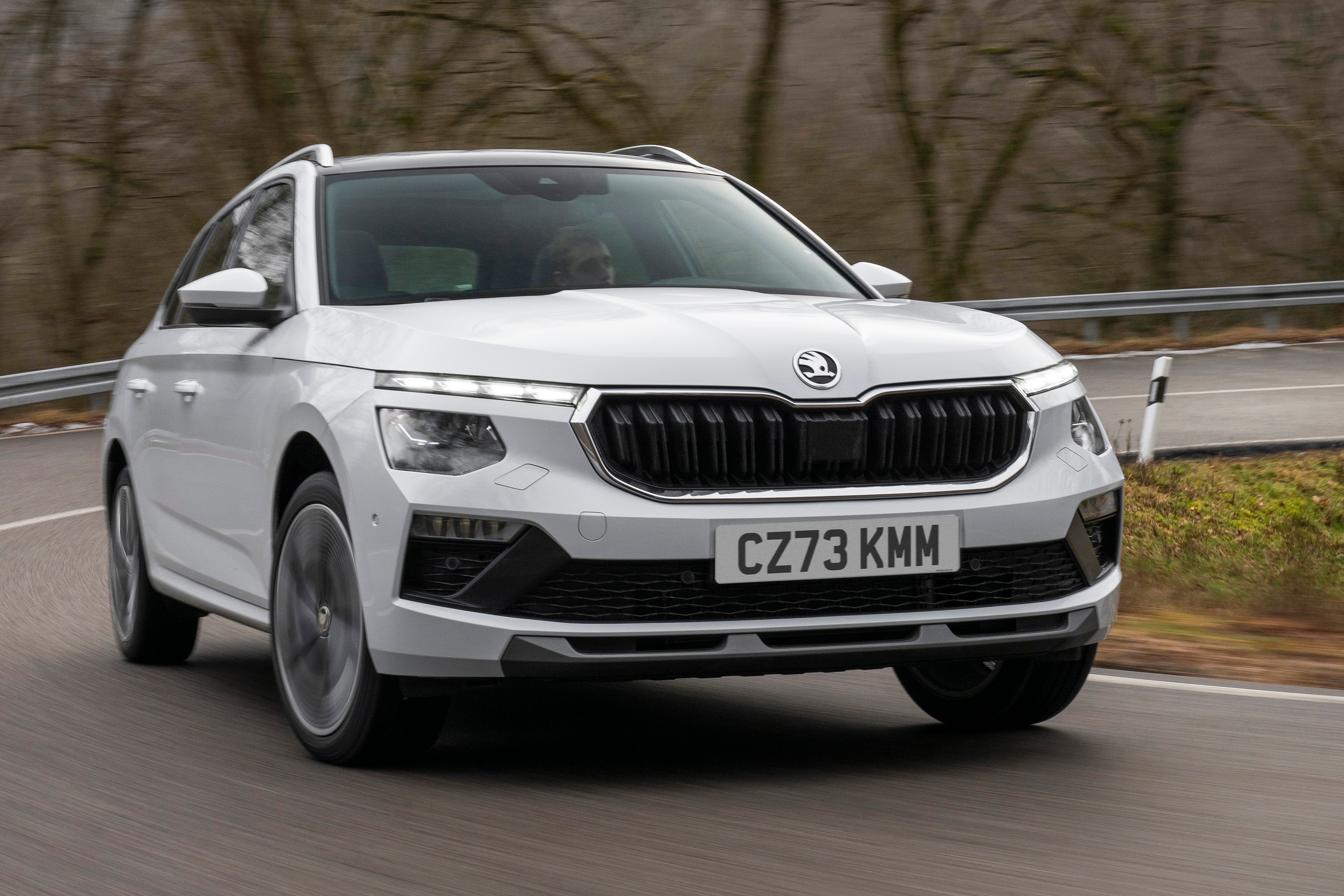
The Skoda Kamiq is one of the strongest alternatives. It feels roomier and more mature, with a particularly useful rear cabin and practical boot. It lacks a hybrid powertrain, but makes a stronger all-round family car.
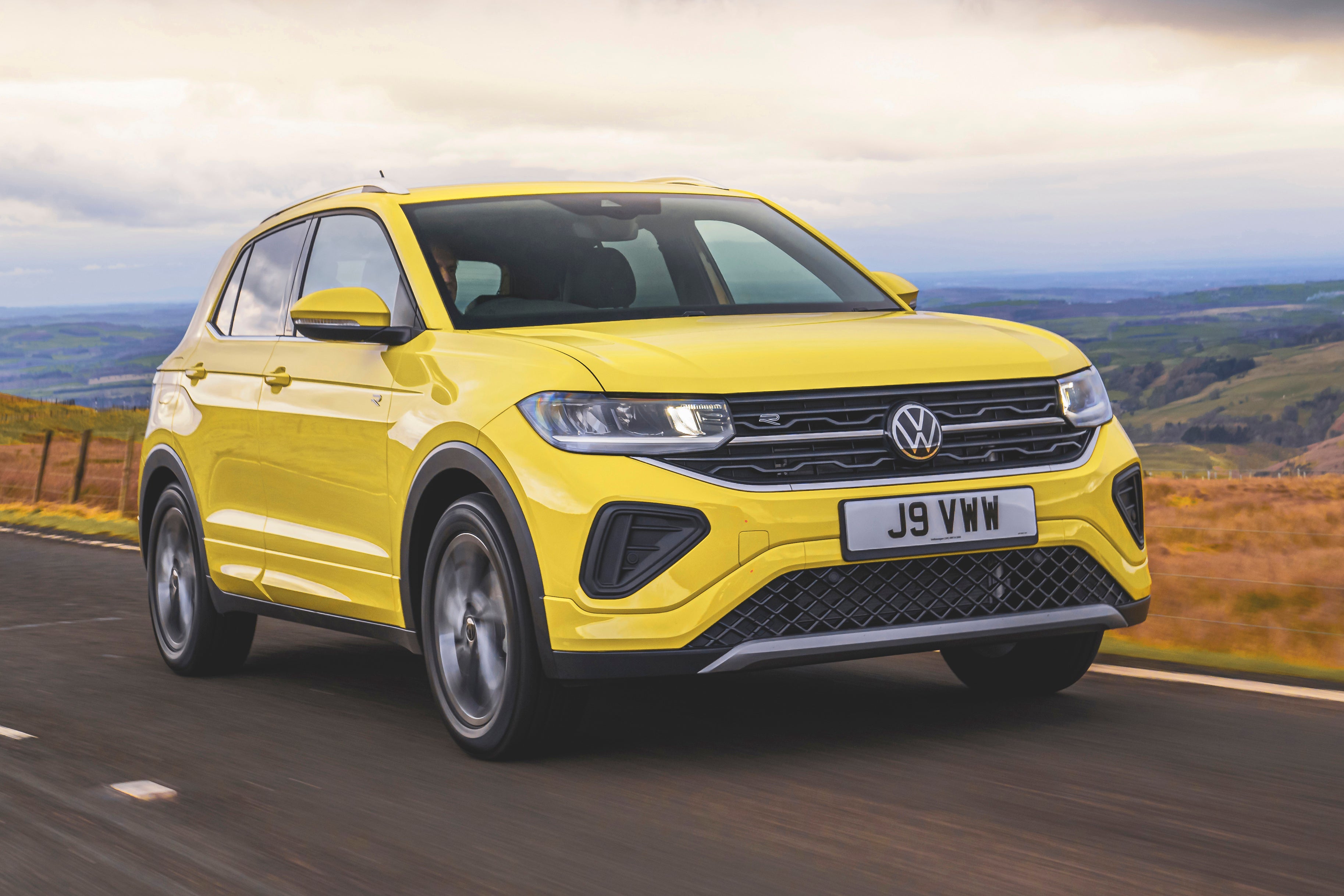
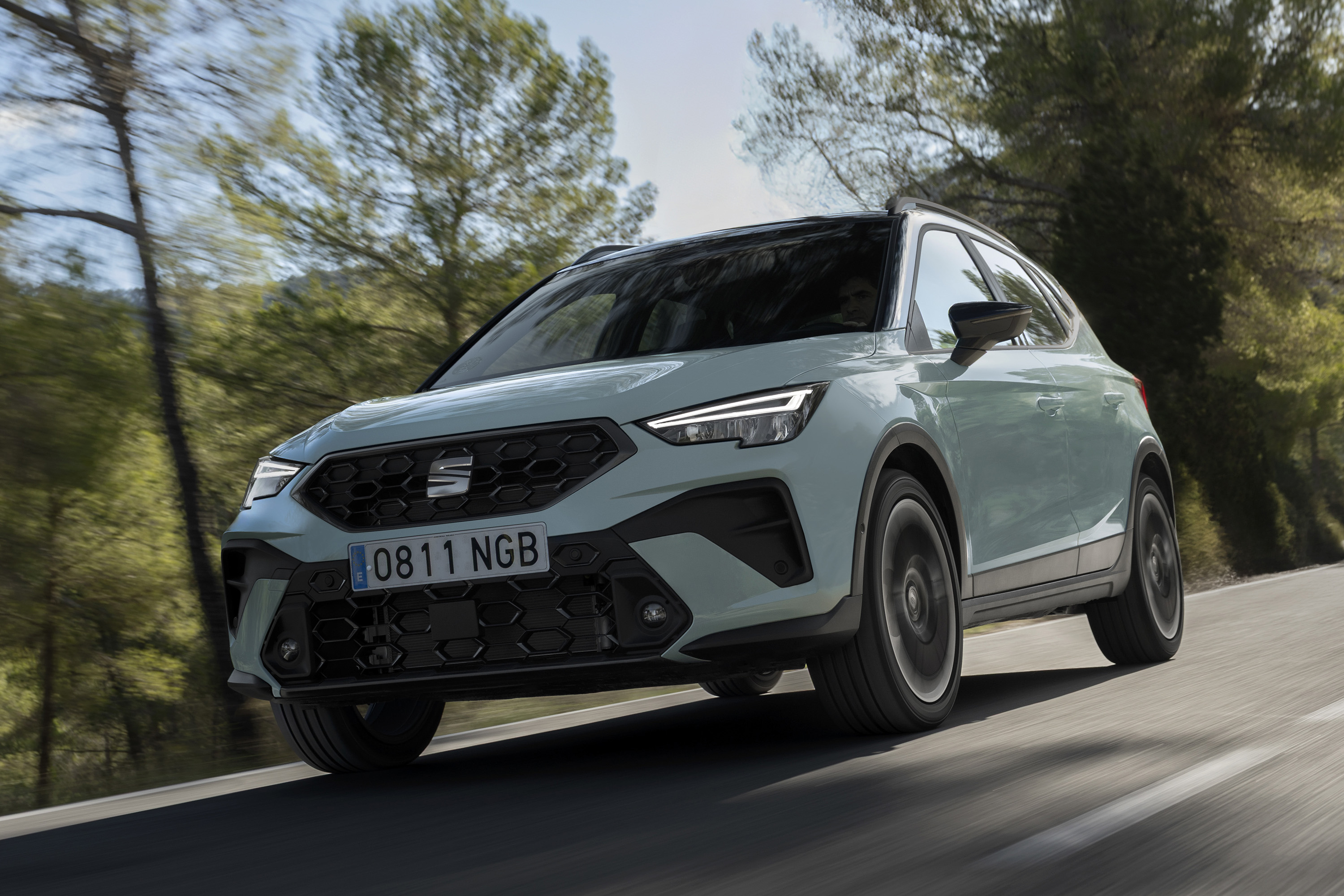
The Volkswagen T-Cross takes a similarly sensible approach, offering more flexible interior space and polished road manners. The SEAT Arona is another option, with sharper handling and competitive pricing.
The closely related Jeep Avenger e-Hybrid shares much of the Fiat’s underlying engineering but has a tougher SUV flavour, while the Alfa Romeo Junior Ibrida packages similar hardware in a sportier design.
The Toyota Yaris Cross has a more sophisticated full hybrid system and is particularly efficient around town. The Ford Puma is more enjoyable to drive, while the MG ZS Hybrid+ offers more space and strong value.
The Fiat’s advantage is character. It is not the roomiest or most polished small SUV, but its combination of distinctive styling, strong economy and an automatic gearbox gives it a clear identity.
What's the interior like in the Fiat 600?
Space up front in the Fiat 600 is absolutely fine, with a handsomely sleek-looking dashboard ahead of you. Disappointingly, it feels cheaper than it looks, while space in the back and the boot compromises its appeal as a compact family SUV.
Fiat 600 boot space and practicality
Taller adults will be fine sat in the front seats of the Fiat 600, with a good range of adjustment and ample head, elbow and legroom, although if you want to vary the height of the passenger side then you’ll need to avoid the entry-level standard model.
Fine-tuning a comfortable driving position is that bit easier in the 600 Hybrid La Prima thanks to its electrical adjustment, which additionally adds a variable lumbar support and a massage function.
Where most cars have a gear lever or drive selector, the Fiat 600 has a 1.5-litre cubby with a folding cover that’s similar to the floppy variety of tablet computer case. USB-A and -C sockets are nestled under there, as is a recess for your mobile phone, additionally equipped with a wireless charging pad on La Primas.
There’s a hinged lid on the central armrest, although it feels set too far backwards to be useful, plus is partially impedes access to the twin cupholders below, the spaces within which can be modulated with plastic bulkheads that have various positions. If there’s a knack to siting two takeaway coffees side-by-side without them getting in the way of each other, it wasn’t something we mastered on our test.
Car buyers are drawn to compact SUVs due to a perceived amplification in practicality compared with a conventional small hatchback — open one of the Fiat 600 Hybrid’s back doors and that bubble’s immediately burst.
Smaller kids in booster seats up to those in their early teens should be fine, but space and access for those securing babies and toddlers into bulkier child seats, as well as for adults above average height, is disappointing. For reference, Isofix mounting points are positioned in the outer rear seats and on the front passenger side.
With the driver’s seat where our six-foot tall tester needed it, a rear seat passenger of the same height will have their knees firmly pressed into the back of it, while their scalp will have no option but to get closely acquainted with the Fiat’s roof-lining.
Making matters worse, the door opening itself is narrow and awkwardly shaped, requiring the physical dexterity of a Britain’s Got Talent-worthy escapologist to get in and out with any semblance of dignity. If you’re considering a car of this type knowing you’ll regularly have adults in the back, try the Fiat and then immediately head to another showroom to do the same in a Skoda Kamiq.
With the rear seats in place the Fiat 600 Hybrid’s boot is 25 litres larger than the electric 600e’s at 385 litres, but that’s a disappointingly modest capacity compared with the Ford Puma’s 456-litre volume. Sure, La Prima models have an electric tailgate, but that luxury isn’t much use if your bulky buggy won’t fit inside.
Lowering the 60:40 split rear seatback over liberates a 1256-litre capacity in the 600, a figure that’s 40 litres up on the Puma, although they don’t fold remotely flat nor are there any release levers within the boot itself — they’re unlocked at the top of the seats themselves.
Fiat 600 dimensions
The Fiat 600 Hybrid is 4,178mm long, 1,779mm wide & 1,525mm high, with a 2,557mm wheelbase. That keeps it compact enough for town driving while providing noticeably more passenger and luggage space than a Fiat 500.
A turning circle of around 10.5 metres also makes it easy to manoeuvre in tighter streets and car parks.
Tech and infotainment in the Fiat 600
Centrally mounted on the main horizontal plinth of the Fiat 600 Hybrid’s dashboard is a 10.25-inch multimedia touchscreen, with sharp graphics and responsive haptics. Android Auto and Apple CarPlay both connect wirelessly and did so swiftly and reliably on test.
More plus points to Fiat thanks to the bank of physical buttons a little below the touchscreen, including temperature adjustments for the single-zone climate control. Bravo. The main multimedia screen is still used for fine-tuning and supplementary features, such as switching on the heated seats — it feels like a sensible mixture of operations.
Mounted on the steering wheel are more physical buttons on both of its spokes. They’re familiar Stellantis parts bin components, as are the wands for the indicators and wipers, rather than Fiat- or even 600-specific, but they work fine and don’t look at odds with the rest of the interior.
Less convincing is the 7.0-inch driver’s display screen, which very much looks like the proverbial square peg in a round hole — or in this instance, a semi-circular cowling. Using a standardised part such the screen may save a couple of quid, but one shaped specifically for the 600’s — and 600e’s — binnacle would have given it a useful touch of glamour. Plus, the increased screen area would allow the display to look less squished and busy.
Materials available on the Fiat 600
As with its electric twin, it’s a case of style winning over substance inside the Fiat 600 Hybrid. On the whole, the dashboard and door panels are aesthetically pleasing in shape, with elegant simplicity and appealing colour contrasts. What disappoints is how hard and hollow the vast majority of the plastic surfaces feel when you your fingertips encounter them.
Nevertheless, most of the elements of the 600’s interior felt well-assembled although the young, low-mileage example we tested had an irritating rattle in the roof console by the interior lights.
That particular test car was in La Prima specification which has its seats upholstered in ivory-coloured faux leather with the Fiat logo stitched into it in contrasting turquoise thread. The material feels sufficiently decent rather than special — the visual lift it gives the interior is welcome.
What's the Fiat 600 like to drive?
While the Fiat 600 isn’t a car you’d choose to indulge in the sheer pleasure of driving, its handling and performance allows you to make decent — if detached — progress when you press on. Ride comfort requires a bit more polish, though.
Fiat 600 range and performance
Don’t be fooled by the Hybrid label on the Fiat 600’s tailgate — while it’s not untrue, most manufacturers apply the label to ‘full’, self-charging hybrids whereas the arrangement here is a mild hybrid one.
The difference is that generally mild hybrids have smaller, less powerful electric motors and tiny batteries and are useful for giving the combustion engine an extra shot of performance when accelerating, as well as reducing fuel consumption by shutting the engine down when lifting off the throttle.
Two versions of the system are available in the Fiat 600 Hybrid — both use the 1.2-litre three-cylinder, turbocharged petrol engine found in many other Stellantis-produced cars, mated with an electric motor that’s integrated within the six-speed dual-clutch automatic gearbox. Electrical energy is stored in a 0.89kWh battery positioned below the front passenger seat.
Entry point to the range is the 100PS version which produces 205Nm of torque from a usefully low 1750rpm, allowing its accelerative force to build very quickly — useful for nipping into gaps on roundabouts when pulling away from standing starts as well as being handy for overtakes. Top speed is 114mph while the benchmark 0-62mph sprint requires 10.9 seconds.
If you can stretch to the additional £1000 to get the 136PS version, then we’d recommend doing so. It’s a modest jump in power, with a similarly slight elevation in torque to 230Nm, still from 1750rpm, yet the effect on the 600’s brio makes it feel far livelier, with significant drop in the 0-62mph time to 8.5 seconds. Top speed, as academic as that is, rises to 124mph.
Naturally, there’s more mechanical noise and associated vibrations as you drive along than you’ll experience in the smoother and quicker Fiat 600e, but neither trait is detrimental. Electrical assistance is introduced and switched off — it’s all effortless to use.
Performance data
| Model | Engine/battery size | Power | 0-62mph | Range/MPG |
|---|---|---|---|---|
Fiat 600 Hybrid 110 | 1.2-litre 48V hybrid | 110PS | 10.9 seconds | Up to 58.9mpg |
Fiat 600 Hybrid 145 | 1.2-litre 48V hybrid | 145PS | 8.5 seconds | Up to 58.9mpg |
Fiat 600 driving and refinement
People don’t generally by small SUVs because they’re looking for a car which will sate their enthusiasm for driving, so in that regard the Fiat 600 Hybrid is unlikely to disappoint.
In truth, there’s a degree of brio to the way it tackles corners — the tyres deliver plenty of grip which allows pace to be maintained through sweeping bends, encouraged by the suspension’s settings that minimise lean, keeping the car and its occupants relatively level.
It’s a shame, then that the steering’s anaesthetised and doesn’t communicate a great deal with the driver in terms of what the front wheels are up to. Still, it’s all very predictable and you soon gain confidence about how accurately it will trace the curvature of the road, although some extra weight to the steering effort wouldn’t go amiss.
Exploring the Fiat 600’s ride comfort reveals something of a mixed picture. That composure that keeps the car flat when cornering is by virtue of a ride quality that’s firmer than many rivals. Not sporty, just a little stiffer than feels necessary.
As a result, the 600 Hybrid is comfy and composed on most road surfaces you’re likely to encounter, but you’re aware of various minor imperfections and changes in asphalt, both transmitted through the seats but also because there’s an occasional clonking sound as the suspension goes about its business.
Over stretches with quick successions of undulations or a properly rough uppermost layer of the road, comfort levels are compromised more obviously, the Fiat shimmying along in an unsettled manner until a smoother surface is reached.
Still, all of this means that the Fiat 600 is free of the floaty ride quality that tends to induce Technicolor yawns from susceptible passengers.
How safe is the Fiat 600?
Euro NCAP has yet to get its hands on the Fiat 600 Hybrid to assess how well it protects occupants involved in an accident or prevents them from being involved with one in the first place.
Of the models closely related to it, it was the Jeep Avenger which was scrutinised most recently in 2023 with a disappointing three-star score, largely due to lower than usual scores for safety assist systems and protecting vulnerable road users. That doesn’t mean the Fiat 600 would score the same result, of course.
Standard safety equipment across the Fiat 600 Hybrid range includes LED head, tail and daytime-running lights, front cornering lights integral with the fog lights, three Isofix child seat mounting points, six airbags, cruise control, driver drowsiness recognition, automatic emergency braking, lane-keeping assistance and speed limit alerts.
Running costs: What it's like to live with a Fiat 600
While the Fiat 600 Hybrid isn’t a bargain, neither is it expensive. Both trim levels are generously appointed and running costs are usefully low.
Fiat 600 fuel economy
Regardless of whether you opt for the 100PS or 136PS version of the Fiat 600 Hybrid, fuel economy is quoted at 57.6-58.8mpg according to the WLTP Combined cycle, depending on equipment level. During our test, the indicated economy figure hovered around the 50mpg mark — not too bad at all considering the mix of road types it was driven on.
Fiat 600 warranty and servicing
Fiat provides a three-year or 60,000-mile warranty, with unlimited mileage during the first two years. That is fairly standard for the class, but less generous than the longer cover available from brands such as Kia, Hyundai and MG.
The hybrid battery gets eight years of warranty cover, providing useful extra reassurance over the 48V hardware.
Fiat 600 insurance groups
The Fiat 600 Hybrid sits in insurance groups 20 to 27. The 110PS versions occupy the lower end of the range, while choosing the 145PS drivetrain pushes the rating noticeably higher.
That is worth considering before upgrading to the stronger engine, particularly for younger drivers or anyone paying a higher premium.
How much does it cost to tax a Fiat 600?
The Fiat 600 Hybrid costs £200 a year to tax at the current standard VED rate.
There is no Expensive Car Supplement because every version sits comfortably below the £40,000 threshold for petrol and hybrid cars.
What trims are available with the Fiat 600?
The Fiat 600 Hybrid range consists of Pop, Icon, La Prima and Sport, with both 110PS and 145PS engines available.
Pop starts at £25,995 with the 110PS engine and gets 17-inch alloy wheels, LED lights, fabric upholstery and manual air conditioning. A 10.25-inch touchscreen, 7-inch digital driver display, wireless Apple CarPlay and Android Auto, rear parking sensors and keyless start are also standard.
Icon costs £26,995 with the 110PS engine and is our pick. It adds automatic air conditioning, an adjustable boot floor, navigation, wireless phone charging, a six-speaker stereo, keyless entry and a reversing camera.
La Prima costs £28,995 and focuses on comfort, with 18-inch alloy wheels, eco-leather upholstery, heated front seats and an electrically adjustable and massaging driver’s seat. Adaptive cruise control, blind-spot monitoring, additional parking sensors and a hands-free powered tailgate are also included.
Sport costs the same as La Prima but takes a more style-focused approach, with black 18-inch alloy wheels, darker exterior detailing, privacy glass and a black interior with grey stitching.
The 145PS drivetrain adds £1,000 to each version.