Hyundai Bayon Review

Written By Al Suttie
- 2021
- SUV
- Petrol
What we love
Good value for money
Standard digital dials and strong infotainment
Efficient petrol engine
Things to consider
There are more stylish small SUVs
Only one engine choice
Not as roomy as the best rivals
The DRIVE take on the Hyundai Bayon, is it the right car for you?
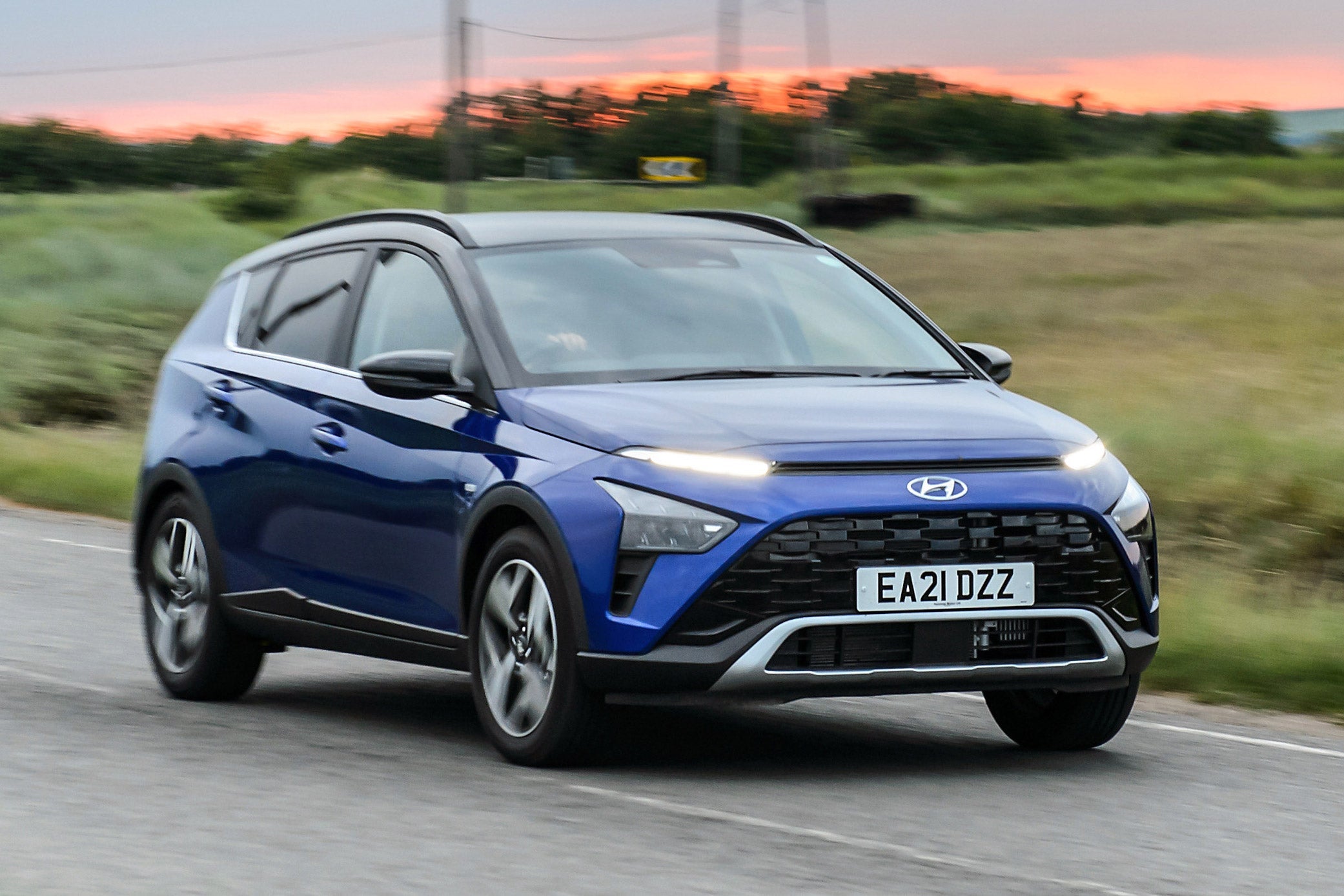
The Hyundai Bayon is a sensible, value-led small SUV with good standard tech, low running costs and an easy-going nature. It's not the most stylish, spacious or engaging option in this class, but it does the basics well and gives you a lot of equipment for the money.
Its turbocharged petrol engine is reasonably economical, there's a choice of manual or automatic gearboxes and the five-year unlimited-mileage warranty adds reassurance. You also get a surprisingly generous boot for a car of this size.
If you want a small crossover that feels honest, straightforward and affordable to own, the Bayon makes plenty of sense. Just don't expect the polish of a Volkswagen T-Cross, the practicality of a Skoda Kamiq or the driver appeal of a Ford Puma.
The Hyundai Bayon in more detail
The Bayon sits below the Kona and Tucson in Hyundai's SUV line-up and, in truth, it feels more like a practical variation on the i20 supermini than a distinct SUV in its own right. That's not necessarily a criticism. Plenty of buyers want the easier access, chunkier look and hatchback-like running costs that cars like this promise, and the Bayon delivers those things competently enough.
Its biggest strength is value, and that's the key reason to consider it. The trim structure consists of Black Line and Tech Line, while the engine range is limited to a single 1.0-litre turbocharged petrol with 90PS, offered with either a six-speed manual or seven-speed dual-clutch automatic gearbox. That simplicity suits the Bayon, because this isn't a car that needs a complicated range to make sense.
The limited engine choice sounds restrictive on paper, but it's not necessarily a bad fit for the Bayon's character. This isn't a driver's crossover. What matters more is that the 1.0-litre engine is efficient enough and well matched to the urban and suburban driving this car will mostly do.
Inside, the Bayon's case is helped by a strong level of standard technology. All versions get a 10.25-inch digital instrument cluster and a 10.25-inch touchscreen with navigation, which gives it a more modern feel than some cheaper rivals. It doesn't feel plush, and there are plenty of hard plastics about, but the cabin is logically laid out and easy to get on with. Passenger space is reasonable, while the 411-litre boot is a particularly useful feature in such a compact car.
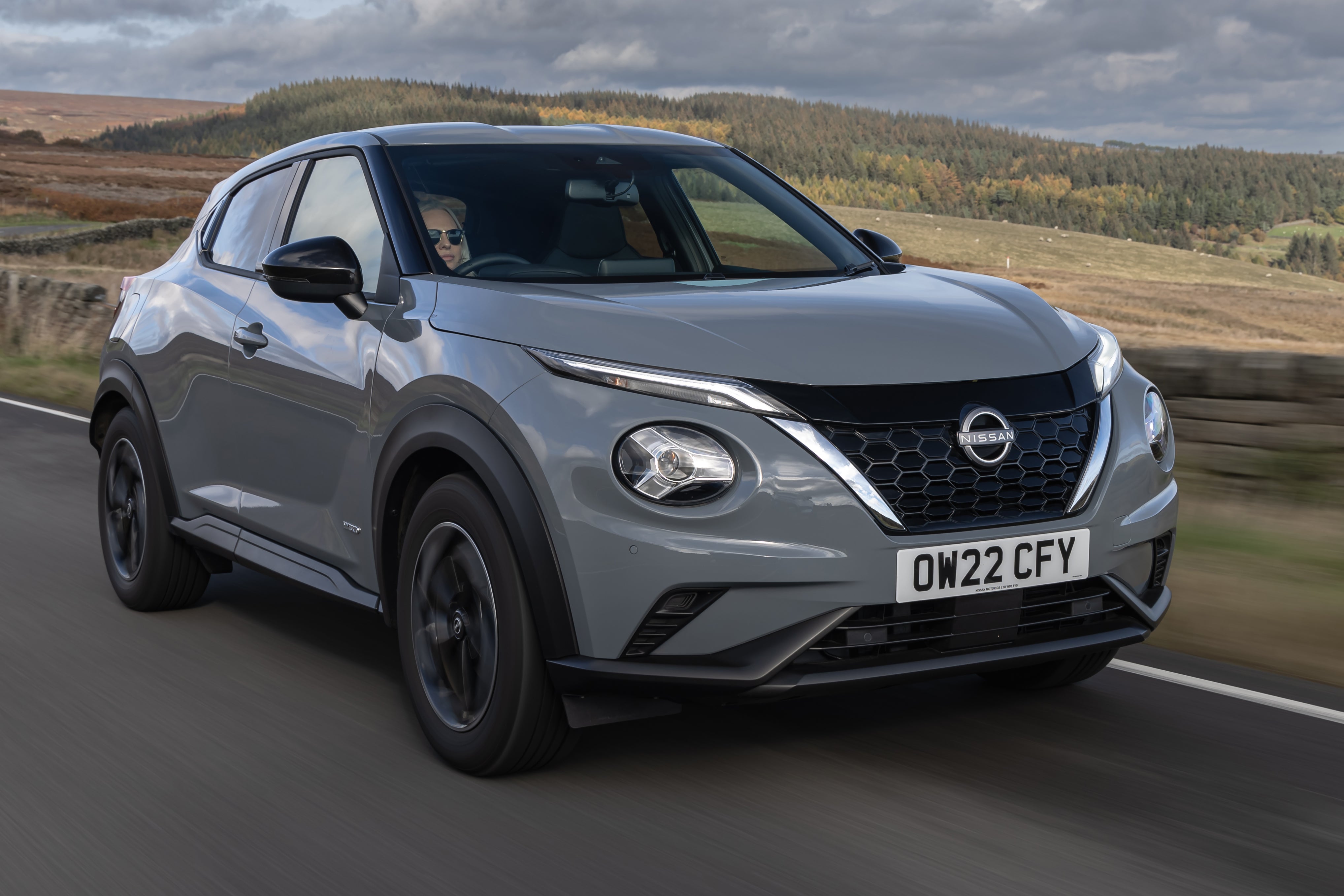
The Bayon's problem isn't that it gets anything badly wrong. It's that the class is so strong. It isn't as stylish as a Nissan Juke, as fun as a Ford Puma or as practical as a Skoda Kamiq. But it strikes a decent middle ground, and does so at a fair price.
There's also a completely new Bayon on the horizon. Hyundai unveiled the next-generation car in October 2026, promising more space, updated technology and a full-hybrid option. However, that model hasn't yet replaced the Bayon currently available to UK buyers.
If you want a small SUV that feels honest rather than aspirational, the current Bayon makes sense.
What's the best Hyundai Bayon trim and engine option?
The sweet spot in the current range is the Black Line with the six-speed manual. It's the cheapest version, but it doesn't feel stripped out, because Hyundai gives even the entry-level Bayon a strong amount of equipment. You get the digital dials, the large navigation screen, a rear-view camera, heated steering wheel, heated front seats and 16-inch alloy wheels, which is a healthy specification for the money.
The manual also suits the Bayon's modest performance. This isn't a car with abundant reserves of power, so being able to make the most of the engine yourself is useful, and the six-speed gearbox keeps the price keen. The seven-speed dual-clutch automatic is there if you spend a lot of time in traffic, but it's slower on paper and costs £1,250 more.
Tech Line is worth considering if you particularly want automatic climate control, front parking sensors, wireless charging, rain-sensing wipers and the other extra convenience features it brings. However, the £1,500 premium over the equivalent Black Line is quite a jump. The optional Tech Pack adds a sunroof, acoustic windscreen and Bose audio system, but these are luxuries rather than essentials.
What’s the price of the Hyundai Bayon?
The Hyundai Bayon range starts at £24,065 on the road for the Black Line 1.0T 90PS manual. Move to the Black Line automatic and the price rises to £25,315.
The Tech Line manual costs £25,565, while the Tech Line automatic tops the standard range at £26,815.
That pricing keeps the Bayon towards the more affordable end of the small-SUV market, particularly when you consider the amount of standard equipment.
Metallic or pearl-effect paint adds £695, while the optional Tech Pack costs £1,000 on Tech Line.
The Hyundai Kona is a more rounded car overall, but it's also more expensive, and not every buyer needs its additional space or broader powertrain choice.
The Bayon also compares favourably with several similarly equipped versions of the Volkswagen T-Cross and the Skoda Kamiq. Used examples offer an even cheaper route into ownership.
Alternatives to the Hyundai Bayon
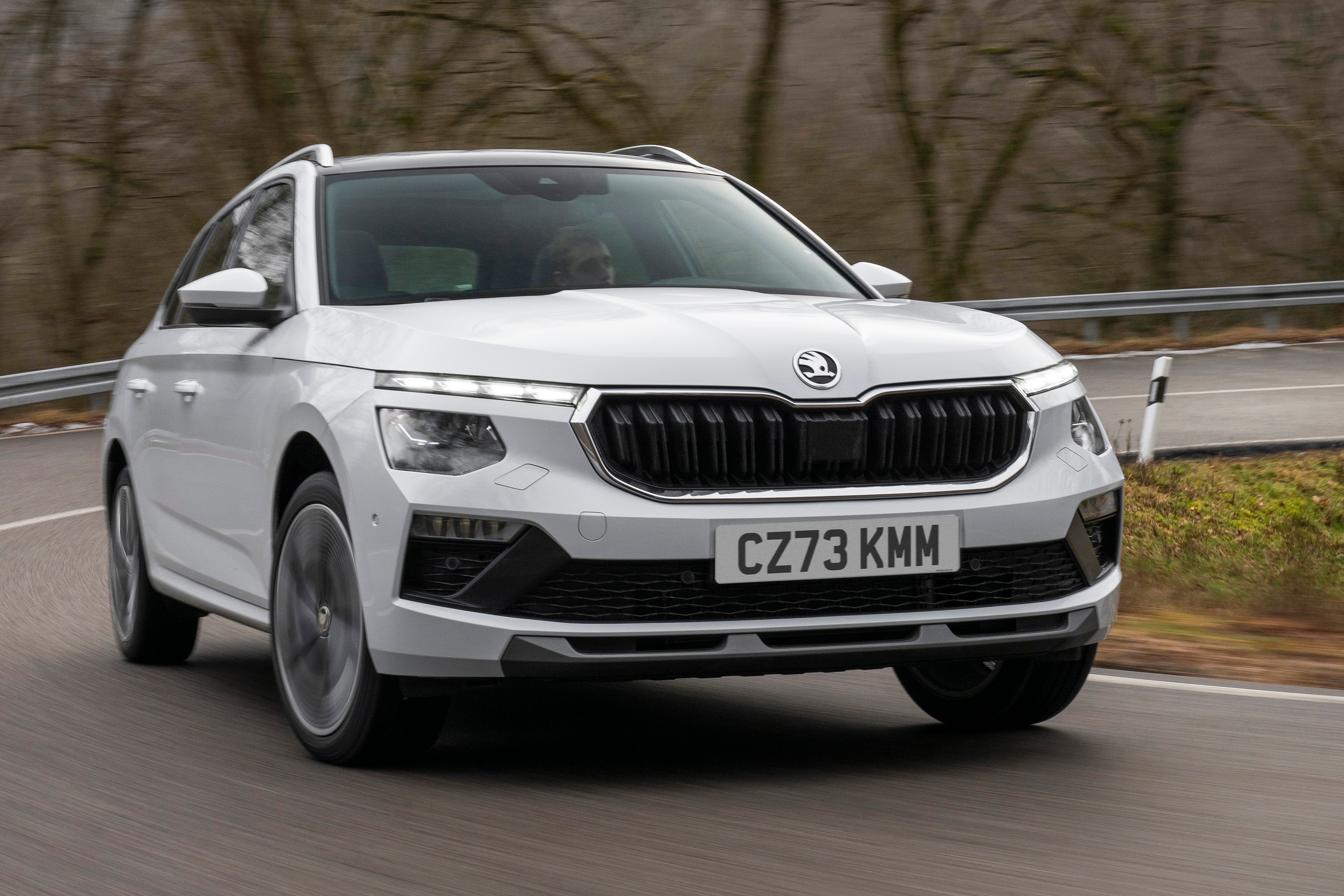
The Skoda Kamiq is one of the Bayon's clearest rivals because it does the practical, sensible small-SUV brief particularly well. It's roomier, feels a little more grown-up and is one of the easiest cars in this class to recommend.
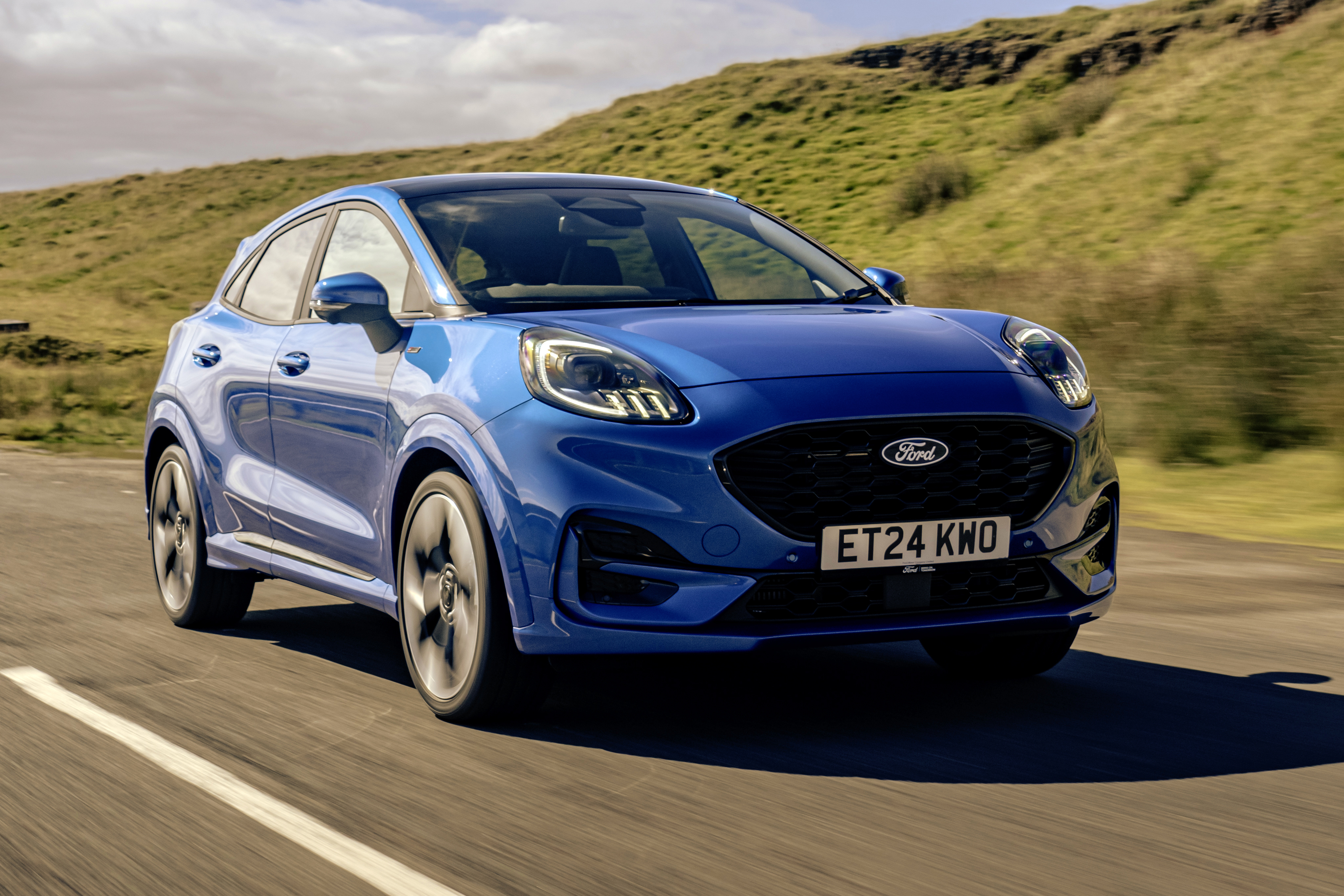
The Ford Puma is the alternative if you want something with more style and much sharper handling. It's simply the better driver's car, and it has its own clever practicality trick in the form of the MegaBox boot storage.
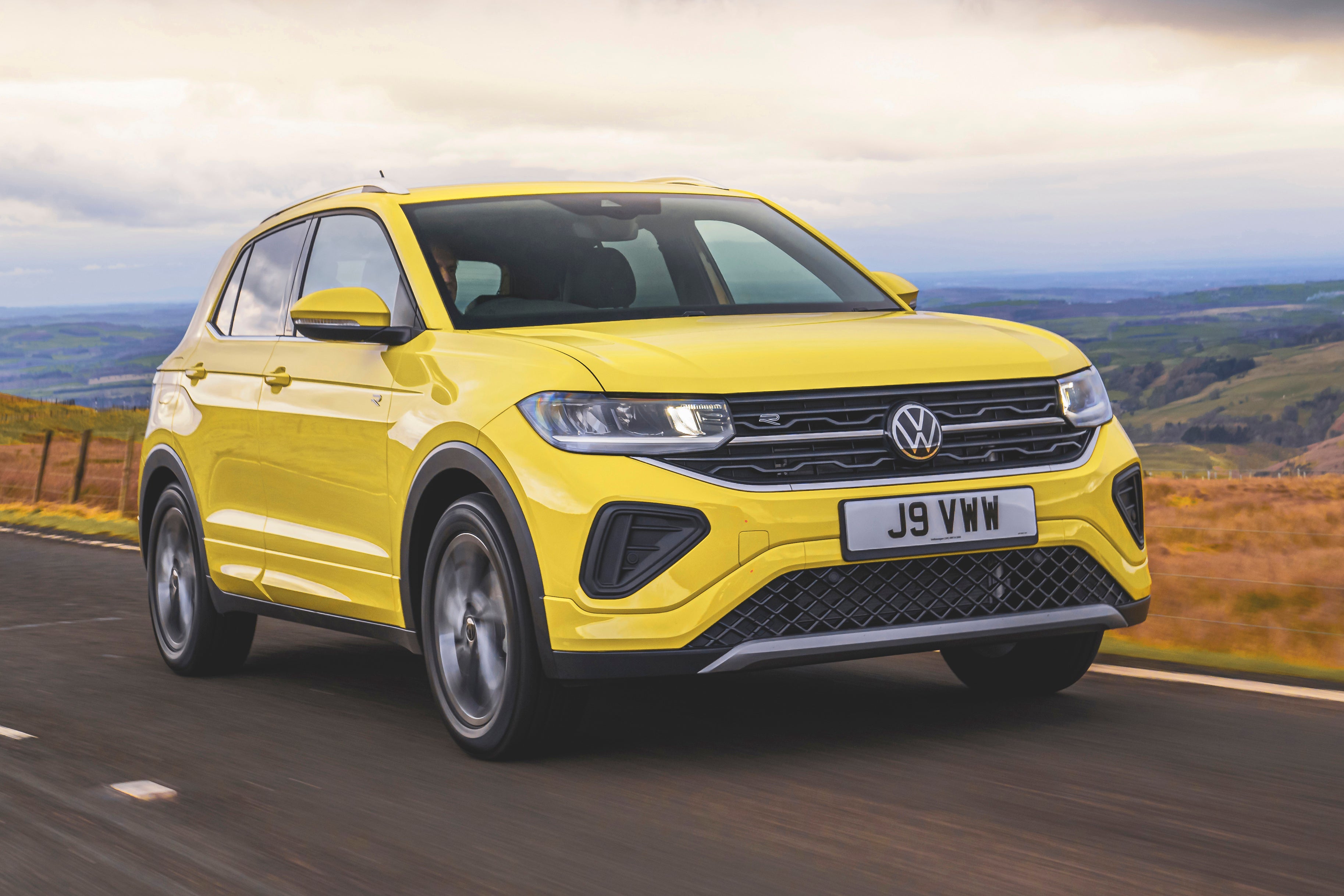
The Volkswagen T-Cross is another strong alternative. It feels a little more polished than the Bayon, offers clever rear-seat flexibility and has a stronger practicality story, even if it usually works out more expensive once you match the Hyundai for equipment.
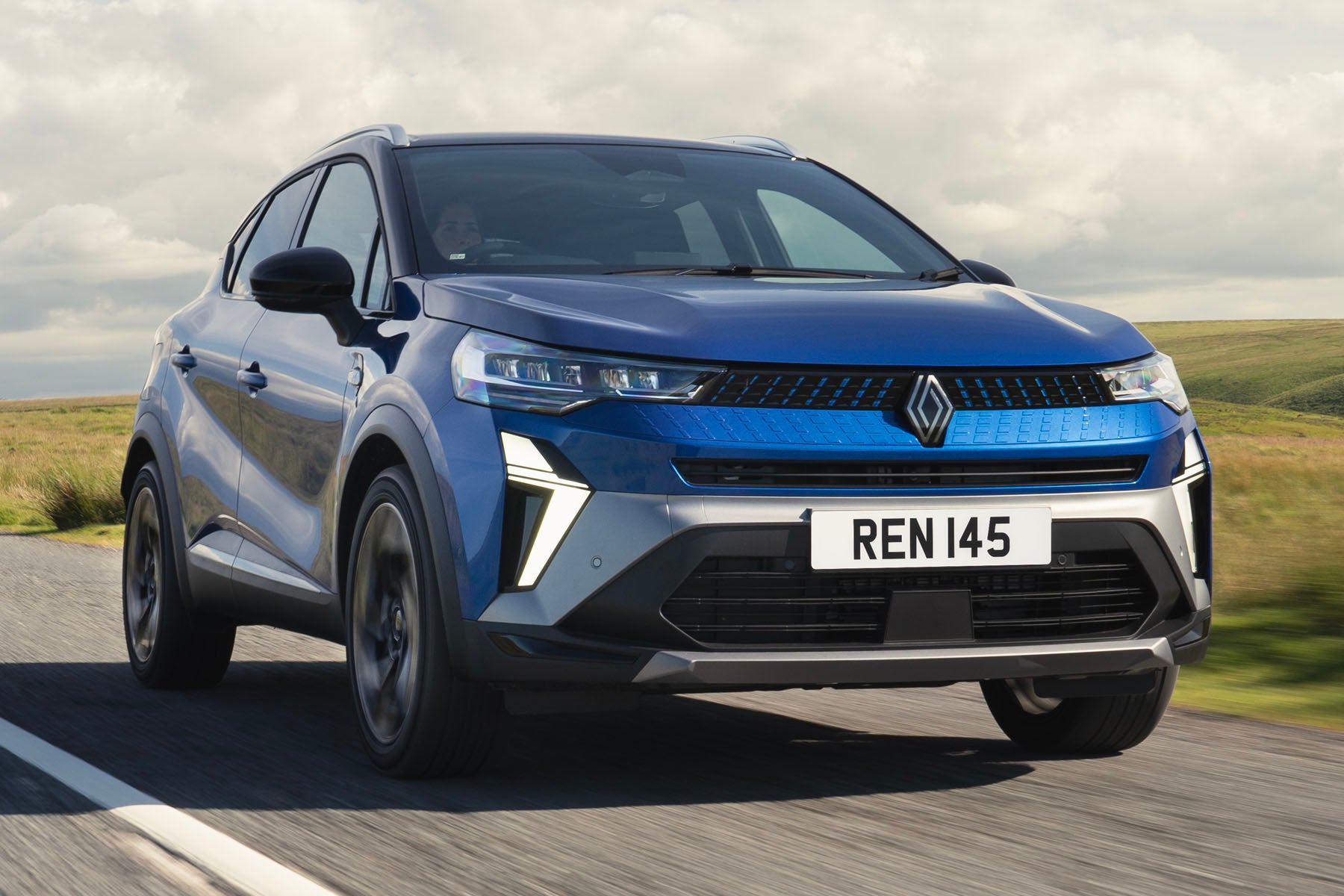
The Renault Captur and Nissan Juke are worth considering if you want a bit more visual flair, while the Captur also offers a choice of more efficient hybrid powertrains. Or you could stay within the Hyundai-Kia family and look at the Kia Stonic, which competes on similar terms.
The Toyota Yaris Cross is another strong option if efficiency is your priority, because its full-hybrid powertrain offers an advantage in urban fuel economy.
What's the interior like in the Hyundai Bayon?
The Bayon's cabin isn't especially plush, but it's neat, easy to use and better equipped than you might expect for the money. The standout feature is the standard digital instrument display, while the infotainment is among the better systems in this part of the market. The dashboard is sensibly arranged, with physical climate controls and plenty of storage for everyday belongings.
Front-seat space is good, although you don't sit particularly high for an SUV. Rear accommodation is adequate, but taller passengers will find more room in a Skoda Kamiq. The 411-litre boot is a useful size, making the Bayon practical enough for small families.
Hyundai Bayon boot space and practicality
The Bayon isn't an especially large small SUV, but it makes decent use of its footprint. Up front, there's plenty of headroom, a useful amount of cabin storage and enough width that driver and passenger don't end up clashing elbows.
The driving position is comfortable, although you don't sit especially high by SUV standards – worth noting, because some buyers come to this class expecting a more commanding perch. The Bayon feels more like a hatchback with a slightly raised body than a mini-Tucson, and that can either be a disappointment or a bonus depending on your point of view.
The front seats offer reasonable support, and the steering wheel adjusts for height and reach, helping drivers find a comfortable position. Visibility forwards is good, thanks to the relatively low dashboard and generous windscreen. The rear pillars are thicker, but the standard reversing camera and rear parking sensors help when manoeuvring.
Cabin storage is sensible rather than particularly clever. There's room for phones and other small items around the centre console, along with useful door pockets, a glovebox and cupholders. Tech Line adds a front centre armrest and a rear USB-C charging connection, making it slightly more convenient for families.
Rear-seat space is adequate rather than class-leading. You can squeeze three across if you have to, and there are Isofix points on the outer rear seats, but adults in the back will find knee room only average. Rivals such as the Skoda Kamiq and the Volkswagen T-Cross feel more generous in the second row, particularly when carrying taller passengers.
The boot measures 411 litres with the rear seats in place, which is decent for the class and usefully more than you get in many superminis. Fold the 60:40 split rear seats and capacity rises to 1,205 litres. That's enough for shopping, luggage and occasional larger loads, although the Bayon's relatively narrow body limits its usefulness for especially bulky items.
A luggage board is available as part of the optional Tech Pack, along with a luggage net.
If practicality is a priority, the T-Cross is one of the more convincing alternatives because its sliding rear bench provides greater flexibility in day-to-day use. Nevertheless, the Bayon offers a useful balance between compact exterior dimensions and everyday family practicality.
Hyundai Bayon dimensions
The Hyundai Bayon measures 4,180mm long, 1,775mm wide and 1,500mm high, with a wheelbase of 2,580mm. That makes it one of the smaller cars in this class, which helps explain why it's easy to thread through town and park in tight spaces.
Those tidy dimensions are part of the Bayon's appeal if you're downsizing from a larger family car or simply want something that doesn't feel cumbersome on narrow UK roads.
Its turning circle is 10.4 metres, which is particularly useful when navigating residential streets or supermarket car parks. The compromise is that it can't quite match the roomiest small SUVs for rear-seat space, although the 411-litre boot is competitive for its size.
Tech and infotainment in the Hyundai Bayon
This is one area where the Bayon punches above its price point. All current models get a 10.25-inch touchscreen with navigation and a 10.25-inch digital instrument cluster, which gives the cabin a more modern feel than you might expect from a value-focused small SUV.
The infotainment itself is one of the better systems in this class. The menus are sensibly laid out, the graphics are clear and the screen is responsive enough that it doesn't become irritating to use. Apple CarPlay and Android Auto are standard, which matters more to many buyers than built-in navigation anyway. Hyundai's Bluelink connected services also provide features such as vehicle information, navigation updates and access to selected functions through a smartphone app. Some services are subscription-dependent after their included periods.
Hyundai has avoided making the interior more fiddly than it needs to be. Climate functions are kept separate from the infotainment system, and Tech Line's automatic climate control uses proper physical switches. That makes the Bayon easier to live with than rivals that bury too many everyday functions in a touchscreen.
Black Line includes a rear-view camera and parking sensors, while Tech Line adds front parking sensors, wireless phone charging, a rear USB-C connection and an auto-dimming rear-view mirror. There's also an optional £1,000 Tech Pack for Tech Line models, bringing a glass tilt-and-slide sunroof, acoustic windscreen and Bose premium sound system. The Bose setup provides an additional audio upgrade for buyers who spend plenty of time listening to music on longer journeys.
Overall, the technology is generous and easy to operate. It's one of the Bayon's strongest arguments against more expensive small SUVs.
Materials available on the Hyundai Bayon
The Bayon's materials are decent rather than impressive. Hyundai has made the cabin look reasonably modern, and the dual-screen setup helps, but there are still quite a few hard plastics spread around the dashboard and doors.
That said, the car doesn't feel especially cheap. All versions get a leather-wrapped steering wheel and gear knob, and the overall fit and finish seem solid enough.
Black Line uses dark upholstery and trim finishes, while the black exterior detailing gives the car a slightly sportier appearance. Tech Line adds a little more visual interest through its different trim treatment and extra convenience equipment, rather than a wholesale upgrade in material quality. Ambient lighting provides some welcome decoration, although neither version feels particularly luxurious.
If you're looking for soft-touch surfaces throughout the cabin, the Volkswagen T-Cross and some higher-specification rivals offer more convincing finishes.
In short, the Bayon feels durable and presentable rather than plush. That's about right for the price point.
What's the Hyundai Bayon like to drive?
The Bayon is easy, predictable and undemanding to drive, which is exactly what many small-SUV buyers want. It isn't a driver's delight, but it rides comfortably enough, steers accurately and feels nicely manageable in town.
The 1.0-litre petrol engine produces 90PS, so performance is adequate rather than exciting, especially on faster roads. The manual gearbox gives the driver more control over the modest power available, while the automatic is convenient in traffic but slower to accelerate.
Ride comfort is reasonable, refinement is respectable and the steering is light. For more entertaining handling, a Ford Puma is the better choice.
Hyundai Bayon range and performance
The current Hyundai Bayon range uses a single engine: a 1.0-litre turbocharged three-cylinder petrol producing 90PS and 172Nm of torque. You can have it with either a six-speed manual or a seven-speed dual-clutch automatic gearbox. Both drive the front wheels, and neither uses mild-hybrid assistance.
In manual form, the Bayon covers 0-62mph in 11.9 seconds and has a top speed of 108mph. Choose the DCT automatic and acceleration takes 13.3 seconds, with top speed trimming slightly to 107mph. Those aren't especially lively numbers, but they're perfectly acceptable for the kind of driving the Bayon is meant to do.
Around town and at lower speeds, the little engine has sufficient power to deal with everyday traffic. Its maximum torque is available from 1,500rpm to 3,000rpm, which helps provide flexibility without constantly needing high engine speeds. Once up to speed, the Bayon cruises happily enough on the motorway. Just don't expect particularly brisk overtaking punch or much in the way of excitement.
The six-speed manual makes the most sense if you're comfortable changing gears yourself. It offers slightly quicker acceleration than the automatic and allows you to make more direct use of the available performance. The seven-speed DCT is designed to make driving easier in stop-start traffic, although its slower official acceleration time suggests it's better suited to relaxed motoring. Official fuel economy is 47.9mpg for the manual and 48.7mpg for the automatic, so there's very little difference in running costs.
Used buyers will come across earlier Bayon models with 100PS or 120PS mild-hybrid engines, as well as other petrol versions. These are worth considering if you'd like additional performance or an alternative specification.
Hyundai has also unveiled an entirely new Bayon generation, with 90PS and 115PS petrol engines planned and a 138PS full hybrid to follow in 2027. However, those engines belong to the forthcoming replacement and aren't part of the current UK range.
For now, the Bayon's powertrain choices are straightforward: an economical 90PS petrol engine with a choice of manual or automatic transmission.
Performance data
| Model | Engine/battery size | Power | 0-62mph | Range/MPG |
|---|---|---|---|---|
Hyundai Bayon 1.0T 90PS manual | 1.0-litre petrol, manual | 90PS | 11.9 seconds | Up to 47.9mpg |
Hyundai Bayon 1.0T 90PS DCT | 1.0-litre petrol, automatic | 90PS | 13.3 seconds | Up to 48.7mpg |
Hyundai Bayon driving and refinement
On the road, the Bayon feels very much like a slightly taller i20. The steering is light, accurate and easy to place, which makes it well suited to town driving. Visibility is decent, and the compact footprint helps when parking or threading through tight streets. The turning circle is reasonably tight, too, so the car rarely feels awkward to manoeuvre.
Ride quality is one of its stronger points. It isn't especially soft, but it deals with rougher surfaces reasonably well and generally strikes a sensible balance between comfort and control. It sits somewhere between a cushier Citroen C3 Aircross and a firmer Ford Puma, which is no bad place to be. It's a straightforward setup that suits the Bayon's undemanding character.
If you're hoping for something especially fun, though, look elsewhere. The Bayon doesn't feel particularly sporty, and selecting Sport mode does little beyond adding weight to the steering. There's some body roll through tighter bends, although grip is adequate and the car feels predictable when changing direction. Keen drivers will be better served by the Ford Puma, which offers sharper handling, more precise steering and a greater sense of involvement.
The Bayon's relaxed nature is more appealing on everyday journeys. Light controls, a comfortable driving position and good visibility make it easy to live with.
Refinement is respectable for a small petrol SUV. Wind and road noise are kept reasonably well in check, and the engine is unobtrusive most of the time, even if it lacks the character or punch of some rival three-cylinder units. The current 90PS version has less performance than some earlier derivatives, so drivers covering longer motorway journeys may find themselves working the engine harder when overtaking or climbing hills. The automatic should be particularly convenient in heavy traffic, although its slower acceleration means it won't necessarily make the car feel more responsive.
Overall, the Bayon feels calm and manageable enough for everyday use. It isn't especially entertaining, but its comfortable ride and straightforward controls suit the sort of driving most owners will do.
How safe is the Hyundai Bayon?
The Hyundai Bayon has a four-star rating from independent safety organisation Euro NCAP, following testing carried out in 2021. The rating was reviewed following the 2024 facelift. It scored 76% for adult occupant protection, 82% for child protection, 76% for vulnerable road users and 67% for safety assistance.
Standard safety equipment is strong. All current Bayons get forward collision avoidance assistance with car, pedestrian and cyclist detection, intelligent speed limit assistance, lane-following and lane-keeping assistance, driver distraction warning, eCall and rear-seat alert. High-beam assistance and a reversing camera are also included.
Euro NCAP identified some weaknesses in chest protection during frontal impacts, contributing to the four-star result. While the headline rating isn't class-leading, the Bayon offers a useful selection of active safety equipment as standard.
Running costs: What it's like to live with a Hyundai Bayon
This is one of the Bayon's stronger areas. It's relatively affordable to buy, the little turbo petrol engine is reasonably efficient, insurance groups are sensible and Hyundai's long warranty is a strong selling point.
Official fuel economy approaches 49mpg, while the 40-litre fuel tank means reasonably infrequent visits to the petrol station. Servicing is required annually or every 10,000 miles, and Hyundai offers service plans to help spread maintenance costs. There's no expensive battery or charging equipment to worry about, although the Bayon also lacks the fuel-saving benefits of a full hybrid.
Annual VED is straightforward, with no Expensive Car Supplement to consider.
Hyundai Bayon fuel economy
Official combined fuel economy is 47.9mpg for the manual and 48.7mpg for the DCT automatic. Those numbers are decent rather than exceptional, but they should make the Bayon affordable enough to run in the real world.
With a 40-litre fuel tank, you're looking at a useful range between fill-ups. On official figures, that works out at approximately 420 miles for the manual and 430 miles for the automatic, although real-world results will vary.
Because the Bayon is relatively light by modern standards, it doesn't need a huge amount of fuel to keep going.
Official CO2 emissions range from 131g/km to 134g/km, depending on gearbox and specification. For company car drivers, the applicable Benefit-in-Kind rate is 32% for 2026/27, so a more heavily electrified alternative may be a better financial choice.
If efficiency is your absolute priority, a full hybrid such as the Toyota Yaris Cross will generally do better around town, but the Hyundai's figures are respectable for a conventional petrol SUV.
Hyundai Bayon warranty and servicing
Hyundai's five-year unlimited-mileage warranty is one of the Bayon's strongest selling points. It's more generous than the cover offered by many rivals and adds a useful layer of reassurance if you're planning to keep the car for a while.
The warranty covers manufacturing defects, subject to Hyundai's terms and exclusions. It also includes roadside assistance, while annual vehicle health checks are available through the manufacturer.
Servicing is required every 12 months or 10,000 miles, whichever comes first.
Used buyers should check the service history and confirm how much of the original warranty remains. The five-year cover is a particularly attractive benefit for anyone planning to keep their Bayon for several years.
Hyundai Bayon insurance groups
Current insurance groups are sensible. The Black Line automatic is group 13, while the manual Black Line and Tech Line models sit in group 15. The Tech Line automatic is group 14. That makes the Bayon relatively easy to justify for cost-conscious buyers, reinforcing the sense that this is a small SUV designed around sensible ownership rather than image-led indulgence.
The modest 90PS engine helps keep performance-related insurance risks down, while the relatively affordable purchase price should also be beneficial. However, individual premiums depend on factors such as age, driving history, location and annual mileage. It's worth obtaining quotes for the specific version before ordering, particularly if you're considering the automatic.
How much does it cost to tax a Hyundai Bayon?
The Hyundai Bayon pays the standard annual Vehicle Excise Duty (VED) rate of £200 from the second year onwards. First-year VED is included in the new car's on-the-road price.
Because every version costs considerably less than the £40,000 Expensive Car Supplement threshold for petrol cars, there's no additional annual charge to worry about. The supplement normally applies for five years from the second year of registration when a qualifying vehicle's original list price exceeds the threshold, but even a fully equipped Bayon is comfortably below it.
That helps keep ownership costs straightforward, whether you're buying new or used.
What trims are available with the Hyundai Bayon?
The current UK Hyundai Bayon range is made up of two trims: Black Line and Tech Line. Both are available with the 90PS turbocharged petrol engine and either a six-speed manual or seven-speed automatic gearbox.
Black Line is the entry point, but it comes with plenty. Standard equipment includes 16-inch black alloy wheels, LED headlights and taillights, black exterior detailing, privacy glass and roof rails. You also get heated front seats, a heated leather-wrapped steering wheel, electric front and rear windows, a rear-view camera, rear parking sensors and cruise control. A 10.25-inch touchscreen with navigation is standard, along with a 10.25-inch digital instrument cluster, Apple CarPlay, Android Auto and Bluelink connected services. That gives the entry-level Bayon a more generous specification than many similarly priced small SUVs, which is one of its strongest selling points.
Tech Line builds on that equipment with 17-inch silver alloy wheels, chrome exterior detailing and additional convenience features. It gets automatic climate control rather than the Black Line's manual system, along with front parking sensors, automatic windscreen wipers with rain sensors and an auto-dimming rear-view mirror. Keyless entry and start, wireless smartphone charging and a front centre armrest are included, while a rear USB-C charging port makes life more convenient for passengers. Those additions make Tech Line a little easier to live with day to day, particularly if you're regularly carrying passengers or spend plenty of time in traffic. However, they aren't essential.
There's also an optional Tech Pack on Tech Line, which adds a glass tilt-and-slide sunroof, acoustic windscreen and Bose premium sound system. It also includes a luggage board and net. At £1,000, it's an appealing upgrade if you want a slightly more luxurious Bayon, although it pushes the price closer to some larger and more sophisticated rivals.