Volkswagen ID. Polo Review

Written By Ivan Aistrop
- 2026
- Hatchback
- Electric
What we love
Smart, understated looks
Standard kit looks pretty generous
Should be affordable to run
Things to consider
Limited range of entry-level version
It hasn't been crash tested by Euro NCAP yet
Modest interior colour palette
The DRIVE take on the Volkswagen Id Polo, is it the right car for you?
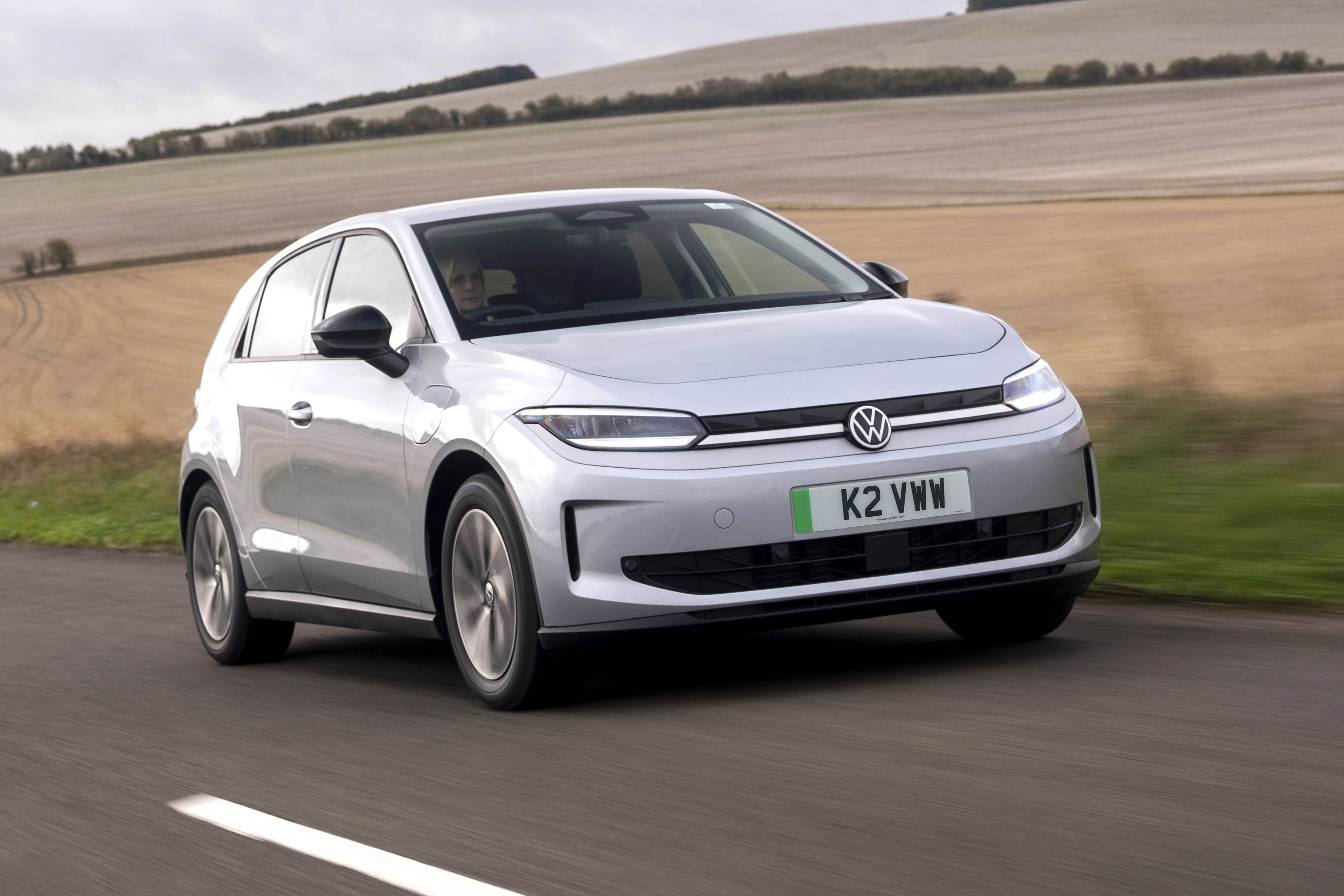
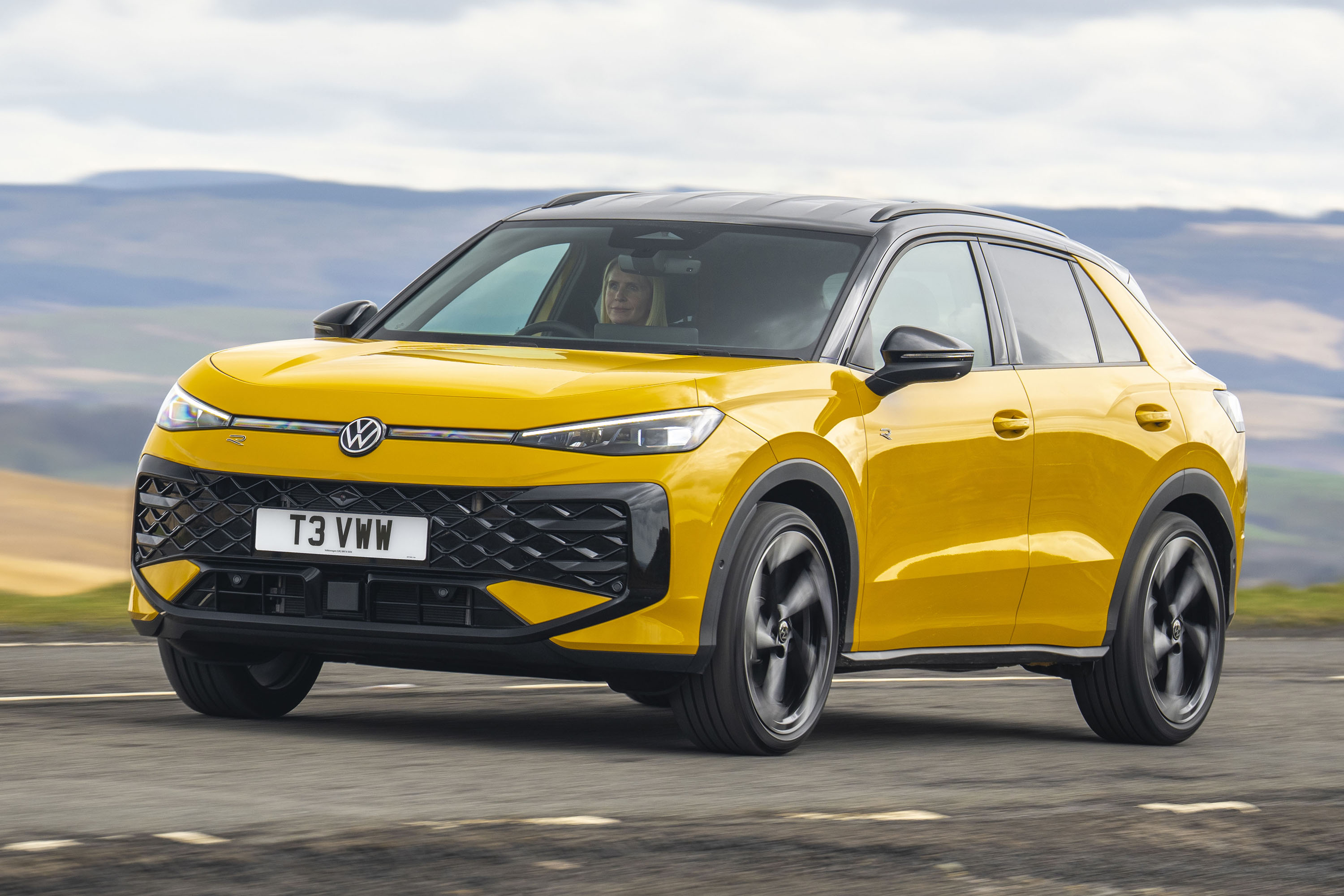
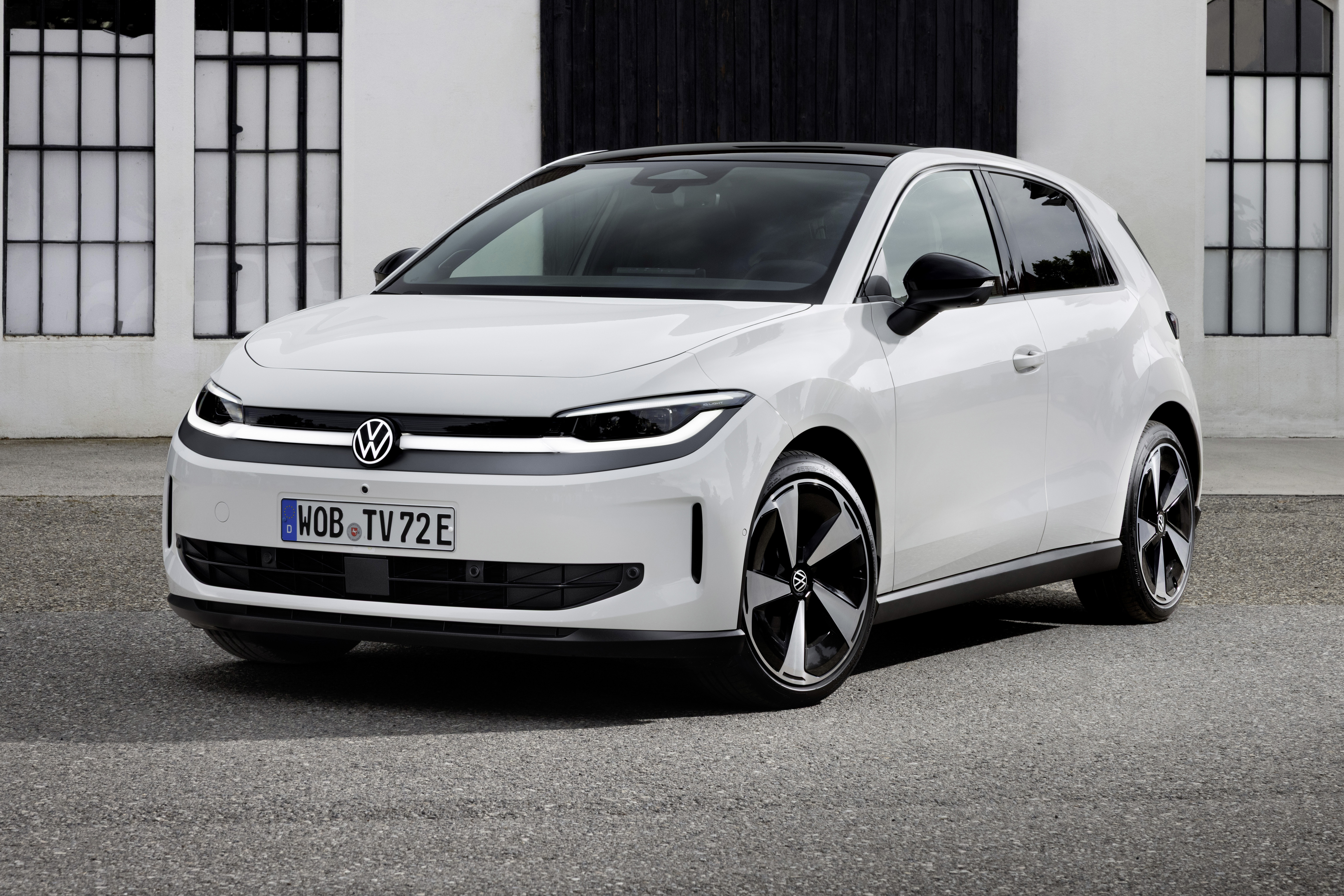
The Volkswagen ID. Polo looks to provide everything buyers love about the Polo supermini - that being understated desirability, decent practicality, strong quality and a grown-up driving experience - but in an all-new package with an electric powertrain. If it succeeds, Volkswagen could have a very successful car on its hands.
The Volkswagen Id Polo in more detail
The Volkswagen Polo has been on our roads in one form or another for more than 50 years now, so it's about as familiar as cars get. Well, here's the Polo like you've never seen it before, because this one's all-electric.
Don't go thinking, however, that this is a regular Polo that's been retro-fitted with an electric powertrain: and given how similar it looks to the regular Polo, we can see why you might. This is an entirely different car built on an entirely different platform, one it shares with a variety of other small Volkswagen-Group electric models such as the CUPRA Raval, Skoda Epiq and Volkswagen ID. Cross. But if you're not quite ready to go all-electric just yet, then fear not, because the regular combustion-engined Polo will continue to be sold alongside the electric alternative for the foreseeable future.
Size-wise, the ID. Polo is very similar to the regular Polo, although Volkswagen says its boot is 25% bigger at 441 litres: you can thank the easier packaging of an electric powertrain for that. The cabin also comes packed with a good amount of equipment and tech as standard, and many of the materials used are recycled and sustainable.
The powertrain options are offered, one with 166PS, one with 135PS and one with 211PS. The most powerful one has a 52kWh battery that give a range of up to 381 miles, while the two lower-powered versions get a smaller 37kWh battery that drops the range to more like 200 miles.
As yet, we haven't had the opportunity to drive the Volkswagen ID. Polo, so we can't tell you how it behaves on the road in terms of its performance, ride comfort, handling agility or refinement. As soon as we have had a go, though, we'll update this article with our detailed thoughts. In the meantime, we've pulled together all the most important facts and figures to give you an idea of what to expect from Volkswagen's dinky new EV.
What's the best Volkswagen Id Polo trim and battery option?
That depends on how you'll use your car. If you'll only ever do short journeys in it, then you can save a lot of money by opting for a version with the smaller battery. If you need to venture further afield, though, then the version with the larger battery is probably worth the extra you'll pay.
In terms of trim level, we don't think there's a whole lot you'll want that the Life version doesn't provide, so stick with the entry-level trim.
What’s the price of the Volkswagen Id Polo?
The VW ID. Polo range starts at £23,945 for the entry-level 116PS version in Life trim. From there, you pay another £1,100 to upgrade to the 135PS version, and a further £3,275 to upgrade to the 211PS version, which remember, also comes with a bigger battery and a lot more range.
If you want to upgrade from Life trim to Style trim, it's an upgrade that'll cost you £3,415 regardless of powertrain. That makes the Style with 211PS and 52kWh battery the most expensive version of the ID. Polo at £31,745.
Alternatives to the Volkswagen Id Polo
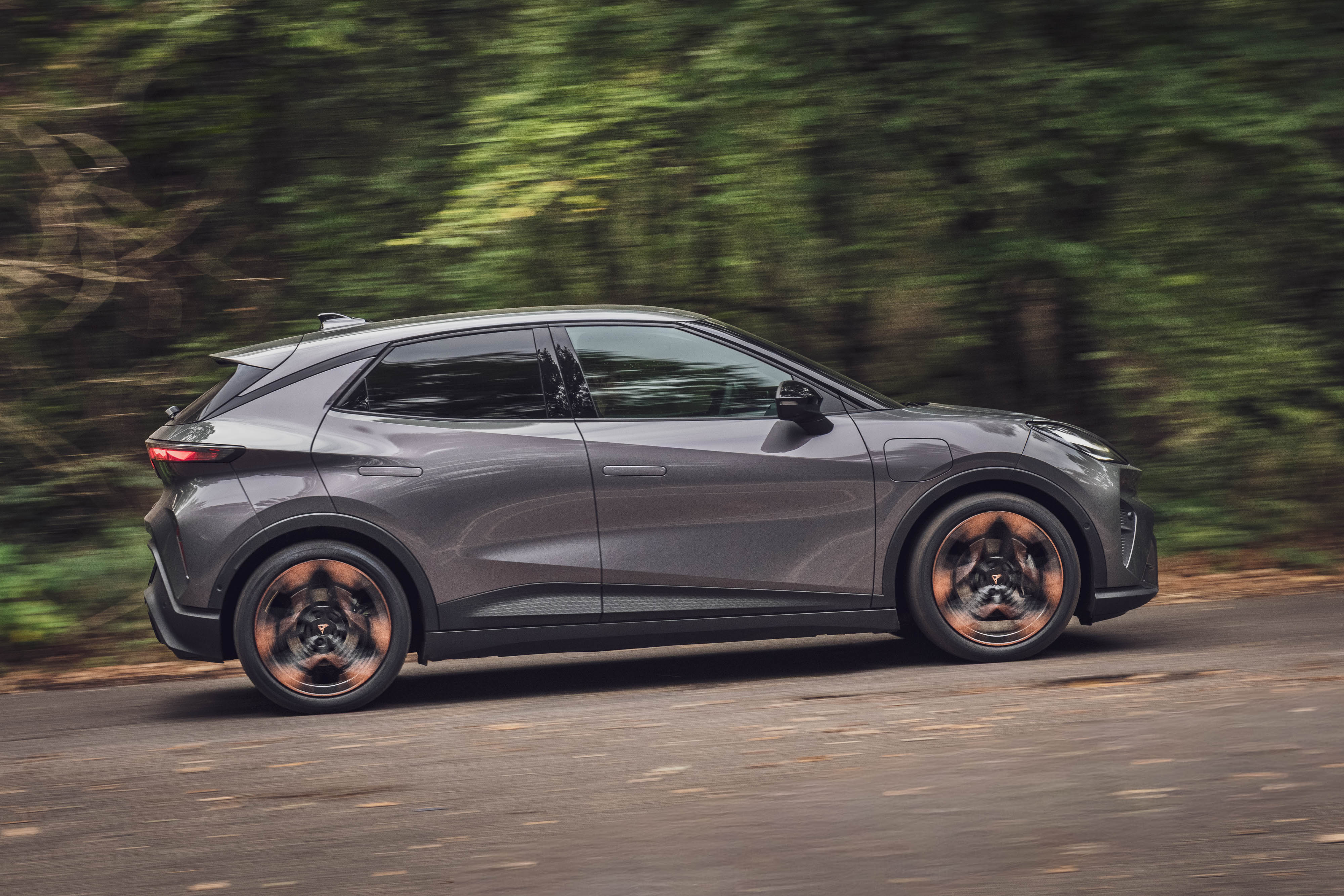
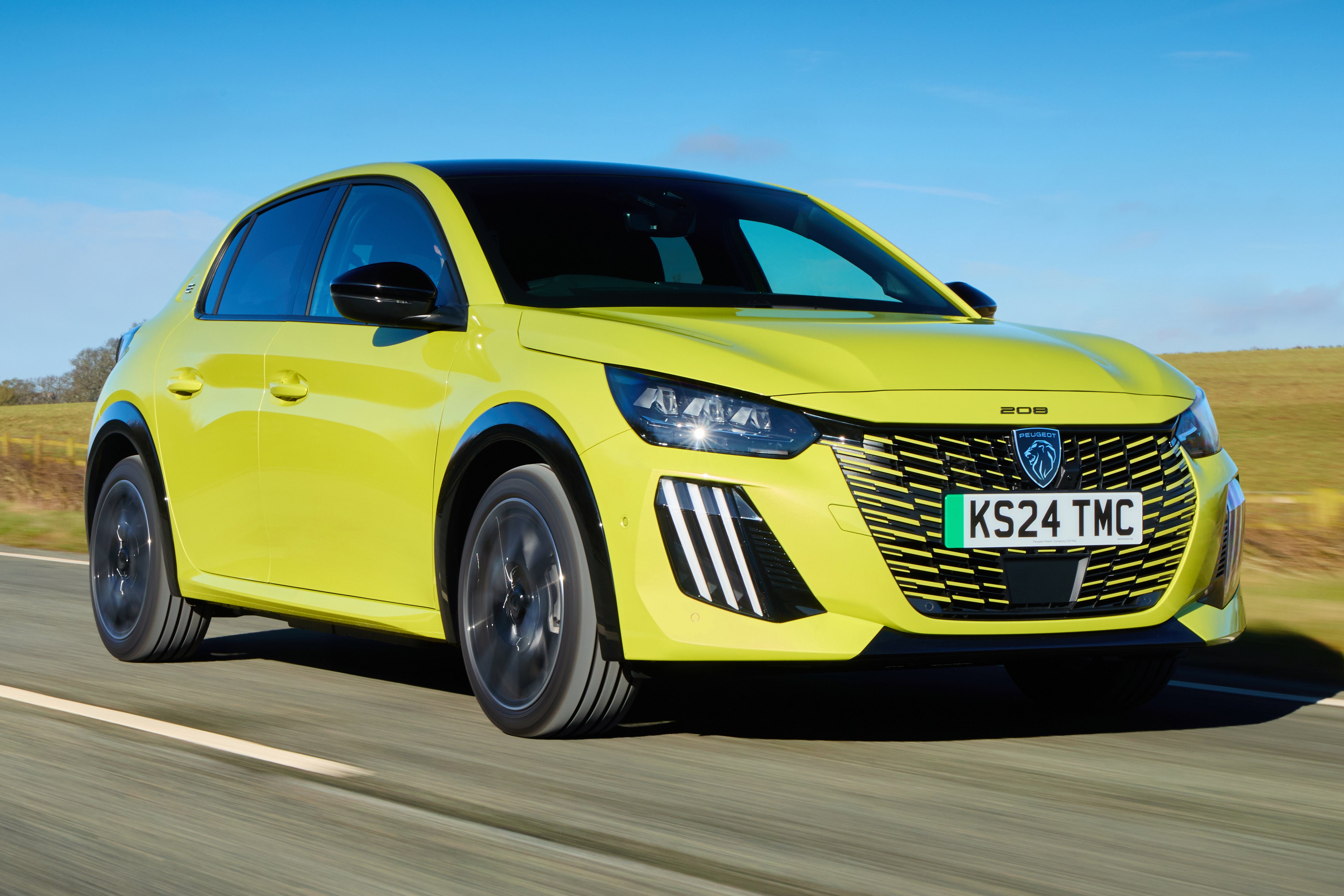
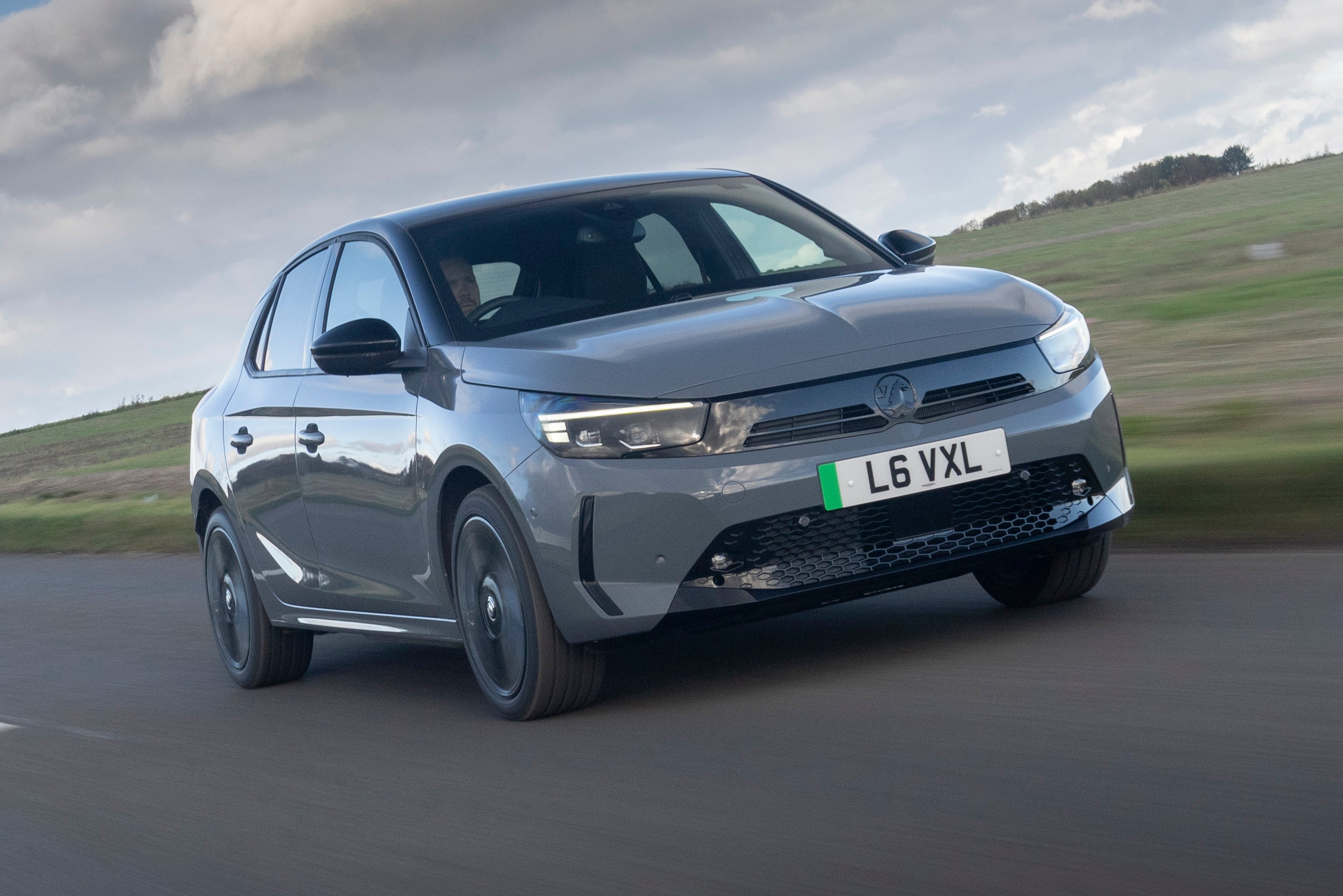
Probably the most direct rivals for the Volkswagen ID. Polo are the electric versions of the Peugeot 208 and Vauxhall Corsa, and these also happen to be the longest-serving, most established models in the electric supermini sector. There's also the CUPRA Raval, which arrived at a similar time to the ID. Polo, and uses the same underpinnings.
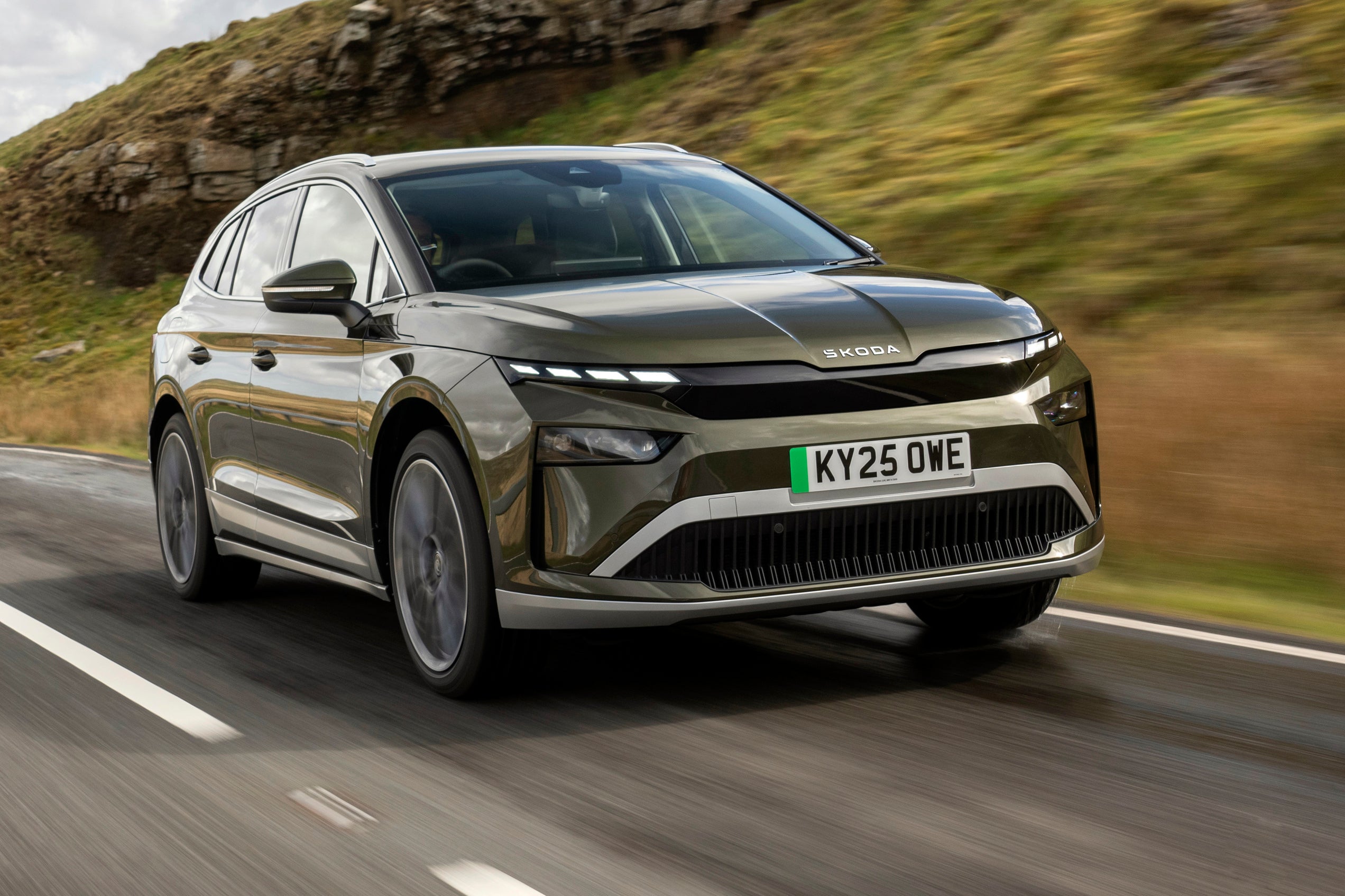
If you're accepting of a more SUV-like shape for your small electric car, then the alternatives immediately become a lot more plentiful: the Volkswagen ID. Cross and Skoda Epiq are two more cars that share the ID. Polo's underpinnings, and other alternatives include the Ford Puma Gen-E, Nissan Leaf, Kia EV2, Citroen e-C3, Fiat Grande Panda Electric, Vauxhall Frontera Electric and many, many others.
And, if you don't mind your car being a little smaller, then stylish options such as the Renault 5, Nissan Micra, Mini Cooper Electric and Fiat 500 Electric also enter the fray.
What's the interior like in the Volkswagen Id Polo?
Until we've encountered the VW ID. Polo in person, we can't really say for sure, but we'd expect a very similar level of interior space to that you get from the regular Polo, and a classy feel inside.
Volkswagen Id Polo boot space and practicality
Like we've said, we haven't encountered the ID. Polo in person just yet, so we can't say for sure what it's like for passenger space. It's very similar in size to the regular combustion-engined Polo (actually a few millimetres bigger in every direction), so we'd expect a similar amount of space, maybe a touch more as electric cars are usually easier to package.
We do know that the ID. Polo's boot is 25% bigger than the regular Polo's at 441 litres. However, we suspect that a large portion of that volume is accounted for by the large well underneath the (standard) multi-position boot floor, and that the size of the regular loadbay that you'll use on a regular basis is actually pretty similar. That variable boot floor should level off step in the load area when you fold the 60/40 split rear seats, too, and Volkswagen says that doing so opens up 1,240 litres of space.
Volkswagen Id Polo dimensions
Unsurprisingly, the ID. Polo is a very similar size to the more familiar combustion-engined Polo. It's 4,053mm long, 1,816mm wide (excluding door mirrors) and 1,530mm high.
Tech and infotainment in the Volkswagen Id Polo
All versions of the ID. Polo have the same core infotainment system, which centres around a large 12.9-inch touchscreen set into the middle of the dashboard. In all versions of the car, you get seven speakers and four USB-C ports (two front, two rear), and functionality includes DAB radio, wireless phone charging, an AI-powered voice assistant called IDA, and wireless Apple CarPlay and Android Auto.
The entry-level Life version is the only one to miss out on native satellite navigation, but the standard smartphone integration means you can still use your phone's navigation functionality through the main screen, so that really doesn't matter.
We haven't encountered the ID. Polo in person yet, but we do know that the infotainment uses the same operating system as some other recent Volkswagen models we've encountered, and in these, usability isn't the best, with some confusingly arranged menus and some ambiguously designed on-screen icons. At least the ID. Polo provides you with some physical switches for operating your air-con, though, so you don't have to faff around with the touchscreen every time you want to change the temperature or fan speed.
Materials available on the Volkswagen Id Polo
As we haven't encountered the ID. Polo in person yet, we can't really comment on the quality of its materials. What we would say, though, is that cabin quality is very much a Volkswagen selling point, and something that helps justify slightly higher prices relative to competitors, so we'd be surprised if the ID. Polo didn't deliver the goods on this front.
What we can say is the Volkswagen has used sustainable materials wherever possible. The textiles and fabrics used in the seats, door trims, headliner and carpets are made recycled plastic bottles, while the seats in the Style model are upholstered in SEAQUAL, which is made from recycled ocean plastics.
What's the Volkswagen Id Polo like to drive?
That's a question that we don't yet have the answer to, because we haven't yet had the chance to drive it. We'll let you know our thoughts as soon as we have, though.
Volkswagen Id Polo range and performance
The Volkswagen ID. Polo can be had in a variety of different forms. There are two batteries and three power outputs to choose from.
The first battery option is a 37kWh item, and it can be specified with power outputs of either 116PS or 135PS. These two variants give 0-62mph acceleration figures of 10.6 seconds and 9.5 seconds, respectively. These versions offer a range of between 200 miles and 206 miles.
The range-topping version has a larger 52kWh battery, giving a range of between 275 miles and 281 miles. This larger battery is combined with a more powerful 211PS electric motor, allowing the car to get from 0-62mph in 7.1 seconds.
As we've said, we haven't yet driven the ID. Polo, so we can't yet comment of what sensation of performance you feel.
Performance data
| Model | Engine/battery size | Power | 0-62mph | Range/MPG |
|---|---|---|---|---|
37kWh 116PS | Electric 37kWh | 116PS | 10.6 seconds | Up to 200 miles |
37kWh 135PS | Electric 37kWh | 135PS | 9.5 seconds | Up to 206 miles |
52kWh 211PS | Electric 52kWh | 211PS | 7.1 seconds | Up to 281 miles |
Volkswagen Id Polo driving and refinement
As we've already said on numerous occasions, we've haven't yet had the opportunity to drive the Volkswagen ID. Polo, so any comment we make here would be utter guesswork.
Volkswagen's cars usually concentrate on providing a comfortable and refined driving experience, while also balancing that with a decent amount of handling polish, and that's what we'd expect from the ID. Polo. Time will tell if our suspicions are correct, and as soon as we find out, we'll update this article.
How safe is the Volkswagen Id Polo?
The VW ID. Polo comes with several driver assistance systems as standard to help you avoid getting into trouble. These include automatic emergency braking, dynamic road sign display, side assist with rear traffic alert warning, lane-keeping assistance, driver attention and drowsiness monitoring, and adaptive cruise control.
If you still manage to get yourself into trouble, then there are seven airbags and three Isofix child seat mounting points yo help keep you and your passengers from harm, along with an E-Call emergency call service.
The ID. Polo has not yet been crash-tested by Euro NCAP.
Running costs: What it's like to live with a Volkswagen Id Polo
The ID. Polo is quite affordable for an electric car with a desirable badge, and if you keep it charged up in the correct way, it should be affordable to run, too.
Volkswagen Id Polo charging times and costs
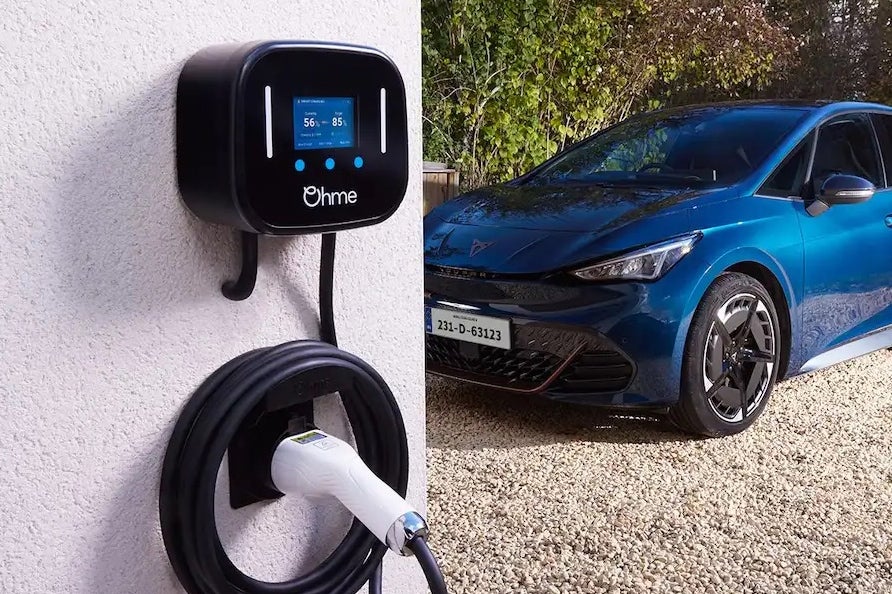
Plug your ID. Polo into a conventional 7kW home wallbox charger, as most owners will do, and a full charge of the smaller 37kWh battery will take around five and a half hours. On the same connection, the larger 52kWh battery will take around seven and a half hours to go from empty to full.
If you pay for your domestic electricity at the UK's national average rate, then those full charges will cost you around £10 and £15, respectively. However, most EV owners get their homes put onto a variable power tariff that allows them to charge their cars overnight on heavily discounted off-peak power. Do likewise, and your charging costs will be slashed, perhaps down to as low as a third of the costs quoted.
Conversely, it's likely that you can treble the quoted costs on those occasions when you need to use DC public rapid chargers, because the power that comes out of these is incredibly expensive. We'd recommend only relying on these in emergencies.
The 37kWh battery has a maximum DC charging speed of 88kW, while the 52kWh battery can take on DC charge at up to 105kW. In both cases, a 0-80% top-up can be delivered in roughly 25 minutes.
Volkswagen Id Polo warranty and servicing
Volkswagen provides its cars with a three-year, 60,000-mile warranty, which by modern standards is pretty average. Service intervals intervals for the firm's electric cars are every two years, regardless of mileage.
Volkswagen Id Polo insurance groups
So far, we've only seen insurance groupings for the two more powerful versions of the ID. Polo, those with 135PS and 211PS. The former sits in group 14, while the latter sits in groups 20 or 21 depending on trim level. It remains to be seen how the entry-level version will fare on insurance costs.
How much does it cost to tax a Volkswagen Id Polo?
Good news and bad news here. The bad news is that as of April 2025, electric cars are no longer exempt from VED road tax, so you'll be liable for the same rate of tax as drivers of petrol and diesel cars, that being a flat rate currently charged at £200 per year.
The good news is that the VW ID. Polo is cheap enough that it doesn't incur the 'expensive car surcharge' on top of that, which if it did, would add another £440 onto your annual tax bill between years two and six of the car's life.
What trims are available with the Volkswagen Id Polo?
The ID. Polo is available to order in two trim levels called Life and Style. When the order books initially opened, though, it was offered in two short-lived temporary special-edition trims known as Life Launch Edition and Style Launch Edition.
Life trim comes with all the essentials, and a few little luxuries on top. That includes 17-inch alloys, LED exterior lighting with high-beam assist headlamps, rain-sensing wipers, power adjusting and folding door mirrors, keyless entry and go, manual front seat height adjustment, ambient interior lighting, single-zone climate control, adaptive cruise control, front- and rear parking sensors, and a reversing camera.
To that, the Life Launch Edition added heated front seats and native sat-nav.
Style trim also gets those extra bits, plus 18-inch alloys, LED matrix headlights with automatic beam control, LED rear lights with dynamic turn signal, digital key, a heated steering wheel, 30-colour ambient lighting, and dual-zone climate control.
On top of that, Style Launch Edition added a panoramic glass sunroof, massaging front seats with power adjustment, 360-degree cameras, and an automated parking feature.
Ask the Drive experts: common questions
What is the Volkswagen ID. Polo?
Is the Volkswagen ID. Polo electric?
What's the range of the Volkswagen ID. Polo?
Get our latest advice, news and offers
Keep me updated by email with the latest advice, news and offers from Drive.