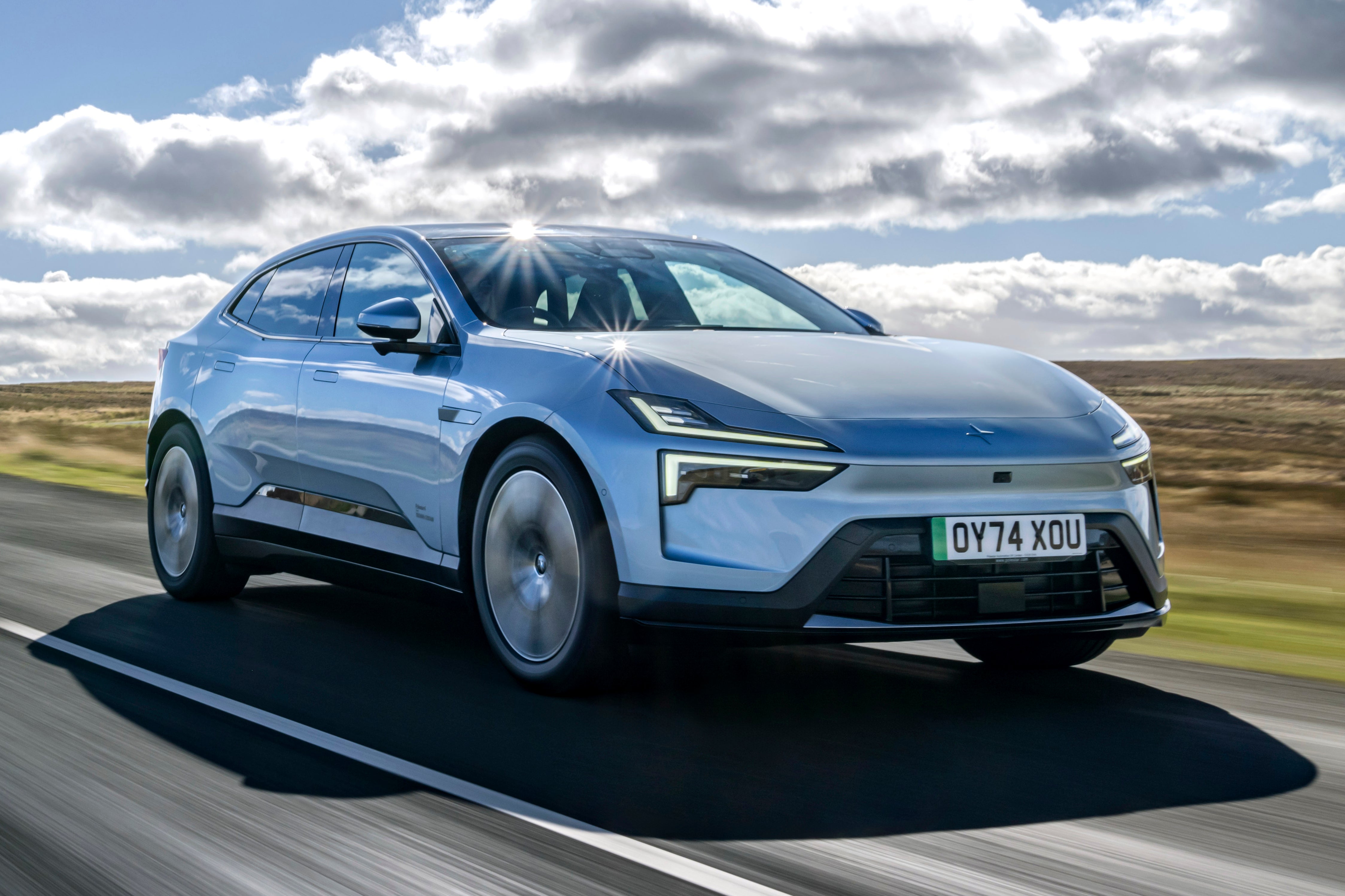
Volvo ES90 Review

Written By Phil Hall
- 2025
- Electric executive fastback
- Electric
What we love
Exceptionally quiet and refined
Excellent range and rapid charging
Beautifully finished interior
Things to consider
Smaller boot than key rivals
Ride can feel firm on larger wheels
Too many functions rely on the touchscreen
The DRIVE take on the Volvo ES90, is it the right car for you?
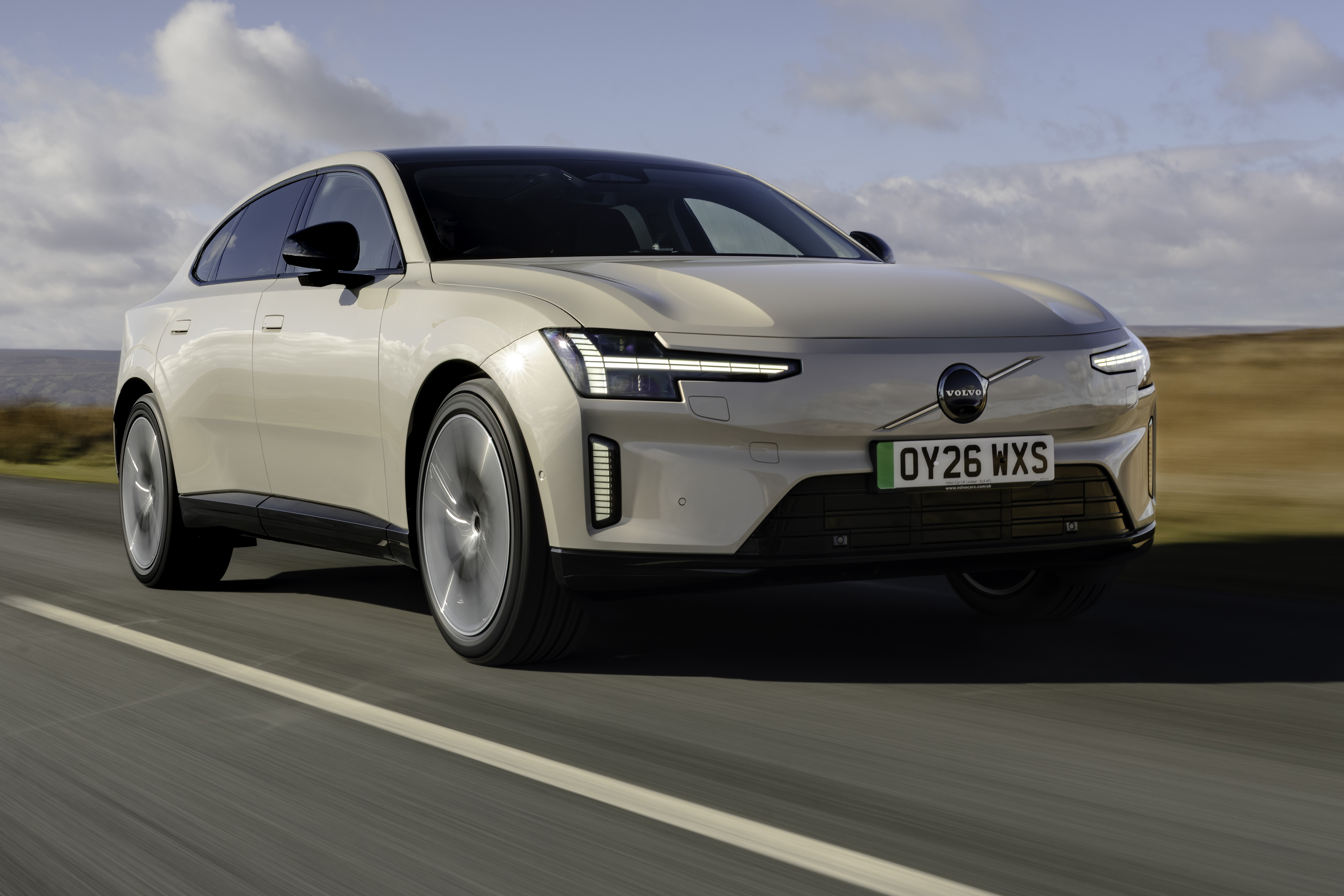
Regardless of how you want to categorise it, the Volvo ES90 is a very good premium EV. Elegant looks on the outside are complemented by a proper luxury car inside. It's probably a bit too tech-heavy for our liking, but you can't not be impressed.
The Volvo ES90 in more detail
These are unprecedented times in the automotive world — not just in terms of the switch to electrification – but also where our ability to pigeonhole cars into one type or another is challenged with a greater degree of frequency than ever before. One of the latest to beg the question ‘so, what actually is it?’ is under scrutiny here — find out all there is to know about it with our full Volvo ES90 review.
Yes, once the sensiblest of manufacturers, producing square-set cars that were undoubtedly sedate saloons, enormous estates or suave SUVs with no blurring between them, has released the Volvo ES90.
As you can see, it's not a large electric estate that many had hoped for. With its sleek silhouette, you might be forgiven for thinking it's a luxury saloon, but it's not — not in the conventional sense, anyway. If you've spotted that the ES90’s boot lid looks rather stunted, that’s because it’s not a traditional four-door car but a five-door hatchback with a large tailgate.
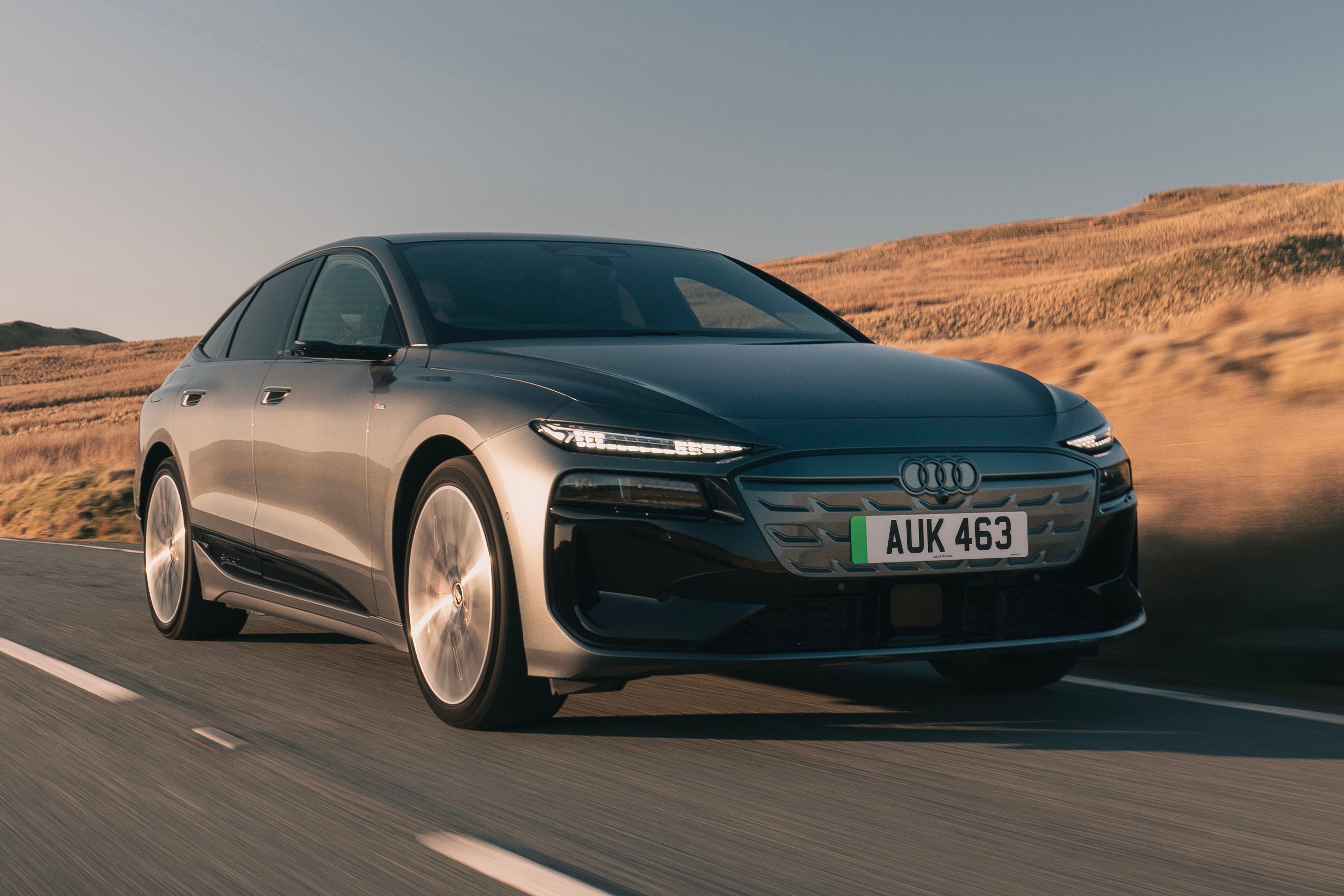
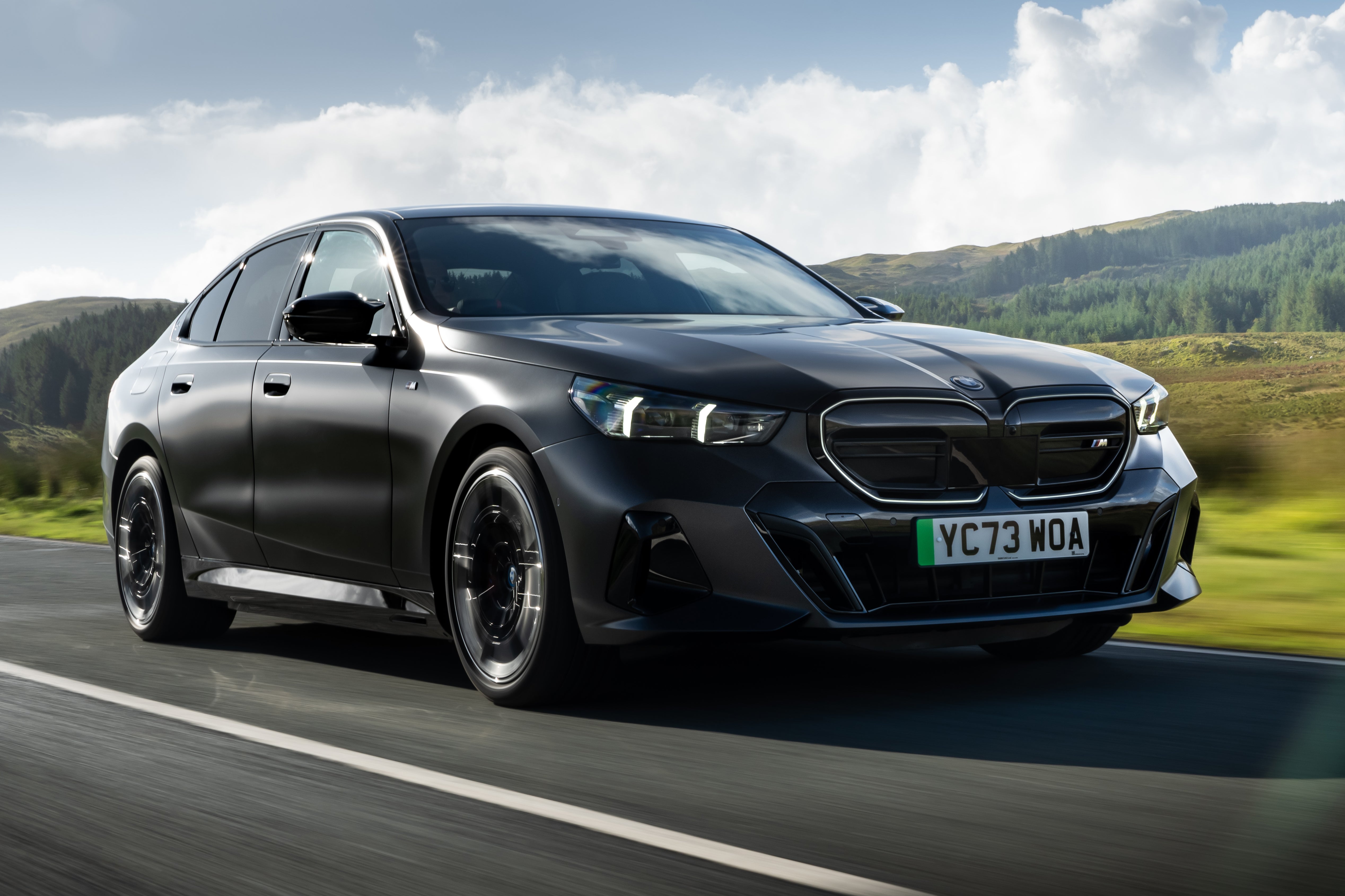
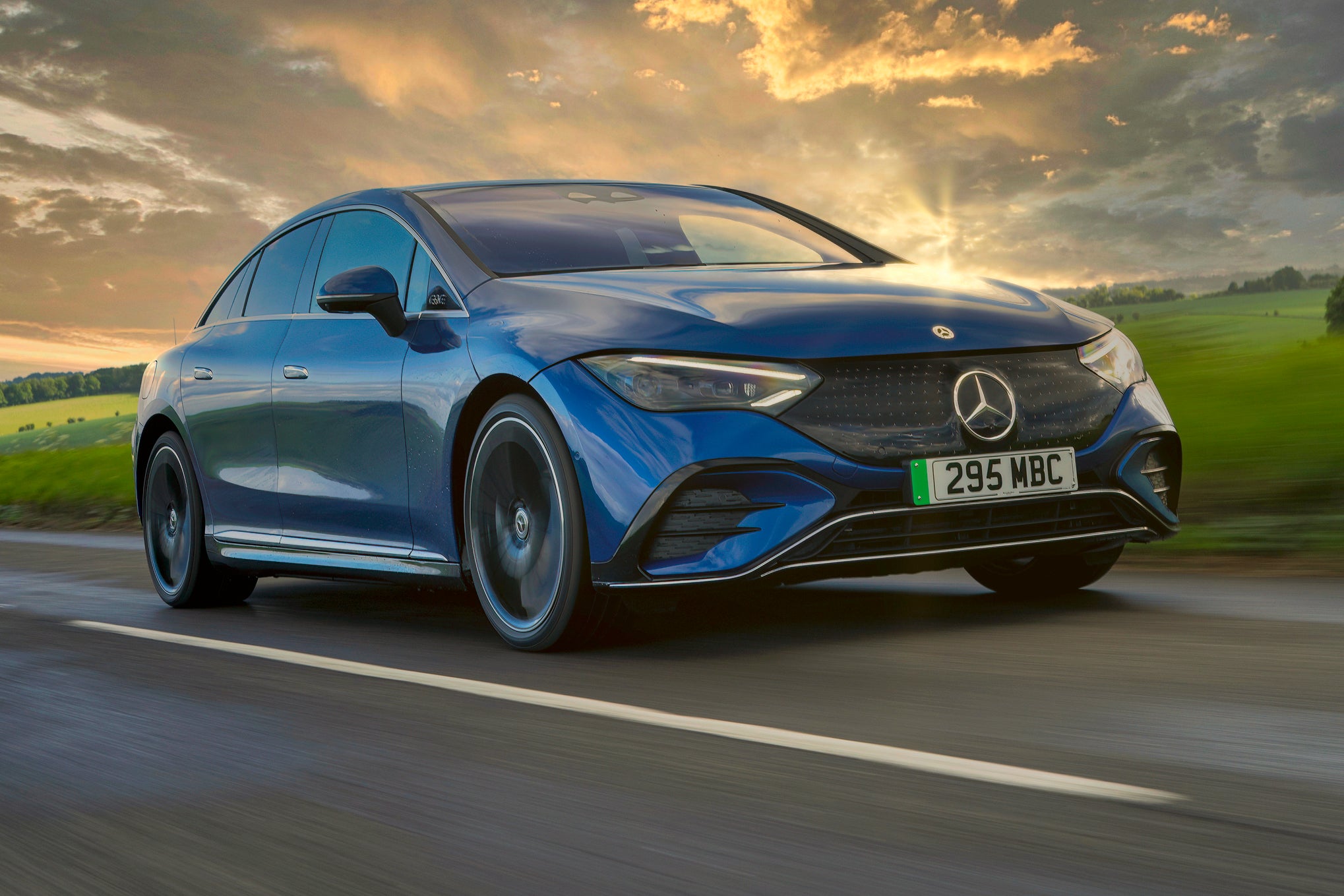
Regardless of whether the Volvo ES90 is a saloon, a hatch or even an SUV coupe, it doesn’t have the plush, battery-powered car market all to itself with alternatives including the five-door Audi A6 Sportback e-tron, plus the more traditional four-door BMW i5 Saloon and Mercedes EQE rivals.
Propelling the Volvo ES90 are a trio of drive electric systems starting with the rear-wheel drive Single Motor Extended Range and followed by even quicker Twin Motor and Twin Motor Performance options.
Two trim levels are available for the ES90, labelled Plus and Ultra — the former only being available with the Single Motor arrangement, the latter with all three options. Both versions are generously equipped but you’ll need to go for the Ultra if you fancy air suspension, HD pixel headlights, ventilated front and rear seats, plus the Bowers & Wilkins 25-speaker audio system.
Minimalism is the theme for the Volvo ES90’s dashboard with few physical buttons, with even the hazard warning lights are controlled via the central 14.5-inch, Google-powered multimedia touchscreen. That feels like it flies in the face of Volvo’s carefully curated reputation for safety, but elsewhere there's a lavish suite of safety tech to protect both occupants and those outside the car.
What's the best Volvo ES90 trim and battery option?
The Single Motor Extended Range Plus is our pick. Its 333PS motor delivers plenty of performance, while the 92kWh battery offers more than 400 miles of official range.
Plus is already generously equipped, with 20-inch alloy wheels, a panoramic roof, four-zone climate control, heated seats and steering wheel, head-up display, 360-degree camera and Bose audio.
Ultra adds 21-inch wheels, ventilated seats, active suspension and a superb Bowers & Wilkins sound system, but at a sizeable premium. Twin Motor versions are much quicker, although the extra performance feels unnecessary.
What’s the price of the Volvo ES90?
The Volvo ES90 starts at £65,060 for the Single Motor Extended Range Plus, rising to £74,760 for Ultra. Twin Motor versions start at £78,960, with the 680PS Performance topping the range at around £83,560.
That puts it firmly alongside the Audi A6 Sportback e-tron, BMW i5 and Mercedes EQE. Plus offers the best value, with most of the equipment you need, while Ultra and Performance add luxury and pace at a substantial premium.
Alternatives to the Volvo ES90
The Audi A6 Sportback e-tron is the most obvious Volkswagen Group rival. It offers similarly impressive range and rapid charging, with a larger boot and beautifully polished road manners. The Volvo counters with more rear passenger space and a more distinctive interior.
The BMW i5 is the better choice for keen drivers. Its steering and chassis are more engaging, while its interior combines digital technology with physical controls more successfully. The ES90 is quieter and more relaxing.
The Mercedes EQE puts greater emphasis on comfort and technology, although its conventional saloon boot is less versatile than the Volvo's hatchback arrangement.
The Polestar 4 offers a sportier take on the premium electric fastback, with bold styling and strong performance. The ES90 feels calmer and more luxurious.
For most buyers, the Audi A6 Sportback e-tron is the toughest rival. The Volvo's combination of Scandinavian design, refinement and passenger space gives it a character all of its own.
What's the interior like in the Volvo ES90?
Step inside the Volvo ES90 and it's an incredibly welcoming space to be, with a classy yet understated interior design. We're not quite sold on the large infotainment display but the Bowers & Wilkins stereo is stunning.
Volvo ES90 boot space and practicality
As the Swedish brand's flagship car, there's no getting away from the fact that the Volvo ES90 is a big beast. At 5000mm long it's only 37mm shorter than its seven-seat EX90 SUV sibling yet overall the the sort-of saloon is actually 7mm wider.
How does that compare with rivals? Well, it's a bit shorter and narrower than a BMW i5, while being a touch longer and not quite as wide as the Audi A6 e-tron.
The cabin is generously sized — those sitting in the front have ample space and there are big cupholders in the central console, while those in the back are the ones who really benefit from the size of the ES90. The head and legroom are extremely generous meaning even tall adults won't feel hemmed-in. This feeling of space is helped by a standard-fit panoramic roof, with Ultra models getting an electrochromic version that can be easily darkened at the touch of a button if conditions outside are too bright.
Volvo's also put some thought into the ambient lighting in the cabin of the ES90 — all interior spotlights feature a non-flickering, more natural light spectrum closer to sunlight, according to Volvo. That should help reduce eye fatigue.
With the rear seats in place the boot has a capacity of 424 litres, which is behind what rivals offer The BMW i5 edges it at 490 litres but if you're playing boot space Top Trumpsthen you'll want an Audi A6 e-tron with 502 litres. The Volvo also has a 16-litre compartment under the boot floor and you get a further 27 litres of space under the bonnet for a couple more storage options.
Fold the Volvo ES90's rear seats over and loaded to roof height there's 1427 litres of boot space available.
Volvo ES90 dimensions
The Volvo ES90 is 5,000mm long, 1,942mm wide & 1,546mm high, with a 3,102mm wheelbase.
It is a large car, particularly in width, so tighter car parks require some care. The standard 360-degree camera and parking assistance are useful as a result.
Tech and infotainment in the Volvo ES90
As with the EX90 SUV, the Volvo ES90 uses a 14.5-inch portrait-oriented touchscreen display that acts as your gateway to access almost every function and control on the car. Powered by Qualcomm's Snapdragon Cockpit Platform, it uses Google's Android Automotive operating system for its interface — not to be confused with Android Auto, though that is available along with Apple CarPlay — which means Google Maps and Google Assistant are in-built. Apps such as Waze are installed, while you can build upon your ES90's apps by downloading them from Google's PlayStore.
The display is broken down into four sections, with most of the real estate is given over to the navigation. As you can link it to your Google account, searches for destinations you've made on your smartphone will be available inside the ES90. Rather helpfully it will also show where charging points are on your route, as well as estimate how much charge you're likely to have once you've reached your destination.
Below the navigation are widgets for phone and media selections, while sitting underneath that is the Contextual Bar. This displays recently used apps and settings as well as the ES90s camera access.
Finally, there's what Volvo terms the Fixed System Bar that runs along the bottom of the display. This is locked and gives access to the ES90 plethora of menus, as well as the hazard warning lights and climate control (and heated seats).
As we found with the EX90 — and the smaller Volvo EX30 for that matter — it's a responsive system. We didn't experience any lag when using it and both resolution and clarity are excellent. You will need to spend time familiarising yourself with where everything is in the menus as even the reach and angle adjustment for the steering wheel are tucked away within the screen's controls.
While you could argue that once you've got these core settings just how you like and stored in the Volvo's memory you won't need to revisit them that often, there are other controls that are used more regularly that you will need to go into the menus for. This means you'll have to take your eyes off the road while you try and remember where something is. There's Google Assistant to help but as we prefer with other touchscreen-first interiors, a few physical controls and buttons wouldn't go amiss.
Supporting the screen is a 9.0-inch digital instrument display with three display modes. Most of the time we used the mapping mode, while the head-up display relays turn-by-turn directions and essential driving and vehicle information.
The ES90 in Plus trim comes with a Bose stereo but the Ultra gets a breathtaking 25-speaker Bowers & Wilkins system. If you're an audiophile this is the one to go for as the breadth of the sound it delivers is incredible.
Materials available on the Volvo ES90
One of the things that sets the Volvo ES90 apart from its rivals is the design of the interior. It has a much more serene and understated aesthetic compared with the glitz and gloss of some rivals — we reckon it's all the better for it.
It has a proper upmarket feel with lots of tactile materials cloaking the cabin. A non-leather sustainable Nordico trim is standard on Plus trim cars, with a choice of Charcoal, Cardamom and Dawn colours. Opt for the Volvo ES90 in Ultra trim and you can enjoy perforated and ventilated Nordico trim (which is a £800 option on Plus models). Alternatively, Ultra owners can also have a tailored wool blend in Zinc at no extra cost.
What's the Volvo ES90 like to drive?
Even with air suspension, the ride can feel firm but it does mean the Volvo ES90 does feels agile for such a large car. With one of the quietest cabins available it can still feel incredibly refined wafting along on faster roads.
Volvo ES90 range and performance
The Volvo ES90 is available with a choice of three electric-only drive systems. All versions are fitted with a single-speed transmission that's used like a conventional automatic and have an electronically governed top speed of 112mph.
Confusingly, the entry-level option is called Single Motor Extended Range even though there's no Standard Range version available — yet, at least. It produces 333PS and 480Nm of torque, hitting 62mph from a standstill in 6.6 seconds.
After that, you move up to the Twin Motor delivering 449PS and 665Nm of torque, with drive going to all four wheels. This results in a slightly slower 0-62mph time of 5.4 seconds, though how fast do you need your luxury EV to be?
If the answer is 'even faster', that's where the Volvo ES90 Twin Motor Performance comes in. With 517PS and 9100Nm of torque available, you can rocket to nothing to 62mph in as little as 4.0 seconds.
The traction and performance from the Single Motor ES90 is very impressive, so much so that we can't really think why you would need the extra performance of the more powerful options as this already feels quick enough for such a large car.
Performance data
| Model | Engine/battery size | Power | 0-62mph | Range/MPG |
|---|---|---|---|---|
Single Motor Extended Range | 92kWh | 333PS | 6.6 seconds | Up to 413 miles |
Twin Motor | 106kWh | 456PS | 5.4 seconds | Up to 433 miles |
Twin Motor Performance | 106kWh | 680PS | 4.0 seconds | Up to 433 miles |
Volvo ES90 driving and refinement
While Plus trim models come with a standard suspension setup, those in Ultra trim come with self-levelling air suspension for all four wheels, with the Volvo ES90 maintaining ride height independent of load. It's clever enough to lower the car automatically at speed to save energy and help extend its driving range, as well as enhancing stability.
It also has its other uses — when not moving, the car can be lowered to make access to the boot easier, handy to help with loading or making it less of a struggle for a tired, old dog to get in. There's a dedicated Off Road driving mode that raises the ES90 for improved ground clearance.
Even with the air suspension, the ride can feel firm, perhaps amplified by the optional 22-inch wheels fitted — 21-inch diamater rims are standard on Ultra models and 20-inch alloys are the norm for Plus versions.
Speed bumps are greeted with a thump that reminds you of the car's weight, though it did a good job of tackling uneven road surfaces. The flipside to this slightly firm ride is that it can handle changes of direction well and although you're left in no doubt that you're behind the wheel of a big, heavy car, the steering is responsive and accurate.
Away from twisty roads and where it really excels is on fast and flowing carriageways — here it's extremely civilised and comfortable, while it's also incredibly quiet and refined. While that statement might seem fairly obvious when talking about an EV, the ES90's cabin is certainly one of the quietest we've been in. The soundproofing and whisper-quiet hum of the motors mean that you could potentially hear a pin drop when sitting inside. Providing it landed on a hard surface.
How safe is the Volvo ES90?
his is the firm's flagship car and a showcase for all its technology, so its no surprise to discover that the Volvo ES90 is smothered in safety features.
Based around Volvo's Safe Space Technology, the ES90 takes advantage of its core computing system to work with an array of ultrasonic sensors, cameras, radars and lidar to monitor your surroundings both inside and out.
The system can precisely pick-out moving and stationary objects up to 250 metres ahead, day or night, helping to prevent crashes, while the ES90's sensors are so sensitive that they can detect a baby breathing in the cabin — Volvo reckons this is to help you avoid leaving loved ones behind, but we're not sure we've met a new parent who's been that forgetful.
All these sensors mean there's an abundance of Advanced Driver Assistance Systems on tap, with everything from Volvo's Pilot Assist adaptive cruise control system to collision avoidance and cross traffic alert, all scouring your surroundings for potential dangers.
The downside is the lidar's housing, just above the windscreen — there's more than a hiff of a taxi’s ‘for hire’ light about it.
The Volvo ES90 hasn't been crash tested by Euro NCAP just yet but the ravens will probably leave the Tower of London before a Volvo gets a poor score here. Volvo quotes the ES90 as having state-of-the-art occupant protection, with a strong safety cage, robust restraint technology and optimised deformation zones.
Running costs: What it's like to live with a Volvo ES90
The ES90 is expensive to buy and insure, but impressive range and exceptionally fast charging make it easier to live with than many large EVs.
Volvo ES90 charging times and costs
Under the floor of the passenger compartment in the Volvo ES90 Single Motor Extended Range is an 88kWh usable capacity battery pack giving an official range of up to 401 miles between charging (though as is the case with all EVs, expect this figure to be lower in real-world conditions). Using a 7kW domestic home wallbox, a full recharge will take around 15 hours, while a 310kW DC ultra-rapid public charger reduces that to rapid 22 minutes for a 10-80% replenishment.
With a larger 102kWh usable capacity battery, the ES90 Twin Motor has an official range of up to 435 miles. As a result of increased capacity charging times are home are a little longer — expect to be topped up in 17 hours for a flat-to-full replenishment, while a 350kW DC ultra-rapid public charger will take 22 minutes for a 10-80% top-up.
Those numbers are mirrored by the Volvo ES90 Twin Motor Performance despite its usable battery capacity being marginally larger again at 107kWh.
How much will it cost to charge an ES90? If you're at home and paying the UK’s national average of 28p per kWh, then you're looking at around £30 to top up. Certainly cheaper than an equivalent petrol or diesel car, but we'd recommend getting yourself on an EV-specific domestic power tariff that allows you to charge your car overnight using discounted off-peak electricity to make even bigger savings.
If you're charging on the go and use a public charger, rates will vary, but don't be surprised to be paying close to what you'd pay to fill up a petrol or diesel car.
Volvo ES90 warranty and servicing
Volvo provides a three-year or 60,000-mile warranty, which is broadly in line with its premium rivals but less generous than some mainstream manufacturers.
The high-voltage battery is covered separately for eight years or 100,000 miles, providing useful long-term reassurance.
Routine servicing is required every 24 months or 18,000 miles, whichever comes first. For most private owners, that means relatively infrequent dealer visits.
Volvo ES90 insurance groups
The Volvo ES90 sits in insurance groups 44 to 50. Single Motor Plus starts at group 44, with Ultra slightly higher. Twin Motor models rise further, while the 680PS Twin Motor Performance reaches group 50.
Those are high ratings, although typical for expensive, powerful luxury EVs. The Single Motor should therefore be noticeably easier on insurance as well as purchase price.
How much does it cost to tax a Volvo ES90?
The Volvo ES90 costs £200 a year in standard VED. Because every version has a list price above the £50,000 electric-car threshold, the £440 Expensive Car Supplement also applies for five years, starting from the second tax payment.
That means owners will pay £640 a year in VED from years two to six, before the bill drops back to the standard £200 annual rate.
What trims are available with the Volvo ES90?
The ES90 range consists of Plus and Ultra, with Single Motor Extended Range available in both. Twin Motor and Twin Motor Performance sit at the upper end of the range.
Plus starts at £65,060 and already has the equipment expected of a flagship. It gets 20-inch alloy wheels, a panoramic glass roof, four-zone climate control, a heat pump, heated front and rear seats, a heated steering wheel and electric front seats. A 14.5-inch touchscreen, 9-inch driver display, head-up display, 360-degree camera, Pilot Assist and Bose audio are also standard.
Ultra starts at £74,760 and adds 21-inch alloy wheels, an electrochromic panoramic roof, ventilated seats, active suspension and the superb 25-speaker Bowers & Wilkins sound system.
The Twin Motor brings all-wheel drive and significantly more performance, while Twin Motor Performance turns the ES90 into a 680PS luxury express.