04/11/2026
Fuel duty freeze to continue until July 2027

Tom Phillips
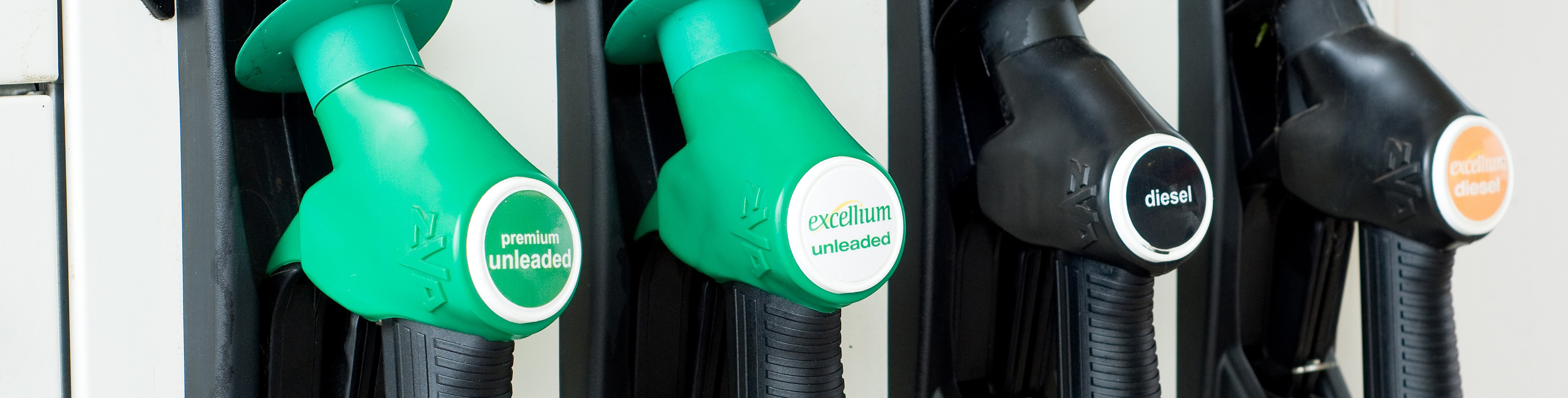
5p cut in fuel duty extended by six months, until July 2027
Inflation-based duty increase also deferred to July next year
Tax benefits for business drivers and help for EV owners also announced
Drivers will avoid a fuel duty rise until July 2027 after the government extended the existing 5p-a-litre cut. But while the freeze prevents an extra tax increase at the pumps, it won’t itself make filling up any cheaper.
Chancellor John Healey confirmed the extension in his October 2026 Budget, alongside higher mileage allowances for people using their own vehicles for work and funding to help electric car drivers who rely on public charging.
The announcements come as motorists continue to face expensive fuel, with average diesel prices passing £2 a litre in October.
Fuel duty stays at 52.95p a litre
Fuel duty on petrol and diesel will remain at 52.95p a litre until 1 July 2027. The government has extended the temporary 5p cut, which had been due to end in January, and postponed a separate inflation-linked increase until July.
The cut was first introduced in March 2022, when fuel duty fell from 57.95p a litre following Russia’s invasion of Ukraine. Successive extensions have kept the lower rate in place.
For drivers, the latest announcement means avoiding another increase in the cost of filling up. It offers some reassurance over tax, although pump prices will still move with oil prices, exchange rates and retailers’ margins.
The RAC Foundation estimates that fuel duty and VAT accounted for around 47% of the price of petrol and 43% of diesel at the time of the Budget. It also calculates that motorists have spent an additional £10.3 billion on fuel since the conflict in the Gulf began, compared with what they would have paid had prices remained around their pre-war levels.
Higher mileage allowances for people driving for work
Drivers using their own cars or vans for business will also benefit from changes to mileage allowances.
The temporary 55p-per-mile rate for the first 10,000 business miles each year will become permanent. Previously, the rate was 45p. For business mileage above 10,000 miles, the allowance will rise from 25p to 35p per mile.
These are mileage allowance rates, rather than the amount drivers automatically save in tax. The benefit depends on individual circumstances, including how much an employer reimburses and the driver’s income tax rate.
The government estimates that around three million people could benefit. Its examples put the additional annual tax saving at up to £120 for someone covering 6000 business miles, or £300 for someone driving 15,000 business miles.
£100 million to help drivers charge near home
Electric car drivers without a driveway will get support through £100 million of funding over two years, starting in spring of 2027.
The money will help reduce the cost of using local, lower-powered public chargers, such as those on residential streets where cars can be left plugged in for several hours or overnight. This is useful for drivers who cannot fit a home charger and have to rely on public charging to keep their cars topped up.
The government is also setting up an industry-led taskforce to explore whether drivers could use their domestic electricity tariff at suitable public charge points. This could give more households access to cheaper charging, although the practical details still need to be worked through.