02/11/2026
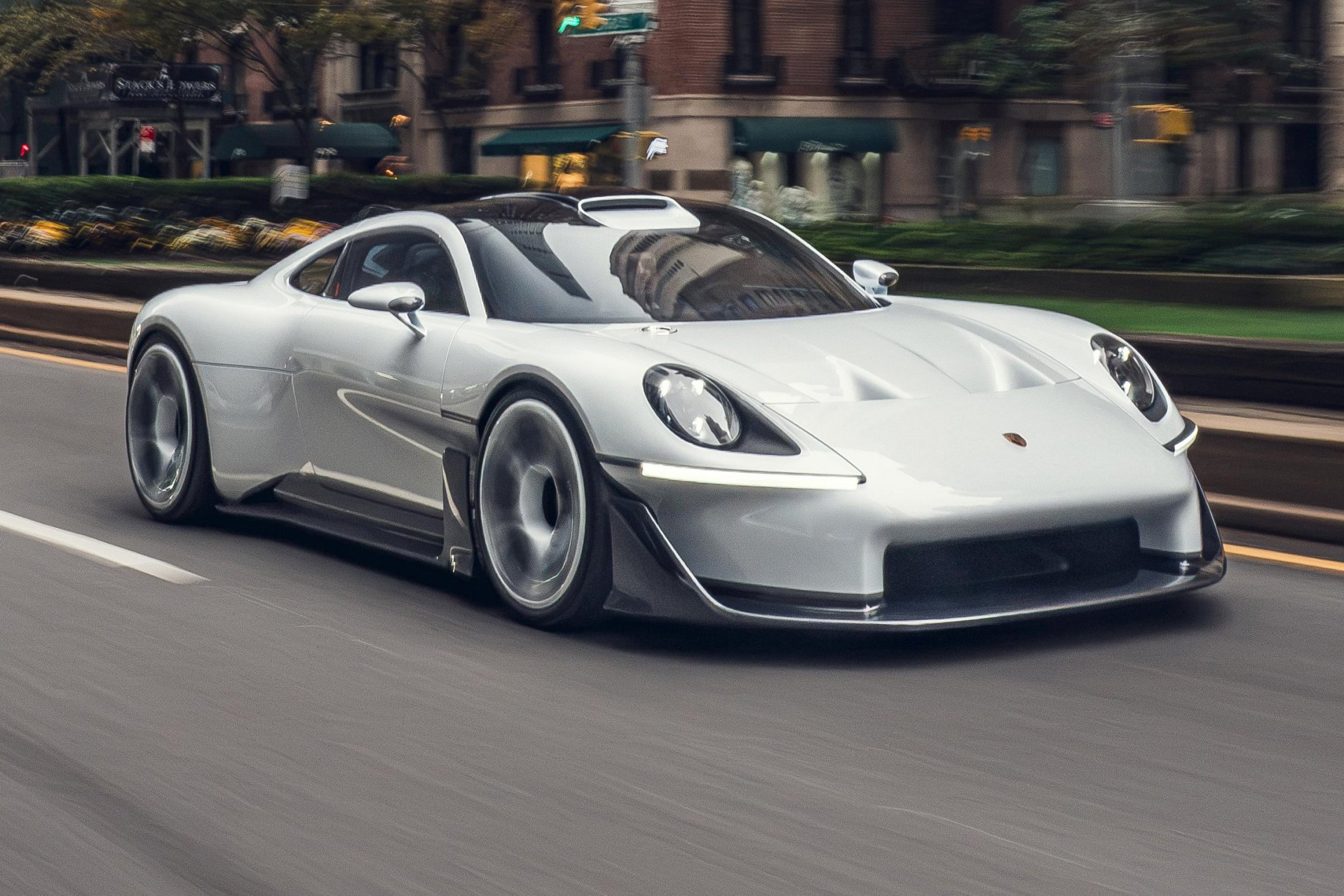
Porsche Mission S concept: foretaste of future flagship

Written By Tom Phillips
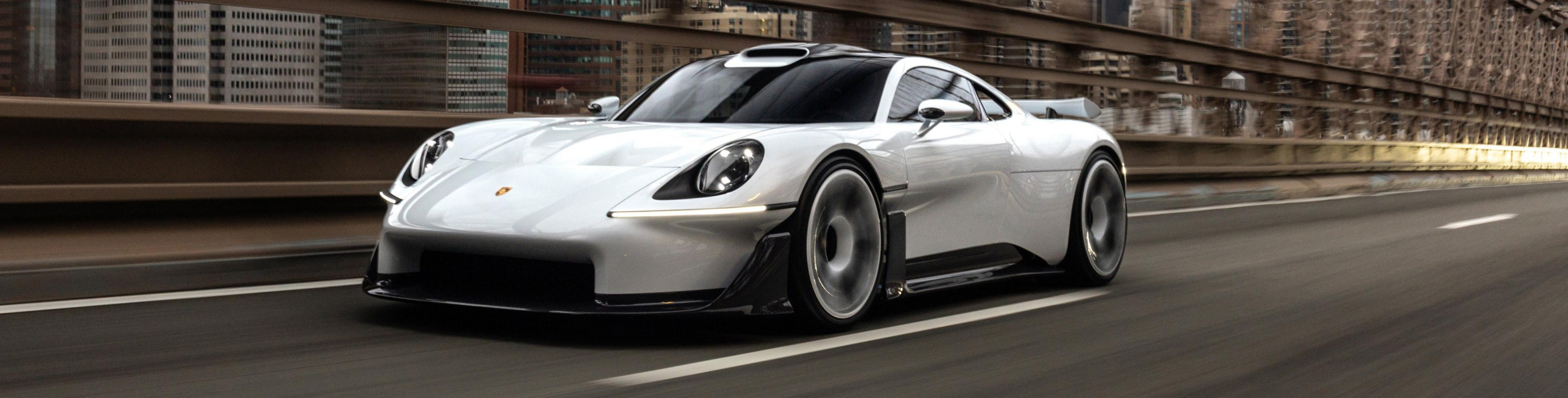
Porsche Mission S showcases future design direction for the brand
New mid-engined sports car platform to underpin forthcoming model
Concept part of Porsche’s wider Sportwagenschmiede ’35 strategy
A concept car it may be, but the Porsche Mission S closely previews the sports car brand’s plans for a new mid-engined model to sit above the 911, representing one element of a strategic realignment across the marque.
Porsche has unveiled the Mission S concept in New York City — the styling study previewing exterior, interior and technology themes which will be applied to its next-generation model.
Significantly, it demonstrates a change in direction for Porsche in response to lower-than-expected demand for its fully electric models, including the Taycan.
The Mission S signposts a new mid-engined sports car that will become a permanent part of Porsche’s line-up.
Instead of being built in limited numbers in the manner of the Carrera GT and 918 Spyder, the production car inspired by the Mission S will be a series production model, just like the Porsche 911 it will sit above in the line-up.
Porsche Mission S price and release date
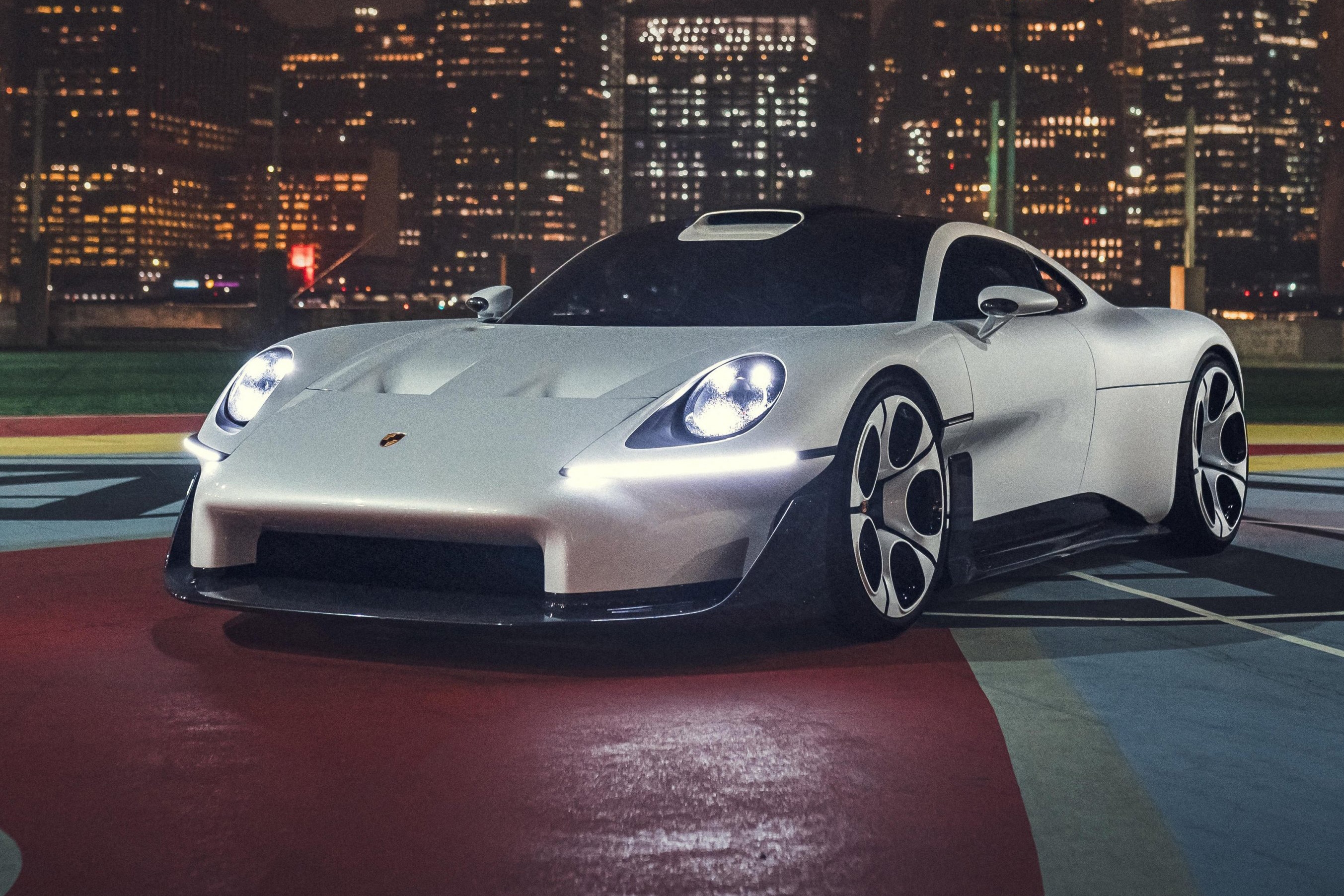
Although the Mission S is a concept car, Porsche has confirmed that the production model it spawns will look very similar. So far, its name and on-sale date are unconfirmed, but development work is well under way.
Porsche has said the new model will be part of the regular range, priced above the 911, which costs upwards of £105,200 at today’s prices. And that’s before buyers start adding options or commissioning bespoke additions from Porsche’s Sonderwunsch special requests department.
Porsche Mission S engines, performance and fuel economy
Aside from announcing that the Mission S is mid-engined, Porsche hasn’t said anything more about what exactly might power the future production car, although it evidently will have an internal combustion engine.
Mission S should also be seen as a physical manifesto of Porsche’s Sportwagenschmiede ’35 corporate strategy. This sets out the switch in course away from an electric power emphasis and back towards its historical strengths of making desirable, combustion-engined sports cars and adding significant value through personalisation.
Porsche Mission S design, interior and space
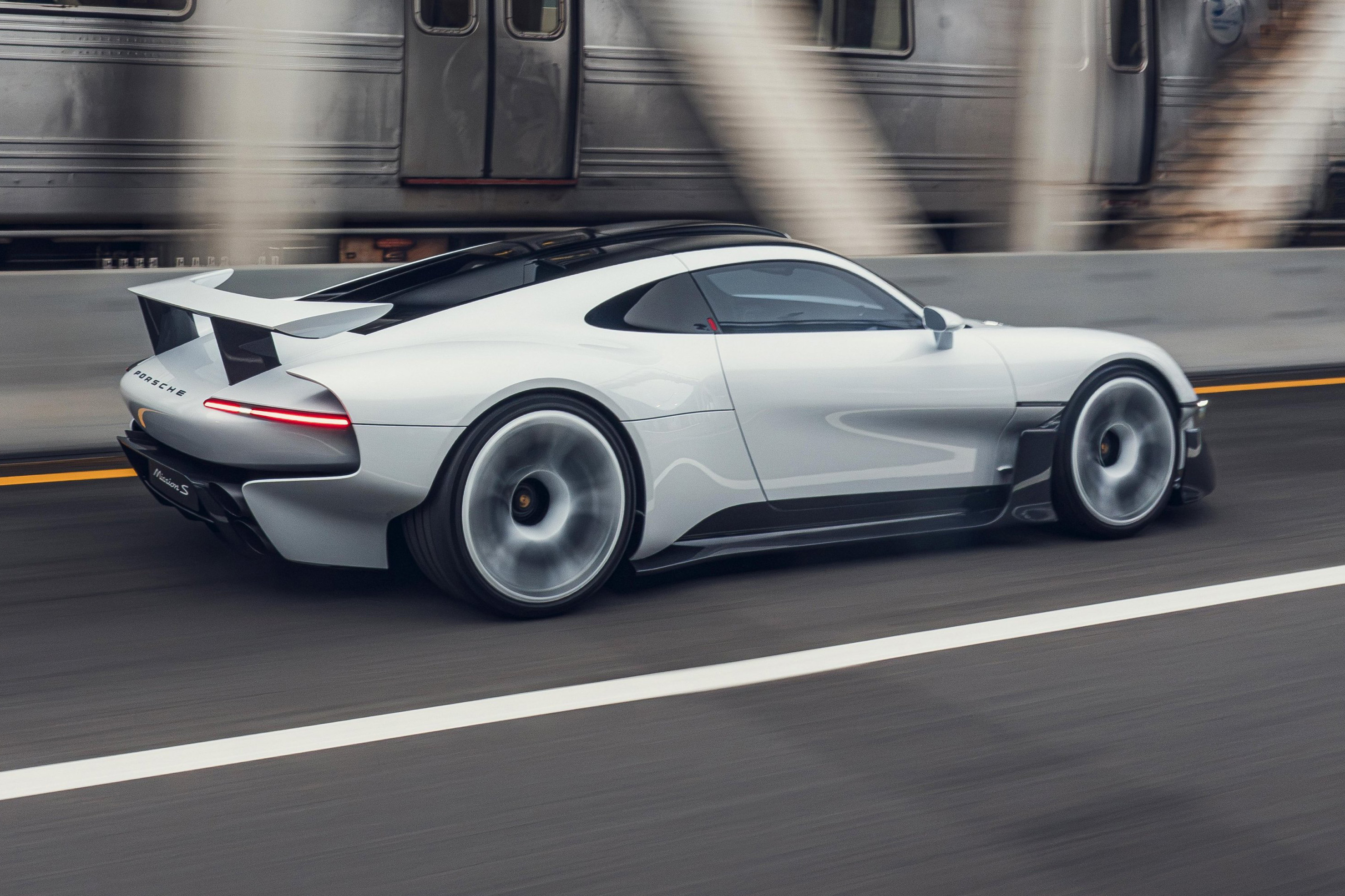
Dyed-in-the-wool Porsche enthusiasts will clock that the Mission S includes prominent front wheelarches and oval headlights, just like classic 911s, but deeper historical references include the concept’s flattened nose and layered ‘car-in–a-car’ rear end, both of which featured on the Porsche 911 GT1 that raced at the Le Mans 24-hours in the late-1990s.
Porsche also notes that the concept’s roofline when viewed from beneath the rear wing is designed to look like that of the 959, while the rear cooling fan was inspired by the 917 racing car.
As for the wheels, these borrow from the Porsche 928, chosen for their lightweight construction. Expect a blend of racing hallmarks to feature heavily on Porsche’s next road cars.
On the inside, Porsche promises that the Mission S and its future cars will offer ‘a return to the core values of sports car engineering.’
In the concept, this means inspiration is taken from the 550 Spyder and 356 by using two strong, horizontal planes across the dashboard, aimed to give the driver a feeling of sitting low down within the car.
Motorsport connections are also drawn inside, right down to the choice of colours – Firn White Metallic, Light Red Metallic, Black Chrome and Special Black are all shades inspired by Porsche racing cars of the past.
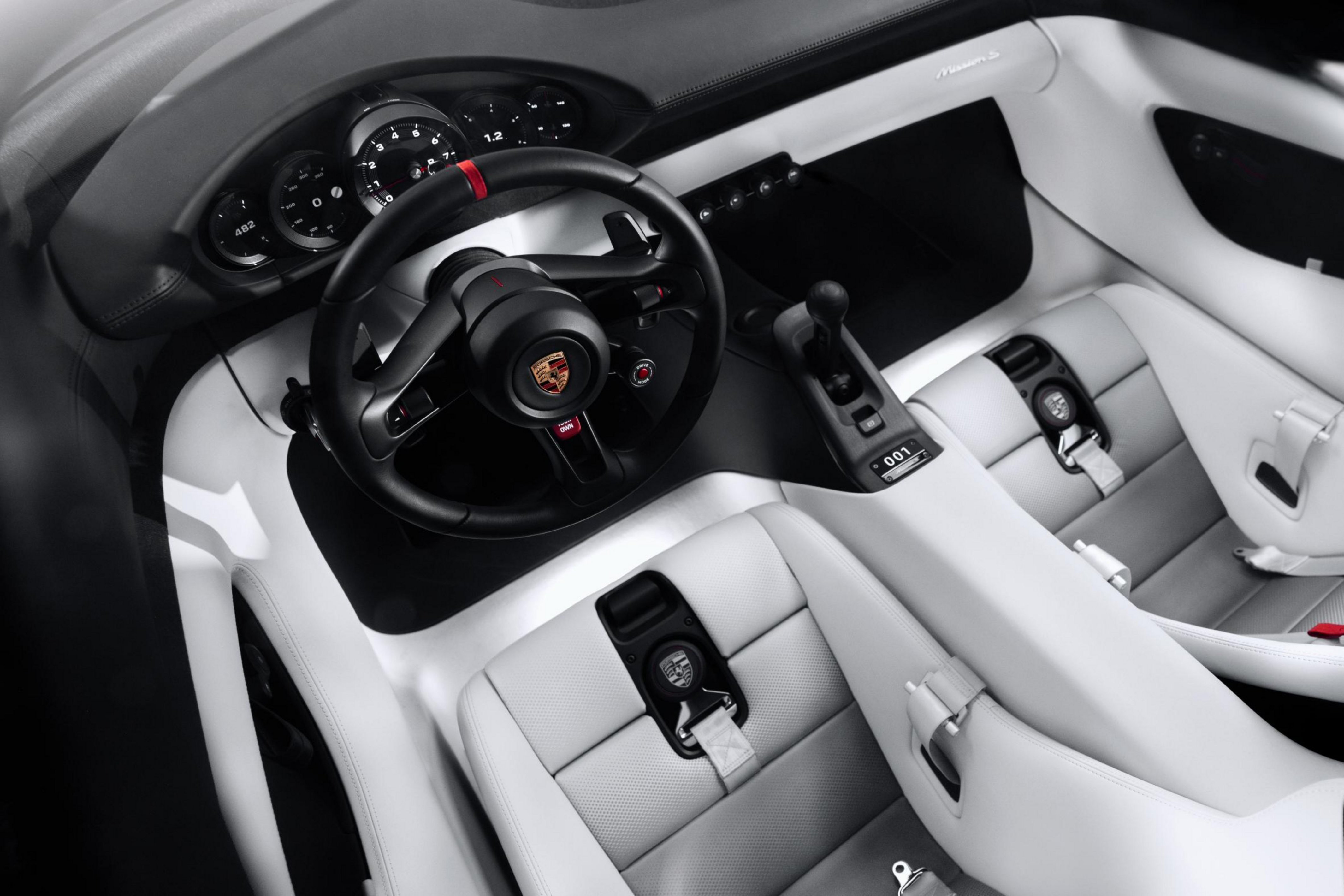
Porsche Mission S technology, equipment and infotainment
Porsche talks about the Mission S offering an ‘ideal symbiosis of analogue and digital controls’, which is something to expect from its future approach to on-board technology.
In the concept, a good example of this is the central rev counter — it’s a digital screen, but with a physical needle, while the dial itself can move physically closer to the driver when the car’s in Sport mode to further boost focus.
There’s no multimedia touchscreen either, with Porsche including a retractable smartphone holder so the driver can opt to use their own tech when necessary, including a new, improved version of the My Porsche app that has also had its design overhauled.
Porsche Mission S trim levels
As the Mission S previews a full-time member of the Porsche range, it’s likely to follow a derivative hierarchy familiar from the rest of the line-up.
Those could include standard and higher-performance S and Turbo models, a greatest hits GTS variant that joins the range after launch, as well as versions developed by the firm’s GT racing division.
Porsche hasn’t confirmed exactly where the model will sit relative to the competition, so rivals are hard to ascertain, but expect it to go head-to-head with mid-engined models from Ferrari, Lamborghini and McLaren when it goes on sale.