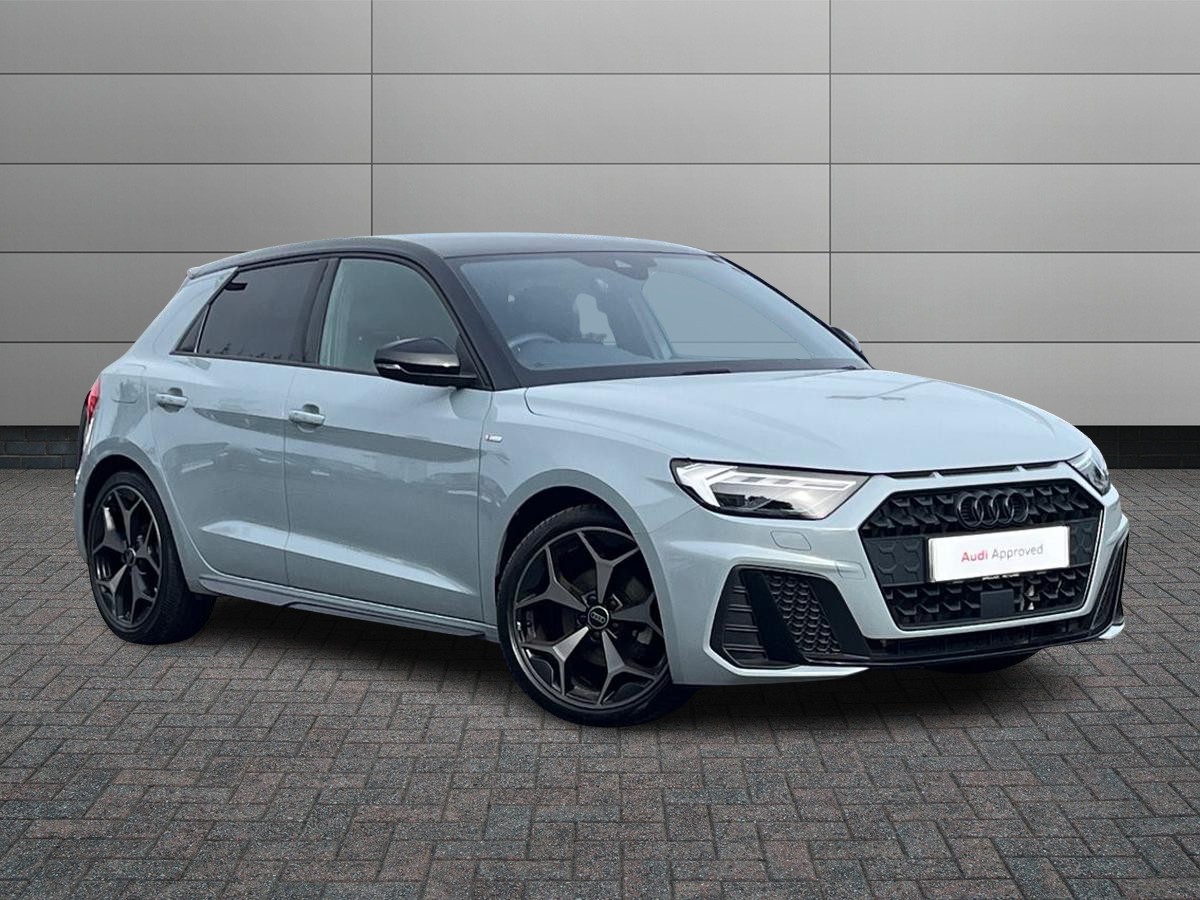
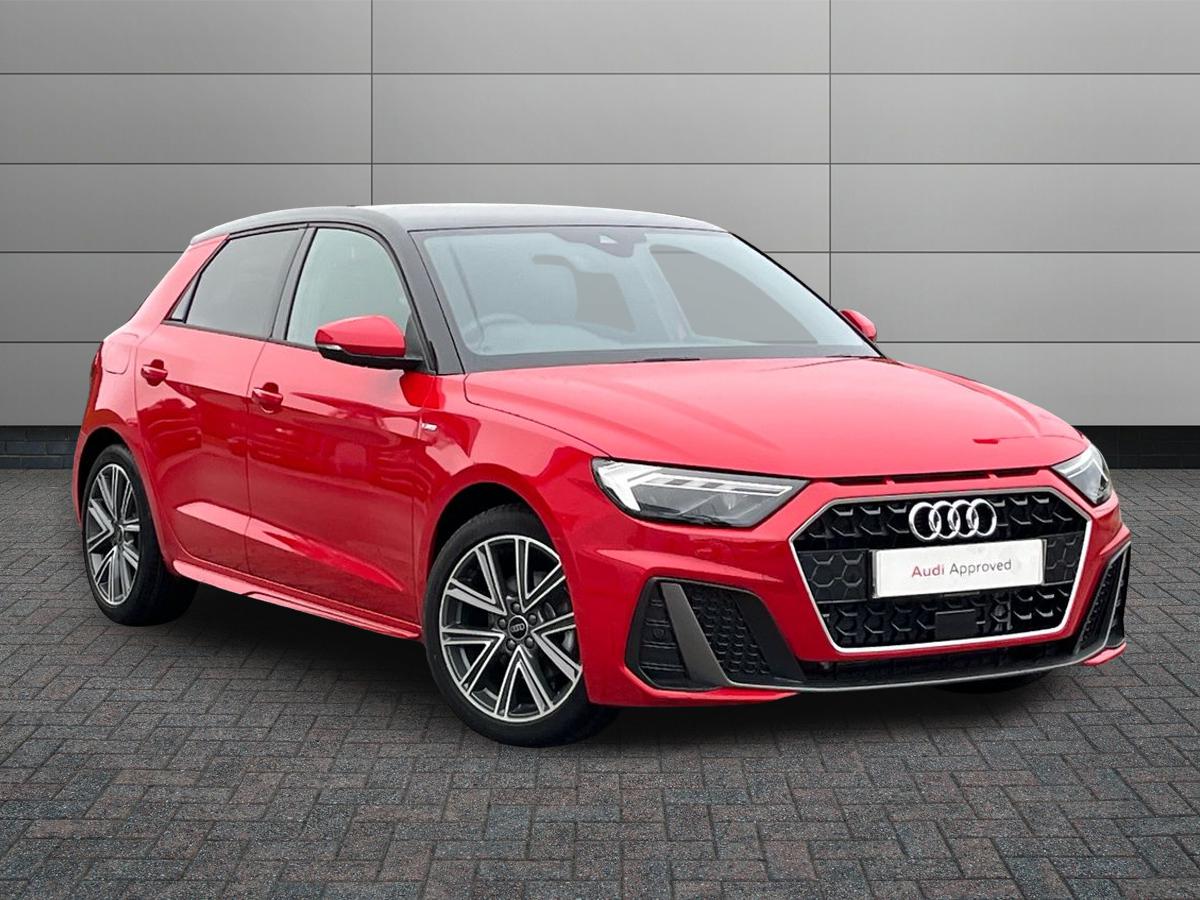
Used Audi A1 for sale: Everything you need to know
The Audi A1 is a popular choice for used-car buyers who want a small hatchback with a more premium feel than a Ford Fiesta or Volkswagen Polo. There's a wide selection of used Audi A1s available, from affordable first-generation cars to newer second-generation Sportback models.
The second-generation Audi A1, introduced in 2018, is the better all-round buy if your budget allows. The 30 TFSI petrol engine and Sport trim make a particularly appealing combination, although older 1.0 TFSI models can offer good value for money.
How much does a used Audi A1 cost?
The cheapest Audi A1s are available for around £1,500, but expect these cars to be older first generation models with very high mileages and the now unpopular diesel engine option. £6,000 is enough for later examples of the first generation car in the lower trims such as Sport and SE, and likely with mileages of 75,000 and more. The second generation car arrived in 2018, and these more desirable versions start at around £8,000 for the less powerful 25 and 30 TFSI version with a higher mileage. £10,000 is enough for a lower mileage second generation car, while at the top end expect to pay close to £30,000 for a 2025 or 2026 car with 10,000 miles or fewer.
Which used Audi A1 should you buy?
First generation A1s were available in three- or five-door versions called Sportback, but most buyers chose the latter option and even if you don’t carry passengers very often it’s useful to have easy access to the rear seats.
The first generation A1 is a capable small car, but if your budget will stretch to a second generation version this is the one to have, as it offers better practicality and a more grown-up feel.
All second-generation A1s are Sportbacks with five doors. For most buyers the 30 TFSI version offers enough performance and strong economy in normal driving, while on earlier cars the 1.0 TFSI with 94PS provides a similarly useful balance of power and economy. The more powerful 35 TFSI and 1.4 TFSI on first generation models bring a useful boost in performance and are more capable on motorways, but for most buyers the lesser options will be more than sufficient. Avoid the 1.2 TFSI on very early cars while the discontinued 1.6 TDI would only make sense if you make lots of long journeys.
Which Audi A1 trim is best?
For second generation cars, the Audi A1 Sport is likely to be the most attractive option for the majority of buyers. It’s well equipped given it is the entry-level version and looks smart. S line versions come with sportier styling, but this includes larger alloy wheels and stiffer suspension which hurts the ride comfort. It’s a similar story with the first generation Audi A1, where SE is the entry level version and has a decent specification. Move up to the Sport or S line versions and while there is more equipment, the stiffer suspension comes at the cost of ride quality.
What should you check when buying a used Audi A1?
The majority of used Audi A1s on the market will be fitted with a version of the TFSI petrol engine, which generally speaking is reliable if well maintained but there are some common failure points that are worth investigating.
On first generation cars, 1.2 TFSI and 1.4 TFSI (EA111 - CAXA) engines can experience higher than normal oil consumption, which can indicate issues wear in the piston rings, valve stem or turbocharger seals.
Some A1s with TFSI use engines with a timing chain - on first generation cars the 1.2-litre, 1.4-litre (EA111 - CAXA/CAVG/CTHG), 1.8-litre and 2.0-litre use a timing chain, as does the 40 TFSI on the second generation cars. Incorrect or neglected oil changes can lead to excessive wear and failure, so it is important to check the service history against the age and mileage. If you are looking at a 1.6 TDI version, DPF problems are more common in cars that perform frequent short journeys. Other common Audi A1 faults include stop-start systems, fuel pumps and air conditioning systems.
Automatic versions of the A1 use the DQ200 version of the DSG gearbox (called S tronic in Audi-speak) which can be problematic if neglected. Check the service history to ensure that scheduled maintenance has been carried out, and walk away from any car that is hesitant to change gears.
How much does an Audi A1 cost to run?
Across both generations, the 1.0 TFSI engines offer strong economy thanks to their efficient design - while official fuel consumption figures vary due to a change in the testing method, you can expect to see 40mpg and more comfortably.
Engine choice and specification plays a big part in insurance costs for the Audi A1. With a first generation car, an A1 SE with the 1.2 TFSI engine falls into a low group 9, 1.6 TDI SE is in group 21 and the 1.0 TFSI SE around group 15. Second generation cars are inevitably a little more expensive, ranging from group 14 for an A1 25 TFSI Sport, up to group 26 for the same trim and the 35 TFSI engine.
VED costs mostly depend on the age of the vehicle. Audi A1s registered before 1st April 2017 pay according to CO2 emissions and some 1.0 TFSI versions drop below 100g/km, which means Band A at £20 per year at current rates, with many models in Band B at the same cost. Models after this date however all pay the standard annual rate after the first year, and even the most heavily-specified A1 falls below the £40,000 threshold for the Expensive Car Supplement.
Servicing costs are reasonable if you use a good independent specialist, with many components shared with other Volkswagen Group cars helping to keep costs down. If you choose to go to a main dealer, Audi’s own figures suggest an oil service is £250 and an oil and inspection service with pollen filter is £425. A timing belt change is likely to be the most expensive scheduled maintenance required, and while official Audi guidance suggests this is not required until 130,000 miles, many specialists recommend changing at 60,000 miles or five years.
What are the alternatives to a used Audi A1?
The Audi A1 is a good choice if you want a small car with a premium feel, but there are several alternatives worth considering. The MINI Hatch is one of the Audi A1's closest rivals. It's enjoyable to drive and has a distinctive interior, although rear-seat space and boot capacity are limited.
The Peugeot 208 is worth considering if you want something stylish and comfortable. Depending on the generation, there are petrol, diesel and electric versions to choose from, although it's worth checking the maintenance history carefully.
A used Renault Clio offers a practical alternative, with a comfortable cabin and a good level of equipment. Later models are particularly appealing if you want a small car that feels more grown-up.
Alternatively, the Vauxhall Corsa is a popular choice with a wide selection of used examples. It's generally more affordable than the Audi A1, making it worth considering if keeping costs down is a priority.
Need something bigger than an Audi A1?
If you like the Audi A1 but need more rear-seat space or a larger boot, a used BMW 1 Series is worth considering. Alternatively, a used Mercedes-Benz A-Class offers a premium interior and more room for passengers without moving to an SUV.