10/07/2026
Best plug-in hybrid cars: The ultimate UK buying guide

Written By David Ross
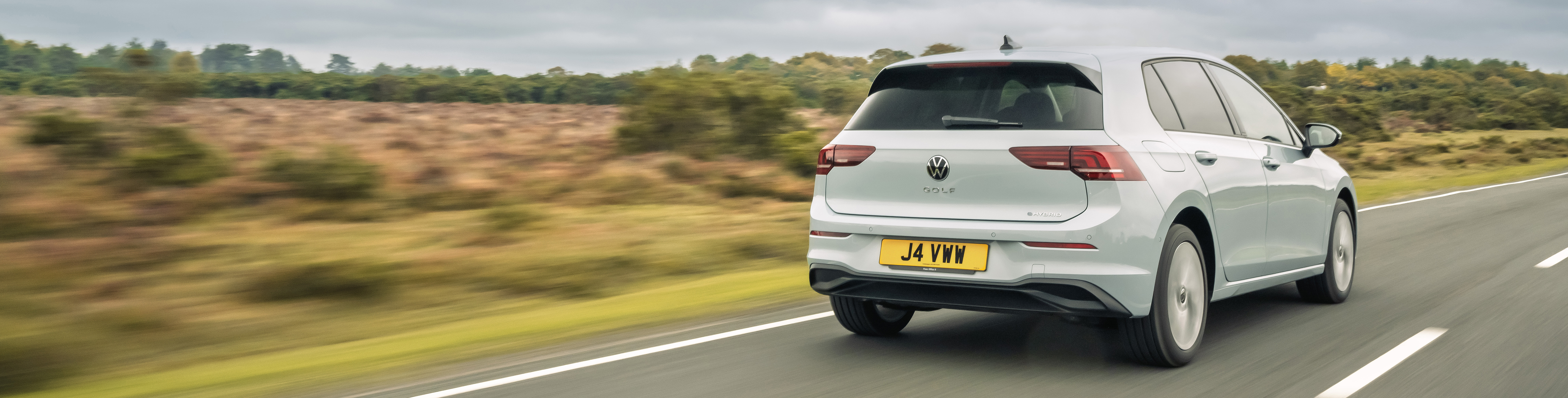
Modern plug-in hybrids have improved dramatically in recent years. Early models often managed little more than 20 or 30 miles of electric driving before the combustion engine took over. Today's latest generation can travel over 90 miles on battery power alone – well, according to the official figures... – making it possible for many owners to complete several days' driving without using any fuel.
The key is charging regularly. If you have a home charger or can plug in at work, a PHEV can significantly reduce your fuel bills. If you rarely charge it, you'll simply be carrying the extra weight of a larger battery and extra cabling around for no reason.
Modern PHEVs also address many of the compromises of early plug-in hybrids. Larger batteries, clever design and improved hybrid systems mean today's models generally offer better luggage space, improved refinement and far more usable electric range than their predecessors.
Whether you're looking for a family SUV, a saloon, a practical estate or an affordable used car, there's a model that's right for you. Not every PHEV deserves a place on this list – we've selected the best plug-in hybrids that combine strong real-world usability with low running costs, practical interiors and competitive electric-only range.
The Drive plug-in hybrid shortlist
Best overall plug-in hybrid: Volkswagen Golf eHybrid – Impressive 88-mile official range combined with big-car ride comfort and low company car tax.
Best value plug-in hybrid: MG HS PHEV – Undercuts rivals by thousands while offering a massive 75-mile EV range.
Best plug-in hybrid for maximum range: Omoda 9 – Boasts a massive 93-mile official battery range.
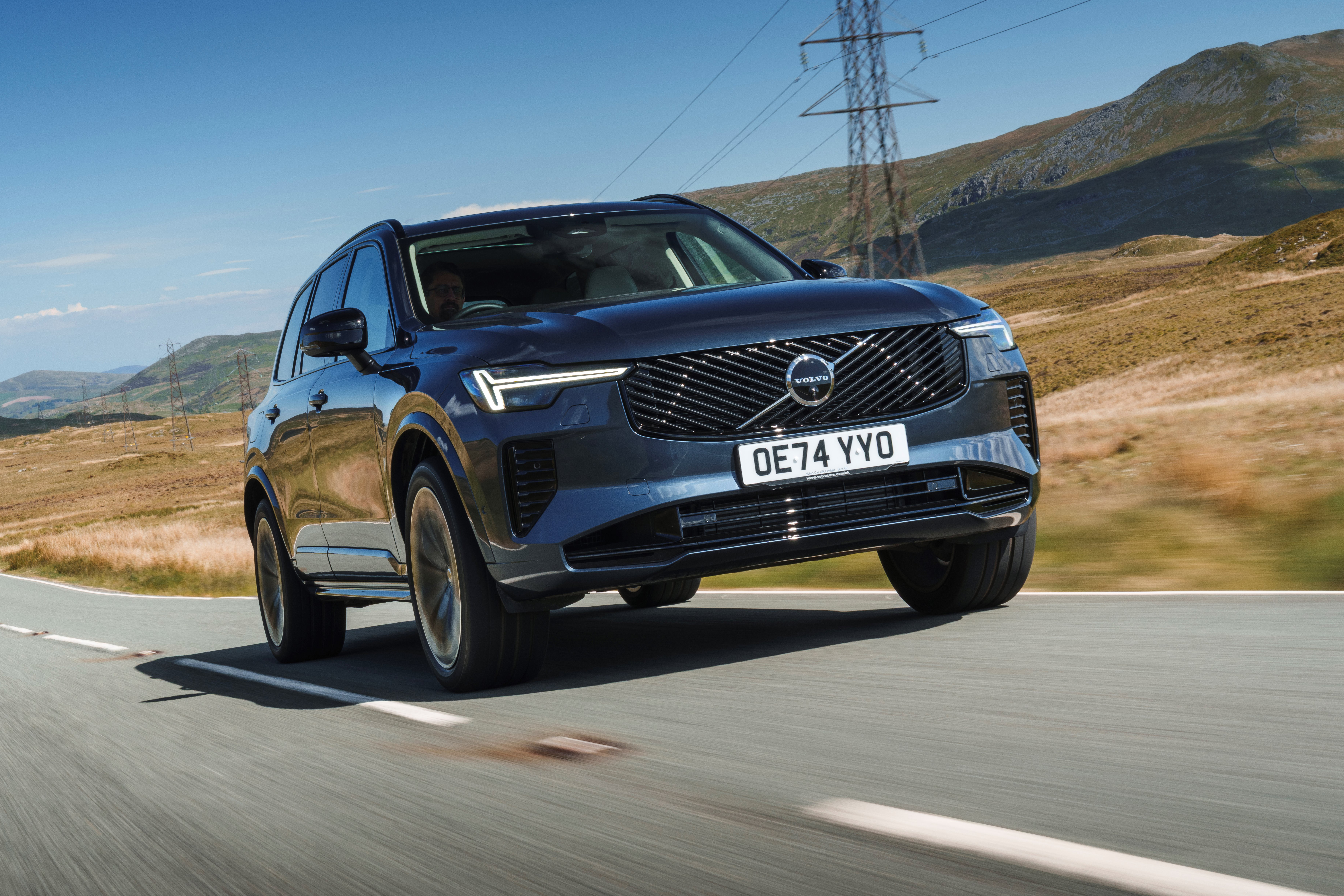
Best seven-seater plug-in hybrid: Volvo XC90 T8 - Premium Scandinavian luxury with a highly usable 43-mile electric range and seven adult-sized seats.
Best plug-in hybrid estate: Skoda Superb Estate iV – An enormous 510-litre boot and effortless motorway refinement make it the ideal family load-lugger.
Best executive plug-in hybrid: BMW 3 Series 330e – Sharp rear-wheel-drive handling and the high quality interior finish and design you expect of a BMW.
Best luxury plug-in hybrid: Range Rover Sport P460e – Six-cylinder smoothness combined with a huge battery pack
Best plug-in hybrid for reliability: Lexus NX 450h+ – Bulletproof mechanicals, a beautifully built interior, and a legendary reputation for dealer customer service.
Best used plug-in hybrid: Volkswagen Tiguan eHybrid - Family-friendly practicality, impressive electric range and strong residual values.
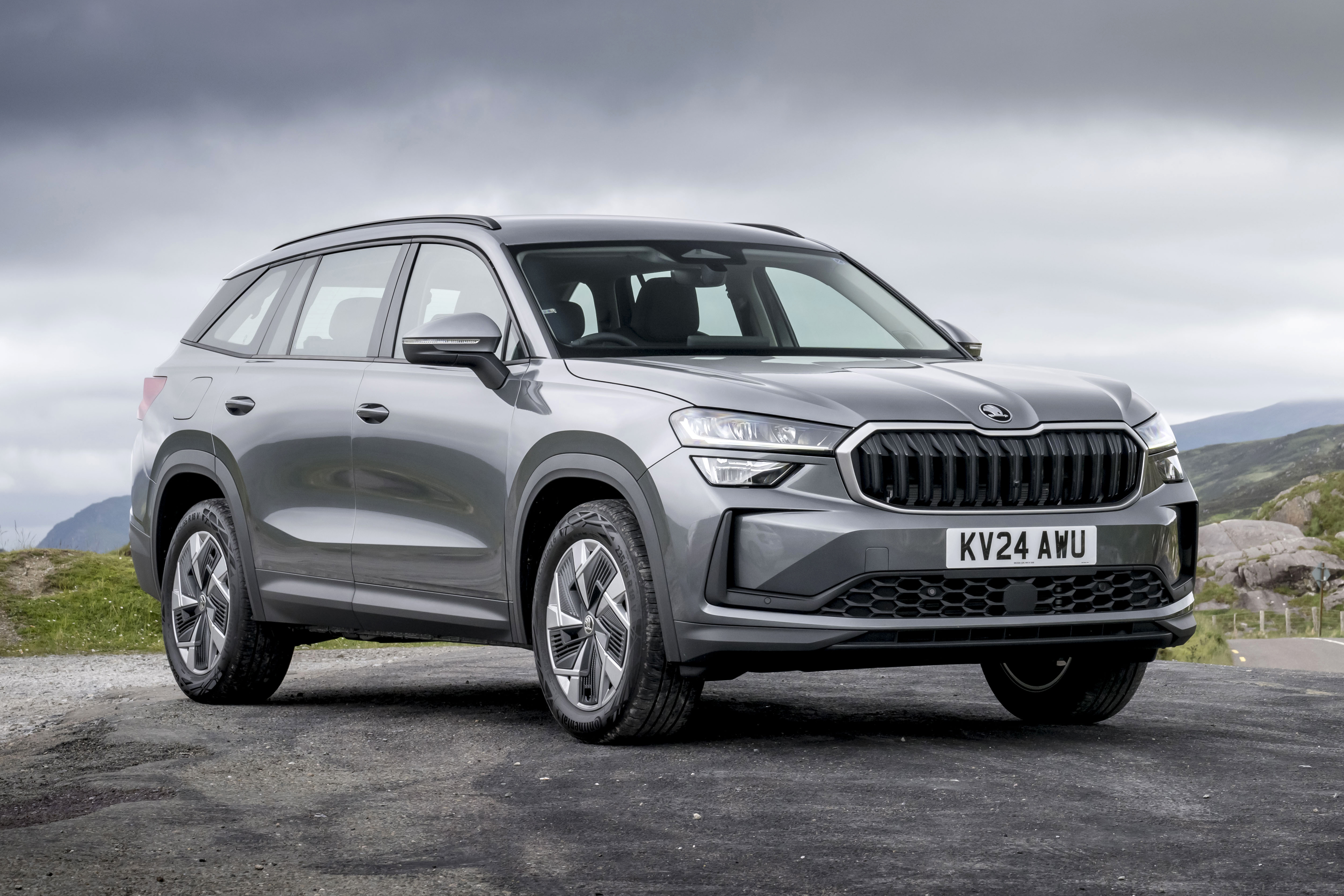
Best family plug-in hybrid: Skoda Kodiaq iV – Comfortable and high-riding large SUV that offers up to 76 miles of electric range and a colossal 745-litre boot.
Best plug-in hybrids for families
Buying a family plug-in hybrid is about far more than electric range. Practicality, comfort and everyday usability are just as important as economy, particularly if you're regularly carrying children, pushchairs or using it to go on holiday. With the obligatory roofbox.
Wide-opening rear doors make fitting child seats much easier, while a low, squared-off boot opening can save your back when loading awkward pushchairs. Some plug-in hybrids lose boot space because of their battery, so it's worth checking how much luggage capacity is available with the rear seats in place.
Our favourite family PHEV is the Skoda Kodiaq iV. With an official electric range of up to 76 miles, many families will be able to complete several days of school runs and local journeys without using any petrol. Unlike some seven-seat rivals, it's designed as a spacious five-seater, allowing it to retain an enormous 745-litre boot that's among the biggest in its class. But you are sacrificing the rearmost row of seats in the process.
On the plus side, there's generous rear legroom, plenty of storage compartments and Skoda's trademark Simply Clever features, including umbrella storage, door protectors and numerous USB-C charging points. Ride comfort is excellent too, making longer journeys far more enjoyable for everyone on board.
The Kia Sorento PHEV deserves a mention if you regularly need seven seats. It offers impressive passenger space across all three rows, while wide-opening rear doors make fitting child seats (and their occupants) straightforward. Flexible seating, generous equipment levels and a comfortable ride make it one of the most versatile family SUVs currently available.
Best plug-in hybrids for reliability
If reliability is your biggest concern, choosing a plug-in hybrid from a manufacturer with decades of hybrid experience is usually the safest approach. While PHEVs combine a combustion engine, electric motor and battery pack, today's systems are proving remarkably dependable when they're properly maintained.
The Lexus NX 450h+ is a great choice. Using Toyota's extensive hybrid expertise, it's powered by a 2.5-litre petrol engine with an electric motor to deliver one of the smoothest and most dependable plug-in hybrid systems around. Being a Lexus it's designed more for refinement than performance, with smooth transitions between electric and petrol power.
Build quality is another strength. The cabin feels solid with durable materials and intuitive controls that should stand the test of time. Buy a Lexus and you have also have the benefit of the Lexus' Relax Warranty, which covers your car for up to 10 years or 100,000 miles as long as it's serviced at a Lexus dealer. This a great selling point on used cars.
The Toyota RAV4 Plug-in Hybrid is another PHEV that's easy to recommend. Sharing much with the Lexus, it offers similar reliability in a more affordable package. Even after the battery has been used up it continues to operate like Toyota's self-charging hybrids, meaning fuel economy remains impressive rather than falling away dramatically.
Best used plug-in hybrids for £15,000
A budget of £15,000 means you can find some excellent used plug-in hybrid options. At this price you'll generally be looking at cars that are four to six years old, meaning you can still get a modern PHEV but without the new car price tag.
The Mitsubishi Outlander PHEV is a good bet. It was Britain's best-selling plug-in hybrid for many years and later models benefit from improved refinement, better battery management and a smoother 2.4-litre petrol engine. While its 28-mile electric range is modest by today's standards, it still comfortably covers typical commuting distances and standard four-wheel drive makes it particularly capable during poor weather.
Another advantage is widespread familiarity. Independent garages know the Outlander well, replacement parts are readily available and there's plenty of choice on the used market, making it easier to find a well-maintained example with a full service history.
If you'd prefer something smaller, the Hyundai Ioniq Plug-in Hybrid is another strong choice. It combines impressive efficiency with low running costs, a comfortable cabin and a dual-clutch automatic gearbox that feels more natural than the CVT transmissions used by many PHEV rivals.
Best used plug-in hybrids for £20,000
Increase your budget to around £20,000 and the choice of used plug-in hybrids improves considerably. Instead of buying early-generation models with modest battery capacity, you can start looking at newer cars with longer electric range, faster charging and more up to date infotainment systems. It's also the point where premium brands become attainable.
The BMW 330e is our top pick at this price. Around £20,000 buys a well-maintained 2020 to 2022 M Sport model with sensible mileage, a full service history and plenty of desirable equipment. Thanks to strong supply from the company car market, there's a wide choice available, making it easier to find a car with the specification you want.
Unlike many plug-in hybrids, the extra battery weight hasn't diluted the 3 Series' appeal. The steering is precise, the rear-wheel-drive chassis feels balanced and the eight-speed automatic gearbox is a delight to use, self-shifting smoothly. It's still one of the most enjoyable saloons to drive, whether you're commuting through town or covering hundreds of motorway miles.
It's 37-mile electric range is enough for many daily journeys, while the petrol engine delivers strong performance for longer trips. Inside, BMW's iDrive infotainment system combines a crisp touchscreen with the simple rotary controller that makes navigating menus far less distracting than touchscreen-only alternatibes. High-quality materials, supportive seats and excellent refinement make for a car that still feels premium several years after launch.
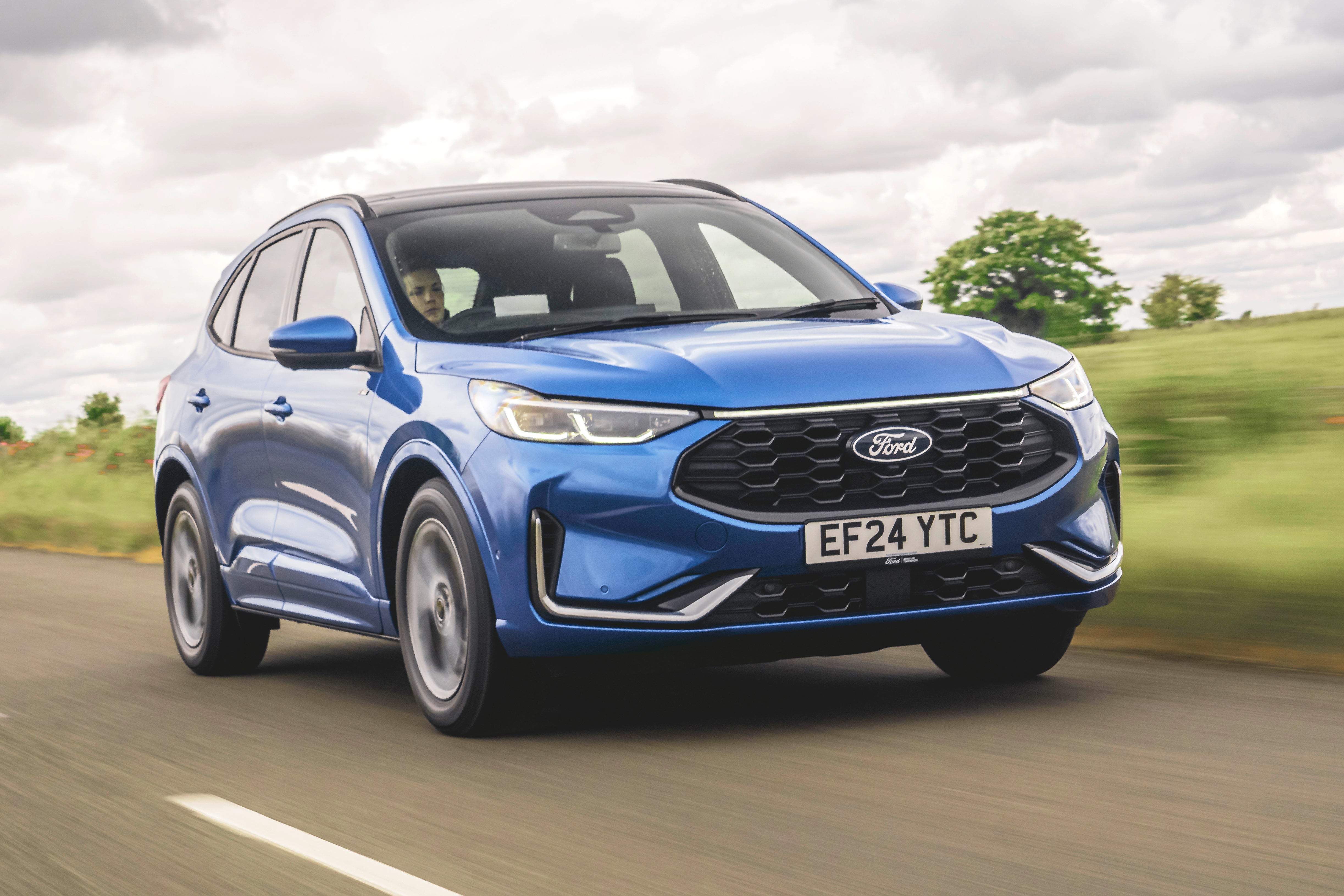
If you need more space, the Ford Kuga Plug-in Hybrid is well worth considering. A £20,000 budget buys a relatively young example with low mileage and generous equipment, including adaptive cruise control, heated seats and a reversing camera on many models. It combines a spacious cabin with a large boot and an efficient hybrid system that makes it particularly well suited to family life. The sliding rear bench gives some welcome flexibility, while the raised driving position and comfortable ride make it an effortless companion for everyday use.
Best plug-in hybrids with seven seats
Seven-seat plug-in hybrids remain relatively few and far between. Fitting an engine, electric motor, battery pack and three rows of seats into one vehicle is a challenge, which is why many manufacturers sacrifice the third row altogether when developing PHEVs.
Fortunately, there are still some excellent options. The Volvo XC90 T8 remains the benchmark. It has been cleverly engineered so the battery pack sits within the transmission tunnel rather than beneath the boot floor. This means the XC90 has seven proper seats without compromising luggage space. Adults can comfortably use the rearmost seats on shorter journeys, while children will have no complaints on longer trips.
On the road, the XC90 majors on refinement rather than outright performance. The plug-in hybrid system delivers smooth, effortless acceleration, while air suspension helps the large SUV glide over poor road surfaces. With up to 40 miles of claimed electric driving available from a full charge, many owners will complete their weekday commuting without using the petrol engine at all.
Inside, the cabin remains one of the best designed around, combining high-quality materials with a clean Scandinavian aesthetics which still feels modern. Excellent safety technology and strong residual values further strengthen its appeal, making the XC90 one of the most complete luxury family SUVs on sale.
If you don't want to spend Volvo money, the Chery Tiggo 8 Super Hybrid is an impressive alternative. It combines seven seats with generous standard equipment and competitive pricing, giving growing families plenty of space without stretching the budget. The cabin is spacious, the technology is easy to use and the hybrid impressively efficiency. It's one of the most interesting new arrivals in the seven-seat market.
Best plug-in hybrids for electric range
Electric-only range has become one of the biggest selling points for modern plug-in hybrids. Only a few years ago, covering 25 miles without using petrol was considered impressive. Today, some models can officially travel approaching 100 miles on electricity alone. If you have access to home charging, that can make a dramatic difference to running costs.
The Omoda 9 currently leads the way. Its large battery delivers an official electric range of up to 93 miles, which translates into around 70 to 80 miles in real-world conditions depending on weather and whether you're in a hurry or not. That's enough for the vast majority of daily journeys without the petrol engine ever joining the fray.
Unlike many older plug-in hybrids, the Omoda also supports DC rapid charging. Instead of waiting several hours for the battery to recharge, owners can top it up at compatible public chargers in around 25 minutes, making it far easier to maximise the benefits of the hybrid system even on longer journeys. Although you do pay for the privilege.
The cabin feels upmarket, standard equipment levels are generous and ride comfort is excellent. Considering its competitive asking price, it represents one of the strongest value PHEV SUVs.
If you prefer something smaller, the Audi A3 Sportback TFSI e is ideal. Sharing much with the Volkswagen Golf eHybrid, it has an official electric range of up to 88 miles while retaining the premium feel and refined drive Audi buyers expect. It's particularly good for company car drivers thanks to its low Benefit-in-Kind tax rates.
Best plug-in hybrids for motorway driving
Plug-in hybrids often get criticised for their poor motorway economy. Once the battery has been depleted, many heavier models can become surprisingly thirsty, with relatively small petrol engines working hard to carry the additional weight of the battery.
The good news is that some manufacturers have engineered their plug-in hybrids specifically with long-distance driving in mind.
The Mercedes-Benz C300de remains one of the most underrated choices. Unusually, it combines a plug-in hybrid system with a diesel engine, creating an exceptionally efficient motorway cruiser. Once the battery has been used, the diesel engine takes over for relaxed motorway running, returning more than 60mpg.
The cabin is equally good. Excellent sound insulation, supportive seats and a composed ride make it an effortless long-distance car, while Mercedes' latest infotainment system helps the interior feel modern. For drivers covering 20,000 motorway miles a year, few plug-in hybrids make more financial sense.
If you need something larger, the BMW X5 xDrive50e is another impressive long-distance machine. Its six-cylinder petrol engine works well with the electric motor, delivering strong performance with almost imperceptible transitions. Adaptive air suspension and superb refinement make it one of the finest motorway SUVs, while its claimed electric range of up to 64 miles still allows you to cover shorter journeys without using any fuel.
Best plug-in hybrids with big boots
One of the biggest compromises associated with early plug-in hybrids was limited boot space. Battery packs were often mounted beneath the boot floor, meaning shallow load bays and awkward storage areas. Fortunately, today's best models have been designed to overcome this.
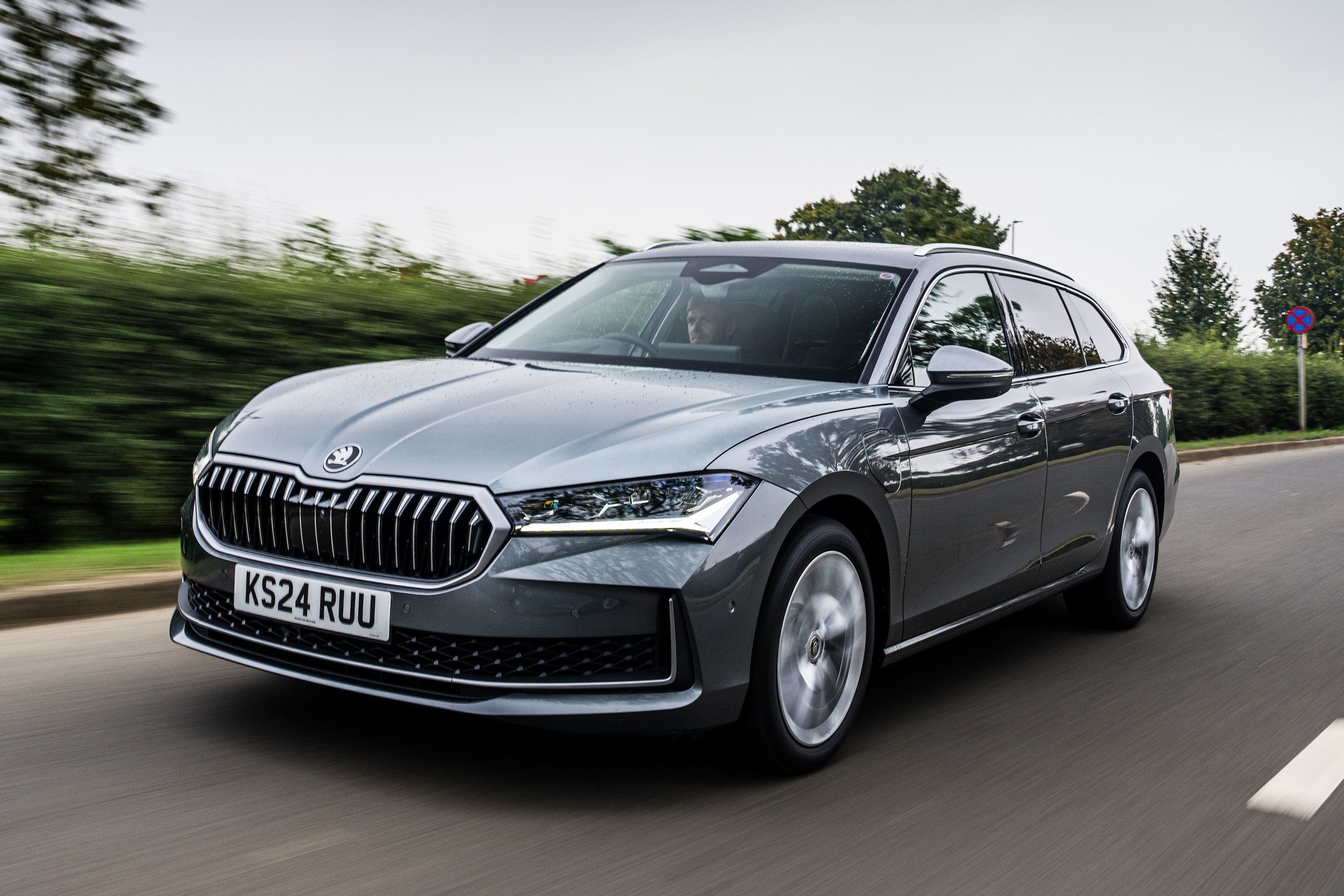
The Skoda Superb Estate iV is a perfect example. Despite carrying a substantial battery pack, it still has a huge 510-litre boot with the rear seats in place. Fold them down and with 1770 litres of capacity there's enough space to carry bikes, flat-pack furniture or that old mattress to the tip.
The load area itself is cleverly designed. The opening is wide and square, the floor is almost completely flat and useful features such as remote seat-release levers, bag hooks and underfloor storage make everyday life much easier. Combined with exceptional rear legroom and excellent ride comfort, it's one of the most practical plug-in hybrids currently available.
If you prefer the higher driving position of an SUV, the Toyota RAV4 Plug-in Hybrid is another recommendation. Clever battery packaging means it has a good sized luggage area while the wide boot opening and low load lip make loading bulky items straightforward.
Best plug-in hybrids for value
With many new plug-in hybrids now costing £40,000 or more, value for money has become increasingly important. The best-value PHEVs aren't necessarily the cheapest cars on sale, but the ones that combine useful electric range, generous equipment and low running costs with a competitive price.
The MG HS PHEV is a great choice. It undercuts many rivals by several thousand pounds while offering an official electric range of around 75 miles, which is enough for most daily driving. Standard equipment is generous with features such as adaptive cruise control, a 360-degree camera and twin digital displays included on even relatively affordable trims.
On the road, the MG is easy to drive and comfortable. The suspension copes well with rough UK roads and the cabin is spacious enough for most families making it an easy car to live with. Add in MG's seven-year warranty and it looks a good deal for buyers looking to maximise value.
If you're prepared to spend a little more, the BYD Seal U DM-i is another strong option. It has a spacious interior with impressive economy, generous standard equipment and a high-quality cabin that feels more premium than its price tag suggests. Its clever hybrid system is designed to maximise electric driving wherever possible, helping to keep fuel bills down while still offering a petrol engine for longer journeys. Plus you'll get people asking you what BYD stands for...
Best Volkswagen Group plug-in hybrids
One of the Volkswagen Group's biggest strengths is that it can share plug-in hybrid technology across several brands. That means buyers get the same PHEV systems whether they're looking for a hatchback, a spacious estate or a big SUV.
The Volkswagen Golf eHybrid remains a great all-rounder. With an official electric range of up to 88 miles, low Benefit-in-Kind tax rates and the solid driving feel which has made the Golf a benchmark for generations, it's arguably one of the easiest plug-in hybrid to recommend. It combines excellent refinement with a premium-feeling interior, strong residual values and the kind of everyday usability that suits pretty much anyone.
If practicality is your priority, the Skoda Superb Estate iV takes exactly the same hybrid technology and puts it in one of the most spacious cars on sale. The huge boot, enormous rear legroom and comfortable ride make it an outstanding choice for families and anyone who regularly covers long distances.
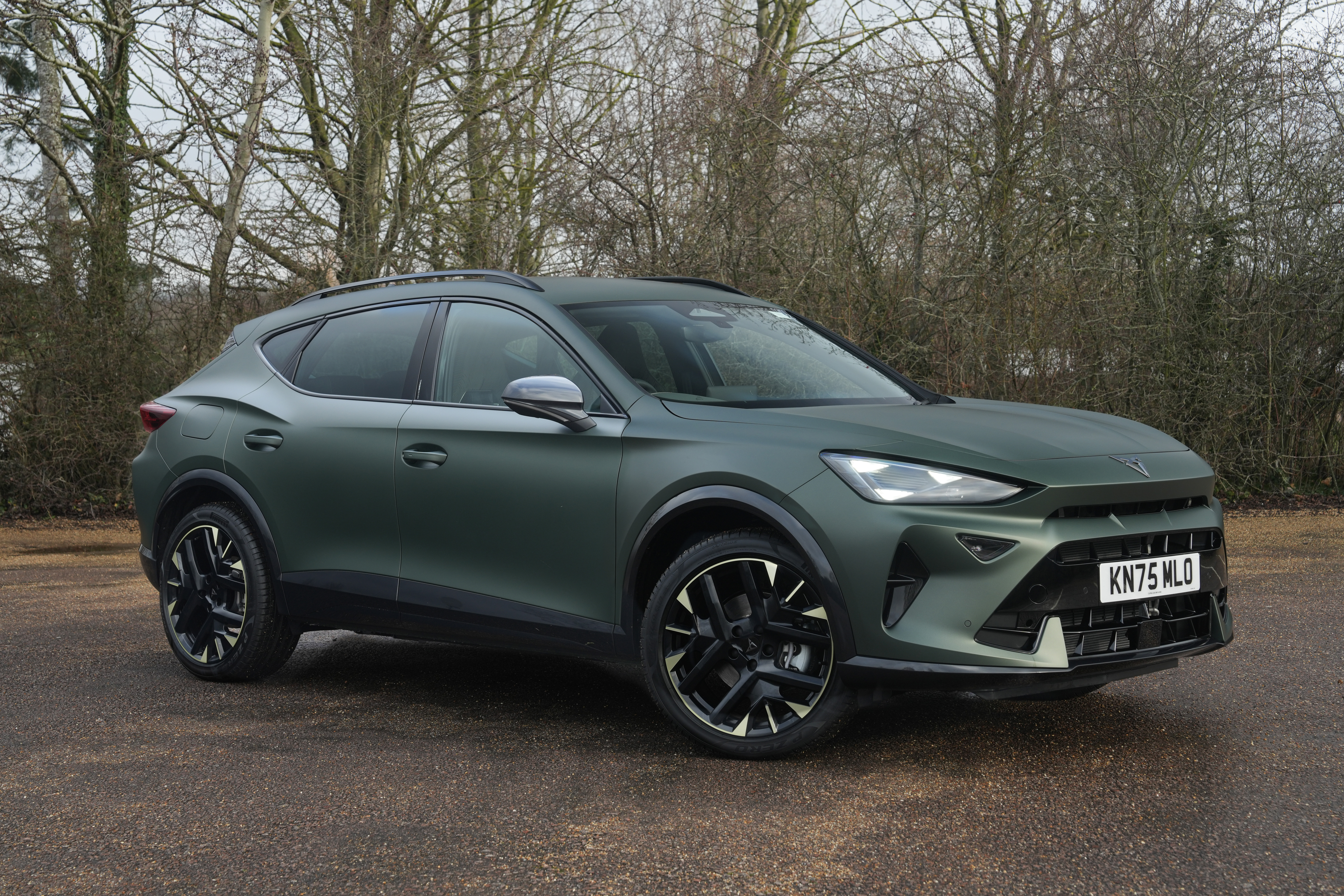
Drivers wanting something with a little more flair should look at the Cupra Formentor e-Hybrid. Sharing much of its engineering with the Golf, it gets sharper styling, a more driver-focused interior and slightly firmer suspension. Sitting between a hatchback and an SUV, it's designed to strike a balance between practicality and performance.
Expert guidance: How to choose your plug-in hybrid
Choosing a plug-in hybrid isn't simply about finding the model with the biggest battery or the longest electric range. The best PHEV for one driver could be completely wrong for another.
Unlike a conventional petrol or diesel car, a plug-in hybrid works best when it matches how you use your car. If you can charge regularly at home or work, a modern PHEV could allow you to complete most of your daily journeys without using a drop of fuel. If you rarely charge, however, you're unlikely to see the savings that make plug-in hybrid ownership worthwhile. Instead you're just lugging a heavy battery around.
That's why it's important to look beyond official figures. Consider where you drive, how far you travel, whether you need family-friendly practicality and whether buying new, used or leasing offers the best value for your circumstances. Here's what to think about before making your decision.
Which body style suits your lifestyle?
Plug-in hybrids are now available in almost every type of bodystyle, from hatchbacks to large seven-seat SUVs. Choosing the right body style is just as important as choosing the right engine.
Hatchbacks such as the Volkswagen Golf eHybrid and Audi A3 Sportback TFSI e are ideal if most of your driving takes place in towns and cities. Their compact dimensions make parking easier, while their relatively low weight helps maximise electric efficiency. They suit commuters, couples and smaller families, although boot space can be compromised by the battery pack beneath the floor.
If you regularly carry luggage, bicycles or pushchairs, an estate car makes far more sense. Models including the Skoda Superb Estate iV and Volkswagen Passat eHybrid combine generous electric range with huge boots and long, flat load areas. The lower loading height also makes lifting heavy items much easier than in an SUV.
SUVs remain the most popular choice for families though. Cars such as the Skoda Kodiaq iV offer a higher driving position, easier access for children and older passengers, plus plenty of interior space. The taller body also means they can carry larger batteries without reducing passenger space. The trade-off is higher prices, increased weight and slightly lower economy than an equivalent hatchback or estate.
Will you actually charge it?
This is the single biggest question every prospective plug-in hybrid buyer should ask themselves.
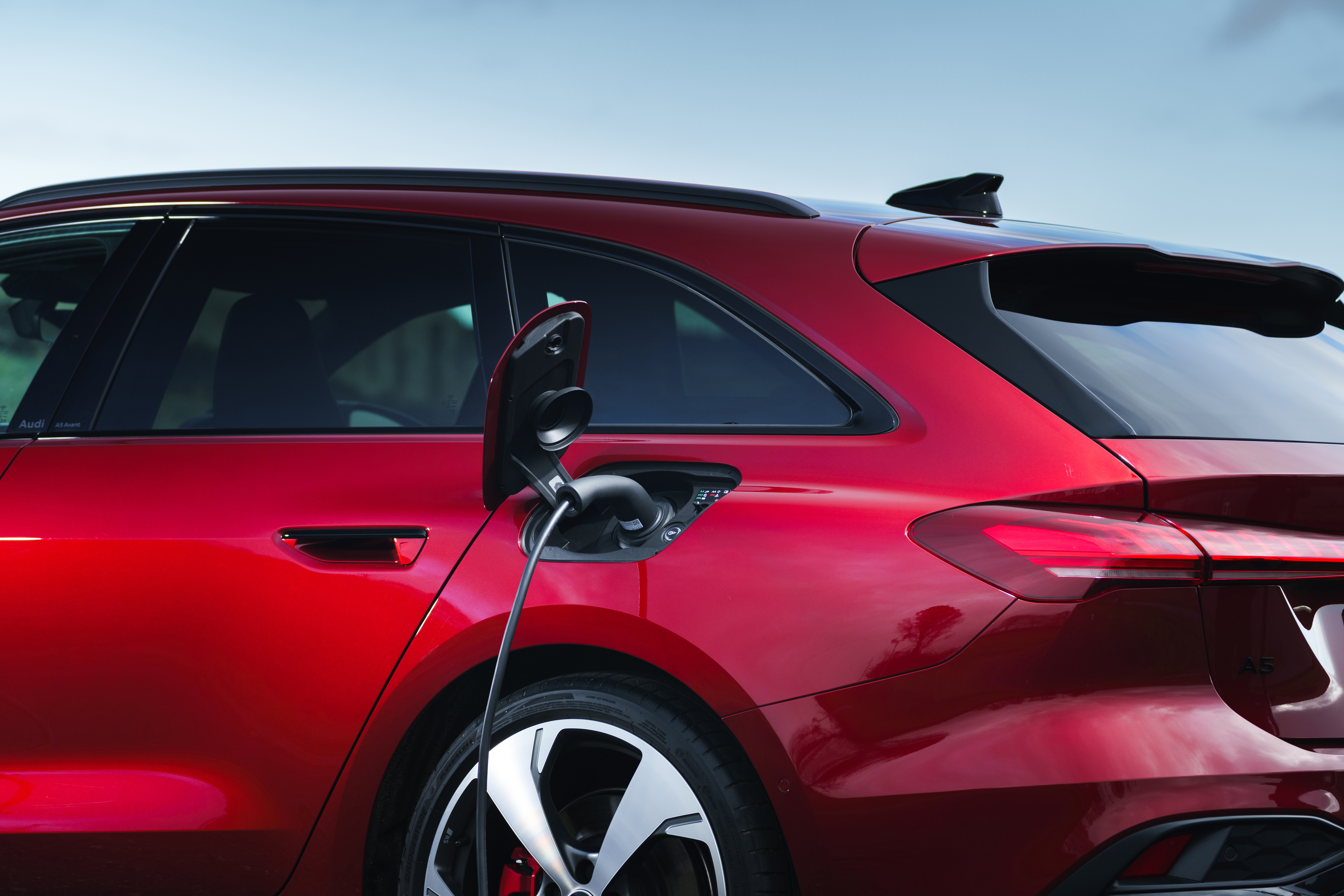
A plug-in hybrid only delivers its promised fuel savings when the battery is regularly charged. If you have access to a home wallbox or can charge at work, many modern PHEVs are capable of covering everyday journeys almost entirely on electricity. With official electric ranges approaching 100 miles, many drivers may only need petrol for longer weekend trips.
Without regular charging, however, PHEVs don't make sense. Once it's used up all of its 'plug-in charge', you're carrying the additional weight of a much larger battery, extra cabling and an on-board charger – yes, it will still operate in a similar way to a self-charging hybrid, but it's unlikely to be as efficient as one. Fuel economy suffers, running costs increase and the advantages of a plug-in hybrid quickly disappear.
Some of the latest models now support DC rapid charging, including the Skoda Kodiaq iV and Chery Tiggo 9 CSH. While this means you can get a useful top-up during longer journeys, rapid public charging is considerably more expensive than charging at home. For most owners, the cheapest approach remains overnight charging on a home electricity tariff.
Think about everyday practicality
A plug-in hybrid should make life easier, not more complicated.
If you regularly transport young children, pay close attention to the rear doors. Wide-opening doors make installing bulky rear-facing child seats far less awkward, particularly in tight supermarket car parks. Cars with generous rear legroom also mean those in the front won't be squashed against the dash when there's a child seat fitted behind.
The Skoda Superb Estate iV excels here thanks to its exceptionally spacious rear cabin, while larger SUVs such as the Kodiaq iV make lifting children into child seats much easier thanks to their higher seating position.
Dog owners should look beyond official boot capacity figures. The shape of the boot is often more important than the quoted volume. Upright tailgates, square load bays and low boot lips make life much easier for larger breeds, while a flat floor provides a more comfortable space for dogs travelling in back
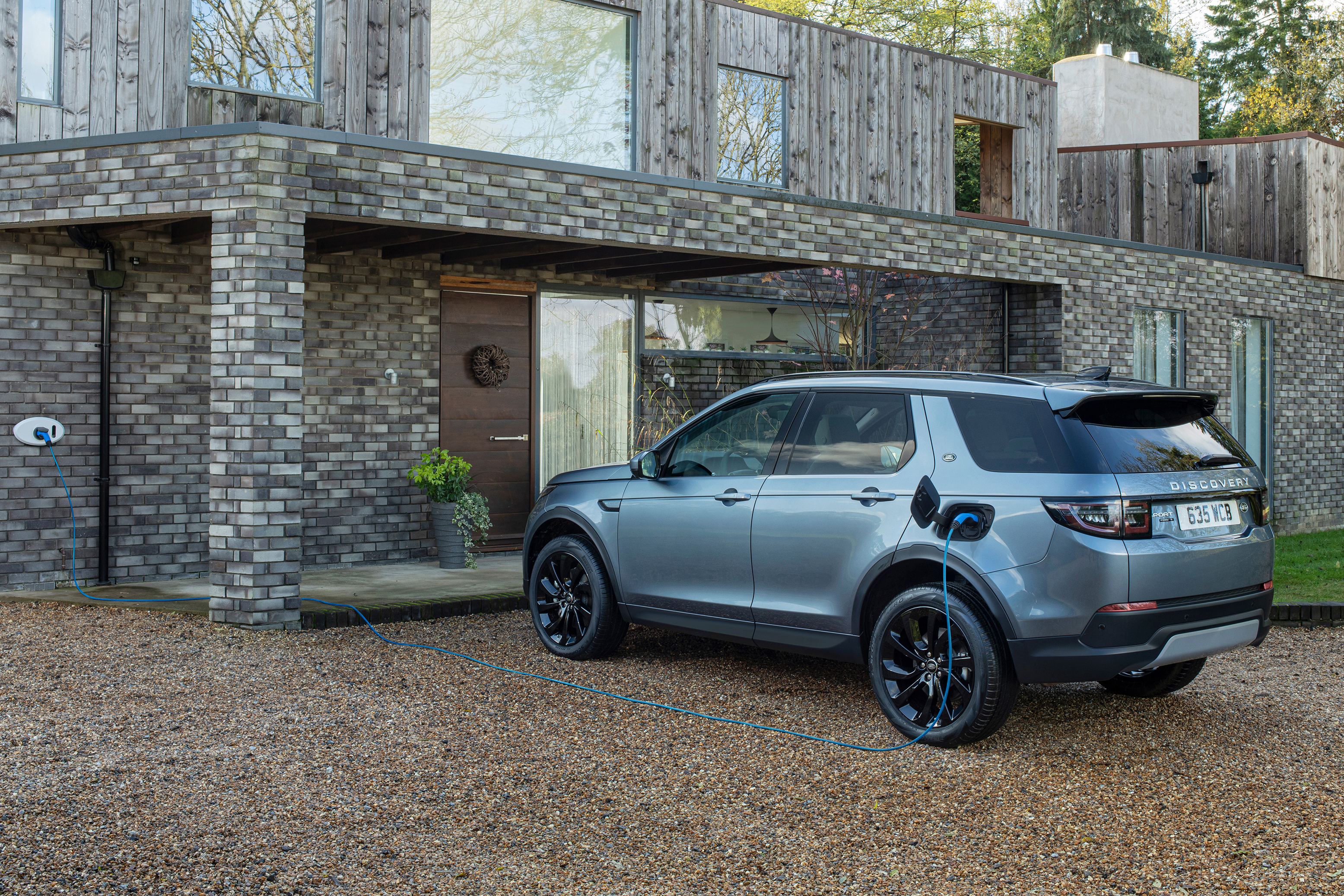
The Land Rover Discovery Sport P270e remains one of the better examples because its battery design allows for a low, flat boot floor with generous vertical space. If you regularly travel with pets, it's also worth checking whether dog guards and rubber boot liners are available.
Should you buy new, used or lease?
The right way to get behind the wheel depends on both your budget and how long you intend to keep the car.
Buying new gives you access to the latest plug-in hybrid technology, including significantly larger batteries, improved efficiency and longer electric ranges than earlier models. You'll also benefit from a full manufacturer warranty and the latest driver assistance technology, although for some buyers that might actually put them off...
The downside is depreciation. Like any new car, a plug-in hybrid loses value during its first few years, although company car drivers often offset this through lower Benefit-in-Kind tax.
Buying used can represent excellent value. Budgets between £15,000 and £20,000 open the door to well-proven models such as the Volkswagen Golf GTE, Ford Kuga PHEV and BMW 330e. When buying second-hand, always look for a full service history and check the remaining battery warranty.
Leasing is another option, particularly if you like changing cars every few years. Monthly payments are fixed, warranty cover is included throughout the agreement and concerns about long-term battery degradation disappear because you'll usually return the car before it becomes an issue. Just remember to choose a mileage allowance that reflects your driving habits to avoid excess mileage charges.
Why company car drivers are choosing plug-in hybrids
Plug-in hybrids continue to make strong financial sense for many company car drivers. Benefit-in-Kind tax is based largely on a vehicle's official CO2 emissions and electric-only range. Cars capable of travelling significant distances on battery power qualify for much lower tax rates than conventional petrol or diesel models.
Models such as the Volkswagen Passat eHybrid and Golf eHybrid combine long electric ranges with low CO2 emissions, helping keep monthly tax bills remarkably low. For many drivers, the savings can amount to several thousand pounds over the life of a company car agreement.
It's worth remembering that Benefit-in-Kind rates are reviewed annually, so always check the latest figures before placing an order.
Is a plug-in hybrid the right choice?
A plug-in hybrid can be an excellent choice, but only if it suits the way you drive.
If you regularly cover between 20 and 70 miles a day, can charge at home and still make occasional longer journeys, a PHEV offers an excellent balance between electric driving and long-distance flexibility.
If almost all of your journeys are short and local, a fully electric car may prove cheaper to run and simpler to own. Likewise, if you regularly drive hundreds of motorway miles every week and have little opportunity to charge, a modern petrol or diesel car could make more financial sense.
Before choosing any plug-in hybrid, take an honest look at your weekly mileage, charging opportunities and everyday requirements. Matching the car to your life is the best way to enjoy the benefits of a PHEV while keeping running costs down.
Yes. If you can charge at home or at work, a plug-in hybrid can significantly reduce your fuel bills by allowing you to complete most everyday journeys using electric power alone. They also remove the range anxiety that some drivers still associate with fully electric cars.
No. A plug-in hybrid will continue to operate even if you never plug it in, using its engine and hybrid system. However, you'll only achieve the best fuel economy and lowest running costs by charging the battery regularly.
The Omoda 9 currently offers one of the longest official electric ranges of any plug-in hybrid on sale, with up to 93 miles available on a full charge. Real-world range will vary depending on driving style, weather and terrain.
They can be considerably cheaper, particularly if most of your journeys are completed using electricity. Charging overnight on a low-cost electricity tariff is usually far cheaper than buying petrol, although longer motorway journeys will rely more heavily on the combustion engine.
Most manufacturers provide battery warranties of at least eight years, while many modern batteries are expected to last well beyond that. Regular servicing and sensible charging habits will help maximise battery life.
The Skoda Kodiaq iV is our favourite family plug-in hybrid thanks to its spacious interior, excellent comfort, generous boot capacity and impressive electric range. It combines the practicality of a large SUV with running costs that can be remarkably low if charged regularly.