01/07/2026
Best SUVs 2026: The ultimate UK buying guide

Written By David Ross
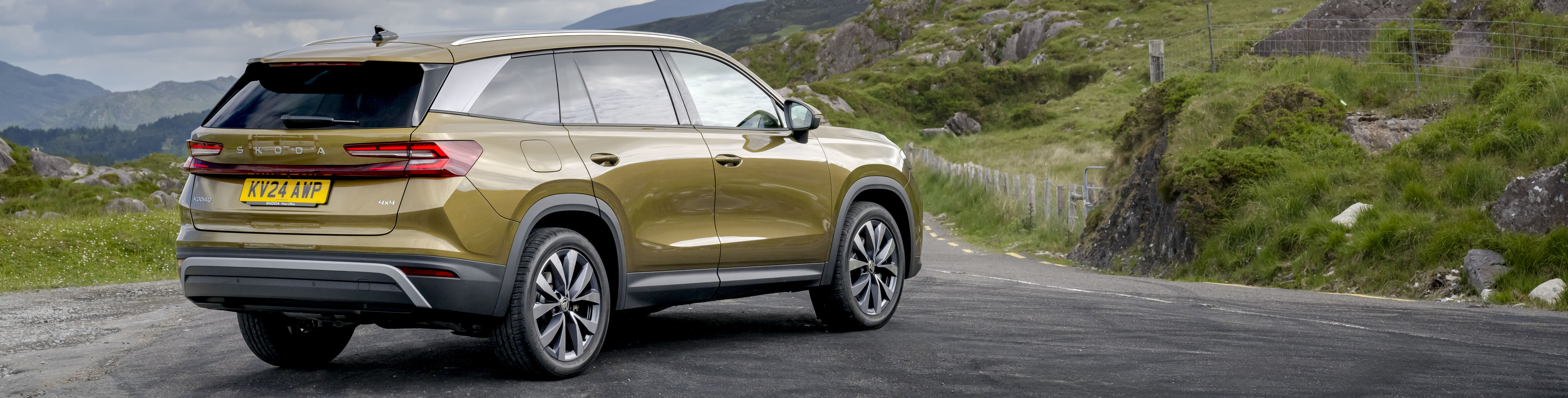
Whether you’re looking for a car that’s compact and nippy for your urban commute, something spacious and comfy to handle the rigours of family life or an upmarket choice blending power and plushness, there will be an SUV which suits your needs.
Great news, then. Or it is until the sobering reality of every major car brand selling a suite of differently sized SUVs, usually with options to go hybrid, fully electric or neither, dawns on you – the sheer breadth of choice can feel bewildering.
To save you both time and hassle when narrowing down your shortlist, our team of experts has sifted out the very best SUVs from those which are best avoided, taking into account an array of car buyers’ requirements.
Which of these excellent SUVs will be your next car?
The Drive SUV shortlist
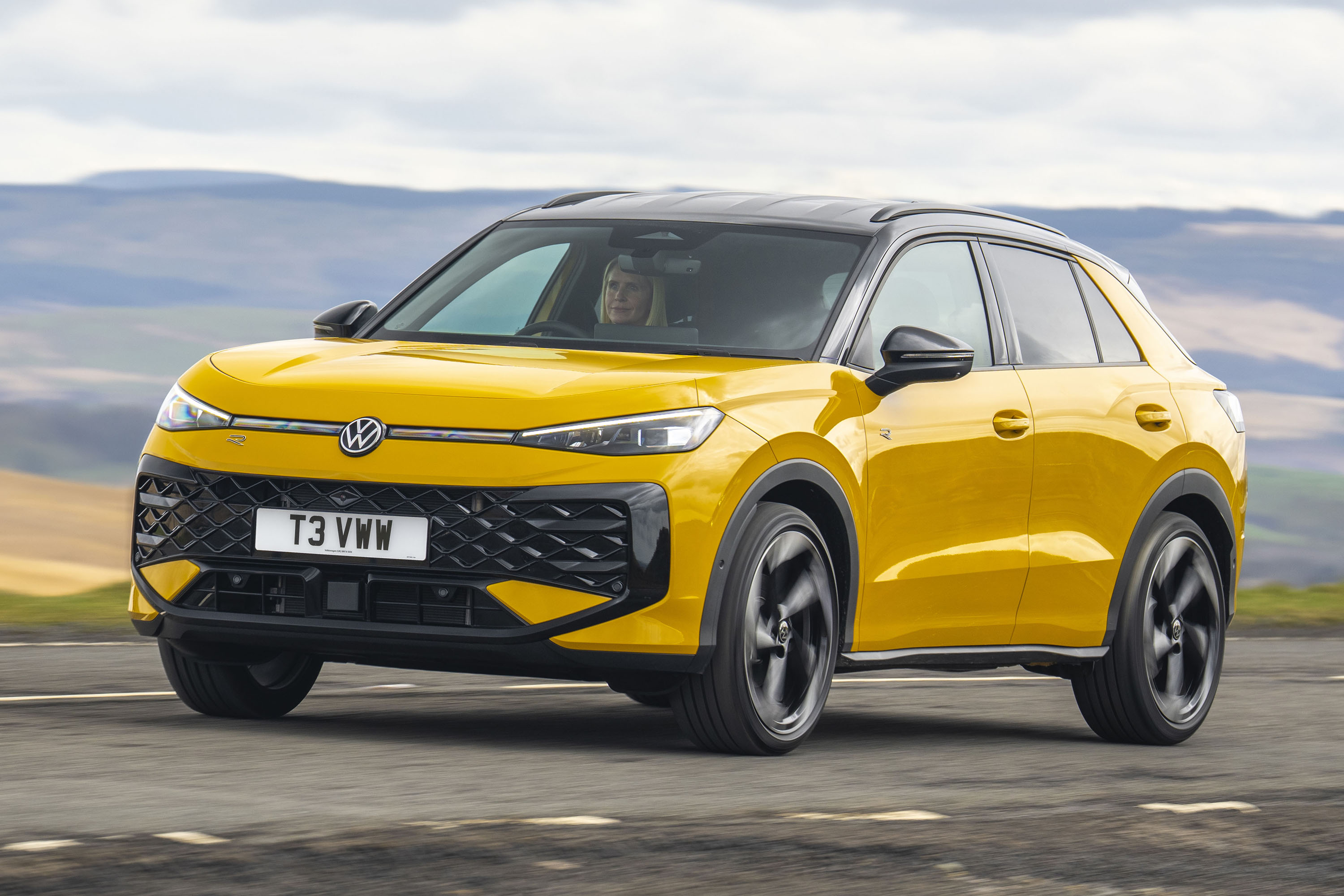
Best overall SUV: Volkswagen Tiguan - The flawless all-rounder with a high quality feel.
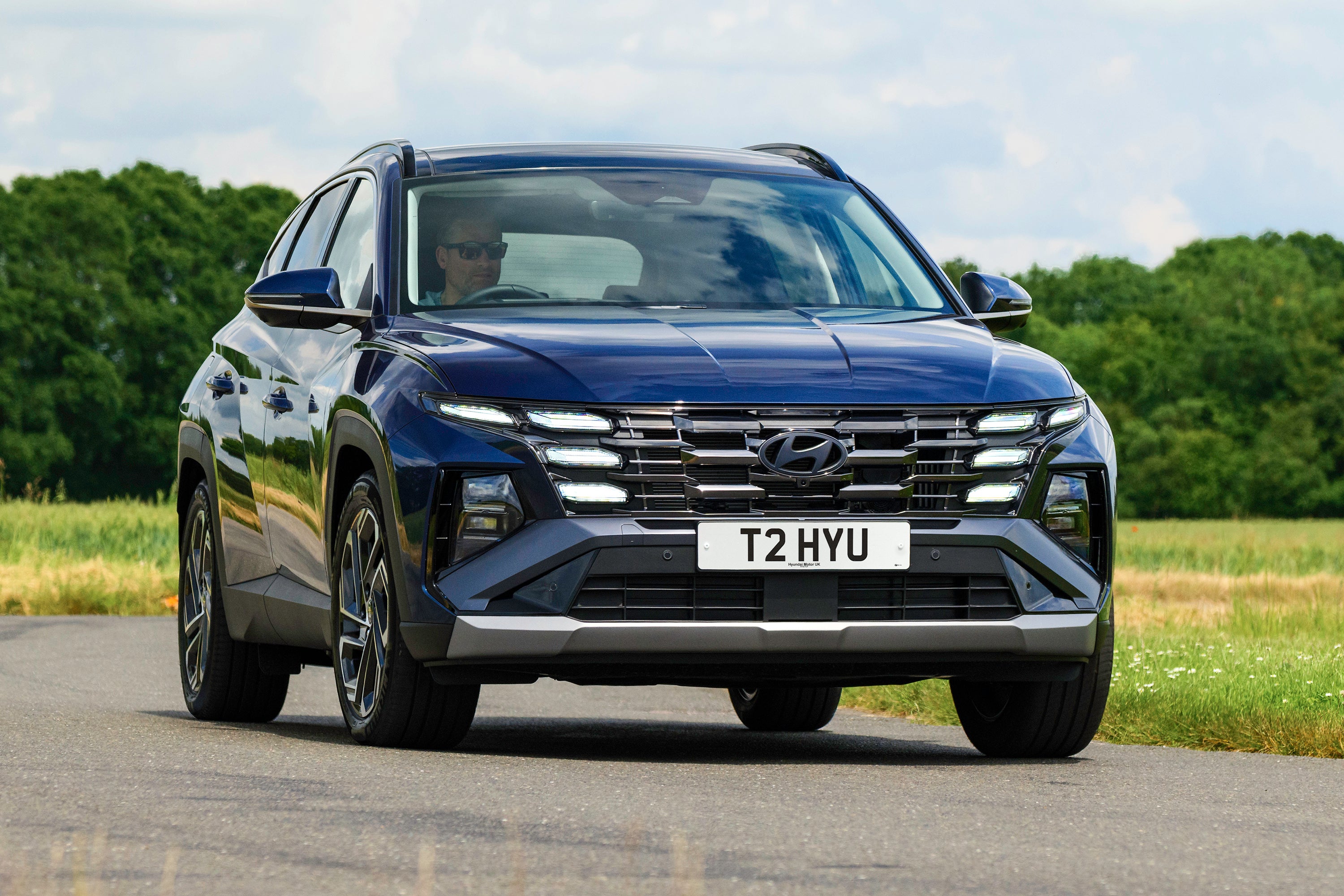
Best family SUV: Hyundai Tucson – Bold design meets a class-leading 620-litre boot.
Best used SUV: Kia Sportage – Excellent reliability and build for under £20,000.
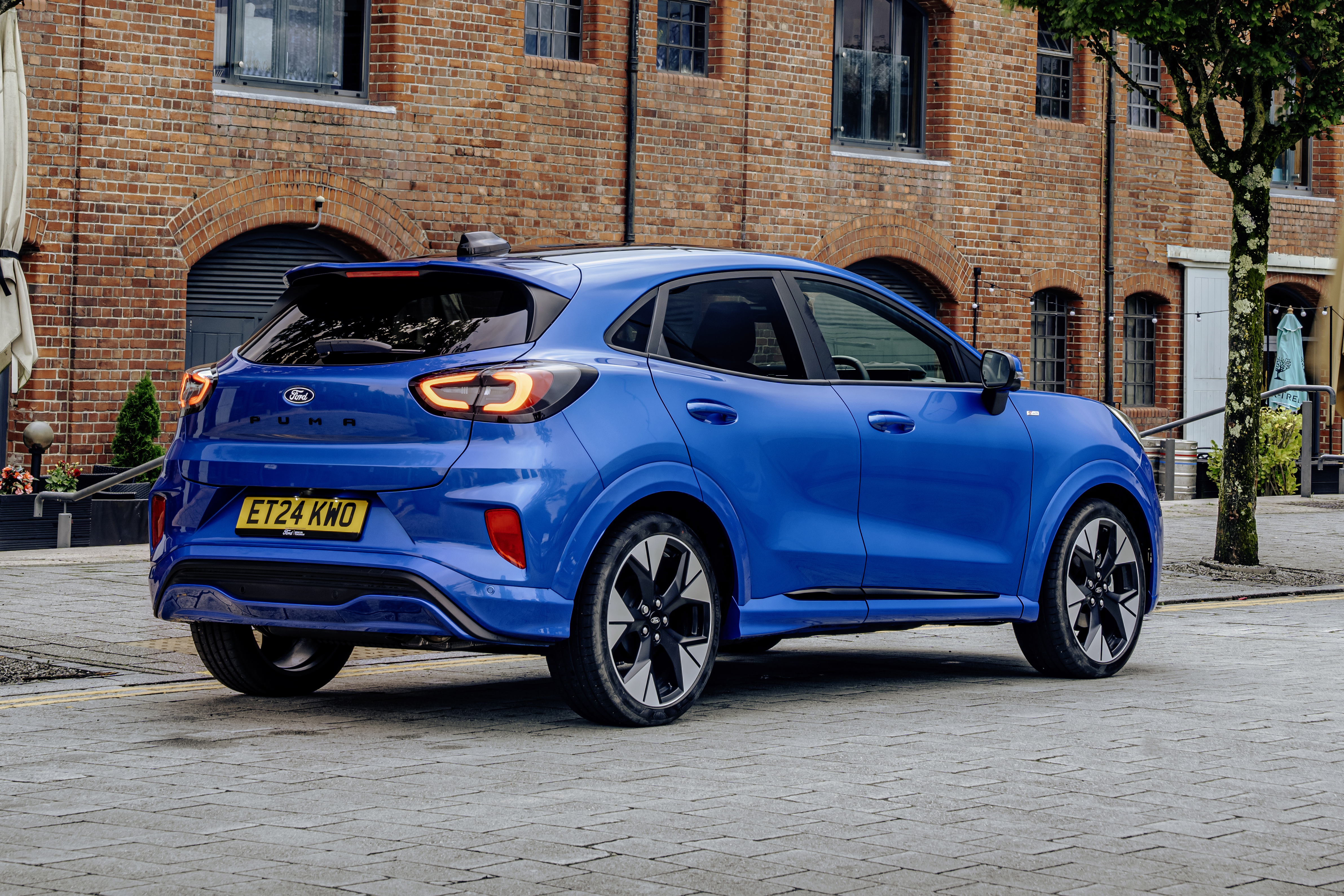
Best small SUV: Ford Puma – The agile small SUV with the clever MegaBox boot.
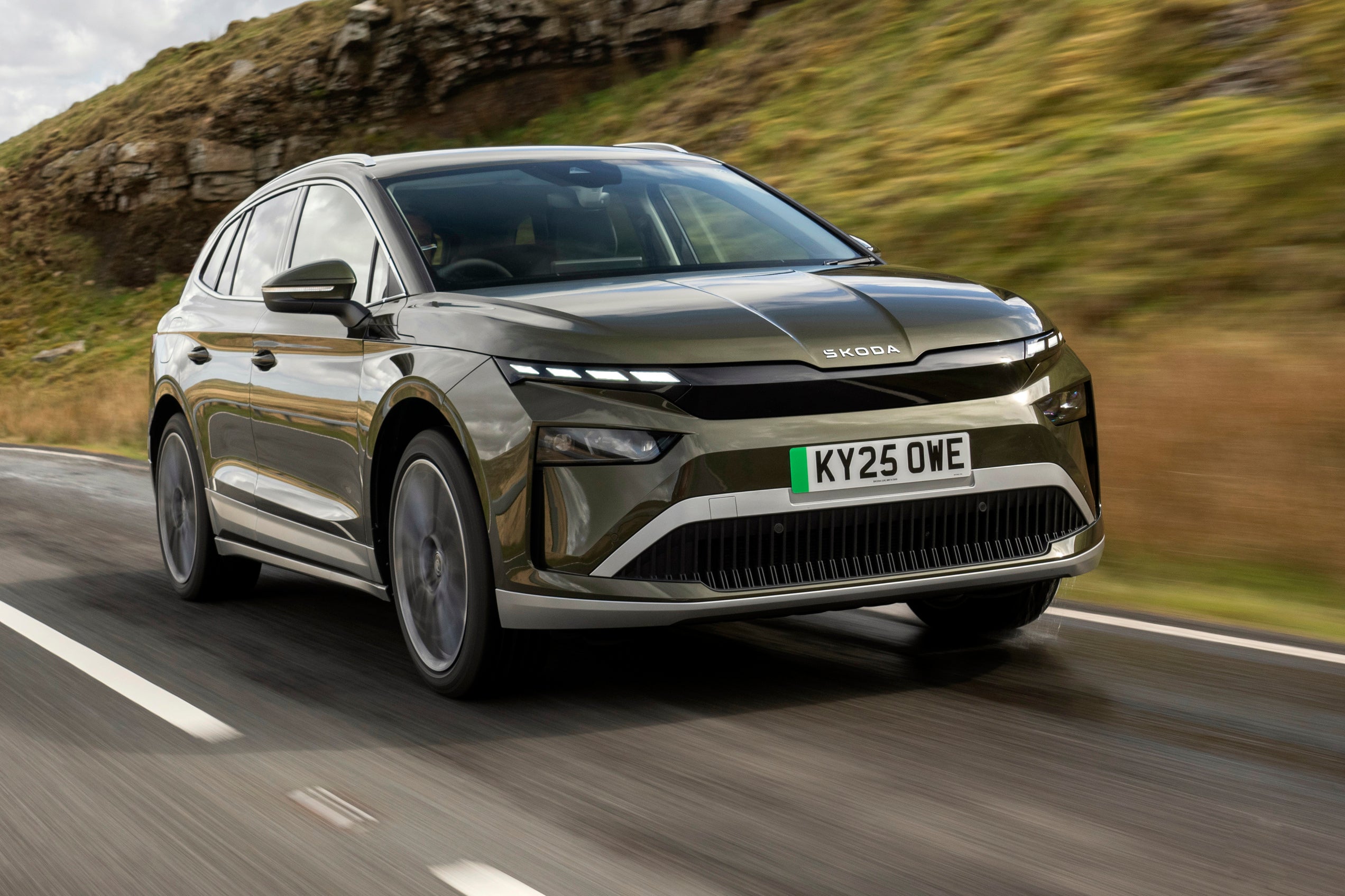
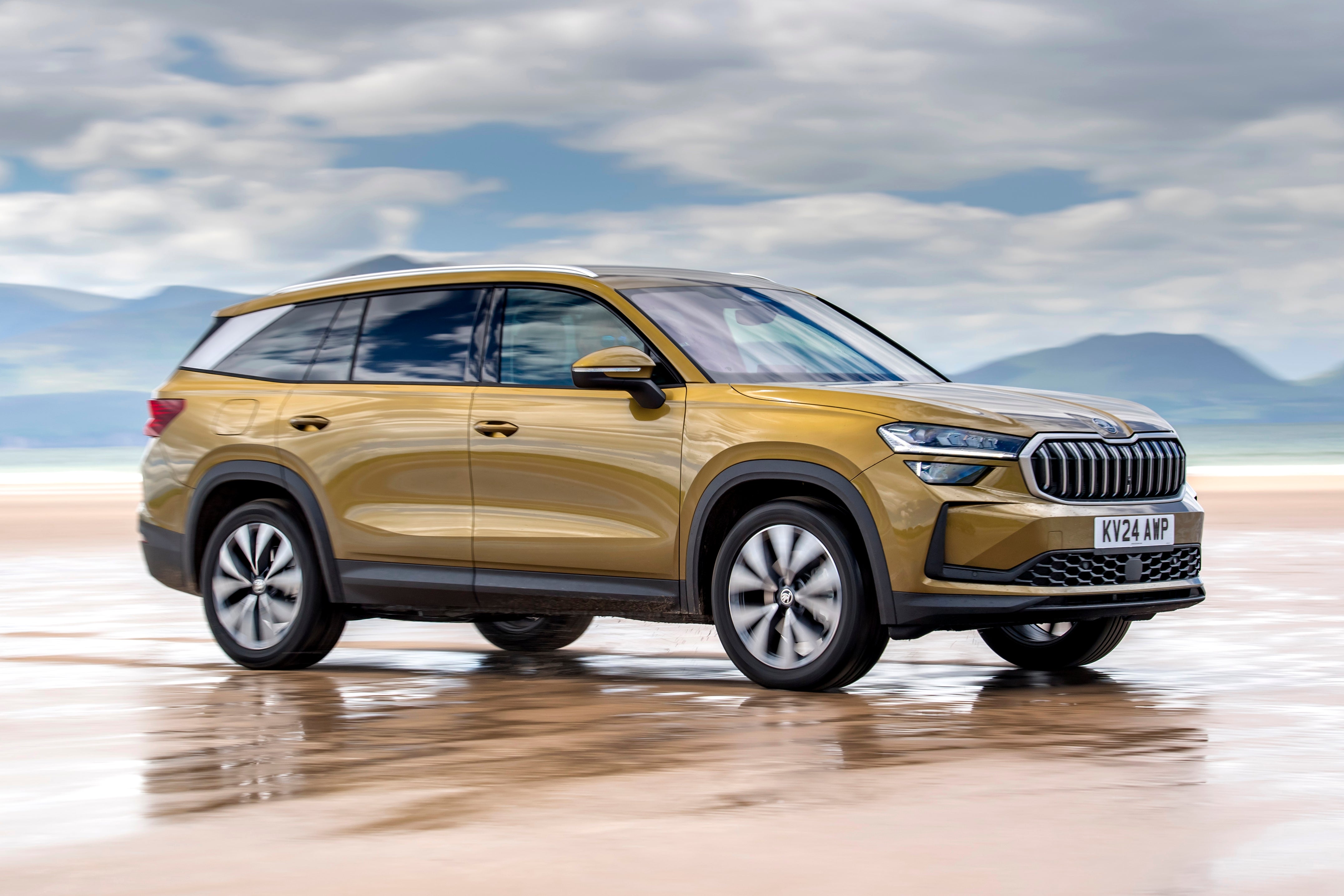
Best seven-seat SUV: Skoda Kodiaq – Practicality that matches cars twice the price.
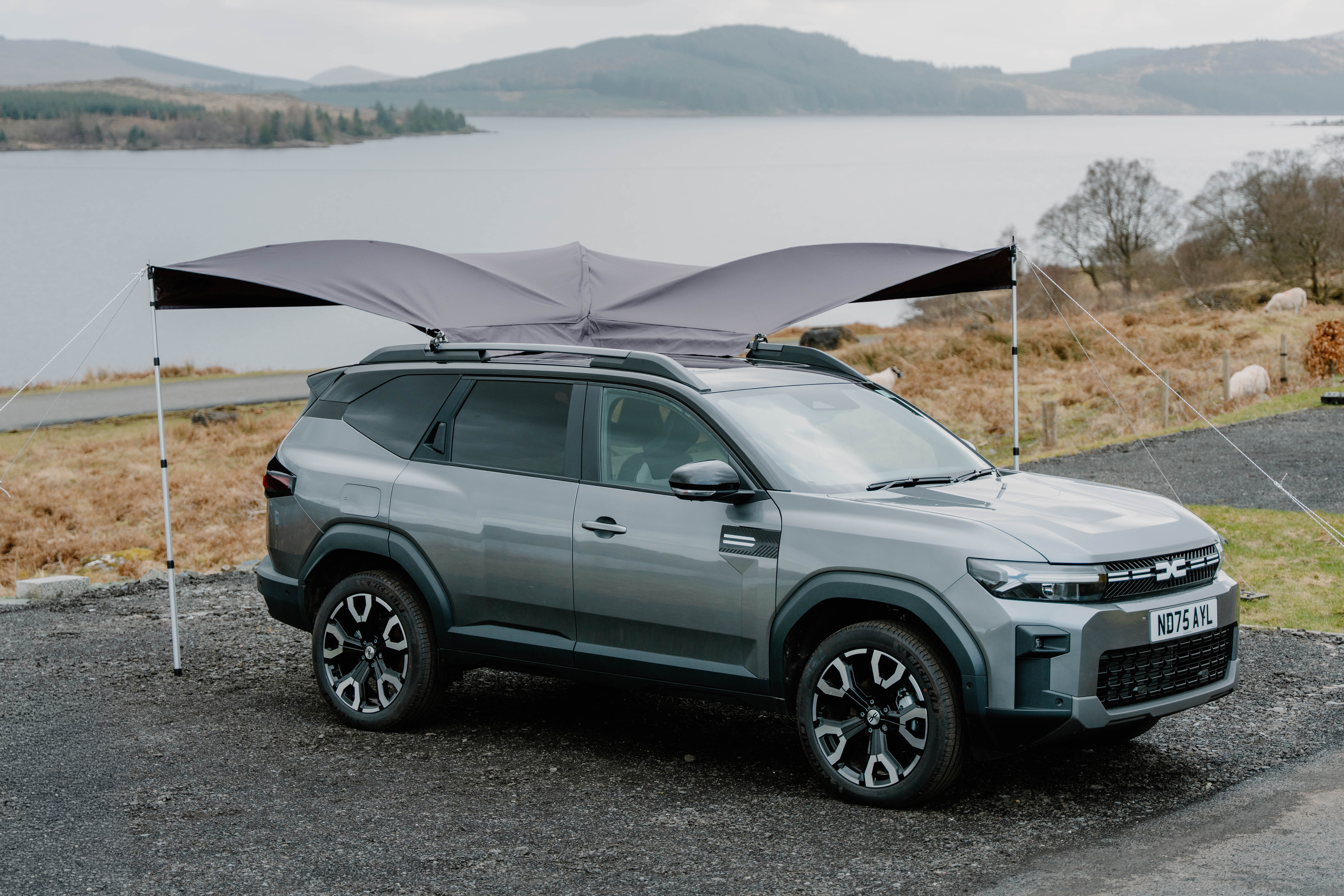
Best hybrid SUV: Dacia Bigster – 60mpg and massive space for under £30k.
Best electric SUV: Kia EV3 – Premium range and tech at an affordable price.
Best SUV for dogs: Land Rover Discovery – Huge load space and specialised pet packs.
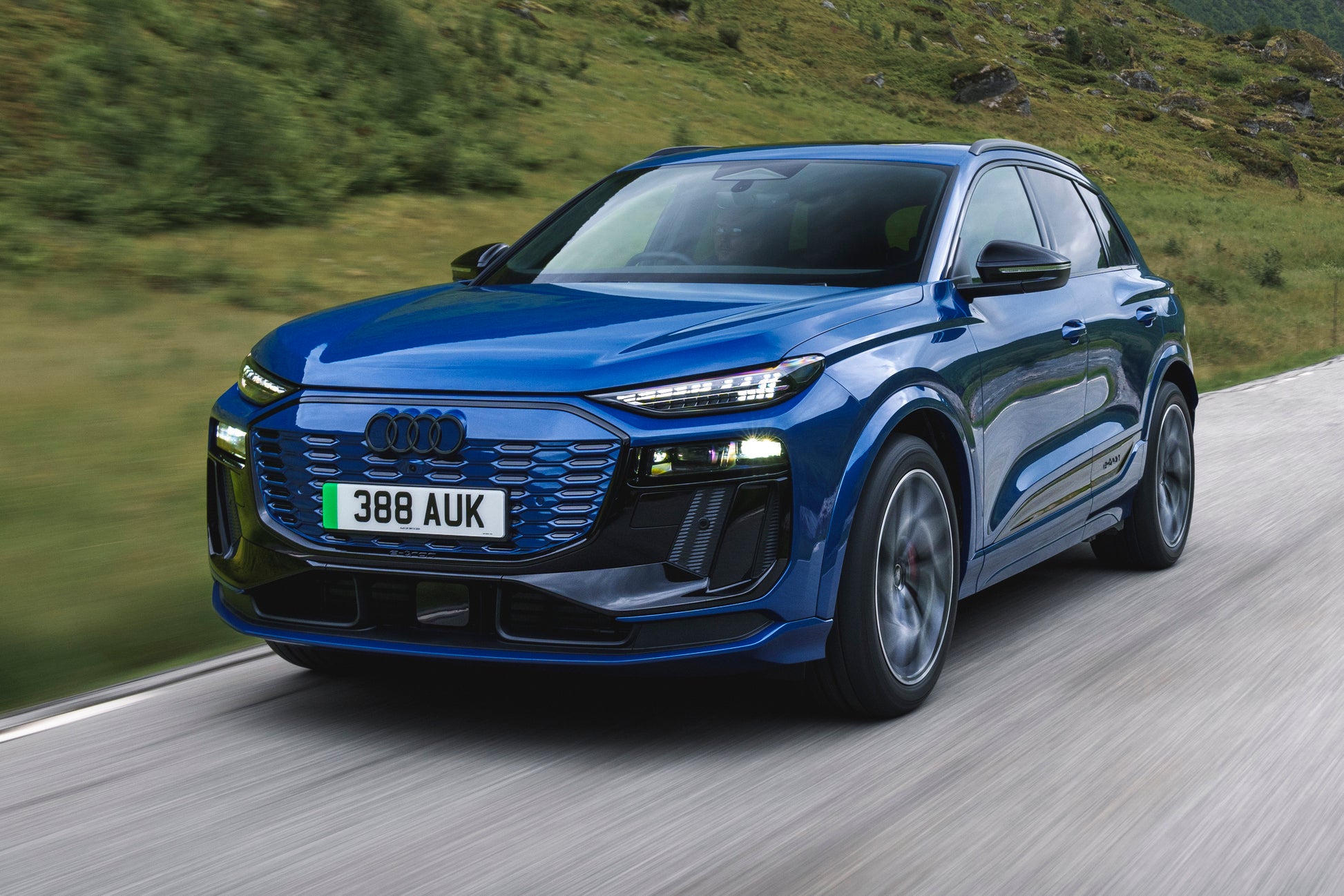
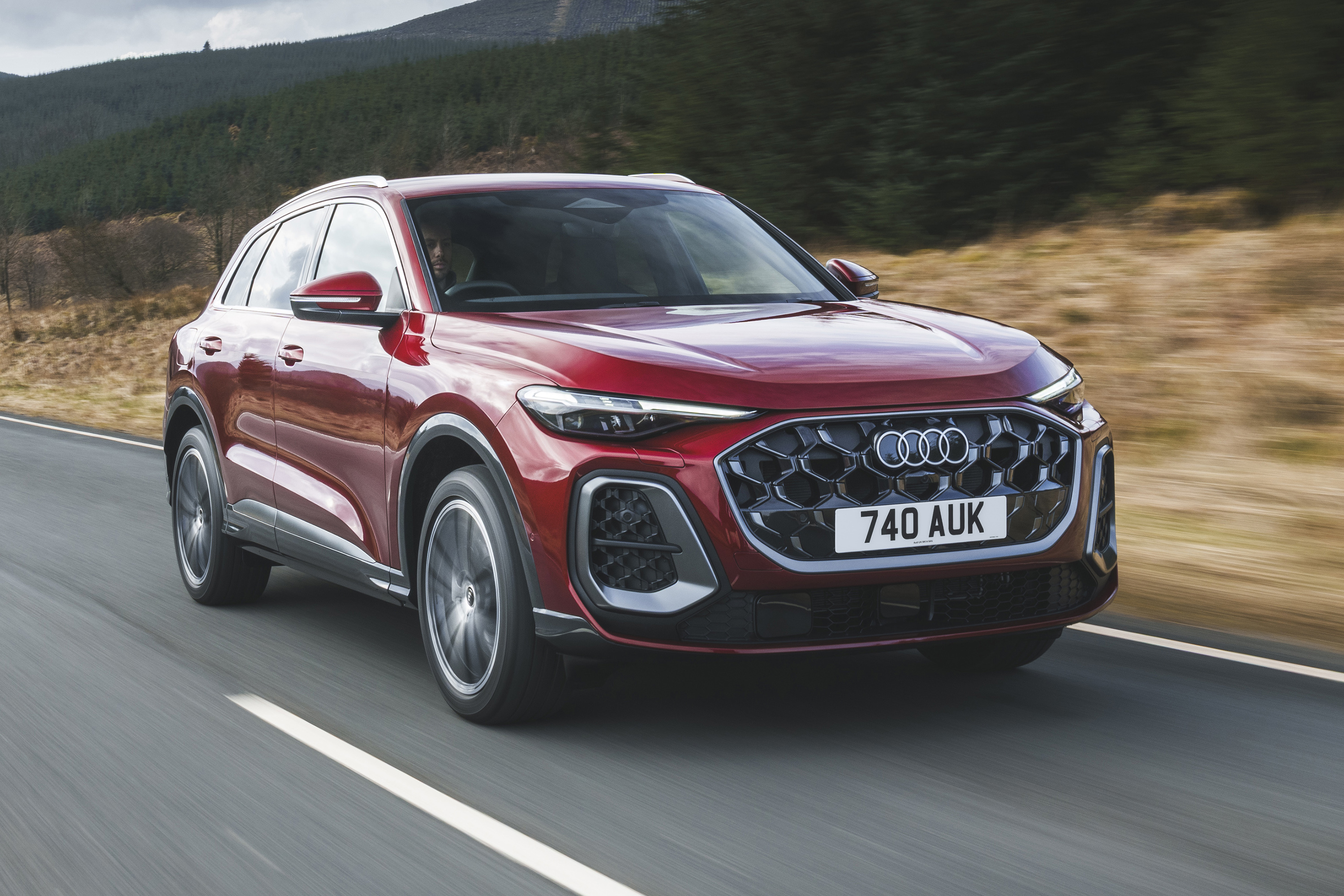
Best SUV for towing: Audi Q7 – A 3.5-tonne towing capacity wrapped in luxury.
Best VWG SUV: Cupra Formentor – The driver's choice that holds its value.
Best SUVs for families
As family-focused SUVs go, the Hyundai Tucson is the consummate choice. It will perform all the people-and-paraphernalia-carrying duties you ask of it with ease – combine that with excellent reliability and low running costs for an SUV which effortlessly integrates into your family’s life.
Three choices of power include the Tucson Plug-in Hybrid with up to 40 miles of electric driving range, but the cheaper, smooth-running self-charging Hybrid option delivers real-world fuel economy of around 45mpg and 58 litres of extra boot space thanks to its smaller battery.
Not only that, at 616 litres with the rear seats in use, the Tucson Hybrid’s boot space trumps the mechanically identical Kia Sportage’s 587-litre capacity. There’s a generous amount of interior space for five passengers and their detritus, yet the Hyundai is sufficiently compact so as to not feel intimidating for first-time SUV drivers.
There’s more good news when it comes to the Tucson’s generous equipment levels, meaning you don’t need to go for the priciest grade for kit such as triple-zone climate control, Android Auto and Apple CarPlay phone connectivity, bright Matrix LED headlamps and the convenience of keyless entry. Mid-range N Line Edition specification introduces a sportier body kit complemented by 19-inch alloy wheels.
Build quality is impressive, although the Hyundai’s overall interior finish doesn’t feel as plush as the Volkswagen Tiguan’s cabin. Then again, the full hybrid Tucson is over £2500 cheaper than the mild hybrid Tiguan in R-Line guise, so it’s fair to expect some compromises there.
Sealing the deal is the reassurance provided by Hyundai’s five-year/unlimited mileage warranty package, offering peace of mind that extends beyond the duration of typical finance packages.
Best SUVs under £15,000 used
A budget of £15,000 buys a considerable amount of pre-owned SUV, including an appealing array of seven-seaters. That’s great news for larger families who need the passenger-carrying ability as well as for those who only use the third row occasionally but require the massive boot space available when they’re folded into the floor.
Among the excellent options is the original 2002-2015 Volvo XC90, capable of accommodating seven adults in comfort. For £15k you can acquire a 2013 example with the punchy but frugal D5 diesel engine in sporty R-Design specification.
If the Volvo's age is off-putting, then a trio of younger, seven-seater alternatives could be yours instead. All sharing the same platform are the Skoda Kodiaq (2016-2024), the Volkswagen Tiguan Allspace and our pick, due to its slightly more athletic styling, the SEAT Tarraco.
There’s little differentiation between them interior space-wise, but it has to be noted that the third-row accommodation isn’t as generous as the Volvo’s which is fine if they’re only going to be called into action now and again.
Interior quality for the SEAT is broadly comparable with its VW-badged cousin, while £15k buys you a higher specification Tarraco with lower miles – a range-topping Xcellence Lux from 2019 with around 60,000 miles fits the bill.
That trim level nets you 20-inch alloy wheels, upmarket leather upholstery with heated front and outer middle-row seats and a 360-degree parking camera system. Although the 1.5 TSI petrol engine was available in the Tarraco, the 2.0 TDI diesel is better suited to it, especially when fully laden.
Both produce 150PS of power, but the TDI’s superior torque – 340Nm instead of 250Nm – gives it stronger acceleration for overtaking as well as greater real-world fuel efficiency of around 42mpg versus the TSI’s 32mpg.
Best SUVs under £20,000 used
While £20,000 won’t stretch to a brand new SUV, it opens up a range of possibilities when buying used. Within that scope of potential purchases are smaller, newer models as well as older, larger ones, so we’ve opted for a medium – or family-sized – SUV with broad appeal.
Among the better potential choices are the fun-to-drive Ford Kuga, the striking Peugeot 3008 sold from 2016-2024 and our pick, the previous-generation Volkswagen Tiguan. All were popular new, so finding a pre-owned one in a high level of specification that’s covered fewer than 10,000 miles per year for a sub-£20,000 won’t prove tricky.
So why the VW? It’s not quite as finessed in its handling as the Ford, but it doesn’t lag behind and it offers superior ride comfort. Alongside the Peugeot, the Volkswagen’s interior quality feels more substantial, while the cabin overall feels more upmarket.
For this budget you will be able to plump for a post-facelift version of the Tiguan introduced in 2020, identifiable by its more slender headlights and broader, hexagonal front grille, in sportily themed R-Line specification.
For a 2020 Tiguan that means the equipment list includes 20-inch alloy wheels, a bodykit with gloss black and chrome accents, lowered suspension, heated sports front seats with chunkier side bolsters, swish microfleece upholstery and a 10.25-inch high resolution driver’s display screen.
Keep running costs lower by sticking with a more fuel-efficient front-wheel drive Tiguan with a choice of the 1.5 TSI Evo petrol engine or the 2.0 TDI diesel. Both produce 150PS so performance is ample – the TSI works better if you tend to predominantly drive shorter, urban journeys, while the TDI is ideal if you spend lots of time on dual-carriageways and motorways.
Best SUVs with seven seats
Not too long ago SUVs with seven seats were all at the expansive end of the scales for both size and price. That’s still true of a couple of our favourites in the Audi Q7 and the Volvo XC90, both of which provide ample seating for a septet of adults.
Today you can also buy seven-seater SUVs in much more compact form, notably the closely related Citroen C3 Aircross and its Vauxhall Frontera cousin. Although each can be specified with third-row seating, they’re really only suitable for children and even then best used occasionally.
Inevitably there is a middle ground, with sensibly sized and priced seven-seater SUVs positioned between those polar opposites, with the Skoda Kodiaq performing the role best. Its first two rows of seats have palatial amounts of space, while the third still provides acceptable levels of comfort for up to average-height adults.
A broad selection of performant yet economical petrol and diesel engines are available for the Kodiaq, although the PHEV-powered version is limited to five-seat configuration. That’s also true of its Volkswagen Tayron close cousin, while the Peugeot 5008 has seven seats in all its forms, including PHEV and fully electric guises.
Skoda’s interior quality is almost on par with its Peugeot and VW rivals, offering greater third-row comfort and 81 litres more boot space behind them than the former and a £2k price saving for equivalent specifications over the latter.
Mid-range Kodiaq SE L trim is a great choice with keyless entry and an electric tailgate proving useful when you’re corralling kids and shopping, while its memory function electric driver’s seat is a welcome convenience when parents are of different heights.
Best small SUVs with big boots
It’s unlikely to be a shock to the system that smaller SUVs typically have smaller boot capacities compared with larger alternatives, but what might be a surprise is just how big some of them are. Smaller SUVs may be short in length, but their additional height ensures that their cargo carrying ability is enhanced vertically. That can work well when carrying tall plants but it can mean reduced floor space for canine companions.
Among the most commodious small SUV boots are the 460-litre capacities offered by both the Citroen C3 Aircross and Vauxhall Frontera, besting the Volkswagen T-Cross by five litres. However, for outright bootspace cleverness in a compact crossover, the Ford Puma takes the honours.
Open the tailgate of a petrol-powered Puma to access its 376-litre boot initially seems below par, although its moveable floor ensures it sits flush with the loading lip. Moving that out of the way reveals the 80-litre MegaBox – Fordspeak for a waterproof compartment, complete with a drain hole, making it ideal for muddy wellies. Go electric with the Puma Gen-E for even more underfloor space thanks to its 145-litre GigaBox.
Adults are likely to find the Puma’s rear seats on the snug side, but it’s fine for smaller children in Isofix mounted seats. Interior plastics are usefully resilient rather than a tactile delight, while the Ford’s latest dashboard is a mishmash of tablet-style screens topped with a soundbar, but where the Puma truly excels is being a small, inexpensive car that’s a joy to drive.
Best SUVs for dogs
If you’re a dog owner whose canine companion enjoys car journeys, it’s likely that your pet will occasionally have to vie for space on-board with human passengers and their luggage, which often makes a larger SUV preferable.
Whether your dog’s large or small, an SUV with a more vertical tail maximises the available space in the boot, which is why the Land Rover Discovery is such a versatile choice, enabling up to six adults to come along for the journey as well as your four-legged family member.
With the rearmost row of seats folded flat into the floor, there’s a cavernous 1137-litre boot space in which your dog can make its den, aided and abetted by a variety of Land Rover accessories which will keep your hound safe on each journey.
As well as a metal mesh partition panel that’s snugly shaped to the contours of the Discovery’s ceiling, you can also opt for a washable rubber floor mat or – if your dog’s a good traveller – a quilted alternative with an extra section that protects the lower half of the tailgate.
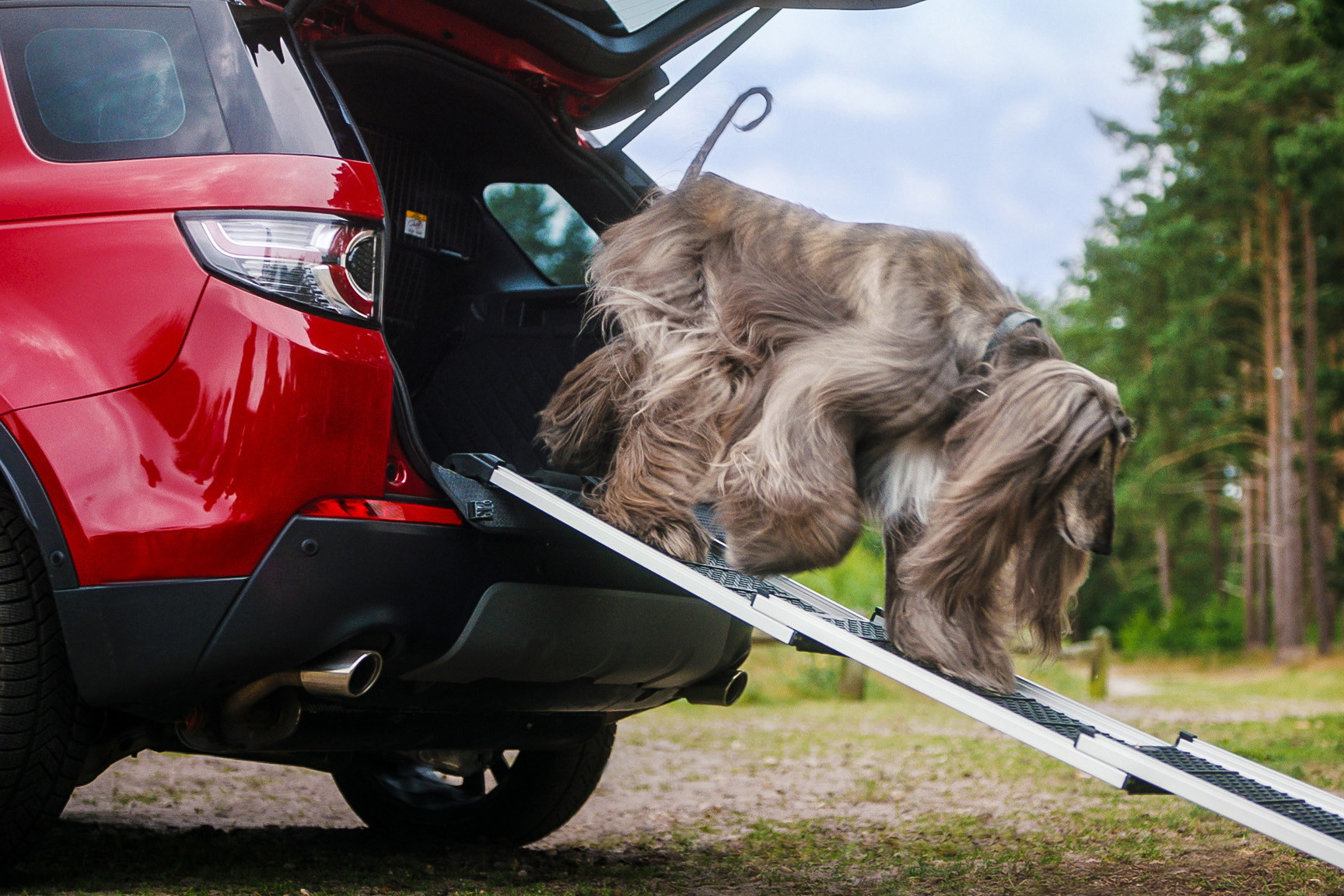
But that’s not all. How about a foldable, fabric dog crate with a cushioned base and a spill-resistant water bowl which can be secured to one of the boot’s lashing points? You can also splash out on a portable rinse system with a hosepipe shower head to rinse dirty dogs and muddy wellies down before they jump into the car. And if jumping’s unlikely due to the height of the Discovery’s loading height, Land Rover has a portable ramp complete with a non-slip rubber tread, to help your pooch get in and out with ease.
For the human behind the wheel, that the Land Rover Discovery is as comfortable as it is practical is another reason it’s top dog.
Best SUVs for motorway driving
If your job and lifestyle mean you spend lots of time zipping along the nation's motorway network, you’ll recognise the importance of an SUV which prioritises comfort and an ability to quickly get up to speed all while delivering efficiency at 70mph.
These requirements tend to favour larger SUVs as their longer wheelbases engender high-speed stability as well as more expansive interiors. They also tend to be the size of car still available with diesel power – and motorways are where those engines excel.
If money were no object it would be difficult to argue against the case put forward by the full-size Range Rover, but in the real-world the Audi Q5 204PS TDI quattro offers an appealing blend of luxury and comfort, reassuring pace and 40mpg fuel economy and all for around half the price of Land Rover’s finest.
A little over £52,000 buys the entry-level Q5 Sport trim, which counts niceties including triple-zone climate control, adaptive cruise control to safely maintain an optimised gap to the vehicle ahead, comfort-tuned suspension and leather-upholstered upholstery upon which to luxuriate.
There’s a disappointing lack of physical buttons for the Q5’s screen-heavy dashboard layout, which although well made from high quality materials lacks the effortless classiness of older Audi interiors. The same is equally true of its BMW X3 and Mercedes-Benz GLC rivals – in fact, it’s equally applicable to the aforementioned Range Rover.
Contrasting with the Range Rover, the Audi Q5’s more modest dimensions make it far more manageable when driving in town or looking for a car parking space to nip into.
Best hybrid SUVs
Hybrid SUVs are effective stepping stones for those looking to reduce their running costs and carbon footprint, but who can’t yet make the switch to running a fully electric car. Not everyone can plug an EV in at home, while drivers who spend much of their time plying motorways know all too well how expensive service station EV recharging can be.
As domestic wallbox access isn't universal, it's right that a more easily adopted option is championed. One noteworthy choice is the compact and impressively efficient Toyota Yaris Cross, with a claimed fuel efficiency of up to 63mpg – depending on how you drive it, your real-world experience could prove to be very close to the lab test result.
With prices starting at just over £27k the Toyota faces stiff competition from an unlikely alternative – the Dacia Bigster Hybrid 155. As its name suggests, the Bigster’s much larger than the dinky Yaris Cross, providing superior interior space, yet offers similar fuel efficiency and is cheaper to buy in the first place.
All very good, but for those willing to trade interior spaciousness for a higher level of interior fit and finish, a bulletproof reliability record, cheaper insurance and a 10-year/100,000-mile warranty (when serviced at a Toyota dealer), the Yaris Cross Hybrid package is more compelling.
Best electric SUVs
Just as with any car, it’s usually best to determine your SUV requirements first and choosing an electric one from that shortlist, rather than the other way around. It enables you to focus on you and your families’ needs first, rather than insisting on an EV and making your life fit around it.
And just as with any car, electric SUVs now come in all manner of shapes and sizes to suit a variety of budgets, but all can prove inexpensive to run. At the pricier end of the scale, the Kia EV9 and the Volvo EX90 offer seven adult-sized seats, while the better value Peugeot E-5008’s rearmost row is better-suited to kids.
More affordable electric SUVs include the comfort-focused Citroen e-C3 Aircross, the fun Ford Puma Gen-E and the retro-inspired Renault 4 E-Tech, but our pick is the Kia EV3 by dint of its impressively long driving range of up to 375 miles from its 81.4kWh battery. Even the cheaper 58.3kWh alternative yields up to 270 miles.
Considering the EV3’s modest dimensions, its well-built interior is impressively spacious and at the expense of its boot size. With all five seats occupied there’s still 460 litres of capacity behind them, plus another 25 litres for charging cables and smaller items under the bonnet.
Even the entry-level Air specification EV3 is well equipped with climate control, keyless entry and heated front seats, for a very reasonable mid-£34,000 price tag. That’s for the larger battery and inclusive of its £1500 government Electric Car Grant (ECG) discount. Combine that with the peace of mind of Kia’s seven-year/100,000-mile warranty and you have a very hard to ignore package.
Best SUVs for towing
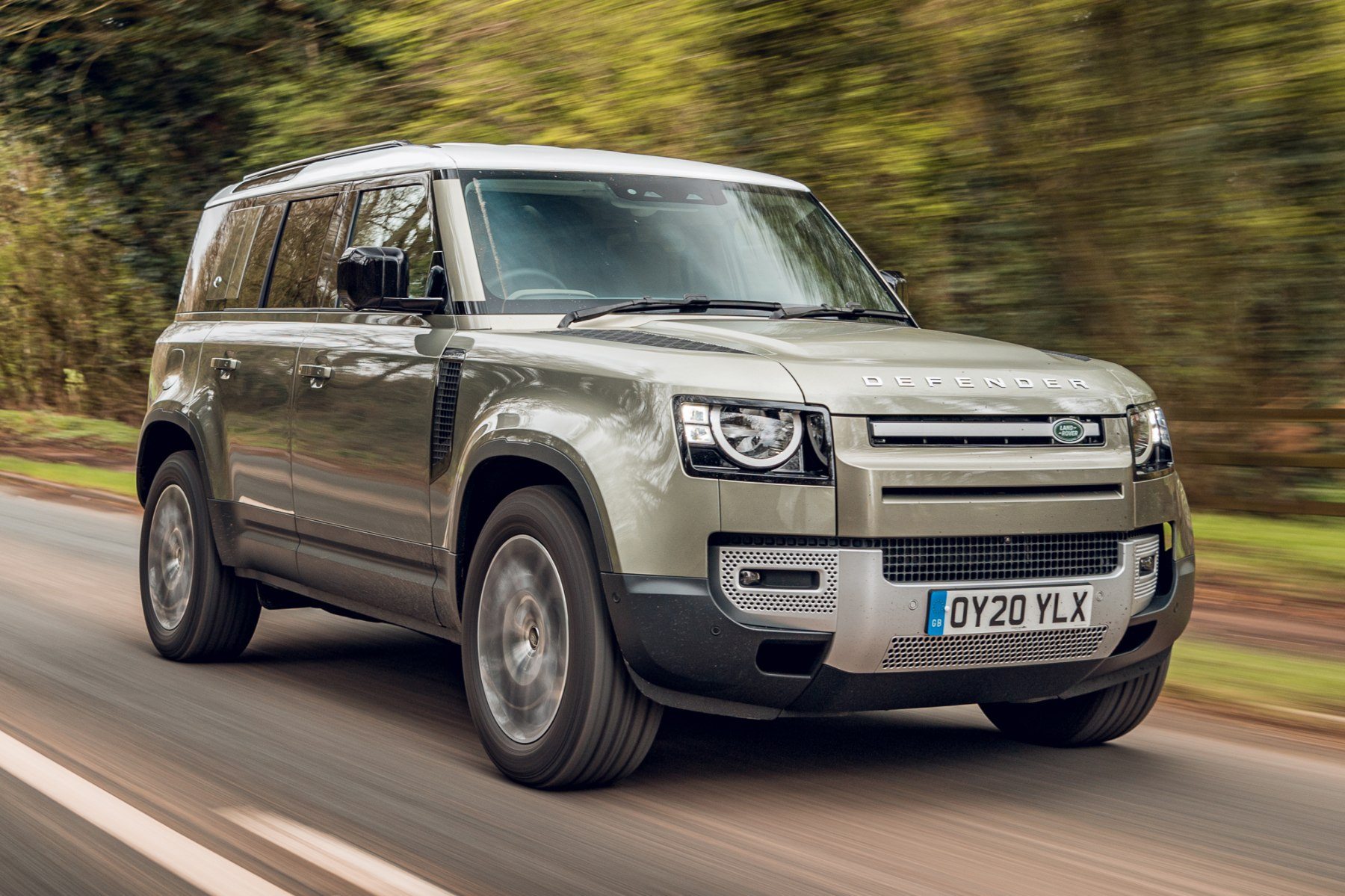
Most of the largest SUVs can haul the legal maximum braked towing capacity of 3.5 tonnes, with the KGM Rexton being the most cost-effective way of doing so when buying new. It isn’t the last word when it comes to SUV excellence, which is why the Land Rover Defender 110 is so popular among those who frequently pull horseboxes, although it is thirsty when it comes to its appetite for diesel.
That’s why we rate the plug-in hybrid Audi Q7 TFSI e so highly, in spite of its near-£79k starting price. Nevertheless, it’s the least-costly PHEV-powered SUV which can also tow that 3.5-tonne maximum, ensuring its hauling prowess isn’t hindered despite offering a potential 50-mile electric driving range.
Given most large SUVs are bought by large families, their owners also want to tread as lightly as possible when they’re not towing, particularly by minimising emissions when driving at urban speeds in EV mode. Why not go fully electric then? Because the Porsche Cayenne Electric topping the EV tow charts is restricted to 3.0 tonnes unless you spend extra on the optional Off-Road Package which elevates it to 3.5 tonnes.
Distributing its combined 394PS output to all four wheels via Audi’s quattro system, the Q7 TFSI e has plenty of punch, although you will be doing well to see 40mpg when driven in hybrid mode.
More positively, the Audi’s interior quality and capaciousness make it feel like strong value alongside the full-size Range Rover, but remember in PHEV form the Q7 misses out on a third-row of seats. If having seven seats is more important than zero-emissions running, a Q7 diesel will cost you almost £7000 less.
Best SUVs with low running costs
None of us are keen on spending money needlessly, which is why SUVs with low running costs are frequently among the most sought-after. While electric and to a lesser extent plug-in hybrid SUVs can potentially be very inexpensive to run, that’s not of much use to people who can’t plug their cars in at home.
Both the compact Toyota Yaris Cross and the much larger Dacia Bigster referenced in the Best Hybrid SUVs above are strong choices for models which can be run cost-effectively without a charging cable entering the equation, but which is the SUV of choice for those not interested in any kind of electrification?
That will be the Skoda Kamiq. Although compact, there’s generous space inside for four adults, with five not feeling like too much of a squeeze, while interior build and material quality feels astonishingly plush for a car priced from £25,500.
For low running costs, the star engine is the 1.0-litre TSI 116PS petrol engine, which is only an extra £1000. It’s easily capable of a real-world 48mpg average and has the added attraction of low insurance grouping of 15-16.
Dual-zone climate control air-con, wireless Android Auto and Apple CarPlay and a reversing camera are all part of the kit roster of the entry-grade Kamiq SE Edition, helping keep your finance installments on the affordable side. Not only that, its 17-inch alloy wheels have modestly proportioned (by modern car standards) tyres, meaning replacements won’t prove pricey either.
Best Volkswagen Group SUVs
Given the expansive nature of the Volkswagen Group and the ever-growing popularity of SUVs, it’s no surprise that the assortment of possibilities is enormous. From the humble SEAT Arona all the way up to Bentley Bentayga Extended Wheelbase at the luxury end of the market, there’s an SUV for most people from all of its brands barring Bugatti.
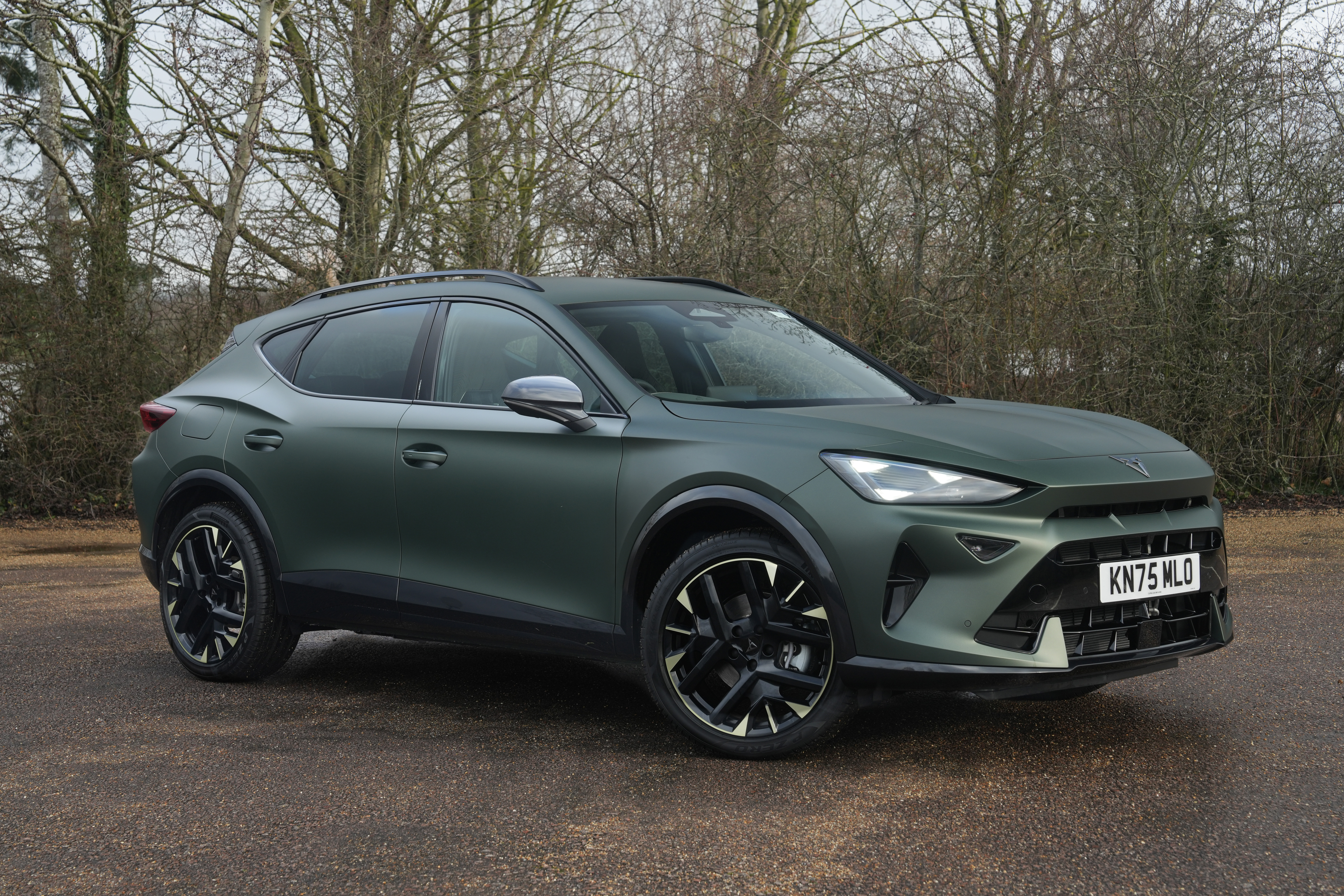
That makes determining the pick of them a trickily objective issue, which is why we’re being more subjective by heralding the attractions of the Cupra Formentor.
It’s immediately interesting by being inconvenient to pigeonhole, with a roofline that makes it much more of an SUV coupe – appropriately in tune with the Cupra brand’s sportiness. Talking of which, power outputs range from 150PS up to 333PS, so there’s no shortage of performance, although its petrol thirst understandably increases in line with power outputs.
There’s also a choice of two e-Hybrid badged Formentor PHEVs with 204PS and 272PS, boasting electric driving ranges of 78 and 72 miles respectively.
Cupra’s tuned the Formentor’s handling characteristics to sate the wants of driving enthusiasts, yet when you’re on your stop-start commute to work it’s effortlessly easy to potter about at urban speeds.
Wherever you drive you’ll be doing so in an upmarket interior providing ample room for four adults – five with a degree of cosiness – although rear legroom is more snug than ideal. That plunging roofline isn’t so much of an issue when sat in the back, but it can make installing little ones in child seats more of faff than in taller SUVs.
Stick with non-PHEV Formentors for the maximum 450 litres of bootspace – the e-Hybrids’ battery pack eats 105 litres out of the Cupra’s practicality credentials.
The price of this pick of Volkswagen Group SUVs? Just over £35,000 buys you the entry-point 150PS Cupra Formentor V1, but for the 333PS full-beans experience, prepare to spend at least £14k more.
Expert Guidance: How to choose your SUV
Small, family or seven-seat SUV?
Various factors can influence the size of SUV you buy including your budget for both buying and running it as well as more practical considerations such as the size of your driveway and garage or the availability of off-street parking outside your house.
Most influential of the considerations is how you will typically use the SUV, which often relates to your family dynamics.
Small SUVs tend to be cheaper to buy and run, but generally offer less generous levels of interior space. For couples and young families with one or two infants, they can work well where reduced rear seat legroom is less of an issue, but compact SUVs also have smaller doors so manoeuvring bulking Isofix child seats in and out isn’t always easy. Their boots can also be modest in capacity, making it a challenge to fit buggies and toddlers’ other paraphernalia in there as well as a weekly shop.
Sizing-up to a medium or family-sized SUV gets around both of those issues, albeit with increased purchase and running costs. Usefully, they also provide ‘growing room’ as the children grow, but fitting three people across the back seat can feel tight, especially when booster seats and adult-sized teens are involved.
Going bigger again provides the most room, although many larger SUVs have seven seats, with the rearmost row typically folding flat into the floor when not needed to provide lots of boot space. Those third row seats aren’t always generous in terms of leg and headroom, though, making them better-suited to kids and more petite adults. Of course, the larger the size of the SUV, the higher the purchasing and running costs are.
Boot space vs. passenger space
Whether you prioritise boot space over passengers in an SUV again depends on your typical requirements for such a car. It’s also important to note that most five-seater family-sized SUVs offer a sensible balance between the two criteria – this is more of an issue when it comes to small and large seven-seater SUVs.
When a compact SUV has a generously proportioned boot, that can be at the expense of rear seat space, particularly in terms of legroom. Some small SUVs counteract that by installing a sliding mechanism for the rear seats allowing you to prioritise legroom or boot space depending on your requirements at the time.
Even where a sliding rear seat isn’t fitted, compact SUVs are more spacious for both passengers and their luggage than a small hatchback built on the same platform. As the seats front and rear are usually mounted higher, the seating position tends to be more upright, which tends to position passengers hips and knees differently. It’s a similar notion to how people tend to sit more upright on dining chairs, with their feet flat on the floor, whereas on a sofa you’re typically lower down and stretch your legs forward.
For seven-seater SUVs the issue is usually related to the modest amount of boot space available when all three rows are upright. While they can accommodate seven passengers, they can’t also swallow each occupant’s luggage, even if they were restricted to small carry-on suitcases.
If you need to regularly ferry around seven passengers and their baggage then you will be far better-served buying a large MPV, many of which are now van-based and -shaped. That’s why you don’t tend to see VIP shuttles and airport taxi services running SUVs.
Where combining the two isn’t necessary, seven-seater SUVs can make more sense. The largest types will comfortably seat a septet of adult passengers, while quickly and easily folding the third row into the floor creates a spacious five-seater with a commodious boot.
If you don’t expect to ever use the rearmost row of seats, save yourself some money and buy a five-seater SUV instead, otherwise it’s as pointless as choosing a convertible and never having the roof lowered.
Petrol vs diesel vs hybrid vs electric
SUV buyers now have a greater choice of propulsion types across a variety of car sizes than they ever have before. That should be a good thing, but having too many options can often make reaching a decision feel anxiety laden – that’s a shame because buying a new car should be exciting.
So how do you decide which form of motive power will best suit your next SUV purchase? This simplified process can making identifying which is best for you a lot easier:
Petrol: Best for low-mileage city drivers (under 10,000 miles a year).
Diesel: Still the champion for heavy towing and consistent motorway driving (15,000+ miles a year).
Hybrid: The no-plug solution for urban commutes with frequent stop-start traffic.
Electric: Best for those who can charge at home and want the lowest fuel costs and best company car tax (BIK) rates.
Practicality: Child seats and access
In most instances SUVs don’t offer the levels of generous interior space and seating flexibility provided by the plethora of MPVs which were once sold in much greater numbers. However, it seems that was a compromise many car buyers were prepared to accept as the tougher aesthetics of SUVs were preferred over wholesome-but-bloated MPV styling.
Another reason for SUVs’ growing popularity compared with more conventional hatchbacks and estates is the relative height of their seats – something car manufacturers tend to refer to as the hip- or H-point. Elevating this by just a few centimetres allows those aboard to have a much clearer view of their surroundings as well as making it easier for less mobile passengers to get in and out.
That SUV height advantage can also prove beneficial for parents and carers securing youngsters into their Isofix-mounted child seats as the connecting loops at the join of the seat cushion and backrest is also more elevated than in a regular hatch or estate. By bending over to a lesser degree, there’s reduced stress on the spine and shoulders.
Those elevated H-points also mean SUVs typically have higher bodywork than more traditionally shaped cars, with taller doors front and rear to match. So not only are you bending at a more comfortable angle to install a child seat, your head has greater clearance while doing so.
Motorway comfort
When SUVs first gained popularity, the earliest models remained true to their roots of being designed primarily for off-road driving across undulating countryside. That focus meant that when on motorways, the experience was one hallmarked by wide eyes and white knuckles, thanks to their top-heavy structure and unwillingness to change direction at high speed without listing like a racing yacht.
Such concerns are now a thing of the past, with modern SUVs providing safe, predictable handling on all kinds of road right up to and beyond the legal limit. You can thank improved engineering and a raft of electronic Advanced Driver Assistance Systems (ADAS) for that.
Are SUVs the best kind of cars for motorway driving, though? That’s largely down to the particular preferences of the driver. Their elevated H-points allow driver and passengers to enjoy a commanding view of the world outside, while they typically offer more interior space in which to relax than hatchback and estate alternatives.
It’s also not unusual for SUVs to have a greater range of suspension movement, enabling road imperfections to be absorbed more effectively, especially so when air springs are fitted, as is becoming increasingly popular with larger and premium-brand SUVs.
Less positively, SUVs’ additional height compared with more conventional hatchbacks and estates usually results in them being less aerodynamic, which often means they’re blighted by inferior fuel and electrical energy efficiency as well as producing more audible turbulence around the windscreen pillars and from their broader tyres upon the road surface.
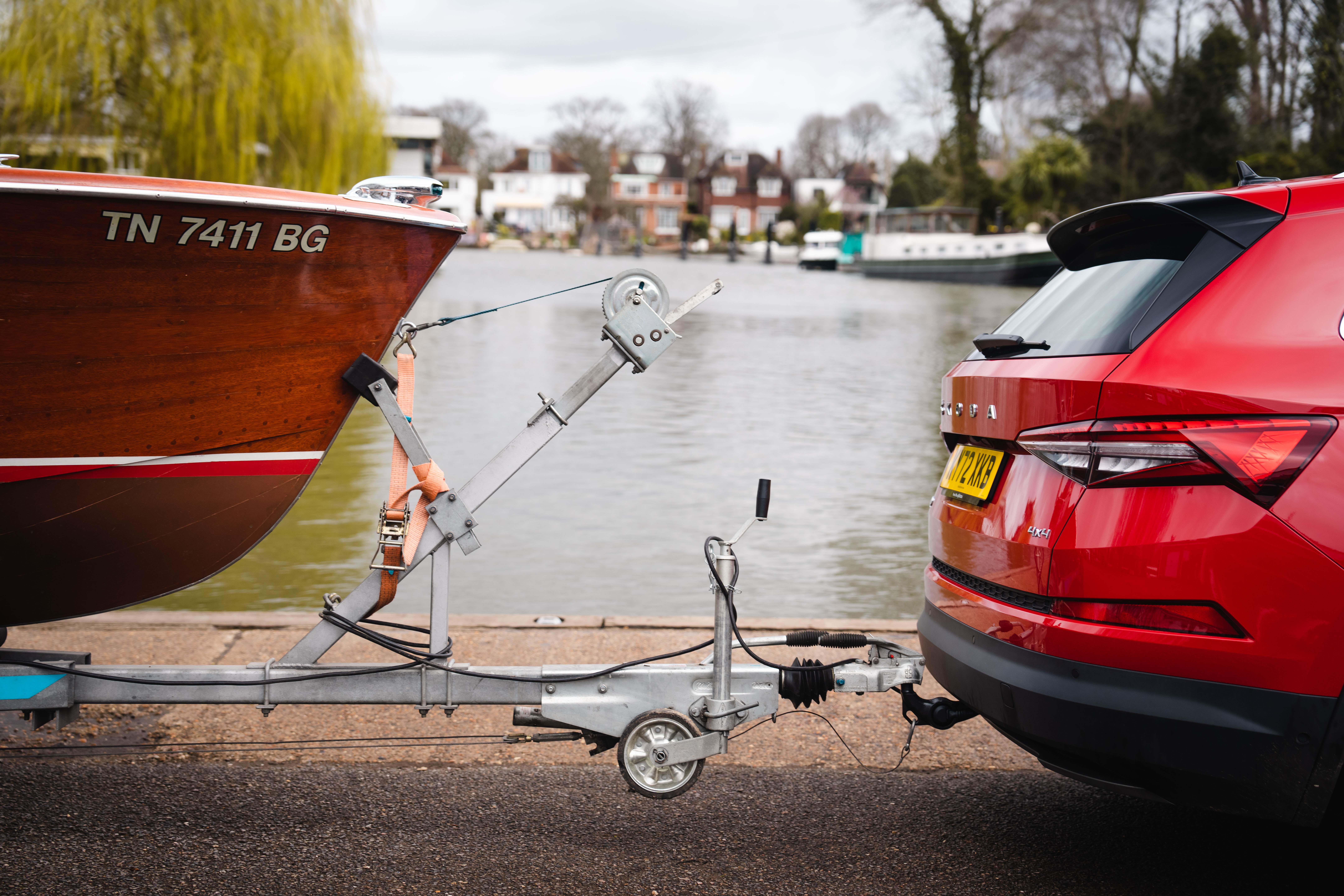
Towing abilities
Almost every SUV on sale can tow a trailer, although at the smaller end of the market their hauling advantage over equivalent hatchback models might be modest if it exists at all.
When most people decide they want an SUV for towing, they typically mean for heavy trailers such as horseboxes, which means opting for a larger, heavier and more expensive model as these are the ones homologated to pull the legal maximum capacity for braked trailers of 3.5 tonnes.
The only other vehicle types available which perform a similar role that can be driven with a conventional car licence are pick-up trucks. Many of those on sale are the double-cab variety, providing seating for five inside ahead of the open load bed.
Pickups by and large lack the handling sophistication and interior comfort – let alone the enclosed boot space – of a grand-scale SUV and are better suited to farming, forestry and industrial customers.
Most of the SUVs capable of towing the maximum braked trailer limit are diesel-powered, where their engines’ torque characteristics make lighter work of heavier horse boxes. Some petrol alternatives exist, but are far less fuel efficient as they perform their duties, while a handful of PHEVs are also available – useful if you want to drive in electric mode when in towns.
To date the most an electric SUV has been engineered to haul is 3.0 tonnes. The instant torque electric drive systems deliver is welcome in such a scenario, but expect your battery’s state of charge to deplete rapidly.
Running costs
Their inherent tall design means SUVs cleave the air less efficiently which, combined with increase a weight increase over conventional cars, causes them to use more fuel and electrical energy, which has a cost implication.
For those who can go electric, that can massively reduce day-to-day costs, even if a battery’s full charge won’t be eked out as far as it would with a lower height car. The differences are usually marginal, but SUVs with a coupe-like roofline are often slightly more fuel and energy efficient than more upright-tailed models, but they also come with a price premium which more than negates the efficiency saving.
It’s also typical for SUVs to be fitted with larger-diameter wheels in turn wrapped in tyres with a broad tread, which are pricier than those on equivalent sized hatches and estates. Not only that, the heavier weight of SUVs will reduce their lifespan so they will need to be replaced sooner – that also applies to brake pads and discs.
There’s not usually a specific reason for SUV servicing to be more expensive than a comparable hatchback or estate as they usually have the same platforms and mechanical components. Again, EV servicing is often cheaper due to there being fewer moving parts to check over and replace.
Insurance costs for SUVs are often a little higher than those for lower-height cars because of their body panels and light clusters often being larger and consequently more expensive to manufacture.
New vs used vs lease
Whether you decide to go new or used for an SUV purchase will largely be determined by what you can afford without stretching yourself. New models often have longer warranty cover and frequently are made more attractive by manufacturer-supported discounts and the potential receipt of the government’s Electric Car Grant (ECG) on EVs, but they also lose the greatest proportion of their value in the first three years.
Used SUVs will still depreciate in worth, but at a slower rate of decline, especially if they are already past their third birthday. While that could save you a chunk of money, you are also into annual MOT testing territory and will inevitably start finding consumable parts such as tyres and brakes are going to need replacing sooner.
With a used SUV there’s also a greater chance that equipment you would ideally want to have wasn’t fitted to many models you’ll see on the forecourts – with a new SUV you can add whichever factory-fit options you choose, providing they’re still within budget, of course.
Whether you’re buying new or used you can choose to pay for the SUV in its entirety up front, but most people choose to go with a credit option with an up-front payment followed by monthly installments, typically over two to five years.
Of those, Hire Purchase appears to be the most expensive but that’s down to the fact you are spreading the entire cost of the car, usually with interest for the duration of the agreement.
Personal Contract Purchase (PCP) deals are different because you are essentially financing the amount the car will devalue by – again, usually plus interest – for the term of your agreement, resulting in lower monthly payments.
Interest rates for used car PCPs tend to be much higher than those for new cars, which can mean going brand new can work out less expensive in terms of monthly payments than for a year-old version of the same car.
At the end of the deal you can choose to buy the SUV outright for the Guaranteed Future Value (GFV) agreed at the start of it or you can use any equity accrued – where the car’s worth more than the GFV – to use towards your deposit on another PCP. If you fancy neither you can walk away, but you won’t be entitled to receive any accrued equity.
Personal Contract Hire (PCH) – or leasing – is essentially a rental agreement, so unlike PCPs there is no option to buy the car outright at the end of the deal, which typically last for six months to three years. They are attractive as their monthly payments are lower than those of a PCP on the same model, often with any servicing costs included as well, leaving you to pay for fuel and insurance.
One method is not necessarily better or worse than another – it’s essentially down to which suits your circumstances and preferences the best.
Dog-friendliness
Whether SUVs are truly the best types of car for dogs very much depends on the SUV and dog in question.
Most small SUVs provide greater boot volume than similarly sized hatchbacks by increasing the capacity vertically, meaning the boot’s floor area can remain rather compact and only really appropriate for small breeds.
For those and medium-sized breeds of dogs an estate car will usually offer a much greater boot floor area than small- and medium-sized SUVs, yet still providing a more than sufficient ceiling height to enable your pet to get up and reposition themselves.
Larger breeds of dogs with taller stature will appreciate the additional boot area height provided by bigger SUVs, although it’s best to steer away from those with tapered, coupe-like rooflines which reduce that internal verticality.
One area where SUVs regularly perform less well for dog owners is due to the increased height of their boot floors relative to both estates and MPVs. Yes, you can buy aftermarket walking ramps to aid your pet’s ingress and egress into the canine quarters, but dogs eager to get in and out of the back of an SUV without one can cause themselves injuries as well as scratching the rear bumper’s paintwork.
Is an SUV actually the best choice?
Compared with equivalently sized hatchbacks and estates, SUVs usually provide more passenger space, larger boot capacities, enhanced visibility and are easier to get in and out of. Less positively, they use more fuel and electrical energy, require new tyres and brakes more often and can also produce more noise at higher speeds.
Broadly speaking the opposite is true of more traditional hatchbacks and estates, although interior accommodation isn’t necessarily that inferior to SUVs, but their lower height and doors means installing car child seats can literally be a pain in the neck – and back.
Estate car boots can offer similar overall load volumes to those of similarly sized SUVs, but that space tends to be shallower with a greater overall floor space. That might well make an estate a better choice for dog owners – and the lower loading lip will also be advantageous.
Specifically in relation to seven-seater SUVs, only the largest examples provide adequate space for adult passengers in all three rows and even they do so at the expense of any meaningful degree of boot space.
As there are no conventional estates sold any more with seven seats, including those with a child-sized rear-facing pair in the boot, only MPVs provide a viable alternative to SUVs. They do offer far superior interior space and flexibility, enabling the seven occupants’ luggage to come along for the ride, but as the majority are van-based models their appeal can hardly be described as universal.
SUV is an initialsm for sport utility vehicle, which is about as clear as mud.
Originating from North America, it was a term coined to differentiate traditional, all-wheel drive off-roaders – previously referred to collectively as 4x4s – from newer models which looked similarly rugged, but were little more than conventional car platforms with taller bodywork and elevated ride heights.
Nowadays, SUV is more commonly used as a catch-all term for any taller, tough-looking car of any size, whether or not it's capable of being driven off-road or is fitted with all-wheel drive.
As a group, they continue to grow in popularity with car buyers who appreciate their high seating positions and ease of access, although their practicality benefits are often more perceived than actual. Most seven-seater MPVs, particularly the van-derived kind, will swallow people and their luggage far more effectively than a seven-seater SUV can.
No. As we've referenced above, all cars which were once collectively called 4x4s are now referred to as SUVs, but not all SUVs are 4x4s. Make sense? Probably not, but nowadays what matters in an SUV are its rugged styling, high driving position and practicality.
The vast majority of SUVs on the road are two-wheel drive, because they are cheaper to buy and run.
The best SUV on sale depends on what you need from it. If it's primarily a family car and you have multiple children, we'd recommend the brilliant Volkswagen Tiguan, but many others including the Hyundai Tucson and Kia Sportage are excellent.
If you fancy something with a premium price tag with the added benefits of long-range electric driving, both the BMW iX3 and Volvo EX60 should be on your shortlist.