Volkswagen T-Roc Review

Written By Phil Hall
- 2026
- SUV
- Petrol mild hybrid
What we love
Strong all-round comfort and refinement
Much improved cabin quality and infotainment
Good boot space
Things to consider
Rear-seat space is decent rather than class-leading
116PS engine is best suited to lighter-duty use
R-Line models have a slightly firmer setup
The DRIVE take on the Volkswagen T Roc, is it the right car for you?
The Volkswagen T-Roc is a very easy compact SUV to recommend if you want something that feels mature, comfortable and genuinely upmarket without stepping up to a larger family SUV. It’s not the cheapest option in the class, nor the most playful to drive, but it’s great on cabin quality, it’s practical enough for a family, and most of the tech is pretty convincing.
The Volkswagen T Roc in more detail
The T-Roc sits in a kind of middle-ground within Volkswagen’s range of SUVs. It's (slightly) larger and more substantial than a T-Cross, but it's easier to live with in town than a Tiguan. That’s pretty appealing, because plenty of buyers want the raised driving position and easy access of an SUV without taking on the bulk or cost of something bigger.
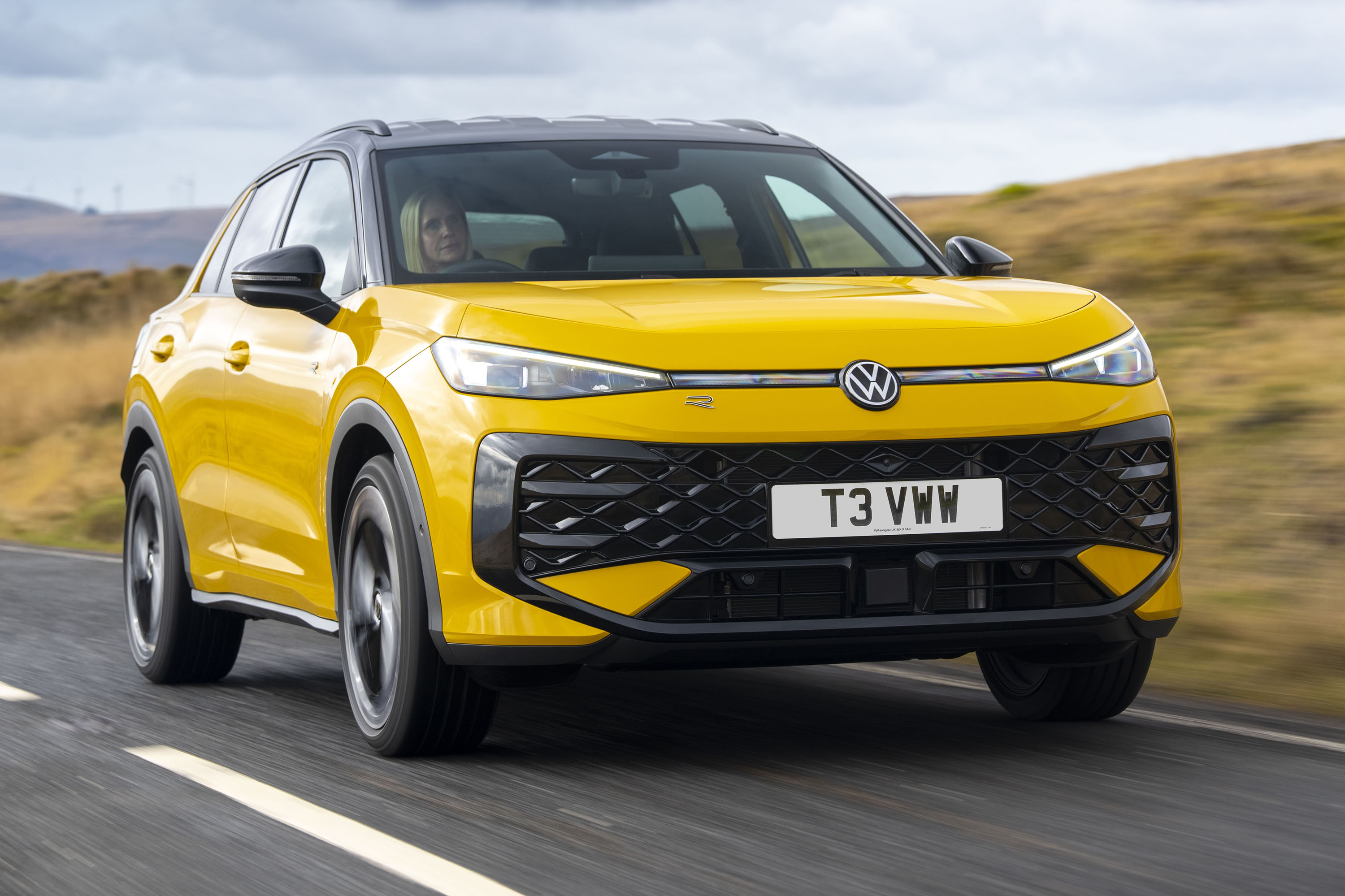
This latest Volkswagen T-Roc has a very similar brief to the old one, and executes it just as well, but also manages to feel more grown-up. Exterior changes are evolutionary rather than dramatic, but the car looks tidier, more modern and a little more expensive. More importantly, the interior has had a bigger transformation. Earlier versions could feel underwhelming inside, especially given the price. The current Volkswagen T-Roc fixes that with a cleaner dashboard design, more soft-touch materials and a much larger central touchscreen.
The UK range is very simple. The Volkswagen T-Roc is currently offered only as a five-door SUV with a 1.5-litre petrol mild-hybrid engine, a seven-speed DSG automatic gearbox and front-wheel drive. You can choose between 116PS and 150PS outputs depending on trim and budget. That means there's less choice than before, but the engines that remain are very good.
On the road, the Volkswagen T-Roc plays to familiar strengths. It's quiet, secure and easy to roll around in. It's happiest being driven smoothly, and feels settled and refined on the motorway. Families will also appreciate that the boot has grown to 475 litres, which is a useful figure for a car of this size, and the shape of the load bay is practical, too.
There are rivals that offer better value, more rear-seat space or a more playful edge, but the Volkswagen T-Roc still feels like one of the most complete small SUVs you can buy. It is the sort of car that makes sense pretty much immediately.
What's the best Volkswagen T Roc trim and engine option?
For most buyers, the best choice is the Volkswagen T-Roc Style with the 150PS 1.5 eTSI engine. The extra power suits the car better than the 116PS version, especially if you regularly carry passengers or spend a lot of time on faster roads. It gives the Volkswagen T-Roc stronger in-gear shove and makes it feel more relaxed when joining motorways or overtaking.
Style trim is also where the range starts to feel properly premium. You have the larger 10.25-inch Digital Cockpit Pro rather than the simpler 8.0-inch driver display you get in Life trim, plus standard navigation, LED Plus headlights, rear privacy glass and a generally smarter look. That makes it easier to justify than stretching all the way to R-Line unless you particularly want the sportier styling.
Life is not a bad choice at all if budget matters, because it comes with plenty of standard kit and feels by no means stripped out. But if this is your main family car and you plan to keep it for a few years, Style is the version that feels the most rounded.
What’s the price of the Volkswagen T Roc?
The Volkswagen T-Roc range starts from £31,635 in Life trim with the 116PS 1.5 eTSI engine. At the top end, prices rise to £38,935 for an R-Line with the 150PS engine, before options. That puts the VW T-Roc at the pricier end of the small-SUV market.
That said, the Volkswagen T-Roc does at least feel more expensive than before, and strong residual values should help keep PCP figures competitive. If you are shopping on monthly cost rather than outright purchase price, it is worth comparing it carefully with slightly larger alternatives as well as more direct small SUV rivals.
Alternatives to the Volkswagen T Roc
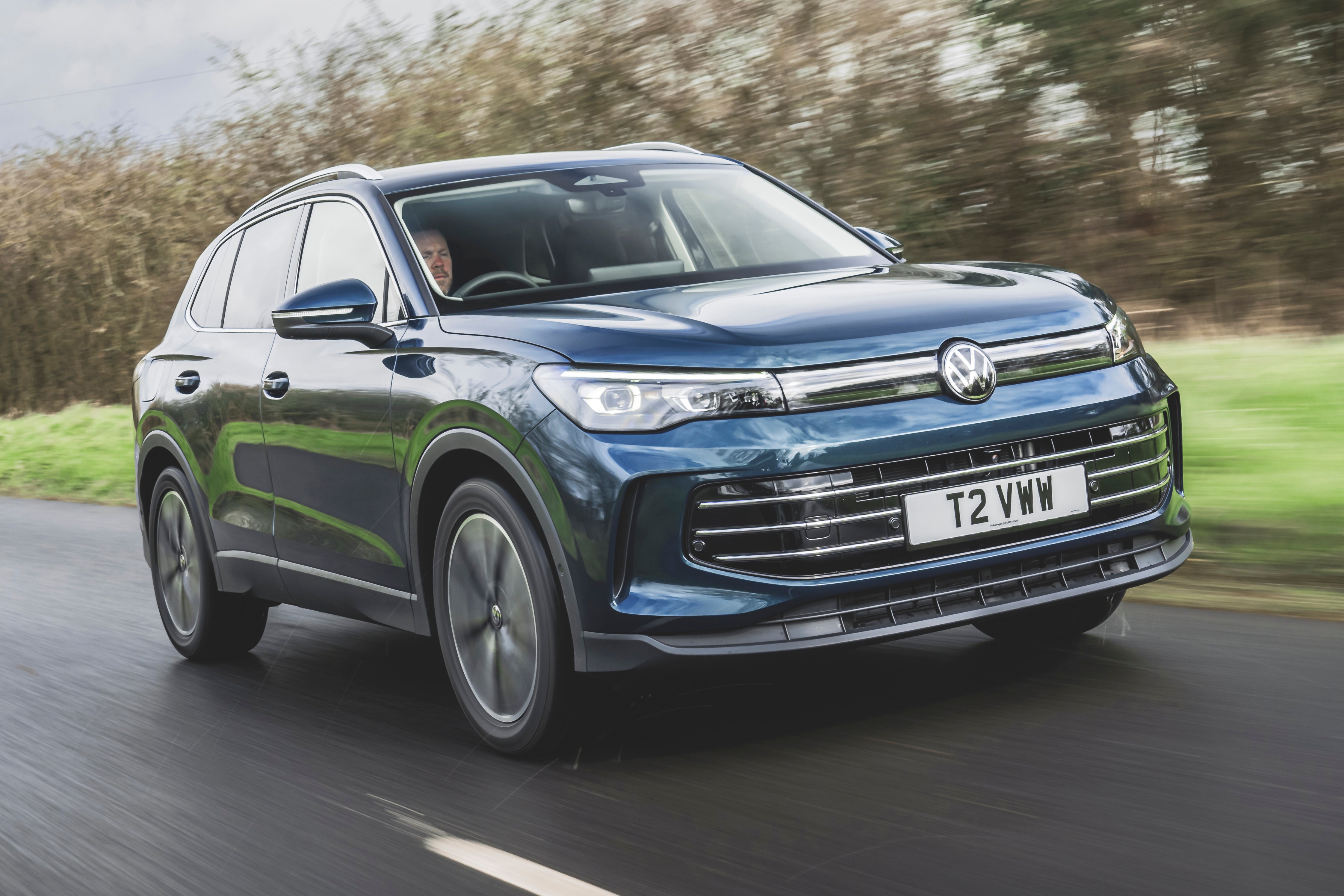
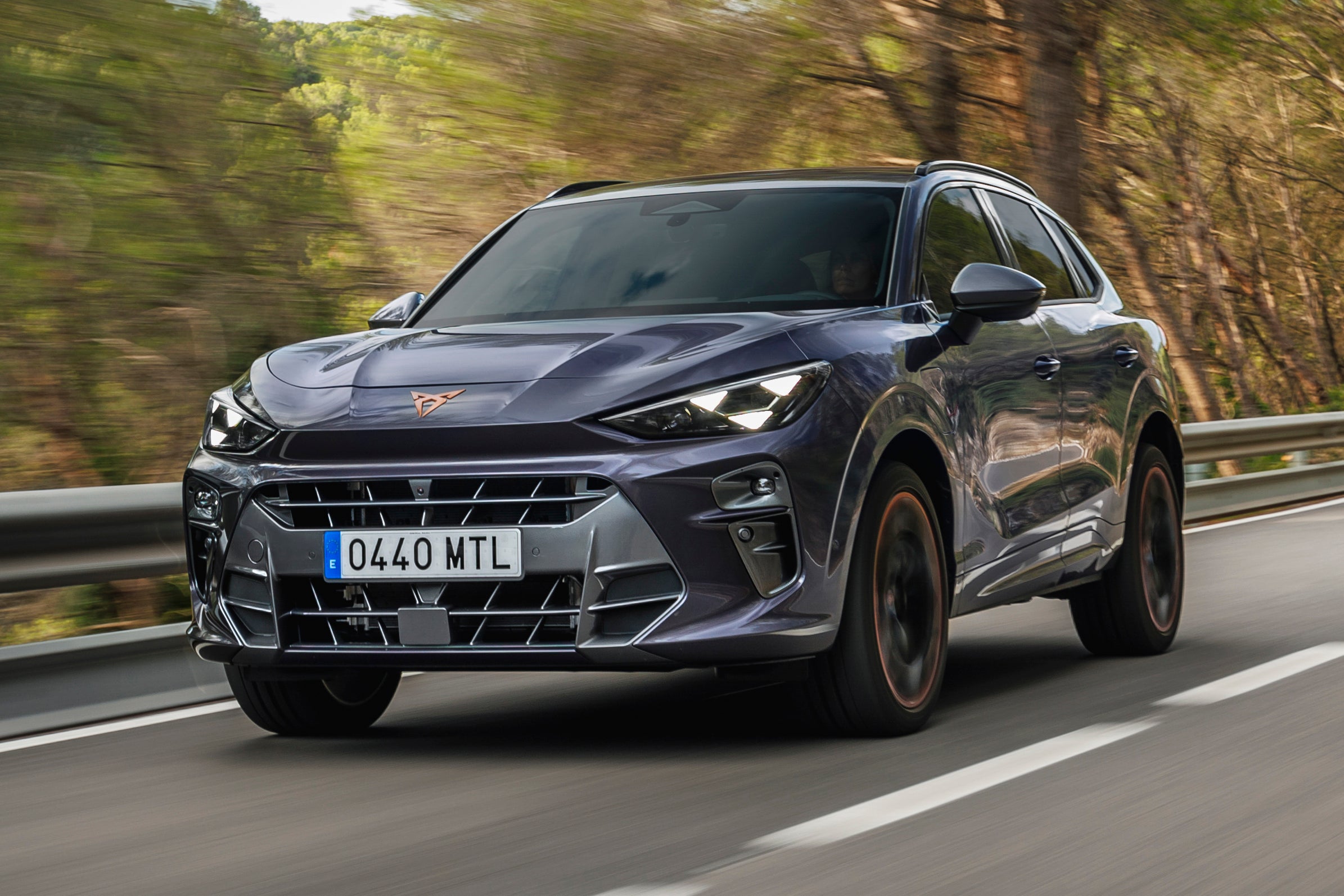
If you want to stay close to the Volkswagen T-Roc in size, price and purpose, the first cars to consider are the Cupra Terramar, Skoda Karoq and Volkswagen Tiguan. The Cupra Terramar is the more style-led option, with a sharper look and a slightly more sporting feel, while the Skoda Karoq remains a good pick if outright practicality and value matter more. The Volkswagen Tiguan is the step-up choice if you want more rear-seat space and a bigger boot, and it can make sense if monthly finance figures are not too much higher.
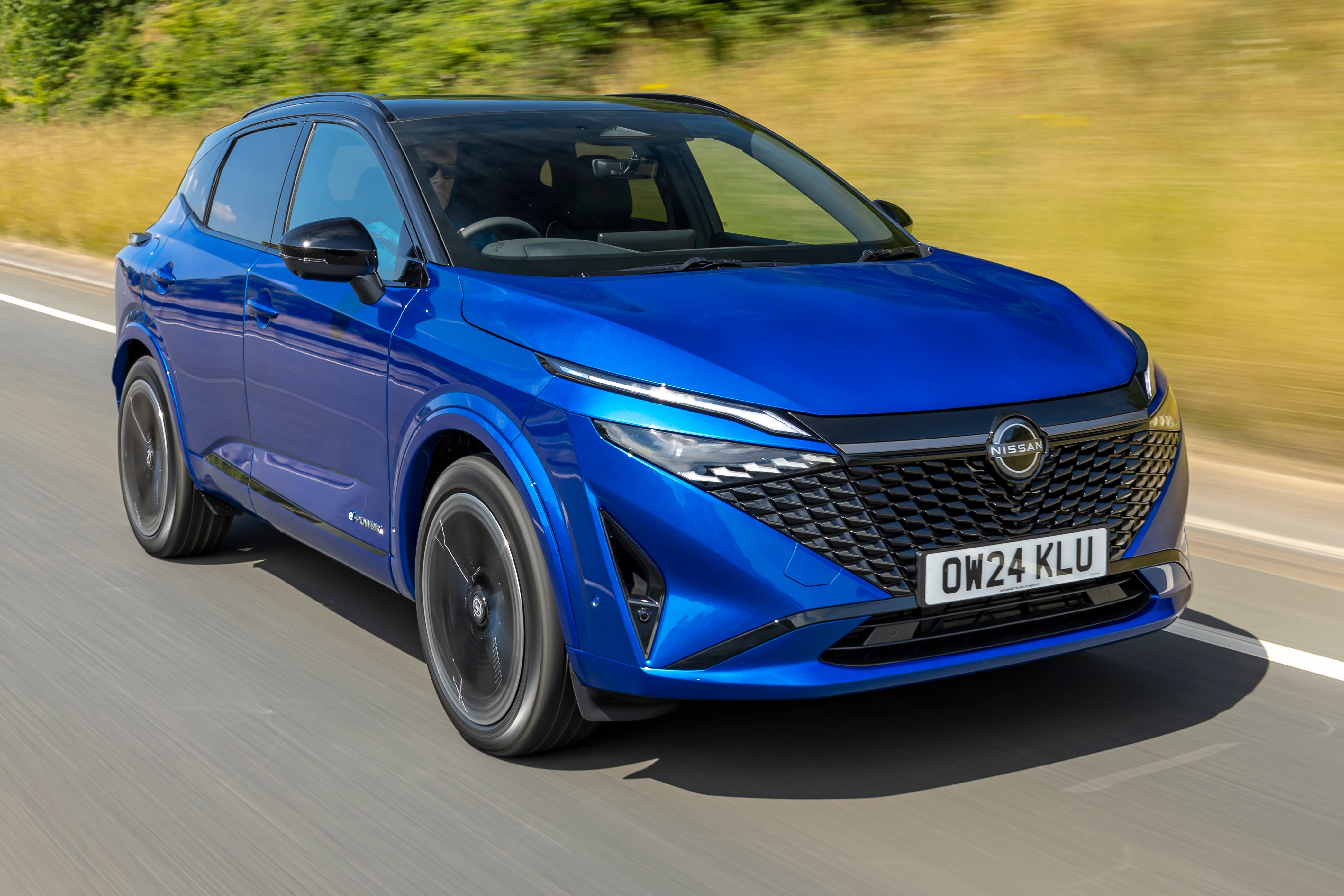
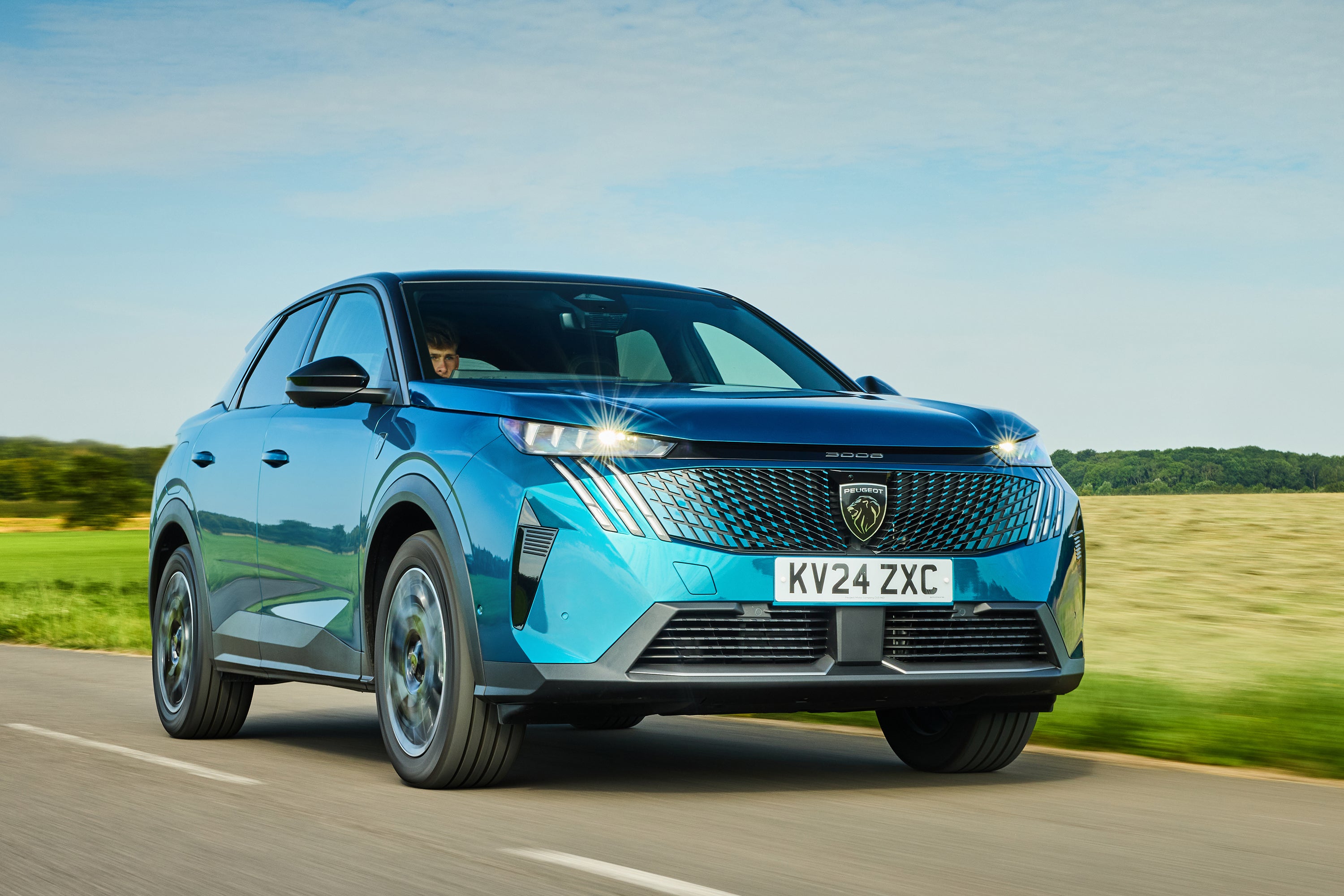
Outside those, the Kia Niro, Hyundai Kona, Nissan Qashqai, Peugeot 3008 and Ford Puma are all worth a look depending on priorities. The Ford Puma is more fun to drive, the Nissan Qashqai is a good long-distance family car, and the Kia Niro and Hyundai Kona look generous on standard kit and warranty cover.
The biggest thing in the VW T-Roc’s favour is that it blends quality, comfort, image and usability better than most. It's not the cheapest and not the most exciting, but it is one of the easiest to live with.
What's the interior like in the Volkswagen T Roc?
The Volkswagen T-Roc’s interior is much better than its predecessor's. It now feels more in line with the price, with smarter materials, a clean dashboard design and a much more convincing infotainment system.
Volkswagen T Roc boot space and practicality
The Volkswagen T-Roc does a good job of mixing a compact footprint with family-friendly space. Up front, there is plenty of adjustment in the seat and steering wheel, so it is easy to get comfortable. The raised seating position gives you the SUV-style view many buyers want, but you don’t feel perched awkwardly high. Visibility is generally good, and the square-edged body makes the Volkswagen T-Roc easy to place in town.
Rear-seat space is respectable, although not class-leading. Two adults will travel comfortably enough, and there is enough room for a pair of bulky child’s seats, but in both situations, don’t try travelling with a third person in the back on a regular basis, because nobody will be very comfortable. We could name a variety of rivals that do better on rear-seat space. If rear legroom is a top priority, it is worth trying a Qashqai or 3008 as well.
The boot is one of the Volkswagen T-Roc’s stronger points. At 475 litres, it's bigger than before and also larger than those of many direct rivals. The square shape is useful, too, and the wide opening also means that access is really good. All versions have a movable boot floor which, in its higher position, levels off both the small lip at the boot entrance and the step up to the rear seatbacks when they’re folded down. This happens in a 60/40 split, which isn’t as versatile an arrangement as in some rivals, and the rear seats don’t slide back and forth as they do in some rivals, either.
Volkswagen T Roc dimensions
The Volkswagen T-Roc measures 4,372mm long, 1,828mm wide (without door mirrors) and 1,573mm tall, with a wheelbase of 2,629mm. That means it’s marginally longer and broader than a T-Cross, but still manageable in tight car parks and on narrow urban streets. In real terms, it feels a little more substantial than the smallest crossovers, but without getting into bulky family-SUV territory.
Tech and infotainment in the Volkswagen T Roc
This is one of the biggest improvements in the current Volkswagen T-Roc. Every version gets a 12.9-inch central touchscreen, which gives the dashboard a much more modern look than the old car. It's paired with an 8.0-inch Digital Cockpit instrument display in Life trim, while Style and R-Line upgrade to Digital Cockpit Pro with a 10.25-inch display.
The screens look great, with graphics that are sharp and colourful, while the software works quickly and reliably. Screen sensitivity is good, too, so you can be confident that most of your inputs will be registered the first time of asking.
It’s not perfect. The intentional shortage of physical switchgear means that almost every one of the car’s functions has to be operated through the touchscreen, which takes more concentration and is more distracting as a result. It also means that the ecosystem of menus and submenus is both massive and complex, so finding (and remembering) where a specific function is buried takes a lot of practice.
And yes, Volkswagen’s annoyingly imprecise touch-sensitive slider controls for adjusting your cabin temperature and stereo volume, which the company continues to persist with, are present here. At least the steering wheel has proper buttons rather than the annoying touch-sensitive steering controls on some Volkswagen models.
Wireless phone charging is standard across the range, as is wireless Apple CarPlay and Android Auto. Style and R-Line add built-in navigation with media and internet functions, along with the IDA voice assistant with ChatGPT integration.
Materials available on the Volkswagen T Roc
he new T-Roc uses a broader mix of cabin materials than before, with softer-touch finishes across the upper dashboard and main contact points, while harder-wearing plastics are used lower down where they’re more likely to deal with everyday knocks and scuffs.
Life trim keeps things fairly understated, with simple fabric upholstery and cleaner decorative surfaces rather than anything flashy. Style adds more visual variety, with brighter upholstery choices, extra trim detailing and faux-leather sections on the doors that give the cabin a more dressed-up feel. R-Line takes a darker, sportier approach, bringing sports seats, more heavily contoured trim and racier interior detailing to change the character of the cabin as much as the look of the car.
That means the T-Roc’s interior now has more distinction between trims. Rather than just feeling like the same cabin with different badges, each version uses its own mix of seat materials, trim finishes and decorative elements to give it a clearer identity.
What's the Volkswagen T Roc like to drive?
The Volkswagen T-Roc focuses on being quiet, secure and easy to live with, and it’s all the better for it.
Volkswagen T Roc range and performance
The Volkswagen T-Roc range is deliberately simple. All versions use a 1.5-litre petrol mild-hybrid engine with a seven-speed DSG automatic gearbox and front-wheel drive. There are two outputs.
The entry point is the 116PS version, available in Life and Style trim. Officially, it reaches 62mph in 10.6 seconds and tops out at 122mph. Above that sits the 150PS version, available in Life, Style and R-Line trims. This cuts the 0-62mph time to 8.9 seconds and raises top speed to 132mph.
Numbers are all very well, but they don’t tell you what each engine is like in real life. Allow us to fill in the gaps. The entry-level engine will be adequate for many drivers, with enough urgency and flexibility to deal with the majority of driving situations. If you spend most of your driving life in town, you probably won’t need any more.
However, the stronger engine is still the better all-rounder, not because it’s faster, but because its small amount of extra punch makes life generally easier and more relaxed, especially if you regularly travel at motorway speeds, or carry passengers, or both.
Performance data
| Model | Engine/battery size | Power | 0-62mph | Range/MPG |
|---|---|---|---|---|
1.5 eTSI 116 | 1.5-litre petrol automatic | 116PS | 10.6 seconds | 50.6mpg |
1.5 eTSI 150 | 1.5-litre petrol automatic | 150PS | 8.9 seconds | 50.3mpg |
Volkswagen T Roc driving and refinement
The Volkswagen T-Roc’s main strength on the move is that it feels mature. Around town, it's easy to thread through traffic and simple to park, thanks to its compact dimensions, good visibility and light, responsive controls. Front- and rear parking sensors on all models, plus a reversing camera, further help take some of the stress out of urban use.
On standard suspension and on the standard wheels, the T-Roc is great at smoothing out the vast majority of lumps and bumps really well, keeping life smooth and comfortable. The ride stays plush whether you’re at low urban speeds or pelting along the motorway, too. This is one of the most comfortable cars of its type.
The R-Line gets a sports suspension that makes things a fraction edgier, but on the standard 18-inch wheels, it’s still comfortable. Add in the optional 20-inch wheels, though, and the ride is rather scuppered, becoming fidgety and unsettled. They’re not worth the sacrifice, no matter how good they look.
R-Line cars can also be specified with an adaptive suspension that allows you to firm up the ride or soften it off, though a wide range of degrees. It’s in this form that the T-Roc is at its most comfortable, absorbing bumps with even less fuss. Two words of warning, though. Firstly, its comfort advantage over the standard suspension isn’t big enough to justify the extra money that it costs, and secondly, adding those optional 20-inch wheels will still scupper the ride, even with the adaptive setup fitted.
Regardless of the suspension fitted, the T-Roc handles in a manner that’s entirely befitting of the car’s relaxed nature. It grips well, there’s not too much body lean, and it responds quickly and faithfully to all your inputs. It’s not a sporty-feeling car - a Ford Puma will suit you a lot better if that’s what you’re looking for - but it feels secure and unflustered at all times, which adds to its relaxing nature.
So does the impressive level of overall refinement. The engines are smooth and quiet, even when you work them fairly hard, and the DSG dual-clutch automatic gearbox gives smooth changes. Wind noise is well contained at motorway speeds, as is road noise, provided you avoid those optional 20-inch wheels, which kick up more of a roar.
How safe is the Volkswagen T Roc?
The Volkswagen T-Roc achieved a five-star Euro NCAP rating in 2025, which is precisely the result you would want to see with a family SUV. It was awarded 91% for Adult Occupant protection, 87% for Child Occupant protection, 87% for protection of Vulnerable Road Users, and 77% for Safety Assist.
Standard safety kit is decent across the range, with all versions getting autonomous emergency braking, adaptive cruise control, various levels of lane assistance, driver monitoring, and various other driver assistance systems.
Running costs: What it's like to live with a Volkswagen T Roc
The Volkswagen T-Roc should be affordable to run by the standards of the class. The official fuel economy figures are decent, insurance is not excessive, and if you don’t go mad with optional extras, you should avoid higher-rate VED road tax.
Volkswagen T Roc fuel economy
Official combined fuel economy for the Volkswagen T-Roc sits between 49.6mpg and 50.6mpg, depending on the version. The 116PS engine is fractionally more efficient on paper, but evidently, there’s not a huge gap. As such, you’ll be getting very decent fuel economy no matter which version you choose.
If you do a lot of urban miles, a full hybrid rival may make more sense, because the Volkswagen T-Roc’s mild-hybrid powertrain doesn’t allow any real electric-only running. However, compared with regular petrol rivals, the T-Roc is very competitive.
Volkswagen T Roc warranty and servicing
The Volkswagen T-Roc comes with a three-year new-car warranty. That consists of two years with unlimited mileage, followed by a third year capped at 60,000 miles. Volkswagen also provides a three-year paint warranty and a 12-year body protection warranty against perforation.
Servicing is fairly conventional. Most Volkswagens have fixed servicing at every 9300 miles or 12 months, while higher-mileage drivers can have flexible servicing that allows longer between visits to the garage.
Volkswagen T Roc insurance groups
Insurance should be reasonable by class standards. Current published figures put the range between groups 14 and 20. The 116PS Life sits at the lower end, while the 150PS R-Line is the most expensive to insure. That means no version should be especially expensive on premiums, provided you’ve got a decent no-claims bonus.
How much does it cost to tax a Volkswagen T Roc?
Combustion-engined cars that cost more than £40,000 when brand new, including optional extras, are liable for higher-rate road tax. So, on top of the standard flat rate - currently charged at £200 - you’ll pay every year, you’ll also pay an additional £440 per year between years two and six of the car’s life.
Fear not, because that currently doesn’t apply to any version of the T-Roc at list price. Caution is still advised, though, because a few of the higher-spec versions sail pretty close to that threshold, and adding a few optional extras can easily take your car over and saddle you with liability. When buying brand new, be careful when speccing your car, and if buying used, Google the reg of any potential purchase to make sure that the original owner did the same.
What trims are available with the Volkswagen T Roc?
The Volkswagen T-Roc range is currently split into Life, Style and R-Line trims.
Life is the entry point, but it’ll still be well-equipped enough for many buyers. Standard kit includes LED headlights with High Beam Assist, 17-inch alloy wheels, rain-sensing wipers, power folding and adjusting door mirrors, keyless start, climate control, front- and rear parking sensors, a reversing camera, adaptive cruise control, the 8.0-inch digital cockpit, the 12.9-inch infotainment screen, wireless phone charging, and wireless operation of Apple CarPlay and Android Auto.
Style adds 18-inch alloy wheels, higher-spec LED Plus headlamps, silver roof rails, rear tinted glass, keyless entry and start, heated and massaging front seats, three-zone climate control with rear control panel, Digital Cockpit Pro with a 10.25-inch driver display, built-in navigation with media and internet package, voice activation, and 30-colour ambient lighting.
The R-Line gets a different style of 17-inch alloy wheels, along with R-Line styling touches inside and out, sports seats with integrated head restraints, and sports suspension.
Ask the Drive experts: common questions
Is the Volkswagen T-Roc a good family SUV?
Is the Volkswagen T-Roc expensive to run?
Should I choose Life, Style or R-Line?
Get our latest advice, news and offers
Keep me updated by email with the latest advice, news and offers from Drive.
.jpg)