15/07/2026
How to prevent catalytic converter theft

Written By Andrew Brady
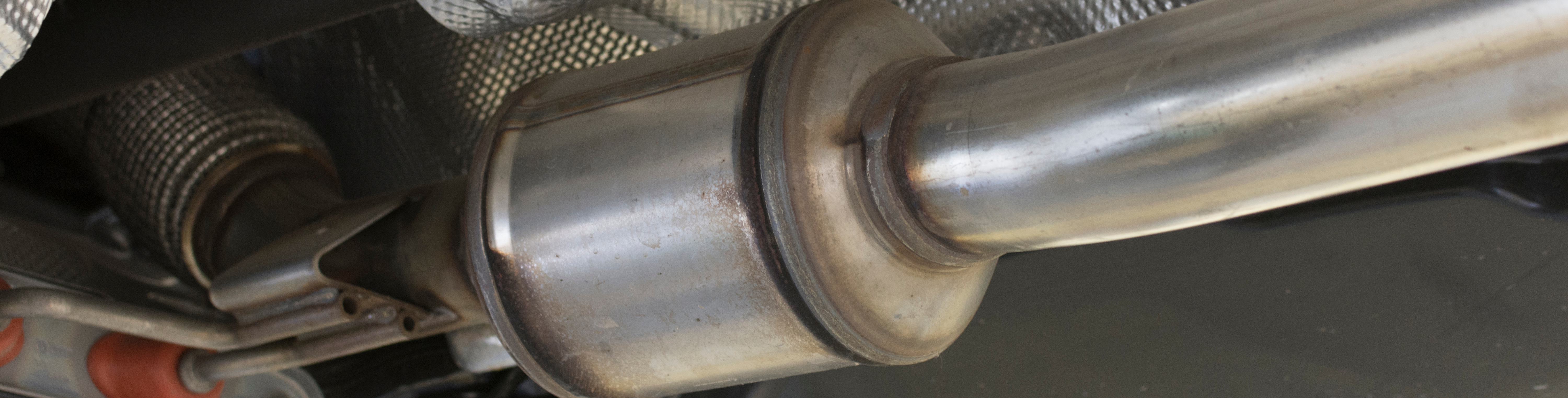
Catalytic converter theft is on the rise and as we've seen in the press of late, thieves are getting ever-more brazen, stealing catalytic converters in broad daylight from cars parked on their owners' driveways.
Most cars on UK roads have a catalytic converter fitted. They have been commonplace on the majority of petrol cars since 1992 and diesels since 2001.
What is a catalytic converter?
Your catalytic converter turns pollutants emitted from your car's exhaust into less harmful gases, but it's also a tempting target for thieves.
Catalytic converter theft prevention
In the main, it's older cars that are targeted because advances in efficiency and technology mean the latest generations of catalytic converters contain vastly lower amounts of precious metals, while still doing their job just as well – or even better. This means their scrap metal value is very low, so they are not attractive to thieves.
It's a serious problem then and while manufacturers are doing something about it, it will take these changes some time to filter down to the cars you're buying. There's still plenty you can do to prevent yourself becoming a victim though so keep reading for our top ten tips to stop your catalytic convertor from being stolen.
How to stop your catalytic converter from being stolen
Park to prevent access underneath
But remember to consider pedestrians
.jpg)
In order to steal the parts, thieves need to slide under the vehicle and use cutting tools to detach the box from the exhaust pipes around it. This means how you park you car matters.
Parking close to walls or fences can help, but remember not to block pedestrian access, especially for wheelchair users and parents with buggies.
Catalytic converters with a serial number
Mark it to protect it
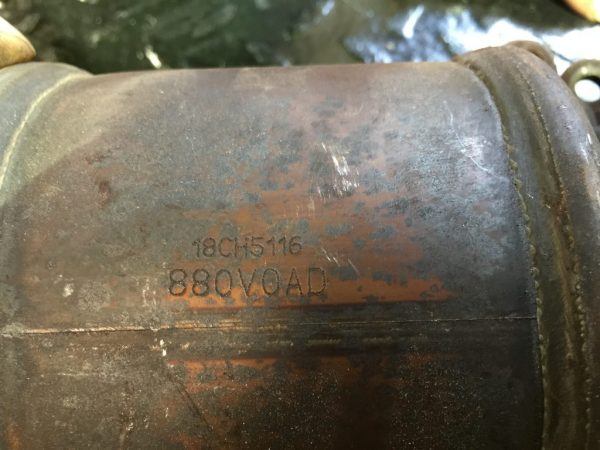
Some garages will etch a unique serial number onto your catalytic converter so it can be easily identified if it is stolen. You'll also be provided with a sticker to be displayed in your window that indicates your catalytic converter is marked, which could prevent offenders from targeting your vehicle.
Ask a garage to weld the bolts shut
Make it difficult for it to be removed

If your catalytic converter is bolted on, you can ask for your local garage to weld the bolts to make them more difficult to undo.
Catloc
This solution is one for Toyota owners
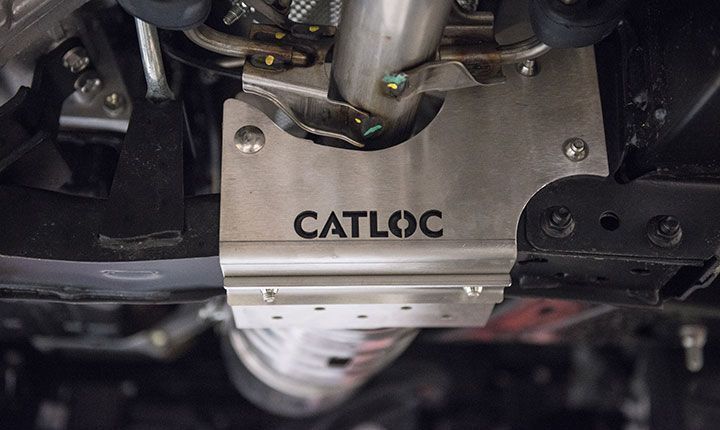
You can purchase devices that lock around the catalytic converter to make it more difficult to remove. Toyota has its own device, called the Catloc, with over 45 bespoke fitments, so the device should fit quite a few models in the range.
Catlocs cost between £200 and £250, depending on model, inclusive of VAT and fitting by a Toyota retailer. While this isn't a cheap solution, replacing a catalytic converter can cost well over £1000, including fitting.
Hybrid models' catalysts which contain a higher percentage of precious metals, are also particularly at risk. The Catloc can't guarantee theft prevention but it does make cutting the cat converter out more difficult.
Install security camera(s)
Keep an eye on your car
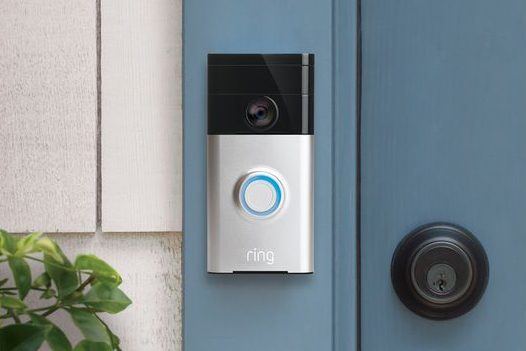
Installing security cameras, such as CCTV, Ring doorbells and similar devices, seem like an obvious answer – and they are. Unfortunately, if you don't park on your driveway then this can be significantly more difficult to implement.
There are alternative options to keep an eye on your car when you park it up, like wildlife trail cameras – but realistically it's best to park in areas where there's possible CCTV filming anyway – like well-lit, well-traversed streets if you can't park off-street.
With the cost of CCTV systems falling an becoming an easy job to intall (not requiring specialist services), it's never been simpler to keep an eye on your car. It's worth considering for peace of mind generally, not just for catalytic converter theft.
Park in well lit areas
Keep it visible

This is another one that's more to do with common sense and lowering the chances of a crime being committed generally – it's not specific to catalytic converter theft. Thieves are often opportunistic and the equipment required to cut out a cat converter is pretty heavy-duty, but once a vehicle is targeted – thieves tend to wait for an opportunity to strike as the theft itself takes a matter of minutes.
If you park in an area that's well lit, which people regularly walk past, you're less likely to come back to find your catalytic converter has been pinched.
Install alarm(s)
Kick up a racket
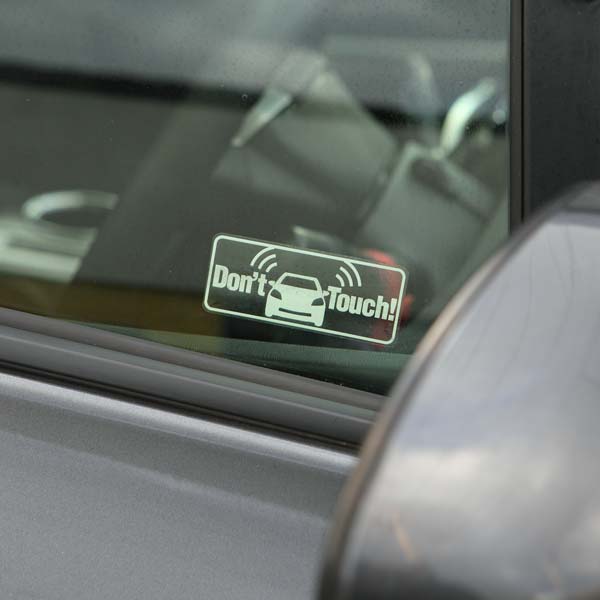
If your vehicle doesn't have an alarm and you live in an area where cat converter thefts are on the rise, it's definitely time to invest in one. The noise of the alarm should be enough to scare off any thieves.
CatClamp
Ingenious device will deter thieves
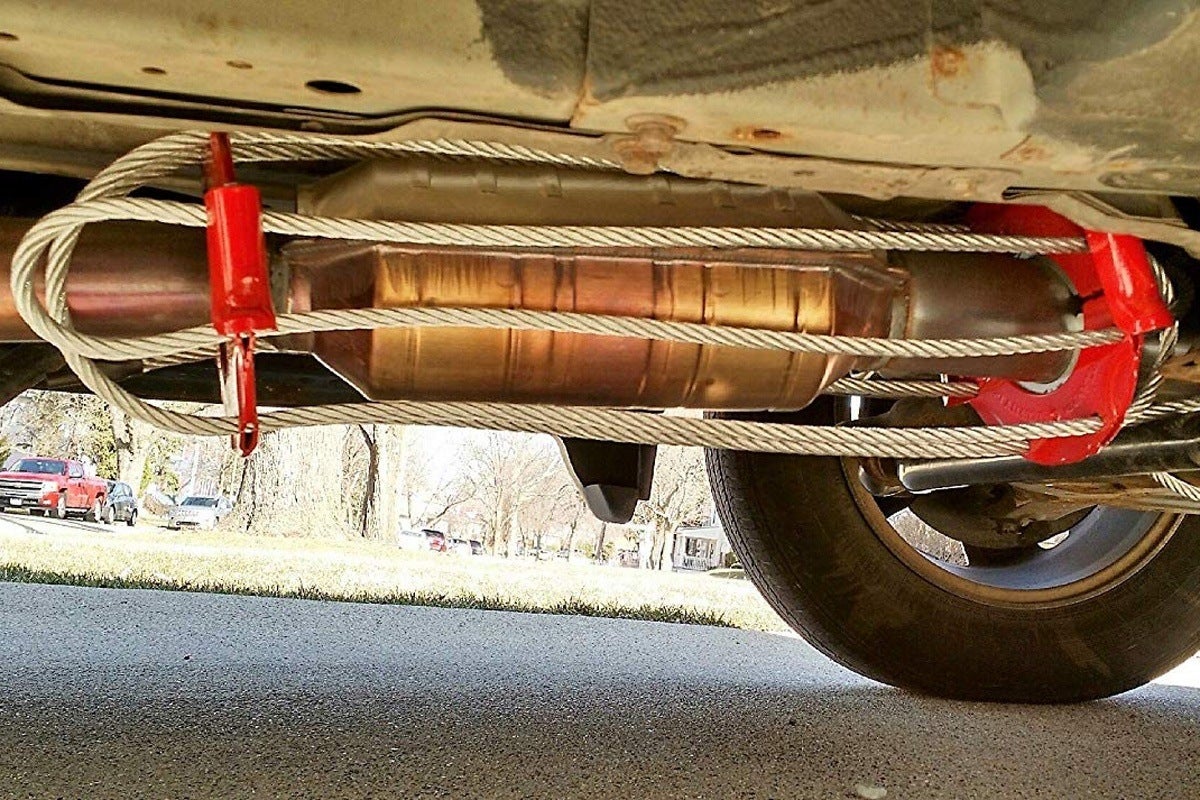
The CatClamp 'clamps' to the exhaust pipes, not the converter, allowing different sized and shaped converters to be protected. This eliminates the risk of damaging the converter, heat shield or oxygen sensors.
Locked to the vehicle’s chassis at up to seven points, it makes stealing your catalytic converter very difficult for a thief in a hurry. Three options are available, starting at £99 for the CatClampEconomy and topping out at £350 for the CatClamp MAXX3.
Keep your car stored off road
Out of sight, out of mind
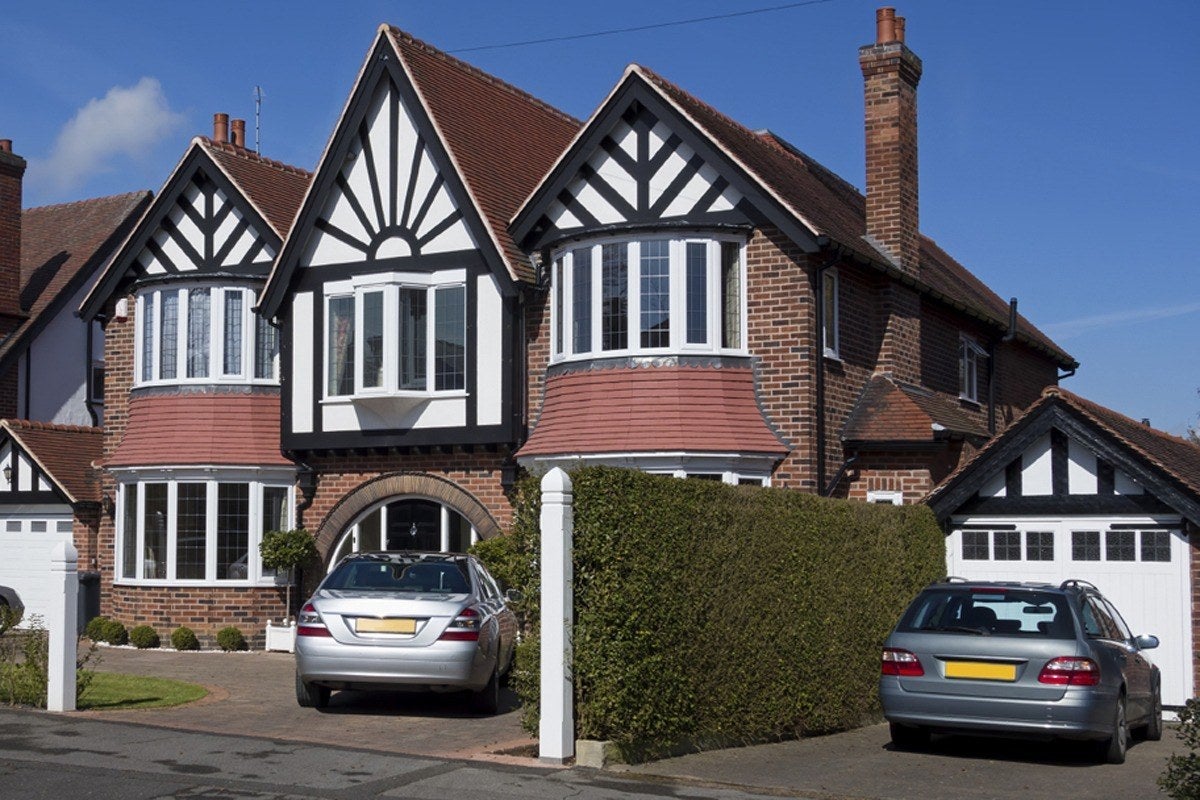
This option simply won't be suitable for everybody, but if you have a garage you can use – it makes sense to keep your vehicle in there, especially if you live or work in an area where catalytic converter thefts are common. If you don't have a garage you can access, try to park alongside other vehicles or in designated parking areas.
Block access to the underside of fleets
More vehicles=bigger target

If you operate a small fleet, consider obstructing access to vehicles with high ground clearance by parking lower vehicles close by. Also, keep an eye out for anyone who seems to be working underneath cars nearby, they could very well be scouting out their next target vehicle.
Why do people steal catalytic converters?
There are two simple reasons for this. Number one, nicking a catalytic converter is a relatively simple job – all you need is a flagrant disregard for the law and other people's property, a jack, an angle grinder and a few seconds of your time to get the job done.
Most catalytic converters on modern cars are located under the vehicle towards the exhaust which makes it easily accessible to thieves. Lifting the back of a car and cutting out the whole unit can be done in no time at all.
SUVs are more vulnerable due to their raised ground clearance. This means the catalytic converter is easier to get to and because they tend to have larger engines, these cat converters contain more precious metals.
What is a catalytic converter worth?
Reason number two is that some of the precious metals hidden inside your catalyst are worth more than gold. Inside a catalytic converter there is a ceramic element coated in various precious metals such as platinum, rhodium and palladium.
This is what attracts thieves – you can easily make £500 selling a catalytic converter on the black market.
While few manufacturers have acknowledged there is a problem with catalytic converter theft, Toyota has stuck its head above the parapet. In a recent statement, the company said:
"We’re doing all we can. We’ve shared police guidance with customers and we have developed and reduced the price of a ‘Catloc’ device which can deter theft and make it more difficult. Toyota teams in the UK and other countries are urgently exploring new technical possibilities to deter criminals as well."
Toyota is working with the police, as well as talking to government about changes in the law around scrap metal sales that would make it harder for criminals to sell stolen catalysts for cash.
However, these are criminal operations and Toyota's scope is therefore limited. A number of police forces are taking action and some forces, such as Nottinghamshire, are also starting awareness campaigns. It is vitally important for anyone who is a victim of this crime to report it to their local police force as quickly as possible.
Catalytic converter theft: Your questions answered
Catalytic converters have been fitted to car exhausts as standard for over 30 years to reduce harmful emissions of hydrocarbons, carbon monoxide and nitrogen oxides into the atmosphere. The metals act as catalysts (as the name suggests) and convert the harmful gases into water vapour and less harmful emissions. Before the arrival of catalytic converters, exhaust fumes would exit the exhaust pipe with no filtering at all.
The motor insurer Admiral reports a recent increase in catalytic converter thefts with thieves looking for good quality parts from Japanese models such as the Honda Jazz, Toyota Prius, Toyota Auris and Lexus RX of all generations and ages. Hybrids are at particular risk, because their catalytic converters contain a higher concentration of precious metals and are generally less corroded.
As long as you have a policy that covers against theft, yes. Though this may vary between insurers, so you should check your policy.
If your catalytic converter has been stolen, you'll need to contact the police immediately and, following that, your insurer who will advise you on what to do next. Depending on the damage, you may not be able to drive your car, so it's worth getting in contact with your garage too.
Plug-in hybrid cars will have a catalytic converter, but purely electric cars, such as the Nissan Leaf, Renault Zoe and Volkswagen ID.3 do not have an internal combustion engine and therefore do not require an exhaust system, including a catalytic converter.
These tend to be hybrids. So any car that run on either conventional petrol or diesel power and electric for at least part of a journey will have an expensive catalytic converter and is therefore attractive to thieves.
They contain a ceramic honeycombed core coated with metals such as platinum, palladium and rhodium. These metals can be worth more than gold and a catalytic converter can be worth between £500-£1000 in scrap value.
If you know what you're doing, it can be very quick to steal a catalytic converter. Some thieves have been known to steal one in under a minute. It could be gone before you even realise it.
It's not illegal in itself to drive a car without a catalytic converter. However if you are stopped by the police you run the risk of being prosecuted for your car producing harmful emissions. Your car would also fail its MoT. You also don't know what other damage has been caused from the theft, so it's best to get a garage or mechanic to check it over.