25/09/2026
Can you service your car yourself? Pros, cons and warranty risks

Written By Keith WR Jones

It's a question many people ask these days — can you service your own car? Yes is the answer, providing that you have the right tools, space, knowledge and confidence to do the job safely.
Basic maintenance such as checking fluids, replacing wiper blades, changing bulbs, fitting air filters and carrying out some oil and filter changes can be within reach of a careful DIY owner. More involved jobs, especially anything to do with brakes, suspension, airbags, high-voltage hybrid or electric systems or working underneath the car, need much more care and are often best left to a professional.
The biggest question is not just whether you can do the work, but whether you should. If your car is still under a manufacturer's warranty, extended warranty or service plan, it is usually safest to have scheduled maintenance carried out by a main dealer or approved independent garage and keep the paperwork. If the car is older and out of warranty, doing some maintenance yourself can save money and help you understand the car better.
When do cars need servicing?
Service intervals vary by make, model, engine and usage. Some modern cars have intervals of up to two years or around 20,000 miles, while others need attention every year or after a lower mileage.
Long service intervals do not mean a car is maintenance-free. Oil, filters, coolant, brake fluid, tyres, belts, batteries, suspension components and other parts still wear out. Even if a car is not due a full service, it is worth checking the basics regularly.
Modern cars are generally more reliable than older ones and need less constant adjustment, but regular maintenance still matters. Changing oil and filters on time can help the engine last longer, improve efficiency and give you a chance to spot early warning signs such as leaks, low fluid levels, worn tyres or damaged hoses.
Older cars often benefit from more frequent checks. Once a vehicle is beyond 10 years old or has covered high mileage, consumable parts such as suspension bushes, clutches, batteries, exhausts, wheel bearings and cooling system parts may need attention even if the engine itself is healthy.
Does servicing a car yourself invalidate the warranty?
Servicing a car yourself does not automatically invalidate a warranty, but it can make any later warranty claim much harder to prove.
If your car is still covered by the original manufacturer warranty, an extended warranty or service-activated warranty, it is sensible to follow the service schedule exactly and use a main dealer or reputable independent garage. You should keep invoices showing what work was done, which parts were used and which oil specification was followed.
You can still carry out additional maintenance between scheduled services. Checking oil, topping up screenwash, replacing wiper blades, checking tyre pressures and keeping the car clean will not be a problem. The risk comes when a fault develops and the manufacturer or warranty provider asks for evidence that the car was serviced correctly.
For Volkswagen Group cars, including Volkswagen, Audi, Škoda, SEAT and CUPRA models, digital service records can be particularly useful when selling the car or discussing warranty and goodwill claims. If the official record is incomplete because servicing was done at home, you will need your own receipts and notes to show what was done and when.
What is goodwill cover?
Goodwill cover is support from a manufacturer or dealer after the formal warranty has ended.
It is not the same as a recall. A recall is usually linked to safety or compliance and is carried out regardless of normal servicing history. Goodwill cover is discretionary. The manufacturer may contribute to the cost of a repair if a part fails earlier than expected, especially if the car has been maintained properly and there is evidence of a known pattern of failure.
This can matter with expensive faults such as timing chains, engine components, gearboxes, electronic modules, digital displays or body seals. If the car has a full, documented service history and has been maintained to the manufacturer’s schedule, you are in a stronger position to ask for goodwill support.
If servicing has been missed, undocumented or carried out with the wrong parts or fluids, it becomes much harder to argue that the failure was not linked to maintenance.
What kind of DIY servicing is possible?
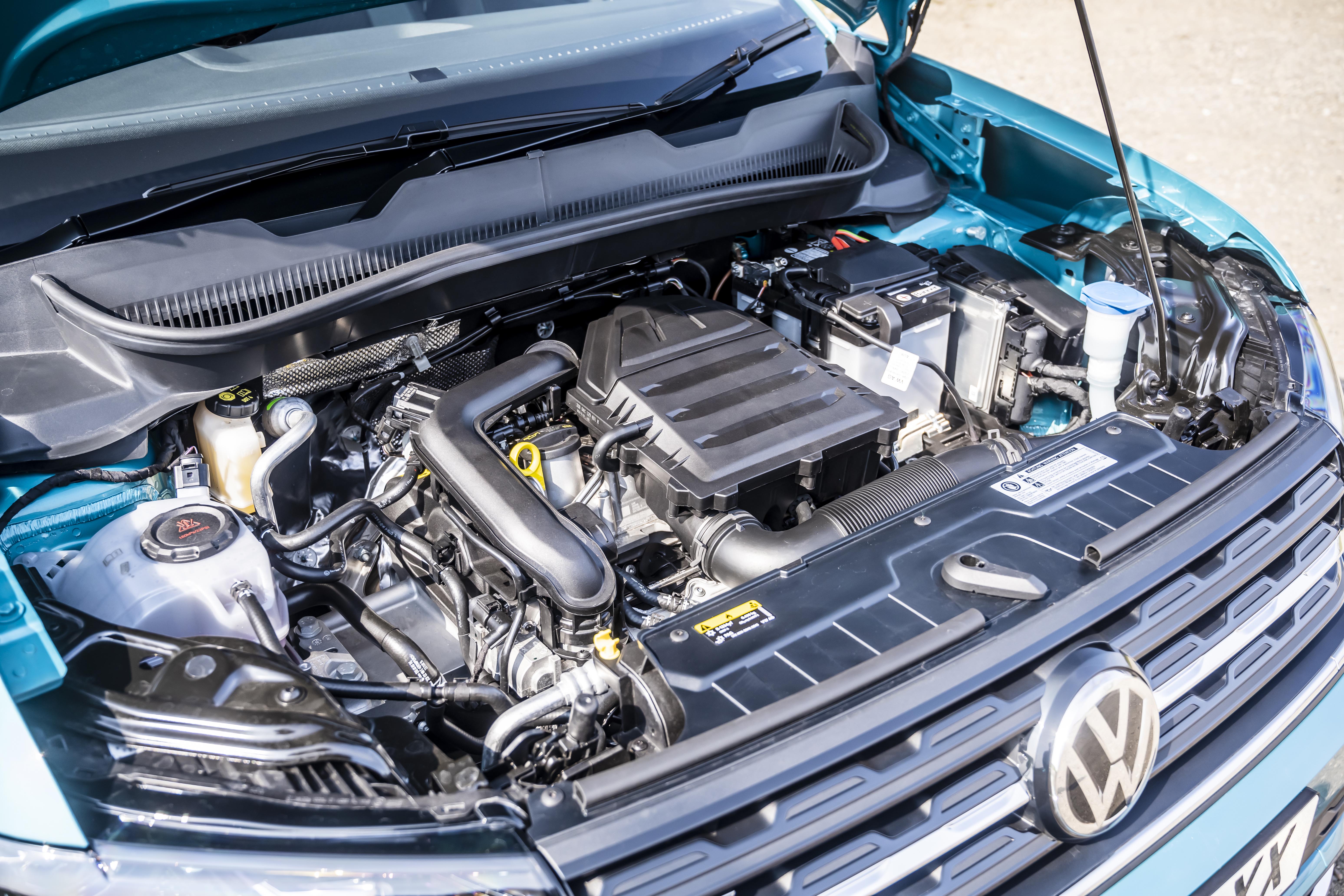
The DIY servicing you can do depends on your skill, tools, space and confidence. Some jobs are suitable for most owners:
Checking and topping up engine oil
Checking coolant level
Checking brake fluid level
Topping up screenwash
Checking tyre pressures and tread depth
Replacing wiper blades
Replacing some bulbs
Replacing cabin and engine air filters
Lubricating locks and hinges
Replacing basic interior trim clips
Cleaning or restoring cloudy light lenses
More confident DIY owners may be able to tackle:
Engine oil and filter changes
Spark plug changes on accessible petrol engines
Battery replacement on simpler cars
Coolant changes, where access is straightforward
Auxiliary belt replacement on accessible engines
Manual gearbox oil changes
Basic diagnostic checks with an OBD reader
Some jobs are best left to experienced DIY mechanics or workshops:
Brake pads and discs
Brake fluid changes
Suspension work
Steering components
Timing belts and timing chains
Air conditioning repairs
Clutch replacement
Gearbox work
Airbag or seatbelt systems
Hybrid and electric high-voltage systems
Anything requiring safe lifting of the car for extended periods
A diagnostic code reader can be useful for modern cars. Basic readers can show fault codes and reset some service reminders, while more advanced tools can read manufacturer-specific systems. A code does not always tell you which part to replace, so avoid guessing. Diagnosis takes patience and research.
What tools do I need and what will they cost?
A basic DIY servicing kit does not have to be expensive, but it should be good enough to use safely. Useful tools include:
A decent socket set
Screwdrivers
Torx and hex bits
Pliers
A torque wrench
Spark plug socket, if relevant
Oil filter tool, if needed
Drain pan or vacuum oil extractor
Funnel
Gloves and eye protection
Tyre pressure gauge
OBD-II code reader for modern cars
As a broad guide, around £200 can buy a useful starter kit for basic servicing. More advanced jobs may require a trolley jack, axle stands, pry bars, specialist sockets, trim tools or diagnostic software.
Do not rely on the cheapest lifting equipment you can find. If you need to work underneath a car, buy or hire good-quality equipment and use it properly. Never use a factory wheel-changing jack as the only support.
Tool quality matters. You do not need the most expensive professional kit, but poor-quality tools can round bolts, slip, break or make simple jobs harder. Secondhand hand tools can be good value if they are in sound condition, but be cautious with used jacks, axle stands, battery tools or anything safety-critical.
How do you change oil without making a mess?
An oil and filter change is one of the most common DIY service jobs, but it still needs care.
Before starting, check the owner’s manual or service data for:
The correct oil grade and specification
The oil capacity
The correct filter specification
The sump plug torque, if draining from below
Whether a new sump plug washer is needed
Whether the service indicator needs resetting
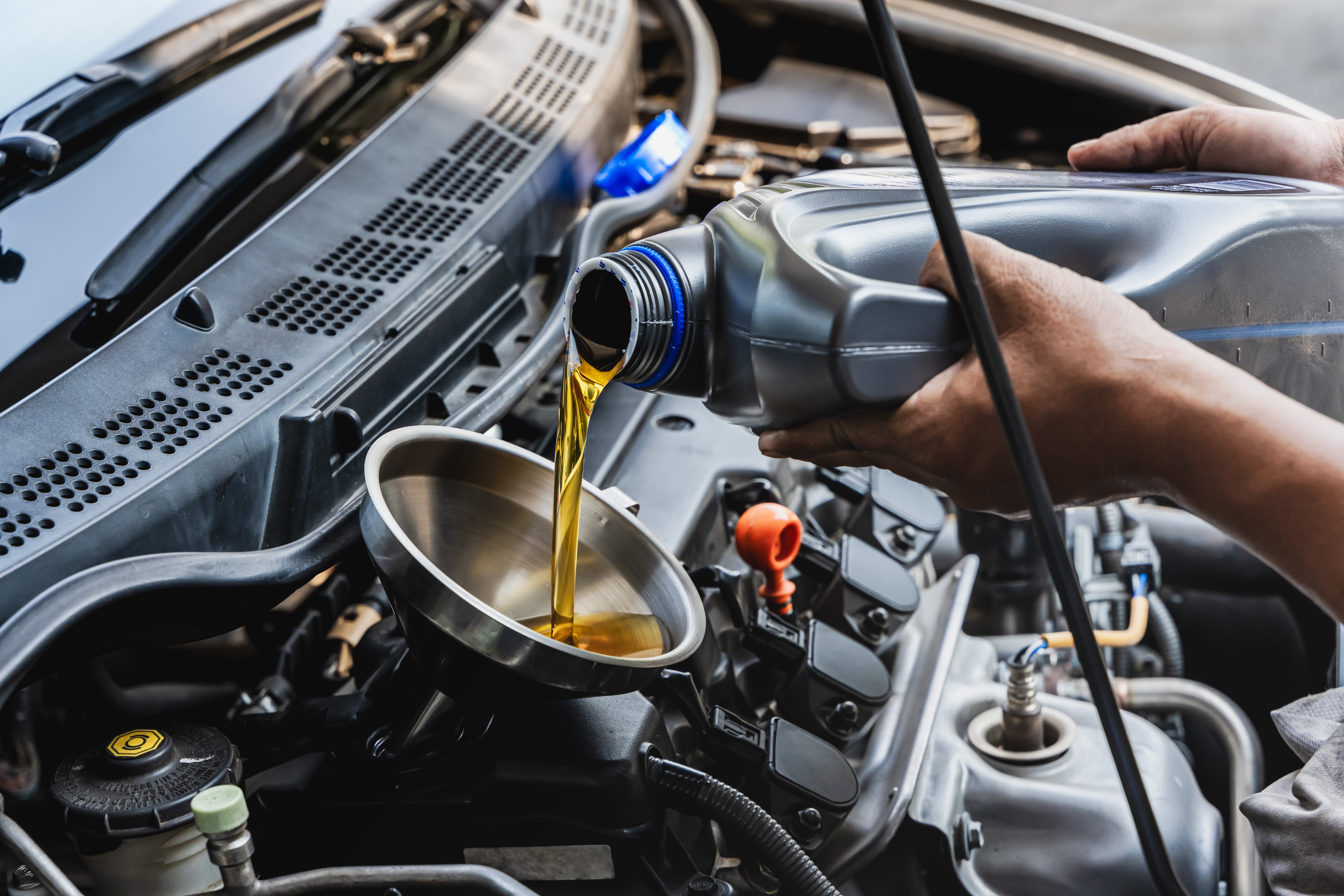
Some cars allow oil to be removed from above using a vacuum extractor through the dipstick tube. This can be cleaner than draining from underneath, especially if the oil filter is also accessible from above. Other cars still need to be drained from the sump plug.
Warm oil drains or extracts more easily, but do not work on a dangerously hot engine. Wear gloves and keep rags nearby.
Before refilling, check how much oil came out. If the old oil level was too high, smelled strongly of fuel or looked contaminated, do not simply refill with the same amount without investigating. Diesel cars that do many short journeys can sometimes suffer oil dilution during diesel particulate filter regeneration.
When changing the filter, replace any O-rings supplied with the filter and make sure the housing is clean. Do not overtighten plastic filter housings.
Refill slowly with the correct oil. Check the dipstick or electronic level reading as instructed by the manufacturer. Start the engine briefly, switch it off, check for leaks, wait for the oil to settle, then recheck the level.
Used oil must be collected and taken to a proper recycling or disposal point. Do not pour it into drains, onto the ground or into household waste.
Does DIY servicing invalidate breakdown cover?
DIY servicing does not normally invalidate ordinary breakdown cover.
Breakdown providers usually care whether the car is roadworthy, taxed, insured and has a valid MOT where required. They do not usually ask whether the last oil change was carried out by a main dealer, an independent garage or the owner.
That said, a poorly maintained car is more likely to break down. Even if your cover still applies, you may face avoidable inconvenience and repair costs if basic maintenance has been neglected.
Breakdown cover is not a substitute for servicing. It helps when something goes wrong, but it does not stop parts from wearing out.
What can go wrong with DIY servicing?
Most DIY servicing problems come from inexperience, rushing or using the wrong parts. Common mistakes include:
Using the wrong oil specification
Fitting the wrong filter
Overtightening bolts, spark plugs or filter housings
Cross-threading sump plugs or spark plugs
Failing to replace sealing washers or O-rings
Under- or over-filling engine oil
Spilling oil onto engine belts or hot exhaust parts
Mixing incompatible coolant types
Damaging plastic clips and covers
Ordering the wrong parts
Missing software resets or service records
Failing to spot a more serious underlying fault
Coolant mistakes can be expensive. Different coolant types should not always be mixed. If you are unsure what is already in the system, check the manufacturer’s specification rather than relying on colour alone.
Brake fluid is another area where caution is needed. It absorbs moisture, can damage paintwork and can be difficult to bleed correctly, especially on older cars with corroded bleed nipples. If you introduce air into the braking system, the car may be unsafe to drive.
Parts ordering can also be frustrating. Use the vehicle identification number [VIN], registration number and exact engine code where possible. If in doubt, a local motor factor or dealer parts department may be more reliable than a cheap online listing with vague fitment information.
How safe is working on your own car?
Safety matters more than saving money.
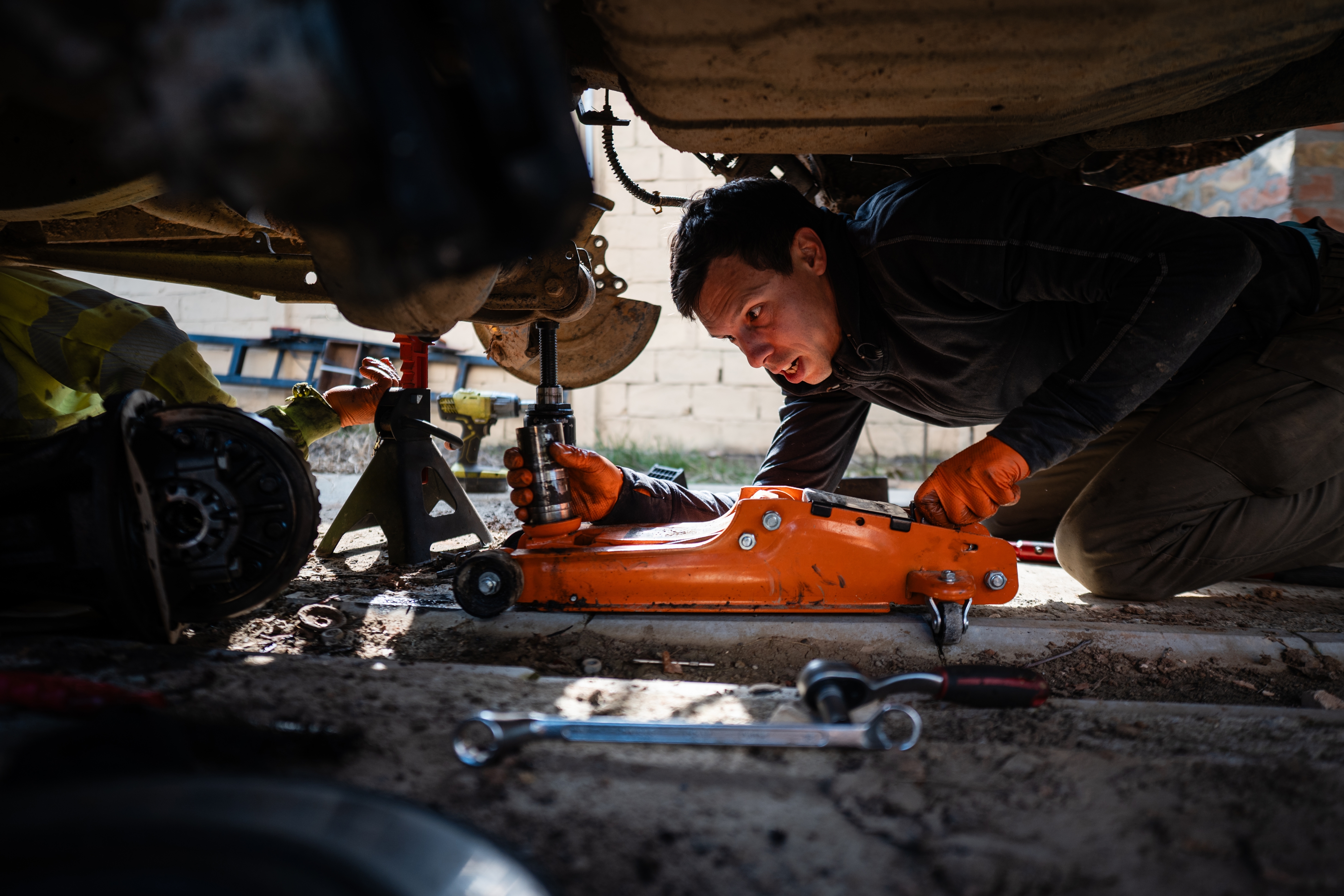
Never work underneath a car that is supported only by a jack. A factory jack is designed for changing a wheel, not for supporting a car while you work underneath it. Use proper axle stands on solid, level ground, and make sure the car is stable before going near it.
Before working on electrical systems, disconnect the battery negative terminal if the job requires it. Be especially cautious around airbags, seatbelt pretensioners, starter motors, alternators and hybrid or electric vehicle systems.
Petrol vapour is highly flammable. Oil and other fluids can irritate skin. Brake dust, rust and old friction materials can be harmful if inhaled. Wear gloves, eye protection and a suitable mask when needed.
Do not work in an enclosed space with poor ventilation. Even if you do not plan to run the engine, cleaners, fuels and solvents can cause dizziness or irritation.
Basic safety rules include:
Work on level ground
Keep children and pets away
Use axle stands, not just a jack
Wear gloves and eye protection
Keep a fire extinguisher nearby if working with fuel or electrics
Avoid loose clothing near belts and fans
Do not work under a vehicle if you are tired or rushed
Stop if something feels unsafe
If you are unsure whether a job is safe, do not attempt it.
Environmental responsibility and DIY servicing
Many fluids and parts removed from a car can harm the environment.
Engine oil, coolant, brake fluid, fuel, batteries and some cleaning chemicals need proper disposal. Your local household recycling centre may accept used engine oil and car batteries, but rules vary by area, so check before travelling.
Do not pour oil, coolant or chemicals down surface-water drains, onto soil or into household bins. Surface-water drains may lead directly into rivers or streams.
Antifreeze can be particularly dangerous to animals. Clean spills quickly and do not leave open trays where pets or wildlife can reach them.
Used filters, oily rags, old spark plugs, wiper blades, bulbs and batteries should also be disposed of responsibly. Keep removed parts and fluids contained until you can take them to the right disposal point.
Drawbacks of servicing your car yourself
DIY servicing can save money, but it has drawbacks.
You need somewhere safe and legal to work. You need tools, time and patience. You also need to dispose of old oil, filters and parts properly.
A DIY service may be less attractive to future buyers, especially on newer or higher-value cars. A stamped service book or digital service record from a recognised garage is easier to trust than a verbal claim that the owner did the work at home.
If you do service the car yourself, keep detailed records. Save receipts for oil, filters, parts and tools. Write down the date, mileage and work carried out. Take photos if helpful. This will not replace a dealer service record, but it is much better than having no evidence at all.
The other drawback is risk. A simple mistake can cost more than the service would have done in the first place. If you strip a sump plug, damage a thread, use the wrong oil or fail to tighten something correctly, the repair bill can quickly outweigh the savings.
DIY car service checklist
Before starting:
Check the service schedule
Confirm the correct oil, coolant and parts
Read a workshop guide or reliable service data
Make sure you have the right tools
Work somewhere safe, level and well lit
Wear gloves and eye protection
Plan how you will dispose of fluids and parts
Basic checks:
Engine oil level and condition
Coolant level and condition
Brake fluid level
Screenwash
Tyre pressure and tread depth
Lights
Wiper blades
Battery condition
Visible leaks
Belts and hoses
Warning lights
MOT expiry date
Common DIY service items:
Engine oil
Oil filter
Air filter
Cabin filter
Spark plugs, where accessible
Wiper blades
Bulbs
Key battery
Basic lubrication of hinges and locks
After the work:
Check for leaks
Re-check fluid levels
Reset the service indicator only if the correct service has been carried out
Road test carefully
Keep receipts
Record the date and mileage
Dispose of waste properly
What this means for you
You can service your own car, but the sensible limit depends on the car and your experience.
For newer cars, especially those under warranty or covered by service plans, scheduled servicing is usually best left to a main dealer or reputable independent garage. For older cars, simple DIY maintenance can be a useful way to save money, spot problems early and keep the car running well.
Start with easy jobs, use the correct parts and fluids, keep records and never compromise on safety. If a job involves lifting the car, brakes, suspension, airbags, high-voltage systems or anything you do not fully understand, it is better to pay a professional than risk injury or a more expensive repair.
You should only consider doing so if — after being honest with yourself — you believe you're sufficiently competent to do and have the requisite equipment and parts to complete the job.
There's no shame in acknowledging you don't own a set of Torx screwdrivers are you're not dexterous enough to bend your wrist in the necessary manner to access the back of a headlight unit to change the bulbs. Far better than than get into a situation too deeply which, in the worst instances, would involve paying a mechanic to come and recover your car before completing the work it needed for a service as well.
For around £200 you can equip yourself with a basic toolkit for most DIY car servicing jobs. Key tools include:
A decent socket set
Screwdrivers
Torx and hex bits
Pliers
A torque wrench
Spark plug socket, if relevant
Oil filter tool, if needed
Drain pan or vacuum oil extractor
Funnel
Gloves and eye protection
Tyre pressure gauge
OBD-II code reader for modern cars
It's worth checking the small print of the warranty and contacting the manufacturer if still in doubt. While the law enables you to have your car serviced by someone other than one of the manufacturer's dealers — providing they use genuine parts in the process — without invalidating the warranty, there may be clauses which require the work to also be done by a recognised business or where the person undertaking the work has qualifications reflecting their skills and competences.
This varies depending on manufacturer and propulsion type, so it's always best to refer to your car's owner's handbook pack for details.
As a broad rule of thumb, petrol cars generally require a service every 12,000 miles or 12 months, whichever is sooner. Diesel cars tend to cover the same time period, albeit with a mileage limit of 18,000 miles, reflecting that they are usually driven further each year.
Electric cars, which have fewer moving mechanical components, typically require servicing much less frequently – every 20,000 miles or 24 months is the norm here.