25/09/2026
UK car tyres guide 2026: How to choose the best tyres for your car

Written By David Ross

Tyres may not be the most exciting part of car ownership, but they are among the most important. They are the only parts of the car in contact with the road, so they affect braking, steering, ride comfort, grip, fuel economy and safety.
Choosing tyres can feel confusing, though. You need the correct size, load rating and speed rating for your car, but you also have to decide between premium, mid-range and budget brands. You may also need to think about summer, winter or all-season tyres, especially if you drive in poor weather or cover high mileage.
This guide explains how to choose the right tyres for your car, how to read tyre sizes, how much new tyres cost, when tyres need replacing and whether part-worn tyres are worth the risk.
Note that the British English spelling is 'tyres', although you may see 'tires' on international websites which use American English. The important thing is to make sure any tyre you buy is the right specification for your car and legal for UK roads.
Which are the best tyres for my car?
The best tyres for your car are the correct size, load rating and speed rating, from a reputable brand, suited to your driving and budget.
Do not choose tyres purely by price. A very cheap tyre may meet the basic legal requirements, but it may not perform as well as a better tyre in wet braking, cornering, refinement, noise, rolling resistance or wear.
When choosing tyres, be sure to check your car for its:
Correct tyre size
Required load rating
Required speed rating
Run-flat tyre requirements
Summer, winter or all-season requirements
Ideal tyres for wet grip, efficiency and noise
Recommendations for particular tyre brands
If you are unsure, using the car manufacturer’s recommended specification as your starting point — in other words, see how much the latest versions of the tyres it was originally fitted with cost. A tyre fitter or dealer can help, but it is still worth understanding the basics so you know what you are buying.
How do I find the correct tyre size for my car?
The easiest place to find your tyre size is on the tyre's sidewall. It will look something like this:
205/45 R16 83V
You may also find tyre information in:
The owner’s handbook
The driver’s door frame
The fuel filler flap
The manufacturer’s tyre-pressure label
Online tyre retailers using your registration number
Registration lookup tools are useful, but they are not always perfect. Many cars are sold with different wheel sizes depending on trim, engine or optional alloy wheels. The same Volkswagen Golf, Audi A3, Škoda Octavia, SEAT Leon or CUPRA Formentor may be fitted with different tyre sizes depending on the version.
Always check what is actually fitted to the car before ordering replacements. If the car has non-standard wheels, a registration lookup may suggest the wrong tyres.
What do the numbers and letters on tyres mean?
Using 205/45 R16 83V as an example:
205 is the tyre tread width in millimetres (mm)
45 is the aspect ratio, which means the percentage the sidewall height is of the tyre width, in this example it's 45%
R is for radial construction, as used by almost all modern car tyres, where the tyre is assembled in line with the tread, rather than at 90 degrees to it as old-fashioned cross-ply tyres were
16 is the wheel diameter — and by extenstion, the hole in the centre of the tyre — in inches
83 is the load index, which tells you the maximum weight the tyre can carry
V is the speed rating, which tells you the maximum speed the tyre is designed to handle.
You should not fit tyres with a lower load or speed rating than the manufacturer requires. Higher ratings may be acceptable in some cases, but the tyre still needs to be the right size and suitable for the car.
The width of the tyre affects grip, rolling resistance and steering feel. Wider tyres can provide more grip, but they may also increase fuel consumption, road noise and replacement cost.
The aspect ratio affects comfort and handling. A taller sidewall usually improves ride comfort and helps absorb road surface imperfections better, while a lower sidewall can give sharper steering but a firmer ride and greater risk of wheel damage.
Tyre speed ratings explained
The speed rating is the letter at the end of the tyre code. It shows the maximum speed the tyre is designed to sustain.
The speed rating is not a target and does not change UK speed limits. It is part of the tyre’s safety specification.
For normal UK driving, the rating may seem far higher than you need, but you should still follow the manufacturer’s required specification. This matters for safety, insurance and vehicle approval.
Tyre speed rating
Q
R
S
T
U
H
V
W
Y
Maximum speed
99mph
106mph
112mph
118mph
124mph
130mph
149mph
168mph
186mph
Premium, mid-range or budget tyres?
There is a wide range of tyre prices, from budget brands to premium names such as Michelin, Goodyear, Continental, Bridgestone and Pirelli.
Budget tyres are not unsafe — new tyres sold in the UK must meet legal standards. However, premium and strong mid-range tyres often perform better in independent tests, especially for wet braking, aquaplaning resistance, steering response, comfort, noise and wear.
A budget tyre may make sense if:
You drive a low-powered car
You cover low mileage
You mainly drive locally
The car is older and low value
The tyre has acceptable label ratings
A premium tyre may be worth it if:
You drive long distances
You regularly use motorways
You drive a heavy SUV
You tow regularly
You drive a performance car
You want the best wet braking and refinement
You keep the car for long enough to benefit from slower wear
A good mid-range tyre is often the best compromise for many drivers.
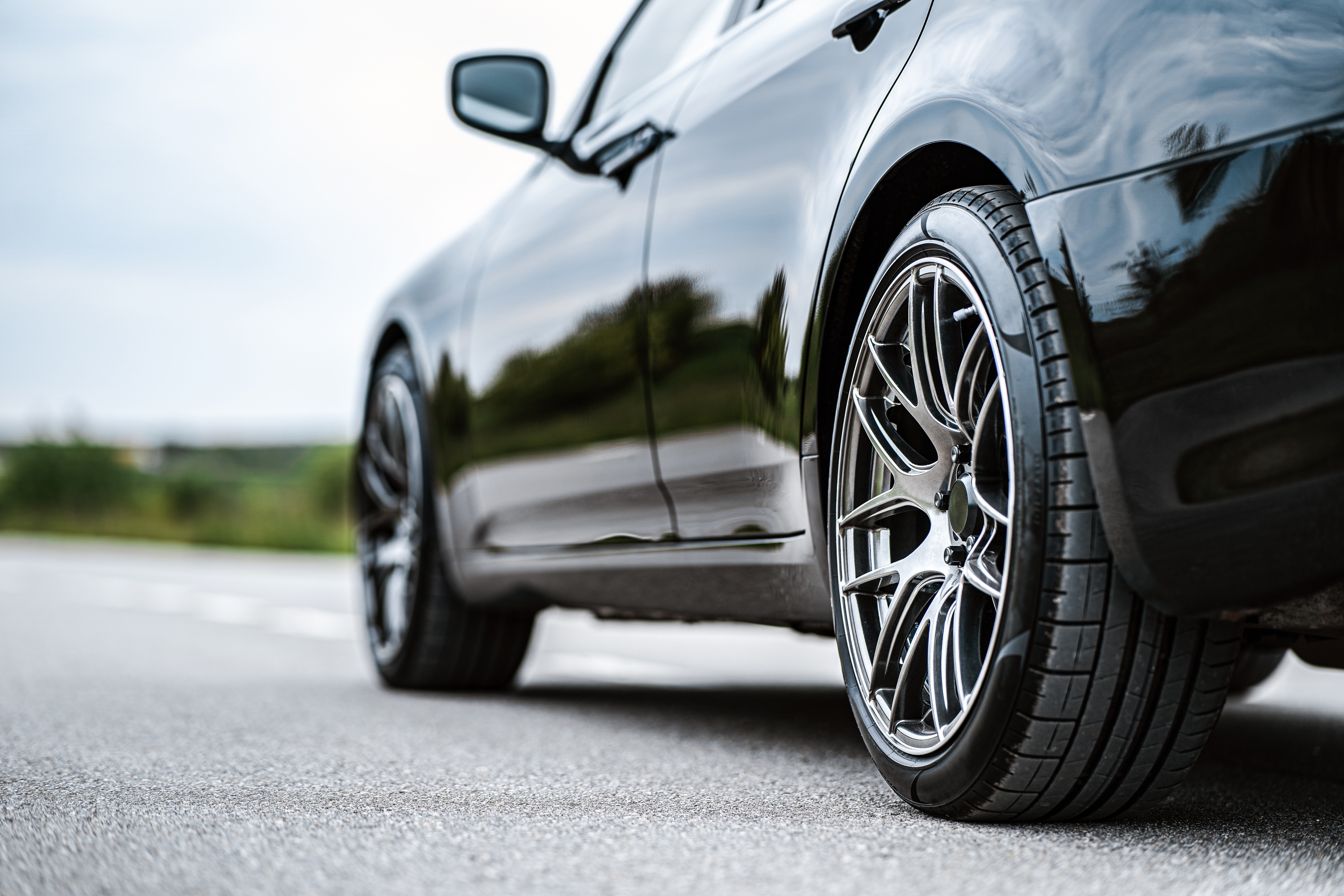
Summer, winter or all-season tyres?
Most cars in the UK are fitted with summer tyres as standard. They are designed for mild and warm conditions and work well for most drivers.
Winter tyres are designed to work better in cold weather, especially below 7C. They can improve grip on cold, wet, icy or snowy roads, but they are less useful in warm weather and may wear faster in summer.
All-season tyres are designed to work across a wider range of conditions. They can be a good option for UK drivers who want better winter confidence without swapping tyres twice a year.
If you live in a rural area, drive early in the morning, travel in winter weather or cannot avoid hills and untreated roads, all-season tyres may be worth considering.
How long do tyres last?
Tyre life depends on the car, tyre type, driving style, road surfaces, alignment, pressure and load.
As a broad guide, front tyres on a front-wheel-drive family car may last around 20,000 miles, while rear tyres can last longer. Heavier SUVs, electric cars and performance cars may wear tyres more quickly because of weight, torque and wider tyre sizes.
New tyres usually have around 7-8mm of tread. The legal minimum in the UK is 1.6mm across the central three-quarters of the tyre and around the full circumference. Many tyre safety experts recommend replacing tyres before they reach the legal minimum, often around 3mm, because wet braking performance reduce as tread wears.
Tyres also age. Even if they have plenty of tread, old tyres can crack, harden and lose performance. Check the date code on the sidewall if you are unsure how old they are.
What is the legal tyre tread depth?
The UK legal minimum tread depth for cars is 1.6mm across the central three-quarters of the tyre and around the full circumference.
Anything below this is illegal and will fail an MOT. There are two simple ways to check tread depth:
use a tread-depth gauge
use the 20p test
For the 20p test, place a 20p coin into the main tread grooves. If the outer band of the coin is visible, the tread may be below the legal limit and should be checked properly. A gauge is more accurate and costs very little. Check all four tyres and measure in several places, because uneven wear can mean one part of the tyre is illegal while another still looks fine.
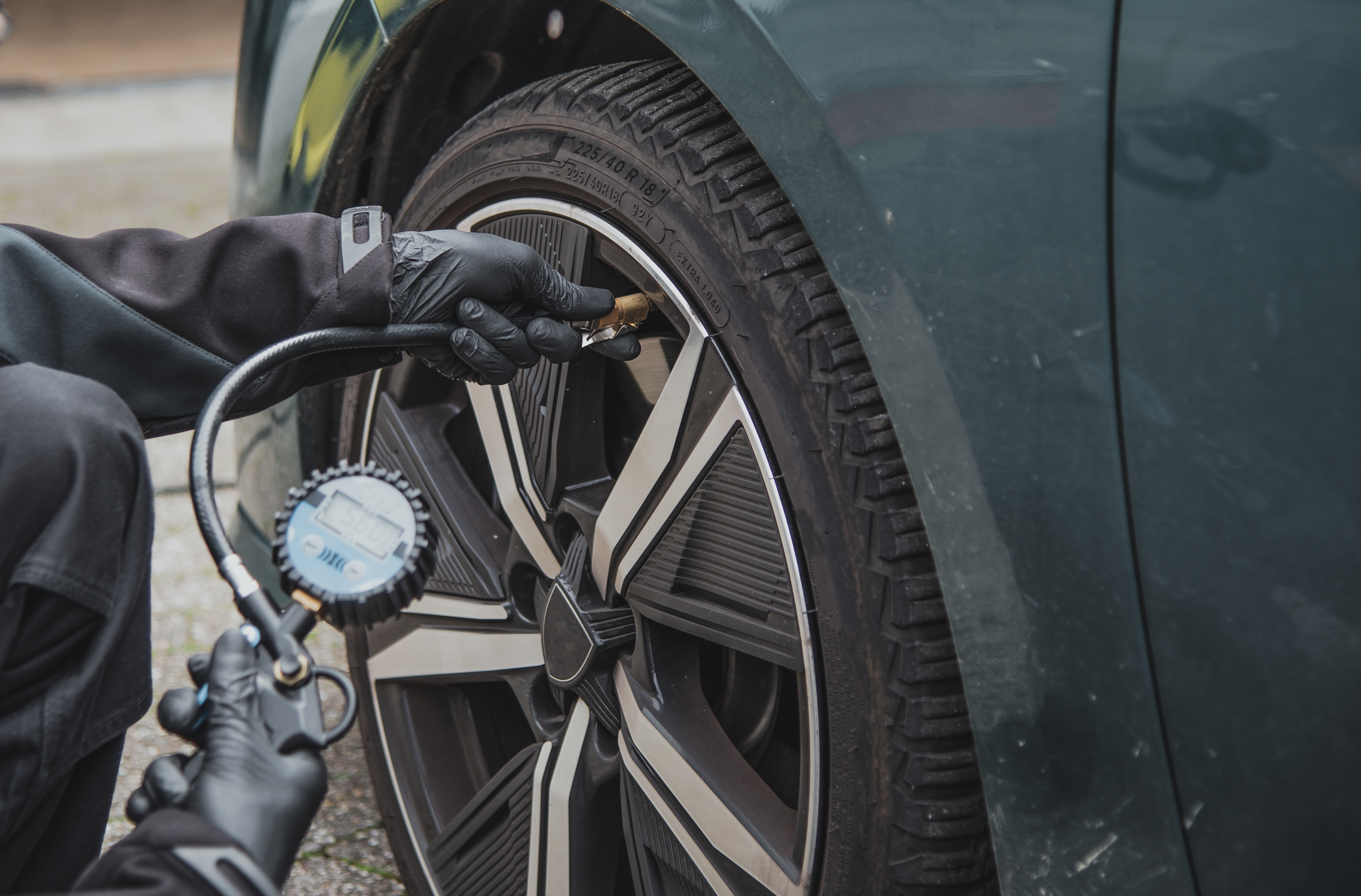
How do I check my tyre pressures?
Check tyre pressures when the tyres are cold if possible.
To check them:
Find the correct pressures for your car.
Remove the valve dust cap.
Attach a pressure gauge, portable inflator or garage airline.
Compare the reading with the recommended pressure.
Add or release air as needed.
Refit the dust cap.
Reset the TPMS if your car requires it.
Tyres warm up as you drive, which increases the pressure reading. If you have to check them when warm, follow the handbook guidance. Do not forget the spare wheel if your car has one.
What are my tyre pressures?
The correct tyre pressures are usually shown on a sticker in the driver’s door frame or fuel filler flap. They may also be in the handbook or infotainment system.
Many cars show different pressures depending on load. For example, there may be one setting for normal driving and another for a fully loaded car with passengers and luggage. Use the pressure that matches your tyre size and load. Do not guess, and do not mix unrelated front and rear pressure settings.
Correct pressures matter because underinflated tyres can:
increase fuel consumption
wear out faster
overheat
reduce braking performance
make steering feel vague
Overinflated tyres can:
reduce ride comfort
reduce grip
wear unevenly
What are tyre pressures measured in?
Tyre pressures are most commonly shown in PSI or bar. Some cars also show kPa, especially on digital displays or in some manufacturer handbooks.
As a rough conversion:
1 bar is equivalent to 14.5 PSI
1 bar is equivalent to 100 kPa
Use the same unit as the label or display to avoid mistakes.
What is TPMS?
TPMS stands for tyre pressure monitoring system. It has been fitted to new cars in the UK since 2014. It warns you if tyre pressure drops, usually with a dashboard warning light.
There are two main types. Direct TPMS uses pressure sensors inside the wheels. Indirect TPMS uses the ABS wheel-speed sensors to detect a difference in wheel rotation caused by pressure loss. TPMS is useful, but it does not replace manual checks. It may not warn you until a tyre is already significantly underinflated, and some systems need resetting after pressures are adjusted.
If the TPMS system is faulty, the car can fail its MOT.
How do I know if my tyre needs replacing?
Replace or inspect a tyre if you notice:
tread close to the legal limit
uneven wear
sidewall cracks
bulges
cuts
exposed cords
repeated pressure loss
vibration
a nail or screw in the tread
damage from a pothole or kerb
ageing or perishing
If a tyre suddenly goes flat, do not keep driving on it unless it is a run-flat tyre and the handbook says it is safe to do so. Driving on a flat tyre can destroy the sidewall and make repair impossible.
If one tyre keeps losing pressure, inspect it carefully and have it checked by a tyre fitter. Slow punctures are common and may be repairable if caught early.
How much do new tyres cost?
The cost of new tyres depends on size, brand, vehicle type, speed rating, load rating and fitting location.
A small car such as a city hatchback usually has narrower tyres on smaller wheels, so replacements are cheaper. Large SUVs, electric cars and performance models may use wide, high-load, high-speed-rated tyres, which can be much more expensive.
If you are replacing all four tyres, the total cost can be significant. However, tyres are safety-critical, so it is worth buying the best tyres you can reasonably afford.
As a broad 2026 guide:
Vehicle type
City car
Family hatchback
Family SUV
Large SUV
Luxury full-size SUV
Performance or luxury sports car
Typical cost per tyre
From around £50 to £100
Around £70 to £150
Around £90 to £200
Around £150 to £300+
Around £200 to £400+
Around £200 to £500+
Can damaged tyres be repaired rather than replaced?
Some punctures can be repaired, but not all.
A repair is usually possible only if the damage is in the central area of the tread and the tyre has not been driven while flat. Damage near the shoulder or sidewall usually means the tyre must be replaced.
A tyre should not usually be repaired if:
The sidewall is damaged
There is a bulge in the sidewall
The cords are exposed
The puncture is too close to the edge of the tread
The hole is too large
The tyre has been driven while flat
There is internal damage
The tread is too worn
A good tyre fitter will inspect the tyre properly before repairing it. If they recommend replacement, it is usually for safety reasons.
Why do my wheels need balancing?
Wheels and tyres are not perfectly even in weight. Small variations can cause vibration when the wheel spins at speed. Wheel balancing corrects this by adding small weights to the wheel. If a wheel is out of balance, you may feel vibration through the steering wheel, seat or floor, especially at motorway speeds.
Poor balancing can also contribute to uneven tyre wear and make the car less comfortable. A new tyre should normally be balanced when fitted. Wheels may also need rebalancing if you feel vibration, lose a balance weight or hit a pothole.
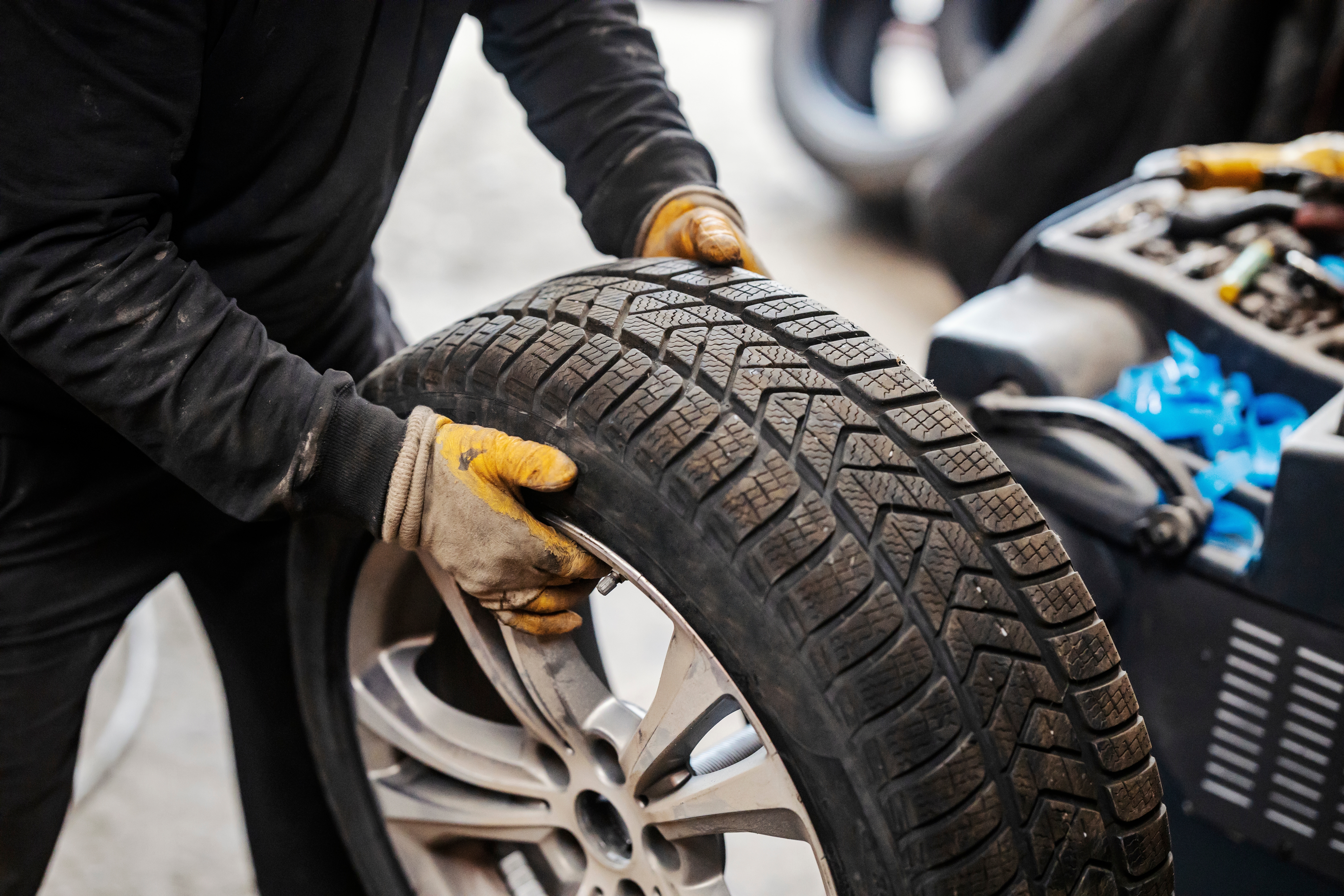
How does tyre balancing work?
A tyre fitter places the wheel and tyre on a balancing machine, which spins it and measures where the imbalance is. The machine tells the fitter where to add weights and how much weight is needed. The process only takes a few minutes per wheel.
Balancing is different from wheel alignment. Balancing deals with the weight distribution of the wheel and tyre. Alignment deals with the angle of the wheels relative to the car and road.
Are part-worn tyres safe?
Part-worn tyres are legal to sell in the UK if they meet strict rules, but they are risky. You may not know how the tyre has been used, whether it has been driven underinflated, whether it has hidden internal damage, or how old it is. A part-worn tyre may also have much less usable tread left than it first appears.
If you buy part-worn tyres, check:
The legal markings
Tread depth
Age code
Sidewalls
Repairs
Cracks
Bulges
Uneven wear
Whether the seller is reputable
For most drivers, a new budget or mid-range tyre is a safer choice than an unknown part-worn tyre.
Can I change the size of my tyres?
You can change tyre size, but you need to be careful.
Changing wheel or tyre size can affect:
Handling
Ride comfort
Braking
Speedometer accuracy
Fuel economy
Insurance
Wheel clearance
Duspension clearance
Advanced Driver Assistance Systems (ADAS)
Tyre Pressure Monitoring Systems (TPMS)
Load rating
If you want a different size, the safest route is to use a wheel and tyre combination that the manufacturer offered on the same model. Many cars were sold with several wheel sizes depending on trim.
For example, a family hatchback may have been available with 16-, 17- or 18-inch wheels. A higher trim may have larger wheels, but the tyres, suspension and speedometer calibration will have been approved as a package. Tell your insurer before changing wheel or tyre size, especially if the new size was not standard for your car.
Which cars come with a spare wheel?
Many modern cars no longer come with a full-size spare wheel.
Instead, they may have:
A tyre repair kit
A space-saver spare wheel
Run-flat tyres
No spare wheel at all
A spare wheel available as an option
Manufacturers moved away from full-size spares to save weight, boot space and cost. This can improve efficiency, but it also means a puncture can be more inconvenient.
A tyre repair kit may help with a small puncture in the tread, but it will not fix sidewall damage, a blowout or a tyre that has come off the rim. Run-flat tyres can usually be driven for a limited distance at a limited speed after pressure loss, but they can be expensive to replace and must be used with a compatible vehicle.
Before buying a car, check what it actually has under the boot floor. This varies by make, model, trim, engine and options. It is especially important if you tow, drive long distances, live rurally or travel abroad.
What this means for you
The right tyre is not simply the cheapest one that fits the wheel.
Start with the correct size, load rating and speed rating, then choose the best brand and tyre type you can afford. Check tyre pressures regularly, monitor tread depth and do not ignore damage, vibration or repeated pressure loss.
Premium tyres can be worth the extra cost for wet braking, refinement and durability, but a good mid-range tyre may be the best choice for many everyday cars. Avoid unknown part-worn tyres unless you are confident they are legal, safe and properly inspected.
Tyres are easy to overlook, but they make a major difference to how your car stops, steers and grips the road.
UK law requires tyres that are of the correct load and speed ratings for the car they are fitted to, which are free from damage, cuts and cracks plus that they have at least 1.6mm of tread depth across 75% of the tyre width, around 100% of its circumference.
Inflating the tyre beyond its recommended pressures will cause the tread to become more rounded meaning less of it is in contact with the road, causing the centre of the tread to wear away faster.
The less tread touching the road surface means the less grip it has, worsening the car's ability to accelerate, brake and steer.
Not inflating the tyre to its recommended pressures also means less tread in contact with the road surface, but now it's the outer sections which will wear faster.
Underinflation requires more effort to make the car brake and accelerate — it's that latter aspect which causes a worsening of fuel consumption and reduced electric driving ranges.
Primarily this is done to save weight — the lighter the car, the better the fuel consumption or electric drive range will be compared with an otherwise identical model fitted with a spare wheel.
Some manufacturers also use some of the space a spare wheel would otherwise be taken up by for extra, deeper boot space or to house the high-voltage batteries required by hybrids, plug-in hybrids and fully electric cars.
Yes, but only by relatively small percentages. Pressures usually increase as the temperature of the air trapped between the wheel rim and tyre rises. Causes of the temperature increases are typically because of friction between the tyre and the road suface, heat being transferred from the brakes to the wheel rims and prevalent weather conditions.
No, but this has been the main way over the past 30 or so years. Older, high-profile tyre designs tend not to include the number relating to the sidewall-to-tread width percentage, while sometimes the measurements are all metric or completely imperial.
Some of the oldest tyres fitted to cars tended to not quote the wheel size or tread width — insead they would quote the diamater of the whole tyre and the sidewall height, which also tended to be the tread width. Doubling the sidewall height and deducting that from the tyre diameter effectively gave the wheel size.
A high-profile tyre is one where the sidewall-to-tyre tread percentage is 90% or higher. Tyre sizes of such tyres tend not to quote the percentage figure.
Originally, low-profile tyres were any where the sidewall height was 80% of the tread width or lower, but these days any profile above 50% is considered to be on the high side.
Usually known as the Michelin Man in the UK, the white, ribbed-bodied humanoid is the French tyre brand's mascot. His French name is Bibendum — pronounced be-bon-dum — which is Latin for to drink. While that might sound obscure for a tyre manufacturer, remember that Michelin also produces guides — and awards coveted star ratings — to the best restaurants, many specialising in fine wines, around the world.
Bibendum's whiteness is a modern evoltion of his origins where his entire body was represented by stacks of different sized tyres from the late-1800s when most were either light grey or beige, before carbon was added to the tyre manufacturing process, causing them to be black.