06/07/2026
How to choose the right trim level

Written By David Ross
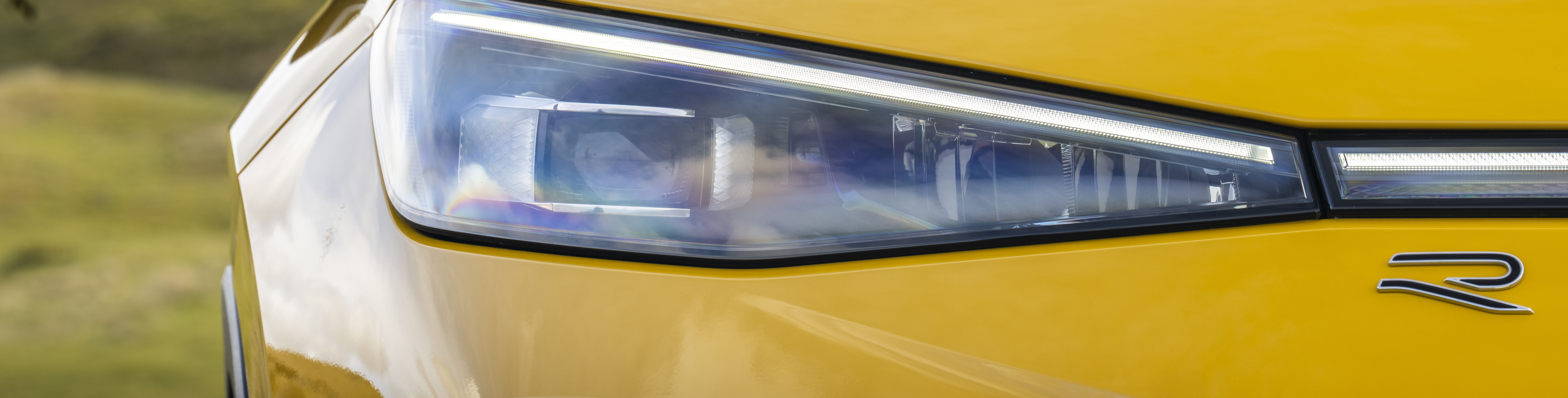
Once you've chosen the make and model of car you want, the next decision is often which trim level to buy. It might not sound as exciting as choosing an engine or colour, but it can have a big impact on how much you pay, what equipment you get and even how desirable the car will be when it's time to sell.
Manufacturers use names like Life, Style, R-Line, S line, Black Edition and SE L to group equipment into different specifications. While those names vary between brands, the principle is always the same: the higher the trim, the more standard equipment your car comes with. And the more you'll pay.
We explain how trim levels work, what the different names mean and which specifications usually represent the best value for money.
What is a car trim level?
A trim level is simply a package of standard equipment fitted to a particular version of a car. Rather than choosing every feature individually, manufacturers group popular options together into different specifications.
As you move up through the range you'll usually gain larger alloy wheels, upgraded infotainment, more advanced driver assistance systems, improved upholstery and extra features such as heated seats or keyless entry.
Most manufacturers follow a similar pattern:
Entry-level models prioritise affordability. They generally include all the essential safety equipment but use smaller wheels, simpler interior materials and fewer luxury features.
Mid-range trims are often the best sellers. They add the equipment most buyers actually want, such as climate control, parking sensors, larger infotainment screens and upgraded interior finishes.
Sporty trims focus mainly on appearance. Models such as Volkswagen R-Line, Audi S line and SEAT FR get larger wheels, sports seats, body styling and darker exterior trim. They don't necessarily have more power than other versions.
Flagship trims include almost every available feature, from premium sound systems and panoramic roofs to matrix LED headlights, ventilated seats and advanced driver assistance technology.
Understanding Volkswagen Group trim levels
Although trim names vary between models, Volkswagen Group cars generally follow a familiar structure across Volkswagen, Audi, Skoda and Cupra.
Volkswagen
Volkswagen's trim levels are designed to offer a clear step from well-equipped everyday models to sportier-looking versions, without making the range overly complicated.
Life is the starting point for most models and comes equipped with LED headlights, digital instruments, smartphone connectivity, adaptive cruise control and a comprehensive range of safety systems.
Match or Style (depending on the model) add many of the features buyers want, including larger alloy wheels, heated seats, keyless entry, upgraded infotainment, parking sensors and a reversing camera. For many buyers, these trims offer the best balance of price and equipment.
R-Line focuses on sporty styling rather than outright performance. It adds larger alloy wheels, sports seats, distinctive bumpers, gloss black detailing and a more aggressive exterior design. The bigger wheels enhance the appearance but can make the ride slightly firmer and replacement tyres more expensive.
On selected models, Black Edition replaces much of the exterior chrome with gloss black trim while adding extra equipment, whereas GTI, GTX and R models sit at the top of the range, combining high-performance engines or electric motors with extensive standard equipment and performance-focused chassis upgrades.
Audi
Audi's trim structure is straightforward.
Sport models offer a good level of standard equipment, a comfortable ride and understated styling, making them a sensible choice for everyday driving.
S line is the most popular trim, adding larger alloy wheels, sports seats, a more aggressive body kit and, on many models, firmer sports suspension. It looks noticeably sharper than Sport, although the bigger wheels can make the ride feel a little firmer.
Black Edition builds on S line by replacing much of the exterior chrome with gloss black detailing. It usually adds larger alloy wheels and extra equipment, giving the car a more distinctive appearance without changing its character.
Vorsprung sits at the top of the range. Equipment varies between models, but it typically includes features such as adaptive air suspension, Matrix LED headlights, panoramic sunroof, premium audio, larger digital displays and the full suite of driver assistance systems. If you want every available luxury and technology feature, Vorsprung is the trim to look for.
Skoda
Skoda has built its reputation on offering generous equipment levels and excellent value for money.
SE Technology is designed with everyday usability in mind, adding features such as satellite navigation, parking sensors and smartphone connectivity without pushing the price too high.
SE L adds a more premium feel with features such as heated seats, upgraded upholstery, larger infotainment screens and extra convenience equipment. For many buyers, it's the sweet spot in the range.
SportLine brings a sharper look with larger alloy wheels, sports seats, black exterior detailing and sportier styling, while usually retaining the same engines as the more comfort-focused trims.
Range-topping models vary depending on the car. Some still use the Laurin & Klement name, while others wear Edition badges. These versions typically include the widest range of luxury, technology and driver assistance features.
SEAT
SEAT models are designed to combine strong value with a more dynamic look and feel than many rivals.
SE models provide a generous level of standard equipment, typically including alloy wheels, air conditioning, smartphone connectivity and driver assistance features.
SE Technology builds on this by adding integrated satellite navigation and upgraded infotainment, making it a popular choice for drivers who cover more miles.
FR is the trim most buyers choose. It adds larger alloy wheels, sports seats, a more distinctive body kit, privacy glass and a sportier cabin while maintaining the everyday comfort that makes SEATs easy to live with.
FR Sport sits above FR, adding larger alloy wheels, extra technology and more premium interior features. Depending on the model, it may also include adaptive suspension, matrix LED headlights or other high-spec equipment.
CUPRA
CUPRA sits above SEAT as Volkswagen Group's performance-focused brand, so even entry-level models come generously equipped.
V1 models include digital instruments, a large touchscreen infotainment system, LED headlights, smartphone connectivity and a comprehensive suite of driver assistance features.
V2 adds many of the features buyers look for, including heated seats, larger alloy wheels and extra convenience equipment. Depending on the model, it may also include a powered tailgate, keyless entry and an upgraded sound system.
VZ is the flagship performance trim. Alongside more powerful petrol engines or electric motors, VZ models typically feature adaptive suspension, larger brakes, sports seats and distinctive styling upgrades. On electric models such as the Born and Tavascan, the VZ badge denotes the highest-performance version.
Is a higher trim level worth it?
Not always. While flagship models come with impressive equipment lists, they also command significantly higher prices. Many buyers discover they rarely use features such as automated parking, heated rear seats or gesture controls.
For that reason, mid-range trims often represent the best value. They usually include the equipment that genuinely improves everyday driving – things like adaptive cruise control, climate control, parking sensors, heated seats and smartphone integration – without upping the price dramatically.
If you're financing your next car, it's also worth comparing monthly payments rather than list prices. Sometimes stepping up one trim level costs surprisingly little each month gaining you thousands of pounds' worth of equipment.
Trim level or optional extras?
If you're considering several optional extras, it's worth checking the next trim level first.
Manufacturers typically bundle equipment together far more cheaply than buying each item individually. By the time you've added larger wheels, heated seats, a reversing camera and keyless entry to an entry-level model, you may find the next trim level offers all those features for less money.
It's also worth remembering that optional extras rarely retain their full value when you sell the car. A panoramic roof or premium sound system may have cost thousands of pounds when new but often adds relatively little to a car's resale value.
Does trim level affect insurance?
It can. Higher trim levels often have a higher list price, larger alloy wheels and, in some cases, more powerful engines. These factors can all influence insurance costs.
However, the difference isn't always significant. In some cases, extra safety equipment fitted to higher-spec models can actually help offset some of the increase. It's always worth getting insurance quotes before deciding which trim to buy.
Which trim level holds its value best?
In many cases, mid-range and sporty trims prove the most desirable on the used market.
Specifications such as Volkswagen R-Line, Audi S line and Skoda SE L are popular because they combine desirable styling with useful equipment. Entry-level cars can be harder to sell if they lack popular features, while flagship models sometimes depreciate faster because relatively few used buyers are willing to pay a premium for every available option.
If you're thinking about future resale value, choosing a trim with desirable everyday equipment rather than expensive luxury extras is often the safest bet.
What this means for you
The best trim level isn't necessarily the most expensive one – it's the one that suits the way you actually use your car.
Think about the features you'll appreciate every day. Heated seats might make winter mornings far more pleasant, while adaptive cruise control could transform long motorway journeys. On the other hand, 20-inch alloy wheels or a panoramic roof may be nice to have but won't matter to everyone.
Take the time to compare specifications carefully and look at the monthly finance cost as well as the list price. Often, spending a little more on the right trim can make your car significantly more enjoyable to own without dramatically increasing your monthly payments.
It is the version of a specific car model. It determines the standard equipment, interior materials, and exterior styling. All cars of the same trim level are built with the same base features.
It is almost always cheaper to move up to a higher trim level. Optional extras are priced individually and rarely add as much value to the car's resale price as a recognised trim level does.
Usually, yes. Higher trims often have larger wheels (which are more expensive to replace) and more expensive technology. They may also be more desirable to thieves, which can nudge the car into a higher insurance group.
The R–Line and GT trims typically hold their value best because they are the most desirable to used car buyers who want the sporty look without the running costs of a performance engine.