25/09/2026
Speeding fines 2026: UK bands, points and penalty calculator

Written By David Ross

If you stay within the set speed limits applicable to different stretches of road, you will not be prosecuted for speeding. That is the simple answer — and we would never recommend exceeding the limit.
In practice, speeding laws can feel more complicated because drivers often ask about camera tolerances, fixed penalties, speed awareness courses, fine bands and how many points they might receive.
The key point is this — driving at even 1mph over the posted limit is an offence. In many such cases, the usual penalty is a £100 fine and three penalty points on your driving licence, although some drivers may be offered a speed awareness course instead.
More serious speeding offences can go to court, where the fine is usually based on income and the speed recorded. The UK government states that such a speeding fine is usually a percentage of weekly income, up to £1000, or £2500 if the offence was on a motorway.
What are the speeding laws?
Speed limits are legal maximums, not minimum targets.
The speed limit depends on the type of road and vehicle, while some local limits may be lower than usual. Built-up areas are often 30mph, but many residential streets now have 20mph limits. Motorways and dual carriageways may be 70mph for cars, unless signs show otherwise.
Driving even slightly above the limit can technically lead to prosecution. In reality, enforcement decisions depend on the circumstances, the police force, the detection method and whether any guidance is applied.
The safest rule is simple — drive no higher the posted speed limit and adjust your speed for road, traffic and weather conditions.
Will I get a ticket for doing 35mph in a 30mph zone?
Possibly, but there is no guaranteed safe margin above the speed limit.
Some police forces use enforcement guidance that allows a small tolerance, often described as 10% of the speed limit plus 2mph, but this is not a legal allowance. It is guidance and it does not give drivers permission to exceed the limit, which means 35mph in a 30mph zone may be enforced. You could receive a Notice of Intended Prosecution, a fixed penalty, an offer of a speed awareness course, or a court summons depending on the circumstances.
If you are driving at 30mph in a 30mph limit, you should not be prosecuted for speeding. Once you move above the limit, the risk increases.
How much over 30mph is allowed in the UK?
Legally, you can't. You may hear people say that you are 'allowed' the 10% plus 2mph, but it's misleading. There is no legal right to drive above the posted speed limit.
The 10% plus 2mph figure is enforcement guidance, not a defence. A police force can still take action against drivers going 1mph over the limit if it considers it appropriate.
It is also worth thinking about whether there are any real benefits to speeding. Doing so saves very little time, but significanty increases the risk of a fine, points and a higher insurance premium.
What are the penalties for speeding?
The usual minimum penalty for speeding is a £100 fine and three penalty points. The police say drivers will normally be sent a conditional offer of a fixed penalty with a £100 fine and three penalty points, although they may be eligible for a driver retraining course instead.
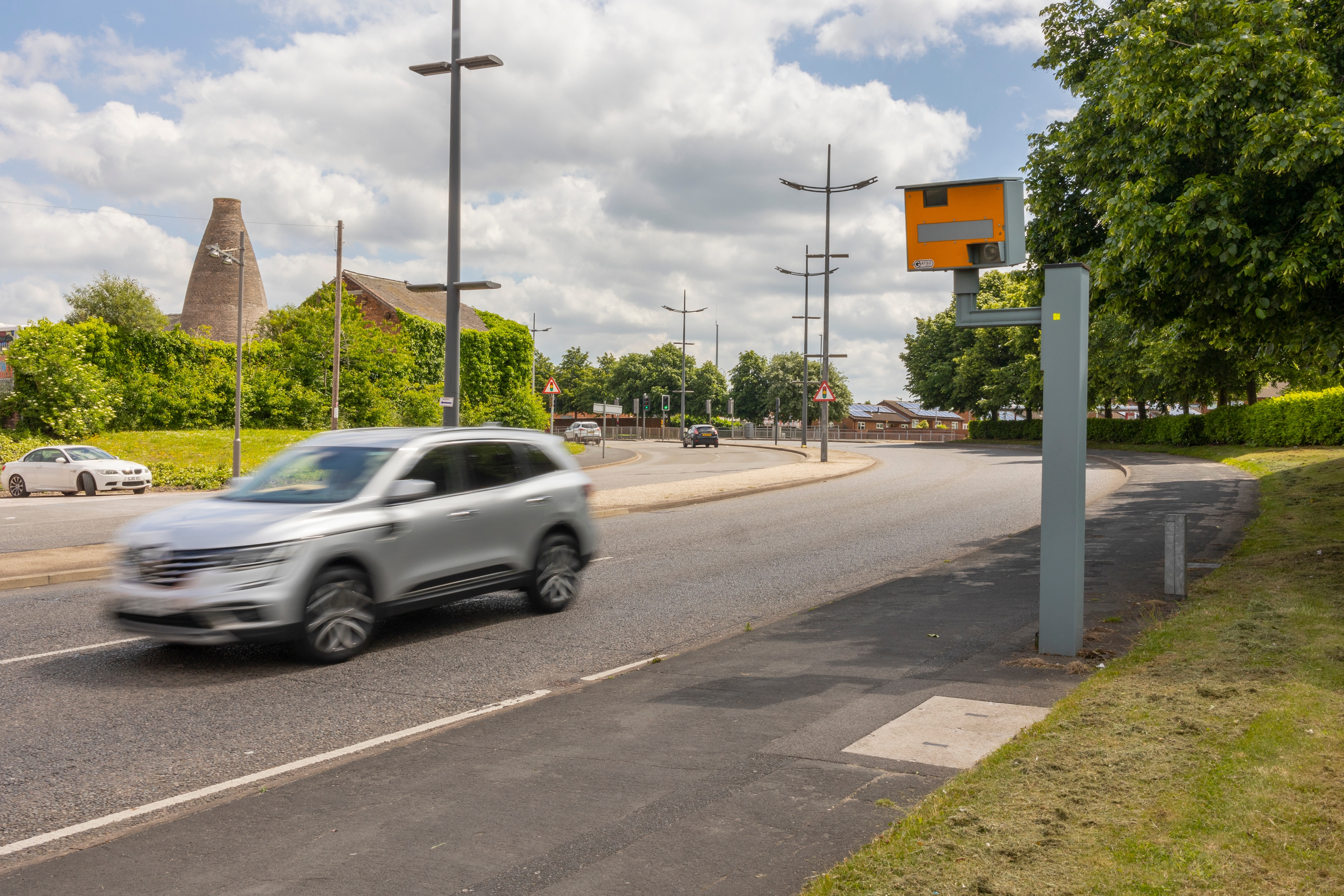
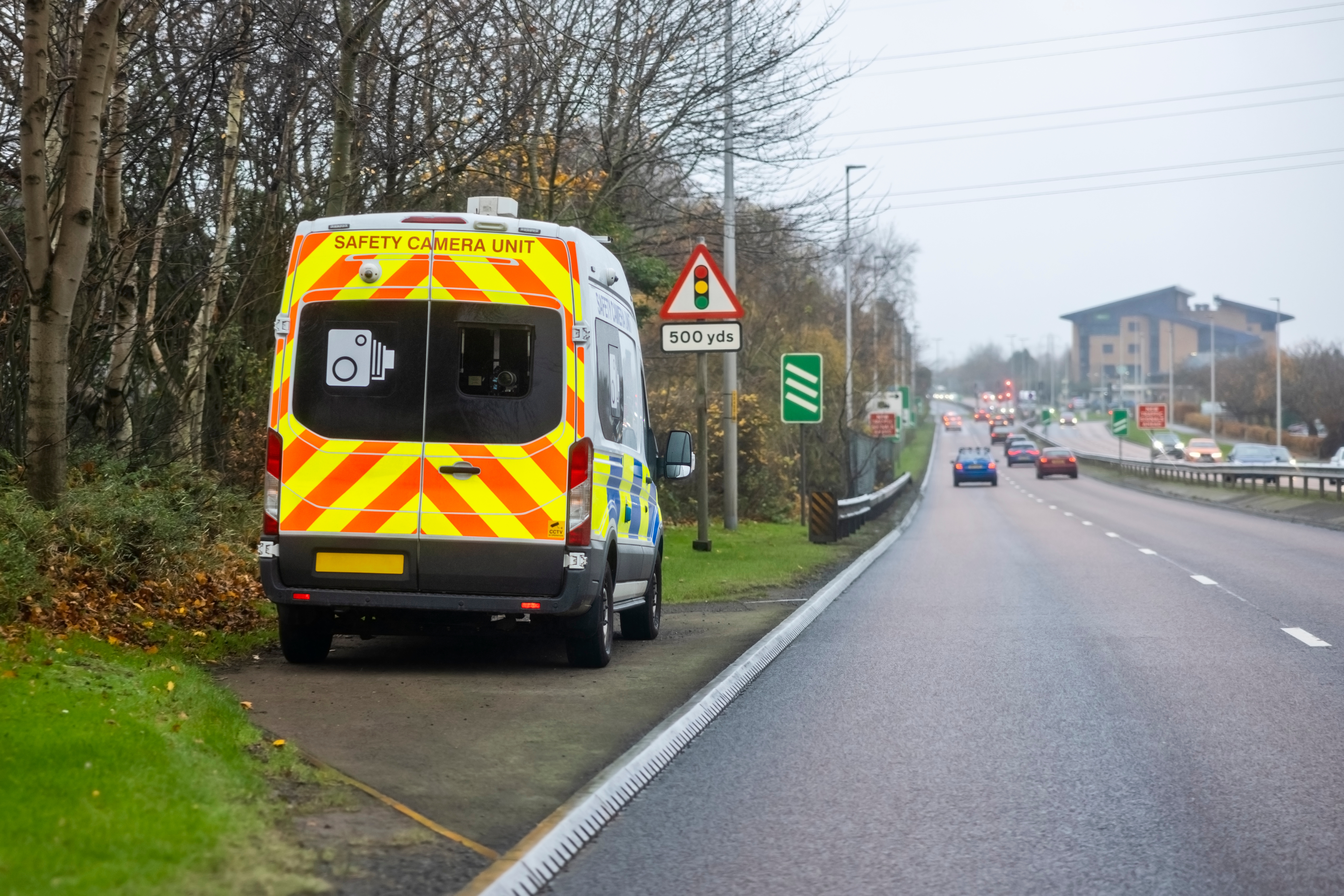
For lower-level offences, you may receive a Fixed Penalty Notice. This can be issued after a speed camera activation or after being stopped by police.
You may be offered:
A speed awareness course
A fixed penalty of £100 and three points
Prosecution in court for a more serious offence
You will not normally get to choose freely between these — the police decide whether a course or fixed penalty is appropriate.
If you accept a fixed penalty, you admit the offence, pay the fine and receive the points. If you reject it, ignore it or plead not guilty, the matter may go to court.
What is a speed awareness course?
A speed awareness course may be offered instead of points and a fixed penalty for some lower-level speeding offences.
It is not automatic right — whether you are offered one can depend on the speed you were driving, the police force, the circumstances and whether you have recently taken a similar course.
The course usually costs a similar amount to the fine, but the main benefit is that you do not receive penalty points. You should still check your insurance policy wording, because insurers may ask different questions about motoring offences, points and driver retraining courses.
A course is not a way of avoiding responsibility. It is intended to improve driver awareness and reduce the chance of repeat offences.
What if I plead not guilty to a fixed penalty notice?
If you plead not guilty or do not accept the fixed penalty, the case can go to court.
That may be the right route if you genuinely have evidence that you were not speeding, the vehicle was not yours at the time of the offence, the signage was wrong or there has been an administrative error. It should not be treated as a low-risk way to avoid points.
If the court finds you guilty, you may receive a higher fine, more points or even a disqualification. If you plead not guilty and the court decides otherwise, you can be fined more and receive more penalty points.
UK speeding fine bands in 2026
If a speeding offence goes to court, magistrates use sentencing guidelines. These group speeding offences into Bands A B and C, depending on the limit and the recorded speed.
20mph limit
21-30mph: 3 points plus 25-75% of relevant weekly income fine
31-40mph: 4-6 points or 7-28 days disqualification plus 75-125% of relevant weekly income fine
41mph or over: 6 points or 7-56 days disqualification plus 125-175% of relevant weekly income fine
30mph limit
31-40mph: 3 points plus 25-75% of relevant weekly income fine
41-50mph: 4-6 points or 7-28 days disqualification plus 75-125% of relevant weekly income fine
51mph or over: 6 points or 7-56 days disqualification plus 125-175% of relevant weekly income fine
40mph limit
41-55mph: 3 points plus 25-75% of relevant weekly income fine
56-65mph: 4-6 points or 7-28 days disqualification plus 75-125% of relevant weekly income fine
66mph or over: 6 points or 7-56 days disqualification plus 125-175% of relevant weekly income fine
50mph limit
51-65mph: 3 points plus 25-75% of relevant weekly income fine
66-75mph: 4-6 points or 7-28 days disqualification plus 75-125% of relevant weekly income fine
76mph or over: 6 points or 7-56 days disqualification plus 125-175% of relevant weekly income fine
60mph limit
61-80mph: 3 points plus 25-75% of relevant weekly income fine
81-90mph: 4-6 points or 7-28 days disqualification plus 75-125% of relevant weekly income fine
91mph or over: 6 points or 7-56 days disqualification plus 125-175% of relevant weekly income fine
70mph limit
71-90mph: 3 points plus 25-75% of relevant weekly income fine
91-100mph: 4-6 points or 7-28 days disqualification plus 75-125% of relevant weekly income fine
101mph or over: 6 points or 7-56 days disqualification plus 125-175% of relevant weekly income fine
The court can also consider aggravating and mitigating factors.
Aggravating factors
Aggravating factors can make the offence more serious. These may include:
Poor road or weather conditions
High traffic or pedestrian levels
Driving near a school
Driving an LGV or HGV
Towing a caravan or trailer
Carrying passengers or a heavy load
Driving for hire or reward
Evidence of poor driving beyond speed alone
Committing the offence while already on licence or post-sentence supervision
In more serious cases, aggravating factors can push the fine into a higher band.
Mitigating factors
Mitigating factors may reduce the penalty. These can include:
No previous convictions
No relevant or recent convictions
Good character
Evidence of a genuine emergency
Mitigation does not mean the offence disappears. It simply gives the court context when deciding a sentence.
How long do points stay on your licence?
Speeding endorsements normally stay on your driving record for four years, but are usually valid for the first three years for totting-up purposes. Endorsements stay on your driving record for four to 11 years depending on the offence, while a four-year endorsement is usually active for the first three years.
Insurance is a separate issue. Many insurers ask whether you have had any motoring convictions, penalty points or disqualifications in the last five years. Answer those questions honestly, even if the points are no longer active for totting-up.
If you build up 12 or more penalty points within three years, you can be disqualified under the totting-up rules.
What happens if I am not given a fixed penalty notice?
If the offence is too serious for a fixed penalty, you may have to go to court. This is more likely for higher speeds, repeat offences, cases involving poor driving or situations where the police believe a fixed penalty is not appropriate.
At court, you will usually have the opportunity to plead guilty or not guilty. You may also be able to provide mitigation, such as a genuine emergency, the effect of a ban on your work or family or evidence of otherwise good driving.
For very high speeds, magistrates can impose a driving ban. They can also impose a longer disqualification if the speed is considered grossly excessive. If you are facing a possible ban or a serious speeding allegation, consider getting legal advice.
What happens with company car speeding fines?
If a speed camera records a company car speeding, the Notice of Intended Prosecution usually goes first to the registered keeper. That may be the employer, leasing company or fleet provider.
The registered keeper must identify who was driving. The notice may then be sent to the driver.
If you drive a company car, do not ignore paperwork passed to you by your employer or fleet department. There are strict deadlines for responding and failing to identify the driver can lead to a separate offence.
If you are not sure who was driving at the time, check diaries, job records, fuel receipts, telematics, parking records and any other evidence quickly.
What if I am not guilty of speeding?
If you believe you were not guilty, you can challenge the allegation, but you need evidence. Possible reasons may include:
The vehicle was not yours
You were not driving
The recorded speed is wrong
Signs were missing or incorrect
The speed limit was not legally enforceable
There has been an administrative error
There were exceptional circumstances
Do not plead not guilty simply because you hope the case will be dropped. If you lose, the penalty may be worse than accepting the fixed penalty at the start.
A good challenge should be based on clear evidence, not guesswork. If the case is serious, get legal advice before deciding how to respond.
What this means for you
The safest way to avoid a speeding fine is to stay within the limit.
If you are caught, the outcome depends on the speed, the limit, the circumstances and your driving record. Many lower-level offences are dealt with by a £100 fixed penalty and three points, or sometimes a speed awareness course. More serious offences can go to court, where fines are linked to income and a ban may be possible.
Do not rely on the idea that you are allowed 10% plus 2mph. It is guidance, not a legal defence. If you receive a notice, read it carefully, respond within the deadline and get advice if you are unsure.