20/07/2026
What is a DPF? All you need to know

Written By Andrew Brady
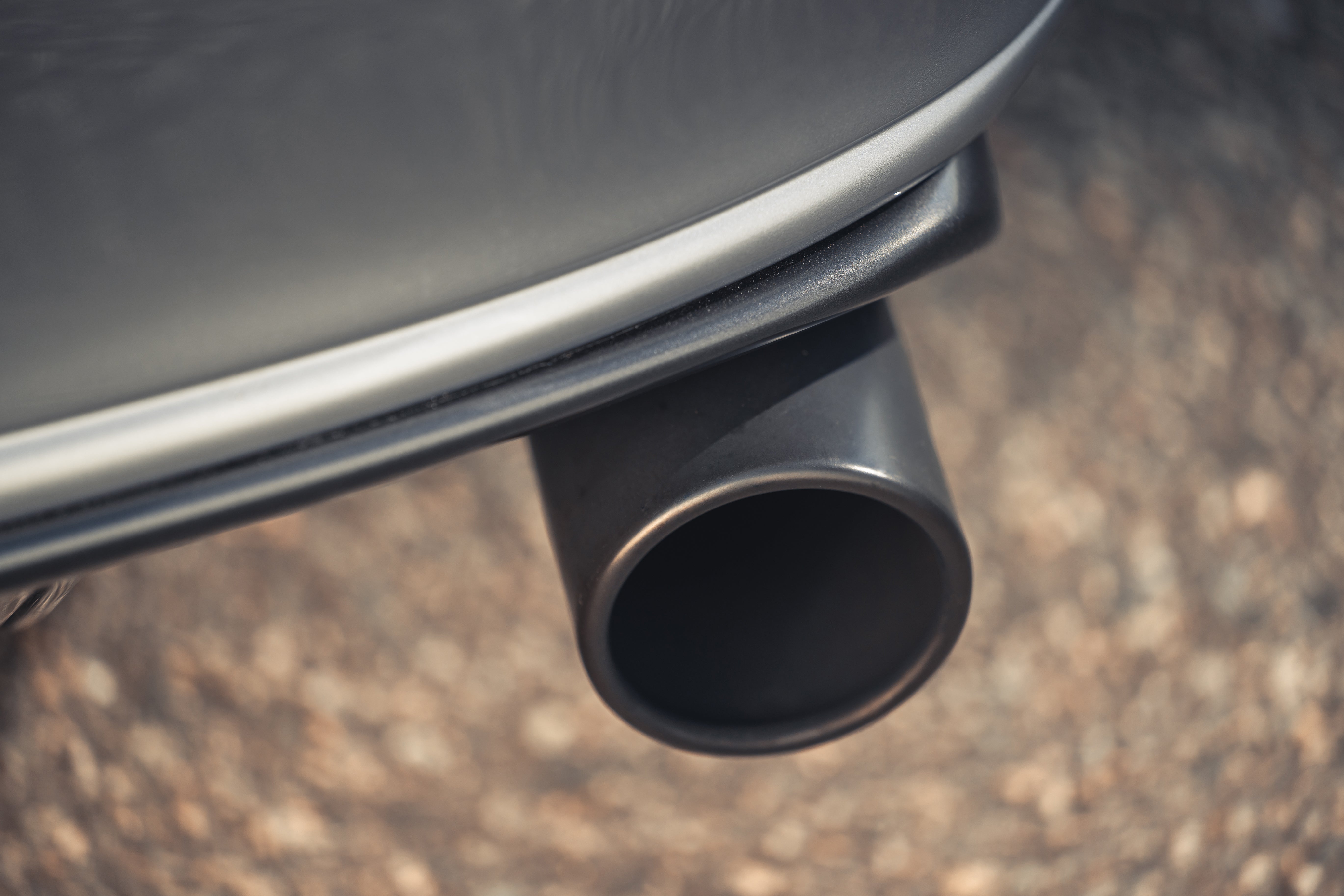
Diesel particulate filters – or DPFs, for short – capture all manner of nastiness in those cars exhaust systems, preventing them from being pumped into the atomosphere and contributing to respiratory illnesses. While making diesel engines run more cleanly, they can also cause problems if you're a low-mileage driver, with DPFs being expensive to repair or replace.
Our DPF guide helps you figure out if your car has one, how it works and how to look after it in such a way as it prevent it becoming problematic.
What is a DPF?
A diesel particulate filter is a component in the exhaust system of a modern diesel-engined car, that's designed to filter out harmful soot.
Diesel engines produce a lot of it when they burn fuel and it's this soot which is known as particulate matter. It’s a very fine substance that can cause serious breathing-related health problems.
The job of the DPF is to filter out and store this soot in order to reduce particulate emissions from diesel cars. Because they have a limited capacity for storing it, the collected soot is regularly burned off to empty the DPF.
If the soot blocks the DPF it can stop the engine from running and leave you with a hefty repair bill for either cleaning or replacing the device. It's no surprise we get some many questions from readers about DPFs, especially if they're thinking about buying a diesel car.
Does my car have a DPF?
If it's a diesel car that was built since September 2009 then it will have a DPF. They were necessary in order to ensure that they meet the Euro 5 emissions standard introduced at that point, but as is frequently the case, many cars had them fitted long before they were mandated.
What does a DPF actually do?
The job of the DPF is to filter and store soot from diesel engines. Rather than waiting for a service during which the collected soot can be emptied out, it's burned off at high temperatures to prevent blockage, leaving a residue of less harmful ash in a process is known as DPF regeneration.
Regeneration burns away the excess soot in the filter, reducing harmful exhaust emissions and helps to prevent the black plumes of smoke you sometimes see from older diesel vehicles when they accelerate. There are two types of regeneration – active and passive.
How do I know when my DPF is blocked?
If your DPF is close to being blocked up with soot, a warning light will flash up on your dashboard – that’s your cue to take your car for a long, fast drive so the DPF can burn off soot before it becomes permanently blocked.
Diesels which are used for lots of short, low-speed journeys often suffer from blocked DPFs, which have to be unblocked manually or even replaced entirely.
What is passive DPF regeneration?
This takes place while driving, using the heat of the exhaust. Doing this on a regular basis is enough to burn off the soot and turn it to ash. However, it requires the temperatures created when a car is running at speed for a sustained period of time.
To make sure that the regeneration takes place, it's advised that diesels are driven for a good 30 to 45 minutes at a steady motorway speed.
However, passive generation isn't always possible, for instance if you sit in lots of traffic, forcing car manufacturers to develop active DPF regeneration.
What is active DPF regeneration?
This works by injecting extra fuel in order to increase the temperature of the exhaust gases and burn off the soot in the DPF. It still requires a journey of a reasonable length though – around 10 minutes at 40mph or more is the suggested time.
How do I know if my DPF is regenerating?
When the DPF is regenerating you may notice the the cooling fans running and slightly higher fuel consumption. The tell-tale sign for many is a hot and unusual smell coming from underneath the car. The engine idle speed can also be higher than usual.
Your car will likely have a stop-start system that operates when driving in slow-moving urban traffic, This is deactivated during DPF regeneration.
How do I keep my DPF in good condition?
Going for regular, 30-minute motorway-speed drives is a fail-safe way of keeping your DPF filter in good condition, but there are some other tricks.
One of those is making sure your car isn't always running with barely any fuel in the tank. Some systems won’t regenerate their DPFs if their fuel is low because it burns more diesel, so even if you are on the motorway, your soot won't be won’t be removed.
Another tip is to make sure you use the oil recommended by your car’s manufacturer, the wrong stuff could contain additives that damage your car’s DPF.
How do I prevent my DPF from clogging up?
You need to ensure your DPF regenerates in order to stop it clogging up with soot. That means driving it a sustained speed for 30 minutes or more. How often you should do this depends on the kind of driving you're doing but if you sit in a lot of traffic, a good motorway or dual-carriageway run at 60mph once a week will burn it off.
Active regeneration will be initiated every 300 miles or so depending on how you use your car and will take around 5 to 10 minutes to complete.
What happens if you ignore a DPF warning light?
If driving at a sustained speed in order to burn the excess soot off isn't enough to clean the DPF, you may been to visit a garage. Ignoring the DPF warning light will casuse the car to go into limp mode to prevent further engine damage.
How much does it cost to manually clean a DPF?
If your DPF becomes permanently blocked all is not lost, places like Halfords can carry out forced regeneration which – for around £85 – clears your DPF by injecting it with cleaning agents. Or you can pay for a more expensive overnight deep soak.
Other companies like Terraclean offer preventative maintenance priced from £110 (for engines under 2.0-litre) to £130 (engines over 2.0-litre) which helps your car burn off soot at lower temperatures to stop the DPF getting blocked in the first place.
How much does a replacement DPF cost?
If you don't maintain the DPF properly, excess soot can damaged the DPF beyond repair. If this is the case, it has to be replaced – and they're very expensive. A new DPF can cost anywhere from £1000 up to £3500. There are DPF suppliers that charge less, but make sure they have the correct Type Approval or they may not work properly and end up costing you more in repairs.
How long should a DPF last?
A DPF can last up to around 100,000 miles if maintained properly. After the car has exceeded that mileage, you could be looking at paying a large amount of money for a replacement – so always properly check MoT and service records when buying a used car. Otherwise, you could end up forking out for unexpected repairs on high mileage diesels.
Can I remove the DPF?
No – it is illegal to drive a car that was designed to have a DPF without one fitted. This is because should you remove it, your car no longer meets its emissions standards. Owners face fines of up to £1000 for cars and £2500 for vans if caught. Removing a DPF can also invalidate your car insurance policy.
From February 2014, checking the presence of a DPF became part of the MoT test procedure. All cars that are designed to have a DPF now get inspected for one. If it’s missing it will mean an immediate failure.
Is a DPF covered under warranty?
Most manufacturers' warranties don't cover the cost of DPF replacement if the fault is deemed to have been caused by the owner's driving style. Given that a replacement DPF costs around £1000 it's not hard to see why manufacturer's aren't keen to cover them.
There are lots of factors in the lifespan of a DPF such as the annual mileage of the car, the oil used and what manufacturer's would call 'the driving style' of the owner. We are yet to hear of anyone being able to get a DPF replaced under warranty.
Your car will be fitted with a DPF if it's a diesel sold after September 2009. DPFs burn the harmful soot produced by diesel engines and became mandatory with the introduction of Euro 5 emissions standards. That said, some older cars will also have a DPF fitted.
All new diesels have a DPF fitted, plus a handful of older pre-September 2009 models also have them. Soot spewing of a diesel car's exhaust is the telltale sign it doesn't have a DPF.
To stop your DPF from clogging, bring your car’s engine up to temperature and then drive it on the motorway at a steady pace allowing the engine to rev at 2000rpm or above. The heat generated will put the DPF into its regenerative cycle so that it burns off the soot it has stored.