28/09/2026
Winter tyres 2026 guide: are they worth it in the UK?

Written By David Ross

Winter tyres can be worth it in the UK if you regularly drive in cold, wet, icy or snowy conditions, especially on rural roads, hills or untreated surfaces.
They are not mandatory in the UK — and many drivers manage fine on good quality summer or all-season tyres — but if you need to keep driving through cold weather, winter tyres offer better grip and braking performance in low temperatures than conventional summer tyres do.
The decision depends on where you live, when you drive, the type of car you own and whether you have space to store a second set of tyres. For many UK drivers, all-season tyres are an easier compromise. For those in colder, more exposed or rural areas, a proper winter tyre can still make sense.
What are winter tyres?
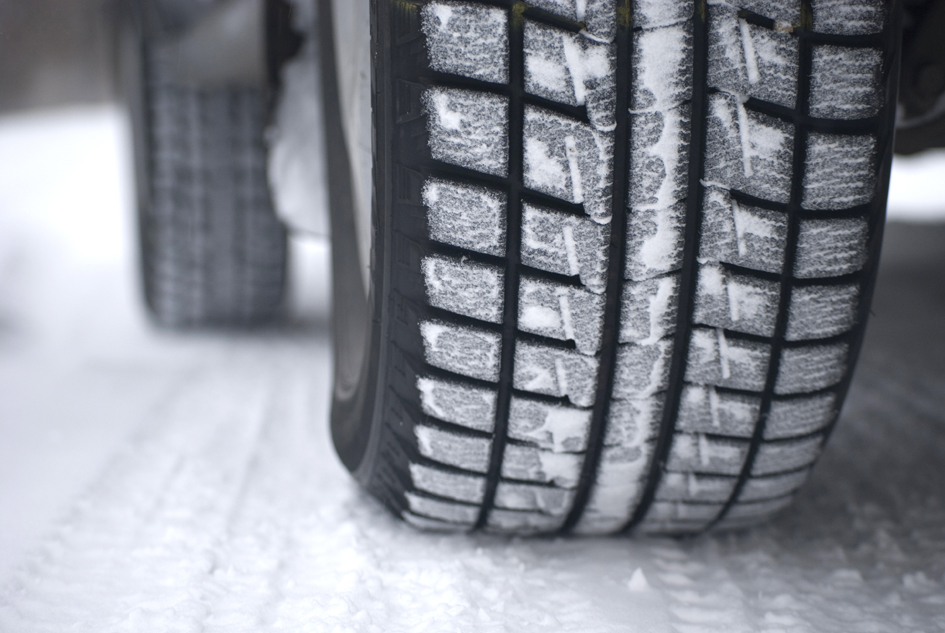
Winter tyres are tyres designed to work better in cold weather. They use a different rubber compound from summer tyres, with more silica to help the rubber stay flexible at low temperatures. They also have extra grooves in the tread, called sipes, which help the tyre grip cold, wet, icy or snowy surfaces.
That does not mean winter tyres are only for deep snow. They are designed for cold weather generally, especially at temperatures of 7 degrees Celsius and below.
Do not confuse winter tyres with aggressive, off-road mud tyres. Winter tyres are designed for normal road use in cold conditions, while mud-terrain tyres are aimed specifically at off-road use.
Do I need winter tyres?
You may benefit from winter tyres if you:
Live in a rural or hilly area
Drive early in the morning or late at night
Use untreated roads
Cannot avoid driving in bad weather
Regularly travel through exposed areas
Rrive a rear-wheel-drive car in winter
Tow in cold weather
Drive to ski resorts or in countries with winter tyre laws
You may not need winter tyres if you:
Mainly drive in towns or cities
Can avoid driving in snowy and icy conditions
Cover low mileages
Already have good all-season tyres fitted to your car
Do not have space to store another set of tyres
Are happy to delay journeys during severe weather
Winter tyres are most useful when they let you stop, steer and pull away more safely in conditions where normal summer tyres struggle.
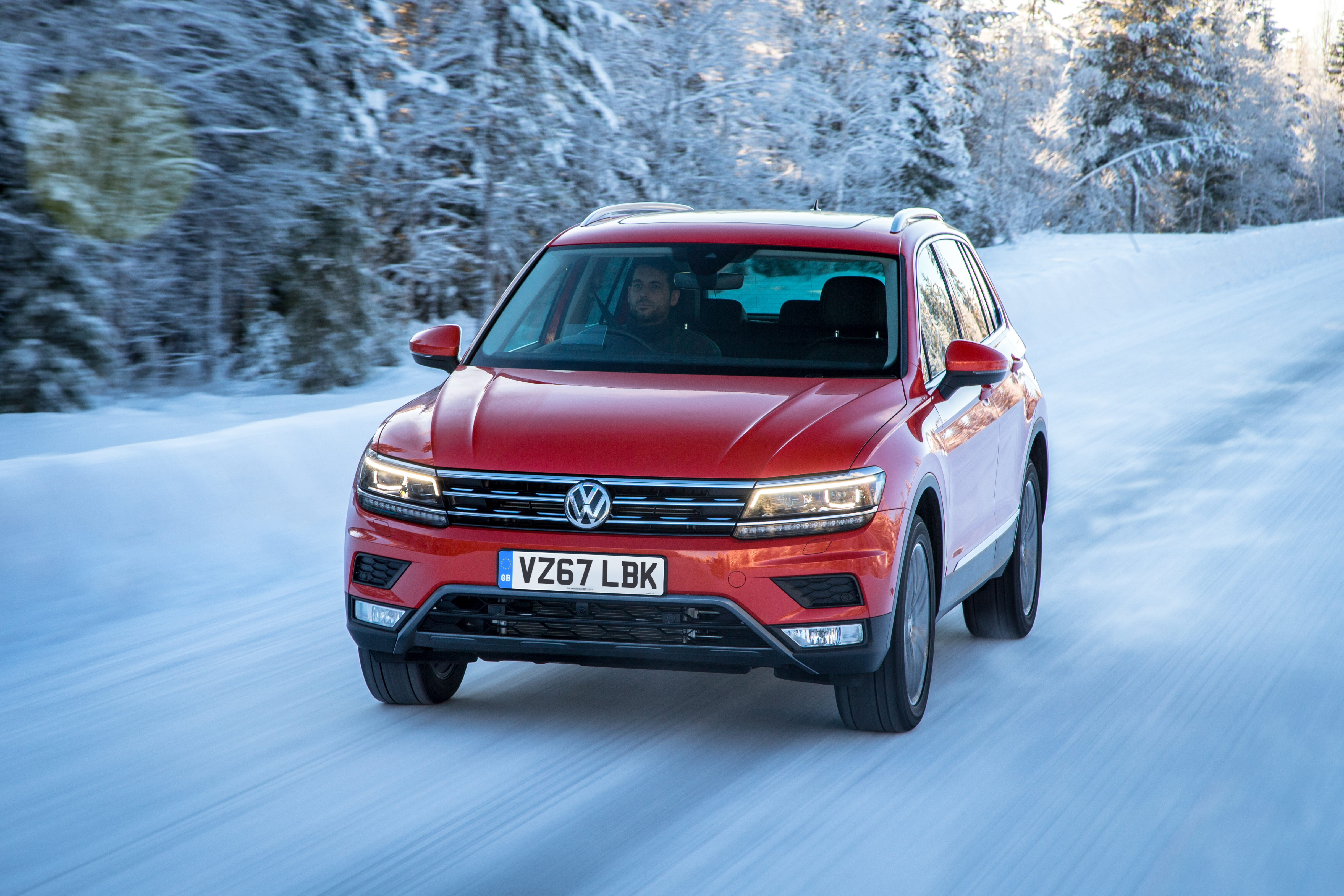
Winter tyres versus summer tyres: what is the difference?
Summer tyres are the standard fitment on most UK cars and will likely be the deault tyre type when buying replacements and you don't specifically request winter rubber. They are designed for mild and warm weather, with a tread pattern and rubber compound that works well in temperature conditions the UK experiences most of the year round.
Winter tyres are designed for colder weather. Their softer compound and extra sipes — or surface grooves — help them keep grip when temperatures fall.
The main differences are:
winter tyres stay more flexible in cold weather
winter tyres usually have more tread grooves and sipes
winter tyres are better in snow, slush and cold wet conditions
summer tyres tend to feel sharper and quieter in warm weather
summer tyres usually wear better in higher temperatures
winter tyres can feel less precise in warm conditions
All-season tyres sit between the two. They are not usually as strong as a dedicated winter tyre in snow, or as sharp as a summer tyre in warm weather, but they can be a good UK compromise.
How do winter tyres work?
Winter tyres work by keeping the tread softer and more flexible in cold weather — the rubber compound is designed to stay pliable at low temperatures. The tread blocks can move and grip the road surface more effectively, while the sipes help bite into snow and disperse water and slush.
This improves:
Braking
Traction
Cornering grip
Steering control
Ability to pull away on slippery surfaces
You should fit always winter tyres as a set of four — fitting only two can make the car unstable because one axle will have much more grip than the other.
For example, fitting winter tyres only to the front of a front-wheel-drive car may help it pull away, but the rear could still slide under braking or cornering. Fitting them only to the back of rear-wheel drive cars will also upset the car’s balance.
How much do winter tyres cost?
Winter tyre prices depend on size, brand, load rating, speed rating and whether fitting is included. As a broad guide, winter tyres for a car with 16-inch wheels may cost around £125 each, while large SUV tyres on 21-inch wheels can be around £250 each or more.
Smaller cars are usually cheaper to fit with winter tyres because the tyres are smaller and have lower load and speed ratings. Large SUVs, electric cars and performance cars can be much more expensive. You may also need to budget for:
Fitting and balancing
Tyre storage
A second set of wheels
Tyre pressure monitoring sensors
Seasonal changeover costs
The cost is partly offset by the fact that your summer tyres are not wearing while the winter tyres are fitted. Over several years, two tyre sets share the mileage.
When should I fit winter tyres?
A common rule of thumb is to fit winter tyres when temperatures are consistently around 7 degrees Celsius or below. In the UK, that often means late autumn into winter, depending on where you live. Many drivers who use winter tyres fit them around October or November and switch back around March or April.
Do not wait until snow is forecast. Tyre fitters can get busy when bad weather arrives and winter tyres are useful in cold, wet weather, not just snow.
Can I use winter tyres all year round?
You can use winter tyres all year round, but it is not ideal. Winter tyres are designed for cold conditions. In warm weather they can wear faster, feel less precise and may not brake as well as a good summer tyre on warm dry roads.
That does not mean they become unsafe the moment spring arrives. They can cope with mild weather, but they are not the best choice for a full UK summer. If you do not want to swap tyres twice a year, all-season tyres may be a better compromise.
Will I need another set of wheels for winter tyres?
You do not always need another set of wheels, but it can make life easier. Some drivers fit winter tyres to their existing wheels and swap the tyres twice a year. Others buy a second set of smaller wheels with winter tyres already fitted. This can reduce changeover costs and avoids repeated tyre removal from the same wheels.
A smaller winter wheel can also make sense if your car has large alloy wheels and low-profile summer tyres. Winter tyres with a taller sidewall may improve comfort and reduce the risk of pothole damage.
Before changing wheel size, check:
Whether the wheel and tyre package is approved for your car
Brake clearance
Tyre size approval
Load and speed rating
TPMS compatibility
Insurance requirements
Many Volkswagen, Audi, Škoda, SEAT and CUPRA models can use manufacturer-approved alternative winter wheel and tyre packages, but the correct size depends on the model, trim and brake setup.
Will winter tyres affect my car’s economy and performance?
Winter tyres can slightly affect economy, noise and steering feel, but the difference depends on the tyre and car. If you fit a smaller wheel with a taller sidewalled winter tyre, the rolling circumference should remain close to the original size. That means the speedometer and gearing should work as intended.
You may notice:
Slightly softer steering response
More road noise from some winter tyres
Slightly inferior fuel economy or electric driving range
Better traction in cold conditions
Improved ride comfort on smaller wheels
In winter weather, the grip benefit is usually more important than any small difference in economy or feel.
Do I need to tell my insurance company?
It is sensible to check your insurer’s position before fitting winter tyres.
The Association of British Insurers (ABI) says most insurers do not charge extra for winter tyres, provided they are roadworthy and fitted according to the manufacturer’s instructions. It also says drivers should not be charged an administration fee in most cases, although they should check with their insurer.
The key is that the tyres and wheels must be suitable for the car. Use the correct size, load rating and speed rating and make sure any wheel change is declared if your insurer treats it as a modification. If you are unsure, ask the insurer to confirm in writing.
What is the law on winter tyres in the UK?
Winter tyres are not mandatory in the UK — you can use summer, winter or all-season tyres, provided they are legal, suitable for the vehicle and in safe condition. The Highway Code says cars and light vans must have at least 1.6mm of depth across the central three-quarters of the tyre tread around its entire circumference.
The tyres must also be correctly inflated, free from dangerous damage and appropriate for the car’s load and speed requirements. Although winter tyres are optional in the UK, you are still responsible for driving safely for the conditions. If your tyres are legal but unsuitable for the weather, you could still lose control.
Can you pass an MOT with winter tyres?
Yes, you can pass an MOT with winter tyres.
Winter tyres are legal for UK road use as long as they meet the same basic requirements as any other tyre. They must be the right size and type for the vehicle, have at least the legal tread depth, be free from serious cuts, bulges or exposed cords and be fitted correctly.
An MOT tester does not fail a car simply because it has winter tyres fitted. However, the car could fail if:
The tyres are below the legal tread depth
The tyres are damaged
The wrong size is fitted
Tyres are mixed in an unsafe way
The load or speed rating is unsuitable
Tyre pressure monitoring system faults are present where applicable
Are winter tyres mandatory in Europe?
Winter tyre rules vary across Europe. Some countries require winter tyres during certain dates. Others require them only when weather conditions demand it or on roads marked by signs. Snow chains may also be required in specific mountain areas.
For example, Germany requires suitable tyres in wintry conditions such as black ice, packed snow, slush, ice or slippery frost. The German Embassy in the UK states that cars and motorcycles need winter tyres or all-season tyres in such conditions.
Austria requires cars and vans up to 3.5 tonnes to be winter-equipped for driving conditions between 1 November and 15 April. That can mean winter tyres on all wheels or snow chains on at least two driven wheels where permitted.
If you are driving abroad in winter, check the current rules for each country and region you will visit before travelling. Do not rely on UK rules once you cross into Europe.
Are there alternatives to winter tyres?
Yes. The main alternatives are all-season tyres, snow socks and snow chains.
All-season tyres
Also called cross-climate, all-season tyres are the most convenient alternative for many UK drivers. They are designed to work across a broader range of temperatures and conditions than summer tyres, while avoiding the need for seasonal tyre changes.
Snow socks
Snow socks are fabric covers that fit over the driven wheels to provide extra traction on snow. They can be useful for short distances in snow, especially if you only occasionally need extra grip. They must be removed once you reach clear or gritted roads, because they wear quickly on tarmac.
Check that the socks fit your tyre size and that there is enough clearance around the wheel arch and suspension.
Snow chains
Snow chains provide strong traction in heavy snow and are more common in mountain regions than in the UK. They should be used only where conditions allow, usually on snow-covered roads. Driving on clear tarmac with chains can damage the road, the chains and the car.
If you are driving to European ski resorts, check whether chains are required or recommended for your route. Make sure they fit your tyre size and practise fitting them before you travel.
How to drive in snow
Before driving in snow, ask yourself whether the journey is really necessary. If you can delay it, work from home or use another option, that may be safer.
If you do need to drive, plan the journey carefully and allow much more time than usual.
Planning your journey carefully
Use main roads where possible. They are more likely to have been gritted and used by other traffic.
Avoid steep hills, exposed roads and untreated lanes if you can, but remember that a gritted road is not guaranteed to be ice-free, especially in very low temperatures or where there is little traffic to work the salt into the surface. Check weather forecasts, traffic reports and road closures before setting off.
Preparing the car
Clear all snow and ice from the car before driving. Make sure you clear the:
Windscreen
Side windows
Rear window
Door mirrors
Roof
Bonnet
Lights
Number plates
Sensors and cameras
Snow left on the roof can slide onto the windscreen or fall into the path of other road users. Use dipped headlights in poor visibility — do not rely only on daytime running lights, because they may not illuminate the rear lights.
Don't turn on fog lights — unless it truly is foggy enough to warrant them — as the bright, low light reflects off snow-covered surfaces, potentially dazzling other road users.
Make sure you have enough fuel or battery charge — if you are delayed or stuck, you may need heating, lights and other systems for longer than planned. It is also sensible to also carry:
Warm clothing
Gloves
Sturdy shoes or boots
A phone charging cable
Water
Snacks
A torch
An ice scraper
De-icer
A shovel
A blanket
A warning triangle, where safe and legal to use
Controlling the car in snowy conditions
Drive gently — use smooth steering, braking and acceleration inputs as sudden, jerkier movements can cause the tyres to lose grip.
When pulling away, use gentle throttle. In a manual car, second or even third gear may help reduce wheelspin. Many automatic, hybrid and electric cars have winter or snow modes that soften throttle response and improve traction in such conditions.
Look well ahead and keep a much larger gap than usual as braking distances increase dramatically on snow and ice. Slow down well before bends, not during them., while on downhill sections, reduce speed before the descent. On uphill sections, try to keep steady momentum without sudden acceleration or braking.
If the car starts to skid, ease off the accelerator and steer gently in the direction you want the car to go. Avoid harsh braking unless there is no alternative.
What to do if you break down or have an accident
If you break down in snow, try to stop somewhere safe and visible. Use hazard lights if appropriate and call your breakdown provider or emergency services if you are in a potentially dangerous spot. Give as accurate a location as possible — landmarks, road numbers, mile markers and phone mapping apps can help.
If the car is in a dangerous position, such as on a blind bend or at risk of being hit, it may be safer to leave the vehicle and move to a safe place away from traffic, regardless of how cold it is. Do not stand between vehicles or behind your car on a live road.
Four-wheel drive does not make you invincible
Four-wheel drive can help you pull away and maintain traction, but it does not make the car stop more quickly. A heavy SUV on summer tyres can still struggle badly on snow and ice. A small front-wheel-drive hatchback on winter tyres may have better grip in winter conditions.
Tyres matter more than many drivers realise — four-wheel drive may help you go, but winter tyres help you go, steer and stop.
What this means for you
Winter tyres are not essential for every UK driver, but they can be a worthwhile safety upgrade if you regularly drive in cold, wet, icy or snowy conditions.
If you live in a city and can avoid severe weather, good summer tyres or all-season tyres may be enough. If you live rurally, drive early, travel long distances or rely on your car whatever the weather, winter tyres can make a real difference.
Buy the correct size and rating, fit four tyres, check your insurance position and switch back when warmer weather returns. If you drive abroad in winter, check the local rules before you travel.
No, they aren't. What UK law requires for tyres is that they are of the correct load and speed ratings for the car, free from damage, cuts and cracks plus that they have at least 1.6mm of tread depth across 75% of the tyre width around 100% of its circumference. That applies to summer, winter and all-season tyres.
Winter tyres are a legal requirement in many continental European countries over the colder months, so if you are planning to drive within their borders ensure you know what the local laws are. Driving a UK-registered car does not excuse you from complying with each nation's tyre laws.
Not at all — they are designed to increase grip in temperatures of 7 degrees Celsius and lower, particularly in wet, icy and slushy conditions, so will improve acceleration, cornering and braking.
In other words, they are likely to make driving safer from October/November through to March/April.
Winter tyres will improve traction, cornering and braking in colder temperatures regardless of how many wheels are driven on the car in question. A two-wheel drive car fitted with winter tyres is less likely to struggle in slippery conditions than a four-wheel drive model on conventional summer tyres.
That's down to extra rubber protrusions on the tread surface of winter tyres called sipes. Whereas the tread block surface on summer tyres is smooth, winter tyres' sipes — which are additional ribs and grooves — help bite through wet and slippery coatings to reach the road surface beneath.
In such conditions — and across rougher asphalt — any extra noise created by the winter tyres is less likely to be noticed, but when it's dry and the road surface is smooth, they can generate a humming or droning noise, which increases with speed.
Yes, but only by a small percentage. Fuel economy and electric driving range are both improved by summer tyres which have a low rolling resistance, which essentially means that the tread is less grippy when under lighter loads, such as when driving slowly or cruising, but enjoy improved traction under harder acceleration, cornering and braking.
Those are all elements that winter tyres improve upon further due to those sipes on the tread block, which in turn increase rolling resistance.
In cold conditions, yes, just as summer tyres are better in warmer conditions than all-season alternatives. All-season tyres offer convenience because they don't need swapping over twice a year, but they are also compromised overall due to them being 'all-rounders'.
Many people who fit winter tyres store their summer tyres in their own garages over the colder months — and vice versa when its warmer again. It's unusual for a tyre fitting company to provide storage for them, but they may know of other businesses which can for a fee. Some franchised dealers offer storage facilities for customers who purchase winter tyres through them.