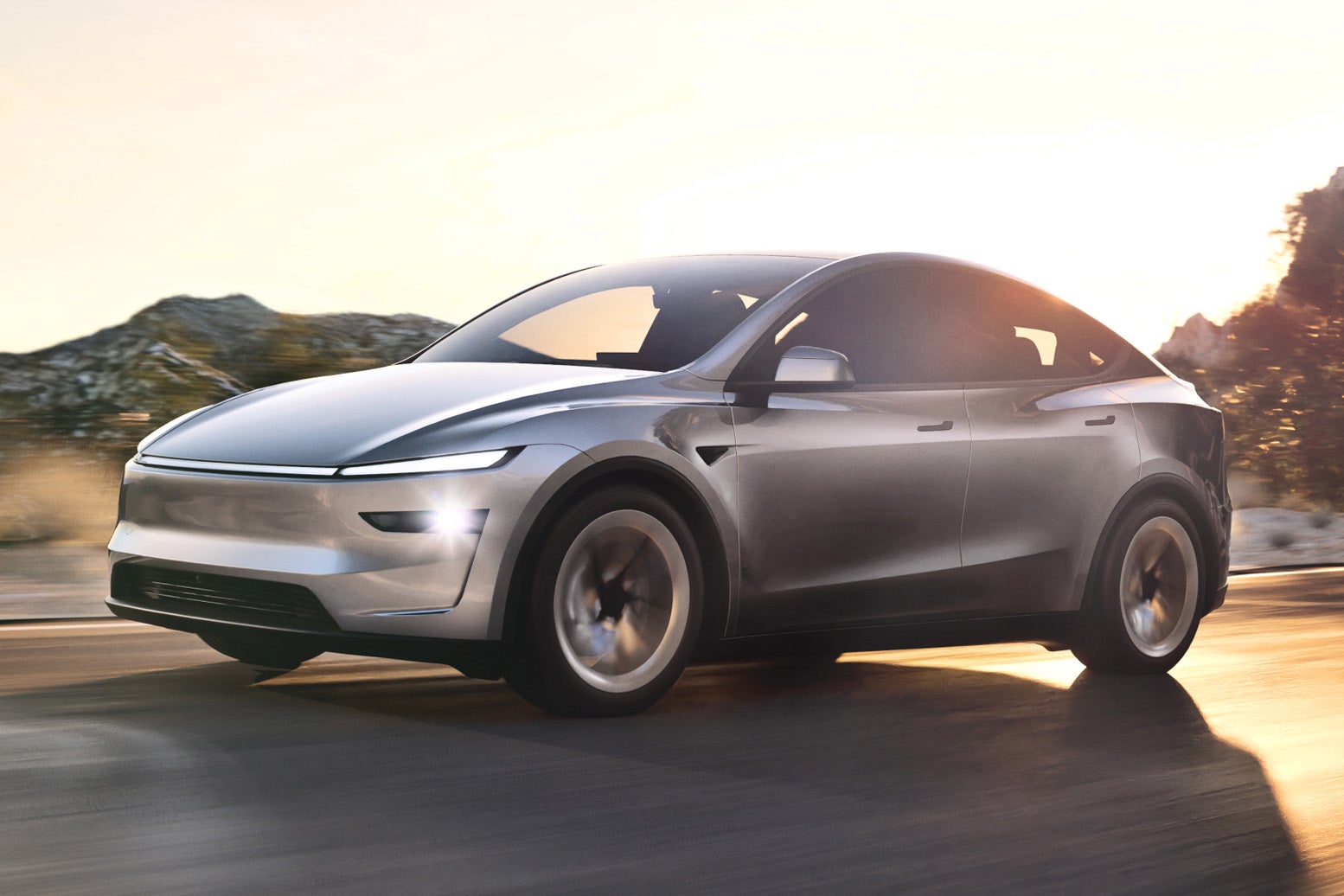
Peugeot e-3008 Review

Written By Andy Brady
- 2024
- SUV
- Electric
What we love
Distinctive design inside and out
Very refined and easy to drive
Long Range version has genuinely impressive official range
Things to consider
Ride is firm around town
Alternatives are roomier and better rounded
Higher-spec versions are expensive
The DRIVE take on the Peugeot 3008, is it the right car for you?
The Peugeot e-3008 is one of the most visually distinctive electric SUVs on sale, and that matters in a market increasingly full of worthy but interchangeable alternatives. It combines standout styling with a genuinely impressive interior and, in Long Range form, a headline WLTP figure that looks very strong indeed. The catch is that it is not as comfortable or as practical as the best rivals, and the pricing pushes it into some very talented company. Even so, if you want an electric SUV that feels design-led and a little different, the Peugeot e-3008 is easy to shortlist.
The Peugeot 3008 in more detail
The Peugeot e-3008 has a very different job from the old 3008. Where the earlier car won buyers over with its mix of practicality, comfort and design flair, this one leans much harder into the idea of being a style-led electric fastback SUV. It still needs to work as a family car, of course, but it is clearly more interested in looking distinctive than simply blending into the mid-size electric SUV crowd.
That means it now competes with a broad and talented field. Cars such as the Hyundai Ioniq 5, Kia EV6, Skoda Enyaq, Tesla Model Y and Renault Scenic E-Tech all make strong cases in different ways, while premium-badged options such as the BMW iX2 and Audi Q4 e-tron hover around the same territory once prices climb.
Peugeot’s response is to make the e-3008 feel more dramatic than most of them. The exterior has genuine presence, the cabin looks and feels expensive, and the latest panoramic i-Cockpit setup gives it a stronger sense of occasion than many mainstream rivals can match.
There is also a breadth of battery and motor options now that was only promised when the e-3008 first launched. The standard-range single-motor car already offers enough range for most buyers, the Long Range is the headline-grabber with up to 435 miles of WLTP range, and the Dual Motor adds four-wheel drive and stronger performance for those who want it.
The problem is that visual drama and headline range do not automatically make the best family EV. The Peugeot e-3008 is not especially plush on rough roads, and some rivals are easier to recommend if practicality and overall comfort matter most. So it is not the class default. It is the one you choose because you actively want what Peugeot has done here.
What's the best Peugeot 3008 trim and battery option?
For most buyers, the best Peugeot e-3008 is the Long Range single-motor in GT trim. It gives you the version’s biggest technical talking point, namely the official range of up to 435 miles, while avoiding the added cost and complexity of the Dual Motor.
The standard-range 73kWh car still makes a decent amount of sense, especially because up to 326 miles is already enough for many owners. But if you are spending this sort of money on an electric family SUV, the Long Range feels like the version that best justifies the e-3008’s premium positioning.
As for trim, Allure is well equipped, but GT is the one that really shows off the car’s strengths. The panoramic screen, upgraded interior finishes, heated front seats, heated steering wheel and extra exterior drama all help the Peugeot e-3008 feel properly special rather than merely expensive.
In simple terms, Allure covers the essentials, GT is the sweet spot and Long Range is the version that makes the strongest case for itself.
What’s the price of the Peugeot 3008?
Current Peugeot UK offers put the e-3008 GT Electric 73kWh 210 at £39,145 on the road after the Electric Car Grant, with the GT in higher-spec paint rising to around £39,645. Long Range versions step higher, and the range pushes towards the low £50,000s once you reach the biggest battery and upper trims.
That means the Peugeot e-3008 is no bargain electric SUV. It sits in the sort of territory where buyers will also be looking at a Hyundai Ioniq 5, Kia EV6, Tesla Model Y, Skoda Enyaq Coupe and various premium-badged alternatives.
The e-3008’s answer is that it feels expensive in a good way. The cabin in particular helps justify the price, even if some rivals still make more sense on pure family-car logic.
Alternatives to the Peugeot 3008
The Hyundai Ioniq 5 is one of the Peugeot e-3008’s strongest rivals because it combines standout design with a roomier cabin, more relaxed ride quality and a very convincing all-round ownership case. It feels less theatrical inside than the Peugeot, but more rounded overall.
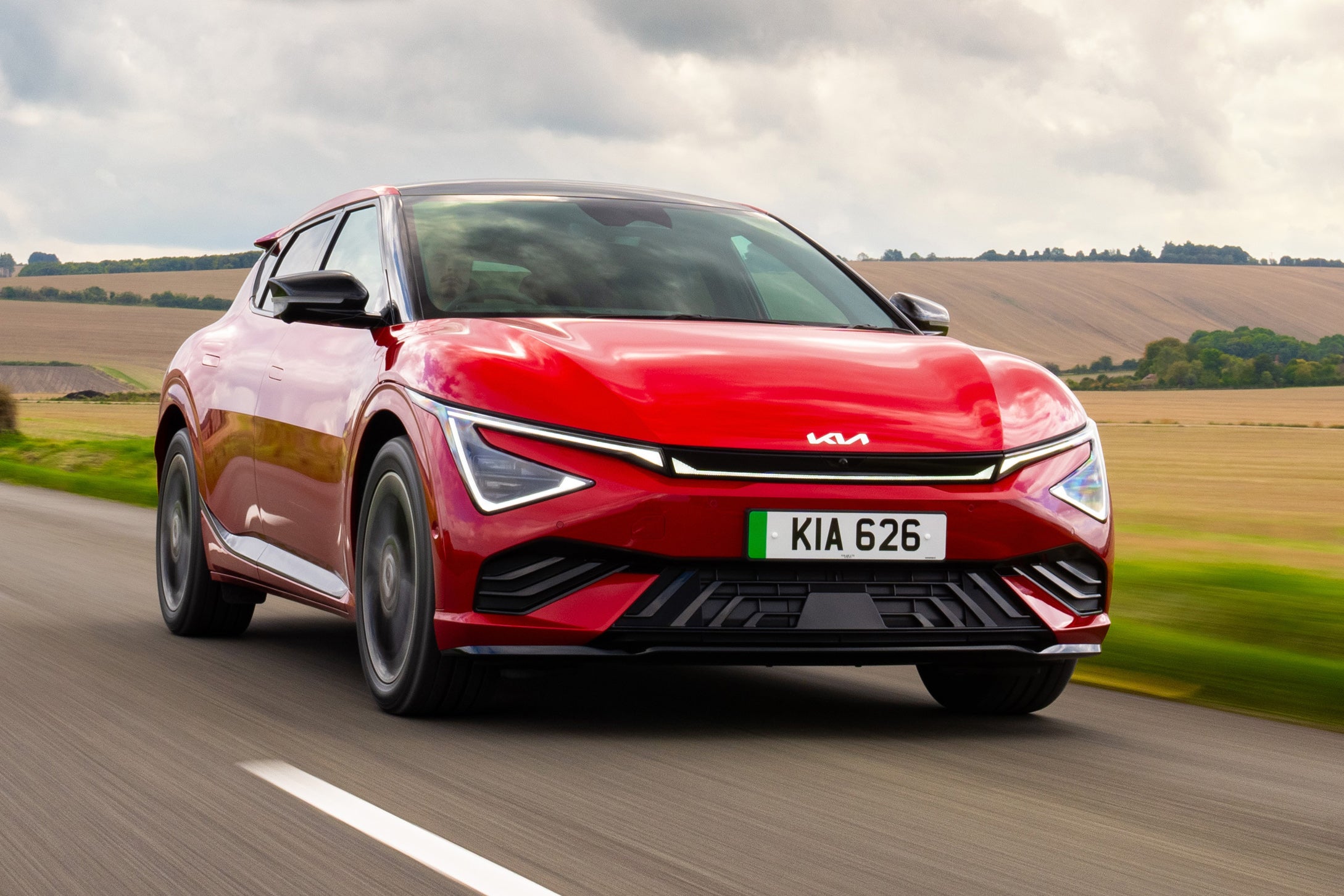
The Kia EV6 is another key alternative if you want something stylish and slightly more driver-focused. It feels more mature on the road, charges quickly and still looks distinctive enough to appeal to buyers who want their EV to stand out.
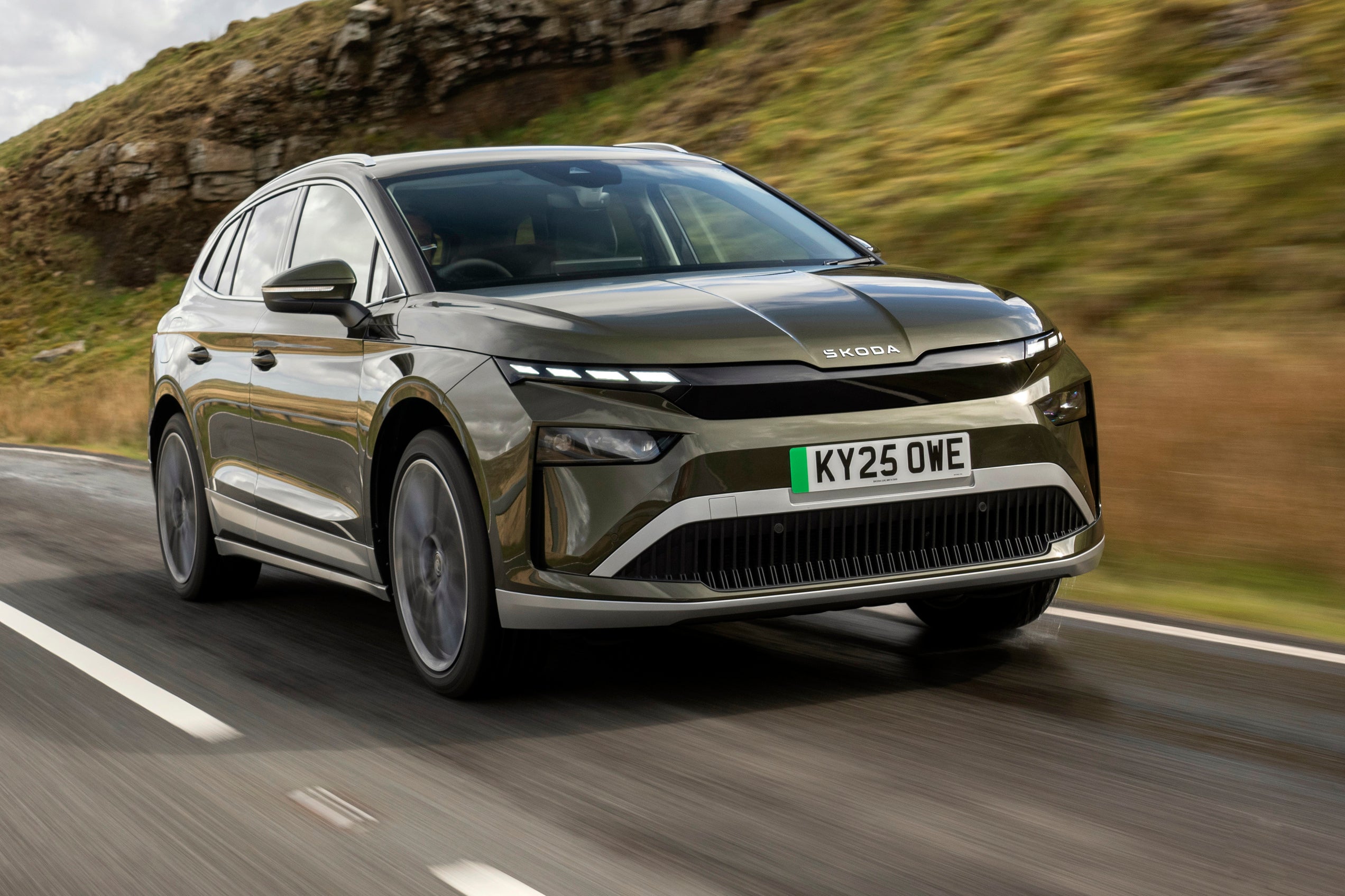
The Skoda Enyaq is the rational benchmark. It is roomier, more straightforward and easier to recommend on everyday practicality, even if it does not have the same showroom drama as the Peugeot e-3008.
Beyond those three, the Tesla Model Y remains difficult to ignore if range, charging infrastructure and outright space matter most, while the Renault Scenic E-Tech is worth a look if you want a newer electric family SUV with a cleaner, more comfort-led brief. The Peugeot e-3008 makes most sense if you want something design-led and a little left-field rather than the default sensible choice.
What's the interior like in the Peugeot 3008?
The Peugeot e-3008’s cabin is one of its strongest assets. It looks and feels much more special than most mainstream electric SUVs, even if the car’s dramatic shape does bring a few practical compromises.
Peugeot 3008 boot space and practicality
The Peugeot e-3008 does a good job of feeling substantial in the front. There is plenty of space for two adults, the seats are comfortable and the dashboard design makes the cabin feel more like a concept car than a conventional family SUV.
Rear-seat space is less convincing. Peugeot has done well to preserve more room than the roofline first suggests, but taller passengers will still notice that alternatives such as the Tesla Model Y, Hyundai Ioniq 5 and Skoda Enyaq feel airier and easier to get comfortable in. The middle rear seat is also narrow enough that it is best thought of as an occasional-use perch.
Boot space is stronger than the old review suggested, but there is an important caveat. Officially, the single-motor e-3008 offers 588 litres of luggage capacity, which is a strong number and exactly what Peugeot quotes for the regular hybrid and plug-in hybrid 3008. The Dual Motor drops that to 544 litres. On paper, those are competitive figures.
In practice, the fastback tail does nibble away at the usefulness of the space when you are loading bulkier items or stacking luggage above the parcel shelf. So while the headline number is good, some rivals make better use of their shape. Fold the rear seats and the single-motor e-3008 offers up to 1,663 litres.
Peugeot 3008 dimensions
The Peugeot e-3008 measures 4,540mm long, 1,890mm wide & 1,640mm high. That places it right in the heart of the mid-size electric SUV class and gives it the road presence buyers in this part of the market expect.
In practical terms, it feels large enough to work as a family car without becoming intimidating in town, and Peugeot quotes a turning circle of 10.6 metres, which helps the e-3008 feel easier to place than its styling alone might suggest.
Tech and infotainment in the Peugeot 3008
Technology is central to the Peugeot e-3008’s appeal. GT versions come with the full 21-inch curved panoramic display, combining the instrument cluster and central touchscreen into one sweeping unit. It looks superb and gives the cabin a much more expensive feel than many mainstream rivals manage.
The i-Toggles shortcut panel lower down also works reasonably well, giving you quick access to customisable functions without burying everything in menus. That does not entirely solve the usual touchscreen frustrations, particularly when it comes to climate controls, but it is better thought through than some all-screen setups.
Wireless Apple CarPlay and Android Auto are standard, and GT also gets Peugeot’s more advanced connected navigation with trip planning. The system is not perfect, and like many modern infotainment layouts it benefits from a little learning time, but it is one of the e-3008’s more convincing strengths.
Materials available on the Peugeot 3008
The Peugeot e-3008 feels properly upmarket inside. Textile dashboard finishes, soft-touch materials and clever lighting all combine to create a cabin that feels richer than most mainstream electric SUVs.
GT trim lifts that further with the printed aluminium-style dashboard, extended ambient lighting, Alcantara and the extra details that make the cabin feel more concept-car-inspired than class norm. This is one of the few mainstream EV interiors that genuinely feels different rather than merely tidy.
What's the Peugeot 3008 like to drive?
The Peugeot e-3008 is more impressive for refinement than for agility. It is quiet, easygoing and secure, but the way it rides and handles does not quite live up to the sophistication promised by the styling.
Peugeot 3008 range and performance
The Peugeot e-3008 range now spans three main electric powertrains. The standard-range single-motor car uses a 73kWh battery with 210PS and offers up to 326 miles of WLTP range. Above that sits the Long Range version, pairing a 96.9kWh battery with 230PS and up to 435 miles of WLTP range. At the top is the Dual Motor all-wheel-drive model with 325PS, up to 306 miles of range and significantly stronger performance.
On paper, those are strong figures. The standard-range car is sufficient for most families, the Long Range is one of the most eye-catching official numbers in this class, and the Dual Motor provides the punch some buyers will want.
For most buyers, the Long Range makes the strongest technical case. It is the one that best backs up the e-3008’s pricing and gives it a genuine edge in range headlines.
Performance data
| Model | Engine/battery size | Power | 0-62mph | Range/MPG |
|---|---|---|---|---|
e-3008 Electric 210 | 73kWh | 210PS | 8.8 seconds | Up to 326 miles |
e-3008 Long Range Electric 230 | 96.9kWh | 230PS | 8.7 seconds | Up to 435 miles |
e-3008 Dual Motor Electric 325 | 73kWh | 325PS | 6.0 seconds | Up to 306 miles |
Peugeot 3008 driving and refinement
The Peugeot e-3008 is very refined. Wind noise is well suppressed, road noise is relatively low and the powertrain itself is impressively quiet. In that sense, it feels like a cut above smaller Peugeot EVs.
The problem is that it is not especially comfortable in town. The ride has a firm edge, and on rough urban roads the e-3008 can feel busier and more brittle than you might expect from a family SUV. GT models on larger wheels feel this most clearly, though Allure does help slightly.
Handling is secure rather than entertaining. The tiny steering wheel gives an impression of quick responses at first, but the car’s mass is obvious once you start asking more of it. The Dual Motor adds traction and stronger low-speed punch, but even then the e-3008 feels more like a fast cruiser than a genuinely dynamic SUV.
In short, it is easy to drive and pleasantly quiet, but the best rivals are more rounded once the road turns rough or twisty.
How safe is the Peugeot 3008?
The Peugeot 3008 received a four-star Euro NCAP rating in 2025, which also applies to the e-3008 range. That is a respectable result rather than an exceptional one, though its child occupant protection score of 85 per cent is a particularly strong part of the result.
Standard safety kit is generous, with advanced emergency braking, lane-assistance systems and a broad spread of driver-assistance features included. Isofix points are fitted on the outer rear seats, and the e-3008 should meet the expectations most family buyers will have in this area.
Running costs: What it's like to live with a Peugeot 3008
Running costs should be manageable if you can charge at home, but the e-3008’s higher list price means its overall ownership case is not quite as straightforward as some rivals.
Peugeot 3008 charging times and costs
Charging performance is one of the Peugeot e-3008’s stronger technical points. Peugeot quotes 20 to 80 per cent charging in 30 minutes for the 73kWh standard-range and Dual Motor versions, and 27 minutes for the Long Range when connected to a suitable high-power public charger.
At home, Peugeot quotes 20 to 80 per cent charging in around four hours 30 minutes or six hours 30 minutes depending on battery capacity when using a private wallbox. Battery pre-conditioning is now included across the range, which should help charging performance in colder conditions.
So while the e-3008 is not quite at the very front of the class for outright charging speed, it is competitive enough to work well as a longer-distance EV.
Peugeot 3008 warranty and servicing
Peugeot’s standard manufacturer warranty is three years from first registration, with the usual third-year cap at 60,000 miles. The battery is covered separately for eight years or 100,000 miles.
Peugeot Care applies to the e-3008 as well, extending vehicle cover up to eight years or 100,000 miles through service activation, subject to the relevant conditions. Peugeot is also promoting a three-year servicing offer on current UK retail orders.
That means the e-3008 is better covered than the standard three-year warranty line might first suggest, even if it still is not class-leading in the conventional warranty sense.
Peugeot 3008 insurance groups
Insurance groups for the Peugeot e-3008 sit at 22 for Allure and 24 for GT in the current standard single-motor line-up. That is fairly reasonable for an electric SUV of this size and price.
The pricier Long Range and Dual Motor versions are likely to sit higher in real-world premiums, but the core range does not look out of step with the class.
How much does it cost to tax a Peugeot 3008?
The Peugeot e-3008 now costs £200 a year in VED after year one, which is the current standard annual rate for electric cars.
The EV Expensive Car Supplement applies to electric cars with a list price of more than £50,000. That means some upper-end e-3008 Long Range and Dual Motor versions are likely to trigger it, while lower-spec versions sit below the threshold. If it applies, you pay an extra £440 a year for five years from the second year of registration, on top of the standard £200 annual rate.
That is something worth checking carefully, because the e-3008 range stretches across both sides of the threshold depending on version.
What trims are available with the Peugeot 3008?
The Peugeot e-3008 line-up is centred on Allure and GT.
Allure already gives you a lot. Standard highlights include keyless entry and start, the panoramic display, a wireless phone charger, dual-zone climate control, reversing camera, LED headlights and 19-inch diamond-cut alloy wheels. It does not feel like a stripped-back base version.
GT is the trim that really shows off the e-3008’s premium ambitions. It adds adaptive cruise control, front parking sensors, a hands-free electric tailgate, heated front seats, a heated steering wheel, the more dramatic ambient lighting package and the richer Alcantara and leather-effect trim. This is the version that best justifies the e-3008’s design-led positioning.
In simple terms, Allure covers the essentials well, but GT is the sweet spot because it gives you the extra comfort and visual drama that make the Peugeot feel special.
Ask the Drive experts: common questions
Is the Peugeot e-3008 a good electric SUV?
What is the range of the Peugeot e-3008?
Is the Peugeot e-3008 practical enough for a family?
Does the Peugeot e-3008 get the Expensive Car Supplement?
Get our latest advice, news and offers
Keep me updated by email with the latest advice, news and offers from Drive.
.jpg)
.jpg)
_1.jpg)