Used Ford Fiesta for sale: everything you need to know
The Ford Fiesta was the best-selling new car in the UK for years, which also made it one of the best-selling used cars too. Cheap to run and great to drive, with so many examples on the used market at a range of prices it’s a sensible choice for anyone wanting a small car that is fun to drive. Widely publicised issues with EcoBoost engines mean later cars are a safer option, and they also benefit from better specification and safety upgrades. Even so, there is a Fiesta for every budget.
How much does a used Ford Fiesta cost?
Just a few hundred pounds is enough to get you a much earlier car in poor condition, but expect to pay at least £1,500 for a seventh generation car in usable condition and with high mileage. Eighth generation cars start at around £4,000, while the last of the line facelift versions from 2022 onwards start at around £7,000.
Which used Ford Fiesta should you buy?
The ideal specification Fiesta is a 2018-on version fitted with the EcoBoost Hybrid powertrain, as this uses an updated engine with a timing chain - EcoBoost engines before this used a wet timing belt design that proved problematic for many owners, and required regular oil changes to reduce the risk of engine damage. Earlier EcoBoost Fiestas can be reliable if well-maintained, but unless they have a cast-iron service history they come with greater risk.
Most buyers will be happiest with the slick manual gearbox option, but if you do need an automatic then the post-2021 versions equipped with a dual-clutch gearbox are the better choice - earlier examples use a less reliable automatic of a different design, although both are labelled Powershift.
Which Ford Fiesta trim is best?
For most buyers the Titanium is the best choice as it comes with good equipment levels and is better specified than the lower Zetec, Style or Trend versions. ST-Line versions have a more sporty appearance but are broadly the same in terms of how they drive.
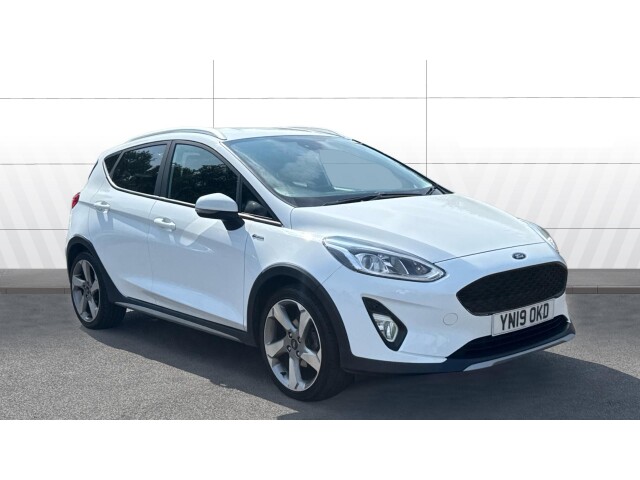
The Vignale trim was Ford’s take on a luxury Fiesta but mostly offered nicer materials rather than lots of extra equipment, so don’t pay a big premium. Later cars were also offered in Active trim, which meant a slightly raised ride height, additional plastic exterior trims and different interior fabrics, but this is also more of a style pack than a version that offers any off-road capability.
What should you check when buying a used Ford Fiesta?
When looking at a used Fiesta the most important factor to consider is the engine. Many of the cars still on the road today will have an earlier version of the EcoBoost engine with the wet timing belt design, so look carefully at the service history for the time and mileage in between oil changes and if this is more than the recommended period of 12 months or 12,000 miles, walk away - many specialists advise more frequent oil changes than this.
Early EcoBoost Fiestas also suffered with overheating caused by the failure of a coolant pipe, but most cars still on the road will have had this replaced by now. Elsewhere, look for failure points that often affect cars used for urban driving, such as a failing clutch and body damage.
Another unfortunate side effect of the Fiesta’s popularity is that it was a common choice for car thieves, so look for signs that could indicate a car was previously stolen, such as mismatching glass, scratches around the ignition barrel or mismatched numberplates.
How much does a Ford Fiesta cost to run?
The majority of Fiesta versions will perform well when driven sensibly. In particular the 1.0-litre EcoBoost with either 100PS or 125PS performs the best, with upwards of 50mpg within reach. The 1.5 TDCi diesel is capable of even better figures than this, but there are fewer examples on the road and needs regular longer journeys to avoid DPF issues.
As for insurance, choose the right version and the Fiesta will be very cheap to insure - early 1.25-litre models in Style trim fall into group 3 or 5 depending on their age, while higher specification Zetec trim Fiestas with the same engine are group 6 or 7. Titanium models are higher again, while the sportier ST-Line Fiestas are group 13 to 19, so are best avoided if you are being cost-conscious.
As the Ford Fiesta was sold before and after the change in VED rules in April 2017, buying a car before this switchover can result in a substantial saving on road tax. Many 1.0-litre EcoBoost and 1.6 TDCi diesels achieve less than 100g/km which means the cheapest Band A tax rates, while in comparison the 1.25-litre petrol is significantly more as it falls into Band D. Fiestas registered after April 2017 are all charged at the standard rate, while even the most expensive versions fall below the £40,000 threshold so will not incur the Expensive Car Supplement from year two onwards.
Servicing costs for the Ford Fiesta are generally quite low - being such a popular car there are plenty of independent specialists and the majority of garages will be able to service them. One crucial factor to consider is the replacement of the wet timing belt on EcoBoost engines (excluding later EcoBoost Hybrid models). Ford recommends this is changed at 10 years or 150,000 miles, but independent specialists recommend this is replaced before eight years or 80,000 miles to avoid the risk of failure. This is a more involved job compared to conventional dry timing belts and so the cost is greater - expect to pay £1,000 or more even from a good independent garage.