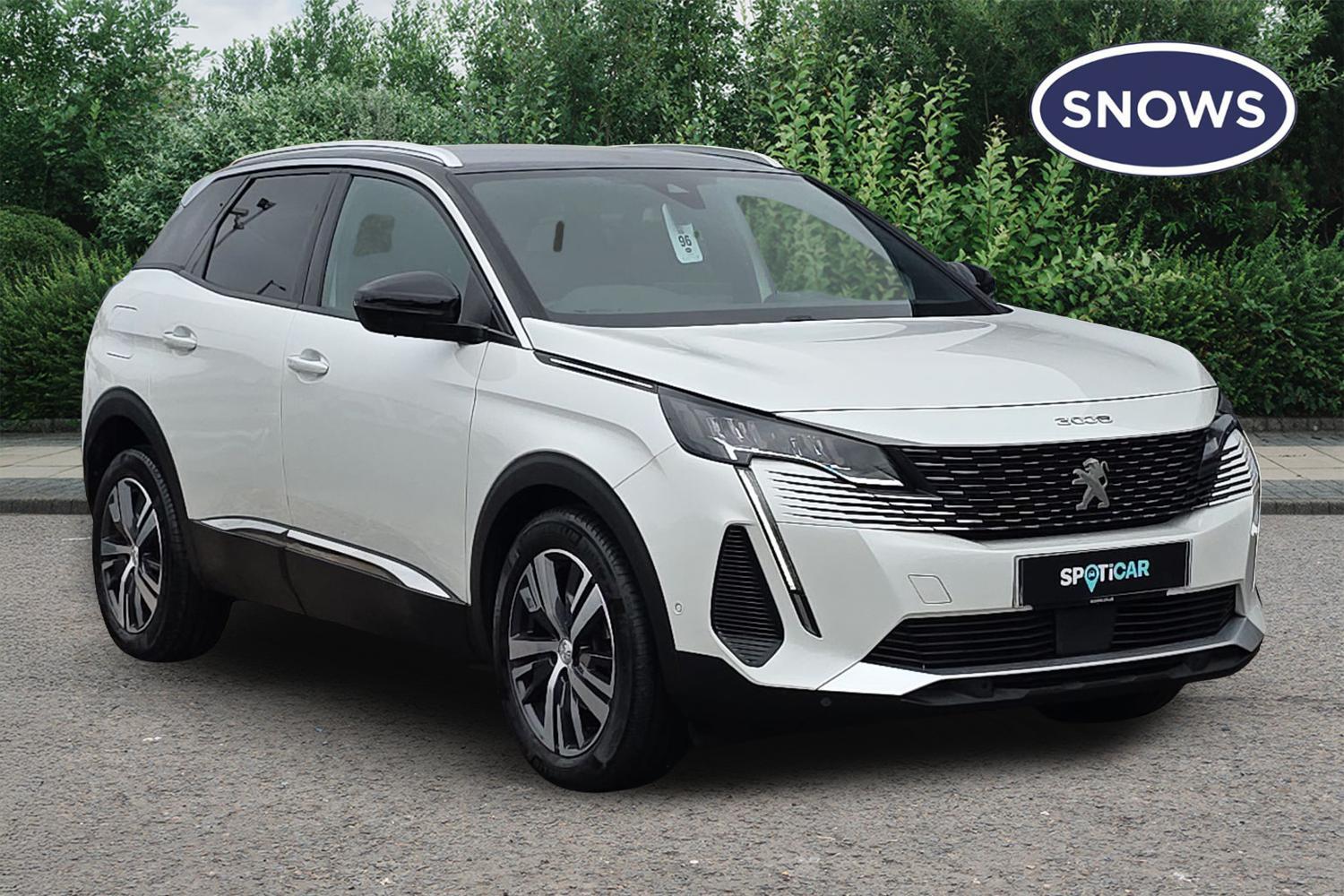
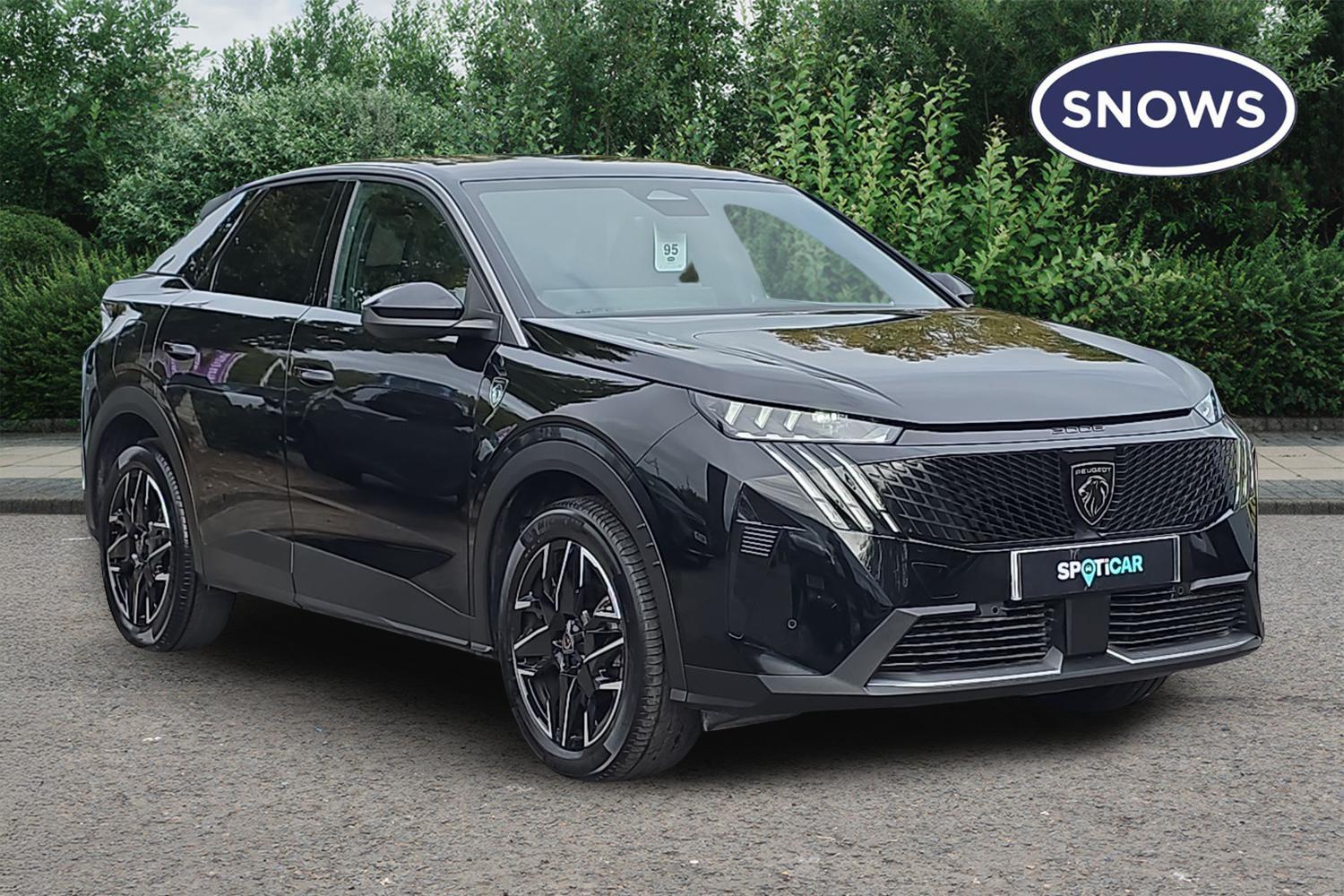
Used Peugeot 3008 for sale: everything you need to know
The Peugeot 3008 has changed considerably since the original model arrived in 2009. What started as an unusual crossover with MPV influences became a much more conventional family SUV with the arrival of the second generation in 2017. Its sharp styling, distinctive interior and wide choice of engines helped make it a popular alternative to the Nissan Qashqai and Ford Kuga.
The third-generation Peugeot 3008 arrived in 2024, bringing a more coupe-like design, a completely redesigned interior and a choice of hybrid, plug-in hybrid and fully electric power. The electric version is called the Peugeot E-3008.
For used buyers, the biggest decision is which generation to choose. The 2017–2024 model offers a broad choice of petrol, diesel and plug-in hybrid engines, while the newer 3008 introduces more advanced technology and the option of fully electric driving.
Other alternatives worth considering include the Citroen C5 Aircross, Vauxhall Grandland, Toyota RAV4 and Honda CR-V.
Should you buy a Peugeot 3008?
The Peugeot 3008 is a strong choice if you want a family SUV that looks and feels a little different from the competition. Both the second- and third-generation models have distinctive interiors, comfortable seats and plenty of equipment.
The 2017–2024 model is particularly appealing as a used buy. Its cabin still looks modern, with Peugeot's i-Cockpit dashboard featuring a small steering wheel and instruments positioned above it. It's an unusual arrangement, so we'd recommend sitting in the driver's seat before buying to make sure you can see the instruments comfortably.
There's plenty of room for a family, along with useful cabin storage and a good-sized boot. Petrol and diesel models offer the most luggage space, while the older plug-in hybrids sacrifice some boot capacity to accommodate their batteries.
The newer 3008 feels more upmarket inside, with Peugeot's Panoramic i-Cockpit dashboard and a larger, more modern infotainment system. It also offers a bigger boot and the choice of fully electric power.
Neither generation is the sportiest SUV to drive, but both offer a good balance of comfort, refinement and everyday practicality.
Reliability and maintenance history are important when choosing an older 3008. Some 1.2-litre PureTech petrol engines use a timing belt running in oil, which can deteriorate and cause expensive problems. Check the servicing records carefully and look for evidence of any recommended belt inspections or replacement work.
The 1.5-litre BlueHDi diesel also deserves attention because certain engines have been affected by premature camshaft chain wear. Check whether any recalls or manufacturer campaigns apply to the car you're considering.
Overall, the Peugeot 3008 is well worth considering, provided you choose the right engine and buy an example with a convincing maintenance history.
What's the best used Peugeot 3008 model to buy?
For the second-generation Peugeot 3008 (2017–2024), the 1.2 PureTech 130 petrol offers a useful balance of performance and fuel economy. However, its timing belt arrangement makes a comprehensive service history particularly important.
The 1.5 BlueHDi 130 diesel can be an economical choice for drivers covering longer distances, although you'll need to check its service and recall history carefully.
If you can charge regularly at home, one of the plug-in hybrid models could also make sense. They're particularly suited to shorter journeys, where you can make the most of the electric range. Bear in mind that the official fuel economy figures depend heavily on keeping the battery charged.
For the third-generation 3008, the Hybrid 136 or later Hybrid 145 is a sensible all-round choice that doesn't require plugging in. The newer plug-in hybrid offers a longer electric range than the previous generation, while the E-3008 is worth considering if you want to switch to a fully electric SUV.
When it comes to equipment, we'd prioritise condition, mileage and service history over a particular trim level. Even relatively modestly specified 3008s have plenty of equipment, while Allure and GT models offer additional comfort and technology features.
Used Peugeot 3008 fuel economy and performance
The following figures relate to selected versions of the second-generation Peugeot 3008 (2017–2024). Performance and economy vary depending on the model year, gearbox and specification.
Peugeot 3008 1.2 PureTech 130: The turbocharged three-cylinder petrol engine produces 130PS and offers adequate performance for most families. Some later automatic versions can reach 62mph in around 9.7 seconds, with official combined economy of up to 46.4mpg.
Peugeot 3008 1.5 BlueHDi 130: The 130PS diesel is well suited to longer journeys, offering strong low-speed pulling power and official combined economy of up to 54.5mpg on some versions.
Peugeot 3008 Hybrid 136: Introduced towards the end of the second generation's production run, this combines a 1.2-litre petrol engine with electric assistance and a six-speed dual-clutch automatic gearbox. Official combined economy reaches around 53mpg.
Peugeot 3008 Plug-in Hybrid 180: Combines a 1.6-litre petrol engine and electric motor to produce 180PS. Later versions offer an official electric range of up to approximately 39 miles.
Peugeot 3008 Plug-in Hybrid 225: The more powerful front-wheel-drive plug-in hybrid produces 225PS, with an official electric range of up to approximately 43 miles on some later versions.
Peugeot 3008 Plug-in Hybrid 300: The 300PS version adds a second electric motor to provide all-wheel drive. It can accelerate from 0–62mph in around 6.1 seconds, making it one of the quickest versions of the second-generation 3008.
The third-generation Peugeot 3008 has a different engine range, including Hybrid 136 and later Hybrid 145 models, a 195PS plug-in hybrid and fully electric E-3008 versions. The electric range includes standard-range, long-range and dual-motor all-wheel-drive models, with specifications varying by year.
What used Peugeot 3008 trim levels are available?
Trim levels vary considerably between generations and model years, so it's worth checking the equipment fitted to the individual car.
Later second-generation Peugeot 3008 models were available in three main trim levels:
Peugeot 3008 Active Premium +: Includes alloy wheels, dual-zone climate control, a touchscreen infotainment system with Apple CarPlay and Android Auto, and a reversing camera.
Peugeot 3008 Allure Premium +: Adds equipment such as front parking sensors, keyless entry and upgraded interior trim.
Peugeot 3008 GT: Offers sportier styling, upgraded interior materials, distinctive exterior detailing and additional lighting and driver-assistance equipment.
Earlier second-generation cars used different trim names, including Active, Allure, GT Line and GT, so don't assume every used 3008 has the same specification.
The third-generation Peugeot 3008 launched with Allure and GT trims, with additional specifications introduced subsequently. Depending on the model year, higher-specification versions offer features such as Peugeot's 21-inch curved panoramic display, Pixel LED headlights, heated seats and upgraded driver-assistance technology.
Used Peugeot 3008 dimensions and boot size
The following dimensions apply to the second-generation Peugeot 3008 (2017–2024):
Length: 4,447mm
Width: 1,841mm excluding mirrors, or 2,098mm including mirrors
Height: 1,620–1,624mm, depending on roof rails
Ground clearance: 219mm
Boot capacity for the second-generation Peugeot 3008 is:
Petrol and diesel: 520 litres, increasing to 1,482 litres with the rear seats folded
Plug-in hybrid: 395 litres, increasing to 1,357 litres with the rear seats folded
The third-generation Peugeot 3008 (2024 onwards) is larger:
Length: 4,542mm
Width: 1,895mm excluding mirrors
Height: approximately 1,641mm
Most third-generation hybrid, plug-in hybrid and electric versions have a boot capacity of 588 litres, increasing to 1,663 litres with the rear seats folded. The E-3008 Dual Motor has a slightly smaller boot, at 544 litres.
Used Peugeot 3008 road tax
Road tax for a used Peugeot 3008 depends on its registration date, engine and original list price. Models registered from 1 April 2017 generally cost £200 a year to tax under the current Vehicle Excise Duty (VED) rules. This applies to petrol, diesel, hybrid and plug-in hybrid versions, as the previous £10 annual discount for hybrids has been removed.
Peugeot 3008 models that cost more than £40,000 when new, including factory-fitted options, can attract an additional £440 a year for five years, starting in the second year of registration. That brings the annual bill to £640 during this period.
The fully electric Peugeot E-3008 is also subject to road tax. Electric cars registered before April 2025 are exempt from the expensive-car supplement, while newer examples may be liable depending on their original list price and registration date.
Older Peugeot 3008 models registered before 1 April 2017 are taxed according to their CO2 emissions, so annual costs vary depending on the engine.
For more information, read our guide to car road tax.
How much is it to insure a Peugeot 3008?
Insurance groups vary depending on the generation, engine, trim level and model year.
For later second-generation models, the 1.2 PureTech petrol and 1.5 BlueHDi diesel generally sit in lower insurance groups than the more powerful plug-in hybrids. The 180PS and 225PS plug-in hybrids are typically more expensive to insure, while the 300PS Hybrid4 sits higher again.
Third-generation hybrid, plug-in hybrid and E-3008 models have their own insurance ratings, so it's important not to rely on figures quoted for the older car.
As with any used car, get an insurance quote for the specific registration before buying.