Vauxhall Vivaro Life Electric Review

Written By Ivan Aistrop
- 2021
- MPV
- Electric
What we love
Enormous passenger and luggage space
Up to nine full-size seats
Comfortable and easy to drive for its size
Things to consider
Limited range for a large electric touring vehicle
Combi has a basic finish and limited seating flexibility
Ultimate models are expensive
The DRIVE take on the Vauxhall Vivaro Life, is it the right car for you?
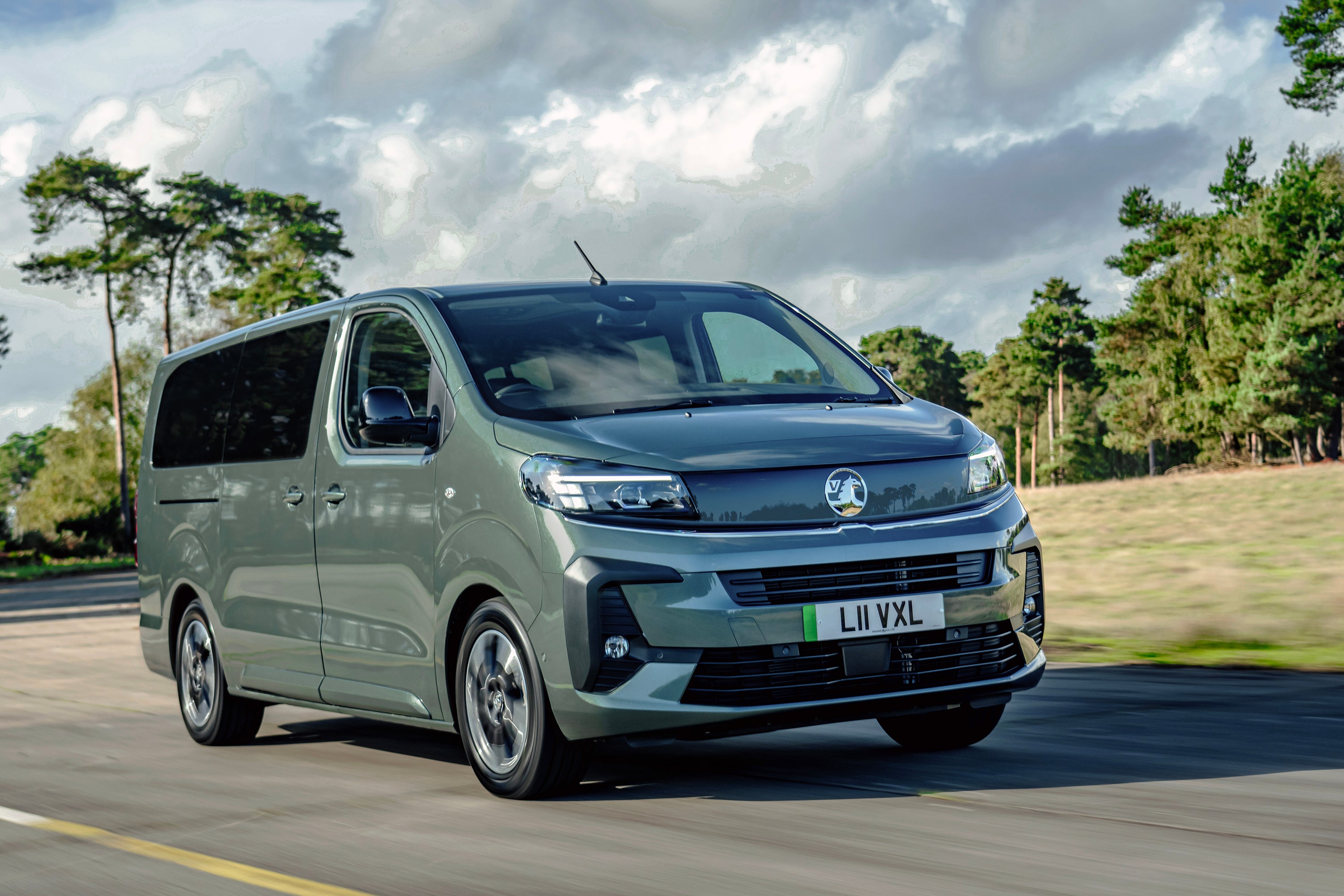
The Vauxhall Vivaro Life Electric is one of the few electric vehicles capable of carrying eight or nine people without forcing most passengers into cramped occasional seats.
Its boxy body provides exceptional passenger space, sliding side doors make access easy and the removable seating fitted to higher trims creates van-like carrying capacity when required. It is also quieter and more comfortable than its commercial-vehicle origins might suggest.
The official range of 194 to 230 miles is modest for a vehicle designed to transport several people over longer distances, while the entry-level Combi sacrifices useful seating flexibility. Buyers who can charge at home and mainly cover predictable local journeys will find it highly capable, but frequent motorway users should also consider the diesel Vivaro Life or a longer-range electric alternative.
The Vauxhall Vivaro Life in more detail
The Vivaro Life Electric is the battery-powered passenger version of Vauxhall’s Vivaro van.
Its close relationship with a commercial vehicle is obvious from its square body, high roof and upright driving position, but those same qualities allow it to carry more people and luggage than almost any conventional family SUV.
The electric version joined the UK range in 2021 as the Vivaro-e Life before being renamed Vivaro Life Electric. Petrol and diesel versions were withdrawn for a period, making electric power the only new-car option, although Vauxhall has since reintroduced a diesel Vivaro Life alongside the EV.
The electric model is available in Medium and XL body lengths. Medium versions measure just under five metres from bumper to bumper, while XL adds 350mm behind the rear axle and increases the overall length to 5,331mm.
Seating capacity and flexibility depend heavily on trim. Combi is configured as a nine-seater, while Design and Ultimate use a pair of individual front seats and carry up to eight people.
Combi has two three-person rear benches, but its third row is fixed. Design allows the third-row bench to be folded and removed, while Ultimate places both rear rows on rails so they can be moved, folded or taken out.
This makes Ultimate the most adaptable version despite having one fewer seat than Combi.
Earlier Vivaro Life Electric models were offered with 50kWh and 75kWh batteries. The current range uses the larger 75kWh battery, with an official range of between 194 and 230 miles depending on body length, trim and equipment.
Every version uses the same 136PS electric motor driving the front wheels through a single-speed transmission.
The motor is adequate for steady progress but has a considerable vehicle to move, particularly when every seat is occupied. Performance is therefore leisurely compared with most electric passenger cars.
The Vivaro Life Electric is closely related to the Citroën ë-SpaceTourer, Peugeot E-Traveller and Toyota Proace Verso Electric. The differences are mainly found in styling, equipment, warranty arrangements and pricing rather than the underlying engineering.
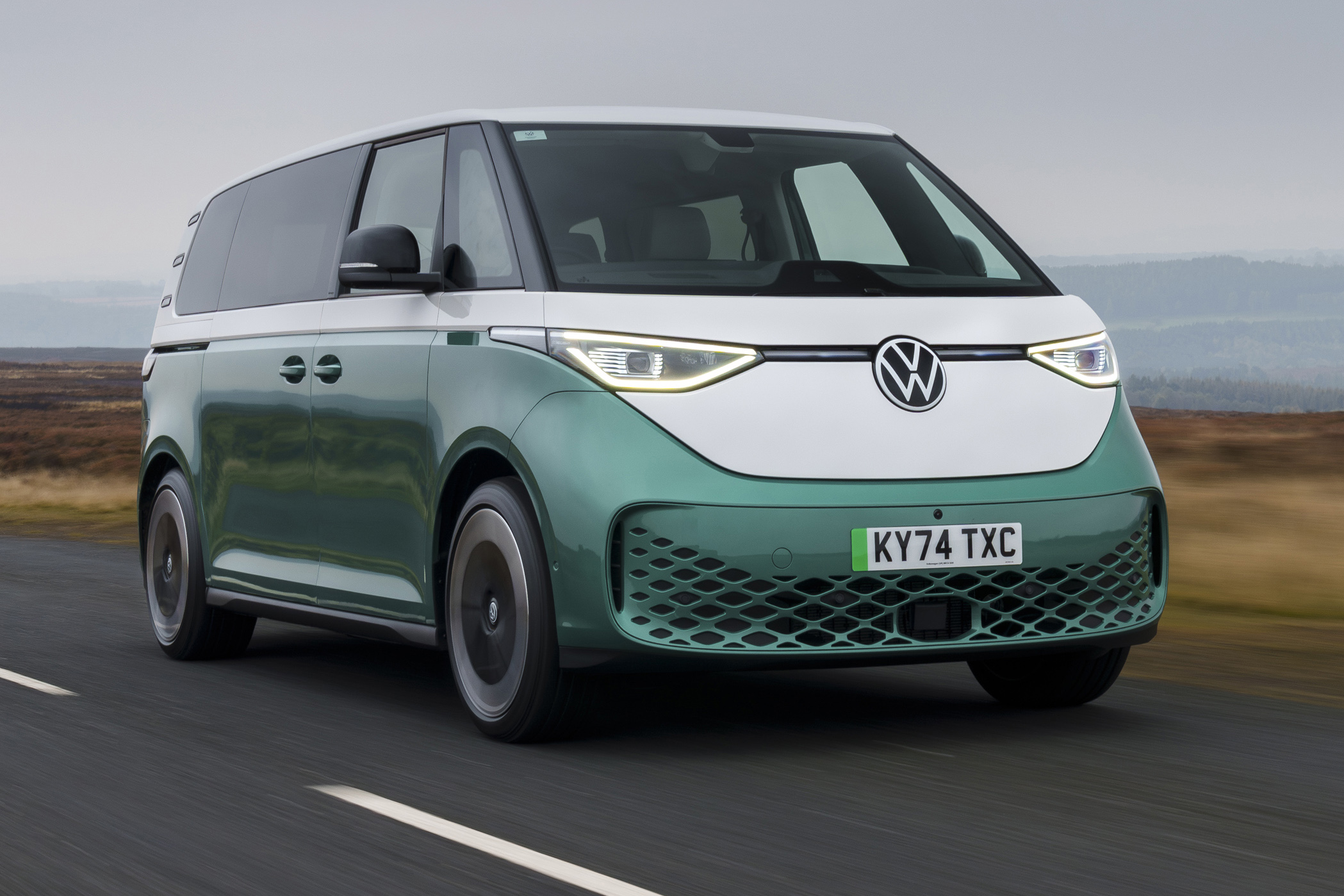
Other alternatives include the Ford E-Tourneo Custom, Mercedes EQV and long-wheelbase Volkswagen ID. Buzz, although all can become considerably more expensive in comparable specifications.
What's the best Vauxhall Vivaro Life trim and battery option?
The Vauxhall Vivaro Life Electric Design Medium is the best all-round version because it combines eight full-size seats with a removable third-row bench and more manageable exterior dimensions.
Design is considerably more practical than Combi for owners who regularly alternate between carrying people and luggage. Its third-row bench can be folded or removed, whereas the equivalent seat in Combi is fixed in place.
The Medium body is easier to park and manoeuvre than the 5.3-metre XL, while still providing generous passenger room and substantial carrying capacity.
Standard equipment includes a 10-inch touchscreen, a 10-inch digital instrument display, LED headlights, air conditioning, rear parking sensors and electrically adjustable folding door mirrors.
Design also receives ten airbags, including protection for occupants in the rear rows, along with additional sound insulation and more presentable body-coloured exterior trim.
Ultimate adds leather upholstery, powered and heated front seats, massage functions, powered sliding doors, keyless entry, navigation and a more advanced camera system.
Its rail-mounted second and third rows make it the most flexible version, but the substantial price increase is difficult to justify unless those features will be used regularly.
Combi makes sense for shuttle operators, large organisations or buyers who need nine fixed seats at the lowest possible price. Its basic finish and inflexible third row make it less appealing for private family use.
What’s the price of the Vauxhall Vivaro Life?
The Vauxhall Vivaro Life Electric range starts at £36,900 for the nine-seat Combi and rises to £48,935 for the XL Ultimate.
Design sits between those extremes, with prices starting at just over £42,000, while Ultimate begins at approximately £48,000.
That gives the range a spread of just over £12,000 from the least expensive Combi to the longest and most highly equipped Ultimate.
Selected versions may qualify for government or manufacturer incentives, but eligibility and support can change. Buyers should therefore confirm the final transaction price with a Vauxhall retailer.
Alternatives to the Vauxhall Vivaro Life
The Volkswagen ID.Buzz long-wheelbase has a more distinctive design, stronger electric range and a more car-like driving experience. It does not offer the same nine-seat capacity and is significantly more expensive.
The Citroën ë-SpaceTourer shares the Vauxhall’s platform, motor and battery technology. Differences are mainly in styling, equipment, pricing and dealer support, so the strongest retail offer may determine the choice.
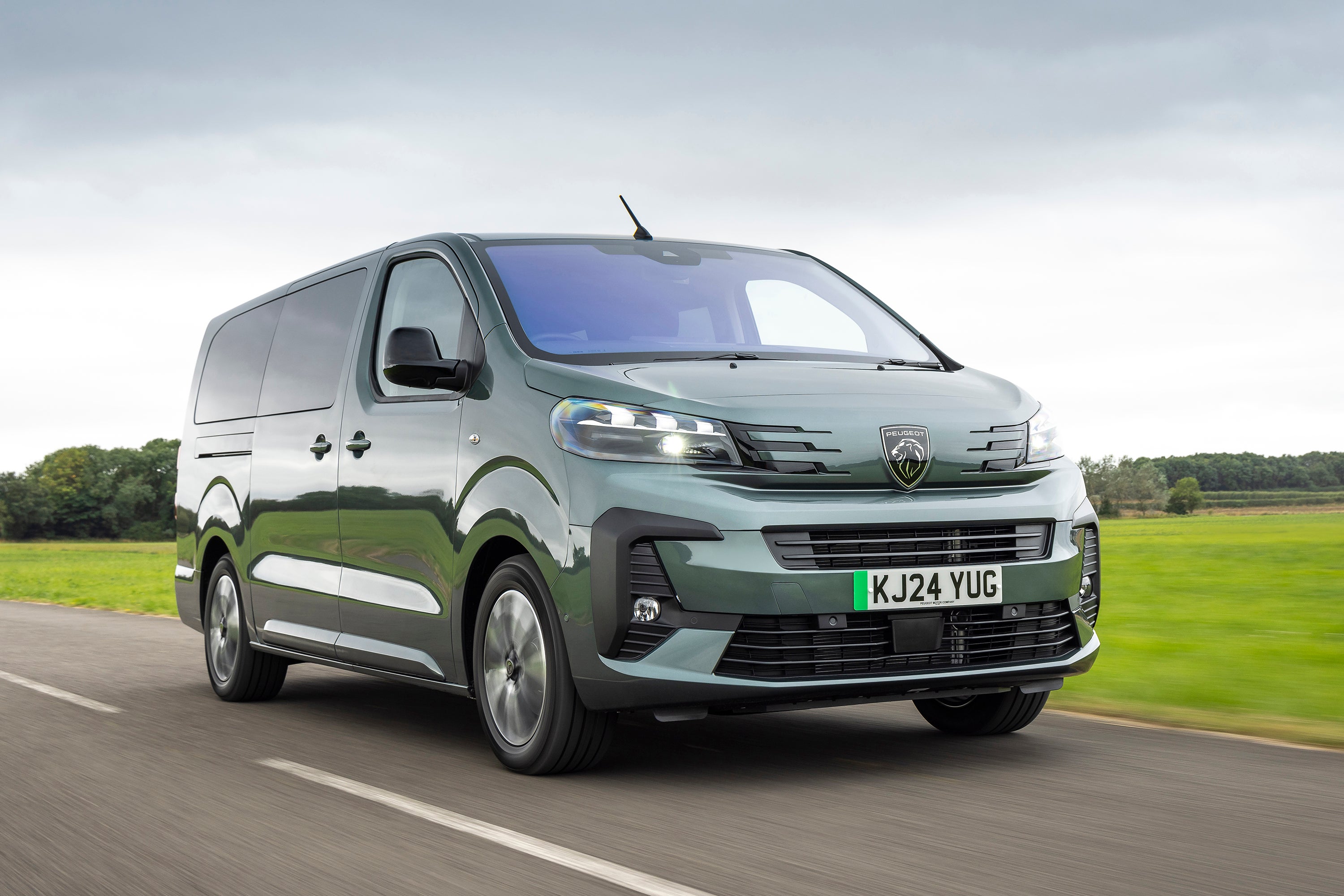
The Peugeot E-Traveller is another closely related alternative with almost identical dimensions and performance. Its interior presentation differs slightly, but the same range limitations apply.
The Toyota Proace Verso Electric uses the same core hardware and adds Toyota’s own warranty and dealer package. Used availability is more limited.
The Ford E-Tourneo Custom feels more modern inside and offers stronger performance, improved technology and a more sophisticated driving experience. It is expensive and its electric range remains modest for long-distance work.
The Mercedes EQV has a more upmarket cabin and greater prestige, but its high purchase price and running costs move it into a different financial category.
The Vauxhall Vivaro Life diesel is better suited to frequent long journeys and users without reliable access to charging. It produces tailpipe emissions and will cost more to fuel in suitable local use, but refuelling is far quicker.
What's the interior like in the Vauxhall Vivaro Life?
The Vivaro Life Electric has a spacious, robust and highly functional cabin, with a commanding driving position and straightforward controls rather than the polished finish of a conventional luxury MPV.
Vauxhall Vivaro Life boot space and practicality
The Vivaro Life Electric’s greatest strength is the amount of usable space available inside its box-shaped body.
The driver sits high above most surrounding traffic, with a broad windscreen and large side windows providing an excellent forward view. The door mirrors are substantial and help compensate for the vehicle’s length, although the pillars and tall rear body still create blind spots.
The driver’s seat and steering wheel provide a broad range of adjustment, making it possible for most people to find a comfortable position. Getting into the seat requires a noticeable step upwards, which may be less convenient for passengers with restricted mobility.
Front accommodation varies by trim. Combi uses a conventional driver’s seat alongside a broad two-person passenger bench, allowing three people to sit across the front.
The centre passenger position is narrow and provides limited shoulder room, so it is better suited to occasional use or shorter journeys.
Design and Ultimate replace the bench with an individual front passenger seat, creating more personal space, easier access to storage and a more conventional driving environment.
The dashboard provides numerous storage compartments, including upper and lower gloveboxes, door pockets, dashboard cupholders and an open shelf. The quantity of storage is useful, although not every compartment is lined or covered.
The twin sliding side doors provide excellent access to the rear compartment, particularly in narrow parking spaces where conventional doors would be difficult to open. Combi and Design use manual doors, while Ultimate adds powered operation.
Passenger room is generous in both rear rows. Adults can sit comfortably in the second and third rows, with substantial headroom, a wide cabin and enough legroom for longer journeys when the seats are positioned appropriately.
Combi has a three-person bench in each rear row, along with the double front passenger seat, creating its nine-seat layout. The fixed third row cannot be folded or removed, which seriously limits luggage flexibility when fewer passengers are travelling.
Design has two individual front seats and two three-person rear benches. Its third row folds and can be removed, allowing owners to create much more luggage room when all eight seats are not required.
Ultimate provides the most adaptable arrangement because its second and third rows are mounted on rails. The benches can slide forwards and backwards, fold or be removed, allowing passenger and load space to be adjusted for each journey.
Optional individual rear chairs can create a six-seat lounge-style arrangement on selected Ultimate versions, although the seats are heavy and require somewhere suitable for storage when removed.
Isofix mountings are available on selected rear positions according to the exact seating arrangement. Buyers intending to carry several child seats should check the mounting points on the individual derivative before ordering.
Luggage capacity is difficult to express as a single conventional boot figure because it varies dramatically with body length, trim and seat position.
With the rear seats removed, the Medium version offers up to 4.2 cubic metres of load volume, while the XL provides an extensive load floor with an additional 350mm of body length.
The Medium body provides up to 2,413mm of load length behind the front seats, increasing to 2,763mm in the XL. Folding the front passenger seat extends the maximum carrying length to 3,161mm or 3,511mm respectively.
The load area measures up to 1,618mm across and 1,228mm between the wheel arches, leaving enough width for bulky mobility equipment, bicycles, large suitcases or business luggage.
A loading height of approximately 579mm makes heavier items easier to lift than the tall body suggests.
The enormous top-hinged tailgate requires plenty of clearance behind the vehicle, which can make it impossible to open in a short parking bay or when backed close to a wall.
Selected versions can be ordered with an independently opening rear window, allowing smaller bags to be loaded without raising the complete tailgate.
Vauxhall Vivaro Life dimensions
The Medium Vivaro Life Electric measures 4,981mm long, 1,920mm wide & 1,890mm high.
XL versions increase the length to 5,331mm while retaining the same width and overall height.
Both bodies are 2,204mm wide when the door mirrors are included, making width restrictions and older multi-storey car parks a potential challenge.
The height remains below two metres, allowing access to many covered car parks, but drivers should always check the stated clearance before entering.
The high driving position and square body make the vehicle easier to place than its dimensions suggest, while the light steering reduces effort during low-speed manoeuvres.
Its long wheelbase and slow steering still demand plenty of arm movement in tight spaces, with the XL requiring particular care when turning or reversing.
Rear parking sensors are standard across the range. Ultimate adds front sensors, a 180-degree camera, blind-spot monitoring and a digital rear-view system that make its additional length easier to manage.
Tech and infotainment in the Vauxhall Vivaro Life
Current Vivaro Life Electric models have a 10-inch central touchscreen and a separate 10-inch digital instrument display.
The central system includes DAB radio, Bluetooth, wireless Apple CarPlay and Android Auto, USB connectivity and access to Vauxhall’s connected services.
Its menus and graphics are less sophisticated than those in newer passenger cars, but the straightforward layout makes the main functions relatively easy to find.
Physical buttons remain for important shortcuts, while heating and ventilation use separate conventional controls beneath the display. This is much easier to operate while driving than a system that places every adjustment within the touchscreen.
Ultimate upgrades the system with built-in navigation, voice control and a more substantial TOSCA audio package with an amplifier, additional speakers and a subwoofer.
Connected features can support remote charging information, journey planning and cabin preconditioning through the MyVauxhall app, although some functions require activation, a subscription or mobile coverage.
Earlier examples used analogue instruments and a seven-inch central touchscreen. These systems look dated but still provide DAB radio, Bluetooth, Apple CarPlay and Android Auto on most versions.
Used buyers should confirm the exact system fitted because specifications changed during the 2024 facelift.
Materials available on the Vauxhall Vivaro Life
The Vivaro Life Electric uses hard-wearing plastics derived from the commercial van, giving the dashboard and doors a robust rather than luxurious finish.
Combi and Design continue that practical approach with fabric upholstery and durable flooring, while Ultimate adds leather seats, carpeting and richer trim to create a more passenger-focused cabin.
Build quality feels solid and suitable for intensive family, shuttle or private-hire use, but even Ultimate lacks the polished materials of a Mercedes EQV or Volkswagen ID. Buzz.
What's the Vauxhall Vivaro Life like to drive?
The Vivaro Life Electric is comfortable and predictable for a vehicle of its size, although performance is leisurely and its weight is always apparent.
Vauxhall Vivaro Life range and performance
Every current version uses a 75kWh battery and a front-mounted electric motor.
The 136PS motor produces 260Nm of torque and drives the front wheels through a single-speed automatic transmission.
Initial response is smooth and immediate, making the Vivaro easy to control in traffic, but acceleration is gentle once the vehicle is moving.
The official 0-62mph time of 14.3 seconds reflects its considerable size and weight. Joining faster roads requires planning, particularly with a full complement of passengers and luggage.
Maximum speed is limited to 82mph, which is adequate for UK motorway use but leaves little performance in reserve.
Three driving modes alter the available response. Normal provides the standard balance between performance and efficiency, while Power releases the full output and is most useful when the vehicle is heavily loaded or climbing a steep gradient.
Eco reduces acceleration and limits energy use from other systems. It is tolerable in slow urban traffic but can make the already modest performance frustrating on faster roads.
Official range varies from 194 to 230 miles according to body style, trim and specification. Real-world range will fall below those figures during cold weather, sustained motorway driving or when the vehicle is heavily loaded. Heating such a large cabin also consumes significant energy.
Earlier 50kWh models have an official range closer to 130 or 140 miles and require even more careful route planning. Used buyers should check the battery size rather than assuming every Vivaro Life Electric has the same capability.
Performance data
| Model | Engine/battery size | Power | 0-62mph | Range/MPG |
|---|---|---|---|---|
Vivaro Life Electric Medium | 75kWh | 136PS | 14.3 seconds | Up to 230 miles |
Vivaro Life Electric XL | 75kWh | 136PS | 14.3 seconds | Up to 230 miles |
Vauxhall Vivaro Life driving and refinement
The absence of a diesel engine immediately makes the electric Vivaro quieter and smoother around town.
The motor produces only a faint whine under acceleration, while the single-speed transmission removes conventional gear changes.
Ride comfort is respectable, with the suspension absorbing larger potholes and speed humps more effectively than the commercial-vehicle origins might suggest.
The body can fidget over smaller imperfections at lower speeds, particularly when lightly loaded, but it does not become excessively harsh.
Additional passenger or luggage weight can settle the ride, although a fully occupied vehicle naturally requires more distance to accelerate and stop.
The high body leans through bends, but grip is adequate and the vehicle remains predictable at sensible speeds. It is not agile, yet it avoids feeling alarmingly clumsy.
The steering is light but slow, requiring substantial wheel movement during tight turns. This suits relaxed driving but provides little sense of connection on faster roads.
Wind noise becomes noticeable around the mirrors and upright windscreen at motorway speeds, while tyre noise rises on coarse surfaces.
Design and Ultimate include additional sound insulation, making them more refined than the basic Combi.
Regenerative braking recovers energy as the vehicle slows, with a stronger setting available through the transmission control. It does not provide the progressive one-pedal response found in some newer EVs, but it reduces reliance on the brake pedal in town.
How safe is the Vauxhall Vivaro Life?
The current Vivaro Life Electric does not have a directly applicable modern Euro NCAP passenger-car star rating.
The previous-generation Vivaro assessment sometimes associated with the model relates to a different vehicle developed with Renault and should not be applied to the current Stellantis-based Vivaro Life.
Euro NCAP has assessed the related Vivaro commercial van under its separate van-safety programme, but those results focus on collision-avoidance technology rather than providing a conventional passenger-car crash rating.
Current Combi models include autonomous emergency braking, lane-keeping assistance, driver-attention monitoring and intelligent speed assistance.
Design adds ten airbags, including curtain protection for passengers in the second and third rows, making it the more appropriate minimum trim for private family use.
Ultimate adds blind-spot monitoring as part of its surround-view system, while adaptive cruise control remains available through an optional assistance package.
Safety equipment on early used cars can be considerably less comprehensive because important systems were previously restricted to higher trims or option packs.
Buyers should check the individual vehicle’s airbag count and driver-assistance equipment rather than assuming every derivative provides the same protection.
Running costs: What it's like to live with a Vauxhall Vivaro Life
The Vivaro Life Electric can be inexpensive to charge at home, but its high energy consumption and modest range make regular rapid-charging use costly and time-consuming.
Vauxhall Vivaro Life charging times and costs
Current models have an 11kW onboard AC charger and support DC rapid charging at up to 100kW.
A suitable 11kW public or three-phase charger can replenish the 75kWh battery in approximately seven hours and 30 minutes.
A typical 7.4kW home wallbox requires around 11 hours and 20 minutes for a complete charge, making overnight charging the most practical routine.
Using a three-pin domestic socket would take almost 37 hours and is unsuitable as the main charging method.
A 100kW DC rapid charger can take the battery from five to 80 per cent in approximately 45 minutes under suitable conditions.
The vehicle may not hold its peak charging rate throughout the complete session, while cold weather, battery temperature and charger performance can extend the time required.
Home charging on an off-peak tariff provides the lowest running cost. Frequent use of expensive motorway rapid chargers can make the Vivaro Life Electric costly per mile because its large frontal area and heavy body consume considerably more electricity than a conventional electric hatchback.
The standard Mode 3 cable supports AC charging, while the CCS connection is used for public rapid charging.
Vauxhall Vivaro Life warranty and servicing
The Vivaro Life Electric is covered for three years or 60,000 miles, with the structure of the manufacturer and retailer-backed cover set out in Vauxhall’s warranty terms.
The high-voltage battery has separate cover for eight years or 100,000 miles and is guaranteed to retain at least 70 per cent of its original capacity during that period.
Vauxhall also includes three years of roadside assistance with its electric models. The scheduled service interval is every two years or 25,000 miles, whichever comes first, following an initial inspection after one year or 12,500 miles.
Vauxhall Vivaro Life insurance groups
Rated passenger versions of the current Vivaro Life Electric sit broadly in insurance groups 33 to 34.
The exact rating depends on body length and trim, while some Combi derivatives may not appear in the same conventional passenger-car group data.
Insurance is unlikely to be inexpensive because of the vehicle’s value, size, battery and potential repair costs.
Private-hire, business and shuttle use require appropriate specialist cover rather than an ordinary private-car policy.
How much does it cost to tax a Vauxhall Vivaro Life?
The Vivaro Life Electric pays the standard annual Vehicle Excise Duty rate of £200 from the second year.
Electric cars no longer receive a general exemption from annual road tax. The Expensive Car Supplement applies to electric vehicles with an original list price above £50,000. The standard current range sits below that threshold, but optional equipment can increase the taxable list price of an Ultimate.
Buyers should confirm the final original list price before ordering, particularly when adding option packs to the XL Ultimate.
What trims are available with the Vauxhall Vivaro Life?
Combi is the entry-level version and has nine seats. Its seating layout consists of a driver’s seat, a two-person front passenger bench and two three-person rear benches.
Standard equipment includes air conditioning, a 10-inch touchscreen, a 10-inch digital instrument display, wireless smartphone connectivity, cruise control, automatic lights and wipers, rear parking sensors and twin sliding side doors.
The basic exterior has steel wheels and extensive black plastic trim, while the interior uses durable flooring and fabric seats. Its fixed third-row bench restricts luggage flexibility, making it better suited to shuttle work than private family use.
Design is available in Medium and XL forms with eight seats. It replaces the front passenger bench with an individual seat and adds body-coloured bumpers, LED headlights, tinted rear windows and smarter wheel trims.
The third-row bench can be folded and removed, while additional sound insulation improves refinement. Design also provides ten airbags, electrically folding mirrors and a more passenger-focused interior finish.
Ultimate is also offered in Medium and XL forms with eight seats. Its second and third rows are mounted on rails, allowing them to slide, fold and be removed. Leather upholstery, carpeting and rear air conditioning create a more luxurious environment.
The front seats are heated and electrically operated, with a massage function, while the driver also receives memory adjustment and a heated steering wheel. Powered sliding doors, keyless entry, alloy wheels, navigation and an upgraded audio system are standard. Dynamic Surround View adds front and rear parking assistance, a 180-degree camera, blind-spot detection, flank protection and a digital rear-view mirror.
Ultimate is the easiest version to live with, but Design provides a much stronger balance between price, comfort and practicality.
Ask the Drive experts: common questions
How many seats does the Vauxhall Vivaro Life Electric have?
What is the range of the Vauxhall Vivaro Life Electric?
How long does the Vauxhall Vivaro Life Electric take to charge?
Which Vauxhall Vivaro Life Electric is best?
Get our latest advice, news and offers
Keep me updated by email with the latest advice, news and offers from Drive.