Mercedes-Benz C-Class Estate Review

Written By David Ross
- 2021
- Estate
- Petrol mild hybrid, diesel mild hybrid, plug-in hybrid, plug-in hybrid diesel
What we love
Excellent comfort and refinement
Superb cabin tech
C 300 e and C 300 de plug-in hybrids are genuinely useful
Things to consider
BMW 3 Series Touring is still the sharper drive
Not the roomiest estate car in this class
Some lower-down cabin plastics feel ordinary for the money
The DRIVE take on the Mercedes-Benz C Class, is it the right car for you?
The Mercedes-Benz C-Class Estate is one of the strongest premium estate cars on sale because it focuses on what most buyers in this class actually want. It is quiet, beautifully comfortable, packed with modern tech and smart enough inside to feel properly upmarket. It is not the most practical car of its size and it is not the one to buy if you want the keenest handling, but as a refined family car or long-distance company car it is hugely appealing. The C 300 e and C 300 de plug-in hybrids strengthen the case further, because both offer enough electric range to be genuinely useful rather than merely impressive on paper.
The Mercedes-Benz C Class in more detail
Mercedes has not torn up the rule book with this C-Class Estate. Instead, it has taken the broad strengths of the old car and moved the whole thing on in the areas that matter most. That means more technology, a more polished cabin, stronger plug-in hybrid options and an even clearer focus on comfort.
Visually, the C-Class Estate is evolutionary rather than radical. It is lower and sleeker than the old car and takes plenty of inspiration from larger Mercedes models, but it is still recognisably a C-Class. That is no criticism. Estate buyers in this part of the market rarely want visual drama for its own sake. They want something smart, discreet and expensive-looking, and the Mercedes does that very well.
Browse used Mercedes C-Class models for sale →
The bigger shift is inside. The cabin feels much more modern than the previous C-Class Estate, largely because of the huge portrait touchscreen and the more digital dashboard layout. It gives the car a stronger sense of occasion the moment you climb aboard. There are a few trim pieces lower down that do not feel quite as plush as the best bits, but the overall impression is still a clear step forward.
There is also more space than before, although the C-Class Estate still is not the biggest car in this class for outright carrying ability. Rear passengers get a bit more room, and the boot is a useful size in the regular mild-hybrid models. If maximum load space is your main priority, a Skoda Superb Estate still has the edge, but the Mercedes is practical enough for most family use.
The most important development in the range is the plug-in hybrid line-up. Earlier plug-in hybrid models in this class often looked clever on paper and disappointing in reality. The current C 300 e and C 300 de are different because the electric range is long enough to change how you use the car. If you can charge regularly, many everyday journeys can be done without using the engine at all. That makes them far more persuasive than the average premium plug-in hybrid.
On the road, the C-Class Estate plays to classic Mercedes strengths. It is smooth, quiet and easy to drive, with the kind of suspension tuning that makes long trips feel shorter. The BMW 3 Series Touring is still the more enjoyable car if driving flair sits at the top of your list, but the Mercedes counters with the better ride and the more soothing overall character.
What's the best Mercedes-Benz C Class trim and engine option?
The best C-Class Estate depends more on how you use it than on any one outright winner. If you can charge at home or at work and your daily mileage sits comfortably inside the electric range, the C 300 e is the standout model. It offers the strongest blend of performance, low running costs and tax appeal, and it is one of the few plug-in hybrids in this class that feels genuinely worthwhile rather than merely strategic.
For buyers doing bigger motorway miles, the C 220 d still makes a strong case. It is smooth, quiet for a diesel and effortlessly capable on long journeys. It also suits the C-Class Estate’s relaxed character particularly well.
In trim terms, AMG Line is enough for most buyers. It already looks the part and comes with a healthy amount of standard kit, so you do not need to climb deep into the options ladder for the car to feel complete. Premium trim adds worthwhile extras, but the step from AMG Line to AMG Line Premium Plus brings a price penalty that is harder to justify unless you really want every available toy.
If you want the sweet spot, it is the C 300 e AMG Line if you can make the plug-in hybrid system work for your life, or the C 220 d AMG Line if you want the easier long-distance choice.
What’s the price of the Mercedes-Benz C Class?
The Mercedes-Benz C-Class Estate starts at £47,945 for the C 200 AMG Line and rises to £63,750 for the C 300 de AMG Line Premium Plus before you stray into full AMG territory. That tells you exactly where this car sits. It is a premium estate car first and foremost, and Mercedes prices it accordingly.
The lower end of the range still feels realistic for the class. A C 200 or C 220 d in AMG Line trim is expensive, but not wildly out of step with the sort of money buyers in this market are already considering. The problem comes higher up the range, because once you move into plug-in hybrids and richer trim levels the C-Class Estate becomes a seriously costly family car.
The C 300 e AMG Line Premium at £58,020 is a good example. It is expensive, but the long electric range, strong performance and favourable company-car positioning help justify it more convincingly than a conventional petrol or diesel at the same money. The same logic applies to the C 300 de if you want the diesel plug-in hybrid’s longer official range. There are also plenty of used Mercedes C-Class models for sale for considerably less.
One thing to be clear about is tax. Every current C-Class Estate sits above the £40,000 Expensive Car Supplement threshold, and that applies to petrol, diesel and plug-in hybrid versions alike. These are not EVs, so they do not get the separate £50,000 zero-emission threshold. It is worth factoring that in before you start adding options.
Alternatives to the Mercedes-Benz C Class
The most obvious rival remains the BMW 3 Series Touring. It is still the one to buy if driver enjoyment sits at the top of your list, because it has sweeter steering and the more engaging chassis. It is also an excellent all-rounder, so the Mercedes cannot simply dismiss it on comfort or quality.
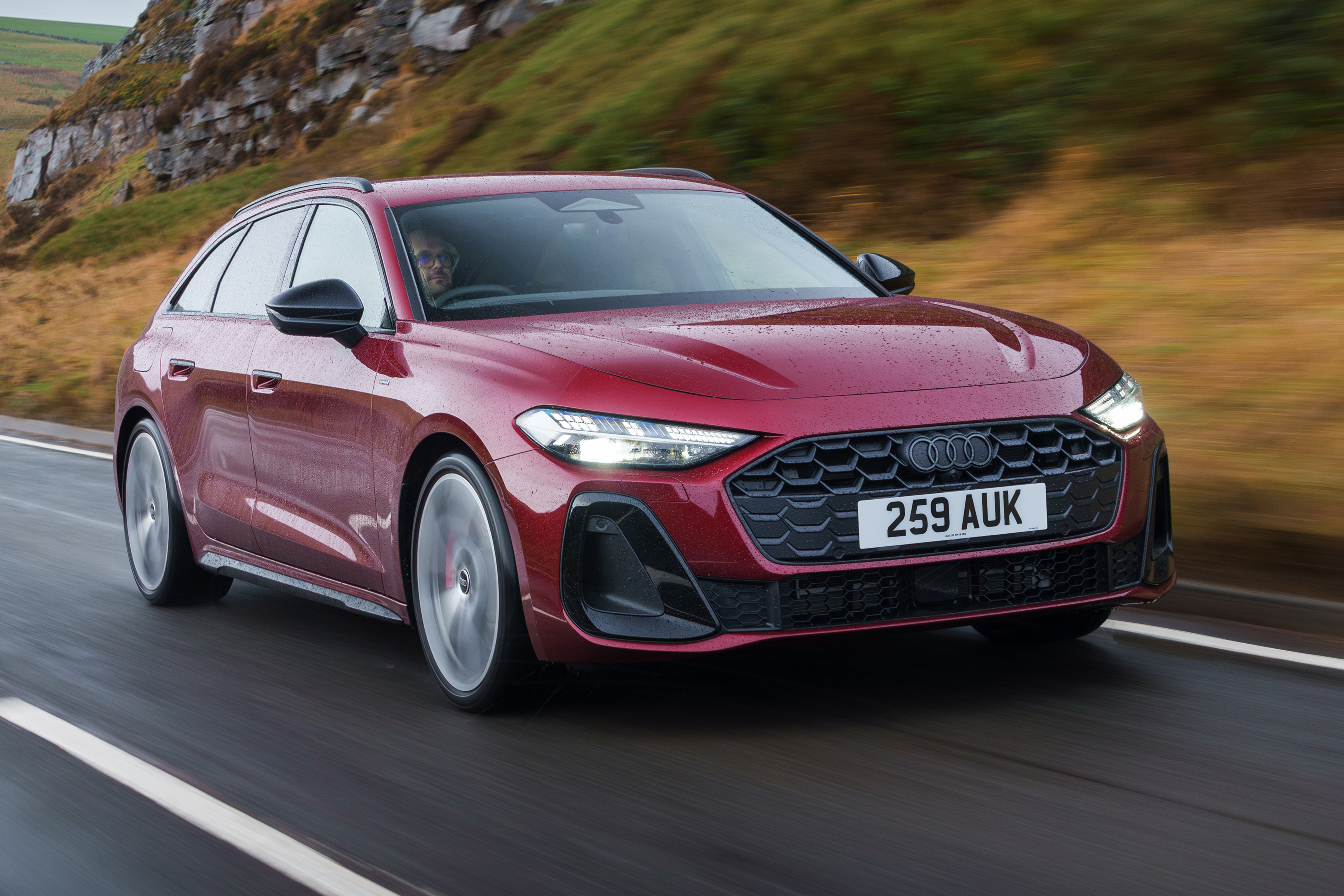
The Audi A4 Avant has effectively handed the baton to the newer Audi A5 Avant, and that remains a key alternative if you prefer Audi’s design and cabin layout. The Mercedes counters with the more dramatic central screen and the stronger plug-in hybrid story.
The Volvo V60 deserves a place on the shortlist too. It is handsome, feels classy and has long been a sensible alternative in this part of the market, particularly in plug-in hybrid form. If you want something a little less common than the German trio, it still makes sense.
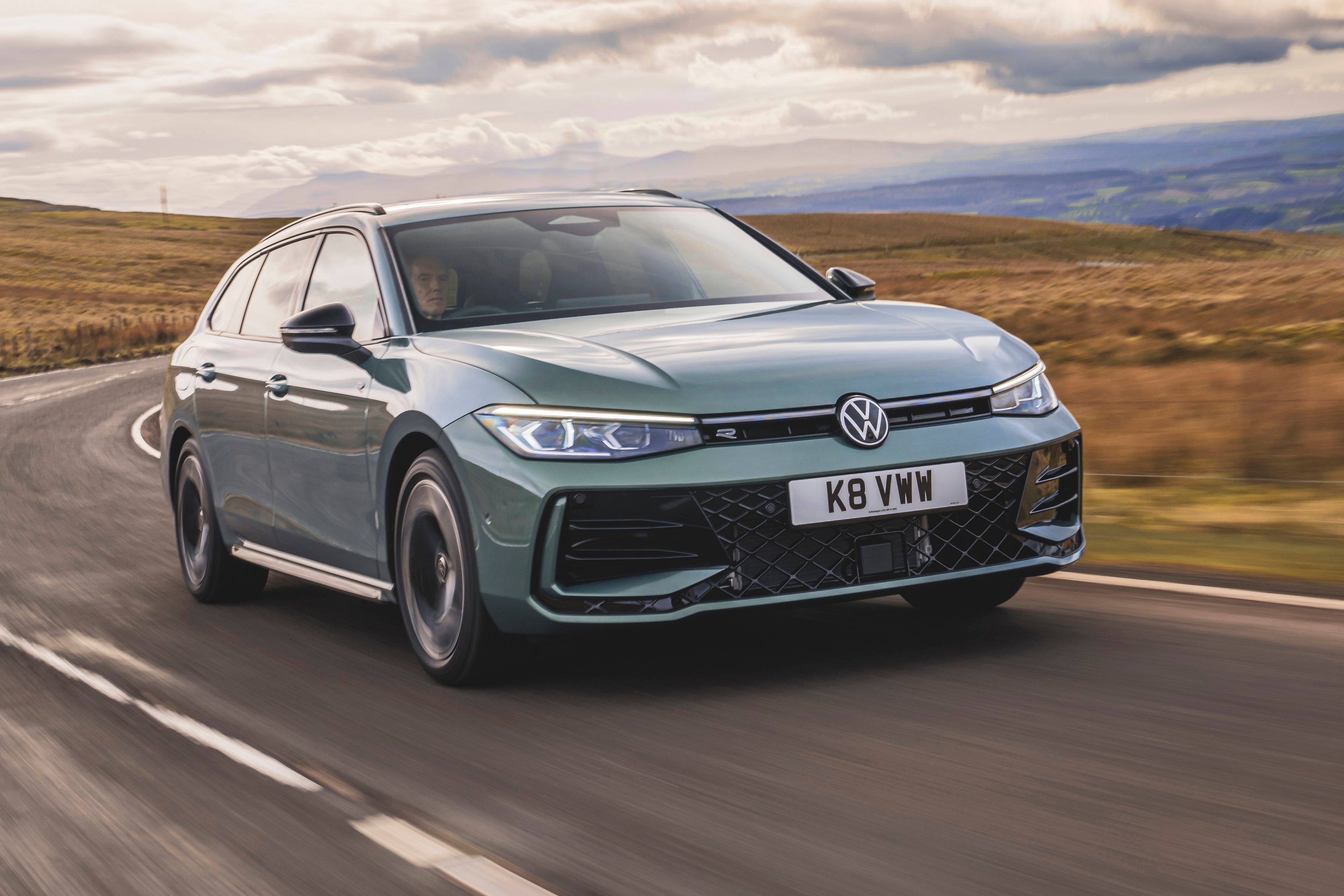
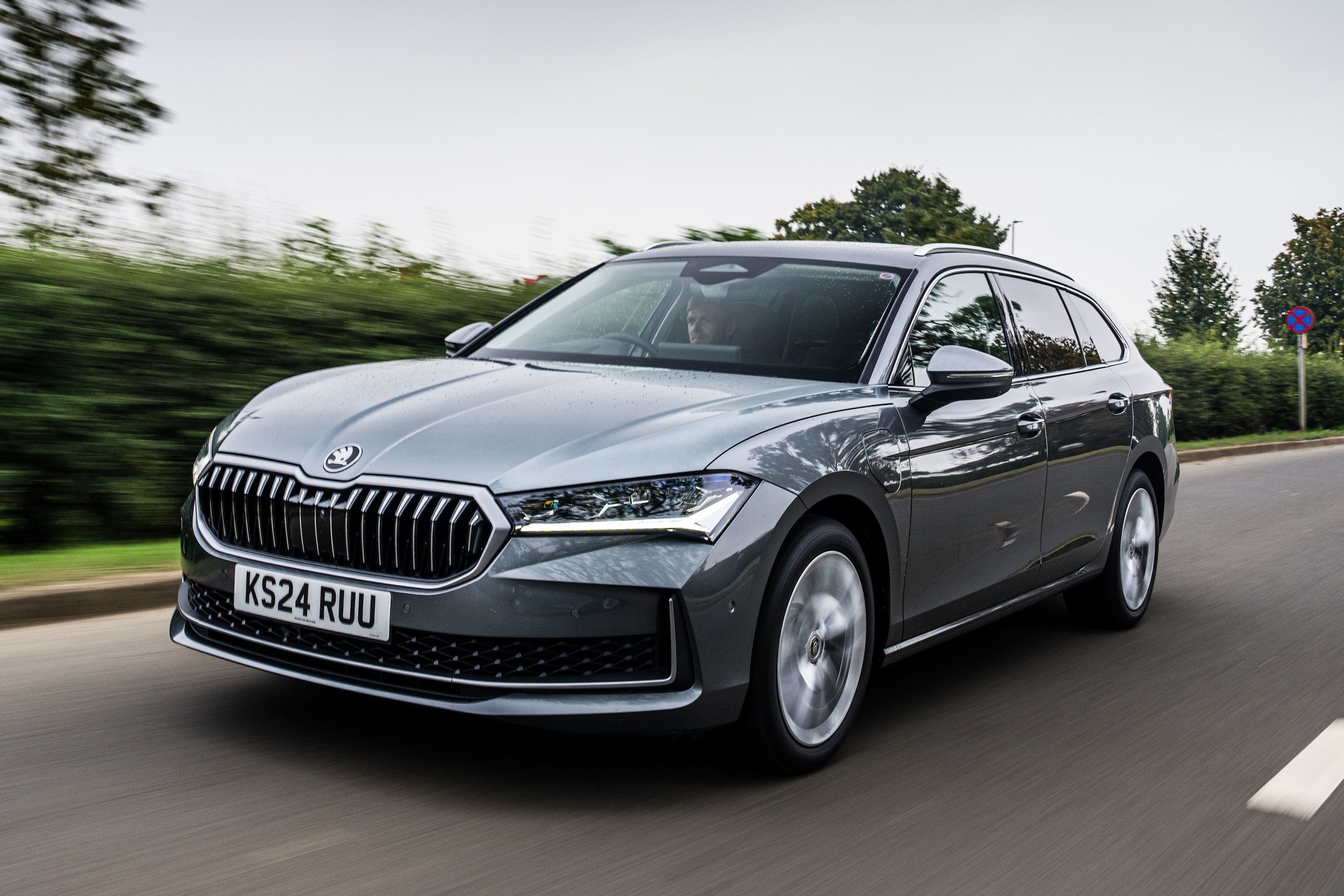
The Skoda Superb Estate and Volkswagen Passat Estate also deserve mention, especially if practicality matters more than badge prestige. Neither has the Mercedes’ showroom cachet, but both offer more space and are easier to justify if you are looking at the numbers as much as the badge.
What's the interior like in the Mercedes-Benz C Class?
The Mercedes-Benz C-Class Estate has one of the smartest cabins in this class. It feels modern, expensive and suitably tech-rich, even if not every material quite matches the premium promise.
Mercedes-Benz C Class boot space and practicality
Mercedes has improved space in this generation C-Class Estate, and that is most obvious in the back. Rear passengers get more knee room than before, and headroom is a little better too, so it is easier to carry adults without the car feeling pinched. It is still not the airiest car in the class for three across the rear bench, though, because the central tunnel is large and the middle seat is best treated as occasional rather than ideal.
Up front, the C-Class Estate feels roomy and supportive. The driving position is easy to get right thanks to the generous range of adjustment, and even taller drivers should be comfortable unless the panoramic roof starts to eat into the last bit of headroom. The high centre console gives the car a cocooning feel without making it seem cramped.
Boot space in the regular mild-hybrid models is 490 litres, which is a useful improvement over the old car and enough for most family duties. Fold the rear seats and capacity rises to 1,510 litres. That is respectable rather than class-leading. A BMW 3 Series Touring and Audi A4 Avant are broadly similar, but bigger alternatives such as the Skoda Superb Estate offer more.
The diesel plug-in hybrid C 300 de is the outlier here because boot space drops to 455 litres. That is the compromise for the extra battery hardware. The regular C 300 e keeps the full 490-litre figure, which is one reason it makes the stronger all-round case.
In everyday use the boot works well. The opening is wide, the lip is low enough to avoid too much heaving, and the 40:20:40 split rear seats add genuine flexibility. The powered tailgate is standard, and there is underfloor storage in the regular models as well. Taken as a whole, the C-Class Estate is practical enough, even if it does not dominate the class for outright carrying ability.
Mercedes-Benz C Class dimensions
The Mercedes-Benz C-Class Estate measures 4,755mm long, 1,820mm wide and 1,455mm high. That places it squarely in the heart of the compact executive estate class, and it feels it on the road.
It is large enough to offer proper family-car space, yet not so large that it becomes awkward in towns or tight car parks. That balance is part of the appeal. The C-Class Estate still feels like something you could happily use every day, rather than an oversized load-lugger you only appreciate on holiday weekends.
Tech and infotainment in the Mercedes-Benz C Class
The cabin is dominated by the portrait-style central touchscreen, and in many ways it defines the whole car. It looks slick, it lifts the dashboard design and it makes the C-Class Estate feel more expensive than its predecessor straight away.
Mercedes’ latest MBUX system is also one of the better infotainment setups around. It is fast, clear and generally intuitive, even if the sheer number of menus means there is a learning curve at first. The graphics are excellent and the response times are quick enough that it rarely feels frustrating.
Apple CarPlay and Android Auto are standard, and the voice assistant remains one of the better examples of the breed. Whether you want to speak to your car is another matter, but the system itself works well enough. The weaker point is the reliance on touch-sensitive controls, especially on the steering wheel, where fine adjustments can be more awkward than they should be.
The trade-off is familiar. Mercedes has achieved the clean, minimalist look it wanted, but it has done so by moving more functions into the screen. It works, although not always as neatly in day-to-day use as a cabin with more physical buttons would.
Materials available on the Mercedes-Benz C Class
Material quality is mostly strong, especially in the areas you see and touch most. The metal trim, glossy surfaces and upper dashboard all help create the sense that you are sitting in a properly premium estate car. Higher-spec cars go further with leather-covered upper door trims and more interesting inlays, and those are the versions that really show the cabin at its best.
AMG Line models get metal-weave trim as standard, which suits the car well. Higher trims add more decorative finishes, including the more distinctive wood options. The car looks especially good at night, when the ambient lighting gives the whole cabin more depth.
The only real disappointment is lower down. Some of the plastics in the doors and around the cabin edges do not feel as rich as the design suggests they should, especially at this price point. It is not a deal-breaker, but it does stop the C-Class Estate from feeling quite as impeccably finished as the best bits of the interior promise.
What's the Mercedes-Benz C Class like to drive?
The C-Class Estate follows the traditional Mercedes line. It is more interested in comfort and refinement than in turning every B-road into an event. For most buyers, that will be exactly right.
Mercedes-Benz C Class range and performance
The heart of the mainstream range is made up of the C 200, C 220 d, C 300 e and C 300 de. AMG versions sit above those and are better treated as separate reviews.
The C 200 uses a 1.5-litre turbo petrol mild hybrid with 204PS. It is the entry point, but it does not feel underpowered, getting from 0-62mph in 7.5 seconds. The C 220 d remains the long-distance default, using a 2.0-litre turbo diesel mild hybrid with 200PS and covering 0-62mph in 7.4 seconds. Neither feels remotely slow in everyday use.
Then there are the plug-in hybrids. The C 300 e pairs a 2.0-litre petrol engine with the hybrid system for 313PS, 0-62mph in 6.2 seconds and up to 68 miles of electric running in estate form. The diesel plug-in hybrid C 300 de produces 333PS, covers 0-62mph in 6.5 seconds and raises the official electric range to up to 73 miles.
For most private buyers the C 200 is enough, and the C 220 d remains a very strong all-round choice. But the real draw of the current range is the plug-in hybrid pair, because both deliver meaningful electric running without turning the car into a compromise special.
Performance data
| Model | Engine/battery size | Power | 0-62mph | Range/MPG |
|---|---|---|---|---|
C 200 | 1.5-litre petrol | 204PS | 7.5 seconds | Up to 44.2mpg |
C 220 d | 2.0-litre diesel | 200PS | 7.4 seconds | Up to 61.5mpg |
C 300 e | 2.0-litre plug-in hybrid (petrol) | 313PS | 6.2 seconds | Up to 68 miles electric range |
C 300 de | 2.0-litre plug-in hybrid (diesel) | 333PS | 6.5 seconds | Up to 73 miles electric range |
Mercedes-Benz C Class driving and refinement
If the BMW 3 Series Touring is the more athletic estate, the C-Class Estate is the one that feels more effortlessly relaxed. The suspension is tuned with comfort in mind, and it pays off. The car smooths out rough surfaces very well, settles quickly after bumps and feels composed at speed in the way you want from a premium family car.
The steering is light and accurate, which makes low-speed manoeuvres and parking easy. What it does not do is serve up much in the way of feedback. Keen drivers will find it a little detached, and the same goes for the chassis overall. It grips well and handles neatly enough, but it is not trying to entertain in the same way as the BMW.
The nine-speed automatic gearbox suits the car perfectly. It is smooth, unobtrusive and happiest just getting on with the job rather than inviting manual intervention. That makes it a strong partner for both the diesel and the plug-in hybrids, where it helps the whole driving experience feel polished and low-stress.
Refinement is one of the car’s strongest suits. Even the C 220 d is impressively hushed by diesel standards, and the plug-in hybrids are especially serene in electric running. Wind noise is very well suppressed, road noise is kept under control and the cabin stays calm at motorway speeds. If you spend a lot of time covering distance, the C-Class Estate feels extremely well judged.
How safe is the Mercedes-Benz C Class?
The C-Class achieved a five-star Euro NCAP rating in this generation, with particularly strong scores for adult and child occupant protection. The estate was not separately called out in the review text as a different result, and in practice there is no reason to think it gives away anything meaningful in safety terms compared with the saloon.
Standard safety equipment is strong, too. All models get a reversing camera, multiple driver-assistance systems and Mercedes’ usual safety package, including post-crash braking support and eCall functionality. Higher trims add extra parking and camera functions, including a 360-degree view on the richer models.
For family buyers, the important thing is that the C-Class Estate feels every inch the modern premium car in this area. There is a lot of technology working in the background, and the fundamentals are strong.
Running costs: What it's like to live with a Mercedes-Benz C Class
The C-Class Estate is not a cheap car to buy, but the running-cost picture is stronger than you might expect if you choose the right version. The plug-in hybrids are especially compelling if they fit your use case.
Mercedes-Benz C Class fuel economy
The mild-hybrid engines are respectable rather than remarkable on paper. The C 200 manages 44.2mpg officially, while the C 220 d stretches to 61.5mpg and remains the best bet for long-distance economy if you do not want a plug-in hybrid.
The more interesting part of the range is the plug-in hybrid pair. The C 300 e offers up to 68 miles of electric running in estate form, while the C 300 de stretches that to 73 miles. Those are strong numbers for this class and make daily electric running entirely realistic for many owners.
That is what makes these plug-in hybrids different from many rivals. If you keep them charged and your regular trips are not too long, you can genuinely use very little fuel. If you never plug them in, you are carrying the complexity and weight for much less benefit, so they only really make sense if you will use the electric side properly.
Mercedes-Benz C Class warranty and servicing
Mercedes provides a three-year warranty, along with 30 years of anti-corrosion cover. That is decent rather than class-leading, and it still looks a little modest next to some mainstream brands that now offer longer basic cover.
Servicing is straightforward in pattern if not necessarily cheap in cost. The first service is typically due after one year or 15,500 miles, whichever comes first, and the regular Mercedes maintenance schedule follows from there. Buyers looking at used examples should pay close attention to service history, especially on the more complex plug-in hybrid models.
Mercedes-Benz C Class insurance groups
The mainstream C-Class Estate range sits in relatively high insurance groups, broadly from 34 to 46 depending on engine and trim. That is no surprise in a premium executive estate car with this level of performance and technology, but it is still worth remembering if you are moving up from something more mainstream.
The mild-hybrid C 200 is the least painful place to start, while the plug-in hybrids and richer trim levels push further up. Quotes will vary a lot, so it is worth shopping around carefully.
How much does it cost to tax a Mercedes-Benz C Class?
For 2026 to 2027, the standard annual VED rate after the first year is £200. The trouble for C-Class Estate buyers is that every current car in the range sits above the £40,000 Expensive Car Supplement threshold.
That means petrol, diesel and plug-in hybrid versions all attract the extra £440 annual supplement for five years from the start of the second licence. In practical terms, most buyers will be looking at £640 a year during that period.
It is worth stressing that the newer £50,000 threshold applies to electric cars, not to the C-Class Estate’s plug-in hybrids. So while the C 300 e and C 300 de may make strong sense for company-car tax or fuel costs, they do not escape the expensive-car VED hit.
What trims are available with the Mercedes-Benz C Class?
The current C-Class Estate range is built around AMG Line, Urban Edition, AMG Line Premium and AMG Line Premium Plus, although Urban Edition is focused on the plug-in hybrid side of the range rather than being a full-range trim.
AMG Line is the key model because it already gives you most of what you want. You get the full digital cockpit feel, heated front seats, lumbar adjustment, ambient lighting, smart exterior styling and alloy wheels that suit the car well. It looks and feels like a proper premium estate car rather than a stripped-back entry model.
Urban Edition is the more value-focused plug-in hybrid route and can make sense if you want the plug-in hybrid drivetrain without paying for every extra flourish. It keeps the focus on the powertrain rather than the frills.
AMG Line Premium adds the kind of extras buyers in this class often expect, including more tech, richer cabin ambience and additional convenience features. It is a tempting step up, especially on the C 300 e.
AMG Line Premium Plus is the fullest-fat version, bringing the likes of MULTIBEAM LED headlamps, panoramic roof, 360-degree camera and the most indulgent tech count. It is impressive, but it is also where the C-Class Estate starts to feel very expensive very quickly. For most buyers, AMG Line or AMG Line Premium is enough.
Ask the Drive experts: common questions
Is the Mercedes-Benz C-Class Estate a good family car?
Which Mercedes-Benz C-Class Estate engine is best?
Is the Mercedes-Benz C-Class Estate better than a BMW 3 Series Touring?
Does the Mercedes-Benz C-Class Estate have a big boot?
Get our latest advice, news and offers
Keep me updated by email with the latest advice, news and offers from Drive.
.jpg)
.jpg)
.jpg)