Skoda Superb Estate Review

Written By Phil Hall
- 2024
- Estate
- Petrol, Diesel, PHEV
What we love
Huge boot and excellent rear-seat space
Refined and smooth driving experience
Broad choice of petrol, diesel and plug-in hybrid engines
Things to consider
Some cabin materials are more functional than premium
Set up with long-distance comfort in mind
Specification varies considerably across the range
The DRIVE take on the Skoda Superb, is it the right car for you?
The Skoda Superb Estate still carries out the big-estate brief exceptionally well. It majors on space, comfort, sensible running costs and easy usability rather than trying to feel overtly sporty or premium for the sake of it. That makes it especially appealing to families, company-car drivers and anyone who regularly covers long distances with people or luggage on board.
It is not the cheapest estate on the market, and it is not the most exciting to drive, but that misses the point. The Superb Estate makes most sense if you want one car that can cover motorway miles, holiday luggage, child-seat duties and everyday commuting without fuss. If you want a close alternative with a slightly different look and feel, the Volkswagen Passat Estate is the obvious place to start.
The Skoda Superb in more detail
Estate cars might be falling out of favour with car buyers, but the Skoda Superb Estate has built up a loyal following over many years and has been a big success for Skoda across Europe. That's why Skoda isn't ready to say goodbye to its big family wagon just yet.
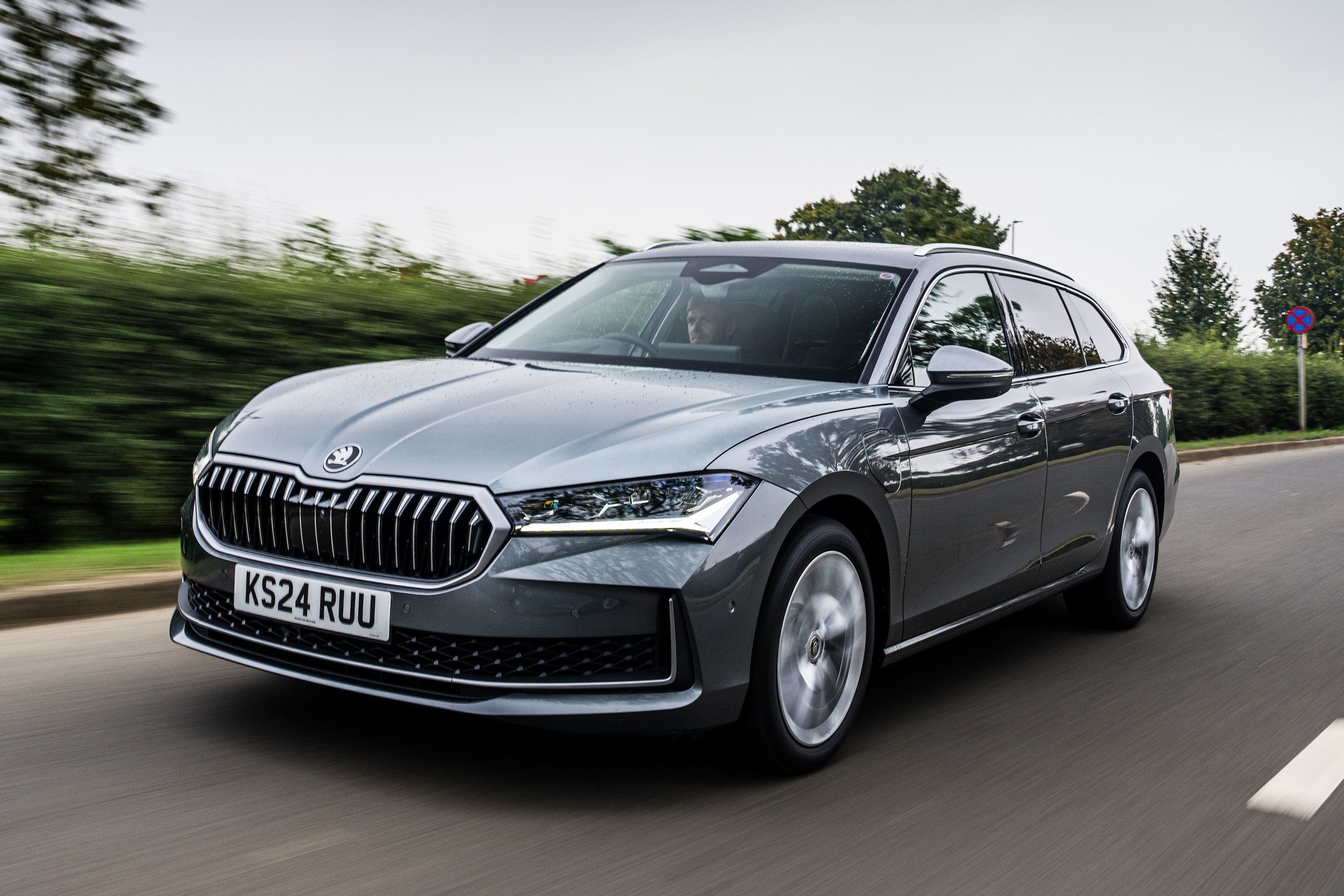
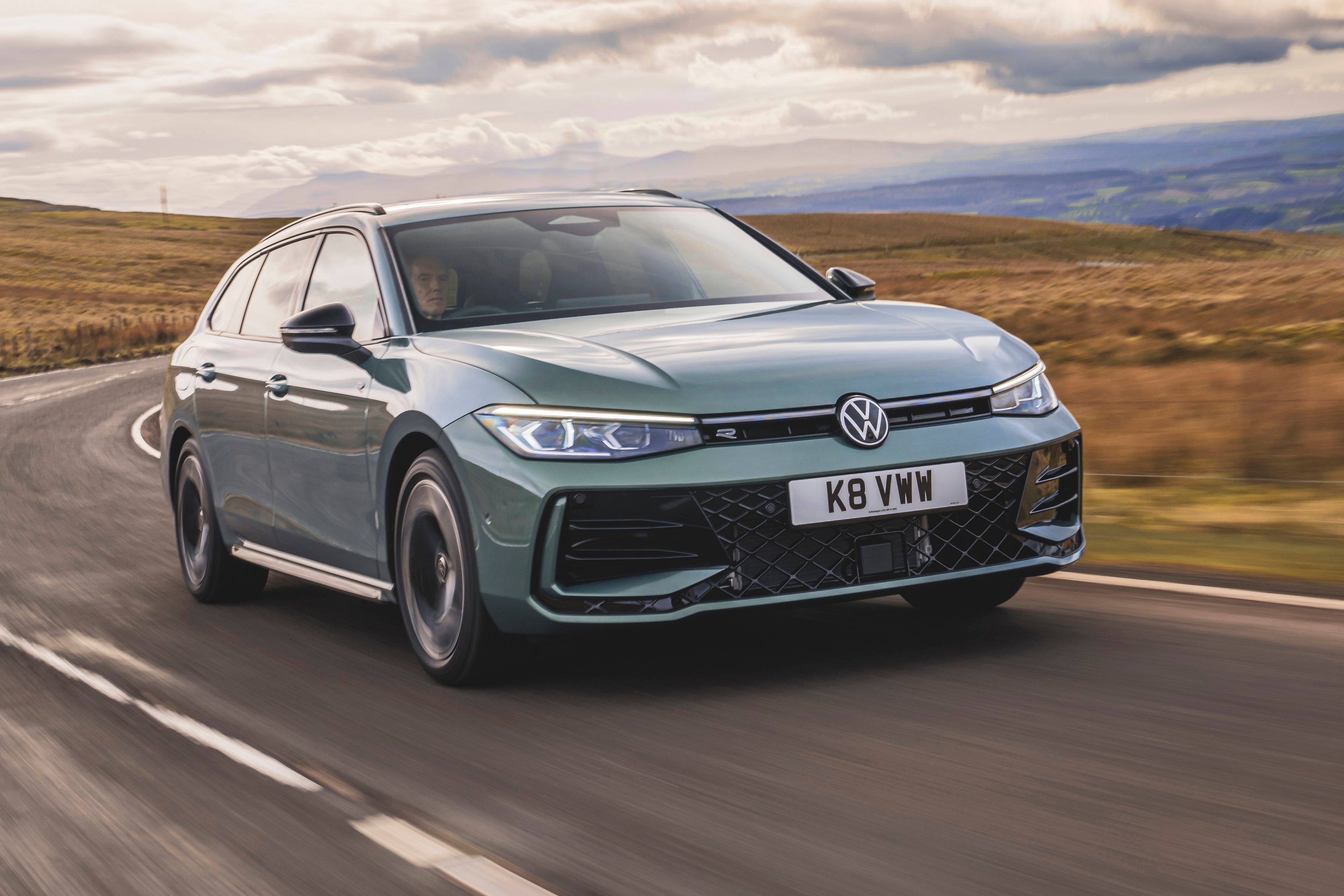
The Superb Estate certainly has a lot to live up to, then, but the good news is that Skoda hasn't messed with a winning formula. That said, one welcome change is the styling. While the older car could look a little bland, the new Superb Estate uses the updated Skoda design language. It is more streamlined, bold and sculptural, with crisper lines and a more aerodynamic profile to boost fuel efficiency. It certainly looks a lot more premium than before.
Practicality remains the reason most people will shortlist the Superb Estate. The 690-litre boot is one of the largest in this class, and the car feels genuinely roomy in the back seats rather than merely acceptable. If you need one car to absorb family life, airport runs, flat-pack furniture and regular long-distance work trips, few mainstream estates do it with less fuss.
Inside, Skoda has moved the Superb on in a big way in terms of tech. There’s a 13.0-inch central touchscreen, a digital driver display, and the latest version of Skoda’s Smart Dials, which make operating some functions a lot easier, quicker and more intuitive than doing so with the touchscreen. The overall impression is cleaner and more upmarket than before, but with the focus still on usability.
That breadth of engine choice is a big part of the Superb Estate’s appeal. Entry-level mild-hybrid petrol versions are aimed at drivers who want a smooth, straightforward family car without the added weight or charging needs of a PHEV. Diesel remains in the range, too, which is still appealing if you do a lot of motorway miles. Then there is the 204PS plug-in hybrid, with its official electric range stretching to 84 miles according to official figures, making it far more viable for all-electric commuting than most older PHEVs.
The Superb’s driving experience is exactly what you’d hope for from a car like this. It’s a comfortable motorway mile-eater, happy to soak up the imperfections of poor road surfaces and demanding very little from the driver in the process.
There's a range of estate cars out there with varying boot sizes, but if you want the last word in large boots, then you're going to need a Skoda Superb Estate. Admittedly the VW Passat Estate matches it for size as it shares the same platform, but you're going to have to start looking at small vans if you need to move something larger.
What's the best Skoda Superb trim and battery option?
For most private buyers, the sweet spot would probably be an SE L with the 1.5 TSI e-TEC 150PS mild-hybrid petrol engine. That’s because the engine is strong enough to haul around the Superb’s large body without making the car needlessly expensive, and it comes with the creature comforts you’ll really want. Officially, it returns up to the mid-50s mpg, which is respectable for such a large estate.
If you do high annual mileage, the 2.0 TDI 150PS still deserves serious consideration, because diesel remains the best fuel choice for those who do lots of motorway miles. It delivers brawny performance, but the stronger 193PS diesel 4x4 is the one to choose if you regularly tow, although it is more expensive to buy and insure.
For company-car drivers, the 1.5 TSI iV plug-in hybrid will probably be the pick, provided that they have regular home- or workplace charging. Its official 84-mile electric range means that plenty of commuters will be able to do most of their weekday driving without using much - if any - petrol, while still having a combustion engine for longer trips.
On trim level, SE L is likely to be the pick for many buyers. This is the point where the Superb starts to feel properly plush rather than merely well equipped. SportLine adds more visual appeal, although it is harder to justify for value-focused buyers.
What’s the price of the Skoda Superb?
The current Skoda Superb Estate range starts at £38,135 for the SE Technology 1.5 TSI e-TEC 150PS DSG. The plug-in hybrid in the same trim starts at £41,580, while SE L versions run from £41,580 and climb to £45,855 depending on engine. SportLine models stretch from £43,395 to £48,995, and the top Laurin & Klement versions top out at £51,390.
The dwindling nature of this section of the car market means that there aren’t very many mainstream rivals to compare on price. The Volkswagen Passat Estate is the closest alternative, sharing much with the Superb underneath, but the Skoda is a fraction cheaper. And both cars undercut premium-badged alternatives while offering more boot space than most of them. If your budget is tighter, a Skoda Octavia Estate has most of the same abilities for less money, albeit with less rear-seat space and load volume.
Alternatives to the Skoda Superb
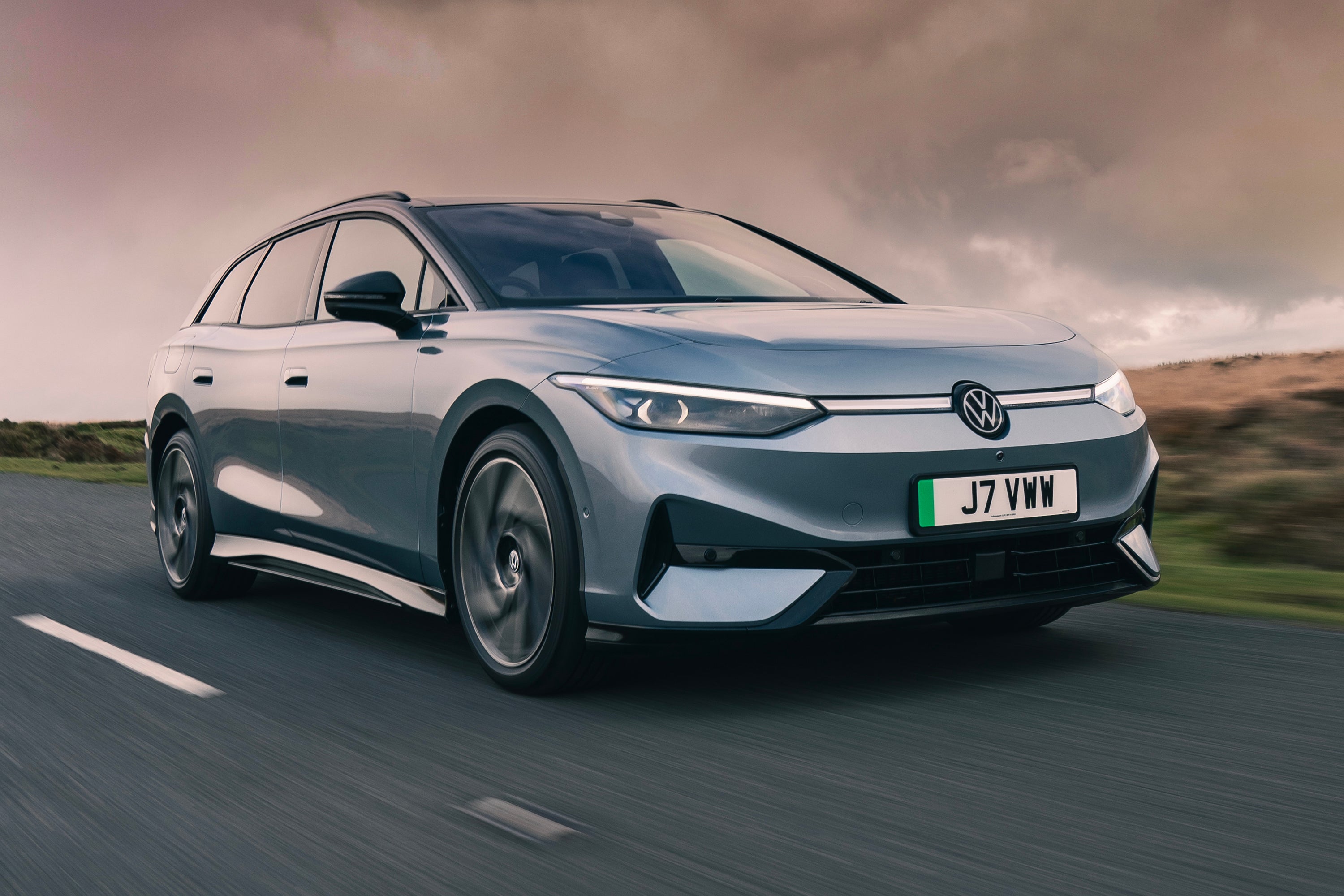
The most obvious alternative is the Volkswagen Passat Estate. It is very similar to the Superb Estate in size, purpose and overall appeal - indeed, the two cars are closely related, mechanically - so the choice will often come down to design preference and which of the two cars you can get the best deal on.
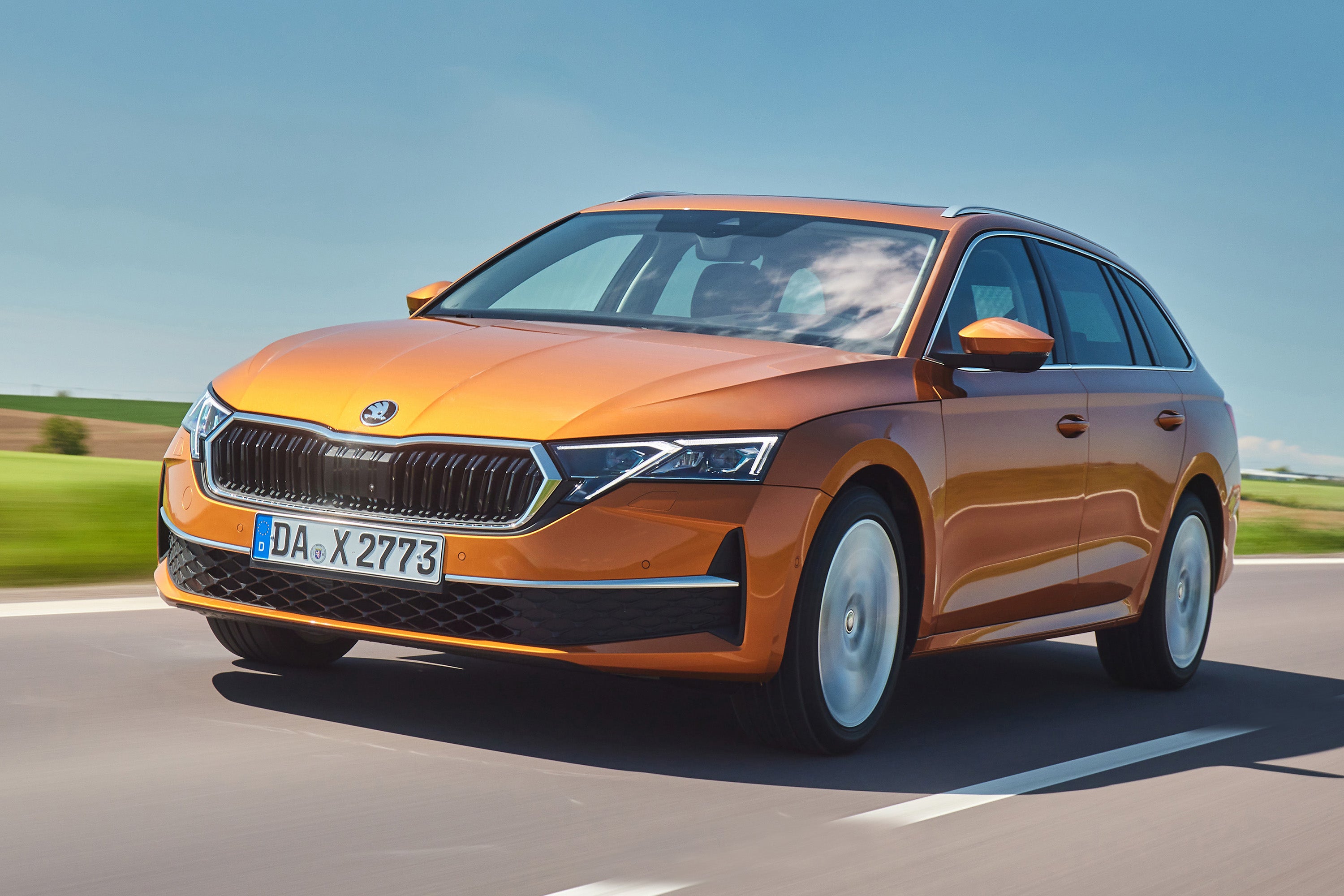
If value matters more than outright size, the Skoda Octavia Estate is also worth a look. It’s not as large or as relaxed as the Superb, but it will be enough car for plenty of families.
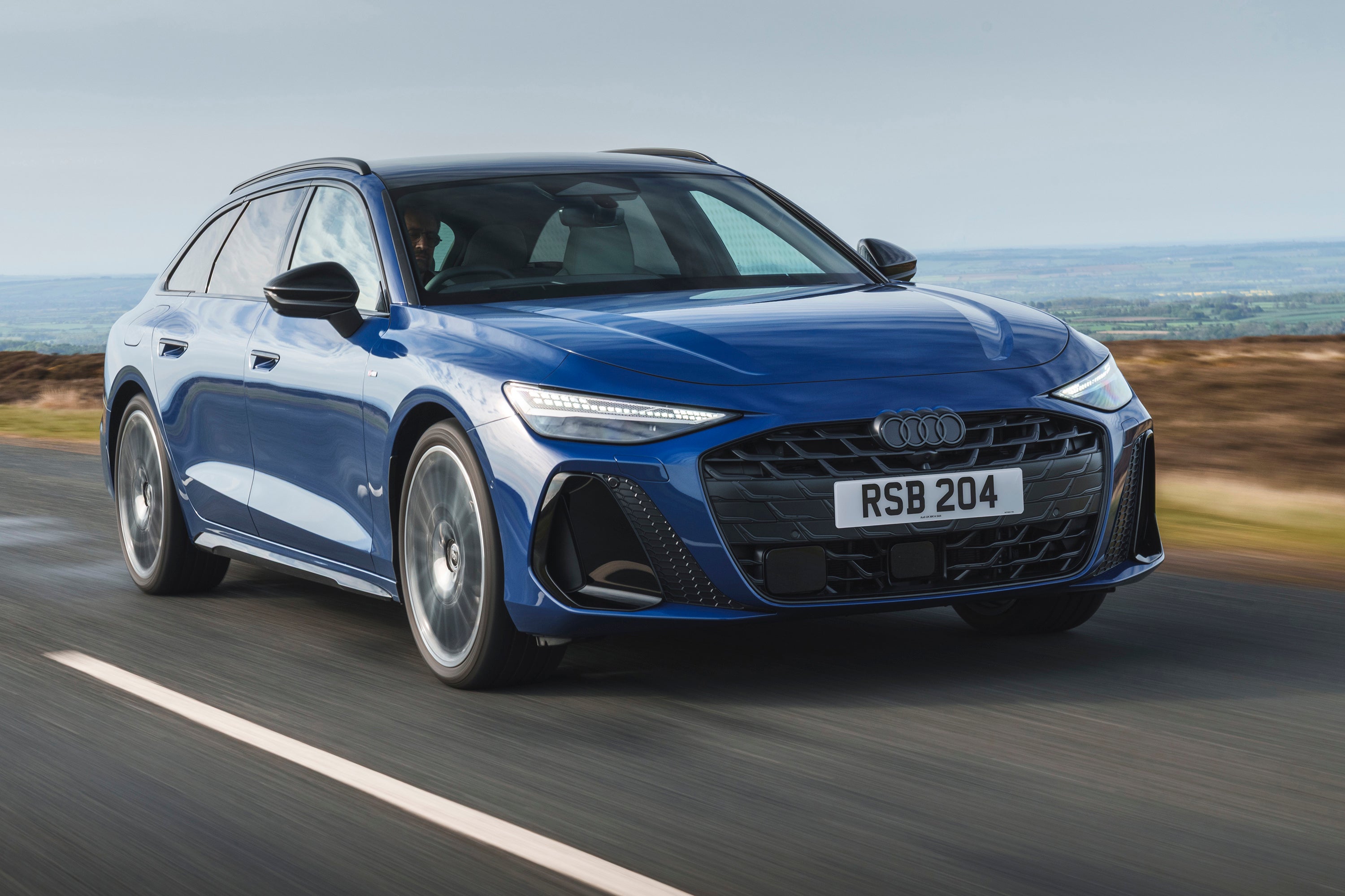
Outside the Skoda and Volkswagen fold, buyers might also look at cars such as the BMW 3 Series Touring or Audi A5 Avant, but those alternatives have less rear-seat and boot space, and a higher price.
Other options include the Audi A6 Avant, BMW 5 Series Touring and Mercedes E-Class Estate if you want to get closer to the Superb Estate's boot capacity, but you'll have to increase your budget considerably.
What's the interior like in the Skoda Superb?
The Superb Estate’s cabin is one of its strongest points. The sheer amount of space on offer immediately makes it feel airy, and the design is smart and modern. The digital hardware looks good, and so do the Smart Dials, while also offering an additional dose of usability. With very little in the way of gimmickry, it feels like it was designed by people who understand how family and fleet drivers actually use a car.
Skoda Superb boot space and practicality
This is where the Superb Estate really earns its name. With 690 litres of boot space with the rear seats in place, it has the kind of luggage space that makes you wonder why so many family car buyers have turned their backs on estate cars in favour of SUVs. Fold the rear bench and capacity rises to 1,920 litres.
If those numbers don’t mean that much to you, just rest assured that this is one of the largest boots of any car that isn’t derived from a van. Double buggies, holiday cases, large dogs and trips to a well-known Swedish furniture store will all be well within its comfort zone. The estate body style also makes the boot easier to load than in many SUV alternatives, and that is a genuine advantage if you value function over fashion.
Passenger space is another major strength. The latest Superb Estate is larger than its predecessor and continues to offer the sort of rear legroom that makes it feel closer to a luxury limousine than a mainstream family wagon. Tall adults fit comfortably front and rear, with plenty of space to stretch out.
Visibility and general ergonomics are good, although the Superb’s size means you do need to be more aware of its extremities than you would in an Octavia Estate.
Skoda Superb dimensions
The Skoda Superb Estate measures 4,912mm in length, 1,849mm in width and 1,481 to 1,482mm in height depending on specification. That makes it a genuinely large estate, and one of the reasons its rear-seat and boot space are so impressive. Compared with smaller estates such as the Octavia, you feel the extra size, both inside the cabin, and when parking it.
Tech and infotainment in the Skoda Superb
Regardless of which trim level you choose, the Skoda Superb Estate comes with a large 13.0-inch touchscreen that acts as your gateway to the car's infotainment, navigation and car settings. The display is clear and bright, while also nice and responsive.
Overall it's pretty easy to navigate, and to avoid loads of smeary finger marks from prodding the screen, the Superb Estate comes with a special cleaning block that lives in the central storage space and quickly removes those marks. There's also Apple CarPlay and Android Auto connectivity, while wireless charging is standard. There's also a voice-activated personal assistant, known as Laura.
Choose from SE L trim level and above, and a head-up display is an optional extra, the first time we've seen this on a Superb. It projects navigation, speed and other driver information onto the windscreen. Otherwise all models come with a configurable 10.0-inch Virtual Cockpit digital instrument display.
As well as the standard stereo (with DAB and Bluetooth connectivity), the Laurin & Klement trim comes as standard with a 725-watt Canton Sound System with a 16-channel amp, digital equaliser and twelve speakers. This is in addition to a central speaker in the dashboard and a subwoofer in place of the space-saver spare wheel. Even if you don't plump for the L&K trim, it's available as an option on both the SE Technology and SE L trims.
Materials available on the Skoda Superb
Skoda has leaned into more sustainable materials and a broader choice of upholstery themes with the latest Superb. Many of the plastics and fabrics are recycled materials, while higher trims move the car further into plush territory with leather and artificial leather combinations, massage seats and more decorative cabin finishes. Even the SE L version feels impressively luxurious, while Laurin & Klement is the ultimate version if you want the most visual richness the range offers.
What's the Skoda Superb like to drive?
The Superb Estate majors on comfort, composure and ease, rather than entertainment. That is exactly what most buyers in this part of the market actually want. It is a car for covering distance quietly and calmly, in a fuss-free manner.
Skoda Superb range and performance
The Skoda Superb Estate is available with a range of petrol-, diesel-, mild hybrid-, and plug-in hybrid powertrains. All new Skoda Superb Estates have a DSG automatic gearbox, with either six- or seven speeds, so there's no manual gearbox available. There’s not - and never will be - a pure electric powertrain available in the Skoda Superb : if you want a large Skoda EV, you'll have to plump for the Enyaq SUV.
We reckon that for most buyers, a Skoda Superb Estate with the 1.5-litre TSI petrol engine should tick a lot of boxes. Producing 150PS, performance is hardly barnstorming, but it’ll be adequate enough for most drivers, and importantly, has enough oomph to maintain the Superb’s easy-going nature. It has mild hybrid tech to save fuel when on the move, and ACT+ active cylinder technology, which turns off two cylinders during relaxed cruising, improving fuel economy.
If you're looking for something with a bit more grunt, there's the choice of a 2.0-litre TSI with 204PS, or a 265PS version with four-wheel drive. The latter is perfect if you're looking for a discreet-yet-properly-fast estate car, but you’ll notice the difference at the fuel pumps.
The entry-level diesel option is the 2.0-litre TDI with 150PS, and again, this will be the sweet spot for many buyers. It's economical, but there's enough torque for it not to feel sluggish, and it even has the capacity to feel moderately quick at timnes. Not only that, but it's more than up to the job for towing heavy loads.
On top of this there's also a more powerful 193PS version of this engine if you're looking for a bit more more performance, and this version also has four-wheel drive for even greater towing ability.
Finally, there's the plug-in hybrid powertrain, and it's had a bit of an overhaul from the one in the previous Superb PHEV. While the older model used a 1.4-litre TSI petrol engine paired with an electric motor to deliver 218PS, the latest Superb Estate iV PHEV uses the newer 1.5-litre TSI engine coupled to an electric motor to produce 204PS. While it's a little down on power, it uses a larger battery (up from 12.7kWh to 25.7kWh) to give a pure-electric range of up 62 miles on early examples, a significant improvement over the 35-mile range of the older car. Cars sold new from mid-2025 onwards get a further upgraded plug-in hybrid system that ups the electric-only range to 84 miles. The performance on offer feels smooth and willing, so you’ll have no complaints on that score.
Performance data
| Model | Engine/battery size | Power | 0-62mph | Range/MPG |
|---|---|---|---|---|
1.5 TSI e-TEC | Petrol MHEV | 150PS | 9.3 seconds | Around 54mpg |
2.0 TDI | Diesel | 150PS | 9.3 seconds | Around 57mpg |
2.0 TDI 4x4 | Diesel | 193PS | 7.6 seconds | Around 47mpg |
2.0 TSI | Petrol | 204PS | 7.4 seconds | Around 40mpg |
1.5 TSI iV | PHEV | 204PS | 8.1 seconds | Around 235mpg |
2.0 TSI 4x4 | Petrol | 265PS | 5.7 seconds | Around 35mpg |
Skoda Superb driving and refinement
All the Superb Estate test cars we've tried so far have all been equipped with Skoda's Dynamic Chassis Control (DCC) Pro adaptive damper system. This is standard on SportLine and L&K cars, and an optional extra on SE L models, although it’s not available on SE Technology. DCC Pro allows you to stiffen or soften the ride of the Superb to suit the road you're on. In most situations, you'll probably want to stick it in 'Comfort' as this results in a very smooth and sophisticated experience, doing a good job of evening out lumpy road surfaces. The steering is relatively light, but it’s easy and accurate.
True, the Superb Estate is never going to make the hairs on the back of your neck stand up when you drive it, but for those occasions though when you find yourself on a flowing B road, 'Sport' mode on DCC Pro will firm the suspension up to improve handling, while adding a bit more weight to the steering as well. There's a decent amount of grip should you want to hustle a bit, but at the end of the day, the Superb is a big and heavy car, and it never shakes that off. In reality, it's much more at home on a motorway where it wafts you along in comfort. This truly is where the Skoda Superb Estate excels.
And despite the Skoda Superb Estate's size, it's actually pretty easy to manoeuvre around town thanks to light steering at lower speeds. The DSG gearbox provides smooth, low-speed driving, too, and we didn't experience any hesitancy when pulling out into traffic or merging on a roundabout.
There's also plenty of driver assistance tech on offer as well. All cars come with a rear parking camera, with the Laurin & Klement version coming with a 360-degree camera to provide a bird's eye view of the car. Park Assist can automatically park in perpendicular and parallel parking spaces for you, controlling not just the steering, but also the speed as well.
On the move, the Skoda Superb Estate is generally nice and refined, insulating passengers from the thrum of the outside world. Even at motorway speeds, wind noise and road noise are kept to a minimum.
Engine choice will also have a part to play. As you'd expect, the PHEV version is the quietest when running on electric power alone, while the 1.5-litre petrol mHEV has to work harder than the larger 2.0-litre petrol engines. The diesels are more audible at lower speeds, but you'll hardly notice them once you're cruising at motorway speeds.
How safe is the Skoda Superb?
The latest Skoda Superb Estate was tested by independent safety organisation Euro NCAP in 2024 and was given the maximum five-star score. It scored a very impressive 93% in the adult occupant category, along with scores of 87% for child occupants, 82% for vulnerable road users and 80% for safety assistance. The tests were actually carried out on the mechanically related Volkswagen Passat, but the results also apply to the Superb Estate, such is the similarity between the two cars.
The Skoda Super Estate comes with up to 10 airbags and there's not shortage of driver assistance on offer, either. Using nano radar sensors enables the car to alert you to crossing traffic (such as pedestrians and cyclists) when you're trying to move out of a blind exit like a driveway or small side street. It'll even brake automatically to avoid a collision.
The nano radar sensors have also allowed Skoda to improve the Front Assist alert system, now with Predictive Cyclist Protection, while Side Assist can now detect approaching vehicles from up to 90 metres behind (up from 70 metres) and will warn of dangerous lane changes.
Exit Warning is on hand to alert you to approaching traffic before a door is opened, while Swerve Support is designed to prevent car-to-car collisions at speeds between 18mph and 86mph. On top of this, Swerve Support promises to also help avoid collisions with pedestrians and cyclists at speeds between 18mph and 52mph.
Running costs: What it's like to live with a Skoda Superb
Running costs will vary quite a bit according to the engine you choose, but thanks to the broad range of choice offered by the Superb, there is a sensible option for most use cases. The mild-hybrid petrol is the easy all-rounder, the diesel still suits high-mileage users, and the PHEV is the one to go for if you can charge at home and do short journeys most of the time.
Skoda Superb fuel economy
Despite being a large car, the Skoda Superb Estate is still pretty frugal. For those doing the most miles, the 150PS diesel makes the most sense: you can expect around 55mpg on a long motorway run. The more powerful 193PS diesel with four-wheel drive might be a tempting proposition due to its extra clout, but you're going to sacrifice a bit of fuel economy to get it.
The 1.5-litre TSI mHEV engine with mild-hybrid tech is suited to more varied driving, and you can expect around 40mpg under normal driving conditions. Again, the more powerful petrols bring extra performance benefits, but more trips to the filling station.
Depending on your circumstances, the Superb Estate PHEV could fit the bill with a claimed 84 miles of electric range, or 62 miles in cars built before mid-2025. If you can charge up at home and your regular trips are short enough to be done on electric-only power, then it could prove incredibly cheap to run. However, if you don't charge it, or take it on regular long trips where the battery will get depleted, you're going to be getting lower MPG figures than the standard 1.5-litre TSI mHEV. That big old battery is a lot of dead weight to lug around if it’s not charged.
Skoda Superb warranty and servicing
Skoda’s standard new-car warranty is two years with unlimited mileage, plus a third year capped at 60,000 miles. Buyers can also pay to extend that cover. Right now, you can get extensions to four years or 80,000 miles for £300, four years or 100,000 miles for £340, or five years and 100,000 miles for £630.
Skoda Superb insurance groups
The Superb Estate’s broad engine range also means a fairly broad spread of insurance groupings. These range from group 23E at the lower end to 35E for the most expensive Laurin & Klement versions. That feels about right for a large estate with engines ranging from sensible 150PS options to a 265PS 4x4 petrol.
How much does it cost to tax a Skoda Superb?
Currently, the standard flat rate for VED road tax is £200 a year for cars with a list price of below £40,000. Buy a car with an original list price above that - including optional extras and whether you’re buying it new or used - and you’ll pay an extra £440 a year for five years from year two of the car’s life. In practice, only a couple of the most modest versions of the Superb Estate escape this higher charge, and the vast majority of variants will be stung for it.
What trims are available with the Skoda Superb?
The Skoda Superb Estate is available in four trim levels, with the entry-level trim known as SE Technology. Sitting on 17-inch 'Mintakka' alloy wheels, the Superb Estate SE Technology comes with a pretty comprehensive spec, which includes a 13.0-inch infotainment display, 10.25-inch digital instrument display, rearview camera, and adaptive cruise control (with speed assist, lane assistance, traffic jam assist and traffic sign recognition). You'll also find LED headlights, keyless start/stop and wireless mobile phone charging (including a built-in cooling function).
Move up to the Skoda Superb Estate in SE L trim and you get larger 18-inch alloy wheels (catchily named 'Dofida'), rear LED lights with animated indicators, and Skoda's latest LED matrix beam headlights with dynamic range control and cornering. These also replace dedicated fog lights with poor weather light and all-weather light modes. SE L trim also benefits from artificial leather sports comfort seats (including an advanced massage function for the front seats) and an electronic parcel shelf.
The SportLine trim was introduced in early 2025 and, as the name suggests, has a sportier look, as well as suspension that's lowered by 15mm. Gloss black detailing adorns the exterior, and there are revised bumpers front and rear, with black 19-inch alloy wheels and black lettering on the boot. Inside, there are more supportive sports seats with heating and massage functions, black headlining and a three-spoke steering wheel.
Finally, the Skoda Superb Estate Laurin & Klement is the top-of-the-range trim and benefits from 18-inch 'Belatrix' alloy wheels and other exterior tweaks, including a dark chrome grille surround and rear diffuser strip. There's a choice of either black or cognac (well, brown) leather, while there's a Canton sound system, heated multi-function steering wheel and heated rear seats. There are even heated washer nozzles. Elsewhere you'll find things like park assist and an area view camera.
Ask the Drive experts: common questions
How big is the new Skoda Superb Estate?
Is the new Skoda Superb Estate a good tow car?
What is the Skoda Superb Estate boot space?
Get our latest advice, news and offers
Keep me updated by email with the latest advice, news and offers from Drive.