Mercedes-Benz EQE SUV Review

Written By Richard Aucock
- 2023
- SUV
- Electric
What we love
Exceptionally quiet and refined
Spacious passenger compartment
Strong performance and extensive technology
Things to consider
Ride can become unsettled on poor roads
170kW rapid charging is no longer exceptional
Some cabin materials disappoint at this price
The DRIVE take on the Mercedes Benz Eqe, is it the right car for you?
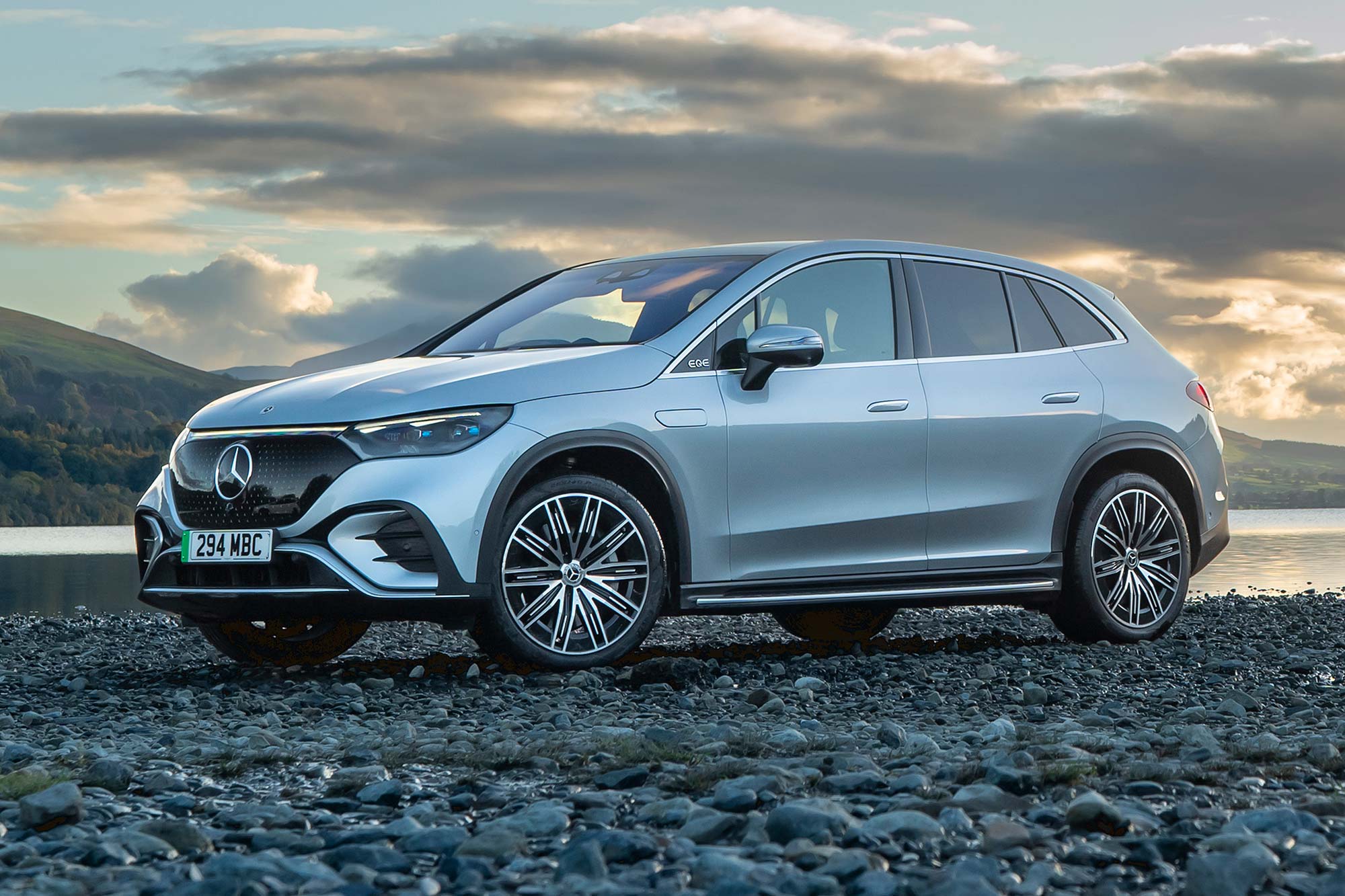
The Mercedes-Benz EQE SUV is a spacious and luxurious electric SUV that excels at quiet, relaxed long-distance driving. The EQE 350 AMG Line is the best choice. It offers the longest range, ample performance and a generous standard specification without the cost or reduced efficiency of the more powerful versions.
Its ride is not always as composed as expected, some cabin plastics feel ordinary and charging is slower than in newer rivals. The BMW iX is more engaging, while the Audi Q8 e-tron feels more conventionally luxurious.
The Mercedes Benz Eqe in more detail
The EQE SUV is the latest addition to the Mercedes-Benz electric SUV range, expanding its number of EQ-branded vehicles. Somewhat confusingly, Mercedes has used the same EQE name as its electric saloon, but added the SUV suffix to indicate this is the high-riding version.
Underneath its aerodynamically optimised bodywork, the Mercedes-Benz EQE SUV shares the same platform as the Mercedes-Benz EQE saloon. However, the SUV version is solely four-wheel drive, and boasts a practical interior filled with clever tech. A hatchback-style tailgate is more useful than a saloon-style boot for those who need to fill the 520-litre luggage space, too.
There is a choice of three powertrain options for the EQE SUV, ranging from ‘warm’ through to hot Mercedes-AMG performance versions. Being a family SUV, most buyers will be happy with the entry-level EQE 350 version, but there is always the lure of more power for those who want it.
Although the EQE SUV packs serious performance, its battery range is only average for the upmarket crossover class. The EQE 350 can officially cover up to 334 miles, whilst the AMG EQE 53 sees this drop to 305 miles. Charging speeds lag behind the market-leaders, too.
The level of standard equipment is impressive, with Mercedes-Benz having thrown the digital kitchen sink at fancier versions of the EQE SUV. This goes some way towards justifying its big price tag, although some of the cheaper interior materials do undermine that work a little.
There is plenty to like about the Mercedes-Benz EQE SUV, but there are questions to ask about the ride quality, interior finish and the middling battery range. It comes close to challenging class leaders like the BMW iX, and delivers a lesson in refinement that others would do well to emulate.
What's the best Mercedes Benz Eqe trim and battery option?
The Mercedes-Benz EQE SUV comes with an extensive array of trim levels. Most of these are based upon the standard AMG Line model, but with additional equipment added on.
We would be inclined to avoid the entry-level AMG Line version and jump to the EQE SUV in AMG Line Premium trim. This brings extra niceties in the form of 21-inch alloy wheels, Digital Light LED headlamps, a panoramic sunroof and an integrated dashcam.
AMG Line Premium also includes a Burmester surround-sound system, a 360-degree parking camera and augmented reality for the satellite navigation.
In terms of motor options, the EQE SUV 350 should be more than sufficient for most needs. It can accelerate from 0-62mph in 6.6 seconds and comes with the best battery range of the EQE SUV lineup.
What’s the price of the Mercedes Benz Eqe?
The Mercedes-Benz EQE SUV starts at £76,870. More powerful and better-equipped versions move beyond £80,000, while highly specified EQE 500 models cost more than £100,000.
The Mercedes-AMG EQE 53 starts at £115,495.
That places the EQE SUV against the BMW iX, Audi Q8 e-tron, Polestar 3 and higher versions of the Porsche Macan Electric. The entry model is already well equipped, so there is little need to climb far up the range unless the Hyperscreen, panoramic roof, rear-axle steering or additional driver assistance are priorities.
Alternatives to the Mercedes Benz Eqe
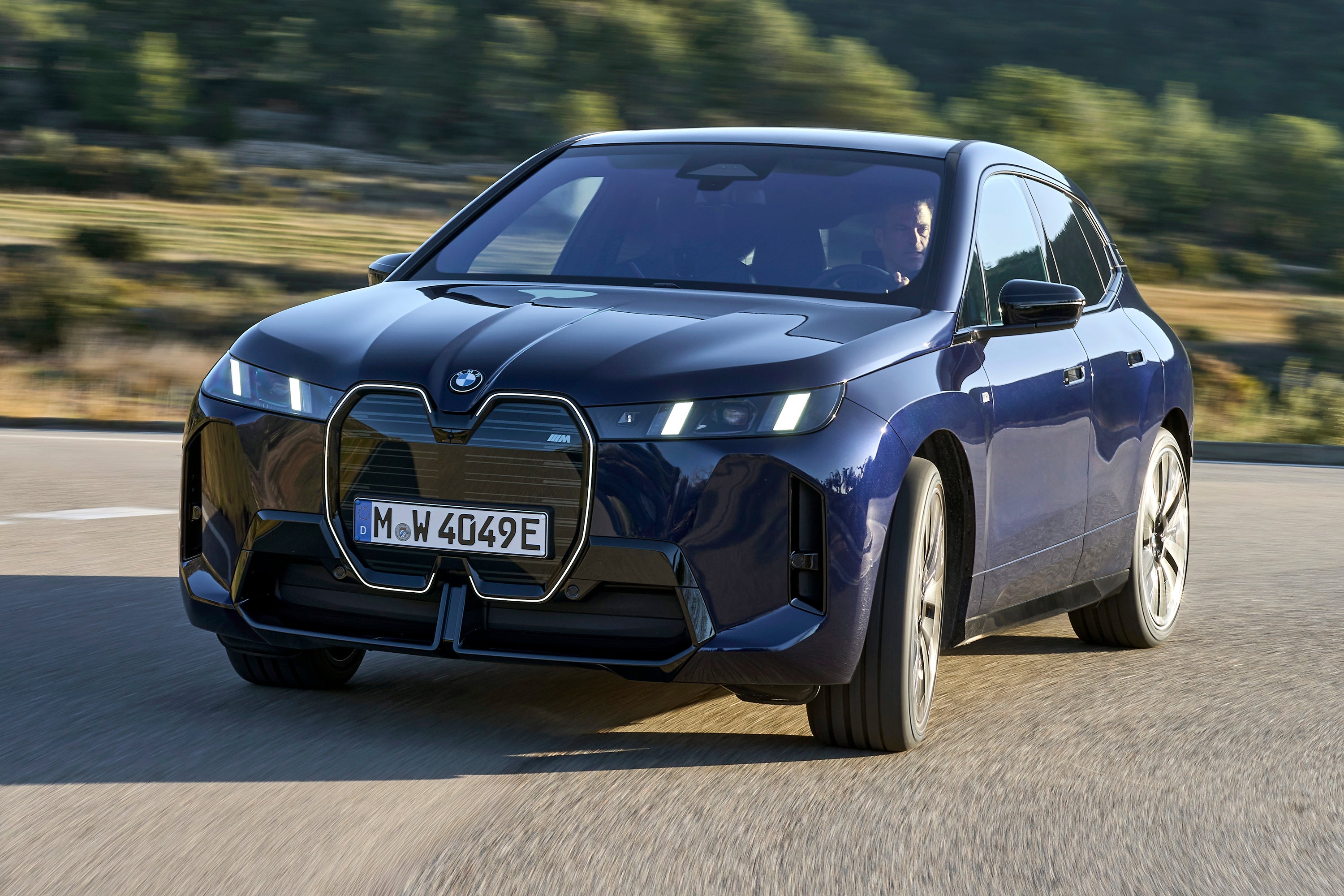
The BMW iX is the closest rival. It feels lighter and more engaging to drive, with an exceptionally spacious interior and strong efficiency. Its styling is more divisive than the Mercedes’.
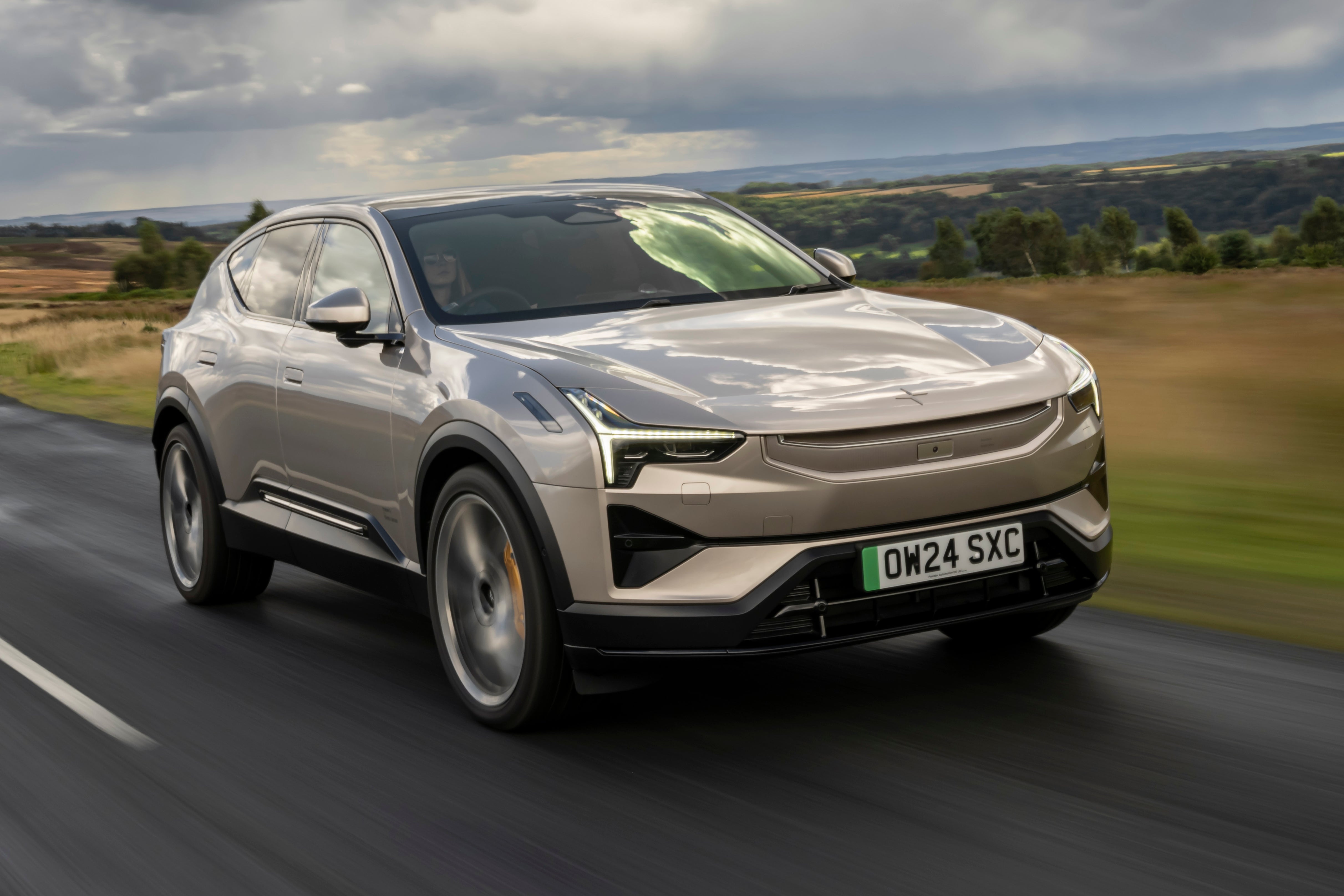
The Polestar 3 combines an attractive cabin with sharper handling and strong performance. It is less focused on outright comfort and has a smaller dealer network.
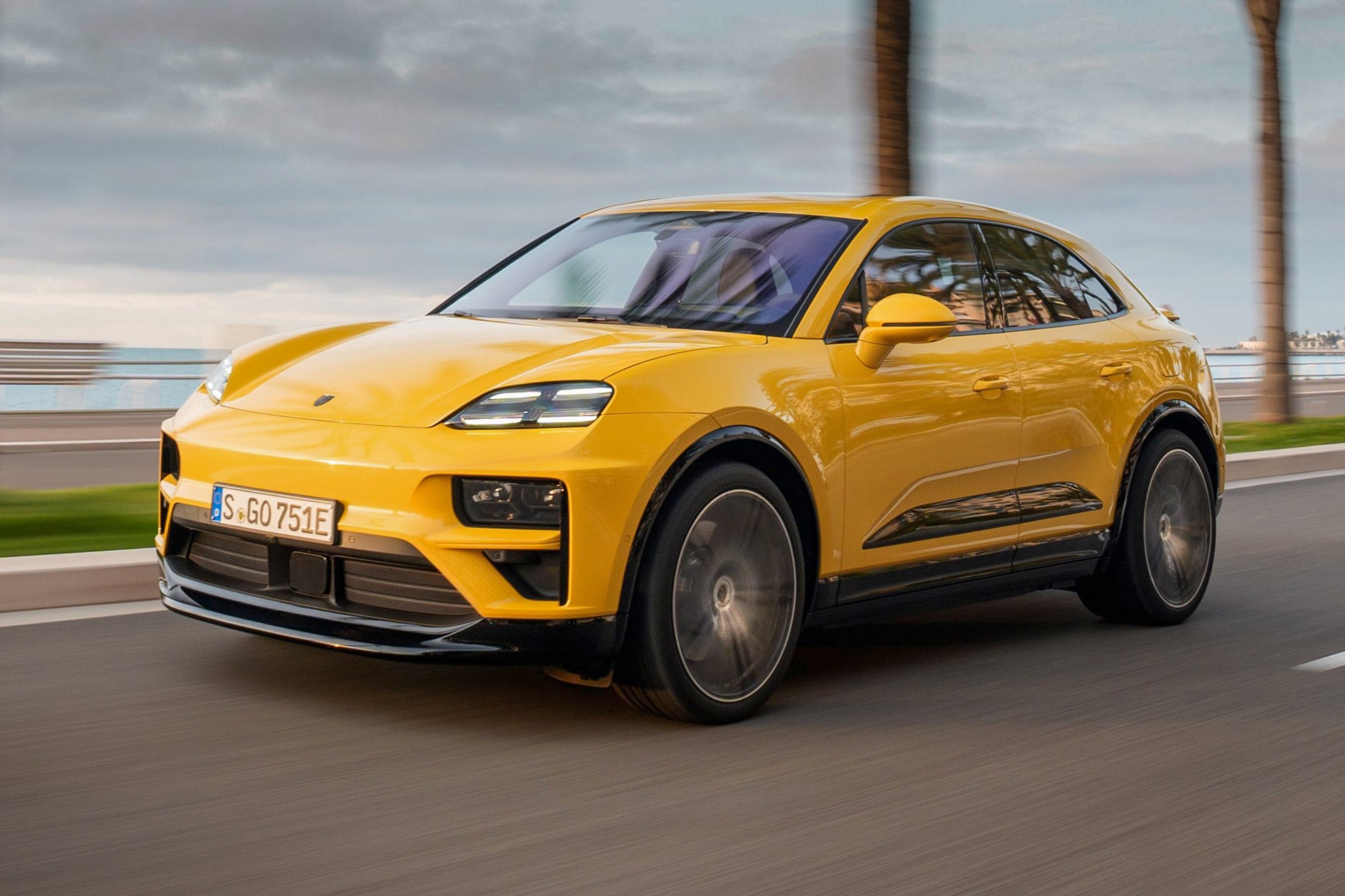
The Porsche Macan Electric is much more enjoyable to drive and can charge substantially faster. It is smaller inside and becomes expensive once options are added.
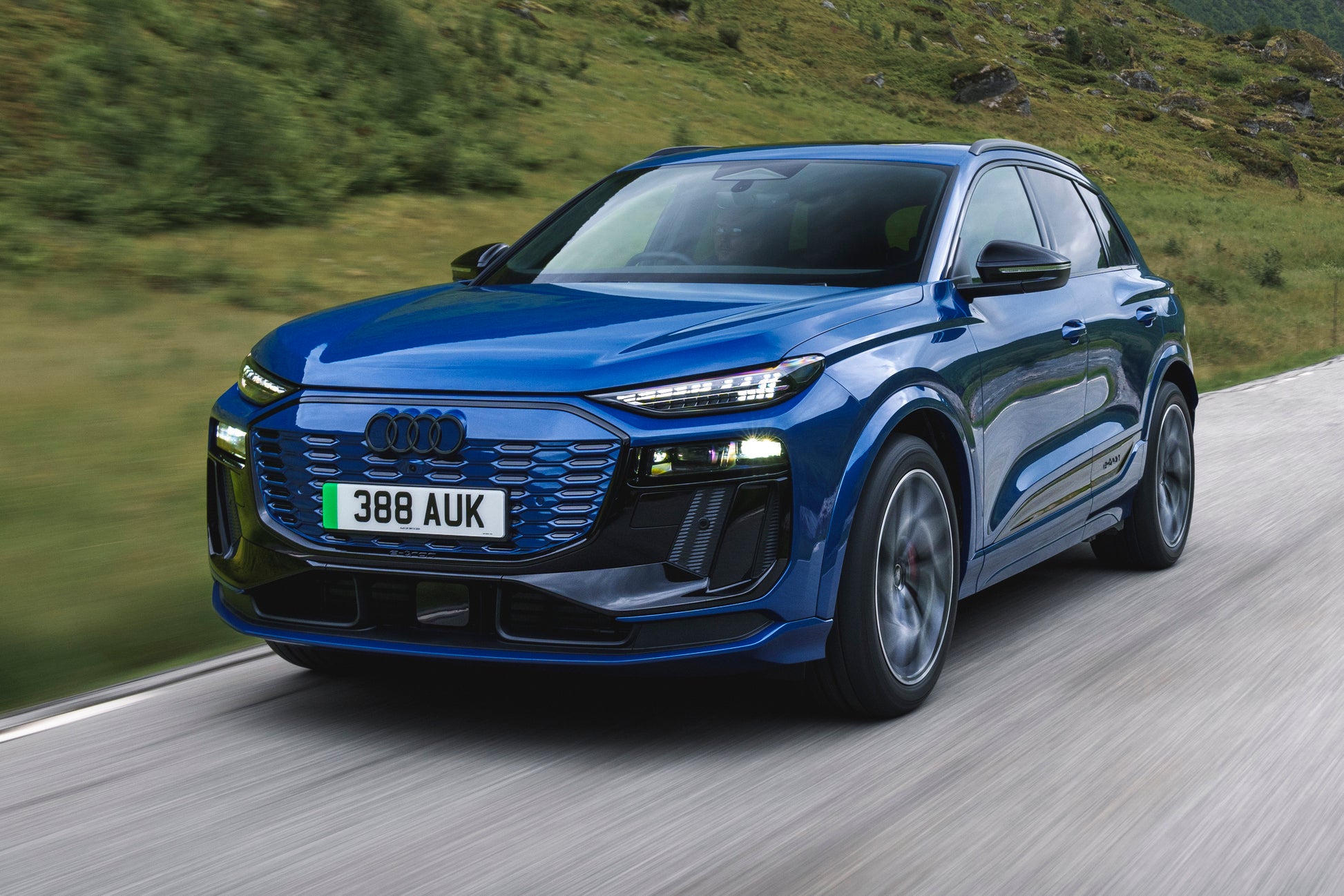
The Audi Q6 e-tron uses a newer electric platform with faster charging and a more modern electrical system. It is slightly smaller but makes good use of its interior space.
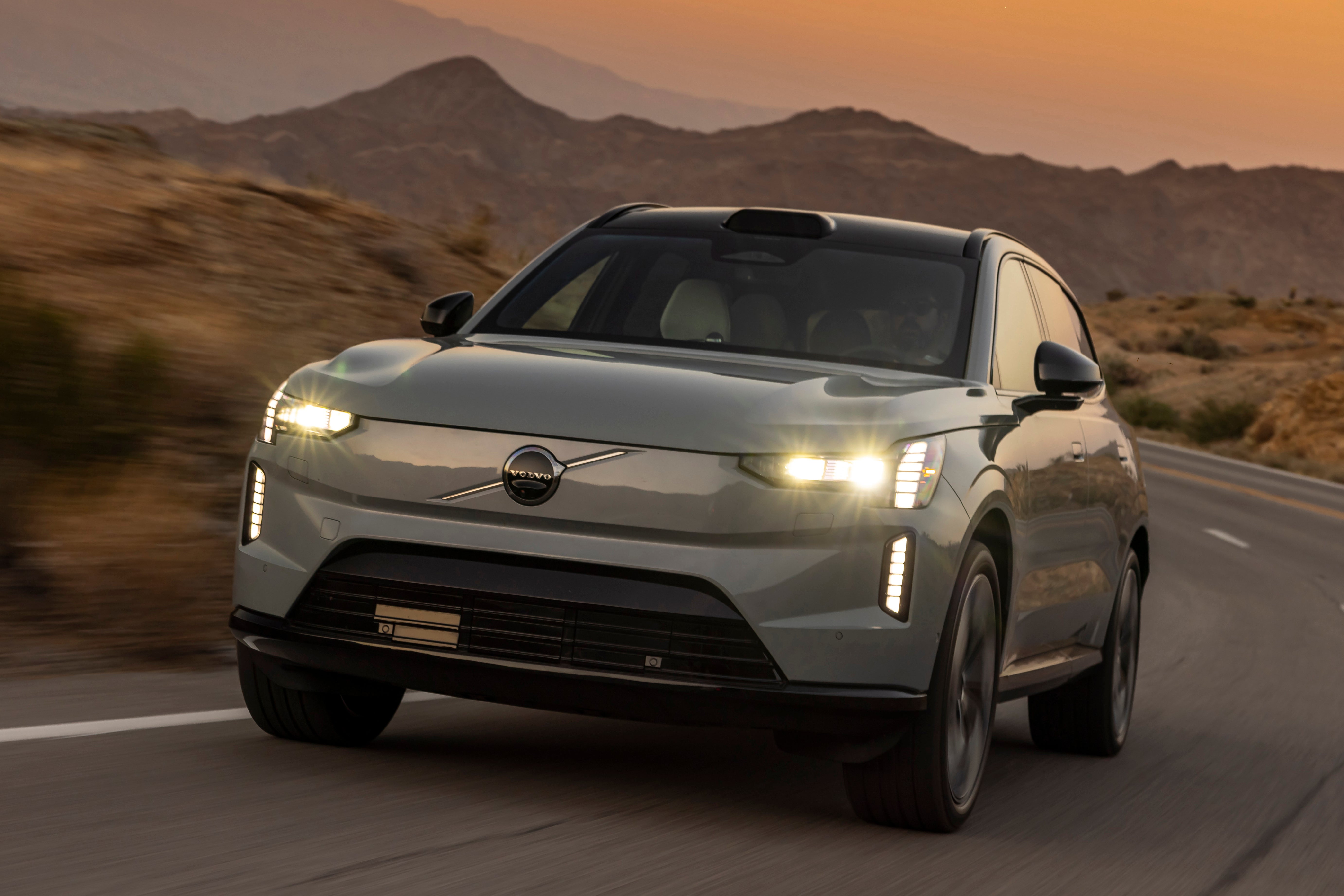
The Volvo EX90 is larger and offers seven seats. It has a calm, minimalist cabin, although it is more cumbersome and costs more in comparable specifications.
What's the interior like in the Mercedes Benz Eqe?
The EQE SUV has a spacious, luxurious and highly digital interior. Passenger accommodation is generous, although some lower cabin materials feel disappointing in a car costing more than £75,000.
Mercedes Benz Eqe boot space and practicality
The Mercedes-Benz EQE SUV looks a lot like the flagship EQS SUV, but does have slightly smaller proportions. Measuring 4863mm in length and 1940mm in width, the EQE SUV is certainly not a compact crossover, though.
For those in the front, this translates into plenty of space for even the tallest of drivers, aided by a flat floor. That extra width means you won’t be bashing shoulders with the front-seat passenger across the sizable centre console.
In the rear, the generous headroom and legroom continues, with space for two six-foot adults to be seated in comfort. A third adult can be squeezed into the middle seat if needed, although this is best reserved for shorter journeys to avoid any complaints.
Boot capacity in the Mercedes-Benz EQE SUV stands at a respectable 520 litres with the rear seats in place. Dropping the back bench down boosts this to a considerable 1675 litres of luggage space. The loading lip is a little high, however, due to one of the electric motors being mounted underneath the boot floor.
For comparison, a BMW iX offers 500 litres of boot space, while the Audi Q8 e-tron comes up trumps with 569 litres.
Mercedes Benz Eqe dimensions
The EQE SUV is 4,863mm long, making it shorter than the EQE saloon but still firmly a large luxury SUV.
Its 1,940mm body width means narrow urban roads and older car parks require care. With its mirrors extended, the car occupies more than two metres.
A height of approximately 1,685mm provides generous passenger headroom without making the body feel as tall or square as a full-size seven-seat SUV.
Tech and infotainment in the Mercedes Benz Eqe
Infotainment inside the Mercedes-Benz EQE SUV is determined by how high up the model range you want to climb. Entry-level versions come fitted with a 12.8-inch portrait-orientated multimedia touchscreen, combined with a 12.3-inch digital instrument panel.
Mercedes-Benz EQE SUV models in AMG Line Premium Plus trim and above come with the impressive Hyperscreen infotainment display. This uses three screens that span some 56 inches across the whole dashboard, with OLED technology beneath a single glass panel.
It looks impressive, and gives the passenger their very own 12.3-inch screen as well. Should you want to spend an additional £8,000, the Hyperscreen can be added to the AMG Line Premium model, too.
Regardless of the specification, the EQE SUV’s infotainment system works reasonably well, being responsive to inputs. Having to use a touchscreen for the climate control settings is a pain, but at least Mercedes leaves these icons constantly displayed on screen.
Satellite navigation is fitted to all models as part of the MBUX software, with loftier versions gaining an augmented reality display to aid with directions. All models above the AMG Line come with a powerful Burmester sound system, along with wireless smartphone charging. These higher-specification versions also have an integrated dashcam, and even a fingerprint scanner to protect personal data.
Materials available on the Mercedes Benz Eqe
As an SUV costing more than £90,000, and with a three-pointed star badge on the grille, expectations for interior quality are high for the Mercedes-Benz EQE SUV. The reality is a little more mixed, depending on how much you want to prod and poke around the cabin.
The vast majority of the interior is made from high-end materials, with leather upholstery standard across the range. The steering wheel is wrapped in Nappa leather, while multi-colour ambient lighting adds to the perceived quality.
However, some of the plastics used lower down in the cabin can feel surprisingly cheap and hollow. Mercedes-Benz has used flimsy recycled plastics to line the cubbies, and the door pulls have a lack of solidity that grates a little. It is not the end of the world, but it seems at odds with the premium positioning of the Mercedes-Benz EQE SUV.
What's the Mercedes Benz Eqe like to drive?
The EQE SUV is quiet, fast and secure, but its considerable weight prevents it from feeling consistently comfortable or agile.
Mercedes Benz Eqe range and performance
The Mercedes-Benz EQE SUV can be distilled down to three distinct powertrain options, all of which come with 4Matic four-wheel drive as standard.
Starting the range is the EQE 350, which develops 292PS and a considerable 765Nm of torque. Despite the EQE SUV weighing in at 2580kg, this entry-level powertrain can deliver a brisk 0-62mph time of just 6.6 seconds. This should be more than enough for most drivers, with the performance starting off strong, but tailing off as the speed builds.
Opting for the EQE 500 ups the power output to 414PS, along with 858Nm of torque. Despite having a larger battery, it actually weighs slightly less than the EQE 350, and benefits from a faster 0-62mph time of 4.9 seconds. In the slightly surreal world of EVs this is quick, if not groundbreaking performance.
For maximum speed, the Mercedes-AMG EQE 53 brings 625PS and 950Nm of torque to the party. With a kerb weight of 2690kg, there is some serious physics at work to enable this version to accelerate from 0-62mph in just 3.7 seconds. It also has a top speed of 149mph.
Performance data
| Model | Engine/battery size | Power | 0-62mph | Range/MPG |
|---|---|---|---|---|
EQE 350 4Matic | 90kWh | 292PS | 6.6 seconds | Up to 372 miles |
EQE 500 4Matic | 96kWh | 414PS | 4.9 seconds | Up to 338 miles |
Mercedes-AMG EQE 53 4Matic+ | 90kWh | 625PS | 3.7 seconds | Up to 279 miles |
Mercedes Benz Eqe driving and refinement
There is no avoiding the fact that the Mercedes-Benz EQE SUV is a big vehicle, with a kerb weight of more than 2500kg on all models. This is not uncommon for large, battery-powered crossovers, but naturally has an impact on the driving experience the EQE SUV can deliver.
Air suspension is standard across the EQE SUV range, and it works hard to keep body-roll in check, along with managing the worst bumps on the road. It does so admirably, and can filter out motorway imperfections well, but it can be caught out by potholes and deeper ruts. The air suspension can only do so much to control the EQE SUV’s weight, and it can feel floaty at times.
Rear-axle steering is fitted to AMG Line Premium Plus models and above, which has a noticeable effect on the EQE SUV’s handling. In short, this can see the rear wheels turn by up to 10 degrees, reducing the car’s turning circle at parking speeds.
On the open road, the rear-axle steering adds an extra level of agility and stability, although it never creates a truly sporting vehicle. Grip levels are high, allowing the EQE SUV to be hustled along with more than speed than is probably necessary for a family vehicle.
How safe is the Mercedes Benz Eqe?
The Mercedes-Benz EQE SUV was crash-tested by the Euro NCAP safety organisation at the end of 2023. When assessed, the EQE SUV received the maximum five-star rating for safety, accompanied by an 87 percent score for adult occupant protection. Child occupant protection was rated as 90 percent.
Standard safety equipment includes a plethora of airbags, speed limit assistance, parking sensors, a reversing camera and evasive manoeuvre support. All models above AMG Line trim come with Driver Assistance Package Plus, which adds Active Blind Spot Assist, Active Lane Keeping Assist and much more safety technology.
Running costs: What it's like to live with a Mercedes Benz Eqe
The EQE SUV can be economical to charge at home, but insurance, taxation, depreciation and tyre costs make it expensive to own.
Mercedes Benz Eqe charging times and costs
Charging speed is a competitive business, and can make for a substantial difference in how long before you get your EV back on the road again. The Mercedes-Benz EQE SUV is compatible with DC rapid chargers with speeds of up to 170kW. Although this is fairly quick, the rival Audi Q8 e-tron and BMW iX can use chargers with up to 350kW in speed.
Connected to a public 170kW charger, the Mercedes-Benz EQE SUV should take around 32 minutes to go from 10-80 percent charge. This will certainly be the quickest charging option, but also the most expensive.
For those with the ability to install a wallbox, charging at home remains the most affordable option. The time to charge from a home wallbox will vary depending on its speed. A 22kW unit should recharge the EQE SUV in around five hours, while a standard 7.4kW wallbox will require 14 hours instead.
Mercedes Benz Eqe warranty and servicing
The EQE SUV has a three-year manufacturer warranty with no mileage limit. Its high-voltage battery is covered for 10 years or 155,000 miles, subject to Mercedes-Benz’s warranty terms and capacity conditions. The battery warranty is stronger than the eight-year cover provided by many manufacturers.
Mercedes Benz Eqe insurance groups
Every Mercedes-Benz EQE SUV sits in insurance group 50.
That is the highest possible rating and reflects the car’s purchase price, performance, complex electrical systems and likely repair costs. Even the EQE 350 may attract a substantial premium, while the AMG version is likely to be particularly expensive.
How much does it cost to tax a Mercedes Benz Eqe?
The standard annual rate from the second year is £200, while every EQE SUV has an official list price above the £50,000 zero-emission Expensive Car Supplement threshold.
The supplement adds £440 a year for five years from the beginning of the second year, which at current rates, brings the total annual payment during that period is £640.
What trims are available with the Mercedes Benz Eqe?
The EQE 350 AMG Line is the best choice for most buyers.
It includes 20-inch alloy wheels, LED headlights with adaptive high-beam assistance, air suspension, a powered tailgate, leather upholstery, three-zone climate control, heated front seats and the main MBUX displays.
AMG Line Premium adds 21-inch wheels, digital headlights, a panoramic sliding roof, active ambient lighting, Burmester audio, a 360-degree camera and augmented-reality navigation.
Premium Plus introduces 22-inch wheels, laminated glass, rear-axle steering, a head-up display and the MBUX Hyperscreen.
Rear-axle steering is genuinely useful, but the larger wheels compromise comfort and efficiency.
The EQE 500 is offered in higher specifications and adds stronger performance without changing the car’s underlying character.
The Mercedes-AMG EQE 53 receives model-specific styling, AMG-tuned suspension, sports seats, upgraded brakes and substantially greater power.
Ask the Drive experts: common questions
Is the Mercedes-Benz EQE SUV a good electric SUV?
Which Mercedes-Benz EQE SUV is best?
How far can the Mercedes-Benz EQE SUV travel on a charge?
How quickly can the Mercedes-Benz EQE SUV charge?
How practical is the Mercedes-Benz EQE SUV?
Is the Mercedes-Benz EQE SUV four-wheel drive?
Is the Mercedes-Benz EQE SUV safe?
What warranty does the Mercedes-Benz EQE SUV have?
Is the Mercedes-Benz EQE SUV expensive to insure?
Get our latest advice, news and offers
Keep me updated by email with the latest advice, news and offers from Drive.