Polestar 3 Review

Written By Ivan Aistrop
- 2024
- SUV
- Electric
What we love
Incredibly quiet and refined
Sophisticated, spacious cabin
Strong performance without feeling unruly
Things to consider
Touchscreen-centric controls are overdone
It is very expensive
Some rivals feel more plush or more practical
The DRIVE take on the Polestar 3, is it the right car for you?
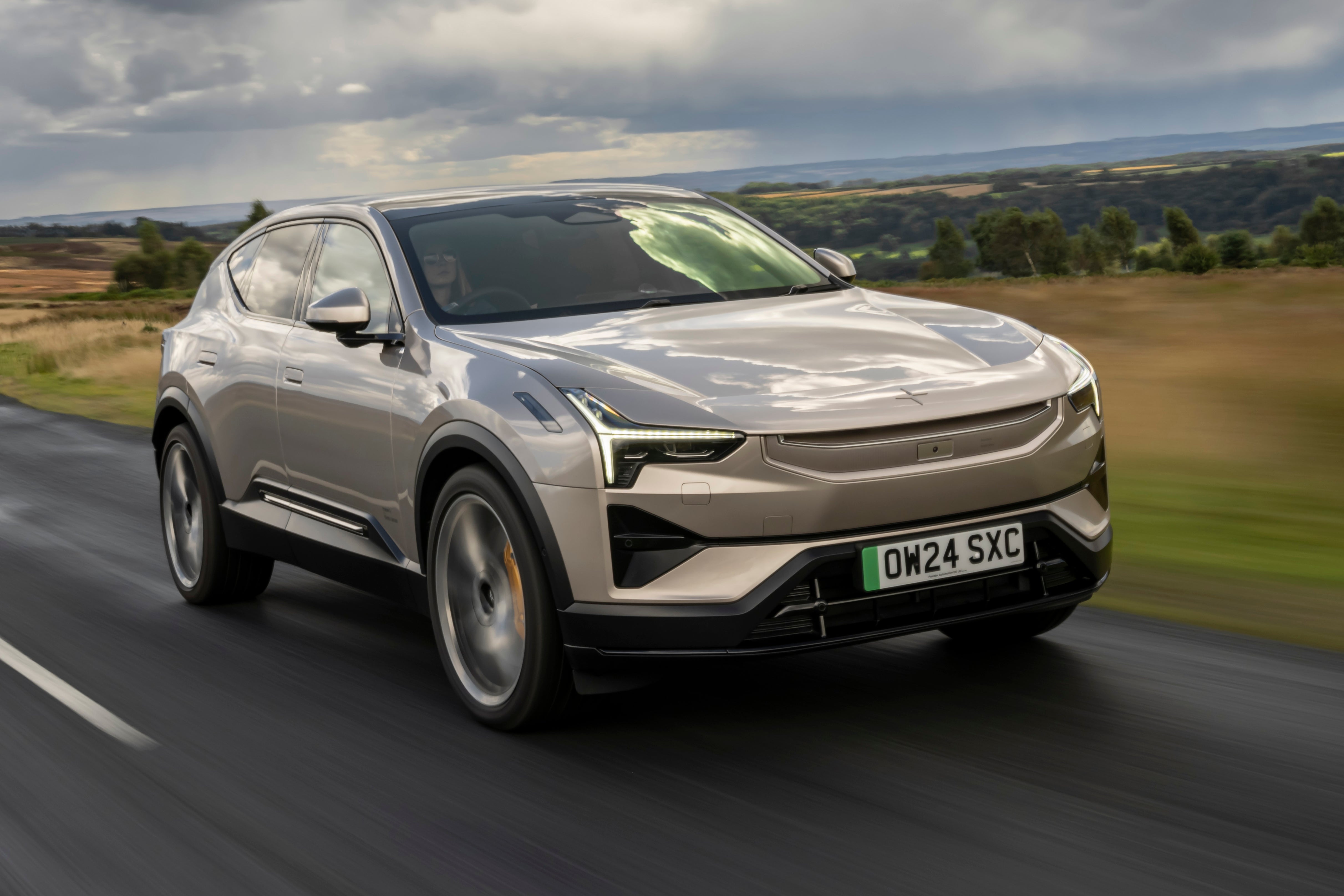
The Polestar 3 is an impressive luxury EV and a convincing flagship for the brand. It combines huge pace, very strong refinement and a cabin that feels every bit as modern and expensive as buyers will expect at this end of the market. It is not especially cheap, and the touchscreen-heavy approach goes too far in places, but if you want a large electric SUV that feels stylish, a little left-field and more driver-focused than the norm, the Polestar 3 makes a strong case for itself.
The Polestar 3 in more detail
Want to know something else unconventional? Well, there’s the car’s name. While most car companies adopt a the-bigger-the-number-the-bigger-the-car approach to naming their models, Polestar does things its own way (it claims to be that most fashionable of corporate entities, a ‘disruptor’) and names its cars chronologically. That’s why the Polestar 3 is actually a bigger car than the Polestar 4, a coupe-SUV that Polestar says will soon become its best-selling model. That chronology argument is a little hard to get your head around when the two cars were launched in the UK on exactly the same day, but who are we to argue…?
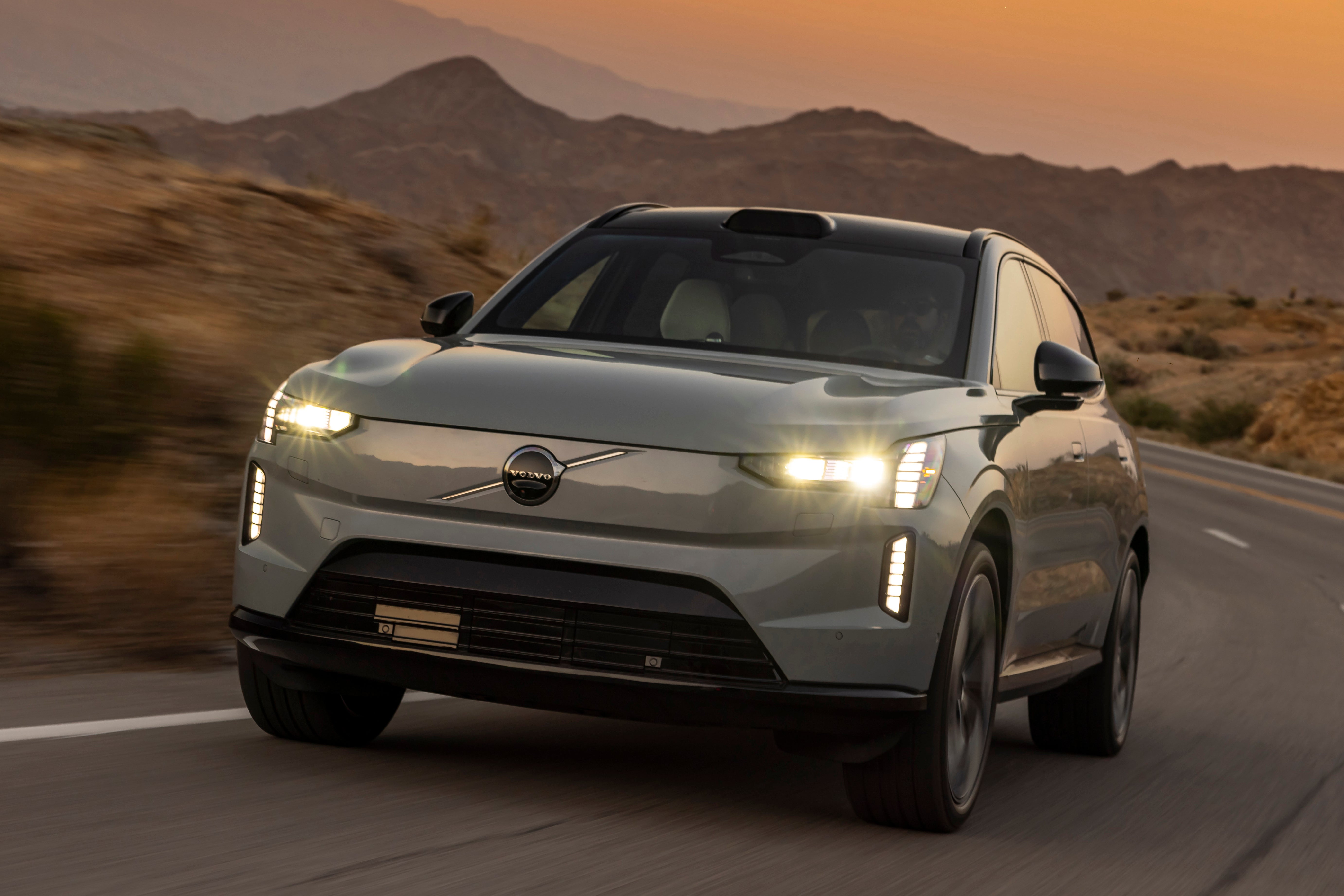
So, what exactly is the Polestar 3? Well, it’s a huge (measuring 4.9 metres long), all-electric luxury SUV that’s built on the same SPA2 platform as the latest Volvo EX90. Unlike that car, the Polestar has five seats rather than seven, so while the Volvo concentrates on high-end practicality, the Polestar aims for luxury and sportiness, Polestar considering itself to be an electric performance car brand.
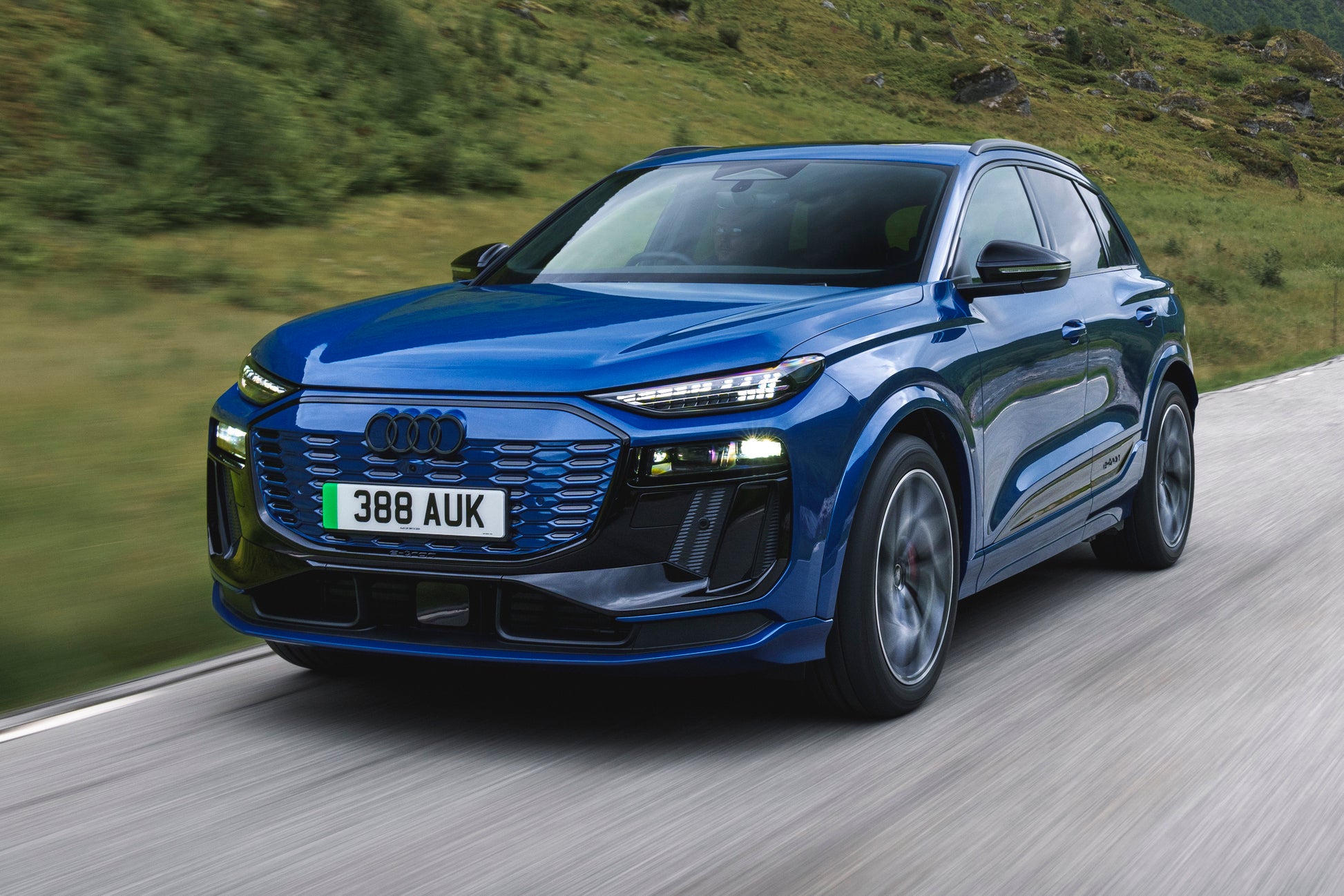
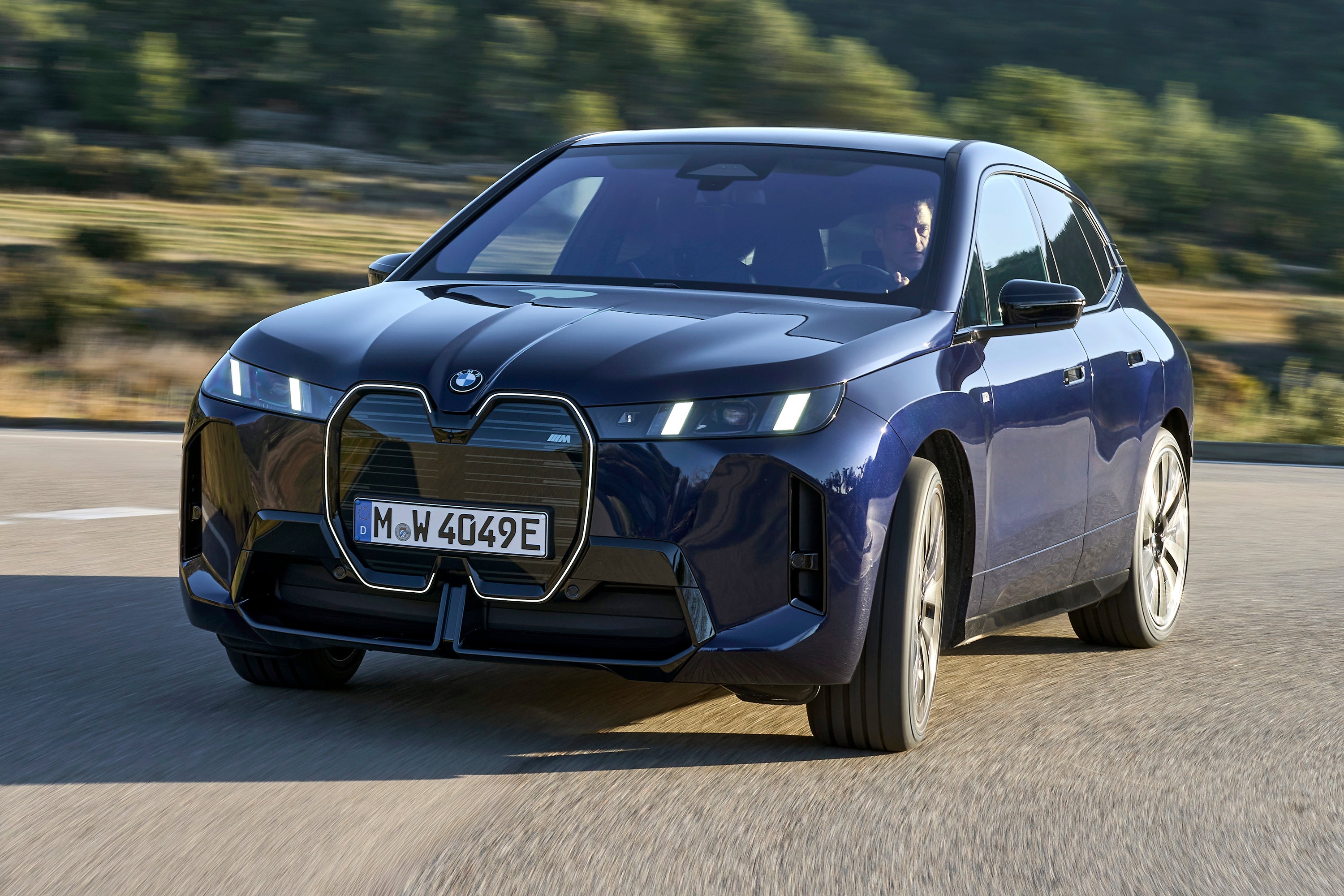
That puts the Polestar 3 within the sights of some very competent competition. The Audi Q6 e-tron will also have something to say about where your money goes, as will the BMW iX, while Mercedes has two contenders to tempt you in the form of the Mercedes EQE SUV and EQS SUV.
As Polestar does, it marks itself out from the rest with its sporty attitude. Initially, only a pair of Twin Motor versions are offered with the Polestar 3, punting out crazy power outputs lying just either side of 500 horsepower, although a more modest Single Motor version is also available.
Talking of range (see what we did there?), all Polestar 3s come with the same gargantuan 111kWh battery, delivering official WLTP driving range figures of between 348 miles and 403 miles, depending on the version you choose.
Aside from huge power and a racy attitude, you get a cabin that’s attractively designed, plushly trimmed, hugely spacious and brimming with technology. Admittedly, trying to actually use some of the gadgetry can be rather bamboozling, but tech-heads will be in their element.
Overall, the Polestar 3 is a pretty convincing and compelling package, as it should be when prices start at around £70,000, and rise steeply as you progress through the various versions.
What's the best Polestar 3 trim and battery option?
For most buyers, the best Polestar 3 is likely to be the Dual motor without the Performance pack. It gives you all the pace most people could possibly want, standard air suspension, plenty of luxury kit and a still-useful official range figure without the added cost and firmer edge of the Performance version.
The Single motor makes the strongest financial case if you simply want the Polestar 3 experience for the lowest entry price. It is still a very powerful luxury SUV by normal standards, and it is the version that makes the biggest sense if you are not buying this car specifically for explosive straight-line pace.
The Dual motor Performance pack is the halo choice. It is hugely fast and looks more dramatic, but it is also more expensive, less efficient and less necessary in a car that is already so quick in standard dual-motor form.
As with other Polestars, much of the equipment structure is handled through packs rather than a long conventional trim ladder. The Plus pack is the luxury must-have, while the Pilot pack is the one to prioritise if you want the fullest spread of assistance tech.
What’s the price of the Polestar 3?
The Polestar 3 currently starts at £76,540 for the Single motor. The Dual motor is £84,540, while the Dual motor Performance pack rises to £92,040.
That places it squarely in premium territory. This is not a value-led car and it does not pretend to be. Buyers here are paying for design, technology, performance and brand positioning as much as outright practicality.
Used supply is still relatively limited, because the Polestar 3 is new and expensive enough that it will never be a volume seller. That means it is worth keeping an eye on approved stock and nearly new examples if you want to trim the asking price without dropping too far back in age.
Alternatives to the Polestar 3
The BMW iX is one of the clearest alternatives because it offers similar luxury-SUV presence, huge interior space and a more established premium-badge appeal. It is not as elegant to look at, but it is very roomy and very hard to ignore.
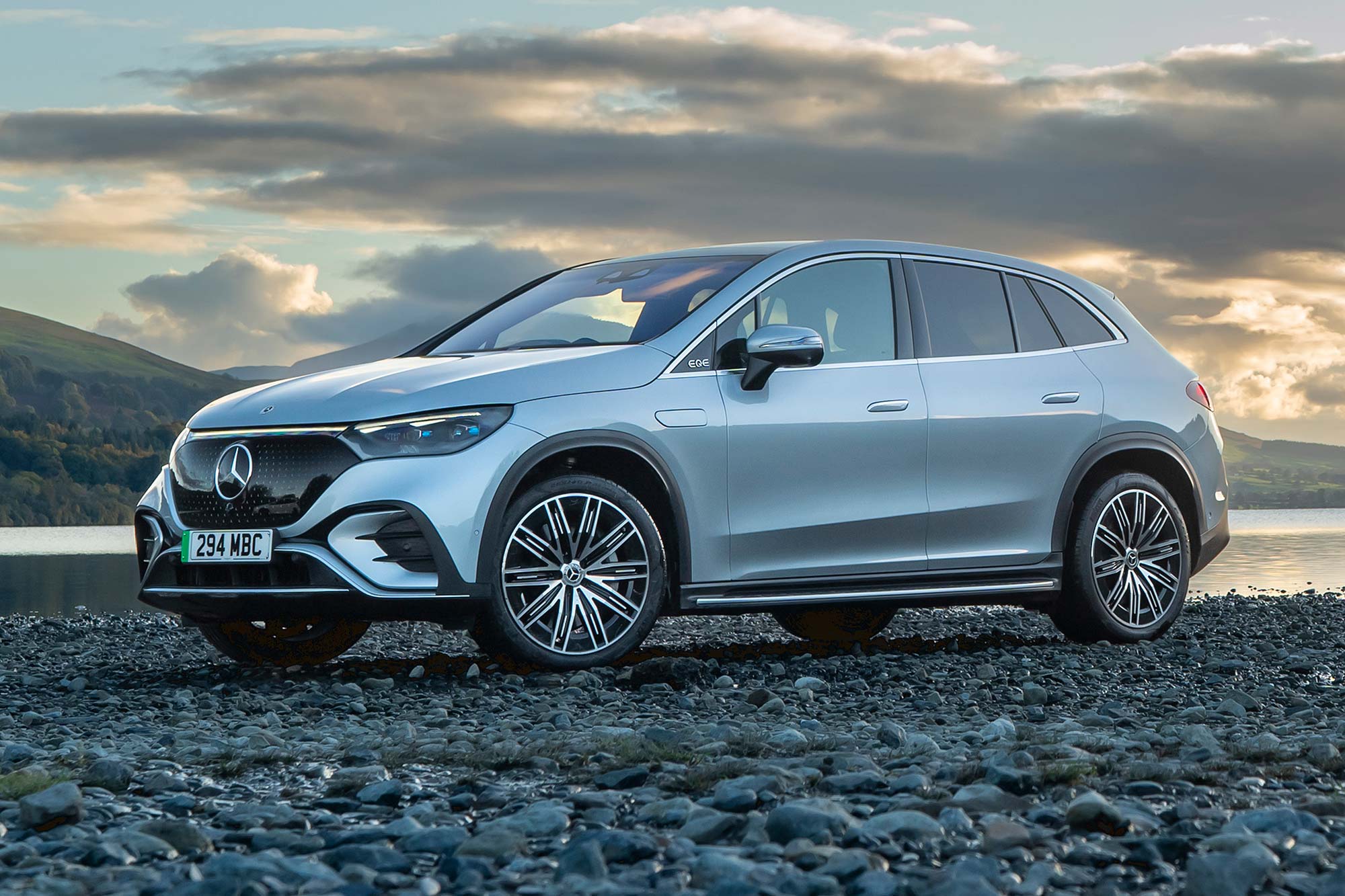
The Mercedes-Benz EQE SUV is another key rival if you want a luxury EV with a more comfort-led, cocooning feel. It makes a stronger case on plushness than the Polestar, though it does not feel as distinctive or as focused to drive.
The Audi Q6 e-tron is the more traditional choice. It is solid, polished and easy to recommend in a familiar premium-SUV way, even if it now looks a little less forward-thinking than the Polestar 3 in some areas.
Beyond those three, the Volvo EX90 is the obvious in-house alternative if you want more practicality and a third-row option, while the electric Range Rover looms as a future image-led rival for buyers shopping at the upper end of this market. The Polestar 3 makes most sense if you want a large electric SUV with more style and personality than the class norm.
What's the interior like in the Polestar 3?
The Polestar 3’s interior is one of its strongest selling points. It feels modern, expensive and very carefully curated, with the kind of cool Scandinavian atmosphere buyers will expect from the badge.
Polestar 3 boot space and practicality
The Polestar 3 is a five-seater only, and that tells you a lot about its priorities. Unlike the closely related Volvo EX90, this is not trying to be the most versatile big electric SUV for family buyers who need maximum seating flexibility.
Instead, it focuses on giving five occupants a huge amount of room. Legroom is excellent, shoulder room is superb and the flat rear floor means three across the back is more feasible than in many rivals. That is a genuine strength, because plenty of large SUVs still compromise rear-middle-seat comfort more than they should.
Boot space stands at 484 litres when measured to the top of the rear seats, or 597 litres up to the roof. That is useful enough, but it does underline that the Polestar 3 is not the most practical big SUV for outright luggage space. Fold the rear seats and capacity rises to 1,411 litres, while the small 32-litre front boot is useful for cables and smaller items.
In short, the Polestar 3 is spacious and luxurious rather than ultra-practical. That will suit some buyers perfectly, but those needing maximum family flexibility may be better served elsewhere.
Polestar 3 dimensions
The Polestar 3 measures 4,900mm long, 2,120mm wide & 1,614mm high. That makes it a large luxury SUV by any normal standard, and it feels every bit that size on the road.
In practical terms, it uses those dimensions well, because the cabin feels genuinely spacious. The flip side is that it is not something you will thread casually through tight multi-storeys without leaning heavily on the cameras and sensors.
Tech and infotainment in the Polestar 3
Technology is central to the Polestar 3’s identity. The main infotainment screen is a 14.5-inch portrait touchscreen powered by Android Automotive OS, and it is backed up by a 9.0-inch driver display plus a rear touchscreen for passenger climate controls.
There is no shortage of capability here. Google Maps, Google Assistant, app support, 5G connectivity, wireless charging and over-the-air updates all help the Polestar 3 feel properly state of the art.
The problem is that Polestar has taken minimalism too far. Too many simple tasks are buried in the screen, and some functions that should absolutely have a physical shortcut do not. Even adjusting the steering wheel or seat can feel unnecessarily fiddly. That does not ruin the experience, but it is a genuine ergonomic frustration.
The quality of the screens and software is high. It is the philosophy behind them that can be trying.
Materials available on the Polestar 3
The Polestar 3 feels every bit like a modern luxury car inside. Materials are rich, the design is clean and there is enough contrast in textures and finishes to stop the minimalism becoming bleak.
Polestar’s emphasis on recycled and traceable materials also feels more convincing here than the usual sustainability theatre. This is a car that manages to look and feel premium without relying solely on old-school leather-and-wood cues.
The Plus pack does a lot to enhance the atmosphere even further, especially through the excellent Bowers & Wilkins audio system and the additional cabin luxuries it brings.
What's the Polestar 3 like to drive?
The Polestar 3 is very fast, very refined and impressively tied down for something so large. It is not a sports SUV in the truest sense, but it is more satisfying to drive than many rivals of this size.
Polestar 3 range and performance
All current Polestar 3 versions use the same large 111kWh battery pack, with 107kWh usable. The Single motor sends 299hp to the rear wheels and covers 0-60mph in 7.5 seconds. It also delivers the longest official range in the line-up at up to 402 miles.
The Dual motor raises output to 544hp, cuts 0-60mph to 4.8 seconds and offers up to 392 miles of range. Above that sits the Dual motor with Performance pack, which produces 680hp, cuts the 0-60mph time to 3.8 seconds and has an official range of up to 348 miles.
Those are serious numbers, particularly for such a large SUV. The Performance pack version is genuinely very quick, but even the regular Dual motor already feels far beyond sufficient.
Performance data
| Model | Engine/battery size | Power | 0-62mph | Range/MPG |
|---|---|---|---|---|
Polestar 3 Single motor | 111kWh | 299PS | 7.5 seconds | Up to 402 miles |
Polestar 3 Dual motor | 111kWh | 544PS | 4.8 seconds | Up to 392 miles |
Polestar 3 Dual motor Performance pack | 111kWh | 680PS | 3.8 seconds | Up to 348 miles |
Polestar 3 driving and refinement
The Polestar 3’s standard air suspension and adaptive dampers do a good job of balancing body control with comfort. It never fully disguises its size and weight, but it feels impressively well resolved for such a large SUV.
Ride quality has a firm-but-fair edge. It is not as pillowy as the softest luxury SUVs, but it also avoids feeling crashy or unsettled. The overall impression is one of disciplined comfort rather than outright softness.
Handling is stronger than you might expect. Grip and traction are huge, steering is accurate and the body stays tidier than most buyers will ever really need. The Polestar 3 is too large to feel playful, but it does feel well engineered and confidence inspiring.
Refinement is one of its biggest strengths. The motors are near-silent, road and wind noise are very well suppressed and the whole car moves with a calm, expensive ease that suits its positioning perfectly.
How safe is the Polestar 3?
The Polestar 3 earned a full five-star Euro NCAP rating in 2025, with an especially strong 93 per cent score for child occupant protection and 90 per cent for adult occupant protection.
Standard safety equipment is extensive. Adaptive cruise control, automatic emergency braking, blind-spot monitoring with steer assist, rear collision warning and mitigation, lane-support systems, driver monitoring and a generous spread of airbags are all included.
Pilot pack adds yet more assistance tech, including the 360-degree cameras and extra semi-autonomous capability. In practical terms, the Polestar 3 feels like exactly the kind of large premium SUV buyers would expect from a Volvo-related brand.
Running costs: What it's like to live with a Polestar 3
The Polestar 3 is expensive to buy and expensive to insure, but if you can charge at home the fuelling costs should still look favourable compared with a big petrol SUV.
Polestar 3 charging times and costs
The Polestar 3 supports DC rapid charging at up to 250kW, and Polestar quotes a 10 to 80 per cent charge in 30 minutes on a suitably powerful public charger. AC charging at 11kW is quoted at 11 hours for a full charge, though in the UK a more typical 7.4kW home wallbox means a longer wait.
That means the Polestar 3 is competitive enough for long-distance use, though the huge battery naturally means home charging sessions are not especially short. The trade-off is that you get genuinely useful real-world range in return.
Polestar 3 warranty and servicing
Polestar provides a three-year or 60,000-mile vehicle warranty, plus separate battery cover for eight years or 100,000 miles with the usual 70 per cent capacity threshold.
The better news is that scheduled maintenance for the first three years or 31,250 miles is included, which does make the ownership proposition feel a little more generous than the basic warranty line alone suggests.
Polestar 3 insurance groups
Insurance is as expensive as you would expect. Every Polestar 3 sits in group 50, the highest insurance group there is.
That means this is not a car you buy expecting modest running costs, even by luxury-EV standards. You would absolutely want to check real quotes before signing on the dotted line.
How much does it cost to tax a Polestar 3?
The Polestar 3 now costs £200 a year in VED after year one. The Expensive Car Supplement only applies to electric cars with a list price of more than £50,000, and every Polestar 3 sits well above that threshold. That means you pay the extra £440 a year for five years from the second year of registration, on top of the standard £200 annual rate. In other words, a new Polestar 3 costs £640 a year in VED for those five years.
What trims are available with the Polestar 3?
The Polestar 3 line-up is centred on the Single motor, Dual motor and Dual motor Performance pack powertrains, with most of the variation in equipment handled through options and packs.
Standard equipment is already generous. LED lighting, a panoramic roof, three-zone climate control, a heat pump, rear-view camera, the Android Automotive infotainment system and a long list of assistance features are all included.
The Pilot pack is the main technology upgrade. It adds Pilot Assist, lane change assist and 360-degree cameras, making the Polestar 3 feel more complete and easier to place day to day.
The Plus pack is the luxury upgrade and the one most buyers will covet most. It adds the Bowers & Wilkins sound system, active road-noise cancellation, headrest speakers, heated rear seats, heated steering wheel, soft-close doors and a head-up display.
The Performance pack is the power-and-attitude option. It is reserved for the Dual motor and brings the extra output, chassis changes and sharper visual cues, but it is also the least essential choice for most buyers.
Ask the Drive experts: common questions
Is the Polestar 3 a good luxury electric SUV?
Which Polestar 3 is best?
Is the Polestar 3 practical enough for a family?
Does the Polestar 3 pay the Expensive Car Supplement?
Get our latest advice, news and offers
Keep me updated by email with the latest advice, news and offers from Drive.