BMW iX Review

Written By Antony Ingram
- 2021
- SUV
- Electric
What we love
Exceptional refinement and low noise levels
Spacious, high-quality interior
Long official range, especially in xDrive60 form
Things to consider
The styling won’t be for everyone
It’s expensive, whichever version you choose
A BMW i4 is more engaging to drive
The DRIVE take on the Bmw Ix, is it the right car for you?
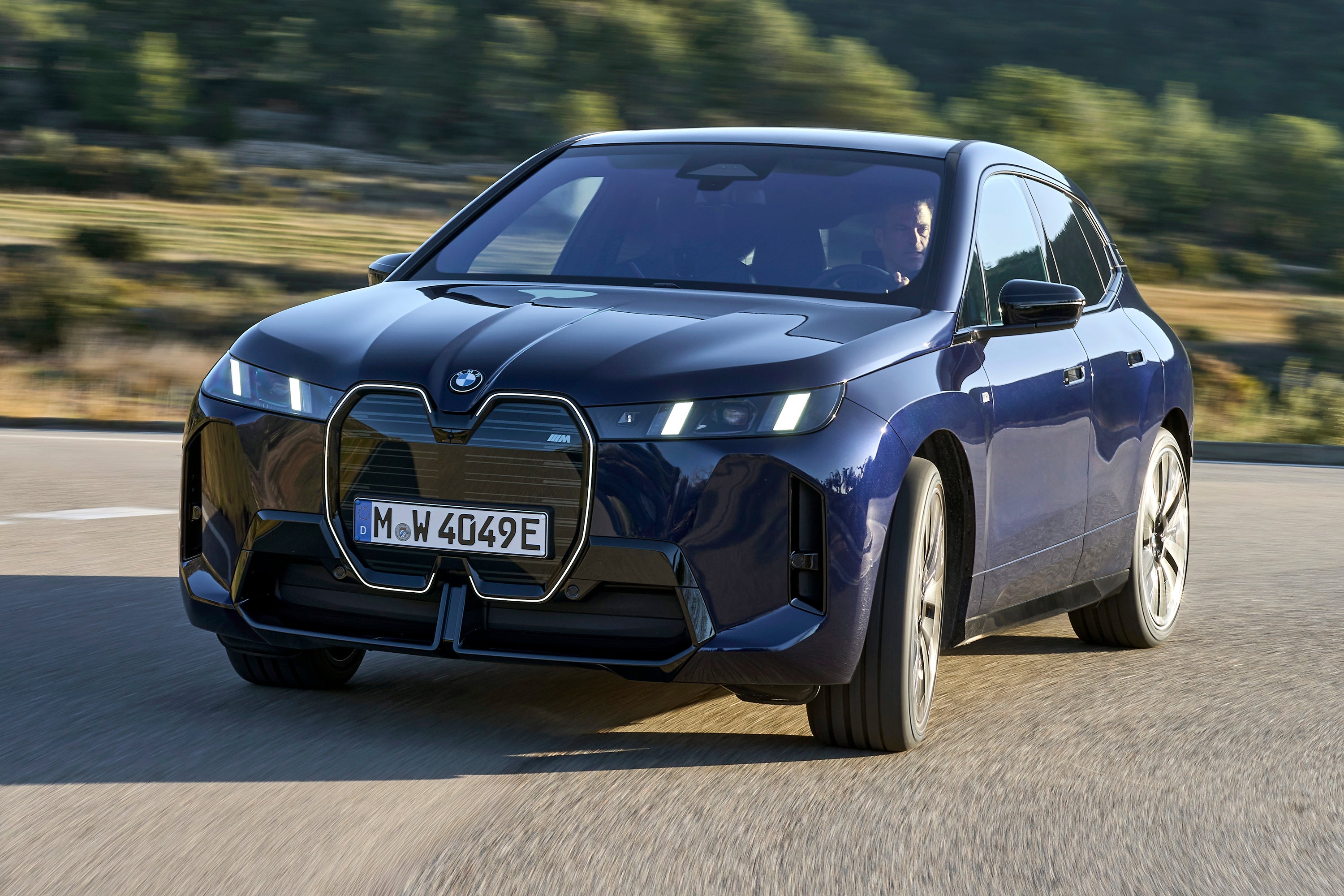
The BMW iX is one of the best luxury electric SUVs if comfort, refinement and long-distance ease matter more than outright driver involvement or discreet styling. It’s expensive and visually divisive, but it backs that up with a superb cabin, strong charging performance and a range figure that makes it easier to use than many premium EV rivals. If you want a big electric SUV that feels genuinely special every day, it’s well worth shortlisting.
The Bmw Ix in more detail
BMW got the timing of the iX right. Earlier premium electric SUVs such as the Mercedes EQC and Audi e-tron arrived before the market was fully ready for them, while the Jaguar I-Pace felt more like a glimpse of the future than a mainstream luxury SUV. The iX arrived later, but with a more convincing brief. It wasn’t adapted from a combustion-engined model, unlike the original iX3, and it didn’t feel like a compromise. Instead, BMW designed it as a flagship EV from the start, and that shows in the way it packages interior space, technology and comfort.
The big update came in 2025, and that’s the version this review focuses on. BMW dropped the old xDrive40, xDrive50 and M60 badging and replaced them with xDrive45, xDrive60 and M70. It wasn’t just a rename. The new xDrive45 gained a much larger usable battery and far more range than the old entry-level model, while the xDrive60 pushed the official maximum to 426 miles. The M70 carries on as the fast, high-performance option, but even that offers a useful official range rather than the sort of compromised number you often get with range-topping performance EVs.
That leaves the BMW iX in a strong place. It’s not a sports SUV in the way a Porsche Macan Electric tries to be, and it doesn’t have the sheer visual neatness of an Audi Q6 e-tron, but it nails the part of the brief many buyers care about most. It’s quiet, effortless and calming. Few EVs do such a convincing job of making long journeys feel easy.
It’s more practical than it first appears. The exterior looks unusual and slightly concept-car-like, but inside there’s loads of room for four adults and a boot that’s big enough for family use, even if it doesn’t beat every rival. The interior design is one of the iX’s biggest strengths, too. It feels fresh, expensive and distinct from BMW’s more conventional models without becoming frustrating to use.
The biggest obstacle is price. Even the cheapest iX starts well into luxury SUV money, and the M70 costs the thick end of six figures before you get carried away with options. But for buyers who can stretch to it, the iX is one of the most complete premium EVs on sale.
What's the best Bmw Ix trim and battery option?
For most buyers, the xDrive45 makes the strongest case. It’s already quicker than you really need, officially capable of up to 374 miles, and significantly more usable than the old xDrive40 it replaced. It also avoids the very big jump in price to the xDrive60 while delivering the qualities that make the iX appealing in the first place: effortless performance, impressive comfort and a genuinely plush cabin.
Trim choice matters, though. The xDrive45 comes in Sport or M Sport. Sport has plenty of kit and is hardly basic, but M Sport is likely to be the version most buyers want. It looks more in keeping with the iX’s bold design, and it brings the sharper visual treatment many people will expect at this price point. If you care about appearance as much as equipment, that extra outlay will be easier to justify than stepping straight to the xDrive60.
The xDrive60 is the one to choose if you do regular motorway mileage and want the most convincing long-range version. Up to 426 miles on paper is a seriously useful number for a large electric SUV, and it makes the iX feel more relaxed to own if you’re often covering long distances. It’s also properly quick, so you’re not giving anything up on performance.
The M70 is hugely impressive, but it’s harder to recommend as the sensible choice. It’s brutally fast and gets more standard performance kit, yet the price jump is enormous, and the extra pace is more amusing than necessary in a car whose real talent is making you slow down and relax.
What’s the price of the Bmw Ix?
The BMW iX range starts at £75,305 for the xDrive45 Sport. If you want the xDrive45 M Sport, that rises to £78,305. The xDrive60 is only offered in M Sport trim and starts at £93,105, while the M70 tops the range at £114,205.
That means the xDrive45 undercuts some large luxury EV rivals but doesn’t exactly look like a bargain. It’s also worth remembering that almost every iX sits comfortably above the threshold for the additional VED charge on expensive EVs, so list price matters here even if you’re planning to lease rather than buy outright.
The xDrive60 is the hardest one to judge on value. On one hand, it’s a big jump from the xDrive45. On the other, the extra range is meaningful, and this is one of the few electric SUVs where paying more does buy you something genuinely useful rather than just more power or a flashier badge.
As ever with BMW, transaction prices can differ from the list figures. That means it’s worth checking current new-car offers, lease deals and nearly new stock before deciding where the best value sits. The iX has already started to look more appealing on the used market than it does on a price list, especially older xDrive40 models, if maximum range isn’t your top priority.
Alternatives to the Bmw Ix
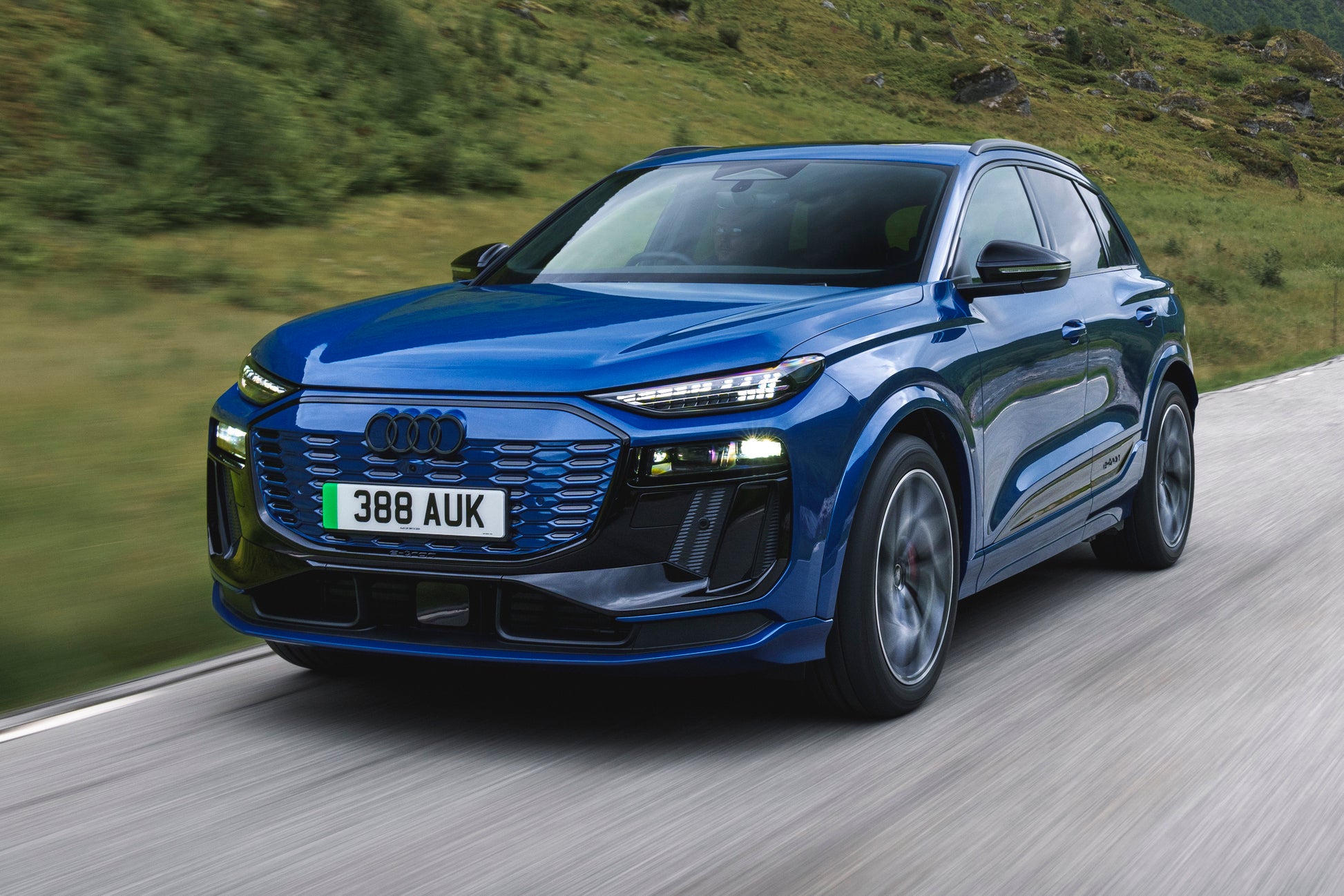
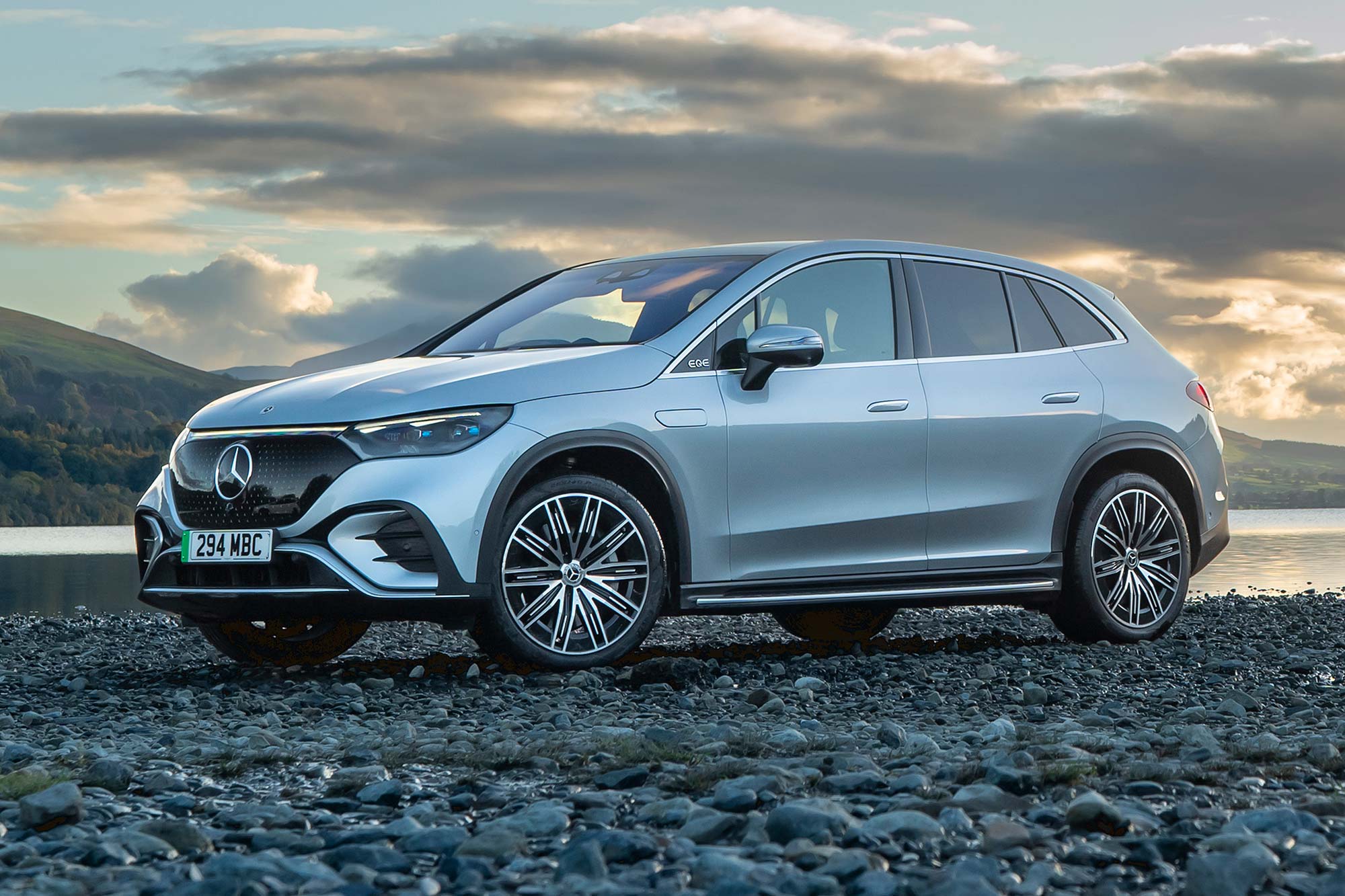
The most obvious alternatives are other premium electric SUVs, though they don’t all go about the job in the same way. The Audi Q6 e-tron is the neater, more conventional choice and feels easier to recommend to buyers who want something discreet and high-tech without the BMW’s visual drama. The Mercedes EQE SUV majors on comfort too, though the BMW has the more interesting cabin and the stronger all-round sense of occasion.
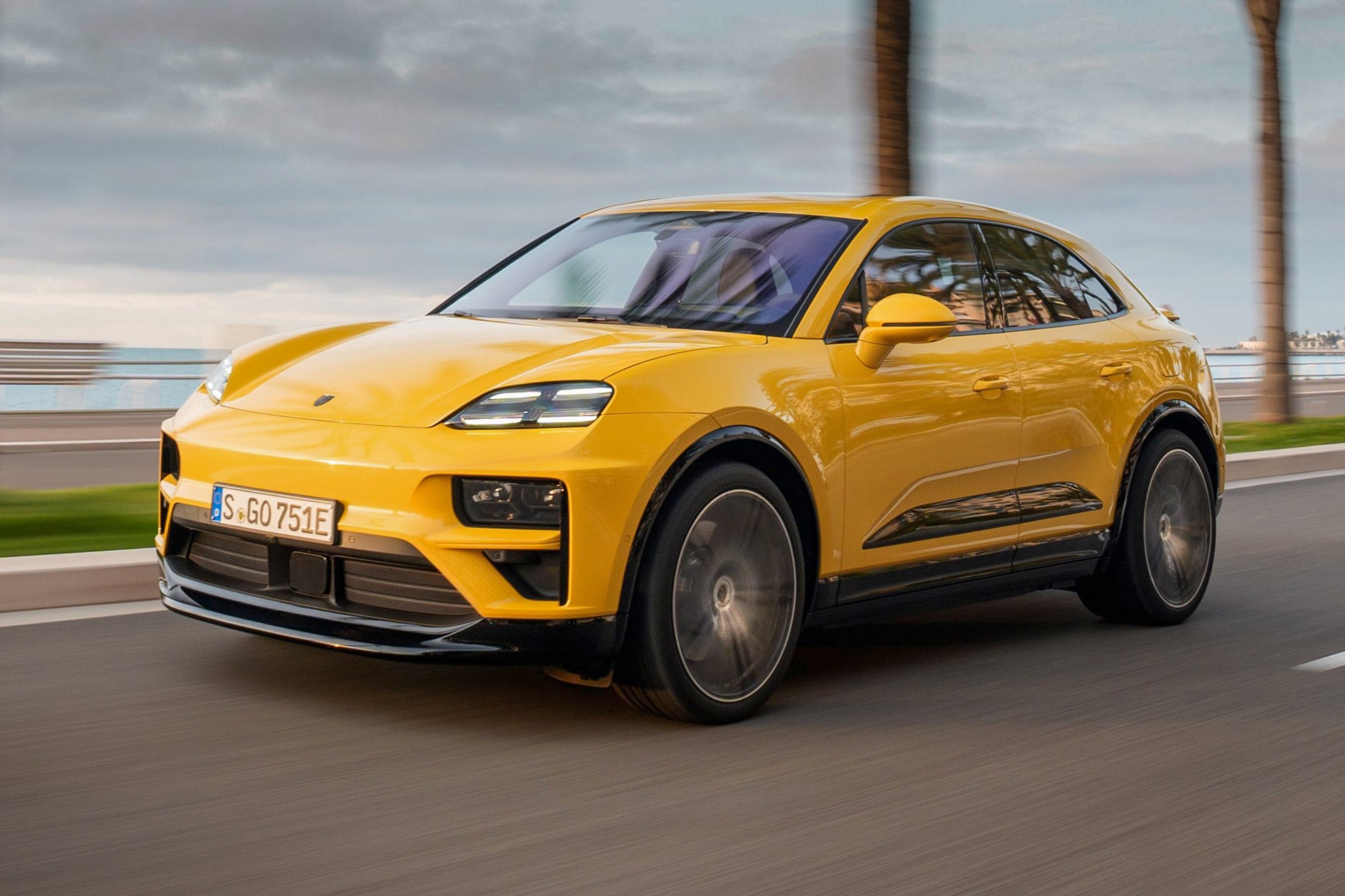
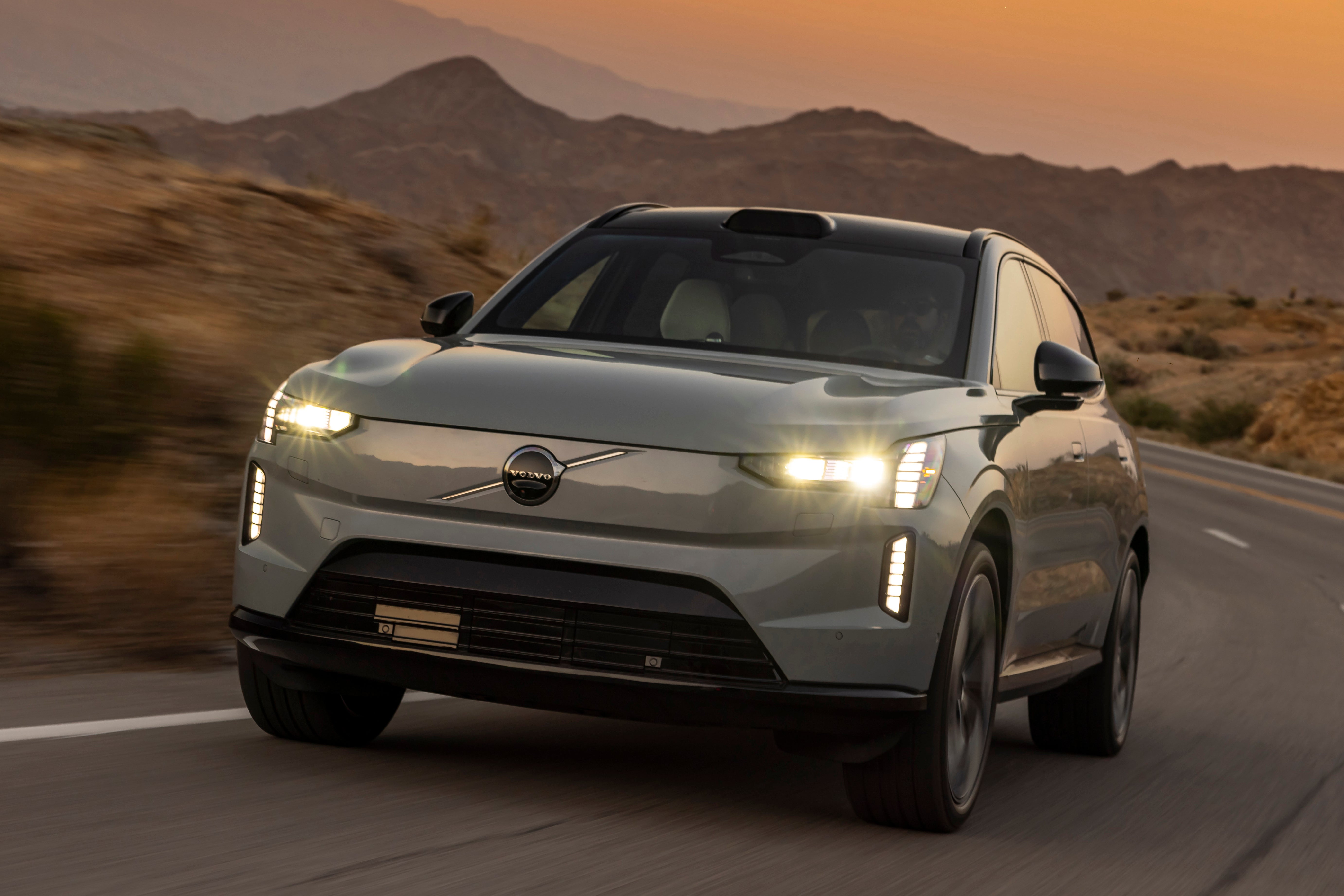
The Volvo EX90 is another rival if seven seats matter, though it feels more family-led and less design-led than the BMW. The Porsche Macan Electric is the better option if driving enjoyment matters more than outright lounge-like comfort, but it doesn’t serve up the same airy, concept-car interior feel.
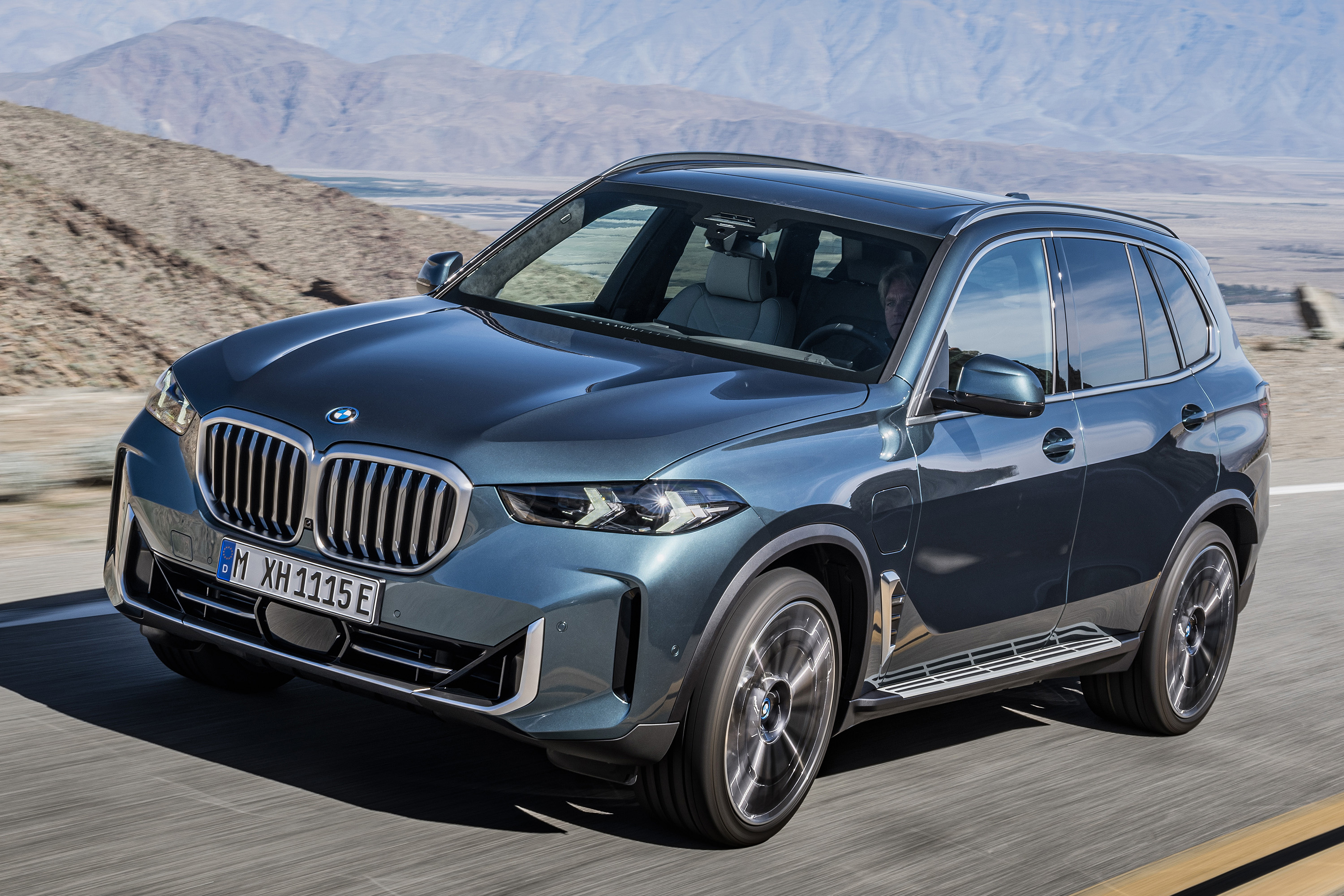
You could also stay in-house and consider the BMW i4 if you don’t actually need an SUV. It’s more fun to drive, feels premium and will be enough car for plenty of buyers. If you like the iX’s luxury SUV format but aren’t sold on full electric power yet, the BMW X5 plug-in hybrid is another route in, though it won’t give you the same hush or the same sense of technical progression.
What's the interior like in the Bmw Ix?
The BMW iX has one of the most distinctive interiors in any electric SUV. It feels airy, modern and expensive, with loads of space and very little sense that style has come at the expense of comfort. There are a few annoyances around touchscreen-heavy controls, but as a place to spend time, it’s excellent.
Bmw Ix boot space and practicality
If the outside of the iX leaves you cold, don’t let that put you off the cabin. BMW’s interior design is far more successful here. It feels clean and modern without becoming stark, and it manages to look different from the rest of the BMW range without making everyday use harder than it needs to be.
The driving position is good, with plenty of adjustment and excellent visibility by large SUV standards. You don’t sit as loftily as you do in some big SUVs, but the low window line and upright seating position make it easy to place on the road. Front-seat comfort is one of the iX’s standout qualities, too. The standard seats are broad and supportive, while higher-spec versions add sportier-looking chairs that don’t sacrifice long-distance comfort.
Rear-seat space is generous. There’s lots of headroom, plenty of kneeroom and a flat floor that makes the middle seat less awkward than it often is in big EVs. It’s better as a four-seater in day-to-day use, but the fifth passenger won’t feel completely short-changed.
Boot space is 500 litres, rising to 1,750 litres with the rear seats folded. That’s useful rather than class-leading. It’s enough for holiday luggage, a family shop or a buggy and a few bags, but a BMW X5 offers more outright load space and a slightly more traditional square load bay. There’s no front boot, either, though some EV rivals do offer one.
That said, the iX is a practical thing. The boot floor is well shaped, there isn’t a big lip to haul heavy items over, and the rear seats fold to create a mostly flat extended load area. Cabin storage is good too, helped by the open-feeling area beneath the centre console. For most buyers, the iX will feel plenty roomy. It just doesn’t turn its size into class-leading luggage capacity.
Bmw Ix dimensions
The BMW iX is 4,965mm long, 1,970mm wide and 1,695mm tall, with a 3,000mm wheelbase. That makes it broadly similar in footprint to a BMW X5, though the EV packaging helps it feel airier inside than that comparison suggests.
Against rivals, it’s a proper large SUV rather than a mid-size one pretending to be bigger than it is. You’ll notice that in tight car parks and narrow multi-storeys, but it’s not unwieldy on the move thanks to strong visibility and lots of standard camera and parking tech. If you’re downsizing from something like a Range Rover or BMW X7, it won’t feel enormous, but it’s noticeably bigger than an Audi Q6 e-tron or Porsche Macan Electric.
Tech and infotainment in the Bmw Ix
The BMW iX has one of the best infotainment systems in a premium EV. BMW’s curved display looks modern, but more importantly, it’s easier to use than some rivals’ prettier but less intuitive setups. The main screen houses the infotainment and the digital driver display in one sweeping unit, and the graphics are sharp, quick to respond and sensibly laid out.
The latest cars run BMW Operating System 8.5, which adds a few extra digital features and a cleaner menu structure. There’s proper voice control through the BMW Intelligent Personal Assistant, and unlike a lot of these systems, it’s actually useful for basic tasks when you’re driving. Apple CarPlay and Android Auto are included, as you’d expect, and the iX can also use BMW’s Digital Key functions.
One of the best things about the setup is that BMW hasn’t gone fully touchscreen-only. There’s a rotary controller between the front seats, which makes it much easier to use on the move than constantly stabbing at icons on the screen. That gives the iX a clear usability advantage over some rivals.
The frustration is climate control. There aren’t enough physical controls for everyday adjustments, and that’s a step backwards even if the menus are better than many alternatives.
Sound quality is strong, with a Harman Kardon sound system fitted as standard and an even more elaborate Bowers & Wilkins option available for buyers who want it.
Materials available on the Bmw Ix
The iX’s cabin materials are part of what makes it feel different from a more conventional BMW SUV. Even in standard form, there’s a mix of open-pore wood, metal-look trim, soft-touch surfaces and carefully integrated lighting that gives the cabin a more lounge-like feel than a normal executive car interior.
BMW also leans hard into sustainability. Depending on the specification, you’ll find upholstery choices that reduce the reliance on traditional leather, plus recycled materials in areas such as the carpets. Buyers who do want a more luxurious finish can spec richer materials and more indulgent trim packs, but the basic design works well even before you start adding options.
M Sport versions introduce a slightly more assertive look inside, with different seats, trim pieces and steering wheel treatment. The M70 goes further, though even there the iX doesn’t tip over into something gaudy. The overall impression is of a cabin that feels considered and expensive rather than merely loaded with shiny trim.
What's the Bmw Ix like to drive?
The BMW iX isn’t the most entertaining electric SUV, but it’s one of the most relaxing. It’s quick, composed and impressively easy to drive for something so large, and its refinement is among the best in class. If your idea of a good luxury SUV is something that leaves you fresher after a long journey, the iX gets it absolutely right.
Bmw Ix range and performance
All BMW iX models use twin electric motors and four-wheel drive, but there are meaningful differences between the three versions. The xDrive45 gets a 94.8kWh usable battery, 408PS and a 0–62mph time of 5.1 seconds. Official WLTP range is up to 374 miles, which is a big improvement over the old xDrive40 and makes this version far easier to recommend than the old entry-level car.
Step up to the xDrive60, and you get a 109.1kWh usable battery, 544PS and 0–62mph in 4.6 seconds. It’s the range champion, officially capable of up to 426 miles. That puts it among the more convincing long-distance electric SUVs in the class, and it’s the version that best suits high-mileage users who don’t want to stop often.
At the top of the range sits the M70, with a 108.9kWh usable battery, up to 659PS and 0–62mph in 3.8 seconds. That’s very serious pace for such a big SUV, and it manages up to 365 miles officially. It’s hugely impressive, though the xDrive60 is the more rounded choice if you’re balancing performance with value.
In real-world use, expect motorway mileage to come in well below the headline WLTP numbers, especially in winter. Even so, the updated iX feels more convincing than before because the battery and efficiency improvements were substantial rather than cosmetic. The xDrive45 now makes sense for buyers who were previously worried the entry model wouldn’t go far enough.
Performance data
| Model | Engine/battery size | Power | 0-62mph | Range/MPG |
|---|---|---|---|---|
iX xDrive45 | 94.8kWh | 408PS | 5.1 seconds | Up to 374 miles |
iX xDrive60 | 109.1kWh | 544PS | 4.6 seconds | Up to 426 miles |
iX M70 | 108.9kWh | Up to 659PS | 3.8 seconds | Up to 365 miles |
Bmw Ix driving and refinement
The iX is best understood as a luxury SUV first and a BMW second. That’s not meant as criticism. BMW has clearly chosen refinement and comfort as the main priorities here, and the result is deeply impressive. There’s plenty of performance in every version, but the iX’s real talent is how calmly and quietly it covers ground.
Around town, it feels easier to place than its size suggests. The steering is light, visibility is good, and the standard parking aids do a lot of heavy lifting. It’s a large SUV, so you won’t forget that in tighter spaces, but it doesn’t feel clumsy. The instant electric response also helps it feel brisk and effortless in stop-start traffic.
Out on faster roads, the iX really comes into its own. Wind noise is exceptionally well suppressed, road noise is low, and the whole car has that expensive, settled feeling you expect from a proper luxury model. Few EVs isolate you from the outside world this effectively. On a long motorway run, that matters more than cornering sparkle.
Push it harder, and you’ll find decent grip and tidy body control, especially in the M70, but it’s not the sort of car that encourages you to go looking for a challenging B-road. The steering doesn’t have the natural feel of BMW’s better driver’s cars, and the weight is always there in the background. A Porsche Macan Electric is more engaging. Even a BMW i4 is more satisfying if you care about that traditional BMW sense of involvement.
Judged on its own terms, the iX is brilliantly done. It’s one of the most soothing cars on sale.
How safe is the Bmw Ix?
The BMW iX was awarded a five-star Euro NCAP rating, and it backs that up with plenty of standard safety kit. Every version gets collision warning and autonomous emergency braking, lane-related driver assistance, parking assistance and a reversing camera, while BMW also includes more advanced assisted-driving features than many rivals do as standard.
For family buyers, there’s ample reassurance here. The iX was praised by Euro NCAP for strong occupant protection, and BMW’s broad suite of active safety systems helps it feel every inch the modern flagship SUV. ISOFIX points are fitted in the rear seats, and the standard camera and parking systems also make it easier to manoeuvre safely in tight spaces.
Running costs: What it's like to live with a Bmw Ix
The BMW iX is expensive to buy, but it should be more manageable to run than many luxury SUVs of this size. Electricity costs will vary massively depending on how and where you charge, but the long range, strong charging speeds and straightforward EV service requirements all help. Insurance is predictably steep, though, and most versions will trigger the additional VED charge for expensive EVs.
Bmw Ix charging times and costs
Charging performance is strong across the range. The xDrive45 can charge at up to 175kW on a DC rapid charger, while the xDrive60 and M70 can accept up to 195kW. In the right conditions, that means a 10 to 80 per cent top-up in around 34 to 35 minutes, which is good for a large-battery luxury EV rather than class-leading.
Home charging is where the iX will make most sense for many owners. On a 7.4kW AC wallbox, the xDrive45 takes around 14 hours 30 minutes for a full charge, while the xDrive60 and M70 are closer to 16 hours 45 minutes. If you have access to 22kW AC charging, that time can be cut significantly, though that setup is less common at home.
Cost depends entirely on your tariff. As a rough guide, charging an xDrive45 from empty at a low home tariff of around 25p/kWh would cost about £265, while the bigger-battery cars would be closer to £30. Variable rate tariffs with cheaper off-peak periods could slash these figures if your charging sessions are timed accordingly.
Use a pricey public rapid charger at roughly 79p/kWh, and those figures jump to around £75 for the xDrive45 and £86 for the xDrive60 or M70. That’s why home charging makes such a difference with a large EV like this.
Bmw Ix warranty and servicing
BMW covers the iX with a three-year unlimited-mileage vehicle warranty, which is reassuring if you’re planning to keep the car beyond a typical lease period. The high-voltage battery is covered separately for eight years or 100,000 miles.
That warranty package is competitive rather than standout. Some rivals offer longer general cover, but BMW’s unlimited-mileage three-year policy will appeal to high-mileage drivers. Beyond that, BMW also offers Service Inclusive plans for EVs, which can make costs easier to predict if you want dealer servicing without the uncertainty later on.
As an electric SUV, the iX avoids the usual oil-change and engine-related servicing needs of a combustion car. That doesn’t mean it’s maintenance-free, but routine servicing should be simpler and less frequent than on an equivalent petrol or diesel luxury SUV.
Bmw Ix insurance groups
Insurance won’t be cheap. The BMW iX sits in group 50, which is the highest insurance group in the UK. That won’t come as a surprise given the price, performance and repair costs involved, but it does mean younger drivers or anyone moving up from a more ordinary EV should check quotes very carefully before committing.
This is one of the clearer ownership trade-offs with the iX. It’s an impressively refined and sophisticated luxury EV, but it comes with luxury-car running costs in several areas, and insurance is one of them.
How much does it cost to tax a Bmw Ix?
As a pure electric car, the BMW iX now pays VED like any other EV. In the standard-rate period, that’s £200 a year. Because the iX sits well above the expensive-car threshold, most versions will also be liable for the additional-rate supplement for five years from the second year of registration.
That supplement applies if the list price is more than £50,000. The iX is comfortably over that line, so it’s something buyers should factor in. That means year-two to year-six tax bills are noticeably higher than the standard rate alone. It’s hardly a deal-breaker at this end of the market, but it’s worth understanding before you sign.
What trims are available with the Bmw Ix?
BMW keeps the iX range fairly simple. At the entry point is the xDrive45 Sport, followed by xDrive45 M Sport, then xDrive60 M Sport, with the M70 at the top as its own performance-focused model.
Sport is only available with the xDrive45, but it gets a healthy amount of standard equipment. You’re not looking at a stripped-out base model here. Key features include large alloy wheels, heated front seats, a heated steering wheel, BMW’s curved display and infotainment setup, a Harman Kardon sound system, Comfort Access and a strong suite of driver assistance systems. For buyers who care more about comfort and value than visual aggression, it’s a perfectly sensible choice.
M Sport is the trim most buyers will probably gravitate towards. It gives the iX a more assertive look, which suits the unusual design better, and it adds the sportier styling touches many people expect on an expensive BMW SUV. On the xDrive45, it feels like a worthwhile upgrade if appearance matters. On the xDrive60, it’s the only trim offered, which makes life simple.
The M70 is less a trim level and more a different personality. Along with the huge power output, it adds M-specific styling, more performance hardware and extra standard equipment, including adaptive two-axle air suspension and other chassis upgrades. It looks and feels more overt, but it also moves the iX away from its core appeal as a quietly indulgent luxury SUV.
If you’re choosing on value, the xDrive45 M Sport is probably where most buyers should start. If maximum range matters most, go xDrive60 M Sport. The M70 is the indulgent choice rather than the rational one.
Ask the Drive experts: common questions
How much does the BMW iX cost?
What’s the maximum range of the BMW iX?
How big is the BMW iX?
Is the BMW iX a good family car?
Get our latest advice, news and offers
Keep me updated by email with the latest advice, news and offers from Drive.