Used Volkswagen Golf for sale: everything you need to know
The Volkswagen Golf is one of the most popular family hatchbacks for used car buyers, thanks to its quality feel and all-round excellence. With several generations to choose from and a wide range of trims and engine options, most buyers will find a version to suit their needs and budget.
The current eighth generation version is the most sophisticated version to date, but the seventh generation is more affordable, still feels modern and is available with most of the features used car buyers would need.
How much does a used Volkswagen Golf cost?
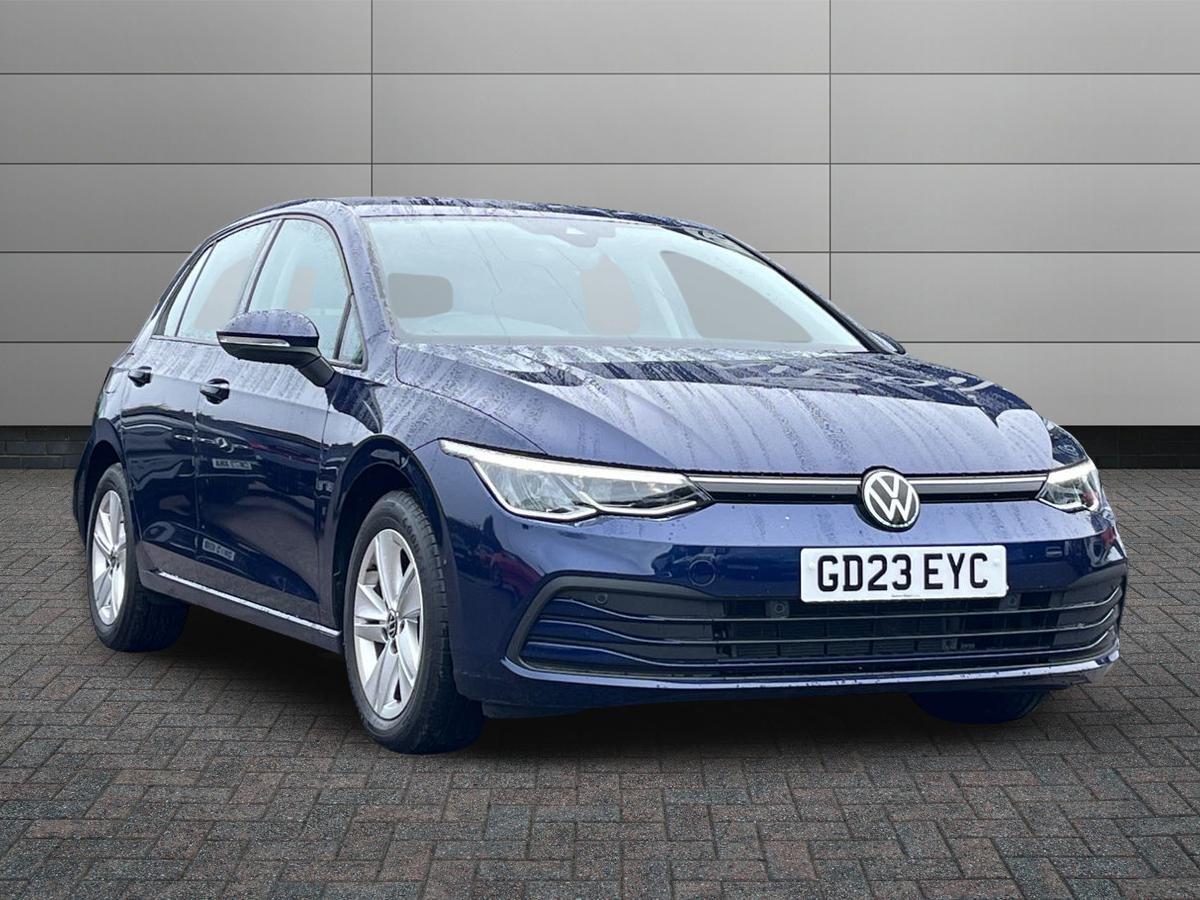
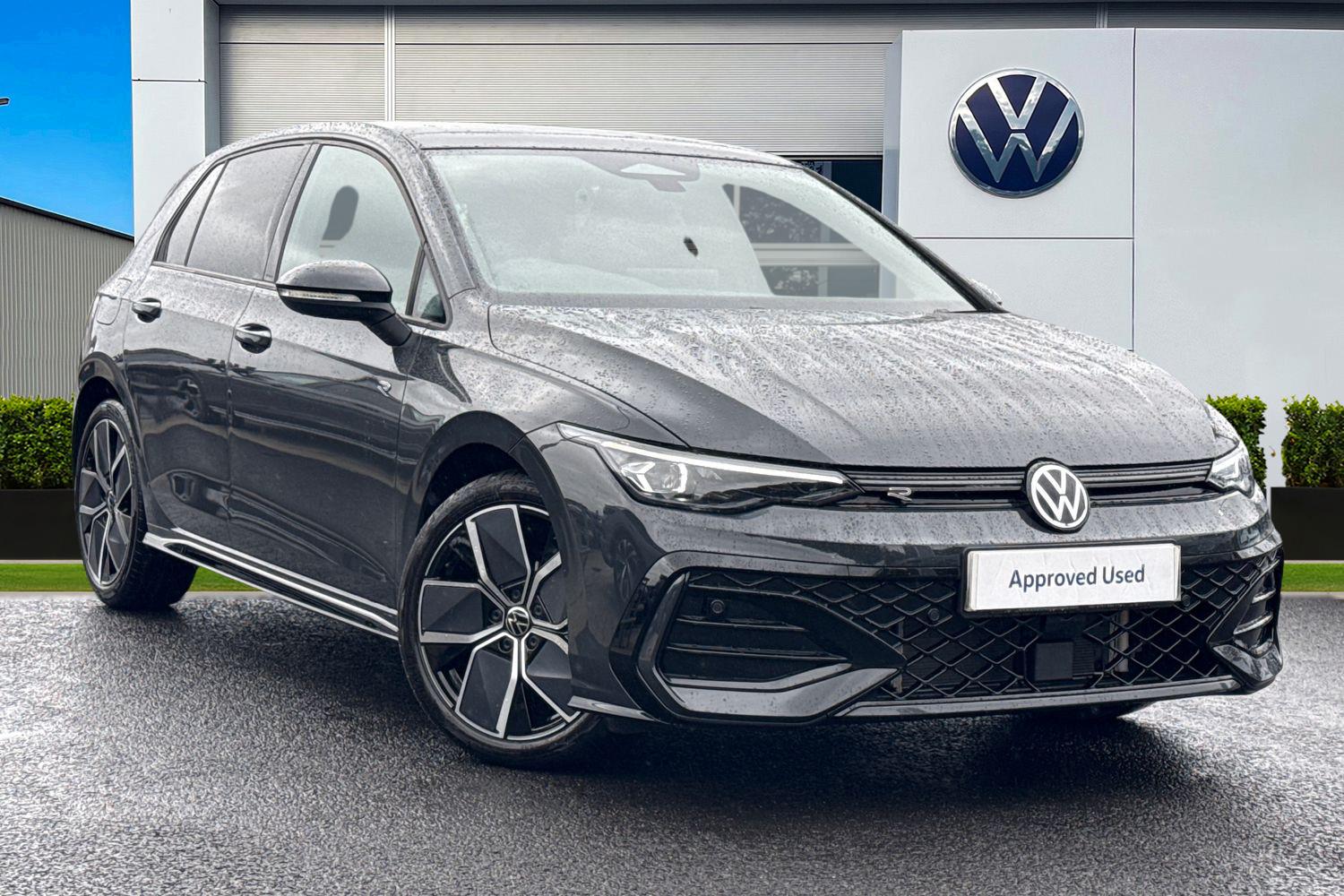
The cheapest examples of the current eighth generation car start at around £8,000, which will get you a 1.0-litre or 1.5-litre TSI engine in basic Life trim and around 100,000 miles. Expect to pay £12,000 upwards for a higher specification trim such as R-Line with around 75,000 miles, while the newest examples start at around £20,000 upwards.
As for seventh generation versions, £2,000 is enough for an early 2013 example but expect high mileage. Pay £4,000 and you should find cleaner examples with under 100,000 miles and a choice of petrol or diesel engines, while the latest seventh generation cars will be around £10,000 to £12,000.
Which used Volkswagen Golf should you buy?
If your budget can stretch to it then an eighth generation car has the superior infotainment system as well as a more usable interior, and with better efficiency from its engine range it is the more desirable option. However, the seventh generation Golf remains an excellent secondhand choice and with more examples on the market it will be easier to find one in your ideal specification.
High mileage drivers or those who do lots of long journeys should consider one of the diesel options, with the 2.0-litre TDI offering a better blend of performance and economy than the 1.6-litre version. For everyone else, one of the excellent TSI engines is likely the best option, with the 1.4-litre TSI and 1.5-litre TSI Evo capable of impressive economy as well as enough power for comfortable cruising. If you have the ability to charge at home, the eHybrid version of the current car could deliver significant savings on fuel bills.
Which Volkswagen Golf trim is best?
On seventh generation cars the basic S trim is reasonably well equipped but moving up to the Match Edition version adds welcome extras like adaptive cruise control, automatic headlights and wipers and a higher specification infotainment system including navigation. The range received an update in 2017 with renamed trim lines, with the closest equivalent of the Match Edition being the SE Navigation.
The eight generation Golf introduced a slimmed down number of trim levels, so even the entry-level Life model gets alloy wheels, a 10-inch touchscreen infotainment with DAB and smartphone connectivity and climate control, with the higher trims adding design features rather than lots of additional equipment.
What should you check when buying a used Volkswagen Golf?
On seventh generation cars, particularly earlier cars fitted with TSI petrol engines, timing chains can become stretched which may eventually lead to significant failures. Many affected cars will have had remedial work carried out to solve this issue, but it is worth checking that this has been carried out and listen out for unusual noises on start up. Poor maintenance can also affect timing chains, so pay close to attention to the service history.
Cars fitted with the DSG automatic transmission are generally more reliable than on earlier iterations, but again it is important to check the service history to ensure that the routine maintenance has been carried out.
For eighth generation Volkswagen Golfs the main issues centre around the infotainment system, with issues such as frozen screens and delayed responses to inputs as well as faults with the Emergency Call system, although these problems were largely resolved on later 2022-on versions.
How much does a Volkswagen Golf cost to run?
Excluding the high performance versions, almost every Golf whether petrol or diesel has an official fuel consumption figure of over 50mpg, which means more than 40mpg is attainable when driven with care. Plug-in hybrid versions are capable of even more as long as you charge as often as possible.
Insurance costs are competitive with rival cars, but the age and specification has a significant impact. For seventh generation cars, a basic S trim Golf is group 7 with the 1.2 TSI engine but group 17 with the 1.4 TSI unit. On eighth generation Golfs the Life trim with the 1.0-litre TSI engine is in group 14, while the same trim with the 1.5 eTSI engine is in group 20.
Tax rates are dependent on the age of the vehicle, as seventh generation Golfs span the change in VED rules that were imposed in April 2017. Golfs registered before this date are taxed against CO2 emissions, which mean many versions fall into the cheapest A and B groups. Seventh generation cars registered after this date and all eighth generation cars will pay the current standard rate, while the higher performance GTE, GTI and R models will attract the Expensive Car Supplement from years two to six.
Servicing costs are broadly in line with its main competitors, and being such a popular model there are plenty of independent Volkswagen specialists that can offer cheaper servicing compared to main dealers.
What are the alternatives to a used Volkswagen Golf?
Almost since it first went on sale in 1974 the Volkswagen Golf has been the default answer to many people’s ‘what car should I buy?’ dilemma. Not too big outside, yet roomy within, with the availability of the VW Golf Estate for many years for those who needed even greater flexibility.
Plus, there’s a wide range of economical petrol and diesel engines, plus plug-in hybrid and even an electric e-Golf. Not forgetting the iconic performance-focused Golf GTI and Golf R variants.
But if all that feels somewhat too ubiquitous, there are plenty of options from other brands — not least the excellent to drive Ford Focus. It’s no longer available to buy new, but there are nearly 30 years’ worth of used examples to choose from, usually at prices undercutting their VW alternatives.
It’s also worth considering the Toyota Corolla, the most recent generation of which is decent fun to be behind the wheel of, performs with punch yet is miserly with its petrol consumption thanks to its sophisticated self-charging hybrid system. Note that Corolla hatchbacks are tighter for space in the back than the Touring Sports estate versions, plus there’s chance neighbours might think you’re moonlighting as an Uber driver.
If you fancy something with the Golf’s upmarket feel and you’re prepared to sacrifice some interior space in the pursuit of driving thrills, then you should be making haste in the direction of the BMW 1 Series. Plenty of excellent petrol and diesel engines to choose from, with all delivering pleasing real-world efficiency.
Need something bigger than a Volkswagen Golf?
A small-to-medium SUV can provide plenty of extra room aboard in a car not a great deal larger than a Golf, with a couple of options in particular proving popular.
While the largest MINI Countryman is the brand’s largest model range, it’s still compact in the grand scheme of things, with a lofty driving position combined with nimble handling. Choose your version wisely, though — Cooper S models offer a terrific punch, but many are combined with Sport packs which make the ride comfort overly firm.
More sensible — but no less desirable — is the angular Volvo XC40. It serves up a generously commodious cabin and boot, fine build quality and a broad assortment of petrol, diesel, plug-in hybrid and electric drive system options — just be aware the latter has been sold as the Volvo EX40 in more recent years.
Read our full Volkswagen Golf review