Volkswagen Golf Review

Written By Andrew Brady
- 2020
- Hatchback
- Petrol, petrol mild hybrid, diesel, plug-in hybrid
What we love
Comfortable, refined and good to drive
Even the most affordable models are well-equipped
Running costs won’t break the bank
Things to consider
Plug-in hybrid has a smaller boot
Higher trims can get expensive
Rear-seat space not quite best in class
The DRIVE take on the Volkswagen Golf, is it the right car for you?
The Volkswagen Golf still feels like a default choice in the family hatchback class, and that is because it remains so broadly talented. Now in its eighth-generation form, the Golf is comfortable, refined, easy to drive, smart inside and available with a wide enough range of trims and engines to suit a huge spread of buyers.
There are hatchbacks with bigger boots, hatchbacks with more driver appeal and hatchbacks that look like better value on paper, but the Volkswagen Golf still blends all the important family-car qualities better than almost anything else. The 2024 update helped cement its appeal, too, because it tackled one of the biggest weaknesses of the early Mk8, with a larger and much more user-friendly infotainment system. If you want one hatchback that can do nearly everything well, the Volkswagen Golf remains right near the top of the list.
The Volkswagen Golf in more detail
The Volkswagen Golf has more competition than ever, yet it remains one of the best cars in its class. That is partly because Volkswagen has never really tried to reinvent the Golf into something it does not need to be. Instead, it continues to focus on comfort, quality, ease of use and broad appeal.
This eighth-generation car arrived in 2020 and was, in many ways, exactly what buyers expected. It was solid, refined and good to drive, with a sharp-looking cabin and a wide engine line-up. The problem was that early cars were let down by a fiddly infotainment system and a style-over-substance touch-heavy user interface that made the interior harder to live with than it should have been. The 2024 facelift made a bigger difference than the subtle styling changes might suggest, because that infotainment system was much improved, and is now a much stronger part of the package.
Browse used Volkswagen Golfs for sale →
The latest Volkswagen Golf is easy to recommend because it suits so many different needs. It is comfortable enough for family buyers, classy enough for downsizers who want something that feels more expensive than an ordinary hatchback, and still tidy enough to drive that it never feels dull.
The current range also remains pleasingly broad. Life, Match, Style, R-Line and Black Edition trims cover the mainstream line-up, while there are GTE, GTI, and R versions for those who want a bit more sizzle. The engine range has changed a fair bit over the considerable time it’s been on sale, with several options coming and going, but the current range stretches from frugal 1.5-litre petrols to fire-breathing 2.0-litre turbos, taking in mild hybrids,plug-in hybrids and - until recently - diesels along the way, so there’s a Golf for pretty much every need.
What stops it from being an entirely unqualified recommendation is that some alternatives now expose the areas where the Golf no longer dominates in the way it once did. A Skoda Octavia is roomier, a SEAT Leon gives you much of the same engineering for less money, and a Mazda 3 has a more distinctive cabin. But the Golf still nails the fundamentals brilliantly.
What's the best Volkswagen Golf trim and engine option?
The 1.5-litre 150PS petrol is the Volkswagen Golf engine most buyers should focus on. It is quick enough to feel effortless in ordinary use, economical enough to avoid making you wish you had gone for a hybrid, and it suits the Golf’s refined and sophisticated character extremely well.
If you want an automatic, the DSG version is also excellent and comes with added mild-hybrid assistance that only enhances the Golf’s easy-going nature. The less powerful 115PS 1.5-litre is perfectly decent, and the Golf eHybrid is an interesting alternative if you can charge at home and mostly do only short urban journeys, but the 150PS version is the best all-rounder of the lot.
In trim terms, Match is our choice. Life already feels well equipped, but Match adds some extra items of kit many owners will really appreciate - including a rear-view camera, keyless entry and larger alloys - without pushing the price too high.
What’s the price of the Volkswagen Golf?
The current Volkswagen Golf range starts at £28,910. That means the Golf costs a little more than many mainstream alternatives, but that higher price does buy you a more premium feel than most of them can match. There are also plenty of used Volkswagen Golfs for sale for considerably less.
The further up the range you go, the more important that becomes. Lower trims feel like good value given the Golf’s polish and standard equipment, but higher-end versions begin to creep into price territory where buyers could start considering bigger or more premium alternatives.
Alternatives to the Volkswagen Golf
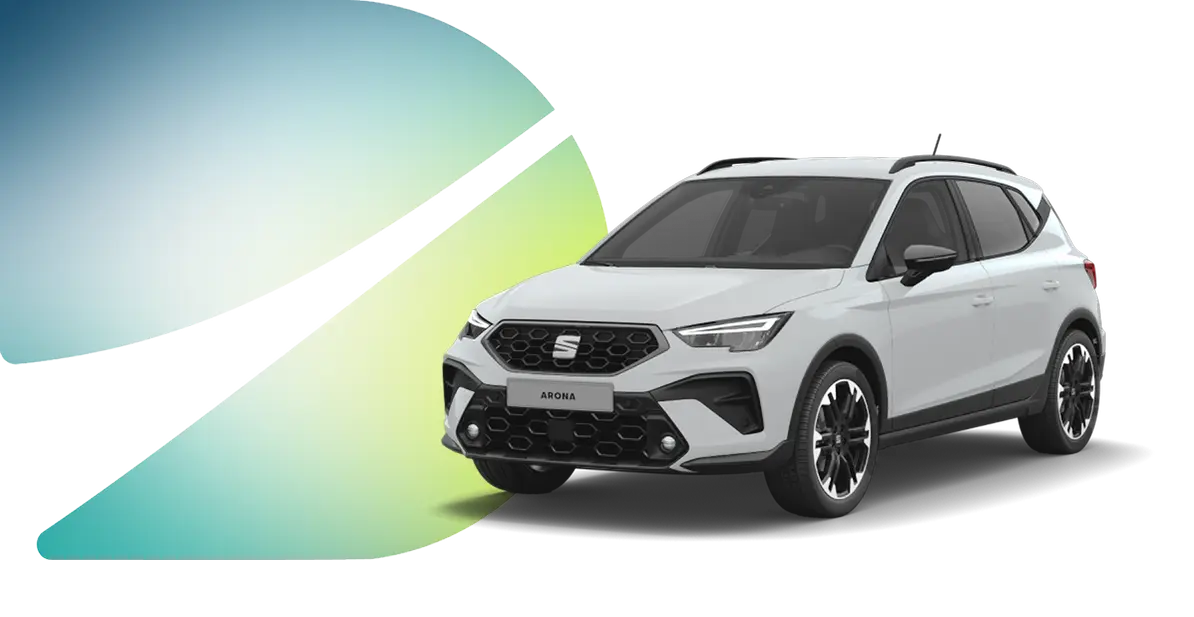
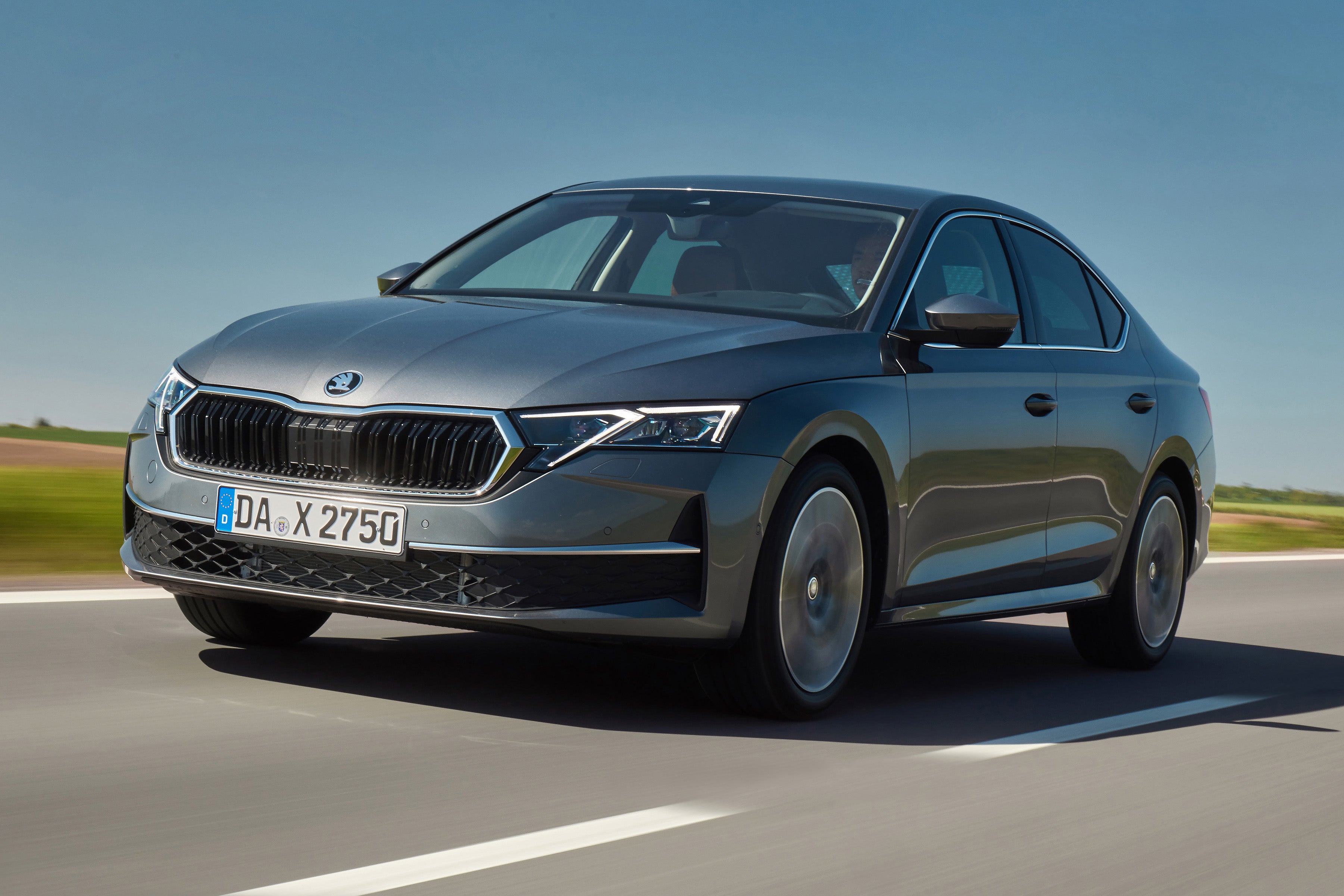
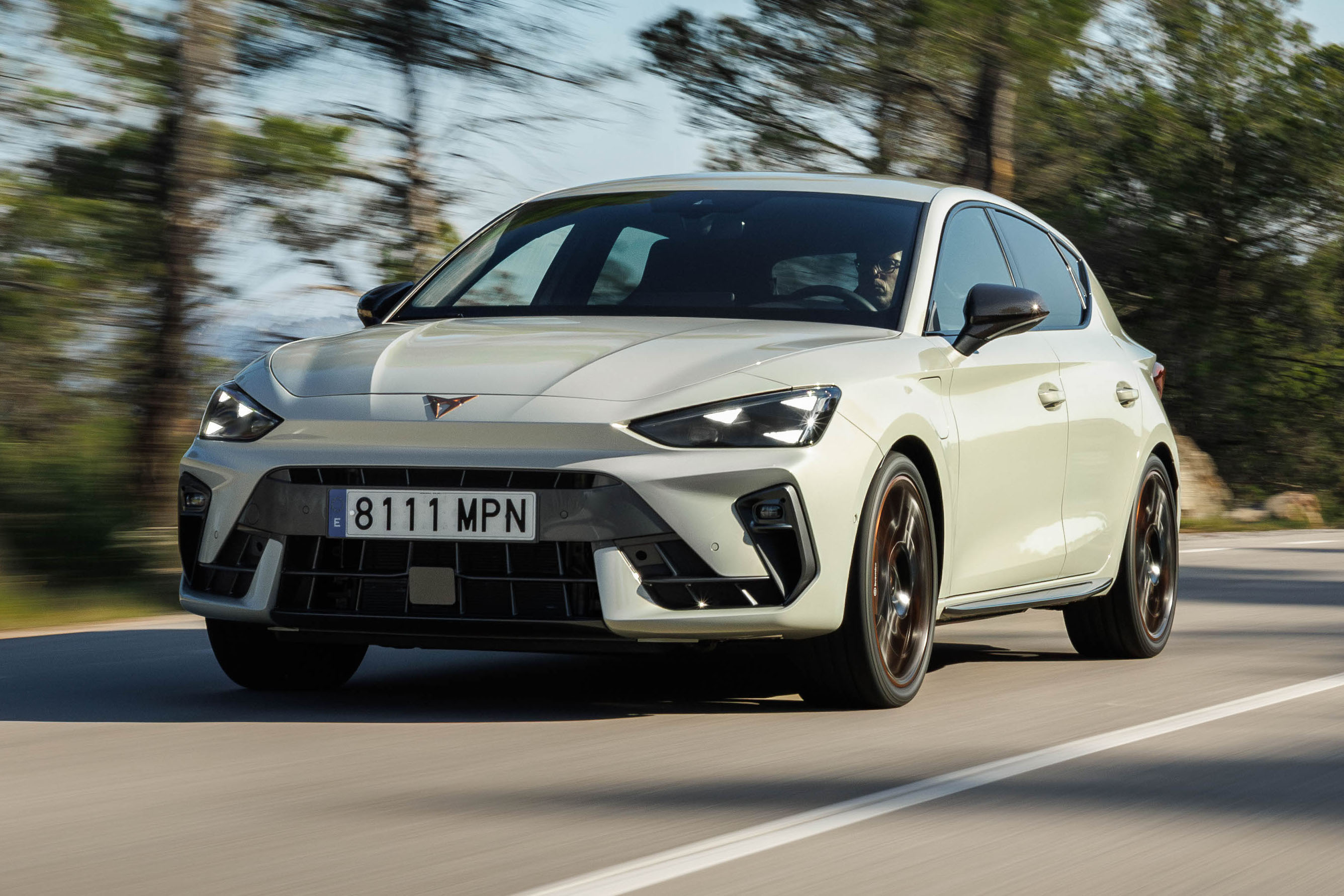
The Skoda Octavia and SEAT Leon are the two most obvious alternatives, largely because the three cars share the same mechanical hardware underneath. The Octavia is the more practical choice, with a bigger body giving it a roomier passenger compartment and a significantly larger boot. The Leon, meanwhile, gives you sharper styling for less cash than you pay for a Golf.
The Honda Civic is one of the strongest non-related alternatives if you want something that feels slightly more distinctive but still deeply sensible. It is efficient, roomy and very well equipped. It is very pricey, however.
The Toyota Corolla is another obvious rival if reliability and hybrid efficiency matter most, while the Mazda 3 remains a stylish and more driver-focused left-field choice with a richer-feeling cabin than many mainstream hatchbacks.
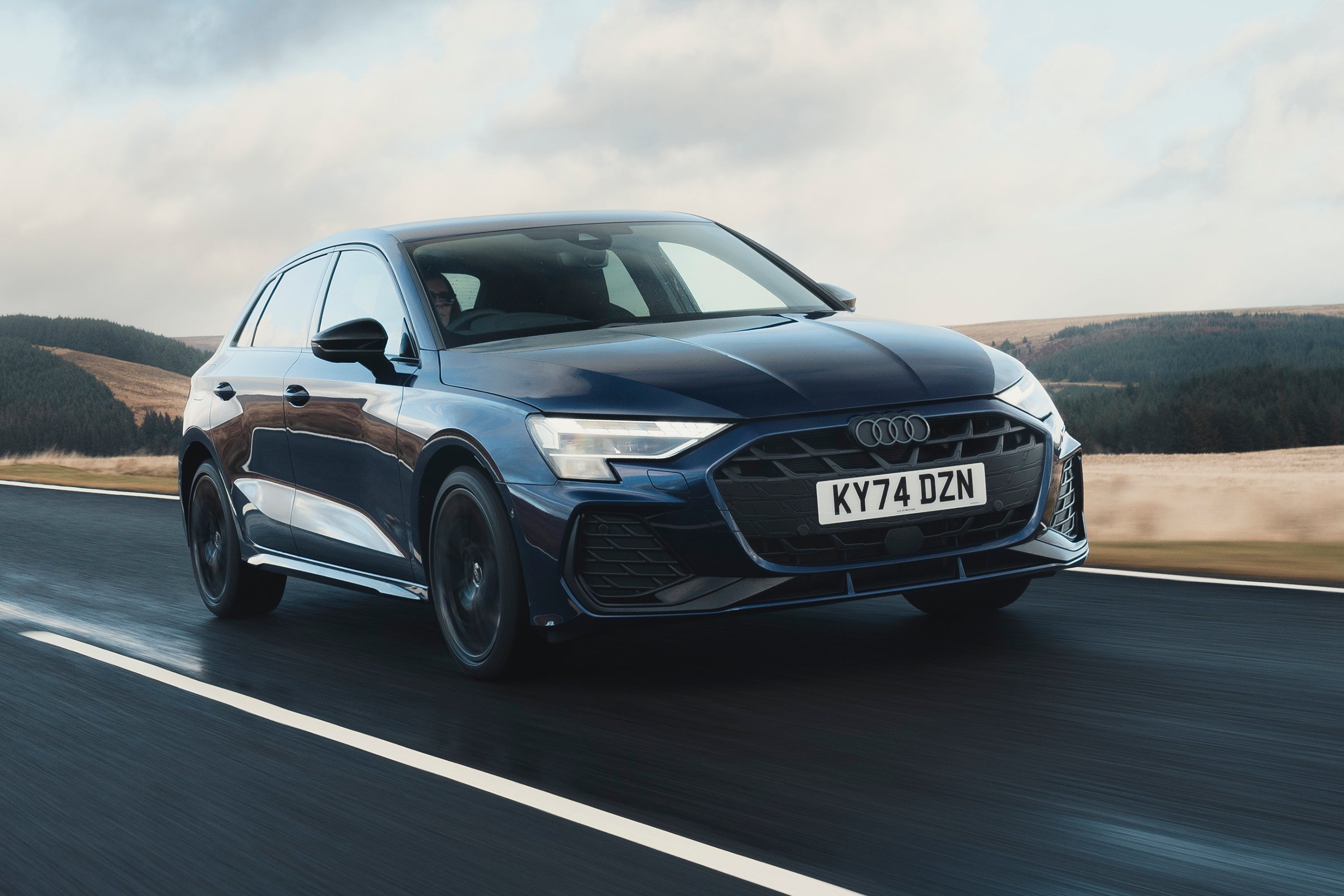
The Ford Focus is still worth considering if you’re buying used (it’s no longer available as a new car) and you prioritise driving enjoyment. If you are looking slightly more upmarket, the Audi A3 is the most direct premium alternative (again, it shares the Golf’s mechanicals), while the BMW 1 Series and Mercedes-Benz A-Class are also similar in what they offer.
What's the interior like in the Volkswagen Golf?
The cabin is a big part of what continues to lift the Volkswagen Golf above many mainstream hatchbacks. Even in the more affordable trims, it feels posher, sharper and more grown-up than most alternatives.
Volkswagen Golf boot space and practicality
The front of the Volkswagen Golf is very easy to get comfortable in. There is plenty of adjustment in the seats and steering wheel, the front seats are supportive, and there is loads of headroom if you drop the seat to its lowest setting.
Storage is good, too. The door bins are a useful size, the cupholders are sensibly positioned and there is a handy area in front of the gear selector for your phone.
In the back, space is reasonable rather than remarkable. There is enough legroom to satisfy tall adults, and headroom is good, too, but the Golf is not as spacious as the closely related SEAT Leon and Skoda Octavia, the latter in particular. It’s perfectly adequate for family use, but not the class leader for passenger space.
It’s a similar story on boot space, which stands at 381 litres. It’s on a par with a Ford Focus, bigger than a Mazda 3 and usefully square in shape, but it falls well short of a Skoda Octavia. There is a small load lip and the rear seats do not fold perfectly flat, but the space is still useful enough for day-to-day duties. Bear in mind, too, that the boot space in the plug-in hybrid version shrinks to just 273 litres, which is a big loss.
Volkswagen Golf dimensions
The Volkswagen Golf’s measurements vary very slightly depending on which model you choose, but the core of the range measures 4,282mm long, 1,789mm wide and 1,483mm tall, with a 2,620mm wheelbase.
That makes it quite compact for a modern family hatchback, which helps explain why it is so easy to place in town but also why alternatives such as the Octavia and Leon feel roomier in the back.
Tech and infotainment in the Volkswagen Golf
This area constitutes the single biggest difference between early Mk8 Golfs and examples from after the 2024 update. Older versions got a 10.0-inch central touchscreen, and it was one of the car’s biggest weak points, with an illogical user interface, sloppy responses and glitchy software. The pre-facelift Golf also had fussy touch-sensitive slider controls for stereo volume and cabin temperature, which were less precise to use than conventional buttons and knobs, and because they weren’t illuminated, you couldn’t see them when it was dark.
The 2024 facelift replaced the central screen with a new 12.9-inch touchscreen as standard across the range, and it has a much slicker, more intuitive interface than before. It’s still not perfect in either regard, but it’s a lot better, and doesn’t detract from your general ownership experience anywhere near as much. Those fiddly touch-sensitive slider controls remain, and they’re still a bit of a gripe, but at least they’re now backlit so you can use them at night.
Wireless Apple CarPlay and Android Auto are standard, as is DAB radio, Bluetooth, navigation and wireless phone charging.
Materials available on the Volkswagen Golf
The Volkswagen Golf still feels classy inside, and feels like a cut above most other cars in the class, but it’s perhaps also true that its advantage in this regard possibly isn’t as considerable as it once was. That’s partly due to rivals catching up a bit, but also partly due to a small decline in the quality of the plastics in comparison to the mk7 Golf. Some of the plastics lower down in the cabin aren’t as posh as those higher up, and some of the key trim pieces don’t quite have the lustre that they once did.
What's the Volkswagen Golf like to drive?
The latest Volkswagen Golf delivers a similar character on the road to the Golfs that have gone before. It‘s not the most engaging hatchback in the class, but it is polished, comfortable and very easy to live with.
Volkswagen Golf range and performance
The current Volkswagen Golf line-up includes petrols, mild-hybrid petrols, diesels and the Golf eHybrid.
The 150PS 1.5-litre petrol is the engine to go for if you want the best all-rounder. It gives you keen enough performance to suit the car’s refined and effortless character, and it still returns economy strong enough that most buyers won’t wish that they went for a hybrid. The six-speed manual gearbox feels slick and easy, while the DSG automatic with mild-hybrid assistance makes things even slicker and easier, as it changes gears for you in an impressively smooth way.
If you’re looking to save cash on purchase price and spend most of your time in town, then there is a case for the entry-level 115PS version of the 1.5, which is adequate enough for this kind of use. It has enough clout for the odd motorway run, but if you regularly spend time at the national limit, then you’ll want to make the upgrade to the more potent engine. Before the 2024 facelift, the entry-level engine in the Golf range was a teeny 1.0-litre, but that’s now been discontinued.
The 2.0 TDI diesels still make sense if you cover a lot of motorway miles. The 115PS diesel is the most economical choice and should be gutsy enough for drivers who want to keep running costs as low as possible, but the 150PS diesel adds useful extra mid-range flexibility for easier progress, and feels better matched to the Golf’s refined long-distance character, and is still very easy on fuel.
The Golf eHybrid is the most eye-catching option on paper, with 204PS, up to 88 miles of electric range and an official fuel return of more than 250mpg. The idea is that it could cover the working week with little or no petrol use, while still retaining the convenience of a combustion engine for longer trips. A 0-62mph figure of 7.4 seconds would suggest that it’s reasonably sprightly, but we haven't tried it yet, so we can’t tell you exactly what it feels like.
Performance data
| Model | Engine/battery size | Power | 0-62mph | Range/MPG |
|---|---|---|---|---|
1.5 TSI 115PS | 1.5-litre petrol manual | 115PS | 9.9 seconds | Up to 53.6mpg |
1.5 TSI 150PS | 1.5-litre petrol manual | 150PS | 8.6 seconds | Up to 52.0mpg |
]1.5 eTSI 150PS DSG | 1.5-litre hybrid automatic | 150PS | 8.4 seconds | Up to 54.3mpg |
1.5 TSI eHybrid 204PS DSG | 1.5-litre plug-in hybrid | 204PS | 7.4 seconds | Up to 252.5mpg |
2.0 TDI 115PS | 2.0-litre diesel manual | 115PS | 10.2 seconds | Up 62.8mpg |
2.0 TDI 150PS DSG | 2.0-litre diesel automatic | 150PS | 8.0 seconds | Up to 60.1mpg |
Volkswagen Golf driving and refinement
The Volkswagen Golf is available with a range of suspension set-ups, but the good news is that there’s no bad choice. Life, Match and Style models have the most comfort-focused suspension, and as such, they ride with a supple, cosseting feel, especially on the smaller wheel choices. Bumps are absorbed really effectively, the suspension isn’t so soft that the car feels floaty or bouncy.
The suspension on R-Line cars is a little firmer for a sportier feel, but it’s are still far from uncomfortable. You notice a bit more edge over poorer surfaces, but the trade-off is a slightly tighter feel through faster corners.
If you find a car fitted with adaptive suspension, it only broadens the Golf’s appeal further, because the Comfort mode suits the car particularly well, but you can still dial in a firmer feel if you want it.
As well as its comfort, the Golf’s biggest strength is that it’s very easy to drive. It feels compact and easy to place in urban areas, while the light steering and strong visibility also help with low-speed manoeuvres. Front- and rear parking sensors are standard throughout the range, which helps further
On a faster road, the Golf feels settled and secure rather than overtly playful. It changes direction neatly, keeps body lean well in check, and steers with accuracy, so there is some fun to be had, but there are rivals that are more enjoyable.
That grown-up character is actually a big part of the Volkswagen Golf’s appeal. It is refined at speed, stable on the motorway and generally better isolated from wind- and road noise than many mainstream alternatives. Even the diesels remain acceptably civilised once you are moving, while the 1.5-litre petrols suit the car’s quiet, easy-going nature especially well.
How safe is the Volkswagen Golf?
The Volkswagen Golf has been crash-tested by Euro NCAP on three different occasions, in 2019, 2021 and 2025. And happily, on all three occasions, it achieved the full five stars.
All models get a strong spread of standard safety kit, including adaptive cruise control, Front Assist automatic emergency braking and a wide range of airbags.
Running costs: What it's like to live with a Volkswagen Golf
The Volkswagen Golf is not the cheapest hatchback to buy, but it should not be an expensive one to run if you pick the right engine for your needs.
Volkswagen Golf fuel economy
The 1.5-litre petrol is the engine most buyers choose, and regardless of whether you go for the 115PS version, the 150PS version, or the latter with a DSG automatic gearbox and mild-hybrid technology, you’ll get an official fuel economy figure of between 50mpg and 55mpg. That’s pretty good, and even reasonably realistic in the real world if you’re careful.
The diesels are still the best choices for long-distance drivers who spend most of their time pounding up and down motorways. The 115PS 2.0 TDI can return up to 62.8mpg, while the 150PS version manages up to 60.1mpg. Lower demand for diesel means that Volkswagen sometimes halts production of diesel examples, so there could be times when you might not be able to factory-order one, but even when that’s the case, there are always diesel examples available for sale from existing stock.
The eHybrid Golf has the capacity to be very cheap to run, provided your use of the car is right. For the best results, you need to keep your batteries topped up, and your regular journeys short enough that they can be done on the 88 miles of pure electric range, according to WLTP figures. Don’t expect to match the corresponding fuel economy figures of more than 250mpg, though, because as soon as your petrol engine fires up, the car will become quite thirsty due to the extra weight of the battery.
That battery has a capacity of 19.7kWh, and it’ll take around 12 hours to fully charge on a regular three-pin domestic socket, costing around £5 on a normal domestic power tariff.
Volkswagen Golf warranty and servicing
A new Volkswagen Golf comes with a warranty of three years or 60,000 miles, whichever occurs first. Servicing is dealt with either on a fixed regime if you don’t do that many miles, or a flexible regime for higher-mileage drivers. The fixed regime means your car will need routine maintenance every 12 months or 9,300 miles, while of the variable regime, you could go anywhere up to 24 months between services. A service light will come on in your car when work is needed.
Volkswagen Golf insurance groups
During its time on sale, insurance groups for mainstream Mk8 Volkswagen Golf models have run from 14 to 27, excluding the performance GTI and R versions. However, those extremes are for engines that are no longer offered, the 115PS 1.0-litre petrol engine at the bottom of the spectrum and the 190PS 2.0-litre turbo at the top. Expect most versions you’ll buy nowadays to have classifications in the later teens or early twenties.
How much does it cost to tax a Volkswagen Golf?
The standard VED rate from the second year onwards is £200 a year for petrol, diesel and plug-in hybrid cars.
The thing to watch is the Expensive Car Supplement. Cars with a list price above £40,000 attract an extra £440 a year from years two to six, taking annual VED to £640 over that period.
That shouldn’t affect many regular Volkswagen Golf models, but do bear in mind that the threshold is inclusive of optional extras, so a high-spec car that’s been optioned up could tip over the threshold fairly easily. Be sensible when buying new, or if buying used check the specification for optional extras.
What trims are available with the Volkswagen Golf?
The mainstream Volkswagen Golf range is built around Life, Match, Style, R-Line and Black Edition trims. There are GTE, GTI and R trims on top of those, but we deal with those in seperate reviews.
Life is the entry point, but it feels pretty well equipped nevertheless. You get 16-inch alloy wheels, climate control, front- and rear parking sensors, adaptive cruise control, LED lights, rain-sensing wipers, wireless phone charging, a digital driver display and the 12.9-inch infotainment system.
Match is the trim many buyers should focus on. It adds 17-inch alloys, rear tinted glass, keyless access, automatic high-beam headlights and a rear-view camera.
To that little lot, Style adds sports comfort seats, extra chrome detailing, three-zone climate control, more sophisticated LED headlights, and additional safety features.
R-Line is the sportier-looking choice, with distinctive bumpers, sport suspension, sports seats and racier styling details inside and out.
Black Edition builds on that with black exterior elements, 18-inch alloys, heated front seats, and a lighting upgrade that includes Matrix LED headlights.
Ask the Drive experts: common questions
How much does the Volkswagen Golf cost?
Is the Volkswagen Golf still a good family hatchback?
What is the best Volkswagen Golf version to buy?
Is the Volkswagen Golf bigger than a Mazda 3?
Get our latest advice, news and offers
Keep me updated by email with the latest advice, news and offers from Drive.
.jpg)
.jpg)
.jpg)