Volkswagen California (2020-2024) Review

Written By Andrew Brady
- 2020
- Campervan
- Diesel, petrol
What we love
Still the definitive small campervan
Ingenious packaging to sleep 4 in compact van
Refined and easy to drive
Things to consider
Coast and Ocean suit more regular camping use
Beach versions offer more day-to-day flexibility
Later T6.1 models have the more modern technology
The DRIVE take on the Volkswagen California, is it the right car for you?
The VW California T6.1 is expensive for a used campervan, but there’s a reason demand stays strong. It combines compact dimensions, high-quality engineering and genuinely usable camping hardware in a way very few rivals manage. If you want a camper that can handle everyday duties, long road trips and weekends away without feeling like a compromise in every direction, it’s one of the most convincing options around. Just go in with your eyes open on price, because bargains are rare.
The Volkswagen California in more detail
The T6.1 generation was the final evolution of the older Transporter-based California before Volkswagen moved the new California onto the car-derived Multivan platform. That matters because it gives the T6.1 California a slightly different character from the newer model. It feels more traditional, a bit more van-like and a bit more compact inside.
This is the California many buyers picture when they think of Volkswagen campervans. It’s compact enough to feel usable on UK roads, low enough to be less intimidating than a high-roof motorhome, and cleverly packaged enough to sleep four without demanding a huge footprint. The pop-up roof remains central to its charm because it gives the van proper camping functionality without turning it into something you’d never use outside holiday season.
The T6.1 range included Beach, Beach Tour, Beach Camper, Coast and Ocean variants over its life, with the best-known higher-spec versions being Coast and Ocean. Being discounted since 2024, your only way to buy this generation is on the used market.
That used focus actually suits the California T6.1 rather well, because it’s a vehicle people tend to buy for a purpose. They’re often well cared for, they hold their value stubbornly, and there’s usually a decent level of specification once you move beyond the more basic versions.
Its biggest strength is balance. The VW California T6.1 isn’t the roomiest camper, the cheapest, or the most bespoke, but it blends driving ease, brand reassurance and camper usability better than most alternatives. That’s why it continues to look expensive second-hand. Buyers know exactly what it is.
What's the best Volkswagen California trim and engine option?
If you’re buying a VW California T6.1 used, a 150PS 2.0 TDI is the default recommendation for most people. It’s strong enough for real touring, more relaxed than the old low-output diesel options, and doesn’t ask you to pay the premium attached to the more powerful engines.
In trim terms, Coast is often the best all-round buy. It gives you the proper side kitchen and full camping setup without the bigger price jump that usually comes with the Ocean. Ocean models are lovely and bring more kit, but they can look disproportionately expensive.
Beach Camper models can make sense if you want the California image and flexibility with a simpler setup, but they’re not as complete a camper as Coast or Ocean. Beach Tour variants suit buyers who prioritise flexible seating over full onboard camping kit.
Unless you know you want four-wheel drive for a specific reason, front-wheel drive is usually enough. If you find a tidy 4Motion with the right spec, fine, but it shouldn’t be the deciding factor for most UK buyers.
What’s the price of the Volkswagen California?
The VW California T6.1 isn’t a cheap used buy, and that’s the first thing to accept. Approved used examples on Volkswagen’s network typically start at about £58,000, with low-mileage, high-spec Ocean models often sitting well above that.
That makes it look expensive next to plenty of newer cars and some converted campers, but the California has never followed normal depreciation rules. Demand stays strong because the layout is proven, the badge matters in this part of the market, and buyers know they can usually sell on without taking a massive hit.
You’ll pay more for Ocean than Coast, and more again for low-mileage examples with desirable options. If budget matters, buying on condition and service history rather than maximum spec is the better move.
Alternatives to the Volkswagen California
The most obvious rival is the Mercedes-Benz Marco Polo, which offers a similarly premium take on the compact campervan idea. It feels plush and has a strong badge, but many buyers prefer the California’s packaging and long-established campervan credibility.
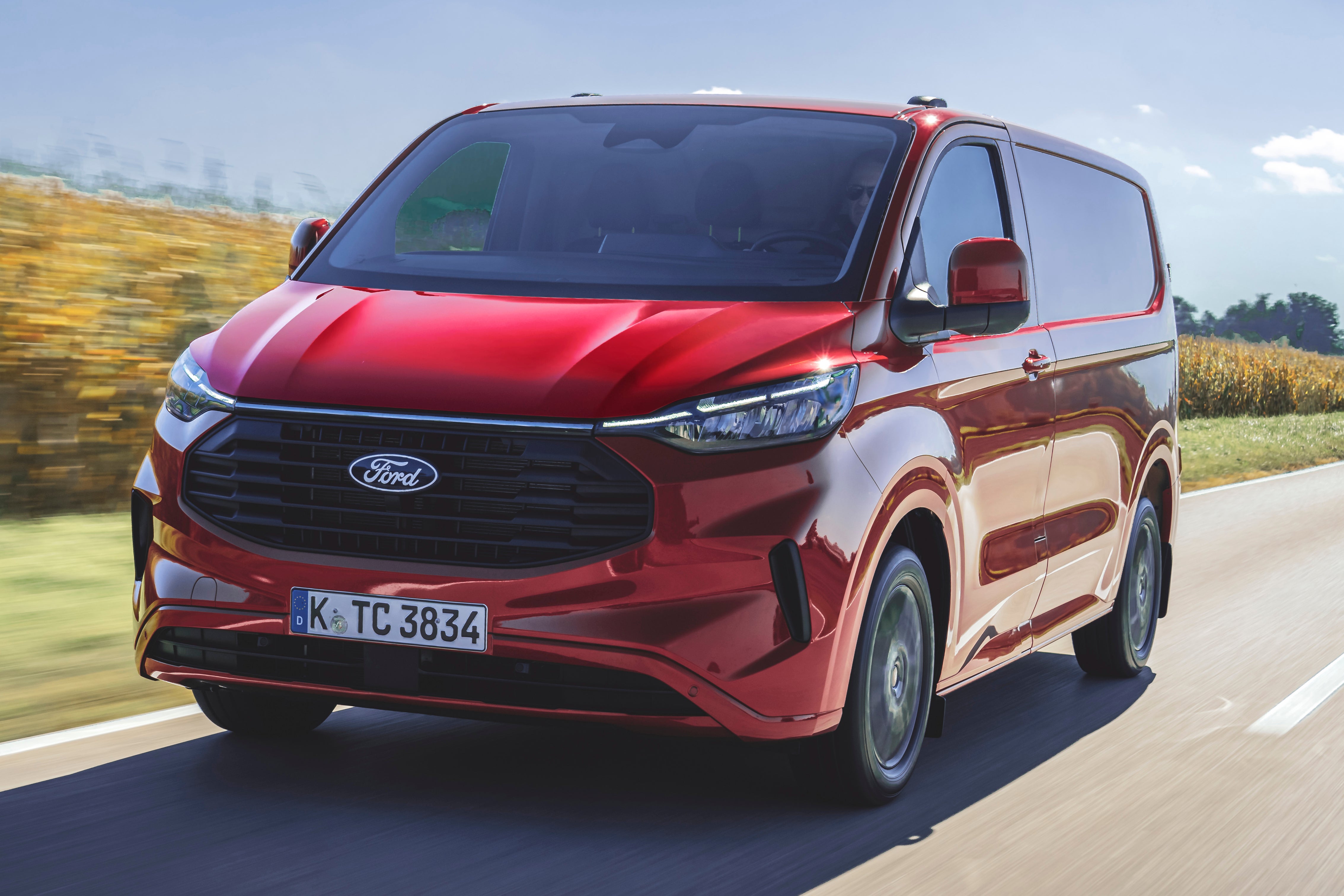
The Ford Transit Custom Nugget is another key alternative. It offers a different layout and often better value, though it doesn’t quite have the California’s polish or resale strength.
You can also look at specialist conversions based on vans such as the Ford Transit Custom, VW Transporter or Mercedes-Benz Vito. These can give you more freedom over layout and styling, but quality varies and resale can be less predictable. If you want a proven factory-developed product with broad buyer appeal, the California keeps its edge.
What's the interior like in the Volkswagen California?
The California T6.1’s interior is one of the main reasons it commands such strong money. It combines a car-like driving environment with a cleverly arranged living space, and while it’s obviously tighter than a full motorhome, it uses the room it has exceptionally well.
Volkswagen California boot space and practicality
Practicality is where the California T6.1 earns its reputation. It doesn’t have a conventional boot in the hatchback sense, but that isn’t the right way to think about it. Instead, it offers a huge amount of flexible storage within a relatively compact footprint.
The rear bench folds into the lower bed, while the pop-up roof houses the upper sleeping area. That gives you four berths without turning the van into something too tall or too awkward to use on a daily basis. The facelifted roof bed improved comfort, and while climbing up there won’t suit everyone, it remains a clever use of space.
Storage is spread all over the cabin. There’s room under the bench seat, in cupboards and drawers, in the wardrobe area, in the roof stowage box and in the dedicated slots for the camping table and chairs. Coast and Ocean models add the full kitchen layout with a sink, hob and cooling setup, which makes them far more self-contained than the simpler Beach versions.
Fresh and waste water tanks mean the California can do more than a basic weekend away, even if it’s no substitute for the bathroom and larger capacities you’d get in a Grand California. If you want to camp without constantly relying on site facilities but don’t want a huge motorhome, this is exactly the middle ground it occupies.
For passenger use, the California remains impressively versatile. The rear seats can be slid and adjusted, ISOFIX is available, and the front seats swivel to form part of the living area once you’re parked. That mix of family transport and camper functionality is why so many buyers accept the price premium.
Volkswagen California dimensions
The California T6.1 is 4,904mm long, 2,252mm wide including mirrors and 1,972mm high. That height is important because it keeps the van just under two metres, which can make everyday use far less stressful than a taller camper or motorhome.
It’s not a tiny vehicle, but it’s far less intimidating than the Grand California and easier to thread through town, supermarket car parks and tighter roads. That everyday manageability is one of its biggest strengths.
Tech and infotainment in the Volkswagen California
The T6.1 update improved the California’s cabin tech noticeably. It brought a more modern dashboard, better infotainment and a more passenger-car-like feel up front, which matters in a vehicle you may drive long distances in before you even start camping.
What you get depends on trim and year, but later T6.1s generally feel much more current than older Californias. There’s proper smartphone integration, improved screen graphics and a more polished control layout. Ocean versions usually bring the strongest equipment tally.
The camper control functions are separate from the usual infotainment, allowing you to monitor battery, water and interior systems. That’s one of those features that sounds niche until you use it and realise how much easier it makes life on a campsite.
The biggest criticism is that some of the underlying van architecture still shows through. That isn’t really a problem for usability, but it does mean the California never feels quite as car-like as a posh MPV.
Materials available on the Volkswagen California
The California T6.1 feels well built, and that’s a big part of the appeal. Materials in the cab are a clear step up from a basic commercial van, while the living area is finished to feel durable rather than makeshift.
Coast and Ocean versions add nicer decorative trim, more polished surfaces and a more obviously premium finish than the simpler Beach derivatives. Ocean models in particular feel like the most complete expression of the idea, with better upholstery, extra lighting and smarter detailing.
This isn’t a hand-crafted boutique camper interior, but it doesn’t need to be. The strength of the California is that it feels engineered. Cupboards, latches and fittings feel as if they’re meant to survive regular use rather than just look good in photos.
What's the Volkswagen California like to drive?
The Volkswagen California T6.1 drives with the easy-going, reassuring feel you want from a campervan. It’s not quick, but it’s comfortable, refined and much less intimidating than a larger camper or motorhome.
Volkswagen California range and performance
Most T6.1 Californias use the 2.0-litre TDI diesel in 150PS or 199PS forms, both paired with DSG automatic gearboxes on later models. For most buyers, the 150PS diesel is more than enough.
Official figures put the main diesel versions at up to 42.2mpg depending on trim, with 0-62mph taking roughly 12.4 to 12.6 seconds for the 150PS models. That won’t sound brisk, but the California’s performance is entirely adequate for what it is.
The 199PS version is quicker and makes motorway joining and overtakes easier, but the difference in daily use is smaller than the price premium suggests. Unless you’re towing regularly or simply want the strongest version available, the 150PS is the more sensible recommendation.
There were also petrol variants in the wider T6.1 story, but they’re far less common and generally make less sense for most used buyers because of fuel costs.
Performance data
| Model | Engine/battery size | Power | 0-62mph | Range/MPG |
|---|---|---|---|---|
California T6.1 TDI DSG | 2.0-litre diesel automatic | 150PS | 12.6 seconds | Around 42mpg |
California T6.1 BiTDI DSG | 2.0-litre diesel automatic | 199PS | 11.9 seconds | Around 42mpg |
Volkswagen California driving and refinement
One of the California T6.1’s biggest achievements is that it doesn’t feel as compromised as its camping hardware might suggest. Yes, it carries extra weight high up, and yes, you notice that in corners, but this is a campervan that feels composed and easy rather than clumsy.
The steering is light and accurate enough for a vehicle of this type, visibility is strong, and the compact dimensions by camper standards make it much easier to use in town than larger alternatives. The under-two-metre height is particularly valuable because it expands the number of places you’ll actually be willing to take it.
Ride comfort is another strong point. Volkswagen tuned the California for touring rather than excitement, and that feels right. It settles into motorway journeys well and doesn’t leave you feeling wrung out after a long drive. That matters because many owners will cover serious mileage getting to campsites or ferry ports before the holiday has properly begun.
Refinement is good, too. You do hear some wind and road noise, and you may occasionally be reminded that there’s a kitchen and sleeping gear behind you, but it’s quieter and more polished than many converted vans. That’s one of the areas where the California’s factory-developed nature really shows.
How safe is the Volkswagen California?
The VW California T6.1 itself wasn’t given a dedicated Euro NCAP rating, but it benefited from a solid set of modern assistance systems and a much stronger safety equipment baseline than earlier Californias.
Depending on trim and year, you’ll find features such as adaptive cruise control, city emergency braking, crosswind assist, front and rear parking sensors, lane assistance and blind spot monitoring. Ocean models often carry the strongest safety spec.
For camper use, parking aids and crosswind assistance matter more than headline numbers because they reduce stress in exactly the situations owners face most often. The T6.1 may be smaller than a Grand California, but it’s still something plenty of buyers will appreciate having help with.
Running costs: What it's like to live with a Volkswagen California
The California T6.1’s running costs are easier to justify than its purchase price. It’s relatively efficient for a campervan, it holds its value extremely well, and Volkswagen’s dealer support remains a selling point.
Volkswagen California fuel economy
The main diesel versions deliver around 41mpg, with only small differences between trims. That’s respectable for a campervan with this much equipment and weight onboard.
Real-world economy will depend on how you use it, of course. A fully loaded holiday trip with motorway miles and bikes on the back will look different from a light weekend run. But compared with larger campers and motorhomes, the California T6.1 has a clear efficiency advantage.
Volkswagen California warranty and servicing
As a used buy, warranty cover will depend on age and whether you’re buying through Volkswagen Commercial Vehicles’ approved used programme. That route is generally the best way to buy one if reassurance matters, because you’re far more likely to get checks, cover and after sales support than with an independent sale.
Servicing costs shouldn’t be mistaken for ordinary hatchback running costs, but the California’s mechanical base is familiar enough that maintenance isn’t as specialist or intimidating as it can be with some niche conversions.
Volkswagen California insurance groups
The California T6.1 sits in insurance groups 29 to 36, but many owners will find specialist campervan insurance is more relevant than ordinary car insurance.
As ever with campers, premiums depend heavily on where the van is kept, how often it’s used, annual mileage and any accessories or modifications. It’s worth getting specialist quotes early in the buying process.
How much does it cost to tax a Volkswagen California?
It's £200 a year to tax the California, and because its list price is over £40,000 regardless of version, it's an extra £440 annually from years two to six for the Expensive Car Tax Supplement. This brings the annual bill to £640 if you're buying a moderately new model.
What trims are available with the Volkswagen California?
Because the T6.1 is now a used-only proposition, trims vary with year and exact version, but the core names you’re most likely to come across are Beach, Beach Camper, Coast and Ocean.
Beach Tour models are the entry point. They give you the California image and core concept, but in simpler form. They make sense if you want flexibility and occasional camping rather than full onboard living equipment.
Beach Camper adds more genuine camping ability and is the better of the two Beach-branded options if you actually intend to use the van for nights away. It’s also often the most affordable route into a relatively modern California.
Coast is where the California really starts to make full sense as a campervan. You get the proper side kitchen, stronger storage provision and a more complete touring setup, without paying the biggest used-market premiums.
Ocean is the luxury pick. It adds more equipment, nicer trim and a richer cabin atmosphere. It’s the one many people want, and prices often reflect that, but it can be worth it if you’ll use the van frequently enough to appreciate the extra polish.
Ask the Drive experts: common questions
Is the Volkswagen California T6.1 worth the money?
Does the Volkswagen California T6.1 have a toilet?
Can you stand up in a Volkswagen California?
Which Volkswagen California T6.1 should I buy?
Get our latest advice, news and offers
Keep me updated by email with the latest advice, news and offers from Drive.
.jpg)
.jpg)