Volkswagen Transporter Review

Written By Phil Hall
- 2025
- Medium van
- Diesel, plug-in hybrid
What we love
One of the best medium vans in the class to drive
Spacious, well-designed cab and load area
Strong spread of body styles, from Panel Van to Shuttle
Things to consider
Body style and wheelbase make a big difference to practicality
110PS diesel is best suited to lighter-duty use
Plug-in hybrid models not available just yet
The DRIVE take on the Volkswagen Transporter, is it the right car for you?
The Volkswagen Transporter is one of the strongest all-rounders in the medium-van class because it combines sharp road manners, a cleverly packaged load area and a cab that feels more polished than many working vehicles do. The latest model’s Ford relationship caused predictable grumbling when it was revealed, but the finished result is easy to defend. The new Volkswagen Transporter is practical, comfortable and very easy to drive, while still carrying enough Volkswagen identity to avoid feeling like a badge-engineered afterthought. If you want a medium van, crew van or shuttle that feels a cut above the norm day to day, the Volkswagen Transporter makes a very strong case.
The Volkswagen Transporter in more detail
The latest Volkswagen Transporter arrived with more baggage than most new vans do. Not literal cargo, but expectation. For decades, the Volkswagen Transporter has been more than just another panel van. It has been one of the core products in Volkswagen Commercial Vehicles’ range, with a loyal following built on solid engineering, strong residuals and a clear sense of identity.
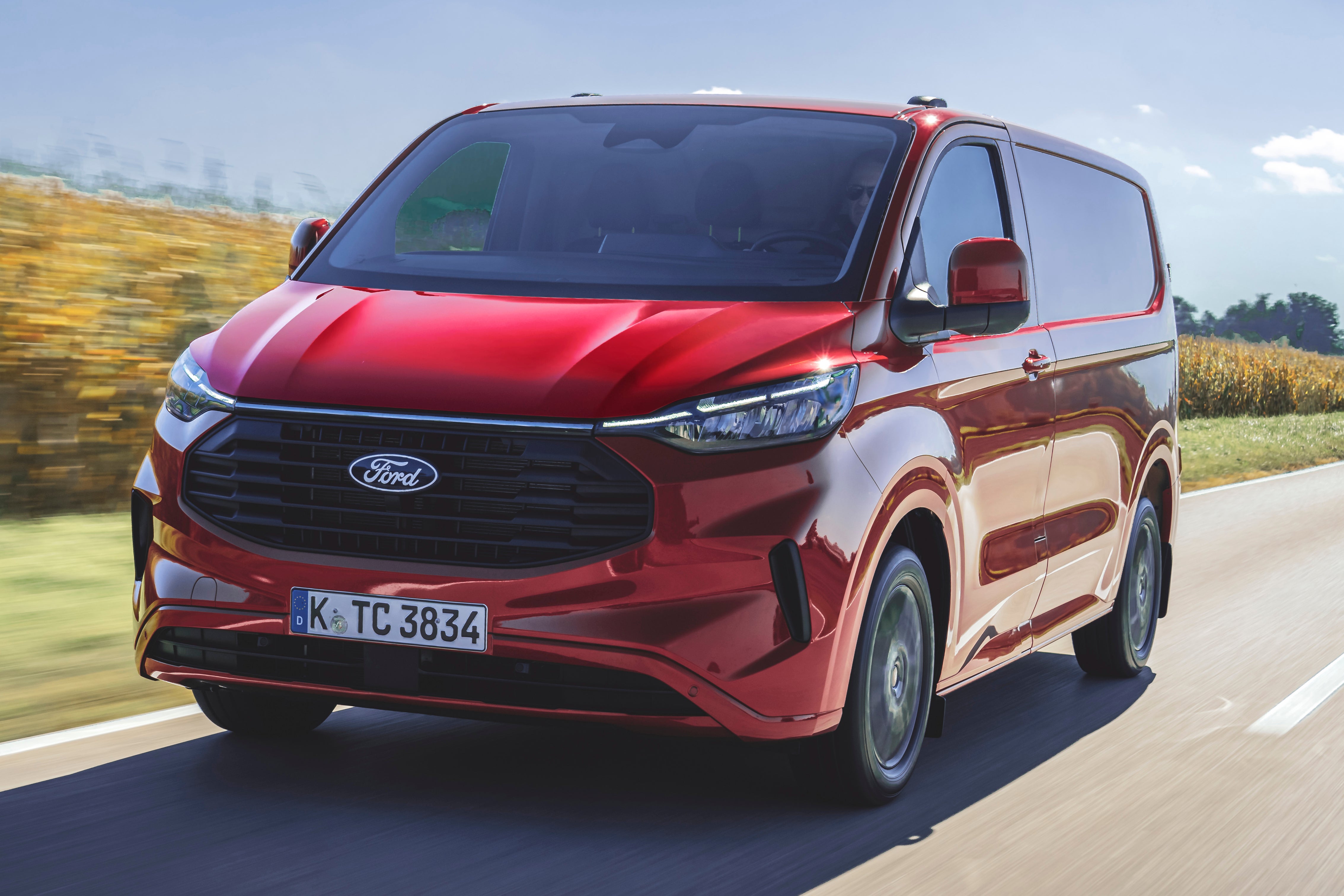
That explains why the move to a Ford-shared architecture caused such a stir. On paper, the new Volkswagen Transporter is much closer than ever to the Ford Transit Custom. In practice, that is not necessarily a bad thing. The Ford Transit Custom is one of the best medium vans in the business, and Volkswagen has done enough to make the Transporter feel like its own product rather than merely a lightly restyled clone.
Browse used Volkswagen Transporters for sale →
The real gain is that the new Volkswagen Transporter is simply very good in the areas buyers actually care about. It’s sharper and more comfortable to drive than many rivals, the cab is spacious and neatly laid out, and the load area is usefully improved over the old Transporter 6.1. Volkswagen has also broadened the line-up intelligently, so the new model works not just as a straight Panel Van but as a Kombi crew van, a Shuttle people mover and, at the sharper end, as a Sportline in both Panel Van and Kombi forms.
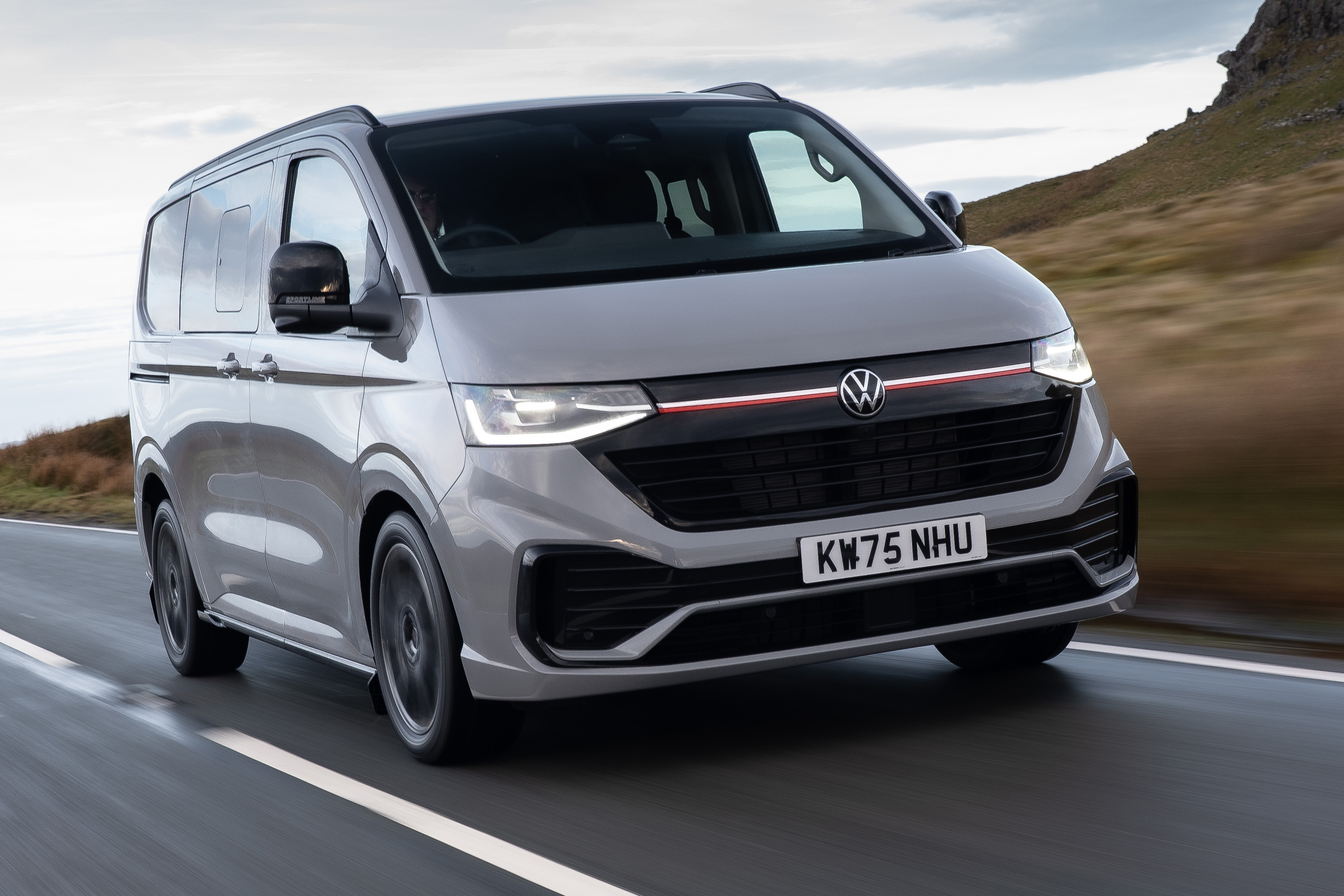
Volkswagen Transporter Sportline deserves more than a passing mention because it gives the range a distinct second personality. Where most versions are straightforward working tools, the Volkswagen Transporter Sportline is aimed at buyers who want their van or crew van to make more of a visual statement. It leans into the long-running Volkswagen performance-van tradition with a more assertive look, richer cabin treatment, and a more overt lifestyle-business feel. It will not be the rational choice for every operator, but it is likely to appeal to owner-drivers and premium small businesses who see the van as part of the brand image as much as a load carrier.
That breadth is important because the Volkswagen Transporter has always been more than one thing to more than one sort of buyer. For some, it’s a straight delivery van. For others, it’s a mobile tradespace, a crew carrier or a premium-looking business shuttle. The latest model does a good job of preserving that spread of appeal.
The engine picture is evolving, too. Diesel is the core of the current UK range, and for most buyers it will remain the natural fit. Volkswagen has also confirmed that plug-in hybrid versions are coming a little later, which will broaden the Transporter’s appeal further for urban use and lower-emission operations.
There is also a fully electric Volkswagen Transporter available separately, but the focus here is on the diesel range and the incoming plug-in hybrid, which are likely to remain the key options for buyers not yet ready to go fully electric.
What's the best Volkswagen Transporter trim and engine option?
For most buyers, that’s the Volkswagen Transporter Panel Van Commerce Plus or Commerce Pro with the 150PS 2.0 TDI. It has the best all-round blend of performance, refinement and usability, and it suits the Transporter’s polished chassis very well.
If you need rear seats as well as load space, the Volkswagen Transporter Kombi 150PS 2.0 TDI is the most rounded version. It offers the flexibility many mixed-use buyers actually need without turning the Transporter into something overly specialised.
The Volkswagen Transporter Shuttle is the one to go for if passenger carrying is the priority, while the Volkswagen Transporter Sportline is more about image, design and road presence than rational value.
What’s the price of the Volkswagen Transporter?
The Volkswagen Transporter range spans roughly £39,493 to £63,451 including VAT, depending on body style, trim and engine. There are also plenty of used Volkswagen Transporters for sale for considerably less.
At the lower end, that gets you into a basic diesel Panel Van. At the upper end, you are looking at richer-spec passenger or image-led versions such as Shuttle and Sportline, where the Volkswagen Transporter starts to push well beyond straightforward working-van money.
Alternatives to the Volkswagen Transporter
The Ford Transit Custom is the most obvious alternative because it’s so closely related beneath the skin, and it's one of the best medium vans on sale.
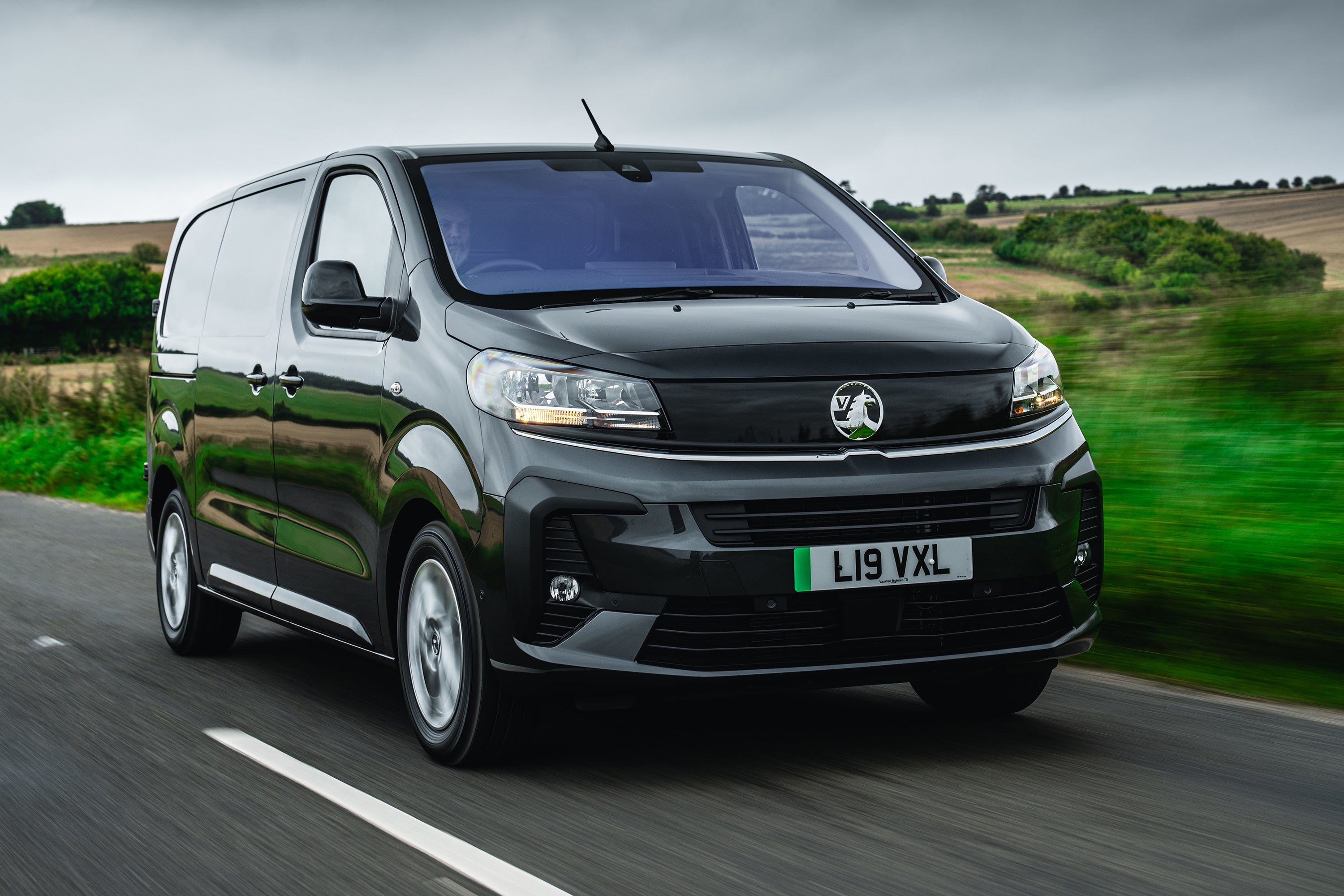
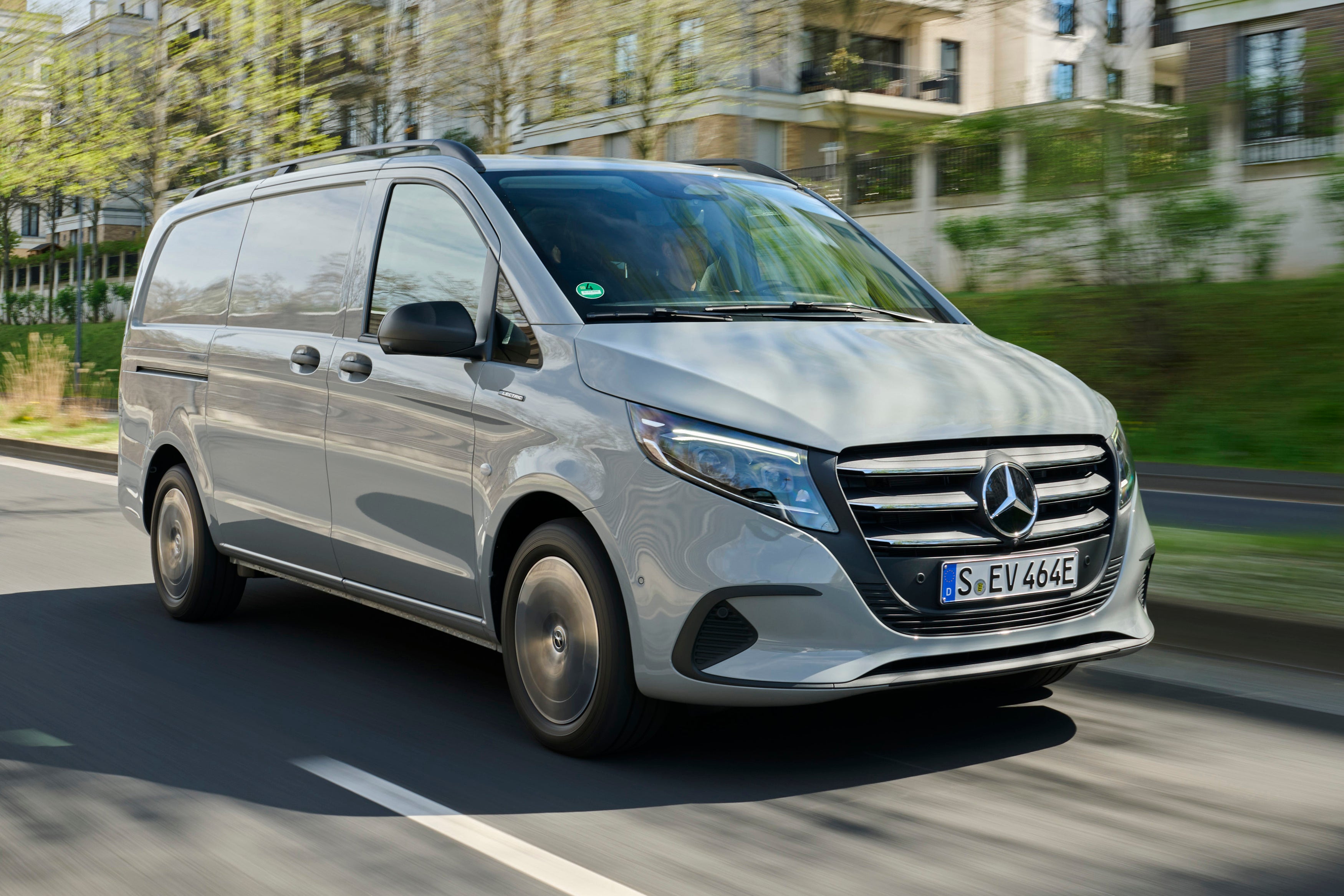
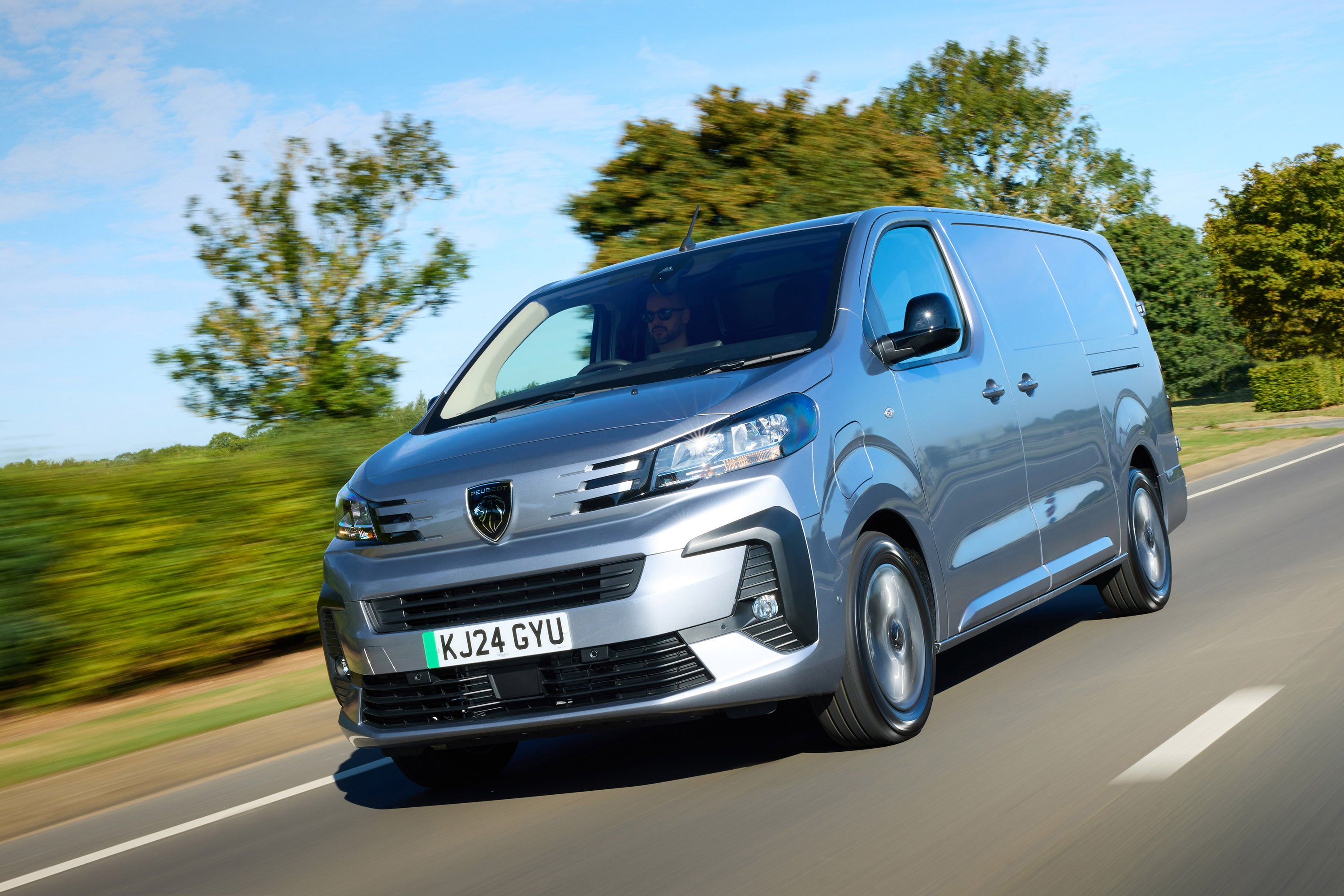
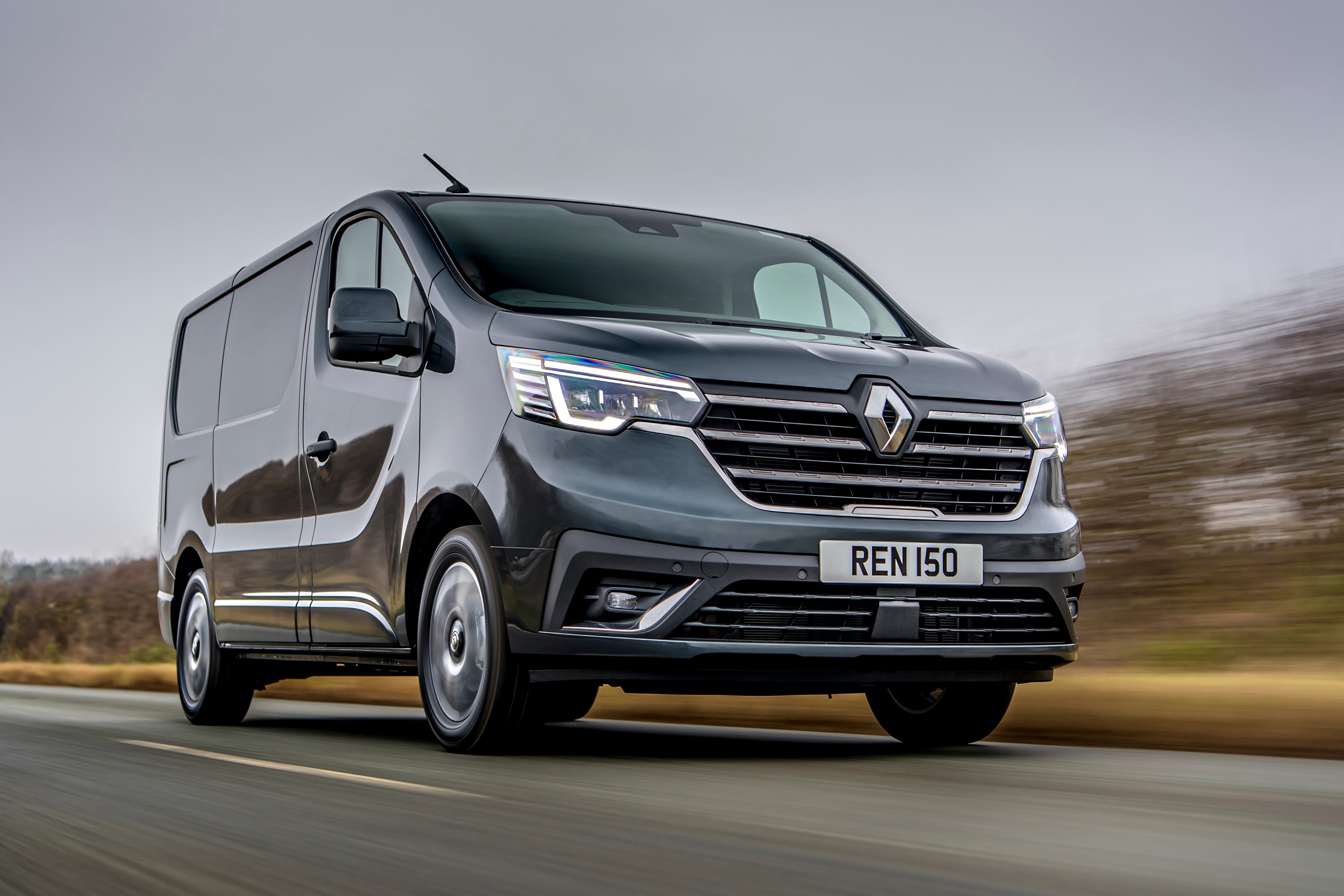
The Vauxhall Vivaro, Citroen Dispatch and Peugeot Expert make a stronger value-led case, while the Mercedes-Benz Vito is a polished premium alternative. The Renault Trafic is still worth a look if simple, proven van virtues matter more than digital gloss.
The Volkswagen Transporter’s edge is that it combines strong dynamics with a more polished image than many direct rivals, while still offering a useful spread of van, crew and passenger formats.
What's the interior like in the Volkswagen Transporter?
The Volkswagen Transporter’s interior is one of its stronger points. It’s not flawless, but it feels spacious, modern and usefully more polished than many working vans do.
Volkswagen Transporter boot space and practicality
Practicality varies quite a bit depending on whether you choose Panel Van, Kombi or Shuttle, which is exactly how it should be.
In Panel Van form, the Volkswagen Transporter is designed squarely around load-carrying duties. In standard-wheelbase, low-roof form it offers 5.8m3 of load volume, rising to 6.8m3 in long-wheelbase form. Volkswagen also offers a high-roof version, which pushes capacity to as much as 9.0m3.
The details are just as important as the headline volume. Load width between the wheel housings is now 1,392mm, while load-compartment length is 2,602mm in short-wheelbase form and 3,002mm in the long-wheelbase version. A load-through bulkhead option can stretch that still further on one side. Diesel models can carry payloads ranging from 851kg to 1,242kg, depending on exact specification.
The Volkswagen Transporter Kombi shifts the emphasis. It keeps a useful cargo area but adds a second row of seating, so it works better as a crew van for mixed-use businesses. Volkswagen’s own packaging is smart here, with three individual rear seats that can fold, tumble forward or be removed completely depending on how you need to use the space.
The Volkswagen Transporter Shuttle is the passenger-focused version of the range. It offers five to nine seats depending on configuration and is aimed more squarely at transport businesses, hotel work and higher-end people-moving duties than at cargo hauling.
Across the line-up, the new Volkswagen Transporter’s larger dimensions versus the old T6.1 have made a useful real-world difference. There is more passenger room, more load-space versatility and a clearer sense that the Transporter is now competing right at the sharp end of the class.
Volkswagen Transporter dimensions
The standard Volkswagen Transporter measures around 5,050mm long, with a 3,100mm wheelbase. Long-wheelbase versions stretch to around 5,450mm overall, with a 3,500mm wheelbase.
Width is up to 2,032mm without mirrors, and height is just under 2.0 metres in standard form, which helps the Volkswagen Transporter squeeze under many height barriers and into more garages than some rivals.
Tech and infotainment in the Volkswagen Transporter
The Volkswagen Transporter gets a bespoke digital cockpit and a 13-inch touchscreen, and the overall setup feels modern and well integrated.
The screen is clear and generally easy to understand, with smartphone connectivity, DAB and plenty of charging options. There are also useful working-vehicle touches such as multiple power outlets and the option of a 230v three-pin socket for tools or laptops.
The weak point is climate control operation, which is fiddlier than it ought to be because so much is handled through the touchscreen.
Materials available on the Volkswagen Transporter
The Volkswagen Transporter feels well-made overall, with sturdy switchgear, good seat trim and a dashboard that manages to look smart without becoming fussy.
A few lower door-trim plastics do feel cheaper than the rest of the cabin, but the broader impression is still positive. This is a work vehicle, but one that feels a little more polished than average.
What's the Volkswagen Transporter like to drive?
The Volkswagen Transporter is one of the medium-van class’s real standout performers from behind the wheel.
Volkswagen Transporter range and performance
The current core line-up is built around the 2.0-litre TDI diesel. Volkswagen offers three outputs: 110PS, 150PS and 170PS. The 110PS and 150PS diesels use a six-speed manual gearbox, while the 170PS diesel gets an eight-speed automatic as standard. All of these current diesel versions are front-wheel drive.
In practice, the 150PS diesel looks like the best choice. The 110PS unit is perfectly serviceable and has enough mid-range pull for lighter-duty work, but the 150PS feels much more effortless and better matched to the chassis. The 170PS automatic is the most relaxed cruiser, though it also feels the most fleet-manager-resistant on price.
Volkswagen has also confirmed a plug-in hybrid will join the range later and that future addition should be particularly relevant to urban users and mixed fleet operators, but official figures are still to be confirmed.
Performance data
| Model | Engine/battery size | Power | 0-62mph | Range/MPG |
|---|---|---|---|---|
TDI 110PS | 2.0-litre diesel manual | 110PS | TBC | Around 41mpg |
TDI 150PS | 2.0-litre diesel manual | 150PS | TBC | Around 40mpg |
2.0 TDI 170PS | 2.0-litre diesel automatic | 170PS | TBC | Around 39mpg |
eHybrid | 2.5 plug-in hybrid automatic | 232PS | TBC | TBC |
Volkswagen Transporter driving and refinement
The Ford Transit Custom underpinning the new Volkswagen Transporter is one of the best vans in the class to drive, so it’s no surprise that the Volkswagen follows suit.
Steering is sharp by van standards, body control is tidy, and the Volkswagen Transporter feels secure and composed at speed. There is much less of the clumsy, top-heavy feel you still get in some rivals, and the ride quality is unusually good for a medium van, whether the vehicle is laden or not.
The 150PS diesel is the best all-round engine in the current range, because it feels strong without becoming abrupt. The 110PS unit still pulls respectably thanks to its mid-range torque, while the 170PS automatic is the easiest version to live with on a long cruise, even if it can feel a little sharp when pulling away.
Around town, the Volkswagen Transporter is easy to manoeuvre, with good visibility and particularly useful mirrors. At higher speeds, refinement is strong too. Wind and road noise are well suppressed, and the overall sense of composure is a big part of the Transporter’s appeal.
How safe is the Volkswagen Transporter?
The Volkswagen Transporter comes with a broad spread of standard driver-assistance technology, including lane departure warning, brake assist, automatic emergency braking and road-sign recognition. Higher trims add more, including a rear-view camera, adaptive cruise control and traffic-jam assist.
Euro NCAP awarded the Volkswagen Transporter its top Platinum commercial-vehicle safety rating, which reinforces the sense that this is one of the more advanced vans in the class.
Running costs: What it's like to live with a Volkswagen Transporter
The Volkswagen Transporter is not especially cheap, but it does feel like a product that should justify its price through day-to-day polish, broad usability and likely strong residual values.
Diesel is the most straightforward answer for most buyers today. The 150PS version is strong enough for serious use without becoming overkill, and it should also be the easiest one to justify on running costs.
Volkswagen Transporter fuel economy
Fuel economy is reasonably good for all diesel variants - the 110PS delivers around 40mpg, and the 150PS and 170PS models at little less. Meanwhile, he electric models use a 65kWh battery pack and have a power output of either 165PS or 218PS Both offer up to 270 miles of range.
The plug-in hybrid model is set to follow with a headline economy figure of 91.6mpg (WLTP), though this will be closer to 40mpg or so in real-world use. It has an electric range of up to 35 miles.
Volkswagen Transporter warranty and servicing
Volkswagen Commercial Vehicles now backs the latest Transporter with a five-year warranty, limited to 124,000 miles, which is a genuinely competitive offer for a van likely to spend its life in regular working use.
Servicing should be manageable by class standards, and the Transporter is helped by a strong dealer network as well as plenty of specialist independent support.
Volkswagen Transporter insurance groups
Insurance-group data is not yet clearly and consistently published across the full current Transporter range, so it’s safest to treat it as to be confirmed and to quote-check specific versions.
How much does it cost to tax a Volkswagen Transporter?
Commercial vehicles pay a flat rate of £320 a year. You won't escape this by getting an electric van, with the Vehicle Excise Duty exemption for electric vehicles coming to an end in April 2025.
What trims are available with the Volkswagen Transporter?
The main Volkswagen Transporter line-up centres on Commerce, Commerce Plus and Commerce Pro, while the Volkswagen Transporter Sportline sits separately at the top as the image-led flagship.
Volkswagen Transporter Commerce is the straightforward working specification. In Panel Van form, it covers the essentials with the digital cockpit and touchscreen setup, a solid basic safety package and the sort of hard-wearing finish most operators will expect.
Volkswagen Transporter Commerce Plus is where the range starts to feel more rounded. This is likely to be the right choice for many working buyers because it adds the kind of convenience and comfort kit that makes a real difference over long days, without pushing the price into obviously indulgent territory.
Volkswagen Transporter Commerce Pro is the richer, more technology-focused offering. It adds the stronger infotainment presentation, more premium trim details and a broader spread of convenience features that help the Transporter feel a cut above more utilitarian rivals. For buyers using the Volkswagen Transporter as a mobile office as much as a working van, this is the trim that makes the strongest case.
The Volkswagen Transporter Kombi line-up follows the same broad logic, but with the extra appeal of mixed-use flexibility. In lower trims, it works as a straightforward crew carrier with useful load space behind, while in higher trims, it starts to feel much closer to a premium business support vehicle.
The Volkswagen Transporter Shuttle is the passenger-focused version of the range, and here the emphasis shifts from cargo-carrying functionality towards moving people in comfort. It is the Transporter to look at if hotel work, executive transfer duties or larger-family transport are part of the brief.
Volkswagen Transporter Sportline is the eye-catching one. Offered as both a Panel Van and a Kombi, it pushes the Transporter further towards lifestyle and premium-business territory, with a more assertive look, upgraded cabin trim and a stronger sense of occasion.
The appeal of the Volkswagen Transporter Sportline is not just cosmetic. For some buyers, especially owner-drivers, premium trade businesses and companies that use the van as a visible part of the brand, Sportline makes the Transporter feel more like a flagship than a tool. It is not the rational choice, but that has never been the point of a Sportline.
In simple terms, Commerce is the functional workhorse, Commerce Plus makes sense, Commerce Pro is the polished all-day van, and Sportline is the range-topper for buyers who want their Volkswagen Transporter to project a bit more image.
Ask the Drive experts: common questions
Is the Volkswagen T7 Transporter made by Ford?
Which Volkswagen Transporter engine is best?
Is the Volkswagen Transporter plug-in hybrid on sale yet?
Is there an electric Volkswagen Transporter as well?
Get our latest advice, news and offers
Keep me updated by email with the latest advice, news and offers from Drive.