Volkswagen T-Roc Cabriolet Review

Written By Andrew Brady
- 2020
- Convertible crossover
- Petrol
What we love
Genuinely distinctive in a sea of lookalike crossovers
Relaxed, easy-going roof-down character
Style trim already has plenty of kit
Things to consider
Boot space is smaller than in the standard car
Rear-seat access is less convenient than in the regular T-Roc
Cabriolet prioritises style over maximum versatility
The DRIVE take on the Volkswagen T Roc, is it the right car for you?
The Volkswagen T-Roc Cabriolet only really makes sense if you are sold on the idea before you even start comparing it with conventional rivals. As a small convertible crossover, it’s unusual, easy-going and more usable than you might expect, which gives it a certain charm. It's also compromised in all the obvious ways, because it’s heavier, less practical and less satisfying to drive than the standard T-Roc. But if you want an open-top Volkswagen with a higher driving position and something that stands out from the usual hatchback and SUV crowd, the T-Roc Cabriolet makes a unique sort of sense.
The Volkswagen T Roc in more detail
The Volkswagen T-Roc Cabriolet is one of those cars that looks like a strange idea until you remember how much people like crossovers and how much they like convertibles. Put the two together and, on paper at least, the logic is easy enough to follow.
In practice, the T-Roc Cabriolet is best thought of as a lifestyle car first and a rational family crossover second. It uses the familiar T-Roc formula as its starting point, but the roof surgery changes the brief completely. This is a four-seater with two doors, a fabric roof and a much stronger sense of occasion than the standard car, but it also brings the compromises you would expect.
Those compromises are central to the car’s appeal, because the regular T-Roc is already a practical, sensible small SUV. The Cabriolet gives away rear access, luggage space and some structural rigidity in return for roof-down novelty and a more distinctive image. You need to really want that trade-off.
Even so, Volkswagen deserves some credit for making the idea work as well as it does. The roof operates quickly, the car looks better than it has any right to, and it's easier to use every day than some smaller convertibles. It also helps that the range is simple, with just two trim levels and two petrol engines, so there’s less scope to overthink the decision.
Volkswagen UK still lists the T-Roc Cabriolet as a current model, which makes it a bit of an oddball in the range because it's tied more closely to the earlier T-Roc than to the newer-generation story developing elsewhere. That doesn’t automatically make it irrelevant. It simply underlines how niche it's.
What's the best Volkswagen T Roc trim and engine option?
For most buyers, the best choice is the Volkswagen T-Roc Cabriolet Style 1.5 TSI DSG. Style already has the more relaxed, comfort-led character that suits the Cabriolet best, and the 1.5-litre petrol is a much better match for the extra weight than the 1.0-litre engine.
The DSG automatic also fits the Cabriolet’s laid-back style. This isn’t a car you buy to go chasing apexes on a B-road, so the auto’s easier, smoother approach works well here.
R-Line looks tempting if you are buying with your eyes, but the sportier trim and firmer setup do not really play to the car’s strengths. For most buyers, Style is the one that makes the most sense.
What’s the price of the Volkswagen T Roc?
The Volkswagen T-Roc Cabriolet currently starts at £35,700, which is a sizeable premium over the standard T-Roc.
That is the big hurdle. You are paying extra for the roof mechanism, the novelty value and the exclusivity of something that sits in a very small niche. Rationally, it's hard to defend. Emotionally, that is rather the point.
The good news is that Style trim is already well equipped, so you don’t need to pile on options to make the car feel complete. The bad news is that once you start stepping up trim or adding extras, the T-Roc Cabriolet can look expensive very quickly for what is, underneath, a T-Roc.
Alternatives to the Volkswagen T Roc
The awkward truth is that there are not many direct alternatives. If you want a compact convertible with a slightly raised driving position, the T-Roc Cabriolet mostly has the field to itself.
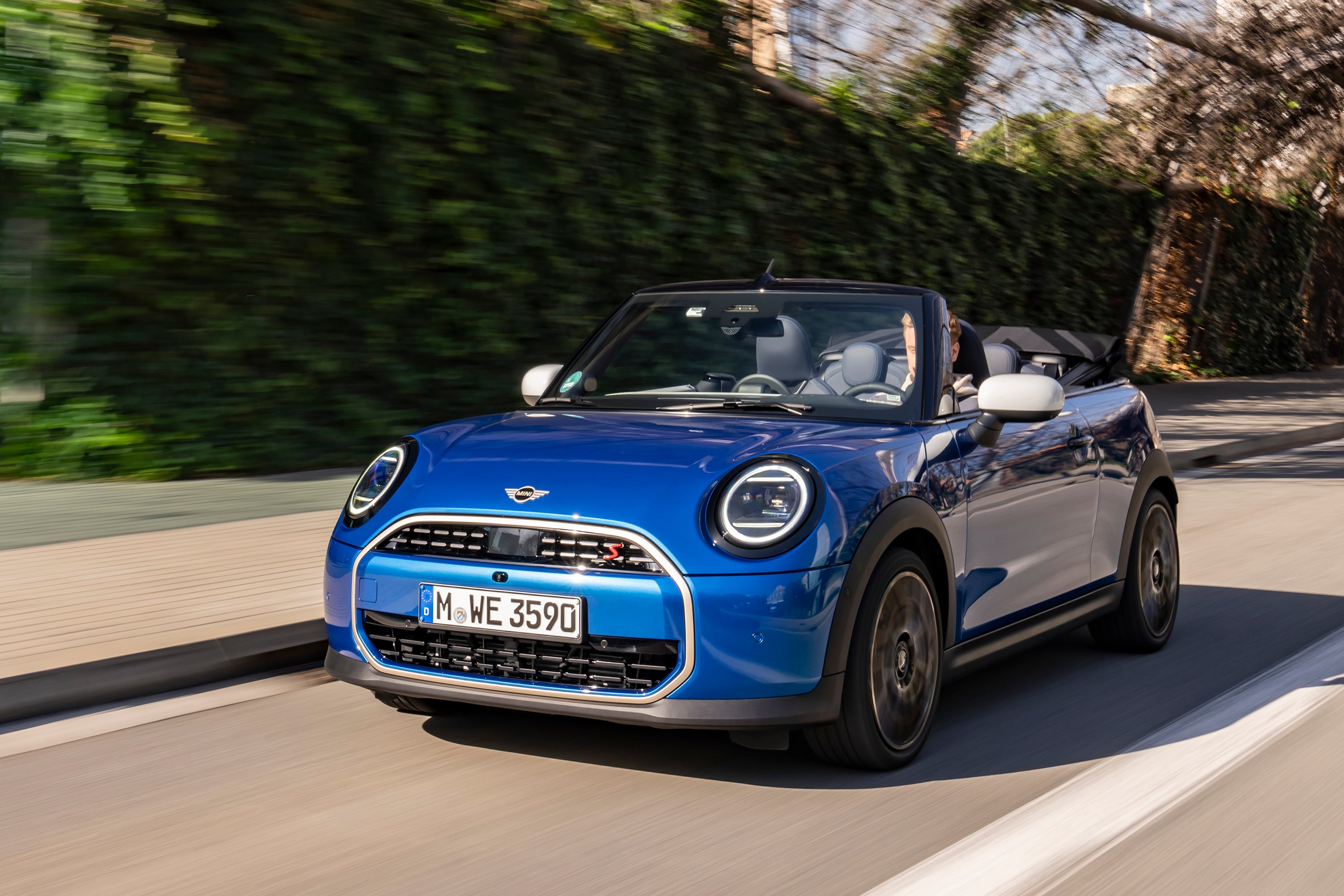
The MINI Convertible is the obvious alternative if you simply want open-top fun in something compact, but it's smaller and less practical. A BMW 2 Series Convertible or Audi A3 Cabriolet would once have been natural reference points, but the market has largely moved on from mainstream drop-tops of that sort.
That leaves the T-Roc Cabriolet as a choice you make because you like the idea of it, not because it wins some ruthless class comparison. It's the default answer to a very specific question.
What's the interior like in the Volkswagen T Roc?
The Volkswagen T-Roc Cabriolet’s cabin will feel familiar to anyone who has spent time in the standard T-Roc, but it's a little more special simply because of the roof and the extra sense of occasion that brings.
Volkswagen T Roc boot space and practicality
Practicality is where the Cabriolet gives away most ground to the regular T-Roc. You only get four seats, rear access is through long front doors rather than separate rear openings, and adults in the back will only really tolerate shorter journeys.
Still, it's not as hopeless as some compact convertibles. The rear seats are more usable than those in something like a MINI Convertible, and for occasional passengers or children, they will do the job well enough.
The boot is the bigger compromise. At 284 litres, it's a long way behind the standard T-Roc, and the opening is narrow enough that loading bulky items takes more effort than you might like. On the plus side, the luggage capacity stays the same whether the roof is up or down, which makes it easier to live with than some other open-top cars.
In simple terms, this is a car for people rather than stuff. It can cope with weekends away and everyday errands, but if you regularly need to move lots of luggage or child paraphernalia, the standard T-Roc is a much better answer.
Volkswagen T Roc dimensions
Volkswagen’s infotainment setup is one of the Cabriolet’s stronger points. The standard touchscreen is clear and easy enough to use, smartphone connectivity is included, and the overall tech experience feels modern enough, even if it's not especially adventurous.
The basic eight-inch system already covers the essentials well, with navigation, DAB radio, Bluetooth and smartphone integration making it easy enough to use every day. It's one of those systems that doesn’t feel especially flashy, but it generally gets the job done without fuss.
Higher-spec cars with the larger digital display and upgraded instrumentation feel more premium. R-Line versions in particular benefit from the 10.25-inch Digital Cockpit Pro, while Style buyers could often add similar tech through options. That lifts the cabin noticeably and makes the Cabriolet feel more special from behind the wheel.
There are also a few thoughtful touches that suit a lifestyle car. USB charging for front and rear passengers is useful, the screen is clear enough even with the roof down, and the overall layout is simple enough that you are not constantly poking through menus while trying to enjoy the open-air part of the experience.
It's not the most cutting-edge setup in 2026, but it's intuitive enough and fancier than some niche rivals have managed.
Tech and infotainment in the Volkswagen T Roc
Volkswagen’s Discover Navigation system is one of the most impressive on the market. The eight-inch touchscreen features a crisp and easy-to-read display, even with the roof down. It’s also simple to use on the move, with an interface that’s as intuitive as the smartphone in your pocket.
Features include DAB digital radio, European navigation, Bluetooth and smartphone connectivity. You also get Apple CarPlay and Android Auto via a wireless connection, two USB ports in the front and an extra pair in the back. This means there will be no squabbles over who gets to charge their phone.
The Volkswagen T-Roc Cabriolet comes with a three-year subscription to Volkswagen’s We Connect Plus service. By using the app, you’ll have access to a range of driver-, vehicle- and location-based services.
Although we wouldn’t recommend the R-Line model, it does add an impressive 10.25-inch TFT display to the mix. It replaces the traditional dials with a configurable display, giving the T-Roc Cabriolet a premium feel. It’s an option on the Style model.
Materials available on the Volkswagen T Roc
The T-Roc Cabriolet uses a mix of materials that’s more about clean design and visual variety than overt luxury. Much of the dashboard and lower cabin is made up of moulded hard plastics, while the main touchpoints, such as the steering wheel, armrests and upper controls, get more tactile finishes that make the interior feel a little less utilitarian.
One of the more distinctive features is the decorative dashboard trim, which can be colour-coded to match or complement the exterior paint on some versions. That gives the cabin a brighter, less conventional look than you get in many compact SUVs. Upholstery varies by trim, with cloth seats on standard cars and combinations including microfleece-style and leather-trimmed finishes further up the range.
What's the Volkswagen T Roc like to drive?
The Volkswagen T-Roc Cabriolet is at its best when you stop expecting it to behave like a hot hatch or a sports car and instead treat it as a laid-back open-top cruiser.
Volkswagen T Roc range and performance
There are two petrol engines in the UK range: a 1.0 TSI with 115PS and a 1.5 TSI with 150PS. The smaller engine is usable enough, but the 1.5 is the one most buyers should focus on.
That is partly because the Cabriolet is heavier than the standard T-Roc and partly because a lifestyle car like this suits a smoother, more effortless engine. The 1.5 feels more relaxed and more in keeping with the car’s character.
The DSG automatic is only offered with the 1.5 TSI, and it's the transmission we would choose. It's not perfect at very low speeds, but it fits the Cabriolet’s easy-going nature.
Performance data
| Model | Engine/battery size | Power | 0-62mph | Range/MPG |
|---|---|---|---|---|
Volkswagen T-Roc Cabriolet Style | 1.0-litre petrol manual | 115PS | 11.7 seconds | 44.9mpg |
Volkswagen T-Roc Cabriolet Style DSG | 1.5-litre petrol automatic | 150PS | 9.6 seconds | 40.5mpg |
Volkswagen T-Roc Cabriolet R-Line | 1.5-litre petrol manual | 150PS | 9.6 seconds | 42.2mpg |
Volkswagen T Roc driving and refinement
Removing the roof inevitably changes the way a car drives, and the T-Roc Cabriolet is no exception. It's heavier, not as rigid as the standard T-Roc and less tidy when the road gets twisty.
That is why Style trim makes more sense than R-Line. On smaller wheels and the softer setup, the Cabriolet feels more relaxed and more in tune with what it actually is. R-Line’s firmer suspension tries to add sportiness that the rest of the car cannot fully support.
Driven gently, the T-Roc Cabriolet is easy enough to enjoy. The steering is light, visibility is good, and the whole thing feels happiest when you are cruising rather than rushing. Roof-down driving is the main event here, and in the right conditions, the car does a decent job of making that feel special rather than silly.
Roof up, it's less impressive than the standard T-Roc for refinement, which is inevitable. Roof down, you accept more noise and buffeting as part of the experience. The key point is that the Cabriolet is pleasant enough to use every day, but it's at its best when you are in the mood for what makes it different.
How safe is the Volkswagen T Roc?
The T-Roc name carries a five-star Euro NCAP rating, and the Cabriolet also gets the reinforcements and rollover protection you would expect from an open-top car.
Standard safety kit's strong, with adaptive cruise control, lane assistance, emergency braking and parking sensors included. That helps make the Cabriolet feel less niche and more like a proper everyday Volkswagen.
Running costs: What it's like to live with a Volkswagen T Roc
The Volkswagen T-Roc Cabriolet should not be especially difficult to run in mainstream form, but it's never going to be the bargain choice. The roof and the niche body style inevitably add cost to the ownership picture.
Volkswagen T Roc fuel economy
Fuel economy is respectable rather than remarkable. The 1.0 TSI can officially return up to 44.9mpg, while the 1.5 TSI ranges from 42.2mpg in manual form to 40.5mpg with the DSG.
Those are decent enough figures for a convertible crossover, and in gentle use they should not be hard to approach. Still, the Cabriolet is bought for style and novelty rather than maximum efficiency.
Volkswagen T Roc warranty and servicing
Volkswagen covers the T-Roc Cabriolet with its standard three-year, 60,000-mile warranty. Servicing follows the usual fixed or flexible Volkswagen schedules depending on the car and how it's used.
If you are looking at one through Volkswagen Approved Used, the current package includes one year of Unlimited Mileage Warranty, one year of Roadside Assistance, independent vehicle history and mileage checks, a comprehensive multi-point vehicle check and service history checks. That extra reassurance is particularly useful on a niche model like this, where buyers are likely to want a little more confidence before taking the plunge.
Volkswagen T Roc insurance groups
Insurance starts reasonably enough on the 1.0 TSI at 14, but the 1.5 and R-Line versions sit higher as you would expect.
It's not ruinous, but this is one of those cars where the lifestyle angle does tend to nudge costs up a little. It's worth checking quotes carefully before you commit.
How much does it cost to tax a Volkswagen T Roc?
From the second year onwards, the current standard VED rate for petrol, diesel and hybrid cars is £200 a year. Cars with a list price above £40,000 also pay the Expensive Car Supplement for five years from the second licence, taking the annual bill to £640 during that period.
That’s worth watching here because higher-spec T-Roc Cabriolet versions can stray into Expensive Car Supplement territory. As always, check the exact list price of the version you are considering.
What trims are available with the Volkswagen T Roc?
The Volkswagen T-Roc Cabriolet range is deliberately simple, which suits it. Most buyers will be choosing between Style and R-Line.
Style is the trim we would start with. It already comes with plenty of the equipment you actually want in a car like this, including the key infotainment features, dual-zone climate control, parking sensors and the kind of comfort kit that helps the Cabriolet feel easy to live with. Just as importantly, it rides on the smaller wheels and softer setup that better suit the car’s relaxed character.
R-Line adds the sportier visual treatment, larger alloy wheels and a more assertive interior and exterior look. It also brings the Digital Cockpit Pro as part of the appeal, which does help the cabin feel a little more premium. The trade-off is that it pushes the Cabriolet towards a sportier image that the driving experience never quite fully supports.
Style is the trim that best matches what the T-Roc Cabriolet actually is: a laid-back, slightly eccentric open-top crossover. R-Line makes more sense if you really want the look and are happy to accept the firmer edge that comes with it.
Ask the Drive experts: common questions
Is the Volkswagen T-Roc Cabriolet still on sale in the UK?
Is the Volkswagen T-Roc Cabriolet practical?
Which Volkswagen T-Roc Cabriolet engine is best?
Should I choose Style or R-Line T-Roc Cabriolet?
Get our latest advice, news and offers
Keep me updated by email with the latest advice, news and offers from Drive.
.jpg)
.jpg)
.jpg)