27/08/2026
Car history checks: How to get a free report and what to look for

Written By David Ross

Knowing the history of a car you are interested in buying and having awareness of any problems it may be hiding, is essential before handing over any money. A car history check allows you to find out a wide range of information about a used car, potentially saving you from costly headaches in the future. Some checks are free, but more detailed searches usually require a fee.
Your first port of call should be the DVLA's website — simply enter the car’s registration number and you can check its tax and MOT status, when it was first registered, plus other basic details such as its engine size, paint colour and date of manufacture.
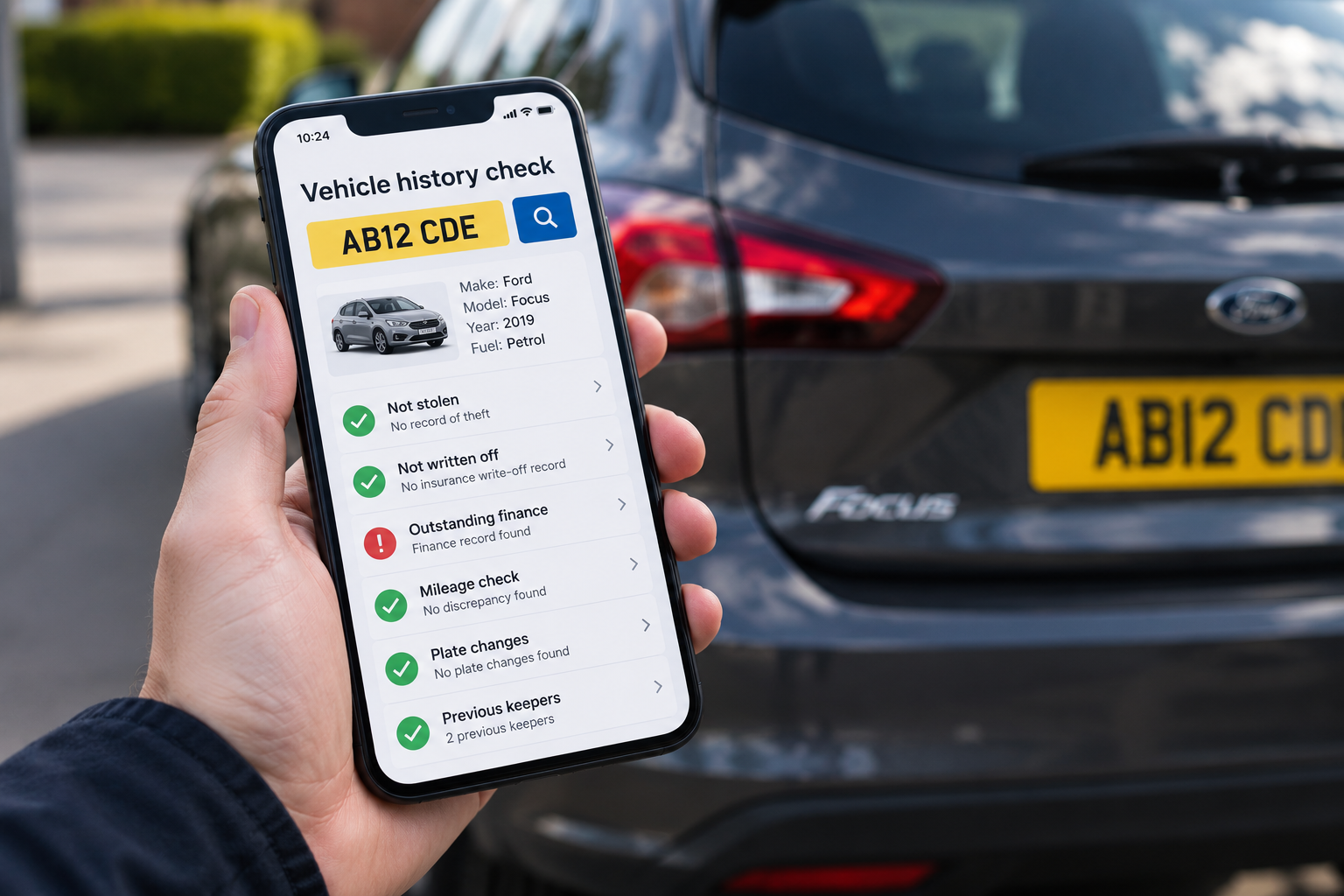
However, a paid for vehicle history check can provide much more information. Depending on the provider and the level of report, this may include whether the car has outstanding finance against it, has ever been recorded as stolen, has been scrapped, has been written off or has had previous keeper or mileage issues.
As with so many used car checks, there can be more to the story than first appears. A car may look right in the advert and on your driveway, but still have serious problems in its background. A detailed car history check is one of the simplest ways to reduce that risk.
What does a car history check show?
Most car history checks will show similar information, but there is a difference between what you can check free of charge and what you get if you pay for a full report.
A full report may show:
Finance: Whether the car has any outstanding finance agreements or loans.
Plate changes: Whether the car has ever had a number plate change, usually to or from a private registration.
Theft: Whether the car has ever been listed as stolen.
Ownership: The number of previous keepers and whether the car has been marked as scrapped.
MOT history: Details of previous MOT tests, including failures, advisories and major defects.
Specifications: Make, model, trim level, engine size, fuel type, CO2 emissions and engine power.
Import/export status: Whether the car has been imported or exported.
Mileage: Mileage records and any possible inconsistencies.
Write-offs: Whether the car has been declared a total loss by an insurer.
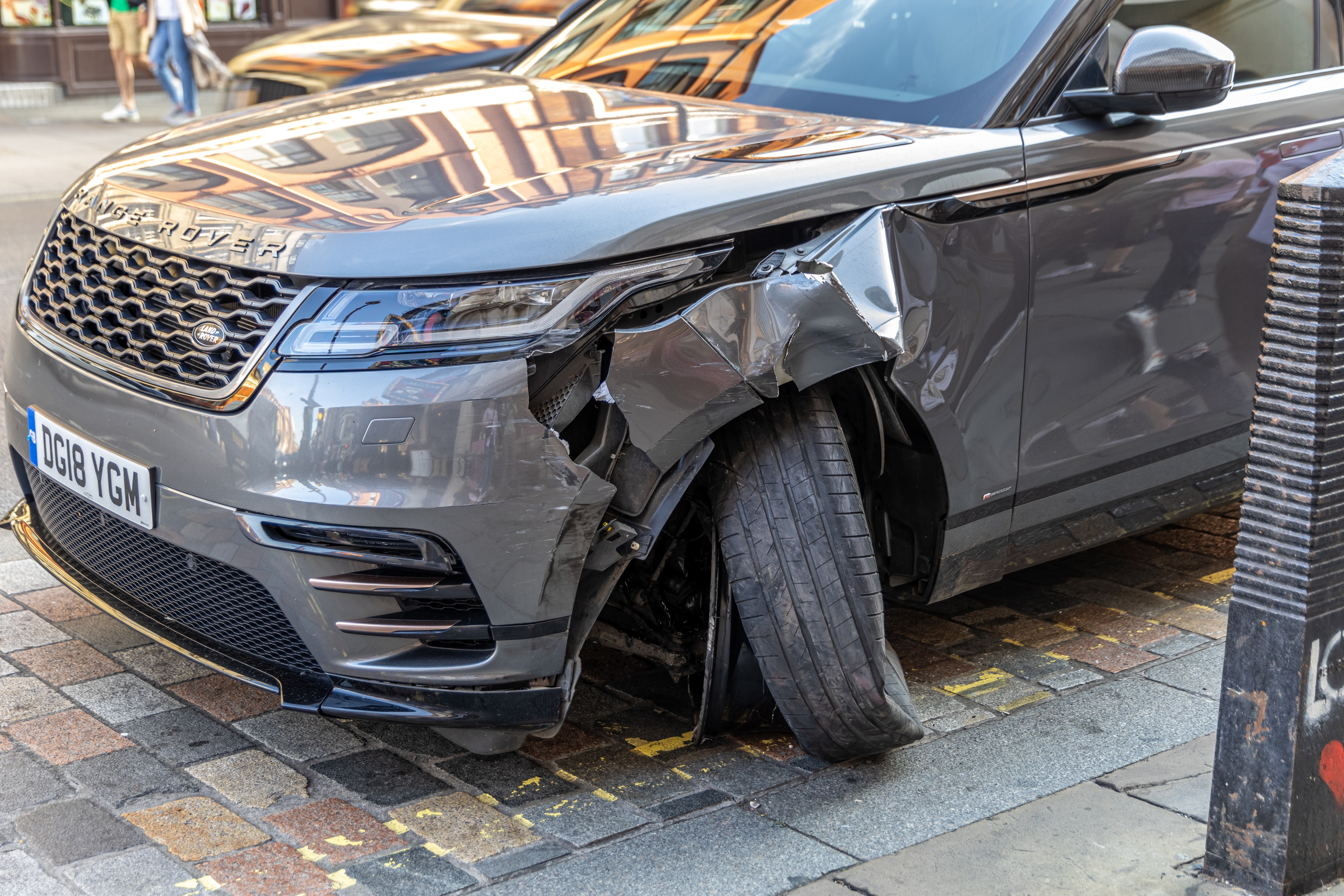
When it comes to insurance write-offs, cars are divided into the following categories:
Category A: Scrap only. The car must not be repaired and must be crushed in full.
Category B: Break for parts. Usable parts may be recycled, but the shell must be crushed.
Category S: Structurally damaged but repairable. This replaced the old Category C.
Category N: Non-structurally damaged but repairable. This replaced the old Category D.
While Category A and B cars must not be used on the road again, Category S cars which have been written-off can be made road legal providing the structural damage repairs are carried out to a sufficiently high standard. Category N cars have suffered no structural damage and are considered more easily repairable.
For both Category S and N cars, ensure you see clear evidence of the quality of repairs before purchasing.
Where can I get a free vehicle history check?
You cannot usually get a full car history check for free, but you can get a useful amount of background information without paying. This can include MOT history, mileage records from MOT tests, tax status and basic DVLA vehicle details.
If you can get the registration number before viewing the car, check it online before you travel as doing so can save you a wasted trip. If the registration number is hidden in the advert photographs, contact the seller and ask for it. If they are reluctant to provide it, that should be treated as a warning sign that the car and seller are best avoided.
A basic free check can tell you when the car was first registered and whether it has a valid MOT. It can also show whether the car is subject to a statutory off road notification, known as SORN. Any car that is SORNed should not be used on the road as it may not have a valid MOT and will not be taxed.
Free checks are a good starting point, but they do not usually cover the biggest financial risks. For example, they may not tell you whether the car has outstanding finance, has been stolen, has been written off, or has mileage discrepancies beyond MOT records.
Where can I get a car history check from?
There are many companies offering car history data checks and it's usually worth using one if you are seriously considering buying a used car. Even if the seller says a check has already been carried out, it can be prudent to also do your own so you know exactly what has been checked and when.
Most providers offer instant online checks using the registration number. Some also offer multi-check bundles, which can be useful if you are comparing several cars before making a decision.
Prices and features can change, so always check what is included before paying. The key items to look for are outstanding finance, records of the car being stolen, write-off history, scrapped markers, import/export status, mileage discrepancies and identity checks.
HPI Check
HPI is the best-known vehicle history check company, to the point that 'HPI check' is often used as a generic term for verifying a car’s background. There are three levels of cover available — Basic, HPI Check and Multicheck. The basic service will tell you whether a car has finance outstanding, has been stolen, scrapped or written off and whether it has been exported or imported.
The full HPI Check has a £30,000 guarantee and adds finance agreement details, mileage discrepancies, MOT history, write-off details, the number of previous owners, CO2 emissions, VED car tax information, a stolen logbook check, scrapped status, market valuation, an indication of past and future values, plus a full number plate change history. HPI also offers a clone check as part of its full HPI Check service.
How much does an HPI History Check cost?
There are two levels of pricing for an HPI car history check: £9.99 for the Basic service and £19.99 for the full HPI Check. As with other vehicle history check providers, there is a discount for multiple checks. HPI charges £29.97 for three checks — the same price as a trio of indivisual checks — that must be redeemed within two years.
AA History Checks
The AA’s History Check is provided by HPI and includes useful information such as whether the vehicle is an insurance write-off, the number of previous owners and whether it is recorded as stolen. It also shows whether the car has outstanding finance or mileage discrepancies.
The service includes a logbook check, import/export information, number plate changes and whether the vehicle is recorded as scrap.
How much does an AA Car History Check cost?
Pricing for The AA’s Car History Check is simple. It costs £14.99 for a single car. If you are looking at several cars before making an offer, there is a Multicheck option. For £29.99, you can have five checks, which works out at around £6.00 per check.
RAC Vehicle History Checks
A full RAC Vehicle History Check gives you a complete history check of the car, including 10 alerts covering outstanding finance, whether it has been stolen, written off or scrapped, and any mileage discrepancies.
It also includes common breakdown reasons by make and model, common MOT failures, a vehicle valuation, average running costs and a guarantee of up to £30,000 to cover the vehicle history check data.
How much does an RAC Vehicle History Check cost?
An RAC Basic Check is £9.98, while the Full Check is £14.99. Discounts are available if you are an RAC member making a full check £11.24 for RAC members. Five checks cost £29.97 or £22.48 for RAC members
My Car Check
My Car Check is a well-established vehicle history check provider, operating since 2005. It is one of the cheaper options on the market, with a range of checks including a free check, a basic check for £4.99 and a comprehensive check for £8.49. Multicheck options are also available.
The free check gives you the vehicle details, valuation, MOT status and MOT history. The basic check adds information on whether the car is stolen, exported, written off or scrapped.
How much does a My Car Check car report cost?
There are three levels of pricing for My Car Check, including a free option. There are also three Multicheck comprehensive options, which are worth considering if you have a longer shortlist. Five checks cost £19.99, 10 are £34.99 and 20 checks are priced at £59.99.
Car Guide
Car Guide says it aims to redefine car checks by focusing on the information that helps buyers save time and money, while also highlighting future risks. Car Guide looks at previous and upcoming services and repairs, plus it also offers ex-taxi and unrecorded salvage checks.
How much does a Car Guide report cost?
Car Guide’s buyer’s report costs £9.99 and includes the typical data you would expect, such as outstanding finance, whether a car has been stolen, scrapped or written off, plus previous and upcoming services and repairs. Any additional reports then cost £5.99.
The second option is to buy 30 days’ access for £14.99, which includes two full buyer’s reports. It also allows you to add an unlimited number of vehicles to a shortlist and check information such as whether a car has been imported or exported, if it has any number plate or colour changes, its full technical details, MOT history and more. Additional reports cost £4.99 with this option.
Instant Car Check
Instant Car Check is another provider that offers cheaper checks than some of the established market leaders. It is a partner company of HPI and uses that firm's data for vehicle finance information.
How much does an Instant Car History Check cost?
The £2.95 Basic Check will confirm whether the car has been written off, stolen, has outstanding finance, has been scrapped and whether it has had any number plate changes.
The Gold Check will determine the previous number of owners, MOT history and whether the VIN and chassis numbers match. You will also get a clone check and valuation for your £5.99 fee.
An extra £4.99 adds an outstanding finance check, a further £2.99 shows the mileage history to help you avoid buying a clocked car, while an additional optional £2.99 check shows whether all safety recalls have been carried out.
Rapid Car Check
Rapid Car Check claims its Complete package is comprehensive and uses AI to unlock deeper insights into its checking package, including a stolen vehicle check, previously written off check, mileage discrepancy check, import/export check, colour change check and registration plate change check.
How much does a Rapid Car Check report cost?
There are three options with Rapid Car Check, including a Free check. This checks the vehicle’s details and MOT reports, which is broadly the kind of information you can get through DVLA records.
A Standard history check is £2.99, but does not include a valuation or outstanding finance check. The Complete check covers everything and costs £7.99, inclusive of an Experian-backed £10,000 finance, stolen and logbook data guarantee.
Total Car Check
Total Car Check may not be the best-known vehicle history and data check company, but it does claim to be the cheapest full check for both individual and multiple checks.
How much does a Total Car History Check cost?
The basic £3.99 Silver Check confirms details such as mileage and MOT history and whether the car has been written off. The £9.99 Gold Full Check will tell you whether it has outstanding finance, if it has been scrapped or stolen, includes a VIN check, a valuation and a £30,000 guarantee.
Three Gold Checks can be bought for £14.99 and a bundle of five for £19.99.
Do I need a car history check?
At their most basic, car history checks will tell you the make and model as well as confirming that the registration belongs to a car of that description. That information is available through the DVLA itself, so it is not usually worth paying for that alone.
However, the more advanced checks are genuinely useful if you are close to buying a used car. These can tell you the car’s Vehicle Identification Number (VIN), which is a more reliable way of identifying a car than the registration number alone.
The VIN is usually visible in the lower corner of the windscreen on many modern cars. It can also be found on the car itself and in the V5C logbook. If the VIN on the car does not match the V5C or the history report, do not buy the car until the issue has been properly explained.
A good car history check can also tell you whether the car is stolen, has been repaired after being written off, or has outstanding finance still to be paid.
Any serious marker in these areas should make you stop and investigate further. In many cases, it is safer and cheaper in the long run to walk away.
Outstanding finance is one of the biggest risks. If a seller still owes money on a car to a finance company, the finance company may legally own the car. The seller does not normally have the right to sell it unless the finance is settled.
If you buy a car with outstanding finance, it may be repossessed. That could leave you without the car and out of pocket, potentially by many thousands of pounds.
A car history check is not a guarantee, but it is a useful layer of protection. It should be used alongside the MOT history, V5C, VIN, service records, a test drive and a proper inspection of the car.
For Volkswagen Group cars, including Volkswagen, Audi, Skoda, SEAT and Cupra models, remember that some service records may be digital, particularly if the car has been maintained within the franchised network. Ask the seller for invoices, digital service evidence or confirmation from the relevant brand network rather than relying only on a stamped service book.
What other car history check searches can I do free of charge?
If you have the time and a valid reason, you can use a V888 request form to ask the DVLA for information it holds about a vehicle or its registered keeper.
This is not the same as a normal free car history check and the DVLA will only release keeper information in certain circumstances where there is a reasonable cause. It should not be treated as a way to find out who owns a car before buying it.
You can also use free online checks to review MOT history, recorded mileage at MOT tests, MOT failures and advisories. These can be very useful when building a picture of how a car has been maintained.
Look for patterns rather than single entries. Repeated advisories for corrosion, tyres, brakes or suspension can suggest neglected maintenance. Mileage that rises and then drops should also be investigated, as it may indicate an error or a possible mileage discrepancy.
Where can I get a free valuation for my car?
If you are buying a used car, it is sensible to check its background and its value. A car history check helps you understand whether there are hidden risks. A valuation helps you judge whether the asking price is fair.
A car can be cheap for a reason — if the price seems unusually low, check the history carefully and compare it with similar cars of the same age, mileage, engine, trim and condition.
A valuation is also useful if you are part-exchanging or selling your current car. It gives you a better idea of what the car is worth before you speak to a dealer or respond to private buyers.
A history check, valuation and physical inspection all answer different questions. Used together, they give you a much clearer view of whether a car is worth buying.
Yes. You can check a car's MOT history, recorded mileage, tax status and basic vehicle details for free using the DVLA's website.
A full history check covering things such as outstanding finance, theft and insurance write-offs will usually require payment.
A free DVLA check is a good starting point because it provides official information about the vehicle's MOT history, mileage, tax status and basic specifications. For information such as outstanding finance, stolen status and write-off history, you'll usually need a paid for vehicle history check.
A paid HPI check can be worthwhile if you're seriously considering buying a used car. It can reveal information that isn't normally available through free checks, including outstanding finance, write-off history, stolen status and mileage discrepancies.
Usually not. Outstanding finance is one of the key pieces of information provided by paid vehicle history checks. A basic DVLA or MOT check will not normally tell you whether money is still owed on the vehicle.
A paid vehicle history check can show whether a car has been recorded as an insurance write-off and, where applicable, whether it is Category S or Category N. You should also ask the seller for details of any previous accident damage and repairs.
You can check a vehicle's MOT history online using its registration number. The results can show previous MOT dates, mileage, failures and advisories, helping you identify potential problems or recurring issues.
Compare the mileage shown on the car with its MOT history, service records and any vehicle history report. Look for mileage that increases consistently over time. A sudden drop or unexplained discrepancy should be investigated before you buy.
Yes. A history check is one of the simplest ways to identify potential problems before buying. It should be used alongside the MOT history, V5C, VIN, service records, a test drive and a physical inspection.
Do not buy the car until the finance has been properly settled or you have clear evidence that the seller has the right to sell it. If a vehicle has outstanding finance, the finance company may have rights over the car.
No. An MOT check is useful but only provides part of the picture. It can show MOT results, mileage and advisories, but it will not normally tell you about outstanding finance, stolen status or insurance write-offs.