27/08/2026
Car warranty guide 2026: Is an extended warranty worth the money?

Written By David Ross

Car warranties are worthwhile if you want protection against unexpected repair bills, especially on complex or expensive cars. Paying for extra warranty cover on a very cheap used car or where the policy has lots of exclusions, high excesses and low claim limits might make less financial sense — in some cases, putting the warranty premium aside to pay for future repairs can work out less expensive.
The important point is that a warranty is not the same as free maintenance. It will not usually cover tyres, brake pads, servicing, damage caused by neglect, pre-existing faults or ordinary wear unless the policy specifically says otherwise.
The best car warranty is the one that clearly covers the parts most likely to fail on your car, at a claim limit that would actually help with major repair costs.
How does a car warranty work?
A car warranty is a contract between the warranty provider and the customer. It sets out who pays for repairs if the car suffers a covered fault.
If the failure is due to a manufacturing defect or a covered mechanical or electrical fault, the warranty provider may pay for parts and labour. If the fault is caused by poor maintenance, wear and tear, accidental damage, misuse or an excluded part, the customer usually pays.
Warranties vary widely. Some cover only major components such as the engine and gearbox. Others include a much broader list of mechanical and electrical parts. The small print matters because it determines what's covered, where the car can be repaired, how much labour will be paid, whether diagnostics are included and how much excess you pay.
A warranty can reduce the risk of a large repair bill, but it does not remove every ownership cost.
What types of car warranty are there?
There are several types of car warranty available, many of which are determined by the age of the vehicle being covered.
Manufacturer new car warranty
This type of warranty is supplied with brand new cars. It is backed by the manufacturer and normally covers manufacturing defects for a set period or mileage limit, whichever occurs soonest.
Most new cars come with at least three years of cover, although some brands offer longer, albeit with stipulations to make the cover available. Be sure to check mileage limits, servicing requirements and part exclusions rather than assuming everything will be automatically covered.
Manufacturer extended warranty
This extends the cover after the original new car warranty ends. It is usually available through the manufacturer or dealer network and may be more expensive than a third-party warranty, but it can offer strong cover and access to approved repairers.
For Volkswagen, Audi, Skoda, SEAT and Cupra models, check the original warranty, any extended cover and the digital service history before paying for extra protection. A full, correctly recorded service history can make warranty and goodwill discussions easier.
Approved used warranty
Approved used cars often come with a warranty from the manufacturer or dealer network. Cover length varies, but it may include roadside assistance and checks before sale.
Read the documents carefully. An approved used warranty may be better than a basic dealer warranty, but it still has exclusions.
Dealer warranty
A used car dealer may provide a short warranty, often for three, six or 12 months.
This can be useful, but it may be limited in what's actually covered. Check whether it is backed by the dealer, a third-party warranty company or both. Also remember that a warranty is separate from your statutory rights when buying from a dealer.
Third-party aftermarket warranty
This is a warranty bought separately from a specialist provider.
It can be useful once the manufacturer warranty has expired, but quality of cover varies. Compare claim limits, labour rates, exclusions, excesses, wear-and-tear wording, age and mileage limits plus whether the provider is regulated.
Breakdown repair cover
Breakdown repair cover is not the same as a full car warranty.
It may help with repair costs after a breakdown, but it usually applies only in specific situations and may require you to have breakdown cover with the same provider. It may not cover faults found during servicing or diagnosis before the car actually breaks down.

What does a car warranty cover?
A car warranty can cover the cost of repairing or replacing specified parts if they fail during the cover period. Depending on the policy, these may include:
Engine components
Gearbox and transmission parts
Fuel system parts
Cooling system parts
Steering components
Suspension components
Braking system components, excluding normal wear items
Electrical systems
Sensors and control units
Air conditioning components
Hybrid or electric vehicle parts, if specifically included
Basic warranties may cover only major engine and gearbox failures, while more comprehensive policies may cover a much wider range of parts.
Labour cover is just as important as parts cover. A policy with a low labour-rate cap may not fully cover repairs at a main dealer or specialist garage, leaving you to pay the difference.
Some warranties also include extras such as breakdown cover, hire car contribution or recovery. Check whether you already have these through your insurer, bank account or breakdown policy before paying twice.
What is not covered by a car warranty?
Most warranties exclude routine maintenance and wear-and-tear items. Common exclusions are:
Tyres
Brake pads and discs
Clutches
Wiper blades
Light bulbs
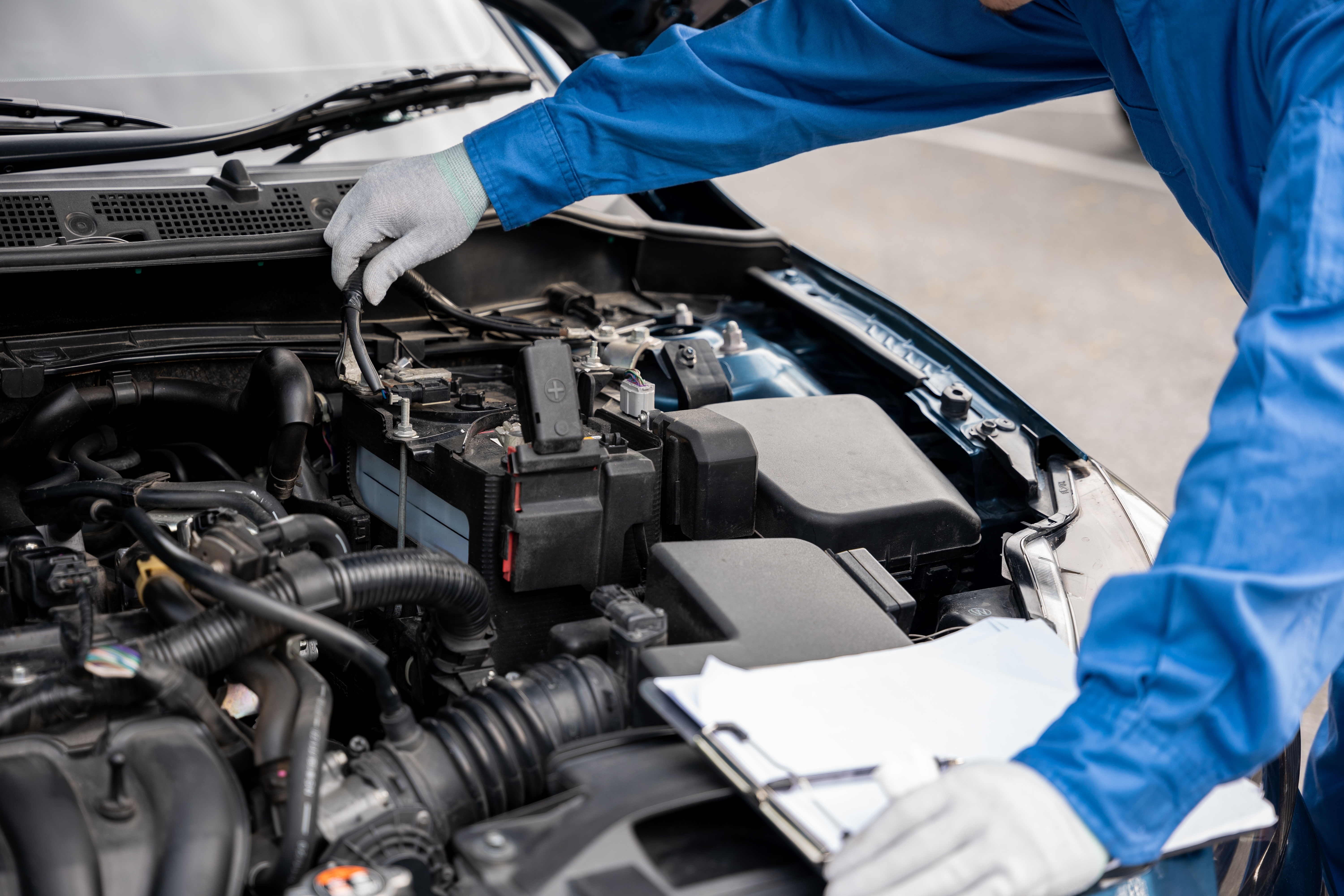
Batteries, unless specifically included
Exhaust wear
Filters
Fluids
Service items
Bodywork and trim
Accident damage
Neglect or misuse
Pre-existing faults
Unauthorised repairs
Modified parts
Faults caused by missed servicing
Some policies include limited wear-and-tear cover, but only if the wording clearly says so. Do not assume a comprehensive warranty covers everything.
Also check for consequential loss exclusions. This is where one failed part damages another. Some policies pay only for the original failed part and not the extra damage it caused.
Is it worth buying a warranty?
A used car warranty may be worth buying if the car is expensive to repair and the cover is genuinely comprehensive. This is particularly useful if:
The car is relatively new but outside manufacturer warranty
It has complex electronics
It has an automatic gearbox
It is a hybrid or electric vehicle with cover for relevant systems
It has expensive engine or emissions components
You want predictable repair costs
You would struggle with a large unexpected bill
The policy has high claim limits and fair labour rates
It may be less worthwhile if:
The car is low value
The policy has many exclusions
The excess is high
The claim limit is low
The car is already old and/or has covered a high mileage
You can comfortably self-insure by saving money for repairs
The most likely faults are not covered
A warranty is about risk. You may pay for cover and never claim. Equally, one expensive repair can justify the cost. The decision depends on the car, the policy and your appetite for unexpected bills.
How much does a car warranty cost?
Used car warranty costs vary widely. As a broad guide, an aftermarket warranty may cost from under £200 a year for basic cover to £650 or more for more comprehensive cover. Expensive, high-performance, hybrid, electric, luxury or older vehicles can cost more.
Factors influencing the warranty's price include:
Make and model of car
Its age
Its mileage
Engine type
Gearbox type
Claim limit
Excess
Labour-rate cap
Level of cover
Whether wear and tear is included
Whether breakdown cover is included
Whether you pay annually or monthly
Do not compare warranties only by premium. A cheap warranty with a low claim limit, high excess and many exclusions may offer poor value.
Where should I look for a used car warranty?
Once the manufacturer warranty runs out, you have several options.
You can do nothing and pay for repairs yourself. This may be sensible if the car is reliable, low value or inexpensive to repair.
You can buy a manufacturer extended warranty. This may cost more, but it can offer strong cover and approved repair routes.
You can buy a third-party aftermarket warranty from a specialist provider. These can be cheaper than manufacturer-backed cover, but you need to compare the terms carefully.
You may also receive a warranty from a used car dealer. Check whether it is a proper insured warranty, a dealer promise or a third-party policy arranged by the dealer.
When comparing, look at:
Who provides the warranty
Whether the provider is regulated
Claim limits
Labour-rate caps
Excess
Age and mileage limits
Servicing requirements
Covered parts
Excluded parts
Diagnostic costs
Authorisation process
Cancellation rights
How long does a car warranty last?
New car warranties usually last for a set number of years or miles, whichever comes first.
Most manufacturers' warranties offer three years' cover. Others offer longer warranties, such as five or seven years, or service-activated schemes that can extend cover if the car is serviced within the dealer network. Used car warranties vary. A dealer warranty may last three, six or 12 months. Aftermarket warranties are often sold for 12 months, with options to renew.
Mileage matters as much as time. A warranty advertised as three years may end sooner if the mileage limit is reached.
How can I compare warranty cover levels?
Start with the car’s age, mileage, value and known repair risks. Most aftermarket warranty providers set age and mileage limits — some won't cover cars over 10 years old or with over 100,000 miles on their odometers, while others do cover such cars but may cost more and include more restrictions.
When comparing cover levels, check:
Named component cover versus all-mechanical cover
Whether electrical parts are included
Whether diagnostics are covered
Whether wear and tear is included
Whether consequential loss is included
Whether main dealer labour rates are covered
Whether there is a per-claim limit
Whether there is an annual claim limit
Whether there is a maximum vehicle value limit
Whether betterment applies
Whether servicing must be done at specific garages
A policy which looks comprehensive in a headline table may be much narrower once exclusions are applied.
Best car warranty UK: How to judge providers
There is no single best car warranty for every driver. The best provider for you depends on the car, the age and mileage, how much cover you want and how they handle claims.
Rather than choosing only by brand name or review score, ask these questions:
Is the provider regulated?
Is the policy insured or only backed by the selling dealer?
What is the maximum claim limit?
Does the labour-rate cap match local garage or dealer rates?
Are diagnostics included?
Are electrical systems covered?
Are hybrid or EV systems covered, where relevant?
Are wear-and-tear failures covered?
Are pre-existing faults excluded?
Can you choose the repairer?
Does the provider require approval before work starts?
What do reviews say about rejected claims?
A warranty is only useful if it pays out when you need it.
What sort of problems can arise with a car warranty?
The most common problem is a rejected claim. A warranty provider may refuse to pay because:
Specific parts are not covered
Faults are classed as wear and tear
The fault was pre-existing
Scheduled services have been missed
Wrong parts, oils or fluids were used
Mileage exceeds the policy limit
Repair was not authorised before work began
Garage labour rate is above the policy cap
Claim exceeds the policy limit
Provider says the failure was caused by another excluded part
Another common issue is partial payment. The warranty may cover the failed part but not diagnostics, additional damage, fluids, seals, labour above a certain rate or 'betterment' if the repair improves the value of the car.
This is why the wording matters before you buy, not after the car has failed.
How can I avoid problems with a car warranty claim?
You can reduce the risk of a rejected claim by keeping the car properly maintained and following the policy process.
Before making a claim:
Read the policy documents
Check whether the part is covered
Check the excess and claim limit
Check whether diagnostics are covered
Contact the warranty provider before authorising work
Use an approved repairer if required
Keep the car available for inspection if requested
During ownership:
Service the car on time
Keep all invoices and receipts
Use the correct oil, fluids and parts
Keep MOT records
Report faults promptly
Avoid modifying the car without telling the provider
Do not continue driving if a warning light or fault could cause further damage
If the provider refuses a claim, ask for the decision and reasons in writing. Stay calm, keep records of all conversations and use the complaints process if you disagree.
What protection do I have with a car warranty?
A warranty is separate from your statutory rights. If you buy a car from a dealer, the Consumer Rights Act 2015 says the car must be of satisfactory quality, fit for purpose and as described. A dealer cannot use a warranty to remove those rights.
A warranty may give extra protection, especially after the initial legal remedies become harder to use, but it does not replace your rights against the dealer if the car was faulty when sold.
If you have a complaint about a warranty provider, complain to the provider first. If the complaint is not resolved, you may be able to take it to the Financial Ombudsman Service, depending on the type of policy and provider. Some motor businesses may also be part of The Motor Ombudsman or another dispute-resolution scheme.
Keep copies of all paperwork, emails, repair estimates and claim decisions.
Will a warranty cover the total cost of a repair?
A warranty may not pay the full repair bill. To understand what it it covers, check:
The maximum claim limit
The annual claim limit
The excess
Labour-rate cap
Parts contribution
Diagnostic-cost cover
Betterment rules
Consequential loss cover
Whether VAT is included
Whether fluids, seals and consumables are included
For example, if your garage charges £120 per hour but the policy pays only £70 per hour, you may have to pay the difference. If the repair costs £2000 but the claim limit is £1000, the policy will not cover the full bill.
Do the sums before buying a warranty — those with low claim limits may not be useful on cars where common repairs cost far more.
What restrictions do warranties have?
Aftermarket warranties often include restrictions that limit when and how you can claim. Common restrictions include:
Wehicle age limits
Mileage limits
Maximum claim limits
Maximum annual payout
Exclusions for wear and tear
Exclusions for pre-existing faults
Waiting periods after purchase
Requirements to service on time
Requirements to use approved repairers
labour-rate caps
exclusions for modified vehicles
exclusions for commercial use
exclusions for consequential loss
Limits on diagnosis costs
Cancellation charges
Some policies also reduce how much they pay as the car gets older. Check whether the contribution changes with age or mileage.
Always check the easily missed terms and conditions as the important wording is often in the details. Be sure to look out for:
Excess: What you pay towards each claim.
Waiting period: How long after buying the policy before you can claim.
Pre-existing fault: A fault that existed before the policy started.
Betterment: Where you may contribute because the repair improves the car’s value.
Consequential loss: Damage caused by the failure of another part.
Labour-rate cap: The hourly rate the warranty will pay.
Claim limit: The maximum paid per repair or policy year.
Wear and tear: Whether age-related failure is covered or excluded.
Approved repairer: Whether you must use a specific garage.
Authorisation: Whether the provider must approve the repair before work starts.
If you do not understand a term, ask the provider to explain it in writing before buying.
Used car warranty checklist
Before buying a used car warranty, be sure you understand exactly what it is providing:
Which parts are covered?
Which parts are excluded?
Is wear and tear covered?
Is consequential loss covered?
Are diagnostics covered?
What is the excess?
What is the claim limit?
Is there an annual payout limit?
What labour rate is covered?
Can I use my preferred garage?
Is the car’s age and mileage accepted?
Are hybrid- or EV-specific parts covered?
Is breakdown cover included?
Is there a waiting period?
Is there a cooling-off period?
What servicing proof is required?
What happens if I sell the car?
How do I make a claim?
Who regulates the provider?
Do not rely only on a sales summary — read the full policy document.
What this means for you
An extended car warranty can be useful, but only if the cover matches the car and the claim limits are realistic.
For a newer, complex or expensive used car, a good warranty can offer peace of mind and help with major repair bills. For an older, cheaper or high-mileage car, exclusions and excesses may make it less worthwhile.
Before buying, compare the cover rather than the headline price. Keep the car serviced, keep every receipt, get authorisation before repairs and ask for any rejected claim to be explained in writing.
A warranty is a form of guarantee — those for cars make explicit reference to which parts are and are not covered, as well as containing sub-clauses about where any remedial work must be undertaken and whether there are cost restrictions to be applied.
The warranty does not last for the lifetime of the car, but is instead for a set period of time or a mileage limit, coming to an end depending upon which occurs first.
These are the longest standard warranties, activated from when the car was first registered and without any service-based extensions
8 years or 125,000 miles, whichever is sooner
Geely
8 years or 100,000 miles, whichever is sooner
Aion
Mitsubishi
7 years or 100,000 miles, whichever is sooner
Changan
Chery
Jaecoo
Kia
Lepas
Omoda
7 years or 90,000 miles, whichever is sooner
KGM (EV models)
7 years or 80,000 miles, whichever is sooner
MG
6 years or 93,750 miles, whichever is sooner
BYD
Denza
5 years unlimited mileage
Hyundai
Genesis
GWM
Ineos
KGM (non EV models)
5 years or 90,000 miles, whichever is sooner
Cupra
5 years or 75,000 miles, whichever is sooner
XPeng
Cars are made of thousands of components — some are designed to last the effective working life of the car itself, while others are engineered to wear out and will therefore need replacing.
As a broad rule of thumb, those which are intended to wear out and be replaced, including braking components, light bulbs, wiper blades, are not covered by a warranty, although a fault which causes them to wear out much sooner than is reasonable would be.
Similarly, parts such as the braking system's hydraulics, light units and wiper mechanisms are likely to be covered by a warranty and will be repaired or replaced if they fail within the time or mileage limit.
Be sure to check the terms of your warranty carefully to understand what is and isn't covered by the agreement.
Really this is a matter of personal choice because the older the car concerned and the more that model is statistically prone to expensive-to-fix failures, the more expensive extended warranties tend to be.
They are also usually far less comprehensive in the range of items and cost scope they cover.
If you have a rare or high-performance car, a comprehensive extended warranty might be worthwhile even if it is expensive as it could still work out more cost-effective than footing the bills for any remedial work yourself.