25/09/2026
How to appeal a parking ticket 2026: PCN grounds and appeal letters

Written By David Ross

Getting a parking ticket does not always mean you have to pay it without question. If the ticket was issued incorrectly, the signs were unclear, you had already paid, the vehicle was stolen or there were genuine mitigating circumstances, it may be worth appealing.
The first step is to check what kind of ticket you have. A council Penalty Charge Notice is not the same as a private Parking Charge Notice, even though they can look similar. The appeal route, deadlines and risks are different.
Do not ignore a parking ticket. Read it carefully, gather evidence straight away and appeal through the correct process if you believe it is wrong.
Penalty Charge Notice versus Parking Charge Notice: what’s the difference?
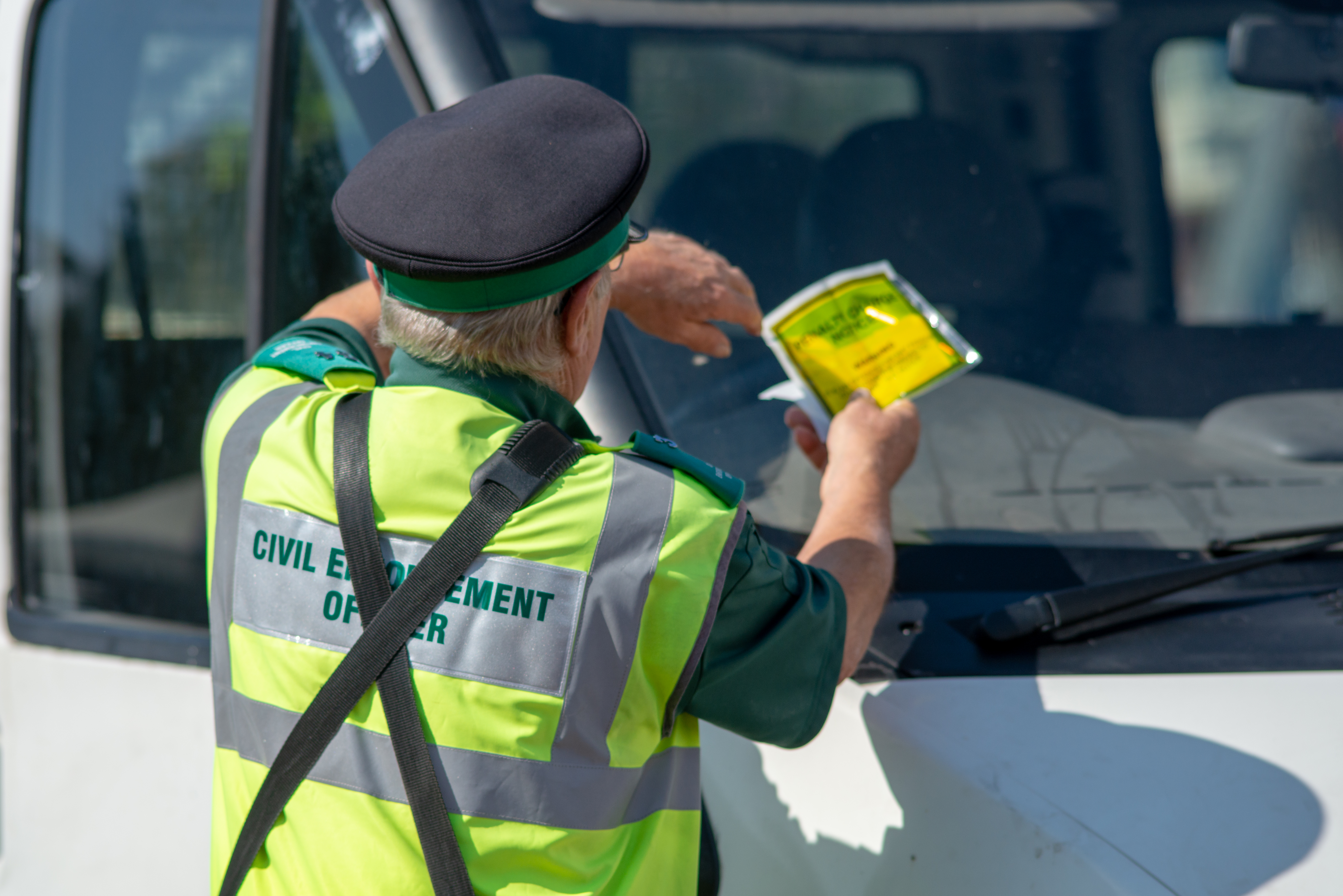
A Penalty Charge Notice, often shortened to PCN, is usually issued by a local authority, Transport for London (TfL) or another official body. It is commonly used for parking and bus lane contraventions, some moving traffic offences and similar civil enforcement matters.
A Parking Charge Notice is different. It is normally issued by a private parking company operating on behalf of a landowner, supermarket, retail park, hospital, airport or car park operator. It is not a council fine, but instead a charge for an alleged breach of the parking terms and conditions.
The distinction matters because the appeal processes are different.
Council and official PCNs usually follow a statutory appeal route. Private parking tickets usually require you to appeal first to the parking company, then, depending on the operator’s trade body, to POPLA or the Independent Appeals Service.
How do I know what type of parking ticket I have?
Look closely at the wording and the organisation that issued it.
An official ticket may be called:
Penalty Charge Notice
Fixed Penalty Notice
Excess Charge Notice
It should show the name of the issuing authority, such as a local council, TfL or the police.
A private parking ticket may be called:
Parking Charge Notice
Parking Charge
Parking Enforcement Notice
Contractual Parking Charge
It will usually show the name of a private company rather than a council or police force. Examples of private parking companies include ParkingEye, Euro Car Parks, APCOA, NCP, Horizon Parking, Smart Parking, GroupNexus and UKPC.
Do not assume a ticket is official just because it looks formal. Read the wording carefully before deciding what to do.
What should I do if I have a parking ticket?
Start to gather evidence immediately — do this before leaving the car park or street if you can.
Useful evidence includes:
Photos of your car where it was parked
Photos of nearby signs
Photos of road markings
Photos showing unclear, damaged or hidden signs
A copy of your pay-and-display ticket
Screenshots from parking apps
Bank or card payment records
Blue Badge evidence, if relevant
Independent witness details
Evidence of a breakdown or medical emergency
A copy of the ticket or notice
Any correspondence from the council or parking company
Check the deadlines carefully. You usually have 28 days to challenge a Penalty Charge Notice, although the discount rules depend on the type of notice and when you appeal.
If you are still within the discounted period, act quickly. Do not wait until the final day unless you have to.
Grounds that may support a parking ticket appeal
A parking appeal is strongest when you can show that the ticket was wrong, unfairly issued or unsupported by the evidence.
Possible grounds for lodging an appeal include:
The signs were missing, unclear, damaged or hidden
Road markings were missing or confusing
You paid for parking and can prove it
The ticket machine or payment app was not working
The parking attendant or camera made a mistake
Your Blue Badge was displayed correctly
The vehicle was stolen
You were not the owner or keeper at the time
The ticket has incorrect vehicle details
The contravention did not happen
You were prevented from moving the car by a breakdown or emergency
The authority or operator did not follow the correct process
Do not invent an excuse. A clear, honest appeal with evidence is more likely to be taken seriously than a vague claim with nothing to support it.
Mitigating circumstances: when might they help?
Mitigating circumstances can sometimes support an appeal, but they do not guarantee success.
Examples may include:
Your car broke down
You were too ill to move the vehicle
You were helping someone in an emergency
You had recently been bereaved
There was a genuine medical emergency
The parking machine failed and there was no reasonable alternative
Councils and adjudicators can decide whether the circumstances justify cancelling the ticket. Private operators may be less flexible, but it is still worth providing evidence where there is a genuine reason.
Some explanations are less likely to work. Saying you were only parked for a few minutes, had no change, did not see the sign without explaining why or were blocking traffic because it was convenient for you will rarely succeed.
Will I lose the parking fine discount if I appeal?
It depends on the type of ticket and when you appeal.
For many council PCNs, if you challenge within the 14-day discount period and your challenge is rejected, the authority may re-offer the discounted amount for a further period. However, do not assume this applies in every case. Read the notice carefully and check the issuing authority’s rules.
Private parking companies often offer a reduced charge for prompt payment, but the discount terms vary. If you appeal, check whether the discount is frozen while your appeal is considered.
What is the success rate of PCN appeals?
There is no single success rate that applies to every parking ticket.
Some appeals succeed because the evidence is strong, the signs were wrong, the authority made an error or the driver had a valid reason. Others fail because the contravention clearly happened and the appeal does not raise a relevant point.
It is worth appealing if you have a genuine reason and evidence. It is much less likely to succeed if you simply do not want to pay or are hoping for a loophole.
The strongest appeals are specific, calm and evidence-led.
How do I appeal a PCN rejection?
If your informal challenge is rejected, read the rejection letter carefully. It should explain:
Why your appeal was rejected
Whether the discounted amount is still available
When the next deadline is
How to make a formal representation
What happens if you do nothing
If you still believe the ticket is wrong, you may be able to continue to a formal appeal. Include all your original evidence and add anything new that supports your case.
Do not just repeat 'I disagree' — explain exactly why the ticket should be cancelled and refer to the evidence.
Is a Penalty Charge Notice a criminal conviction?
A council Penalty Charge Notice is normally a civil matter, not a criminal conviction.
That means receiving or paying a PCN does not usually give you a criminal record. However, if you ignore it, the charge can increase and enforcement action may follow.
Fixed Penalty Notices are different. Some are used for criminal offences and may carry different consequences. If you receive a Fixed Penalty Notice, read it carefully and follow the appeal or payment instructions on the notice.
Can I take it further?
If a council rejects your formal appeal, you may be able to take the case to an independent tribunal.
The relevant tribunal depends on where the ticket was issued. For example, the Traffic Penalty Tribunal deals with appeals against parking and traffic PCNs issued by local authorities in England outside London and in Wales.
London, Scotland and Northern Ireland have separate appeal routes.
Tribunal appeals are usually free, but if you lose, you will normally have to pay the full penalty rather than the discounted amount. Make sure your case is strong before escalating.
How to appeal a parking ticket on private land
Private parking tickets follow a different process. A private parking company cannot issue a council Penalty Charge Notice, but it can issue a Parking Charge Notice for an alleged breach of the parking contract. That contract is usually based on the signs displayed at the car park.
As with a council PCN, gather evidence straight away:
Photos of the signs
Photos of the entrance
Proof of payment, including screenshots from parking apps
Evidence of faulty machines
Photos showing poor lighting or obscured signs
Independent witness evidence
Proof of breakdown or emergency, if relevant
Start by appealing to the parking company using the process shown on the notice. Keep copies of everything and do not miss deadlines.
What kind of private parking appeal should I make?
A private parking appeal should focus on why the charge is not valid. Possible arguments include:
Signs were unclear or not visible
You paid for the required parking
The payment machine or app failed
The vehicle was not parked on the land claimed
The charge does not match the terms displayed
The notice contains incorrect details
The operator did not follow the correct process
There were genuine mitigating circumstances
Many private parking companies belong to a trade body. If the company is a British Parking Association member, you may be able to appeal to POPLA after the operator rejects your first appeal. POPLA describes itself as an independent appeals service for Parking Charge Notices issued on private land.
If the company is a member of the International Parking Community, the second-stage appeal route is usually the Independent Appeals Service.
Is the driver responsible for a parking ticket?
For private parking charges, liability can depend on the circumstances and whether the parking company has followed the correct rules.
A parking company may pursue the registered keeper if it does not know who was driving, but it must meet certain legal requirements to do so. This is why the wording and timing of a Notice to Keeper can matter.
Be careful about naming the driver unless you are sure that is the right approach for your case. If you are unsure, get advice legal before responding.
How do I appeal if the parking company is not a member of a trade body?
If the private parking company is not a member of an approved trade body, you may not have access to POPLA or the IAS after the first appeal.
This makes the position more difficult. You can still write to the company disputing the charge and explaining why you believe it is not owed, but the company may continue to pursue payment. Do not ignore correspondence. If the matter escalates to a letter before claim or court papers, take it seriously and seek legal advice.
What if there is a mistake on my ticket?
A mistake can support an appeal, but not every error automatically cancels a ticket. Useful errors may include:
Wrong registration number
Wrong location
Wrong date or time
Unclear contravention
Incorrect keeper details
Failure to follow the correct process
For private parking tickets, a Notice to Keeper must include specific information if the operator wants to pursue the keeper rather than the driver. If key details are missing or incorrect, that may help your appeal. The notice should usually include:
Vehicle details
The location and timing of the alleged parking event
The amount being claimed
Who is requesting payment
How to pay or appeal
A statement that the driver is unknown, where relevant
Information about discounts and dispute resolution
The date the notice was issued
Check every detail carefully before responding.
What should I write in a parking ticket appeal?
Keep it clear, factual and polite. Your appeal letter should include:
The PCN or reference number
Your vehicle registration
The date and location of the alleged contravention
Why you are appealing
What evidence you are submiting
What outcome you want
Your contact details
Do not write a long emotional letter if the issue is simple. Set out the facts in order, refer to the evidence and ask for the ticket to be cancelled.
Avoid phrases such as 'I always park there', 'I was only a few minutes' or 'I cannot afford the fine' unless they are directly relevant to the rules or mitigation.
Parking ticket appeal letter template
Use this as a starting point and adapt it to your situation.
Subject: Appeal against parking ticket [PCN/reference number]
Dear Sir or Madam,
I am writing to appeal the parking ticket issued to vehicle [registration number] on [date] at [location].
I believe the ticket should be cancelled because [briefly explain your reason, for example: I had paid for parking, the signage was unclear, the vehicle was not parked in breach of the restrictions, or there were mitigating circumstances].
I have attached evidence to support my appeal, including [list evidence, such as photos, payment receipt, app screenshot, Blue Badge evidence, breakdown report or witness statement].
For these reasons, I ask that the ticket is cancelled.
Please confirm in writing that the appeal has been accepted, or provide a full explanation if it is rejected.
Yours faithfully,
[Name]
What not to do when appealing a parking ticket
Do not:
Ignore the ticket
Miss the appeal deadline
Make up an excuse
Send an angry or abusive letter
Throw away payment evidence
Rely on a technicality without checking it
Name the driver unnecessarily in a private parking case
Pay first unless you understand whether payment closes the appeal route
Assume all private parking tickets can be ignored
A parking ticket appeal is much stronger when it is calm, factual and supported by evidence.
What this means for you
If you receive a parking ticket, first work out what kind it is. A council Penalty Charge Notice and a private Parking Charge Notice are not the same thing.
If you have a valid reason to appeal, act quickly, gather evidence and use the correct process. Council PCNs can usually be challenged through the issuing authority and then, if necessary, an independent tribunal. Private parking charges should usually be appealed first to the operator, then to POPLA or the IAS if the operator belongs to the relevant trade body.
Appealing is not about finding a clever excuse. It is about showing, with evidence, why the ticket was wrong or unfairly issued.
If you know you have no grounds at all for an appeal, then you are legally required to pay a PCN you have been issued with.
Ordinarily, PCNs have to be paid within 28 days, usually with a reduction in the fine if it's paid within the first 14 days.
Failure to pay within the 28-day period could result in a charge certificate being issued, resulting in the PCN increasing by 50% and an additional 14 days to pay the whole fine within.
Should it still not be paid, you should expect a court order demanding payment, together with a further 21 days to either pay it or challenge the legal proceedings. Beyond that date you may well receive a visit from bailiffs to recover the outstanding debt or goods to that value.
But, if you genuinely believe that the PCN has been issued incorrectly and it's therefore unfair, you must go through the appeals process and not pay it until you know what the outcome is.
Receiving a PCN won't influence your insurance costs as underwriters are more interested in issues caused by how you drive rather than park.
That said, if you park somewhere you shouldn't have — such as on a pedestrian crossing, on no parking areas outside schools or in a bus lane — and are issued with a Fixed Penalty Notice (FPN), plus points on your licenece, then you will have to notify your car insurer and will likely see your premiums increase.
Yes, almost definitely. While receiving a PCN itself won't affect your credit rating, the non-payment of the fine is likely to.
It could result in you receiving a County Court Judgment (CCJ) demanding that the outstanding fine is paid. Any CCJs will remain on your credit report for six years, but can be removed if the money owed is settled within the first month of the it being issued.