25/09/2026
London ULEZ: Cost, boundaries and Congestion Charge rules

Written By David Ross

London's Ultra Low Emission Zone, usually called ULEZ, is the area of the UK's capital city where vehicles which do not meet minimum exhaust emissions standards must pay a daily charge to drive.
ULEZ applies to cars, motorcycles, vans, minibuses and some specialist vehicles. It was first introduced in central London in 2019, then expanded in 2021 to cover the area inside the North and South Circular roads. In August 2023, ULEZ was expanded again to cover all London boroughs.
For 2026, the main rule is simple — if your vehicle does not meet the ULEZ emissions standards and is not exempt, you need to pay a £12.50 daily charge to drive within the zone it covers. Transport for London (TfL) says the ULEZ operates across all London boroughs, but does not include the M25.
ULEZ charges 2026: daily costs for cars, vans and motorcycles
The daily ULEZ charge for non-compliant cars, motorcycles, vans and specialist vehicles up to and including 3.5 tonnes, plus minibuses up to and including 5.0 tonnes, is £12.50.
The minimum emissions standards for different types of vehicles to avoid paying the ULEZ charges are:
Motorcycles, mopeds and similar vehicles Euro 3
Petrol cars Euro 4
Diesel cars Euro 6
Petrol vans and minibuses Euro 4
Diesel vans and minibuses Euro 6
Commercial and specialist vehicles with a Gross Vehicle Weight (GVW) of 3.5 tonnes or more, as well as minibuses and coaches with a GVW of 5.0 tonnes or greater are exempt from ULEZ charges.
The registration dates often quoted for ULEZ compliance are only a guide. A petrol car registered from around 2006 is likely to meet Euro 4 and a diesel car registered from around September 2015 is likely to meet Euro 6, but TfL bases compliance on the declared emissions of the vehicle, so can include older vehicles.
The safest way to check is to use TfL’s official vehicle checker.
How to pay the ULEZ charge and avoid a penalty
You can pay the ULEZ charge through TfL’s official Pay to Drive in London service. TfL says you can pay the Congestion Charge and ULEZ charge for up to three previous days, today, the next day or for a custom date range.
You can also set up Auto Pay, which automatically charges you when your vehicle is driven in a charging zone.
Avoid unofficial payment websites. They may charge extra fees and may not pay TfL correctly on your behalf.
London driving charges 2026: ULEZ vs Congestion Charge
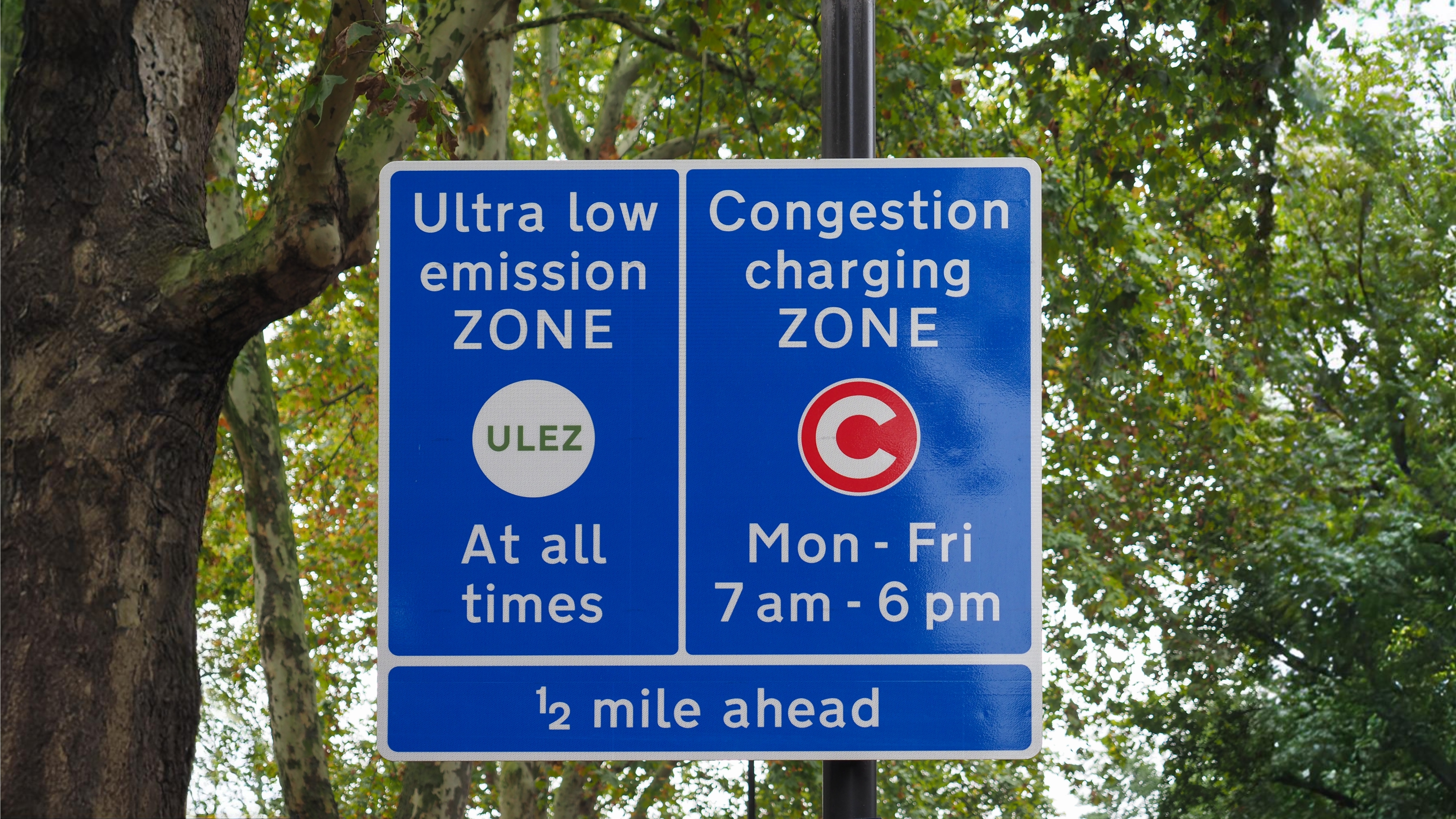
ULEZ and the Congestion Charge are separate schemes.
ULEZ is about vehicle emissions. If your vehicle does not meet the required emissions standard, you pay £12.50 per day to drive within the ULEZ area.
The Congestion Charge is about reducing traffic in central London. It applies only in the Congestion Charge zone and only during its operating hours.
If you drive a non-compliant car into the central Congestion Charge zone during charging hours, you may need to pay both charges. If your vehicle is ULEZ-compliant, you do not pay ULEZ, but you may still need to pay the Congestion Charge.
Is ULEZ changing in 2026?
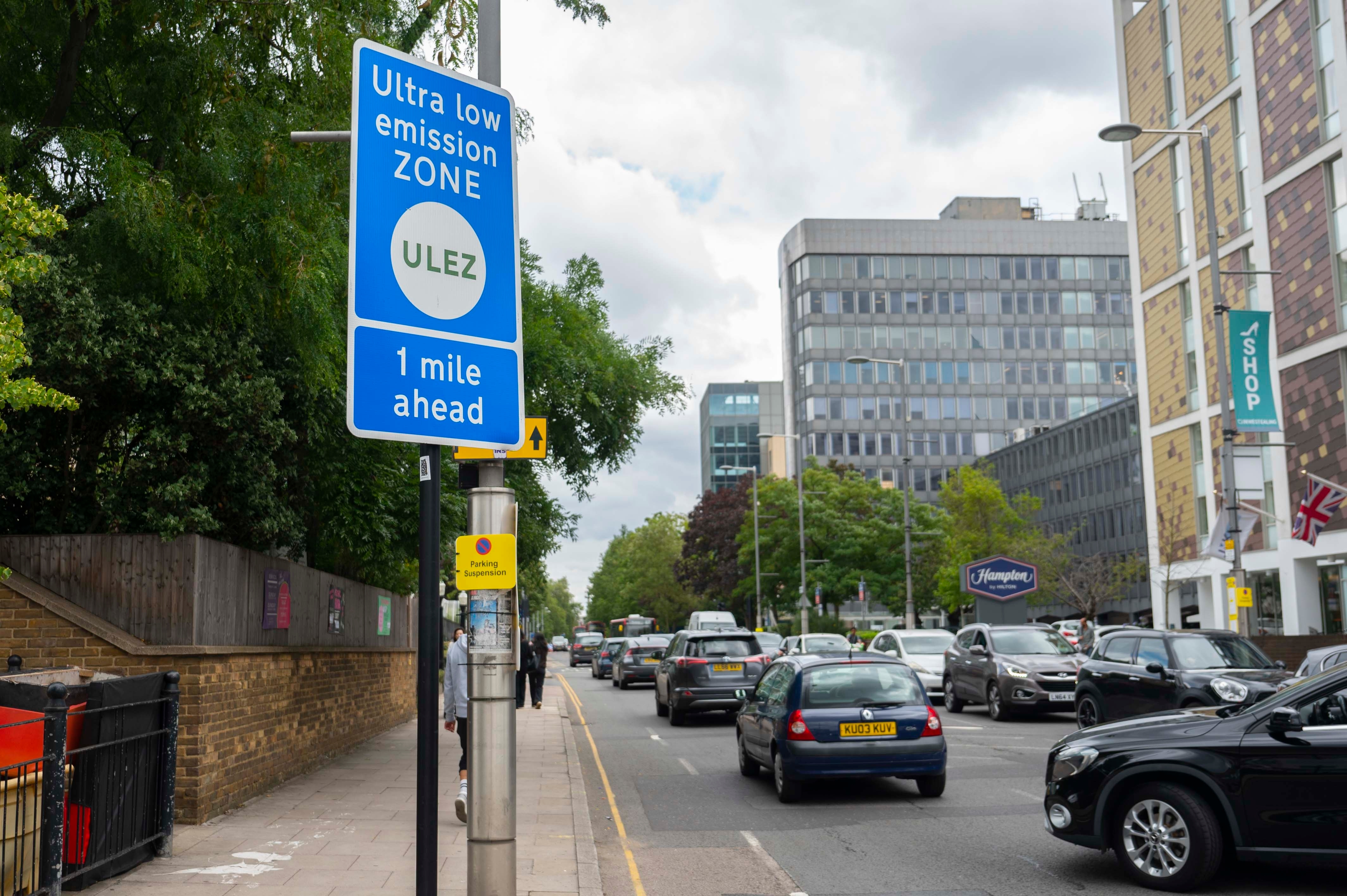
The main ULEZ zone and charge remain the same under current TfL guidance for 2026. ULEZ covers all London boroughs, runs 24 hours per day except Christmas Day and costs £12.50 per day for non-compliant vehicles.
What has changed in 2026 is the London Congestion Charge, not ULEZ. The previous 100% Cleaner Vehicle Discount for electric vehicles has ended and TfL has introduced a new tiered Cleaner Vehicle Discount for eligible electric vehicles registered on Auto Pay. Electric cars on Auto Pay receive a 25% discount, while electric vans, HGVs and quadricycles receive a 50% discount.
London ULEZ boundaries: is my area inside the zone in 2026?
ULEZ covers all London boroughs and the City of London. The M25 itself is not part of the zone, although many roads inside Greater London are covered.
The zone includes many places that visitors may not think of as London specifically, including Heathrow Airport, Wembley, Twickenham, Wimbledon and Chessington World of Adventures. Watford is outside Greater London, so it is not inside the ULEZ restrictions.
A small number of postcodes sit close to the ULEZ boundary, so use TfL’s official postcode or map checker before travelling if you are unsure. TfL says its postcode checker can be used to see whether an address is inside one or more charging zones.
When does the London Ultra Low Emission Zone operate?
ULEZ operates 24/7 all year round, except for Christmas Day, with each charging period running from midnight to midnight. If you drive a non-compliant vehicle in the zone before midnight and again after midnight, you will need to pay for two charging days.
Which petrol and diesel cars are ULEZ-compliant in 2026?
Petrol cars generally need to meet Euro 4 emissions standards. Diesel cars generally need to meet Euro 6 standards. TfL enforces its charges based on declared emissions rather than registration year alone.
As an approximate guide:
Most petrol cars registered from 2006 onwards are likely to be compliant
Most diesel cars registered from September 2015 onwards are likely to be compliant
Some older cars may still be compliant
Some vehicles may need their emissions details checked manually
Do not rely only on age or fuel type. Use the official TfL checker with your registration number.
Do hybrid cars pay the ULEZ charge?
Hybrid cars are judged by their emissions standard, not just by the fact they are hybrid.
Most modern petrol hybrids are likely to be ULEZ-compliant because they usually meet Euro 4 or better, whereas diesel hybrids need to meet Euro 6. Plug-in hybrids are also assessed against those same emissions standard.
If you are looking at a used Volkswagen Group PHEV for London driving, check the exact registration on TfL’s official vehicle checker before buying. Cars including the Volkswagen Golf GTE, Audi A3 Sportback TFSI e, Škoda Octavia iV or CUPRA Leon e-Hybrid may be ULEZ-compliant, but the only reliable answer is the official registration check.
Do electric cars pay the ULEZ charge?
No, electric cars do not pay the ULEZ charge because they produce no tailpipe emissions.
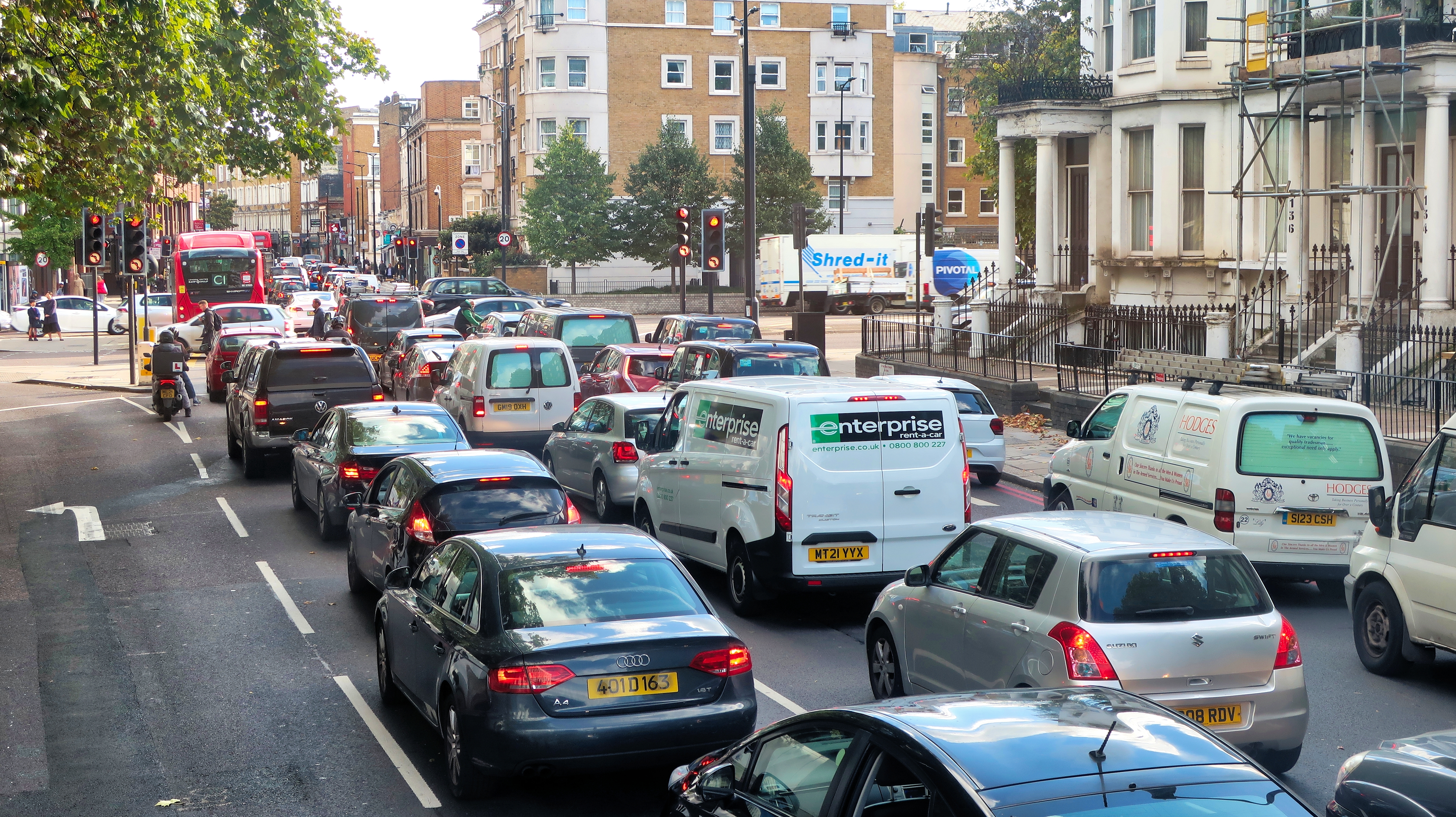
However, ULEZ is not the same as the London Congestion Charge. Drivers of electric cars still need to pay the Congestion Charge if it enters the zone during operating hours, unless it qualifies for a discount.
Do I still have to pay the Congestion Charge as well as ULEZ?
Yes, if both charges apply to your journey each has to be paid.
The Congestion Charge applies in central London during its operating hours. TfL lists the Congestion Charge charging times as 07:00 to 18:00 Monday to Friday and 12:00 to 18:00 on weekends and bank holidays. There is no Congestion Charge between Christmas Day and the New Year’s Day, inclusive.
Do electric cars pay the Congestion Charge in 2026?
Yes, electric cars may now pay the Congestion Charge, but eligible vehicles registered on Auto Pay can receive a discount.
TfL discontinued the previous 100% Cleaner Vehicle Discount from 2 January 2026, replacing it with a new Cleaner Vehicle Discount which gives electric cars registered on Auto Pay a 25% discount on the daily Congestion Charge. Electric vans, HGVs and quadricycles registered on Auto Pay receive a 50% discount.
TfL says this makes the daily Congestion Charge £13.50 for electric cars instead of £18 and £9 for electric vans, HGVs and quadricycles.
ULEZ Penalty Charge Notice: fine amounts and how to appeal
If you drive a non-compliant vehicle in the ULEZ area and do not pay the daily charge on time, you may receive a Penalty Charge Notice (PCN).
TfL's ULEZ penalty charge is £180, reduced to £90 if paid within 14 days.
If you think the PCN is wrong, you can challenge it. Possible reasons include an incorrect vehicle record, proof that the charge was paid, evidence that the vehicle was not in the zone or that the vehicle had been reported as stolen.
Do not ignore the PCN — if you do not pay or challenge it in time, the amount can increase.
Which other vehicles are exempt from ULEZ?
Some vehicles and drivers qualify for discounts, grace periods or exemptions.
Blue Badge holders do not automatically get a ULEZ exemption for any vehicle. However, some disabled tax class vehicles, wheelchair-accessible vehicles and people receiving certain disability benefits may qualify for temporary grace periods or discounts, depending on TfL rules.
NHS patients who are too ill to travel by public transport may be able to claim back ULEZ and Congestion Charge costs in some circumstances — check with the relevant hospital before travelling.
London-licensed taxis have separate rules, while some specialist, military, agricultural and certain non-road-going vehicles may also be exempt or treated differently.
If you think your vehicle qualifies, check and register with TfL where required before driving in the ULEZ.
If I live in London do I get a discount for ULEZ?
Living in London does not automatically give you a ULEZ discount.
TfL says residents of the ULEZ still need to pay the £12.50 daily charge if they drive a vehicle within the area that does not meet the emissions standards. You do not need to pay on a day when a non-compliant vehicle is parked inside the ULEZ but not driven.
Congestion Charge residents’ discounts are separate and only apply to qualifying residents within the specific discount zone.
How is ULEZ monitored?
Both ULEZ and the London Congestion Charge are enforced using Automatic Number Plate Recognition (ANPR) cameras, which read the details as vehicles drive in the chargeable areas.
TfL checks the registration against vehicle emissions data, exemptions, discounts and payment records. If a non-compliant vehicle is driven in the ULEZ and the charge is not paid, a PCN will be issued to the registered keeper.
Make sure the registration number is entered correctly when paying or checking a vehicle. One wrong character can lead to problems.
Classic car ULEZ exemption: the 40-year rolling rule explained
Older vehicles can be exempt from ULEZ if they are in the historic vehicle VED tax class and are not used commercially.
The historic vehicle rule is based on a rolling 40-year age threshold. If your vehicle qualifies, you may need to make sure it is correctly registered with DVLA and recognised by TfL before relying on the exemption.
If your vehicle is registered outside the UK, you may still need to register it with TfL before travelling, even if it meets the standards or qualifies for an exemption. TfL says owners of non-UK registered vehicles need to meet the standards or pay the charge — all vehicles need to be registered with TfL, even if they meet the emissions standards.
What this means for you
If you are driving in London in 2026, check three things before you travel:
Whether your vehicle is ULEZ-compliant
Whether your route enters the London Congestion Charge zone
Whether any discounts or exemptions apply
ULEZ is £12.50 per day for non-compliant cars, motorcycles, vans and relevant specialist vehicles. It operates across all London boroughs, 24 hours a day, except Christmas Day. The Congestion Charge is separate, and electric cars may still need to pay it unless they qualify for the new Auto Pay discount.
The safest approach is to use TfL’s official checker and payment service before travelling.
The ULEZ charge is £12.50 per day for non-compliant cars, motorcycles, vans and relevant specialist vehicles. It applies only if the vehicle does not meet the required emissions standard and is not exempt.
Yes. ULEZ operates 24 hours a day, every day of the year except Christmas Day.
Under current TfL guidance, ULEZ already covers all London boroughs and the City of London. The M25 is not in the chargeable area.
No. Electric cars are not liable for the ULEZ charge because they have no tailpipe emissions. They do now need to pay the separate London Congestion Charge if they enter the relevant zone during operating hours, although eligible electric vehicles on Auto Pay can receive a 25% discount.
TfL lists the ULEZ penalty charge as £180, reduced to £90 if paid within 14 days.
Use TfL’s official vehicle checker is your best method. The broad rule is Euro 4 for petrol cars and Euro 6 for diesel cars, but the checker is the most reliable way to confirm whether a specific vehicle needs to pay.
Not automatically. Blue Badge holders may still need to pay ULEZ if their vehicle does not meet the emissions standards, unless they qualify for a specific grace period, discount or exemption.
Yes. Heathrow is within Greater London and is inside the ULEZ area.
Yes. Chessington World of Adventures is within Greater London and is inside the ULEZ area.
No. Watford is outside Greater London and is not inside the London ULEZ. However, always check your route because nearby roads inside London may be covered.