Skoda Octavia Review

Written By Andrew Brady
- 2020
- Hatchback
- Petrol, mild hybrid petrol, diesel
What we love
Huge boot and very generous rear space for a hatchback
Comfortable, refined and easy to live with
Strong value next to a Volkswagen Golf
Things to consider
Many infotainment functions use touch controls
SE Technology is well equipped but not especially plush
Engine choice makes a big difference to performance
The DRIVE take on the Skoda Octavia, is it the right car for you?
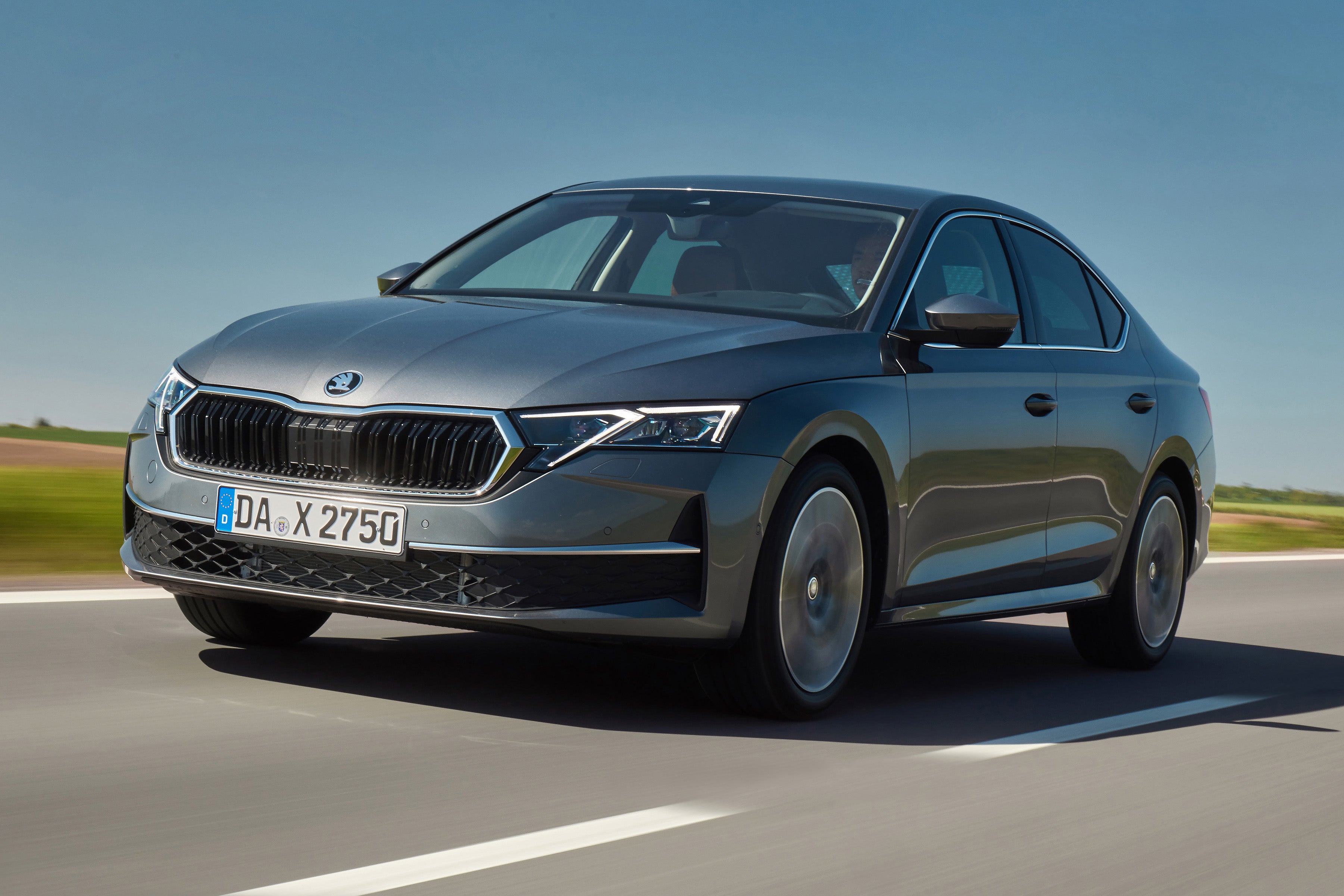
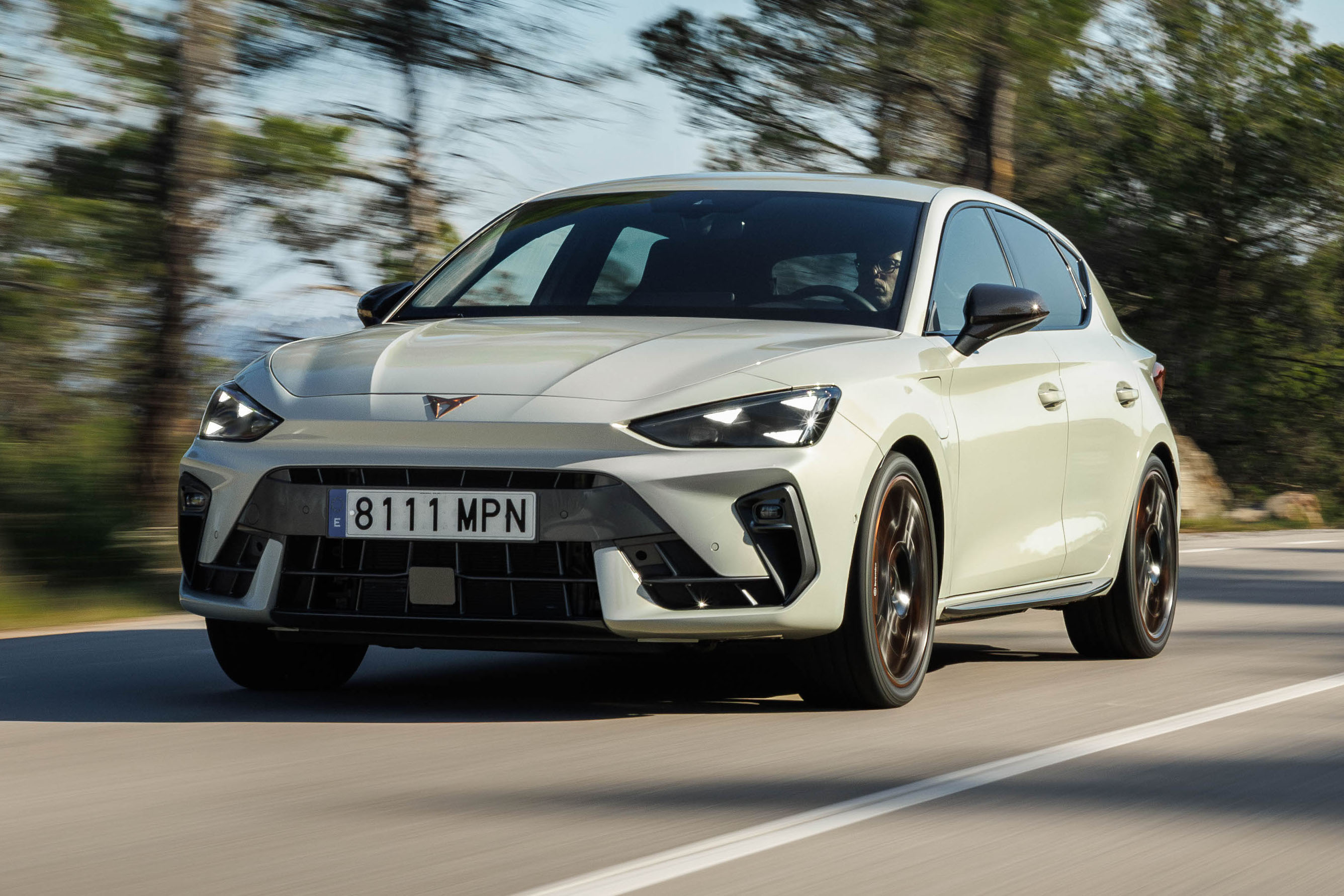
The Skoda Octavia remains one of the easiest family cars to recommend. It is roomy, comfortable and impressively practical. The 2024 facelift sharpened the design and improved the tech, but it did not change the Octavia’s basic appeal. This is still the sensible all-rounder in the Volkswagen Group family, perfect if you want bags of space without stepping into a bigger car. A SEAT Leon feels a little more stylish and a Volkswagen Golf feels a touch more polished, but the Octavia usually makes the most sense rationally.
The Skoda Octavia in more detail
While the Skoda Octavia is posher than ever before, it continues to hold the title of most practical car in its class. In fairness, that's because it's huge – it seems daft comparing it to cars like the Ford Focus, Vauxhall Astra and Kia Ceed. It's almost eating into Skoda Superb territory, with practicality rivalling the likes of the Volkswagen Passat and Vauxhall Insignia Grand Sport – and it will hold a lot more luggage than SUV alternatives like the Nissan Qashqai, Skoda Karoq and Peugeot 3008. Read our full Skoda Octavia review to find out how it stacks up against its many rivals.
Skoda added the Skoda Scala to its line-up to sit between the Octavia and smaller Fabia in terms of size and price, allowing the Octavia to command a slightly higher price tag. However, with list prices starting in the region of £28,000, it's far from expensive. And you'll notice that standard equipment is pretty generous, too, so it's not just a big boot that you'll get for your cash.
Browse used Škoda Octavias for sale →
Go for a high-spec Skoda Octavia SE L or SportLine and it feels particularly plush, with highlights including microsuede seats (and a microsuede dash covering), as well as ambient interior lighting and various splashes of chrome (both inside and out). While a more affordable Skoda Octavia SE Technology is the current entry-level model and is comprehensively equipped, with highlights including a larger 13-inch media system (we'll come onto that shortly...), rear parking sensors and 16-inch alloy wheels.
There's a choice of engines including petrol, diesel and mild hybrid power. The big seller is likely to be the 1.5-litre petrol which is available with manual or automatic gearboxes, but Skoda no longer offers the little 1.0-litre unit and there's no plug-in hybrid for the time being.
High-mileage drivers are catered for with the 2.0-litre TDI diesel which is available with 116PS or 150PS, letting you prioritise performance or fuel economy (not that any Octavia will be expensive to run).
If you're looking for an Skoda Octavia to drive around town, the plug-in hybrid Skoda Octavia is available as a used buy and can travel 37 miles under electric power alone, saving its 1.4-litre petrol engine for longer trips. If you're looking to find out more about hybrid cars, our guide to the best hybrid cars is a great place to start, while we also cover what is a hybrid car as well.
No matter which engine you go for in your Skoda Octavia, new or used, it's good to drive. And we don't mean in a 'cornering on the door handles' way – the Octavia is a really comfortable choice with a cushioned ride and impeccable refinement. It feels safe in the corners (if not as fun as a Ford Focus or SEAT Leon), while there's plenty of technology to make tackling city centres that bit easier.
Talking of technology, the 13-inch media system which is standard across the range looks pretty swanky but isn't the easiest to use on the move. It's something that you'll get used to with time, but what's wrong with old-fashioned buttons for adjusting the climate control or changing the volume? Maybe we're stuck in the past.
It's hard to overemphasise how much space there is in the Skoda Octavia. It's a very comfortable car for those in the front, while there's plenty of space in the back too. And the boot is massive – easily capable of swallowing up baby paraphernalia or golf trolleys. If you need even more space, there's the Skoda Octavia Estate, too. At the top of the pile sits the 265PS Octavia vRS, which gives the Octavia genuine pace without giving up too much of its everyday usability - check out our Skoda Octavia vRS review for more on that.
What's the best Skoda Octavia trim and engine option?
For most buyers, the best-balanced choice is an Octavia SE L with the 1.5 TSI e-TEC 150PS DSG engine. It has enough performance to feel effortless, the mild hybrid tech improves economy, the automatic gearbox suits the Octavia’s relaxed character, and SE L trim adds the extra level of swankiness that makes the Octavia feel like one of the posher cars in the class.
If you want to keep costs down, the SE Technology 1.5 TSI 116PS is still a sensible choice. It is not fast, but the performance is perfectly adequate, and while not as posh-feeling as the SE L, it still comes with a really good amount of standard equipment. It makes a lot of sense as a private buy if you just want a spacious family hatchback that does the basics well.
Drivers who spend most of their time on the motorway should not ignore the 2.0 TDI. That’s where the 150hp diesel DSG will deliver excellent economy, and it’s especially convincing if you regularly carry passengers and luggage.
What’s the price of the Skoda Octavia?
The current Octavia hatch starts at £28,505 for the SE Technology 1.5 TSI 116PS and rises to £40,610 for the range-topping Octavia vRS hatch. In between, the main part of the range sits in the low- to mid-£30,000 bracket, with SE L and SportLine versions accounting for the bulk of what most buyers will actually consider. There are also plenty of used Škoda Octavias for sale for considerably less.
That pricing keeps the Octavia very competitive. An equivalent Volkswagen Golf (which has the same platform, engines and tech) will cost more, and while the SEAT Leon (ditto) can look like slightly better value on paper, it doesn’t get close to the Octavia for outright practicality. The Octavia also makes a strong case against many smaller SUVs, which often give you less rear space and a smaller boot for similar money.
Alternatives to the Skoda Octavia
The most obvious alternatives come from within the Volkswagen Group. The Volkswagen Golf is the polished all-rounder of the family and feels slightly more premium, but it is less spacious and not as strong on value-for-money. The SEAT Leon is the sharper-looking option and feels a little more sporty and youthful, although it gives away some comfort and plenty of practicality. If boot space is the priority and you are happy to go bigger, the Skoda Superb is the natural step up.
The Toyota Corolla is worth a look if you want a dependable hybrid and do lots of urban driving, but it cannot match the Octavia for cabin and boot space. The Honda Civic is a strong rival if you want something that’s a bit more dynamic and efficient, but it is very pricey.
What's the interior like in the Skoda Octavia?
The Skoda Octavia’s interior is one of its biggest selling points. It feels more expensive than many cars in the class, there is plenty of room in both rows of seats, and the sheer sense of space makes it feel closer to a car from the class above than a typical family hatchback. The touchscreen-dependent operating interface isn’t ideal, but the cabin is very difficult to fault otherwise.
Skoda Octavia boot space and practicality
This is where the Octavia really earns its keep - You really could swing the proverbial cat inside, there's that much space on offer. The boot is massive compared to rivals – there's enough room for up to 600 litres of luggage, which is far more than you get in most rivals and enough to embarrass quite a few larger SUVs.
The rear seats can split 60/40 and are dropped easily using levers in the boot, leaving up to 1555-litres of space. The sheer length of the Skoda Octavia compared to rivals makes it the perfect choice for IKEA trips – it will happily gobble up a Billy bookcase or three.
With the rear seats left up, there's plenty of space for rear-seat passengers. That's providing you're not expecting to transport three adults side-by-side (in which case, the middle seat is a little on the narrow side and there's a lump in the floor eating into foot space). Head and legroom are both generous and you'll find enough storage for your knick-knacks – there's an armrest with cupholders and pockets on the back of the front seats.
If you're expecting a compromise, you certainly won't find it in the front. There's loads of space up front, including surprisingly big door pockets and a generously large (and cooled) glove box. You'll find a useful mobile phone tray in front of the gear lever and some conveniently positioned cup holders.
Skoda Octavia dimensions
The Skoda Octavia hatchback measures 4,698mm long, 1,829mm wide and 1,470mm tall. Those figures help explain why it feels so roomy inside. It is notably longer than many traditional family hatchbacks, which is why rear legroom and boot space are so strong. If you want a car that fits the family hatchback brief but gives you near-big-car practicality, the Octavia is one of the best.
Tech and infotainment in the Skoda Octavia
All current Octavia models get a 13.0-inch touchscreen with navigation, along with a 10.25-inch Virtual Cockpit digital driver display. Wireless Apple CarPlay and Android Auto are standard, as is wireless phone charging with cooling, five USB-C ports and an eight-speaker audio system. That’s a generous standard offering.
The central screen looks crisp and modern, but it’s not perfect. Like many cars these days, the Octavia requires you to use touch controls for too many everyday functions, which is more distracting than using physical buttons and dials. It means that the screen can look cluttered with on-screen icons, and some of those icons have a rather ambiguous design, making it even more difficult to pick out the one you need. Things get easier over time as you get more familiar with the system, but it could be more intuitive.
The good news is that the tech feels current rather than cut-price, and the screen is mounted high enough on the dash to be easy to read and reach. The digital instruments are also clear and configurable. If you are moving into the Octavia from an older Skoda, the cabin will feel like a meaningful step forward.
Materials available on the Skoda Octavia
The entry-level SE Technology version uses Skoda’s Loft Design Selection with fabric upholstery, or you can pay extra to switch to the Lodge Design Selection, which uses a mix of artificial leather and recycled fabric, and adds a fabric covering to the dashboard.
SE L trim moves the car further upmarket with the Lounge Design Selection: this gives you seats trimmed in microsuede and artificial leather, and a microsuede covering for the dash. Again, you can pay extra to upgrade further to one of the Suite Design Selections, with full leather/artificial leather in black or brown.
The SportLine and vRS trims get their own dedicated interior treatments. SportLine adds a darker, more purposeful look, and the vRS goes further again with sports seats, carbon-effect trim and red detailing.
Importantly, the quality of the Octavia’s cabin really impresses. The materials used are tactile as well as robust, and you won’t find a single panel inside the car that feels like a let-down. The sturdy way in which everything is assembled also contributes to the car’s substantial and sophisticated feel.
What's the Skoda Octavia like to drive?
The Octavia is comfortable, composed and reassuring on the road. It is easy to drive in town, settled on the motorway and quiet enough to make long journeys feel effortless. That’s precisely what a good family car should be.
Skoda Octavia range and performance
The Octavia’s engine range kicks off with a 1.5-litre TSI turbo petrol. It has 116PS in SE Technology form and comes in standard or mild-hybrid forms. There isn't a lot to separate them beyond the hybrid's marginally better CO2 emissions, slightly improved economy and - the big one - the hybrid’s seven-speed DSG automatic gearbox in place of the standard car’s six-speed manual gearbox. Either way, performance will be just about adequate for some drivers who do most of their driving in town, but there will be plenty of folk who want a bit more oomph from their car.
For those folk, the other trim levels get a 150PS version of the same engine, again either with a manual gearbox or with a DSG automatic and mild hybrid tech. Again, there’s not much to separate them on performance, but they have a much bigger advantage over the 116hp engine: there’s considerably more urgency as you pick up speed, and a lot more flexibility for a generally easier life. This is the engine choice we think will suit most drivers.
Of course, a lot of people buy Skoda Octavias to cover a lot of motorway miles. If that's you, we'd recommend the 2.0-litre TDI, which is again available with either 116PS or 150PS. The 116PS model is okay, but we'd recommend the 150PS version if it's within your budget: that extra grunt makes it much more relaxing to drive, especially with a full complement of passengers. Prior to the 2024 facelift, the lower-power diesel came with 115PS, but predictably, it’s pretty much impossible to tell the difference between new and old.
Also prior to the 2024 facelift, there was a 1.0-litre petrol available, which has now been discontinued, but will be available on the used market. Yet again, it was offered with either a manual gearbox, or with a DSG automatic and mild hybrid tech. With a fairly conservative 110hp, it felt a little out of its depth on the motorway, but was pokey enough for day-to-day town driving.
Also now discontinued but available on the used car market is the plug-in hybrid version of the Octavia, badged as the Skoda Octavia iV. This combined a 1.4-litre petrol engine with a big battery pack and an electric motor, producing a total of 245PS. That’s quite a lot of power but, with the weight of the batteries, it takes 7.7 seconds to accelerate from 0-62mph. Brisk, but not that fast given the output.
Performance data
| Model | Engine/battery size | Power | 0-62mph | Range/MPG |
|---|---|---|---|---|
1.5 TSI 116PS | 1.5-litre | 116PS | 10.4 seconds | 54.0mpg |
1.5 TSI e-TEC 116PS DSG | 1.5-litre | 116PS | 10.6 seconds | 56.4mpg |
1.5 TSI 150PS | 1.5-litre | 150PS | 8.5 seconds | Up to 53.2mpg |
1.5 TSI e-TEC 150PS DSG | 1.5-litre | 150PS | 8.5 seconds | 57.7mpg |
2.0 TDI 116PS | 2.0-litre | 116PS | 10.4 seconds | 65.8mpg |
2.0 TDI 150PS DSG | 2.0-litre | 150PS | 8.5 seconds | 63.0mpg |
2.0 TSI vRS | 2.0-litre | 265PS | 6.4 seconds | 40.9mpg |
Skoda Octavia driving and refinement
In regular trims, the Octavia’s main appeal is how relaxed it feels. It rides very well, doing a really good job of smoothing over poor surfaces at all speeds, but without becoming floaty. Broken-up urban surfaces are dealt with easily and with minimum fuss, and while you sometimes feel the Octavia’s larger size compared to a Golf or Leon on tight urban streets, the clear visibility and light controls make it easy to place. All current versions come with front- and rear parking sensors, too, while the SportLine and vRS have a reversing camera..
At a steady motorway cruise, meanwhile, the car is settled, serene and stable, with good suppression of wind- and road noise adding to the calm. What's more, all the engines stay distant and muted at 70mph.
It’s fair to say that the Octavia doesn’t feel quite as at home on a twisty country road, but that certainly doesn’t mean it feels out of place. Sure, some rivals make more of an effort to entertain, but the Octavia is utterly capable, with strong grip, decent body control, and steering that’s responsive and consistent.
How safe is the Skoda Octavia?
This generation of Skoda Octavia has been crash-tested by Euro NCAP on a number of occasions over the years to ensure its effectiveness against the latest safety standards, the last test of which took place in 2025. The good news is that, on that occasion, it matched the full five-star rating achieved in both its previous tests.
The standard roster of safety kit on the SE Technology version includes lane assist, front assist, turn assist, traffic sign recognition, driver fatigue alert, tyre pressure monitoring, cruise control with a speed limiter, and a strong airbag count: there are eight as standard, with another two available from the options list.
SE L adds a slightly more sophisticated lane assist system and adaptive cruise control. The latter item is removed on SportLine cars for some reason, but it’s reinstated on the vRS, and it’s joined by blind spot monitoring.
Running costs: What it's like to live with a Skoda Octavia
Low running costs are as big a part of the Octavia’s appeal as its space and purchase price. The petrol engines are frugal, especially when fitted with mild hybrid tech, while the diesels are very efficient with high-mileage use. Insurance costs are reasonable by class standards, and the vast majority of examples qualify for basic-rate VED road tax.
Skoda Octavia fuel economy
The official WLTP figures are strong across the line-up. The 1.5 TSI 116PS hatch manages up to 54.0mpg, while the mild hybrid 116PS DSG improves that slightly to as much as 56.4mpg. The more powerful 150PS mild hybrid hatch reaches up to 57.7mpg in SE L trim, which further cements that version as our pick of the range. The extra brawn of the stronger engine means you’re more likely to get somewhere close to that figure in real life, too. You’ll get up to 53.2mpg if you settle for the 150PS petrol without the mild hybrid tech.
The diesels are better still on the official figures. The 2.0 TDI 116PS hatch manages up to 65.8mpg officially, while the 150PS DSG diesel still returns up to 63.0mpg.
As always, you’ll get the best real-life returns with a diesel if most of your driving is done on the motorway, and that type of long-distance use is also better for the health of your engine. If your driving habits are more mixed, then the 1.5 mild hybrid petrol is the way to go.
Skoda Octavia warranty and servicing
The Octavia gets Skoda’s usual three-year warranty, made up of two years with unlimited mileage and a third year capped at 60,000 miles. If you want more cover, optional extended warranty packages can be had at extra cost.
Servicing is done in one of two ways. Low-mileage drivers who do mainly short journeys in urban areas, plus those who tow, are advised to keep to a fixed regime of a service every year or 10,000 miles. Higher-mileage drivers who do more motorway work can opt for a flexible regime where the car will tell you when it needs attention. This can allow anything between 9,000 miles and 24,000 miles - or a maximum of 24 months - between services.
Skoda Octavia insurance groups
Insurance groups for the current Octavia hatchback run from group 14 for entry-level versions up to group 27 for the vRS. The vast majority of versions sit in the high teens or very low twenties, though, which should make them reasonably affordable to cover.
How much does it cost to tax a Skoda Octavia?
Under the current tax rules, cars with a list price of below £40,000 when brand new - including optional extras - pay a flat rate of tax, that flat rate being £200 per year. Cars that cost more that threshold are also slapped with an additional ‘luxury car surcharge’, meaning that on top of that flat rate, you also pay another £440 per year for a five-year period between years two and six of the car’s life.
At present, no version of the Octavia hatchback costs more than £40,000 (excluding the vRS). However, remember that the price threshold is inclusive of options, and there are lots of those available, so a higher-end Octavia can easily be taken over the threshold if the buyer isn’t careful. Take care when speccing your new Octavia, or if buying used, check the specification of any potential purchase to be sure of what you’ll be liable for.
What trims are available with the Skoda Octavia?
The Octavia hatch line-up currently consists of SE Technology, SE L, SportLine and vRS.
Octavia SE Technology is the entry point to the range, but to be fair, there’s not all that much that it does without. You get the 13.0-inch touchscreen with navigation, a 10.25-inch digital driver display, wireless Apple CarPlay and Android Auto, wireless charging, alloy wheels, LED exterior lights, power adjusting and folding door mirrors, heated front seats, dual-zone climate control, front- and rear parking sensors, cruise control, keyless start and a solid suite of safety kit. For many buyers focused on value, that’ll be plenty.
Octavia SE L is where the Octavia starts to feel more premium, with a more luxurious interior treatment and ambient lighting. It also builds on the SE Technology’s kit levels, with larger alloy wheels, rear privacy glass, adaptive cruise control, handsfree powered bootlid, keyless entry and start, and a heated windscreen. This is the trim that we think best suits the Octavia’s character because it adds a little more opulence, but without taking the price too high.
Octavia SportLine is aimed at buyers who want a sharper look and a slightly more sporting feel. It brings gloss black exterior detailing, sportier styling cues, metallic paint, lowered sports suspension, and a few more toys including a reversing camera and selectable driving modes. It’s all very nice, but it looks pricey next to the SE L.
Then there is Octavia vRS, which stands apart as the performance flagship. It comes only with the 265PS petrol DSG and adds the expected mix of sports styling and a more focused chassis setup, but not all that much in the way of extra kit. Again, it looks expensive next to lesser Octavias.
Ask the Drive experts: common questions
Is the Skoda Octavia a good family car?
How big is the boot in a Skoda Octavia?
Which Skoda Octavia engine is best?
Is the Skoda Octavia better than a Volkswagen Golf?
Get our latest advice, news and offers
Keep me updated by email with the latest advice, news and offers from Drive.
.jpg)
.jpg)
.jpg)
.jpg)