24/06/2026
UK 2030 ban on new petrol and diesel cars explained

Written By David Ross

For years, the UK's planned ban on the sale of new petrol and diesel cars has been one of the biggest talking points for car buyers. With changing government announcements, new electric vehicle launches and rapidly improving hybrid technology, it's easy to be confused about what the rules actually mean.
The good news is that buying a new car isn't as complicated as some headlines suggest. The 2030 ban doesn't mean petrol and diesel cars will disappear overnight, nor does it mean you'll suddenly be unable to drive the car you already own. Instead, it marks another step in the UK's transition towards lower-emissions.
Whether you're considering a petrol hatchback, a diesel SUV, a hybrid family car or your first electric vehicle, understanding how the rules affect you will help you make the right decision.
Here's everything you need to know.
What is the 2030 petrol and diesel ban?
The UK Government plans to end the sale of most new petrol and diesel cars from 2030 as part of its wider strategy to reduce carbon emissions and improve air quality. The key point is that the ban applies only to new vehicles sold for the first time. It does not affect cars that are already on the road.
You will still be able to own, drive, insure, service and sell existing petrol and diesel vehicles after 2030. Many hybrid models will continue to be sold beyond 2030, provided they meet the Government's emissions requirements, before further changes are introduced in 2035.
Can I still buy a petrol or diesel car?
Yes. If you're buying a used car, nothing changes. Petrol and diesel vehicles will continue to be available on the used market for many years after 2030.
If you're buying new, manufacturers will continue selling eligible models until the deadline, and many buyers will still choose petrol, diesel or hybrid vehicles during the transition.
Even after new petrol and diesel sales end, millions of existing vehicles will remain on UK roads throughout the 2030s and beyond. The used market is expected to remain strong because demand for affordable petrol and diesel cars will continue for many years.
Can I keep driving my petrol or diesel car after 2030?
Absolutely. There is no requirement to scrap or replace your current vehicle simply because the calendar reaches 2030. As long as your car remains roadworthy, insured, taxed and passes its MOT, you can continue driving it exactly as before.
Fuel forecourts will also continue selling petrol and diesel for many years because millions of vehicles will still require them. For most motorists, ownership will continue exactly as normal.
Should I still buy a petrol car?
For many drivers, yes. Petrol cars remain an excellent choice if you cover relatively modest annual mileages, mainly drive around town or don't have access to home charging. Modern turbocharged petrol engines are quieter, cleaner and considerably more efficient than older generations. They're also generally cheaper to buy than equivalent hybrids or electric vehicles.
If you typically drive fewer than 10,000 miles a year and don't regularly drive long motorway journeys, a petrol car could still be the most cost-effective option. Models such as the Volkswagen Golf, Audi A3 and Skoda Octavia continue to offer an excellent balance of performance, economy and everyday usability.
Does diesel still make sense?
Despite years of negative headlines, diesel remains the right choice for certain drivers. If you regularly cover long motorway journeys or drive more than 15,000 miles each year, a modern diesel can still deliver outstanding fuel economy. Latest-generation diesel engines produce far lower emissions than older models thanks to systems such as AdBlue and diesel particulate filters.
Drivers who spend hours each week on motorways may still find a diesel more economical than an equivalent petrol or plug-in hybrid. The key is matching the engine to your driving. Diesels don't perform at their best if they're used mainly for short urban journeys where the DPF doesn't get hot enough.
Are hybrids the best compromise?
For many buyers, hybrids now offer the best balance between traditional petrol power and full EVs. Self-charging hybrids reduce fuel consumption without needing to be plugged in, making them ideal for drivers who don't have access to home charging.
Plug-in hybrids go a step further by allowing many everyday journeys to be completed entirely on electricity before switching to the petrol engine for longer trips. The latest Volkswagen Group plug-in hybrids can travel up to 88 miles on electric power alone, making them ideal for company car drivers and those who can charge overnight. If you're not quite ready for a fully electric car, a hybrid is often the easiest transition.
Should I buy an electric car instead?
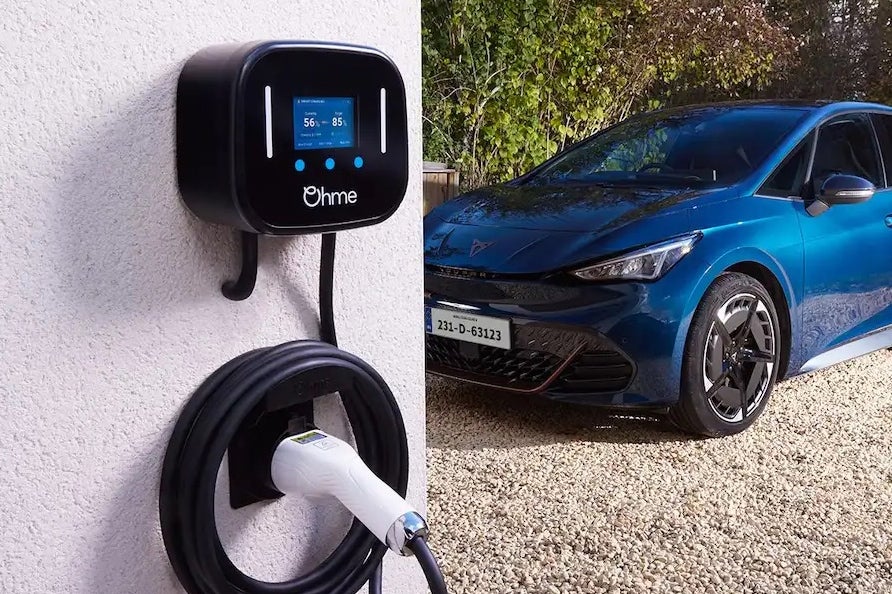
Electric cars make more sense than ever, but they still aren't the perfect solution for everyone. If you have off-street parking and can install a home charger, running costs can be much lower than a petrol or diesel equivalent.
Most modern EVs comfortably exceed 250 miles between charges, while public charging infrastructure continues to expand across the UK. However, if you regularly tow, drive extremely high mileages or rely entirely on public charging, an electric vehicle is not for you. The right answer depends entirely on how and where you drive.
How does the ban affect company car drivers?
Company car drivers are already moving rapidly towards electrified vehicles. Benefit-in-Kind tax strongly favours electric cars and long-range plug-in hybrids, making them considerably cheaper to run through salary sacrifice or fleet schemes than traditional petrol and diesel models.
As manufacturers continue expanding their electric line-ups, more employers are choosing EVs as their default company car offering. For private buyers, however, the decision is less clear-cut. Running costs, charging access and purchase price remain just as important as tax considerations.
What does this mean for buying a car today?
The 2030 ban shouldn't be the deciding factor when choosing your next car. Instead, think about how you actually drive.
If most of your journeys are short and you can charge at home, an electric vehicle could save you significant money over time.
If you regularly mix local driving with longer weekend journeys, a plug-in hybrid may offer the best of both worlds.
If you cover high motorway mileages, a modern diesel can still make excellent financial sense.
And if your annual mileage is relatively low, there's absolutely nothing wrong with choosing a petrol car.
The best car isn't determined by government policy – it's the one that best fits your life, budget and driving habits.
What this means for you
The UK's move away from new petrol and diesel cars is a gradual transition rather than an overnight change. Existing vehicles will remain on the road for many years, while buyers will continue to have a wide choice of petrol, diesel, hybrid and electric models throughout the transition.
Rather than focusing on the headline date, concentrate on choosing the car (and power) that suits your driving. By considering your annual mileage, access to charging and long-term running costs, you'll end up with a car that's right for you today and well into the future.
New petrol and diesel cars will be banned from sale in 2030. However, you can continue to drive, buy, and sell used petrol cars indefinitely after that date.
Yes, absolutely. You can buy new petrol and diesel cars until 2030, and hybrids until 2035. The used market for these cars will continue to thrive for decades.
No. There are currently no plans to ban the sale or use of second hand petrol or diesel vehicles. Millions of ICE vehicles will be on UK roads well into the 2040s.
If you can charge at home and your daily mileage fits an EV's range, switching now offers significant savings on running costs and tax. However, if you aren't ready, a hybrid is an excellent middle ground that remains legal to buy new until 2035.
Not necessarily. Millions of motorists will continue driving petrol and diesel vehicles well beyond 2030, meaning demand for good used examples is expected to remain strong for many years.