29/06/2026
V5C logbook explained: what it is and why it matters

Written By David Ross
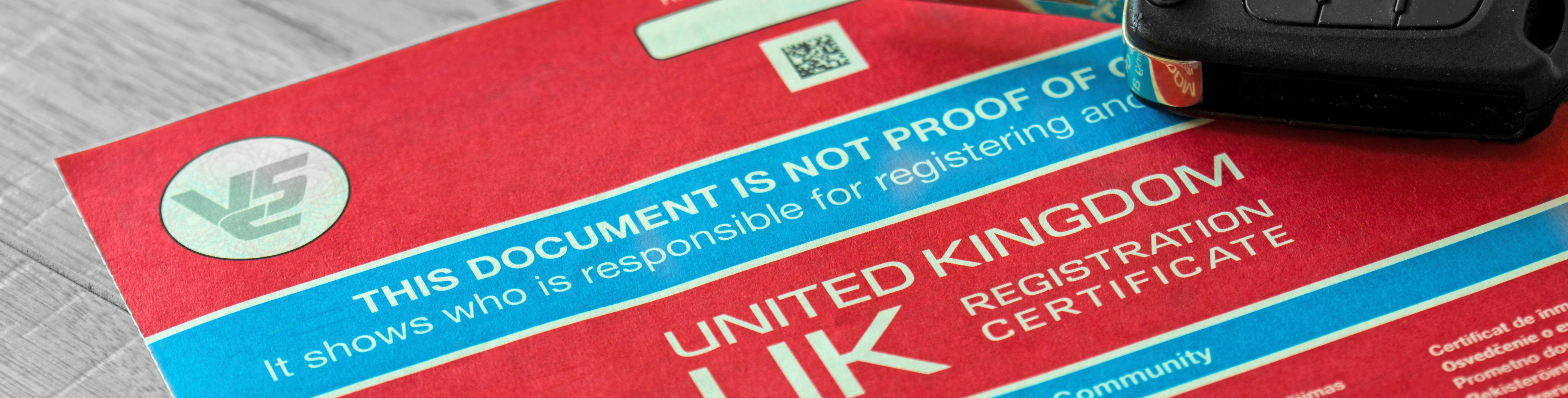
Whether you're buying your first car, selling your current one or simply changing address, you'll almost certainly come across the V5C logbook. It isn't the most exciting piece of paperwork you'll ever own, but it's one of the most important.
The V5C is the document that records who is responsible for a vehicle and contains all of its key registration details. If the information is wrong, it can delay a sale, cause problems with road tax or mean important letters from the DVLA ends up at the wrong address.
In this guide, we explain exactly what a V5C is, what information it contains, when you'll need it and how to update it.
What is a V5C logbook?
A V5C is the official vehicle registration certificate issued by the UK's Driver and Vehicle Licensing Agency (DVLA). It records important information about the vehicle and identifies its registered keeper.
One of the biggest misconceptions is that a V5C proves ownership. It doesn't.
The registered keeper is simply the person responsible for registering, taxing and keeping the vehicle. The legal owner may be someone else entirely. For example, if you've bought a car on finance, the finance company may legally own it until the agreement ends, while you remain the registered keeper. Likewise, company cars and leased vehicles often have different owners and keepers.
Although many DVLA services are now available online, the V5C remains an essential document whenever a vehicle changes keeper or important details need updating.
What information is on a V5C?
Your V5C contains a comprehensive record of the vehicle, including:
Registration number
Vehicle Identification Number (VIN)
Make, model and engine size
Fuel type
Colour
CO2 emissions
Date of first registration
Taxation class
Registered keeper's name and address
Number of previous registered keepers
When buying a used car, it's worth checking that the VIN on the V5C matches the VIN stamped into the vehicle itself, along with the registration number and other key details.
If anything doesn't match, ask questions before buying.
When do you need your V5C?
Most people only reach for the logbook a handful of times during ownership, but those occasions are important.
Buying or selling a car
Whenever ownership responsibility changes, the registered keeper details must be updated with the DVLA. If you're buying privately, the seller should complete the change of keeper online or by post. You'll receive the green V5C/2 new keeper slip, which allows you to tax the car immediately while you wait for your new V5C to arrive.
If you're selling your car, you should complete the transfer as soon as the sale is complete. Until the DVLA has been notified, you remain responsible for the vehicle. This is far quicker and easier online.
Changing your address
If you move house, update your V5C as soon as possible. Failing to do so could mean speeding notices, parking penalties or other legal correspondence are sent to your previous address, potentially leading to larger fines if you don't respond.
Updating your address is free and can usually be completed online.
Making changes to the vehicle
Certain modifications must also be recorded on your V5C, including:
colour changes
engine replacements
changes to fuel type
alterations that affect taxation or registration
Keeping the information accurate helps ensure DVLA records and your insurance details remain consistent.
How to update your V5C
Most changes can now be completed through the DVLA's online services, making the process much quicker than it once was.
Common updates include:
Changing your address
Notify the DVLA online after moving home. Your replacement V5C usually arrives within a few days.
Selling the vehicle
You can notify the DVLA online using the reference number on your V5C. The buyer receives a new logbook, while you'll receive confirmation that you're no longer responsible for the vehicle.
Replacing a lost logbook
If your V5C has been lost, damaged or destroyed, you can apply for a replacement from the DVLA. There's currently a £25 fee for a replacement certificate.
If you're planning to sell your car, it's worth ordering a replacement before advertising it, as many buyers are understandably cautious about vehicles without a logbook.
Should you keep your V5C in the car?
No. Unlike your insurance certificate or breakdown details, your V5C should be stored securely at home. If someone steals both your car and its logbook, it makes it easier for criminals to impersonate the registered keeper or attempt to sell the vehicle fraudulently.
What this means for you
The V5C isn't just another piece of paperwork to file away. It's one of the key documents that proves you're the registered keeper and allows you to buy, sell and tax your vehicle.
Before buying a used car, always check that the information on the V5C matches the vehicle you're viewing. If you're selling your own car, make sure the details are accurate before advertising it. And if you've recently moved house, updating your logbook should be one of the first jobs on your checklist.
Keeping your V5C up to date only takes a few minutes, but it can save a great deal of hassle later on.
No. A V5C identifies the registered keeper, not the legal owner. If a vehicle is on finance or lease, the finance company may own the car while you are listed as the registered keeper.
You can, but it's much more difficult. Most dealers won't accept a part exchange without one, and many private buyers will be reluctant to proceed. If your logbook has been lost, it's usually best to apply for a replacement before selling.
If you've bought a vehicle or updated your details online, a replacement V5C normally arrives within five working days. Postal applications can take longer.
No. They're separate records. You must update both your driving licence and your V5C individually when you move home