15/07/2026
What are Euro 4 emissions standards?

Written By Andrew Brady
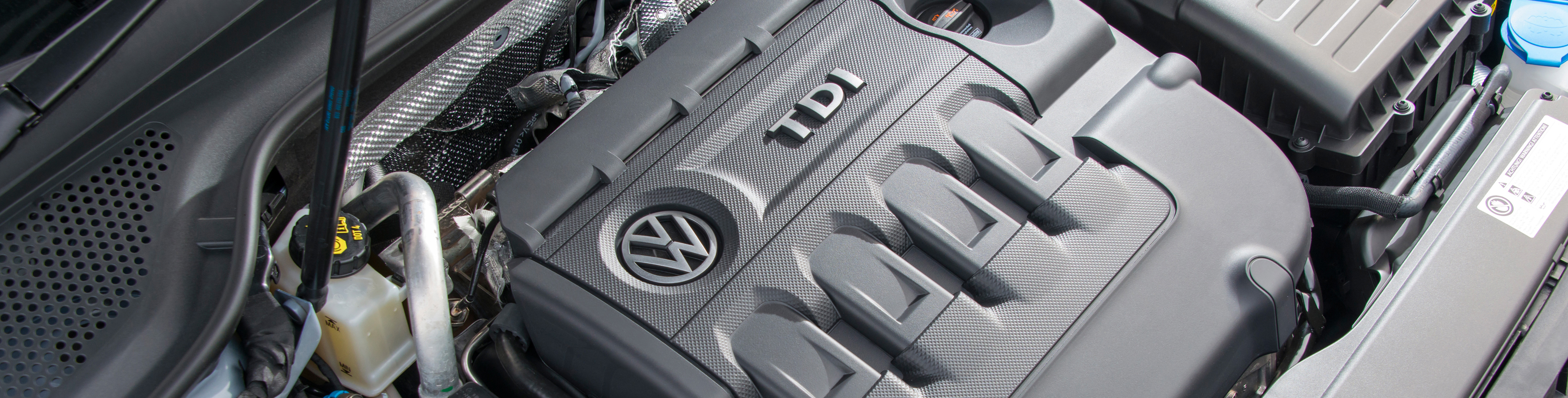
Euro 4 emissions regulations were introduced in January 2006 with the aim of reducing vehicle exhaust pollution, specifically particulate matter and nitrogen oxides.
While Euro 4 standards represented a significant step forward back in 2006, cars are much cleaner now than they were back then. That means, if your car is Euro 4 compliant at best, it could still be harmful for the environment. It's bad news if you live in a city centre, too – keep reading to find out what Euro 4 could mean to you and your car.
What are Euro 4 emissions standards?
Euro 4 emissions were introduced on all brand new model ranges from January 2005 and all newly registered cars from January 2006. To pass Euro 4 standards, petrol cars had to produce Carbon Monoxide (CO) of no more than 1.0g/km, Total Hydro Carbon (THCs) emissions of no more than 0.10g/km and Nitrous Oxide (NOx) emissions of 0.08g/km.
Diesels have it a lot tougher, for them to pass Euro 4 standards, they needed to produce CO of less that 0.50g/km, THCs plus NOx emissions of no more than 0.30g/km and Particulate Matter of less than 0.025g/km. For this reason, Euro 4 diesels were some of the first to get Diesel Particulate Filters, although most got them much later on.
What do Euro 4 emissions standards mean to my petrol car?
Euro 4 emissions are the lowest standard your petrol car can be in order to be allowed to enter the London Ultra Low Emissions Zone (ULEZ). Originally, ULEZ operated in the same area as the London Congestion charge, but it expanded from 25 October 2021 and means if your petrol car doesn't qualify for Euro 4 or higher, you'll have to pay £12.50 to drive it anywhere within the North and South Circular Roads.
It's a charge that'll make many petrol cars registered before January 2006 uneconomic to own in London unless they are 40 years old or older, in which case they qualify for an exemption as an historic vehicle.
What do Euro 4 emissions standards mean to my diesel car?
It's an even bleaker story if you own a diesel car. In fact, for a diesel car to meet the ULEZ standard it needs to be Euro 6 compliant, standards that only came into force from September 2015. In other words, there are scores of diesel cars used in and around London that are be required to pay £12.50 a day, every day.
Compared with older types, Euro 4 diesel engines got an improved catalytic convertor that is able to filter out contaminants such as sulphur and carbon monoxide more efficiently. That said, by modern standards Euro 4 diesels aren't very clean and many do without a Diesel Particulate Filter (DPF) that removes the nasties from the exhausts of modern diesels.
Euro 4 applied to all new cars – including petrols – registered from 1 January 2006. These European emissions standards brought a significant reduction in the permissible limits for CO and NOx gases.
Euro 4 limits restricted the amount of carbon monoxide (CO), hydrocarbons (HC) and nitrogen oxides (NOx). As well as reducing those totals, Euro 5 added a limit on the amount of non-methane hydrocarbons that could be emitted by your car's exhaust.