Audi A7 Sportback (2018-2024) Review

Written By Andrew Brady
- 2018
- Hatchback
- Petrol, diesel, plug-in hybrid
What we love
Dramatic styling with real presence
Superb cabin quality and strong tech
Hatchback practicality in a luxury-car package
Things to consider
More of a refined cruiser than a sports car
Some versions have a firmer ride
Many cabin functions rely on the touchscreens
The DRIVE take on the Audi A7, is it the right car for you?
The Audi A7 Sportback remains a very convincing used luxury car if you want the sense of occasion of something more exotic than a conventional executive saloon without sacrificing too much practicality. It's not as soft-riding as its looks might suggest, and it's not the most engaging car of its type, but it blends style, quality and everyday usability with real polish. If you want a premium five-door that still feels special years on, the A7 Sportback makes a very strong case.
The Audi A7 in more detail
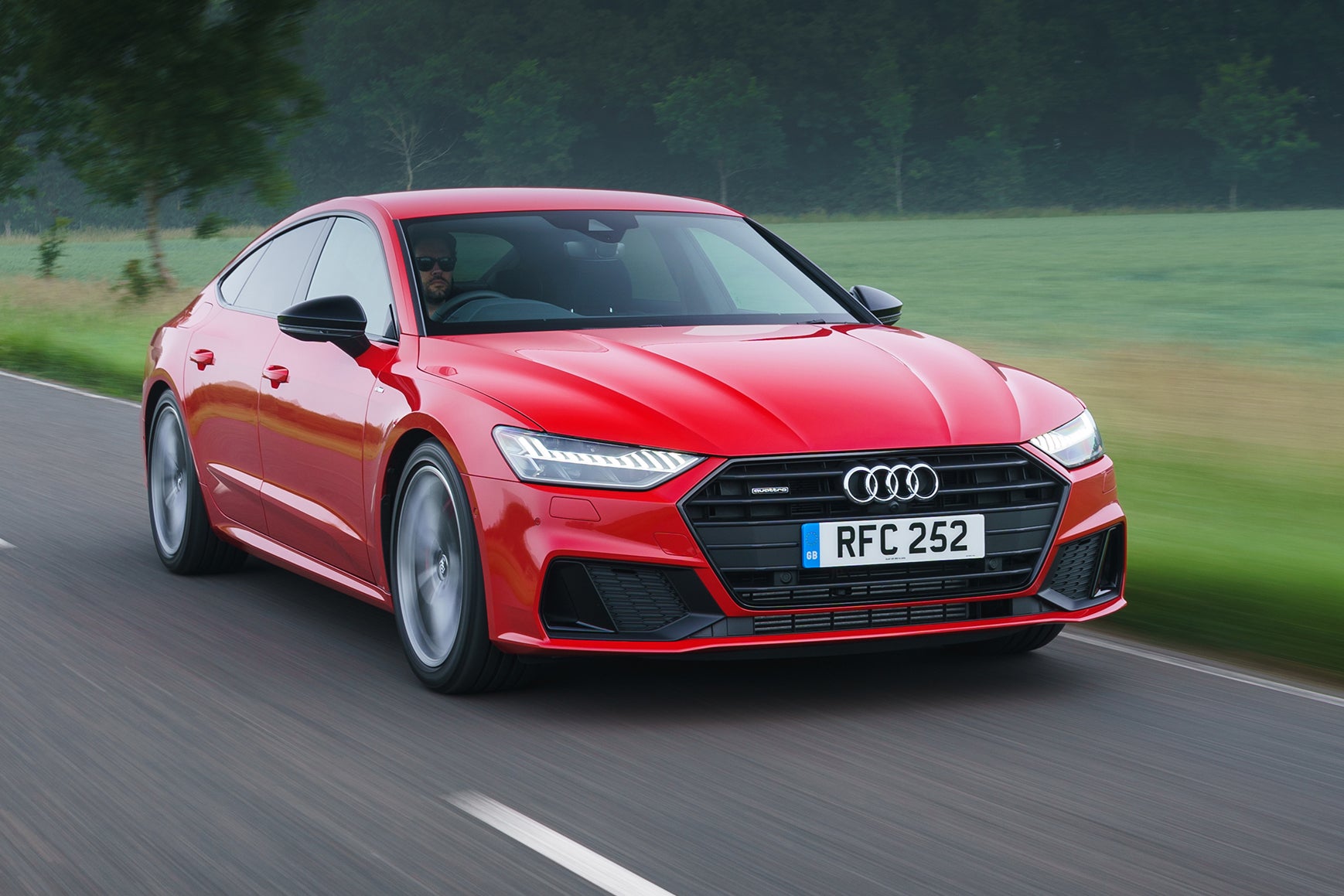
The A7 Sportback always sat in one of Audi’s more interesting niches. It took much of the luxury and technology of the A6 and A8, then wrapped it in a body that looked far more dramatic than either. That instantly gave it a different kind of appeal. This was not the obvious boardroom saloon or a default family estate, it was the car for buyers who still wanted a premium long-distance machine, but didn’t want it delivered in the most conventional shape.
That remains the key to its appeal as a used car. The A7 Sportback still has a real sense of occasion about it, both outside and in. The low roofline, wide stance and hatchback tailgate give it a very different presence from a typical luxury saloon, while the cabin has enough screen-heavy theatre and material quality to make it feel expensive in the right ways.
It's also more practical than the styling first suggests. Rear headroom is slightly tighter than in an A6 or A8, but not to the point that the car stops making sense for real passengers, and the hatchback boot is genuinely useful. That makes the A7 easier to live with than many cars bought primarily for style.
This version of the A7 should be treated as a standalone used car, as it’s reached the end of its production life with no direct like-for-like successor in the current range.
What's the best Audi A7 trim and engine option?
The trim level we recommend is the entry-level Sport. It comes with all the luxury kit you’d need, but more importantly, it has a more forgiving suspension than S line and Black Edition models, so it’s more comfortable. The Vorsprung models have an air suspension as standard, which is a bit better, but these are too pricey to recommend.
On the engine front, we reckon most folks will be fine with the entry-level diesel, which has enough go, but if you want more poke - which in a glamorous car like the Audi A7 Sportback, you might well go for one of the smooth and powerful V6 diesels. You could upgrade to the S7 with its potent diesel V6, or even go the whole nine yards with the RS7 and its 630PS 4.0-litre V8 motor.
What’s the price of the Audi A7?
Used Audi A7 Sportback prices now start from around £22,000 for earlier, higher-mileage cars, while later plug-in hybrids, upper trims and the more powerful S7 or RS7 sit much higher.
That means there's still a decent spread of choice in the used market, but specification matters a lot here. Wheel size, suspension setup, trim and engine all have a noticeable effect on how convincing the car feels.
For many buyers, the smartest buys sit in the middle of the range rather than at either extreme.
Alternatives to the Audi A7
The Mercedes-Benz CLS is the most obvious direct alternative if you want a similarly sleek luxury five-door, while the BMW 8 Series Gran Coupe is the more driver-focused but more expensive way into this sort of car.
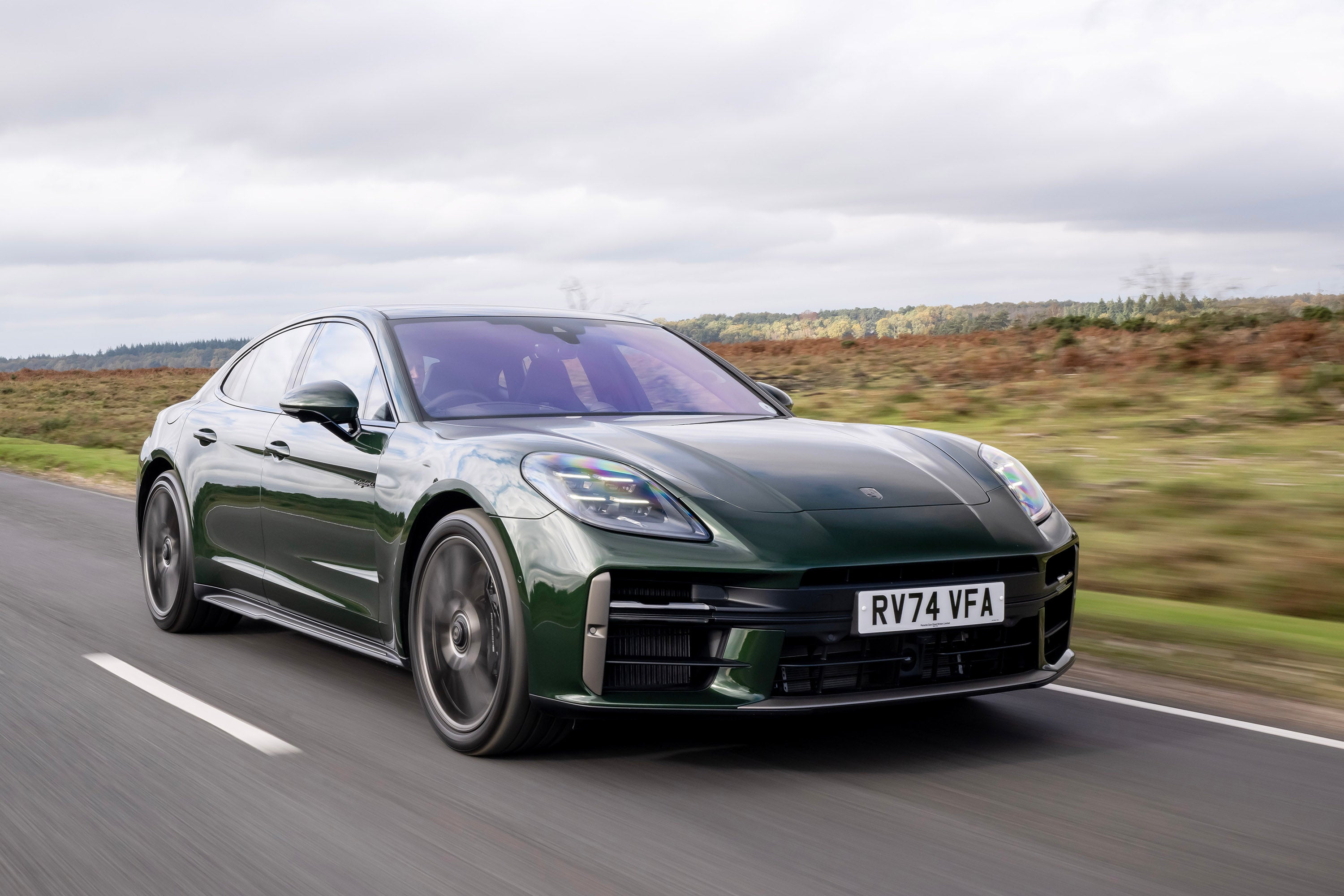
The Porsche Panamera is another step up if you want genuine dynamic sparkle, while the BMW 6 Series Gran Turismo remains a more left-field take on the same broad idea.
The A7 Sportback’s strength is that it feels like one of the most rounded cars in this niche. It's more practical than many style-led alternatives, but still looks special enough to justify choosing it over a conventional executive saloon.
What's the interior like in the Audi A7?
The Audi A7 Sportback’s interior remains one of its strongest selling points. It's dramatic, modern and full of visual theatre, but it's also built with the sort of solidity and material quality you would expect from a high-end Audi.
Audi A7 boot space and practicality
The A7 Sportback makes a stronger practicality case than its sleek profile suggests. Up front there's plenty of room, the driving position is excellent and the general sense of space is more limousine-like than coupe-like.
Rear-seat space is also better than you might expect. Headroom is not quite as generous as in an A6 or A8, but there's still enough for six-foot adults to sit comfortably in the back. The middle rear seat is less convincing, though, because shoulder room is tighter and the centre position is not especially welcoming.
The boot is a real strength. At 535 litres, it's generously sized, and because the A7 uses a hatchback opening rather than a conventional saloon boot it's much easier to load bulky items. The 40:20:40 split-folding rear seats add useful flexibility too.
The plug-in hybrid is the obvious caveat. Its battery packaging cuts boot space to 380 litres, so if outright carrying ability matters to you, the conventional petrol and diesel versions make a lot more sense.
Audi A7 dimensions
The Audi A7 Sportback measures 4,969mm long, 2,118mm wide and 1,422mm high. That gives it the sort of footprint you’d expect from a luxury car, but the low, sleek body makes it feel more distinctive than a regular executive saloon.
It's a big car, but one that wears its size well.
Tech and infotainment in the Audi A7
The A7 Sportback’s technology is central to its appeal. The dual-screen dashboard gives the cabin a very modern, very digital feel, and even now it still looks suitably high-end.
The top screen handles infotainment and navigation, while the lower screen deals with climate and convenience functions. The graphics are sharp and the overall presentation feels properly premium, but the system is not as intuitive as older Audi setups with physical controls and rotary inputs.
Cars in Vorsprung trim feel especially lavish, but even regular versions have plenty of the tech and visual theatre that buyers will want from a luxury Audi.
Materials available on the Audi A7
Material quality is excellent. The dash, switchgear, steering wheel and trim all feel expensive and carefully assembled, and there's a lot of sensory appeal in the way the cabin is put together.
This is one of those cars that still feels special simply because of how solid and lavishly finished it's. That matters on the used market, where the A7’s cabin still goes a long way towards justifying the badge and the price.
What's the Audi A7 like to drive?
The A7 Sportback is best understood as a stylish luxury GT rather than a true driver’s car. It majors on refinement, stability and big-mile ability rather than entertainment.
Audi A7 range and performance
Used buyers will mainly be choosing between the diesel-powered 40 TDI, 45 TDI, and 50 TDI, the petrol 45 TFSI and 55 TFSI and the 50 TFSI e plug-in hybrid, depending on year and trim. The 40 TDI is the key engine in the range for most buyers.
It has enough low-down shove to suit the A7’s size, feels reasonably refined and keeps the running costs within sensible bounds for a car of this type. The V6 diesels are smoother and more effortless again, especially the 50 TDI, while the 45 TFSI and 55 TFSI petrols are the options to look at if you want quieter petrol power and are less worried about fuel bills.
The 50 TFSI e is the left-field choice. It offers an official electric range of up to 42 miles in later form, but its battery cuts into boot space and it only really makes sense if you can charge regularly.
Performance data
| Model | Engine/battery size | Power | 0-62mph | Range/MPG |
|---|---|---|---|---|
A7 Sportback 40 TDI S tronic | 2.0-litre | 204PS | 6.8 seconds | Up to 50mpg |
A7 Sportback 45 TDI S tronic | 3.0-litre | 245PS | 6.2 seconds | Up to 41mpg |
A7 Sportback 50 TDI quattro Tiptronic | 3.0-litre | 286PS | 5.7 seconds | Up to 40mpg |
A7 Sportback 45 TFSI quattro S tronic | 2.0-litre | 245PS | 6.0 seconds | Up to 34mpg |
A7 Sportback 45 TFSI quattro S tronic | 2.0-litre | 265PS | 6.0 seconds | Up to 35mpg |
A7 Sportback 55 TFSI quattro S tronic | 3.0-litre | 340PS | 5.1 seconds | Up to 34mpg |
A7 Sportback 50 TFSI e quattro S tronic | 2.0-litre | 299PS | 5.8 seconds | Up to 41 miles electric range |
Audi A7 driving and refinement
The A7 Sportback feels stable, composed and very substantial on the road. Around town it's manageable enough, with light steering and the standard camera and parking sensors helping to shrink the car around you.
On a motorway or fast A-road, the Audi really comes into its own. It feels hushed, planted and expensive in the way a luxury car should, which is why it makes such a convincing long-distance companion.
Ride comfort is more mixed than you might expect, though. Sport models are usually the ones to seek out because they avoid the stiffer suspension of S line and Black Edition cars, but even then the A7 is not the softest luxury car of its type.
Handling is tidy, assured and safe rather than exciting. Grip is strong and body control is well judged, but the steering is remote and the car never really encourages you to chase enjoyment for its own sake. That's not necessarily a criticism, because the A7 is better understood as a stylish luxury GT than as a four-door sports saloon.
How safe is the Audi A7?
The A7 Sportback scored the maximum five-star rating from independent safety organisation Euro NCAP in 2018 and came with a strong core safety package, including autonomous emergency braking, lane assistance and a broad spread of passive safety equipment.
Higher-spec cars and those fitted with the optional assistance packs add more of the clever semi-autonomous features that were a big part of the A7’s showroom appeal when new. As ever, it's worth checking the exact specification of any used example.
Running costs: What it's like to live with a Audi A7
The A7 Sportback isn’t a cheap car to run in absolute terms, but it's manageable enough if you choose carefully. The 40 TDI keeps fuel and tax more under control than the larger engines, and the used market is now broad enough that you do not need to buy an unsuitable car just for the badge or the shape.
The biggest trap is over-specification. Larger wheels, stiffer trims and bigger engines all make the A7 less comfortable and more expensive to own, which is why the smartest used buys are often the less flashy ones.
Audi A7 fuel economy
Fuel economy varies quite a bit across the range. The 40 TDI is the most sensible all-round choice, while the V6 diesels hover at around the 40mpg mark in official terms and the petrols are notably thirstier.
The plug-in hybrid can look spectacular on paper, but as always that only really stacks up if you charge it regularly and make the most of its electric range which is up to around 41 miles. If not, you’re carrying the weight and complexity without reaping the real benefit.
Audi A7 warranty and servicing
Any remaining manufacturer warranty will depend on the age of the car, but Audi Approved Used examples remain the most reassuring place to start.
Audi Approved Used currently includes a minimum of 1 year Audi Warranty, 1 year Roadside Assistance and a 30 day exchange plan, which adds useful reassurance on a used luxury Audi.
Audi servicing is generally straightforward, but on used examples it's still worth checking the history carefully, especially on plug-in hybrid cars and on higher-end models with more complex chassis systems.
Audi A7 insurance groups
Insurance varies significantly across the range, but even the more modest versions sit firmly in luxury-car territory, starting at insurance group 40 and rising to the maximum group 50.
The 40 TDI is the sensible place to start, while upper-end petrols, plug-in hybrids and performance models climb rapidly. As always, it's worth checking quotes before you buy.
How much does it cost to tax a Audi A7?
The standard annual Vehicle Excise Duty (VED or road tax) rate is now £200, or £17.50 a month by Direct Debit.
However, if the car’s original list price was more than £40,000 – and most A7s were – you’ll also have to pay the Expensive Car Supplement for five years from the second year. That takes the annual bill to £640, or £56 a month by Direct Debit.
What trims are available with the Audi A7?
A posh - not to mention expensive - car like the Audi A7 Sportback needs to have lots of creature comforts and you won’t feel short-changed. Even entry-level Audi A7 Sportback Sport trim comes with two-zone climate control, leather upholstery, cruise control, LED ambient lighting, keyless go, heated front seats, a powered tailgate and automatic lights and wipers, on top of all the infotainment and safety gear we mentioned earlier.
Audi A7 Sportback S line cars add the sports suspension along with sports front seats in leather and Alcantara, while the Audi A7 Sportback Black Edition models add nothing except a few visual upgrades.
The range-topping Audi A7 Sportback Vorsprung model, meanwhile, comes fully loaded, with four-zone climate control, a panoramic roof, heated rear seats, power-closing doors, air suspension and all-wheel steering. However, this trim is now reserved for the S7 and RS7.
Ask the Drive experts: common questions
Is the Audi A7 Sportback still on sale new in the UK?
Is the Audi A7 Sportback still worth buying?
Which Audi A7 Sportback engine is best?
Should I buy the Audi A7 Sportback or a Mercedes CLS?
Get our latest advice, news and offers
Keep me updated by email with the latest advice, news and offers from Drive.