BMW X3 Review

Written By Ivan Aistrop
- 2024
- SUV
- Petrol, diesel, plug-in hybrid
What we love
Big, practical cabin with a strong boot
Feels more agile than most SUVs this size
Broad engine range with a useful plug-in hybrid option
Things to consider
Prices are high and options add up quickly
Some rivals feel richer in a few cabin details
Key driver-assistance features still sit in paid packs
The DRIVE take on the Bmw X3, is it the right car for you?
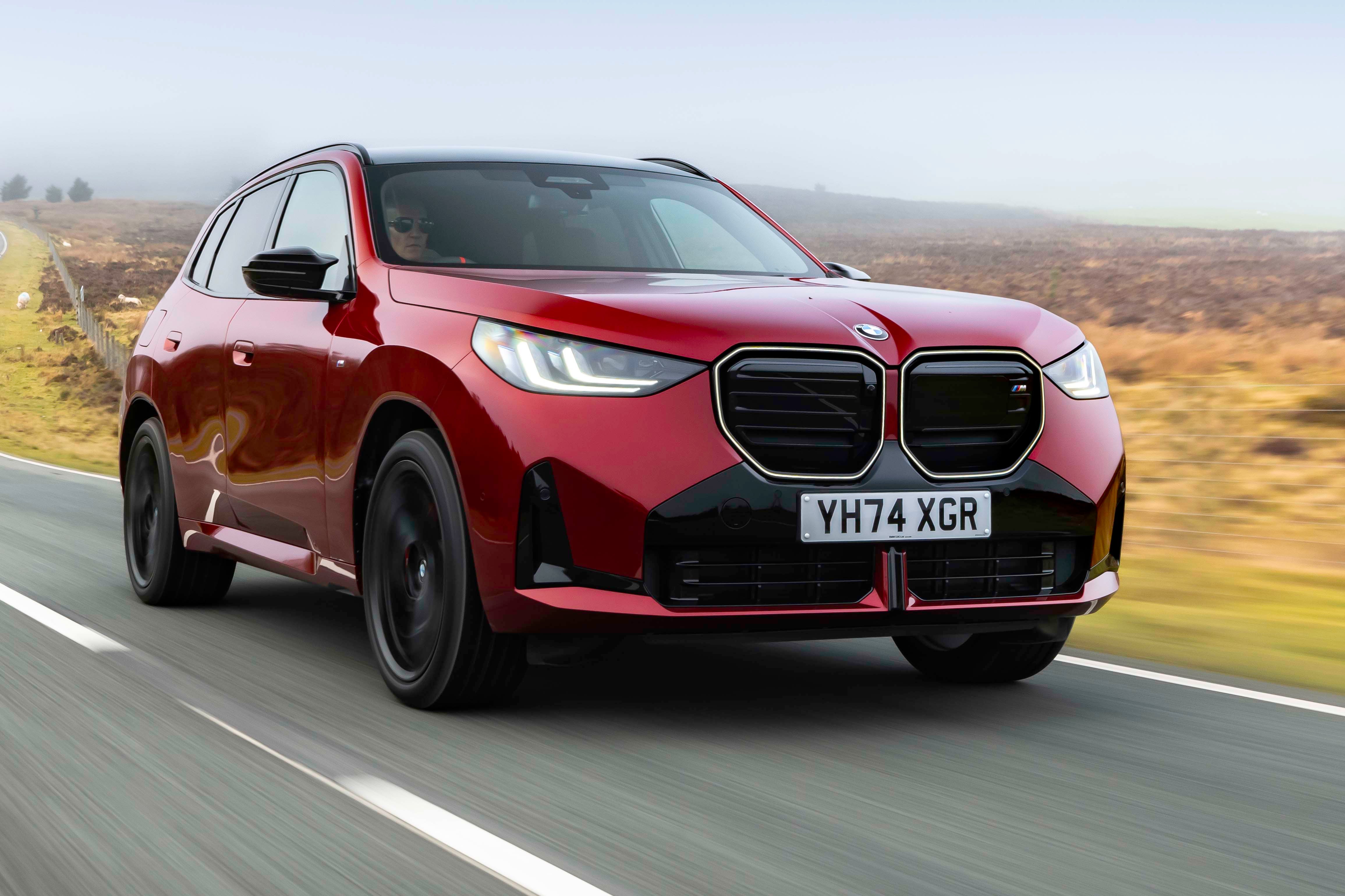
The BMW X3 is still one of the most convincing premium family SUVs you can buy. It is spacious, practical and smart inside, but it also manages to feel more tied down and more enjoyable to drive than most alternatives of this size. It is not cheap, and some rivals feel slightly more indulgent in their ride or cabin finish, but as an all-rounder the BMW X3 is very easy to shortlist.
The Bmw X3 in more detail
BMW has sold millions of X3s for good reason. It sits in a part of the SUV market where buyers want enough size for family life, enough premium polish to justify the badge and enough driver appeal not to feel they have given up entirely on enjoying themselves at the wheel.
This latest BMW X3 is not an entirely clean-sheet car, because it still uses a heavily revised version of the same CLAR platform as its predecessor, but there is no question it feels like the next step on. The styling is bolder, the cabin is much more digitally led and the engine line-up has been reshaped around the powertrains most buyers now want.
Browse used BMW X3s for sale →
That means petrol, diesel and plug-in hybrid options all remain available, which immediately gives the BMW X3 a broader appeal than some rivals. The 20 petrol is the sensible entry point, the 20d still makes a lot of sense for high-mileage users and the 30e plug-in hybrid is the one that will attract many private and company-car buyers thanks to its useful electric range. BMW also offers the M50 at the top of the wider line-up, but that sits slightly apart from the core X3 story.
What matters more for most buyers is that the BMW X3 still gets the fundamentals right. Passenger space is generous, the boot is large and usefully shaped, and it feels solid enough to cope with busy family life. There are one or two cheaper-feeling details inside than you might expect at this price, but the general impression is still of a high-quality premium SUV.
On the road, the BMW X3 continues to lean more towards driver appeal than comfort-first softness. That does not make it uncomfortable, but it does mean the BMW X3 feels a little more alert and a little less lazy than some rivals. If that matters to you, it remains one of the better choices in this class.
What's the best Bmw X3 trim and engine option?
For most buyers, the BMW X3 20 xDrive M Sport is the best place to start. The 2.0-litre petrol mild hybrid has enough performance to feel comfortably strong in a family SUV like this, and it avoids the extra weight and complexity of the plug-in hybrid if you do not need it.
If you are a company-car user or you can charge regularly at home, the BMW X3 30e is arguably the most impressive version in the core range. Its official electric range of up to 56 miles is enough to make short daily trips realistically electric-only, and that gives it a genuine point of difference against many rivals.
Trim-wise, M Sport makes the most sense. xLine is well equipped and a little more restrained in appearance, but M Sport is the trim that gives the BMW X3 the sharper look and feel most buyers will expect.
What’s the price of the Bmw X3?
The BMW X3 range starts at £53,620 for the 20 xDrive xLine. The 20d xDrive xLine costs about the same, while M Sport adds roughly another £1,800 depending on engine choice. The 30e plug-in hybrid pushes the BMW X3 closer to £60,000, and the separate M50 heads well beyond £70,000.
That puts the BMW X3 firmly into prem There are also plenty of used BMW X1s for sale for considerably less.ium-SUV territory. It is priced right alongside the Audi Q5 and Mercedes-Benz GLC, and comfortably above well-equipped mainstream alternatives such as the Volkswagen Tiguan or Skoda Kodiaq. The issue is not just the starting price, but how quickly the options list can add another big chunk on top. Fortunately, there are also plenty of used BMW X3s for sale for considerably less.
Alternatives to the Bmw X3
The Volkswagen Tiguan is one of the clearest alternatives if you want something more affordable and slightly easier to justify on value, even if it does not have the same sense of prestige. If you need more space still, the Skoda Kodiaq is worth a close look.
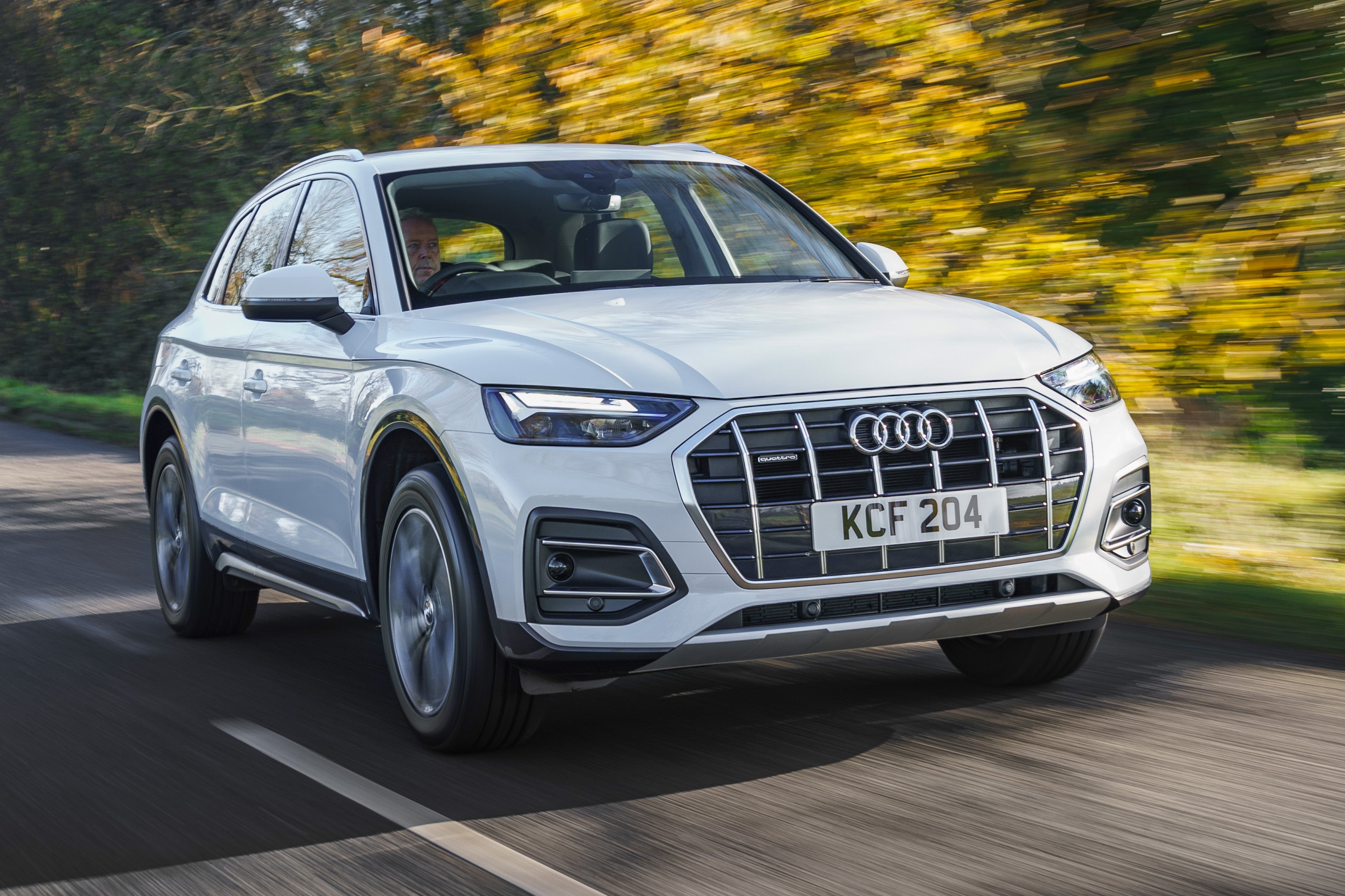
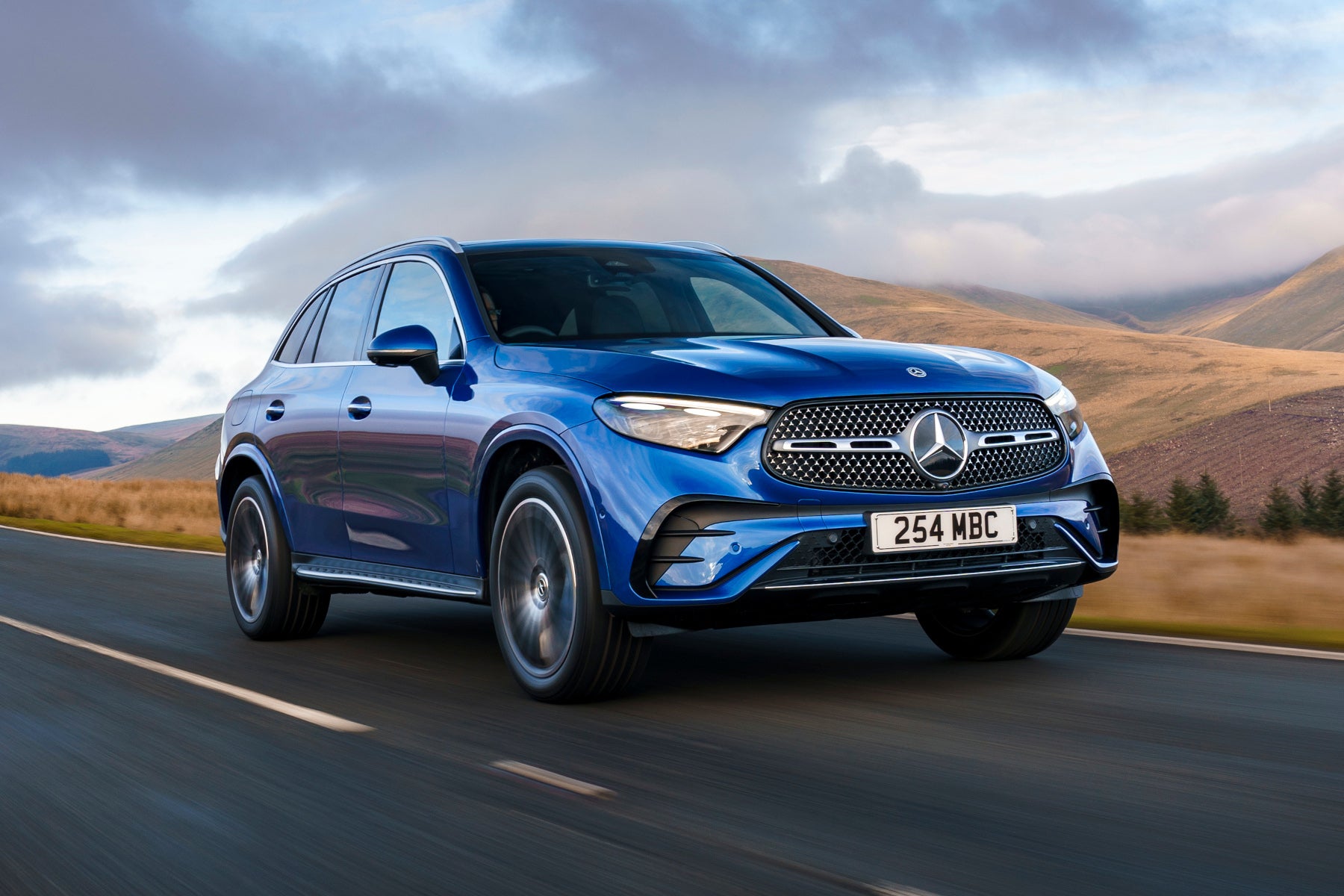
The Audi Q5 and Mercedes-Benz GLC remain the most direct premium-badged rivals. The Volvo XC60 is another important comparison, especially if comfort and understated design matter more than the last word in handling. Buyers wanting something a little more distinctive could also look at the Cupra Terramar, though it sits a little lower down the size ladder.
The BMW X3’s appeal is that it blends the practicality and polish buyers expect in this class with a slightly sharper edge than most of these alternatives.
What's the interior like in the Bmw X3?
The BMW X3’s cabin feels modern, spacious and well thought through, even if a few details are not quite as rich as you might expect at this price. It still has the look and feel of a premium SUV, and it does a particularly good job of combining family-friendly packaging with up-to-date tech.
Bmw X3 boot space and practicality
The BMW X3 is a roomy SUV in the way buyers in this class will hope for. There is loads of space up front, with a good amount of storage around the centre console and big door bins, while the driving position offers plenty of adjustment.
The rear seats are especially impressive. Rear legroom is generous enough for tall adults, headroom is strong and even three across the back is more realistic than it is in many rivals. The middle rear passenger still has to deal with a sizeable transmission tunnel, but the seat itself is less compromised than usual.
Boot space is another strength. Standard petrol and diesel versions offer 570 litres, which puts the BMW X3 right among the best in this class, while the plug-in hybrid drops to 460 litres because of its battery packaging. That is a noticeable hit, but it still leaves the BMW X3 30e practical enough for most family duties.
For context, the BMW X3’s 570-litre boot is bigger than an Audi Q5’s 520 litres and a Mercedes-Benz GLC’s 550 litres, while also comfortably ahead of a Volvo XC60’s 468 litres. The plug-in hybrid BMW X3 30e drops to 460 litres, so that version gives away a useful chunk of space to the rest of the range, but it is still workable for family use. The BMW X3 is also helped by its square boot shape, modest load lip and 40:20:40 split rear seats, which are more flexible than a simple 60:40 arrangement.
Bmw X3 dimensions
The BMW X3 measures 4,755mm long, 1,920mm wide and 1,660mm high. That makes it a little larger than some rivals and helps explain the generous passenger and boot space.
It is a substantial family SUV, but not one that feels too cumbersome on the road. In practice, the BMW X3 still feels neatly judged for UK roads and car parks, even if it is no longer especially compact by class standards.
Tech and infotainment in the Bmw X3
The BMW X3 uses BMW’s curved display set-up, combining a 12.3-inch driver screen with a 14.9-inch central touchscreen. It runs Operating System 9 and, visually at least, is one of the stronger infotainment packages in the class.
The graphics are sharp, the screen is quick to respond and BMW still includes the rotary iDrive controller alongside the touchscreen. That matters, because it makes the system easier to use on the move than many newer, screen-only alternatives.
Wireless Apple CarPlay and Android Auto are included, along with navigation, DAB, Bluetooth, four USB-C ports and wireless phone charging. The weakness is not the infotainment itself, but the broader shift towards screen-led climate controls. As with many modern systems, some common ventilation functions still take too many presses to reach.
Materials available on the Bmw X3
The BMW X3 broadly delivers the premium feel you want, though not quite with the same consistency as some older BMWs. The vegan leather upholstery is convincing, the woven dashboard trim looks stylish and most of the key touchpoints feel suitably solid.
There are a few cheaper-feeling details if you go looking for them, especially around some door trims and lower plastics, but the overall impression remains classy and well assembled. M Sport trim adds a sportier cabin flavour, while xLine is a little more restrained.
What's the Bmw X3 like to drive?
The BMW X3 remains one of the more driver-focused SUVs in this class. It does not forget comfort, but it feels more alert and more agile than many similarly sized family SUVs.
Bmw X3 range and performance
There are four BMW X3 powertrains in the current UK range.
For most buyers, the 20 petrol will do the job perfectly well. It is smooth enough, responsive enough and more than quick enough for the way most X3s will be used.
The 20d still makes a lot of sense if you spend long periods on the motorway. Diesel is no longer fashionable, but it remains the easiest way to cover big distances efficiently in a car like this.
The 30e plug-in hybrid is the one that gives the BMW X3 its strongest technical case. With up to 56 miles of official electric range, it is much more than a token PHEV. Used properly, it has the potential to slash fuel use on shorter daily trips.
BMW also offers the M50 xDrive at the top of the broader range, but that sits slightly apart from the core versions covered here.
Performance data
| Model | Engine/battery size | Power | 0-62mph | Range/MPG |
|---|---|---|---|---|
BMW X3 20 xDrive | 2.0-litre petrol mild hybrid auto | 208PS | 7.8 seconds | up to 40.9mpg |
BMW X3 20d xDrive | 2.0-litre diesel mild hybrid auto | 197PS | 7.7 seconds | up to 48.7mpg |
BMW X3 30e xDrive | 2.0-litre plug-in hybrid auto | 299PS | 6.2 seconds | up to 56 miles EV range |
BMW X3 M50 xDrive | 3.0-litre petrol mild hybrid auto | 398PS | 4.6 seconds | up to 36.7mpg |
Bmw X3 driving and refinement
For most buyers, the 20 petrol will do the job perfectly well. It is smooth enough, responsive enough and more than quick enough for the way most X3s will be used.
The 20d still makes a lot of sense if you spend long periods on the motorway. Diesel is no longer fashionable, but it remains the easiest way to cover big distances efficiently in a car like this.
The 30e plug-in hybrid is the one that gives the BMW X3 its strongest technical case. With up to 56 miles of official electric range, it is much more than a token PHEV. Used properly, it has the potential to slash fuel use on shorter daily trips.
BMW also offers the M50 xDrive at the top of the broader range, but that sits slightly apart from the core versions covered here.
How safe is the Bmw X3?
You expect any new car these days to come with a fair amount of semi-autonomous driver aids, and that goes double for a premium product like the BMW X3. However, we can’t help feeling that BMW could’ve done a bit better on that score.
The standard roster of safety kit includes front collision warning, automatic emergency braking, lane departure warning, lane change warning and speed limit assist. However, if you want a key feature like adaptive cruise control, which many will, you have to add an expensive option pack, and that’s disappointing considering that this feature comes as standard on many cars that cost a fraction of what the X3 costs. The pack also includes a steering and lane control assistant, automatic speed limit assist.
This latest fourth-generation version of the BMW X3 hasn’t yet been crash-tested by Euro NCAP. The previous third-generation version of the car achieved the full five stars when it was tested back in 2017, and as it’s based on the same platform as the new car, you’d hope for a similarly impressive performance. However, that’s by no means a given, not least because every year, the tests get tougher and tougher.
What trims are available with the Bmw X3?
The BMW X3 comes in two main trims, xLine and M Sport, while the M50 is a separate performance model.
xLine gets the essentials you would expect in a premium SUV, including alloy wheels, LED lights, power-folding door mirrors, a powered tailgate, three-zone climate control, electrically adjustable heated sports seats, recycled cloth upholstery, parking sensors and a reversing camera.
M Sport adds the more assertive styling package, vegan leather upholstery and M Sport suspension. This is the trim most buyers will gravitate towards, and it is the one that gives the BMW X3 the visual edge many will want.
The M50 adds its own grille treatment, quad exhausts and upgraded brakes, but it sits slightly apart from the core BMW X3 range covered here.
Ask the Drive experts: common questions
How much does the BMW X3 cost?
Is the BMW X3 a good family SUV?
Does every BMW X3 have four-wheel drive?
What is the best BMW X3 version to buy?
Get our latest advice, news and offers
Keep me updated by email with the latest advice, news and offers from Drive.
.jpg)