Mercedes-Benz GLC Review

Written By Lawrence Allan
- 2022
- SUV
- Petrol mild hybrid, diesel mild hybrid and plug-in hybrid
What we love
Comfortable and refined on long journeys
Spacious cabin and large standard boot
Plug-in hybrids have an excellent electric range
Things to consider
High prices across the range
PHEV batteries substantially reduce boot capacity
Some cabin details feel less substantial than they look
The DRIVE take on the Mercedes Benz Glc, is it the right car for you?
The Mercedes-Benz GLC is a polished premium SUV with a spacious cabin, strong refinement and a broad choice of petrol, diesel and plug-in hybrid engines. Its comfortable driving position, large standard boot and impressive technology make it well suited to family life, commuting and long motorway journeys. Prices are high and some rivals feel better finished or more rewarding to drive. The plug-in hybrids also require regular charging to justify their additional cost and reduced luggage space, but their long electric range is among the best in the class.
The Mercedes Benz Glc in more detail
We wouldn’t blame you for being a bit confused by the sheer number of SUVs Mercedes-Benz offers. There’s a wide variety of high-riding models available to buy new with a mixture of petrol, diesel, hybrid and fully electric power. So how do you work it all out? Read our Mercedes-Benz GLC review to see if it's the one for you.
You might be more familiar with the brand’s traditional models which go up alphabetically in size and price (A-Class, B-Class, C-Class etc). So the ‘C’ in GLC translates to it being an SUV version of the C-Class, making it a mid-sized premium model.
Browse used Mercedes GLCs for sale →
Sitting below the bigger, pricier still Mercedes-Benz GLE, this second-generation GLC will no doubt be hugely popular as a rival to cars such as the Audi Q5 and BMW X3. The previous model was one of the brand’s biggest sellers globally, so Mercedes has pulled out all the stops to ensure it appeals to everyone.
That means an engine to suit every customer need. So there’s a pair of diesels for high mileage drivers, a punchy pure petrol model and - most importantly given the GLC is an in-demand company car - a petrol AND a diesel plug-in hybrid (PHEV). There's also the Mercedes-AMG GLC 43 and 63 models with up to a whopping 680PS of power on hand.
So far we’ve only driven the plug-in hybrid Mercedes-Benz GLC 300e. It’ll be a big business seller because of the low company car tax but also makes a good case for itself as a private car, particularly because its massive (for a PHEV) battery allows an all electric range of between 75 and 83 miles depending on usage, plus decent performance even without waking the engine. If you need even more electric range than this, consider the Mercedes EQC EV instead.
That’ll mean incredibly low fuel costs for those that can plug-in the 300e regularly, although you need to bear in mind that, at £59,000, it’s a lot more to buy in the first place than a GLC 300 petrol. In fact, pricing is a bit of an issue across the Mercedes-Benz GLC range.
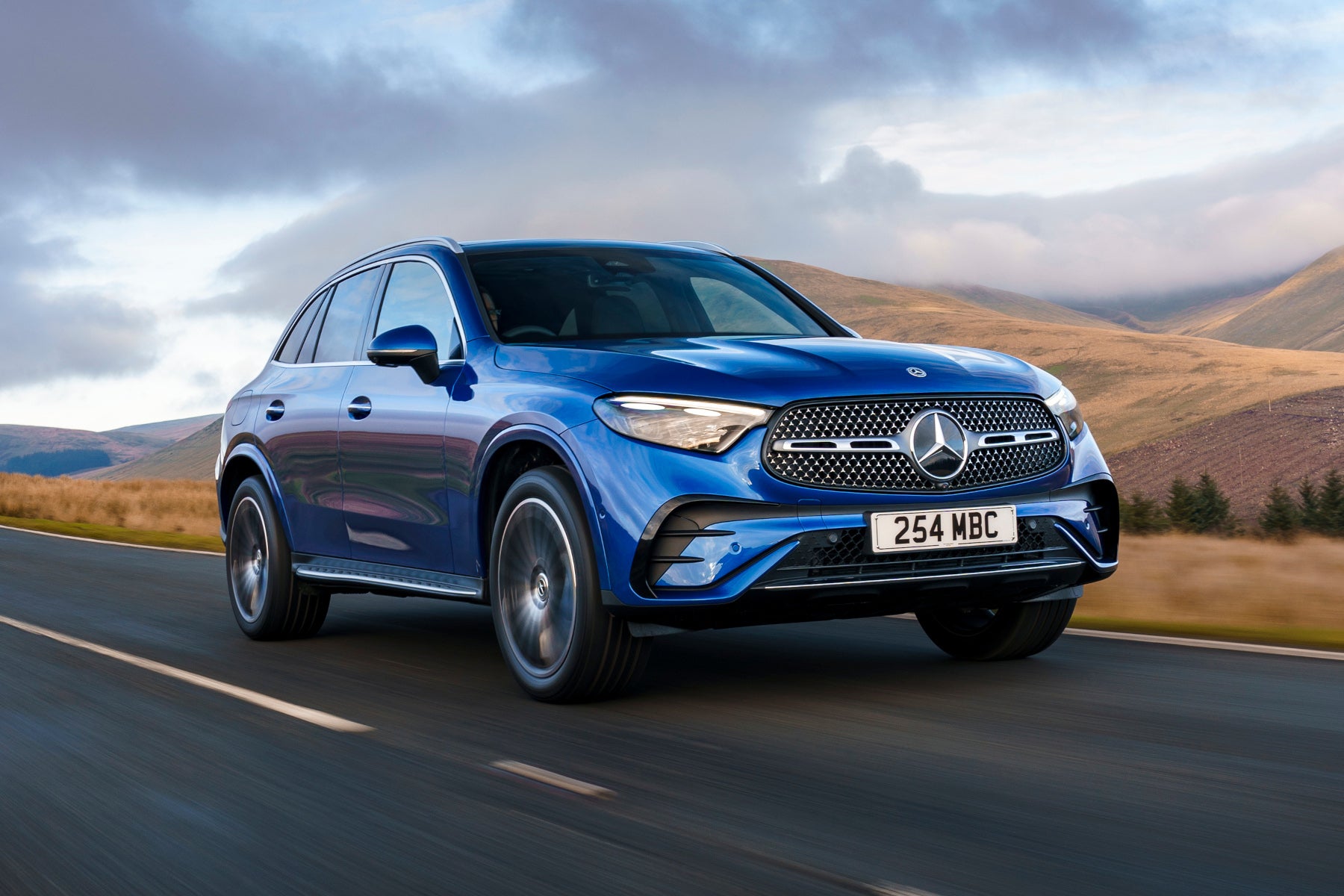
What is unlikely to be an issue is the design. Where BMW is going for the shock and awe of challenging, controversial designs, Mercedes is delivering an evolved, elegant approach. Sure, it doesn’t look that much different from the old car, but it’s recognisably a posh German SUV and that’s what matters to many.
Inside, the GLC mirrors the upmarket, showy cabin design of the brand’s latest models such as the new C-Class. That means it’ll certainly impress any mates that hitch a lift, with cool ambient lighting and lots of clever tech, plus plenty of standard equipment across the range. We do have some reservations; sometimes the technology tries to be too clever for its own good, while some of the details inside aren’t as well-finished as in key German rivals.
On the road the new Mercedes-Benz GLC majors on comfort and refinement, particularly in hybrid form. Its very quiet and perfect for pottering about town or motorway cruising, although sometimes it gets unsettled by rougher roads. The sheer weight of the plug-in hybrid’s big battery means this certainly isn’t the most agile family SUV around, though - a Jaguar F-Pace or BMW X3 is more controlled and precise.
Sophisticated, refined and hugely efficient, the GLC PHEV is an extremely competitive addition to the hybrid SUV market.
What's the best Mercedes Benz Glc trim and engine option?
The GLC 220 d 4Matic AMG Line is the best all-round choice.
Its 197PS diesel engine is refined, economical and strong enough for everyday family use, while AMG Line includes the equipment most buyers need without pushing the price too far.
The GLC 300 petrol suits lower-mileage drivers, while the GLC 300 e is the better option for company-car users and buyers able to charge regularly.
Premium and Premium Plus add desirable technology, but the standard AMG Line offers the strongest value.
What’s the price of the Mercedes Benz Glc?
The Mercedes-Benz GLC starts at approximately £55,000 for the GLC 220 d 4Matic AMG Line.
Moving to AMG Line Premium or Premium Plus adds roughly £5,000 and £10,000 respectively, depending on the engine.
The GLC 300 petrol starts at around £57,000, while the more powerful GLC 300 d is offered only in higher specifications and costs close to £64,000.
The plug-in hybrid range starts at just over £60,000 for the GLC 300 e Urban Edition.
The regular AMG Line GLC 300 e costs more, while the diesel GLC 300 de starts at approximately £67,000. There are also plenty of used Mercedes GLCs for sale for considerably less.
Alternatives to the Mercedes Benz Glc
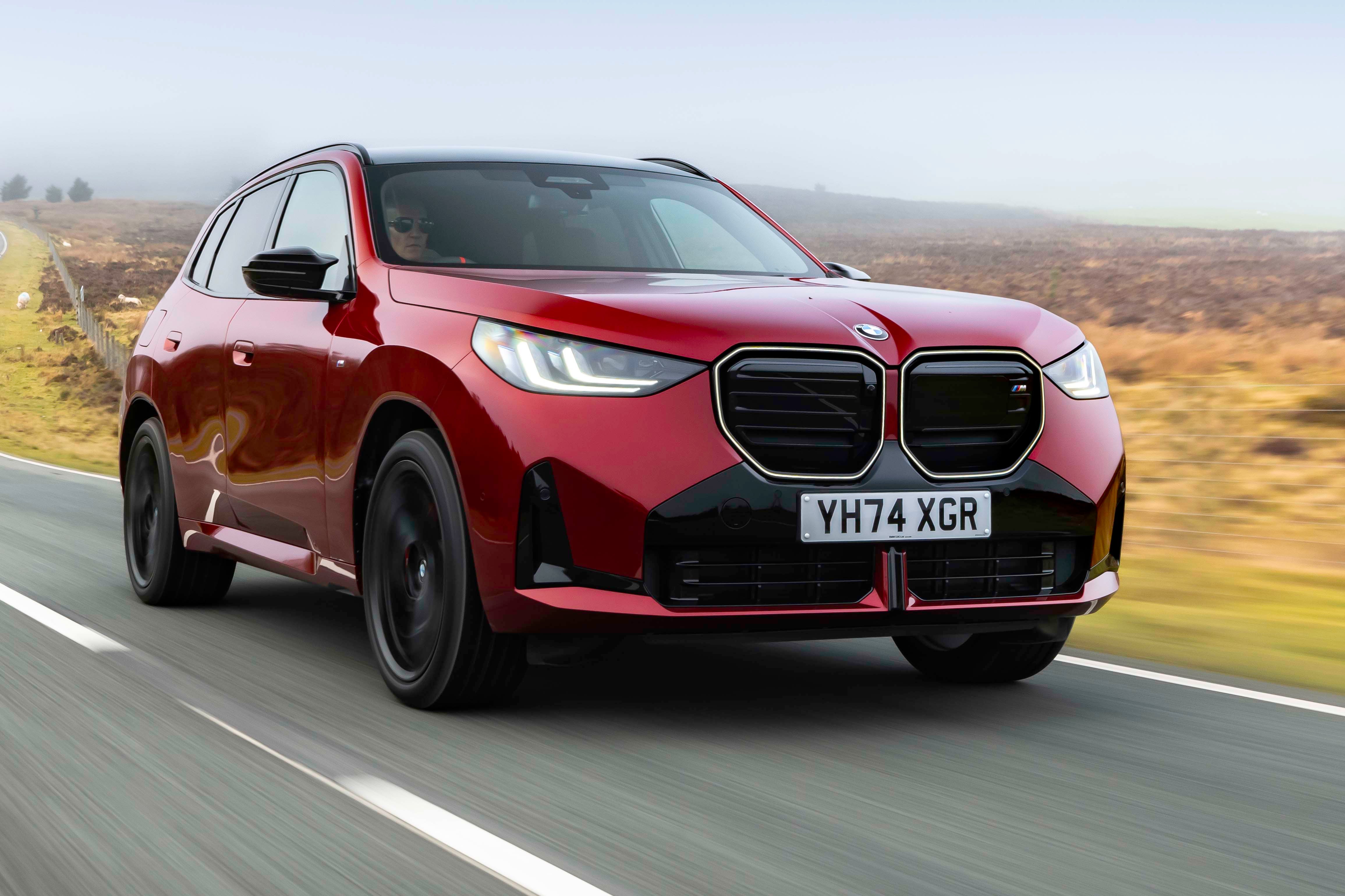
The BMW X3 is more enjoyable to drive and feels more composed on difficult roads. The GLC counters with a more striking interior and stronger plug-in hybrid electric range.
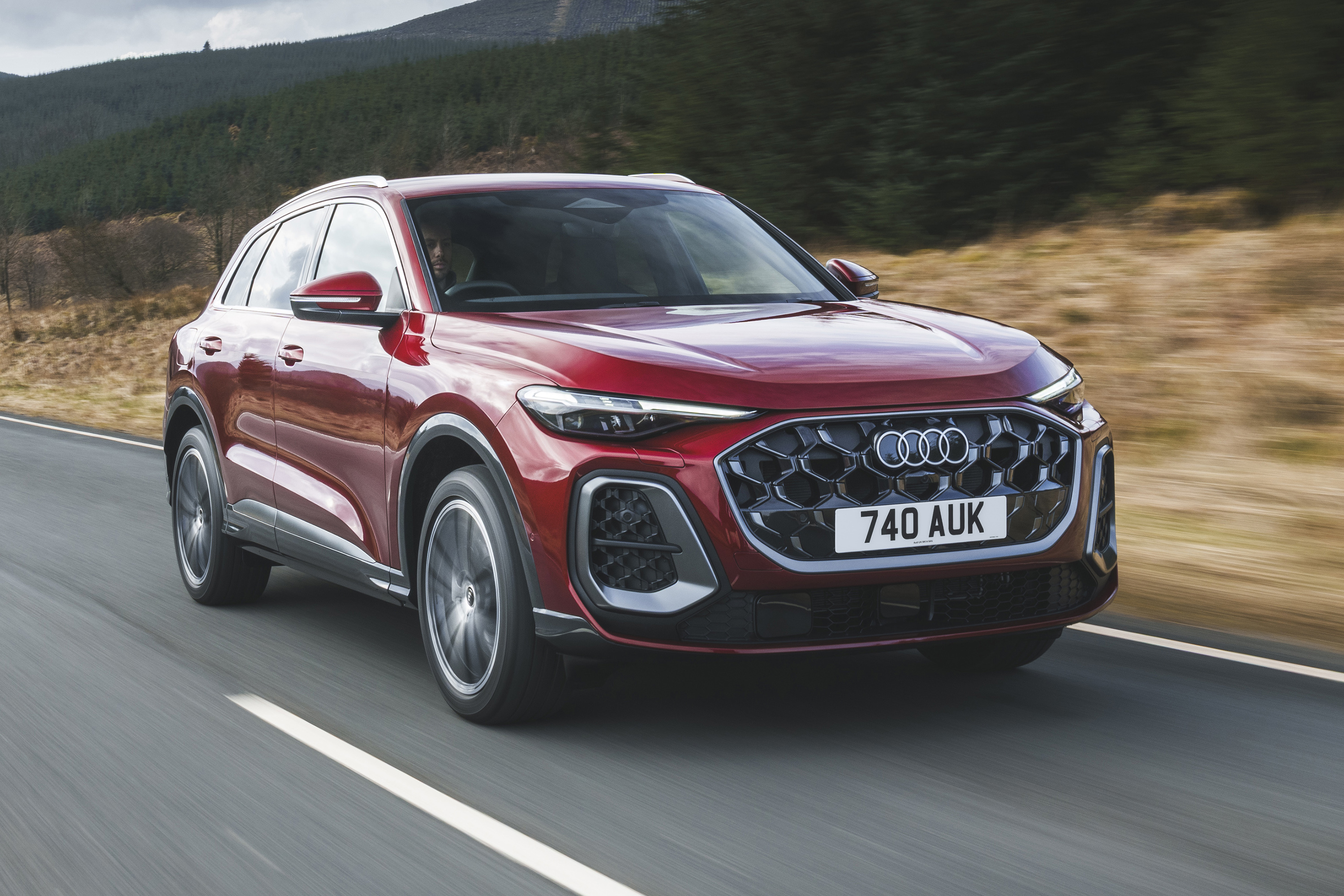
The Audi Q5 has a solid, understated cabin and simpler controls. It feels less modern than the Mercedes but remains comfortable and well finished.
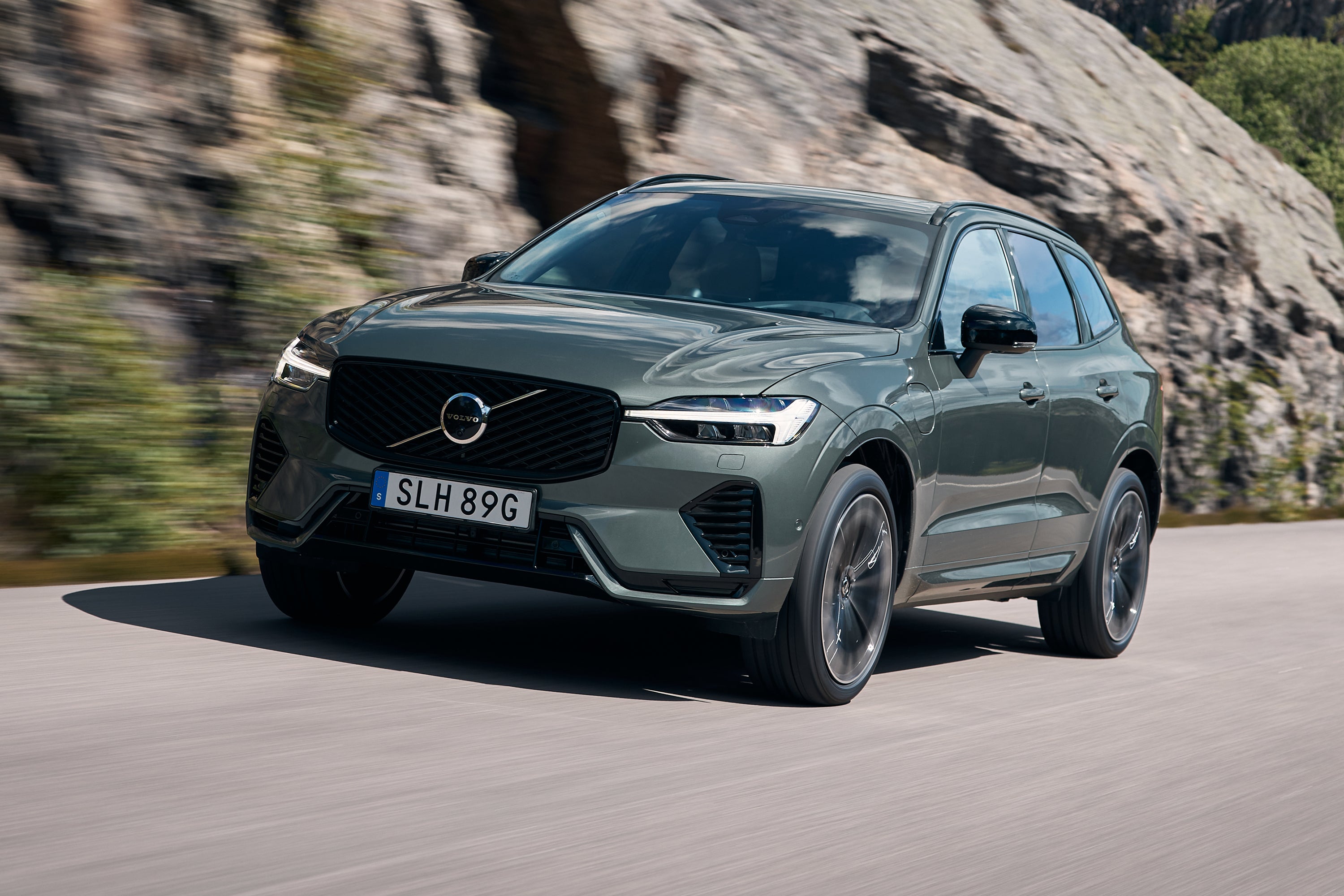
The Volvo XC60 offers excellent seats, a calm interior and competitive plug-in hybrid versions. Its infotainment and ride are not always as polished as the GLC’s.
The Lexus NX is well equipped, efficient and backed by a strong reliability reputation. Its rear cabin and boot are less generous.
The Porsche Macan is the best choice for keen drivers. It is sharper and more rewarding, although considerably more expensive in comparable specification.
What's the interior like in the Mercedes Benz Glc?
The GLC has an attractive, spacious and technology-heavy cabin. It creates an immediate sense of occasion, although closer inspection reveals some materials and controls that do not feel as substantial as those in an Audi Q5 or BMW X3.
Mercedes Benz Glc boot space and practicality
It might be a image-focused premium car but Mercedes hasn’t forgotten about the important stuff in the new GLC. Whether you’ve got a car full of adults or children it’ll excel as a family SUV.
Those up front have loads of legroom and a tremendously comfortable and adjustable driving position, so six-plus footers or broader built people up front will be more than happy. Headroom is good too even with the panoramic sunroof that comes on certain models.
Similarly a pair of six-plus footers can sit behind themselves with little cause for complaint. Legroom is plentiful, headroom is generous and there’s room to slide your feet under the front seats to stretch out. The large centre tunnel does hinder a middle seat passenger more than electric SUVs which usually have a flat floor, however. Interestingly the Mercedes GLC is not a seven-seater, but the smaller Mercedes GLB is.
Storage aboard the GLC is pretty impressive, too. Cupholders are hidden under a neatly sliding tray in the centre console and have pop out holders that snugly grip your cup or bottle, while bigger bottles will fit in the door bins front and rear. There’s also a cubbyhole under the armrest, a decent-sized glovebox, map holders on the back of the front seats and pop-out cupholders in the rear armrest that also feature a little phone holder.
The Mercedes-Benz GLC’s boot capacity of 620-litres is bigger on paper than most rivals and a good shape, with buttons in the rear to fold the seats down easily. However, we’ve only seen the plug-in hybrid one so far. That reduces the capacity substantially to 470-litres, with no underfloor storage and a higher boot floor. With the seats folded, you get 1680-litres of capacity, dropping to 1530 with the PHEV versions. That’s the price you pay for that class-leading battery.
Mercedes Benz Glc dimensions
In terms of exterior dimensions the new Mercedes-Benz GLC is 4716mm long, 2096mm wide including mirrors and 1640mm tall. That makes it identical in width and 4mm lower in height than the old car, but it’s 61mm longer.
Tech and infotainment in the Mercedes Benz Glc
Until possible cheaper versions arrive all versions of the Mercedes-Benz GLC feature a pair of big displays. A 12.3-inch instrument display is complemented by a portrait-angled 11.9-inch infotainment screen in the centre of the dash in its own bezel, angled slightly towards the driver.
This being a modern Mercedes there’s a variety of ways to control it. It’s a touchscreen, with seriously sharp graphics and a responsive interface, while there’s also touch-sensitive controls on the steering wheel that complete basic functions. These are, sadly, really fiddly, making a simple task like changing track on your Spotify playlist infernally complex when you’re trying to concentrate on the move. Physical buttons would be much easier to use without taking your eyes off the road.
Still, there’s the Mercedes Me voice control system which is a lot better than some systems on the market. Say ‘hey Mercedes’ and it springs to attention, allowing you to ask for things like heated seats, changing the radio station or inputting a navigation address using natural speech. Like many of these systems you’ll find it activating when you don’t want to at times, though.
On the nav front, AMG Line Premium or Premium Plus models get a cool feature called Augmented Reality navigation. Just like in other more recent Mercedes models, it shows the car’s front camera feed on the centre screen and arrows or pointers to show you exactly which junction or roundabout exit to take. Plus they also do that on the head-up display, which sounds distracting but works really well.
Of course you can bypass much of the system with wireless Android Auto and Apple CarPlay that allows you to mirror smartphone apps like Spotify and Waze, while wireless phone charging is standard fitment.
Materials available on the Mercedes Benz Glc
You’d have to be incredibly cynical not to step in a modern Mercedes like the GLC and be impressed by the visual wow factor. Everything looks classy and neatly styled, with floating dash elements, soft-touch finishes and a cool overall design. It’s a lot more up-to-date than the previous generation car.
However, if you’re used to the sheer substance of underlying quality you’ll find in a BMW or Audi you might be slightly disappointed. There are some scratchier, less appealing plastics lower down the dash, while some of the switchgear isn’t as impressively finished as rivals. We’re being picky, but this is an expensive premium SUV and buyers will be too. Oh, and cool though that ambient lighting is, you’ll want to dim it at night so you can concentrate on the road rather than feel like you’re driving a Miami vodka bar.
What's the Mercedes Benz Glc like to drive?
The GLC prioritises comfort, refinement and security over agility. It is an easy and relaxing car to drive, although the heavy plug-in hybrids can become unsettled on challenging roads.
Mercedes Benz Glc range and performance
There is a choice of two diesels, one petrol and two plug-in hybrids, plus two performance AMG versions. The non-PHEV models all still have a 48-volt mild-hybrid system. Some markets also get a third plug-in hybrid option, too.
So far we’ve only tested the GLC 300e petrol plug-in hybrid and it’s a respectable setup. It has 3013PS from a 2.0-litre turbo petrol engine mated to an electric motor. 0-62mph comes up in 6.7 seconds, with useful if not thrilling performance and a surprisingly rorty engine note when you give it the beans. Standard all-wheel drive means it gets off the line well in all conditions, too.
Its performance is always boosted by the electric motor with its decent 136PS output. You feel that instant electric punch off-the-line as it kicks in before the engine and gearbox can react, while it’s not too difficult to keep it in electric power unless you’re really ham-fisted with the throttle. Top speed without the engine running is a useful 87mph.
Interesting the GLC 300de diesel plug-in puts out even more power, up to 333PS from it’s 2.0-litre diesel and electric motor combo. 0-62mph is dispatched even more quickly in 6.4 seconds.
Even the pure petrol model is no slouch. This 2.0-litre four-cylinder puts out a ‘mere’ 258PS (plus 23PS from the mild-hybrid system) but because it’s so much lighter than the hybrids it’ll do 0-62mph in 6.2 seconds.
Meanwhile, the entry-level GLC 220d 2.0-litre four-cylinder diesel makes do with 197PS (plus that 23PS) for a 0-62mph time in eight seconds dead, while the GLC 300d (the same engine in a higher state of tune) puts out 269PS plus 23PS for a 0-62mph time of 6.2 seconds.
Then we have the full-on AMG models that use a 2.0-litre turbo petrol engine and electric motor to offer 421PS in the 43 model and a heart-pounding 476PS in the 63 model. You won't be shocked to learn this pair offer 0-62mph in 4.8- and 3.5 seconds respectively.
All versions of the Mercedes-Benz GLC come with 4Matic all-wheel drive as standard, and a nine-speed automatic gearbox. To avoid hesitation when you suddenly demand power the plug-in hybrids use electric power to fill in while the gearbox chooses the right gear.
Performance data
| Model | Engine/battery size | Power | 0-62mph | Range/MPG |
|---|---|---|---|---|
GLC 220 d 4Matic | 2.0-litre | 197PS | 8.0 seconds | Up to 53.3mpg |
GLC 300 4Matic | 2.0-litre | 259PS | 6.2 seconds | Up to 38.7mpg |
GLC 300 d 4Matic | 2.0-litre | 270PS | 6.3 seconds | Up to 50mpg |
GLC 300 e 4Matic | 2.0-litre | 340PS | 6.7 seconds | Up to 77 electric miles |
GLC 300 de 4Matic | 2.0-litre | 337PS | 6.4 seconds | Up to 74 electric miles |
Mercedes-AMG GLC 53 4Matic+ | 3.0-litre | 449PS | 4.2 seconds | Up to 29.5mpg |
Mercedes Benz Glc driving and refinement
Mercedes-Benz has a habit of making suspension setups vary wildly depending on which version you choose. Things are a bit simpler at the moment with the GLC.
Because the only trim levels available are AMG Line-based, the petrol or diesel Mercedes GLCs get sports suspension as standard. We’ve not yet tried this - generally the brand’s sportier setups are still pretty comfortable, but we’ll have to get back to you on that.
The plug-in hybrid models get a different setup with self-levelling air suspension at the rear and traditional springs at the front. Some markets get full, all-corner air suspension that isn’t available in the UK for some reason, but we’ve only tried the standard PHEV setup. The reason why it has rear air suspension is to control the (gulp) 2.3 tonne kerbweight, which makes it the heaviest of all the plug-in hybrid SUVs in this class.
It generally seems pretty comfortable and composed on the road unless you drive about like your hair’s on fire. Big bumps and speed humps around town are dealt with well and there isn’t too much bobbing and wallowing as you get down the road, although it is clearly quite soft.
The result of this softness is it struggles with more undulating, bumpy faster roads, where the ride can be a bit unsettled and the car leans quite a bit in the bends. You can mitigate this by putting the car into Sport mode, but sharp bumps then make themselves felt and heard more. Annoyingly it seems you can’t have the engine and gearbox in Sport but set the suspension to Comfort - it’s one or the other. Still, the steering is direct and weighty enough while still being light in town.
A lower, lighter Mercedes C-Class is better all-round, riding more smoothly while staying more level in the bends. But people buy SUVs because that’s what they want, and in the context of this class the GLC isn’t bad at all. Having said that, we reckon an equivalent BMW X3 or Jaguar F-Pace is just that bit nicer to drive in every situation.
There is also the Mercedes-AMG GLC models - 43 and 63 - that come with larger alloy wheels, AMG RIDE CONTROL suspension, and selectable driving modes. As you'd expect, they deal with bumpy roads in a firmer manner than the other GLC models, but pay back with even more grippy cornering habits.
The optional Driving Assistance Package Plus seems like a no-brainer if you commute. It can drive the Mercedes down an A road or motorway with spooky efficiency accelerating, steering and braking for you. It follows speed limits and can slow for corners and junctions automatically. If the road gets congested, it can drive you in stop-go queues and even pulls to the outside of the road automatically to let emergency vehicles get to an accident.
How safe is the Mercedes Benz Glc?
The Mercedes-Benz GLC has been crash tested by Euro NCAP and achieved the maximum five-star safety rating. High scores across the board makes it a strong all-rounder, although some SUV rivals are slightly better in certain areas.
Standard safety kit includes automatic emergency brakes in both forward and reverse, active lane assist that keeps you in lane, a blind spot warning system and a bonnet that pops up in an impact to protect pedestrians from the hard engine below. You of course get a load of airbags
You can boost safety even further by opting for the Driving Assistance Package Plus, which adds active cruise control that can steer the car around corners and operate the car's accelerator and brakes.
Running costs: What it's like to live with a Mercedes Benz Glc
The diesels provide respectable fuel economy and the plug-in hybrids can be inexpensive to run when charged regularly. High prices, insurance groups and servicing costs still make the GLC an expensive car to own.
Mercedes Benz Glc fuel economy
The GLC 220 d is the most economical non-plug-in model, returning up to 53.3mpg under the combined WLTP test. The more powerful GLC 300 d manages around 50mpg depending on specification. The GLC 300 petrol returns approximately 38.7mpg. Urban use and frequent acceleration are likely to reduce that figure.
The GLC 300 e has a 77-mile official electric range, while the GLC 300 de can cover up to 74 miles. Real-world electric range will depend on temperature, speed, wheel size and use of the heating or air conditioning. Around 55 to 65 miles should be realistic in mixed conditions. Both plug-in hybrids support AC charging and can be replenished overnight using a home wallbox. DC rapid charging is also available, allowing a useful top-up during a longer journey, although the greatest financial benefit still comes from inexpensive home or workplace electricity.
Once the battery is depleted, fuel economy falls well below the eye-catching weighted official figures. The petrol PHEV is likely to return economy in the low 30s when operating without meaningful electric assistance, while the diesel PHEV should be more efficient on sustained motorway journeys.
Mercedes Benz Glc warranty and servicing
The GLC has a three-year manufacturer warranty with no mileage limit. Mercedes also provides three-year paint cover and 30-year anti-corrosion protection, subject to its terms and inspection requirements. The plug-in hybrid battery is covered separately under Mercedes’ electrified-vehicle warranty terms. Buyers should confirm the exact duration and mileage applying to the individual derivative and registration date.
Mercedes Benz Glc insurance groups
The Mercedes-Benz GLC is a relatively expensive new car and insurance groups reflect that. Even the base diesel model sits in a high group 40, with the 300 petrol in group 42.
The plug-in hybrids, meanwhile, range from group 47 to group 50 - the maximum ranking that’s comparable with luxury cars and supercars. It’s also around 7 groups higher spec-for-spec than the C-Class saloon on which it’s based, interestingly.
The AMG models start in group 45 and go all the way up to group 50, but then you probably expected that.
How much does it cost to tax a Mercedes Benz Glc?
Every current GLC costs more than £40,000, so the Expensive Car Supplement also applies here. This means you'll have to pay an extra £440 from the second year on top of the £200 VED rate for five years, bringing your annual tax bill to £640 currently.
What trims are available with the Mercedes Benz Glc?
AMG Line is the starting point for most of the range and provides a strong standard specification.
It includes 19-inch alloy wheels, LED headlights, privacy glass, heated front seats, Artico and microfibre upholstery, ambient lighting, MBUX infotainment, wireless phone charging, parking sensors and a reversing camera.
Urban Edition is offered on selected plug-in hybrid derivatives. It combines AMG exterior styling with comfort equipment and lowers the entry price compared with other PHEV trims.
AMG Line Premium adds 20-inch wheels, Digital Light headlights, acoustic glass, keyless entry, electrically adjustable memory seats, blind-spot assistance, a built-in dashboard camera, augmented-reality navigation and a 360-degree camera.
AMG Line Premium Plus adds a panoramic roof, four-zone climate control, Burmester audio, a head-up display, full leather and further lighting functions.
The additional equipment creates a more luxurious car, but larger wheels can reduce ride comfort and increase replacement costs.
The Mercedes-AMG GLC 53 receives 21-inch wheels, AMG-specific styling, sports seats, upgraded brakes, adaptive performance suspension and rear-axle steering.
AMG Line provides everything most private buyers need. Premium is worthwhile for its camera and lighting technology, while Premium Plus is harder to justify on value.
Ask the Drive experts: common questions
Is the Mercedes-Benz GLC a good family SUV?
How big is the Mercedes-Benz GLC’s boot?
How far can the Mercedes-Benz GLC plug-in hybrid travel on electricity?
Is the Mercedes-Benz GLC expensive to insure?
Get our latest advice, news and offers
Keep me updated by email with the latest advice, news and offers from Drive.
.jpg)
.jpg)