Honda HR-V Review

Written By Andrew Brady
- 2021
- SUV
- Hybrid
What we love
Stylish and more desirable than earlier HR-Vs
Clever Magic Seats still add real versatility
Efficient hybrid powertrain and strong reliability reputation
Things to consider
Boot space is small for the class
Only one engine choice
Looks expensive next to some rivals
The DRIVE take on the Honda Hr V, is it the right car for you?
The Honda HR-V is a likeable and cleverly engineered small SUV, even if it does not follow the class template especially closely. It looks smart, feels thoughtfully designed inside and should be cheap to run, while Honda’s reputation for reliability remains a major selling point. The weak spots are easy enough to spot: the boot is small by class standards, the hybrid powertrain can sound strained when pushed and the pricing leaves it uncomfortably close to some stronger all-round alternatives. Even so, the Honda HR-V is a very easy car to warm to if you value clever packaging and low-stress ownership over outright sparkle.
The Honda Hr V in more detail
The Honda HR-V used to feel like a slightly awkward answer to a question few buyers were asking. The current car is much more resolved. It is sleeker, more mature and better judged inside, and it now feels like a genuine alternative to the most style-led small SUVs rather than a practical but forgettable outsider.
Part of the Honda HR-V’s appeal is that it does things a little differently. It sits somewhere between the more traditional small SUVs such as the Ford Puma and Skoda Kamiq, and the more design-led coupe-crossovers such as the Toyota C-HR and Renault Arkana. That gives it a slightly unusual place in the market, but it also helps explain why it can feel appealing in one moment and slightly hard to categorise in the next.
Honda has kept things simple with the line-up. There is one engine, a 1.5-litre full-hybrid set-up paired with an eCVT automatic gearbox, and then a trim walk-up that now runs from Elegance to Advance, Advance Sport, Advance Style and Advance Style Plus. That simplicity has its strengths. The Honda HR-V is easy to understand and well equipped throughout. The drawback is that if the powertrain does not suit you, there is no alternative within the range.
The cabin is one of the car’s stronger areas. It looks fresh and modern without burying everything in touchscreen menus, and Honda’s Magic Seats remain a genuinely clever feature. The problem is that the luggage area itself is much less impressive than the rest of the packaging. Rear passenger space is strong, but the 319-litre boot is small for a car in this class.
That leaves the Honda HR-V as a car with very clear strengths and weaknesses. It is efficient, likely to be dependable and smarter than older HR-Vs ever were, but it is not a class leader in every area. Buyers willing to accept that compromise will find plenty to like.
What's the best Honda Hr V trim and engine option?
There is only one engine option, so the real decision is trim. The mid-range Honda HR-V Advance makes the most sense for most buyers. It adds the sort of extras people will genuinely use, including a heated steering wheel, power tailgate and upgraded trim, without pushing the price too close to more premium-badged alternatives.
Elegance is not badly equipped and remains a sensible buy if you are trying to keep costs under control, but the Honda HR-V already sits at the pricier end of this class, so most buyers will probably want the extra polish the Advance brings.
Advance Style and Advance Style Plus look tempting, but by the time you get there the Honda HR-V starts straying into territory where more desirable rivals become realistic alternatives.
What’s the price of the Honda Hr V?
The current Honda HR-V range starts at £32,725 for the Elegance. The Advance costs £35,295, the Advance Sport £35,995, the Advance Style £38,595 and the Advance Style Plus tops the range at £39,395.
That means the Honda HR-V is not cheap. It costs more than several mainstream small SUVs and ends up edging towards the lower reaches of premium territory. Honda would argue that the hybrid powertrain and strong standard equipment justify the price, and to an extent that is fair, but it still makes the Honda HR-V a difficult car to describe as great value in simple cash terms.
Alternatives to the Honda Hr V
The Toyota C-HR is one of the clearest alternatives because it combines hybrid power with a similarly style-led approach, though it feels tighter in the back and is less versatile overall.
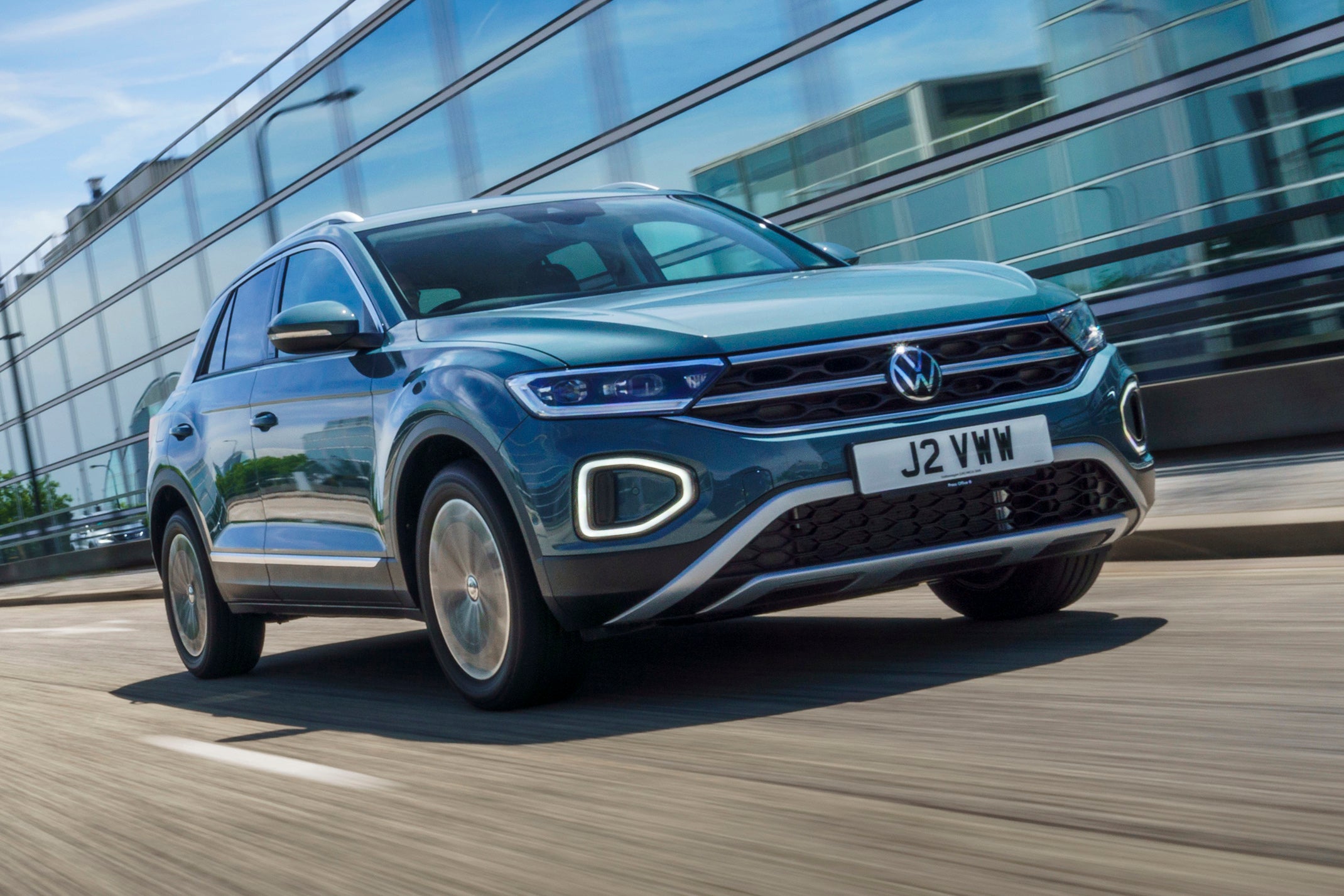
The Volkswagen T-Roc remains an obvious alternative if you want a more conventional small SUV with a broader engine range and stronger boot space. The Skoda Kamiq is another sensible option if comfort, value and rear-seat space matter more than the Honda’s hybrid system.
The Mazda CX-30 is worth a close look if interior quality and design matter, while the Ford Puma still sets a high bar for driver appeal. Buyers who want something a little larger for similar money should also look at a Nissan Qashqai or Kia Sportage.
The Honda HR-V’s main point of difference is the blend of hybrid efficiency, sensible controls and Magic Seats versatility.
What's the interior like in the Honda Hr V?
The Honda HR-V has one of the more pleasing cabins in this class. It looks modern without trying too hard, the controls are sensibly laid out and there is a welcome absence of gimmicks.
Honda Hr V boot space and practicality
The Honda HR-V does a lot well from a practicality perspective, but it is not the class leader the old one sometimes felt like. Front-seat space is strong, and the elevated seating position makes it easy to get comfortable and simple to get in and out.
Rear-seat space is another plus. There is loads of headroom and legroom for adults, and the Honda HR-V feels more accommodating in the back than some sleeker-looking rivals. That makes the car’s small boot all the more surprising.
With the rear seats in place, the Honda HR-V offers just 319 litres of boot space. That is significantly behind the class norm. For context, a Ford Puma offers 456 litres, a Volkswagen T-Roc 445 litres, a Toyota C-HR 388 litres and even the smaller Nissan Juke gives you more luggage room in most versions. If you regularly carry a buggy, bulky luggage or family holiday gear, this is the Honda HR-V’s biggest weakness.
The saving grace is Honda’s Magic Seats system. The rear bench folds cleverly and the seat bases can be flipped upwards to create a tall load area for awkward items. That means the Honda HR-V remains very versatile in certain situations, even if its basic boot number is disappointing
Honda Hr V dimensions
The Honda HR-V measures 4,355mm long, 1,866mm wide with the mirrors folded, and 1,582mm high. That places it towards the larger end of the small-SUV class, which helps explain the useful rear-seat space.
It also gives the Honda HR-V a more substantial feel on the road than some alternatives, even if the boot does not fully capitalise on the car’s footprint.
Tech and infotainment in the Honda Hr V
All versions of the Honda HR-V get the same 9.0-inch central touchscreen, and that is good news because it is one of the better systems in this class for straightforward usability.
It is mounted high on the dashboard, the menus are logical, the graphics are clear and there are enough physical shortcuts to stop it becoming irritating. Apple CarPlay and Android Auto are standard, and there is a proper volume knob rather than some fiddly touch-sensitive substitute.
In a class where several rivals have made day-to-day usability worse in the name of looking modern, the Honda HR-V deserves credit for staying sensible.
Materials available on the Honda Hr V
Material quality is another pleasant surprise. The Honda HR-V does not feel overtly plush, but it does feel solid, well assembled and thoughtfully finished.
The Advance trim adds faux-leather and fabric upholstery, while higher trims bring more visual flair, including the orange detailing in Advance Style models. It all helps the Honda HR-V feel more upmarket than older Hondas often did.
What's the Honda Hr V like to drive?
The Honda HR-V is set up more for comfort and everyday ease than for entertainment. That will suit many buyers perfectly well, but it does mean rivals such as the Ford Puma or Mazda CX-30 feel more engaging.
Honda Hr V range and performance
Every Honda HR-V uses the same 1.5-litre e:HEV full-hybrid set-up.
On paper, the Honda HR-V is not quick, and that is how it feels in practice. Around town, the electric assistance gives it a smooth, quiet start and the hybrid system works neatly enough. It is at its best in lower-speed urban use, where it can feel impressively refined.
Push harder, though, and the powertrain becomes less appealing. The eCVT lets the revs flare up, and the engine note turns coarse under heavy acceleration. The Honda HR-V is quite happy taking a measured approach to making progress, but it is not a car that enjoys being hurried.
Performance data
| Model | Engine/battery size | Power | 0-62mph | Range/MPG |
|---|---|---|---|---|
Honda HR-V e:HEV | 1.5-litre full hybrid auto | 131PS | 10.6 seconds | up to 52.3mpg |
Honda Hr V driving and refinement
The Honda HR-V is tuned with comfort in mind, and that gives it a calmer character than some alternatives. The steering is light, visibility is decent and it feels easy to place in town.
It is not as soft as something like a Citroen C4, but the suspension does a decent job of taking the edge off rougher surfaces. There is enough grip and composure for normal driving, yet the Honda HR-V does not encourage you to press on in the way a Ford Puma or Toyota C-HR might.
At urban speeds, the hybrid system helps the Honda HR-V feel refined. At faster speeds or under heavier acceleration, the engine becomes more obvious and that refinement advantage fades.
How safe is the Honda Hr V?
The Honda HR-V received a four-star Euro NCAP rating in 2022. That is respectable, but it is not a class-leading result.
Standard safety equipment is strong, though. Every Honda HR-V gets adaptive cruise control, front and rear parking sensors, a reversing camera, collision mitigation braking and a broad suite of active safety aids.
Running costs: What it's like to live with a Honda Hr V
The Honda HR-V’s running costs are likely to be one of its strongest selling points. It is efficient without needing to be plugged in, and Honda’s reliability reputation still carries a lot of weight.
Honda Hr V fuel economy
Officially, the Honda HR-V returns up to 52.3mpg. Real-world figures in the mid-40s should be perfectly achievable without trying too hard, which is one of the advantages of a full hybrid over a plug-in hybrid that relies on regular charging to deliver its best.
If you do a lot of motorway miles, there are more suitable options elsewhere, but for mixed driving and urban use the Honda HR-V should prove pleasantly frugal.
Honda Hr V warranty and servicing
All new Honda cars come with a three-year warranty, and for cars registered from 1 April 2026 Honda’s service-activated warranty can extend cover annually up to eight years or 100,000 miles if the car is serviced on schedule at an authorised Honda retailer or service centre. Standard warranty cover is three years or 90,000 miles, while hybrid components are covered for five years or 90,000 miles.
That gives the Honda HR-V a stronger ownership story than many rivals, particularly if you plan to keep the car for the long term.
Honda Hr V insurance groups
Insurance groups are on the high side for a small SUV. Elegance sits in group 30A, while Advance, Advance Sport, Advance Style and Advance Style Plus sit in group 31A.
That means the Honda HR-V is unlikely to be a cheap car to insure, even if the spread across the range is small.
How much does it cost to tax a Honda Hr V?
The standard VED rate from the second year onwards is £200 a year for petrol and hybrid cars registered on or after 1 April 2017. None of the current Honda HR-V range crosses the £40,000 list-price threshold, so there is no Expensive Car Supplement to worry about.
In practice, that means every current Honda HR-V costs £200 a year in VED from year two onwards.
What trims are available with the Honda Hr V?
Elegance opens the range, but it is not sparse. Standard kit includes LED headlights, heated front seats, 18-inch alloy wheels, the 9.0-inch navigation system, parking sensors, a reversing camera and Honda SENSING safety tech.
Advance is the trim most buyers should focus on. It adds a heated steering wheel, power tailgate, upgraded interior trim and a few of the nicer convenience touches that make the Honda HR-V feel more complete.
Advance Sport adds the sportier grille, black exterior details, red stitching and 18-inch black alloys, while Advance Style adds wireless charging, roof rails and the multi-view camera system. Advance Style Plus tops the range with a panoramic glass roof, premium audio and a two-tone roof.
Ask the Drive experts: common questions
How much does the Honda HR-V cost?
Is the Honda HR-V a good small SUV?
Is the Honda HR-V a hybrid?
Is the Honda HR-V practical?
Get our latest advice, news and offers
Keep me updated by email with the latest advice, news and offers from Drive.
.jpg)
.jpg)
.jpg)