Mazda CX-30 Review

Written By Andrew Brady
- 2019
- SUV
- Petrol mild hybrid
What we love
Classy, premium-feeling cabin
Excellent balance of comfort and handling
Well equipped across the range
Things to consider
Rear seat and boot are not class-leading
No diesel or plug-in hybrid option
Prices are stronger than some obvious rivals
The DRIVE take on the Mazda Cx 30, is it the right car for you?
The Mazda CX-30 is one of those small SUVs that makes a strong impression before you have even driven it. It looks good, the cabin feels expensive and the whole thing has been engineered with more care than many obvious rivals. The Mazda CX-30 is also enjoyable to drive in a way that helps it stand out in a class where many alternatives are competent but forgettable. The compromise is that it is not especially roomy inside, and the engine line-up remains narrower than many buyers might expect. Even so, if you want a small SUV that feels a cut above the mainstream without tipping fully into premium-badge pricing, the Mazda CX-30 remains a very convincing choice.
The Mazda Cx 30 in more detail
The Mazda CX-30 arrived to fill a gap that did not look entirely obvious at first glance. Mazda already had the smaller CX-3 and the larger CX-5, plus the Mazda 3 hatchback sitting close by in size and spirit. Yet the CX-30 has ended up making a lot of sense because it blends the best bits of those cars into something that feels unusually well judged.
Think of the Mazda CX-30 as the more fashionable, slightly more versatile relation of the Mazda 3. It shares a lot with that hatchback underneath, including its general design philosophy and its focus on driver appeal, but wraps it all in a crossover body that makes it easier to live with day to day.
The result is a small SUV that does not really feel like a bloated hatchback or a token cash-in on crossover fashion. The Mazda CX-30 has genuine appeal of its own. It looks elegant rather than awkward, has one of the nicest cabins in the class and drives with more polish than many cars in this segment manage.
What it does not do is follow class conventions blindly. There is no diesel in the UK range, no plug-in hybrid and no downsized turbocharged petrols. Instead, Mazda sticks to its own naturally aspirated mild-hybrid petrol formula. In current UK form, that means a 140PS 2.5-litre e-Skyactiv G and a 186ps 2.0-litre e-Skyactiv X.
That keeps the range refreshingly simple, but it also means the Mazda CX-30 is not necessarily the natural choice for every type of driver. High-mileage motorway users may still prefer a diesel-powered rival, and buyers hoping for a plug-in hybrid tax break or lots of short-trip electric running will need to look elsewhere.
For everyone else, there is still a lot to like. The Mazda CX-30 feels like a car for buyers who value the way a car is designed and engineered just as much as what badge sits on the grille.
What's the best Mazda Cx 30 trim and engine option?
For most buyers, the Mazda CX-30 Centre-Line or Exclusive-Line with the 140PS e-Skyactiv G engine is the best place to start. The newer 2.5-litre engine has the smoother, more natural low-speed response the CX-30 always wanted, and it suits the car’s calm everyday character better than the more expensive e-Skyactiv X.
The 140ps engine is the one that makes the strongest all-round case. It is not a performance engine, but it feels more relaxed and better matched to the Mazda CX-30 in ordinary driving than the power output might suggest.
Trim-wise, Exclusive-Line is likely to be the sweet spot because it adds some genuinely desirable kit, including the Bose audio and extra cabin polish, without pushing the Mazda CX-30 too far into indulgent pricing. Centre-Line is already well equipped, though, so it remains the sensible choice if you are trying to keep a lid on cost.
What’s the price of the Mazda Cx 30?
The current Mazda CX-30 range starts at £27,300 and rises to £37,565 in current UK form.
That means the Mazda CX-30 sits towards the upper end of the mainstream small-SUV market. It is not bargain-priced, and in some versions it edges surprisingly close to entry-level premium alternatives.
Mazda’s defence is that the CX-30 often feels expensive enough to justify that. The cabin quality, standard equipment and general sense of solidity are all notably strong, so while the numbers may look steep compared with a more workaday rival, the product itself does not feel cheapened.
Alternatives to the Mazda Cx 30
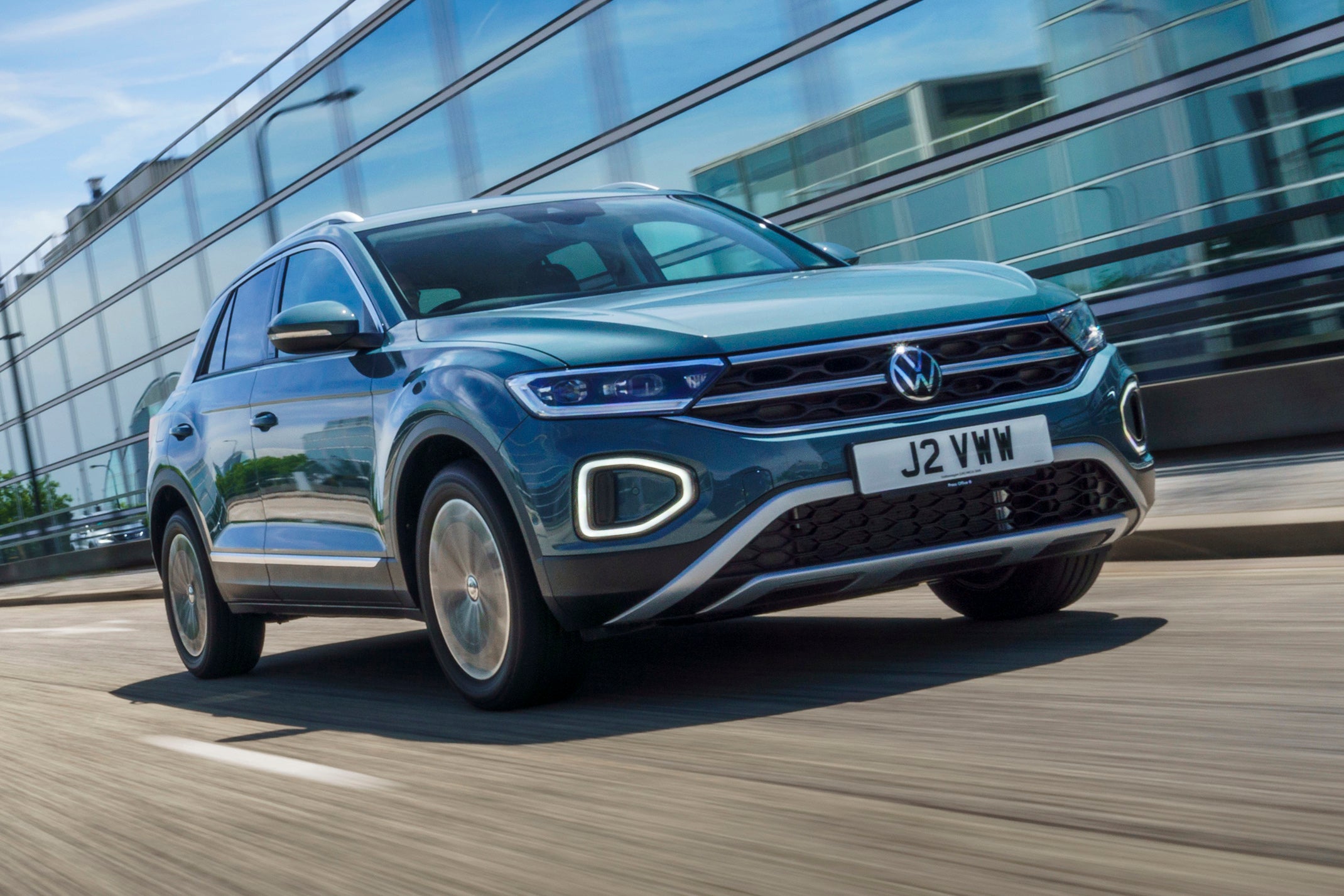
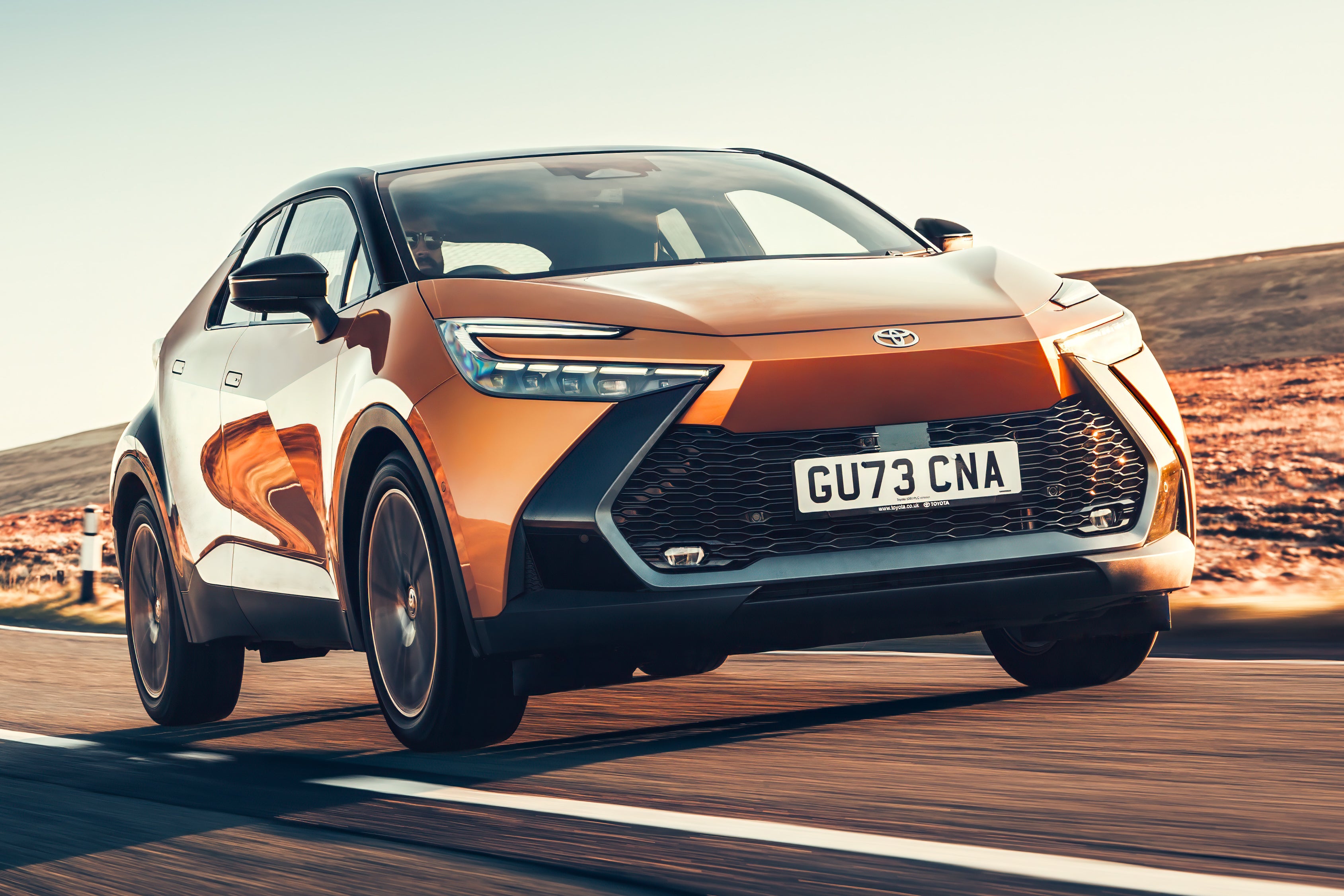
The Volkswagen T-Roc is one of the clearest alternatives if you want a polished small SUV with a more conventional shape and stronger practicality. The Toyota C-HR is another direct rival if style and hybrid efficiency matter most, though it has its own practicality compromises.
The Kia XCeed is worth considering if you like the Mazda CX-30’s hatchback-crossover flavour, while the Skoda Karoq is the sensible choice if rear space and boot room matter more than design flair. The Nissan Qashqai also deserves a look if you want a more rounded family-SUV proposition.
If you are tempted by the Mazda CX-30 because it feels more premium than the average mainstream crossover, the Audi Q2 and BMW X2 sit nearby in spirit, though they will usually cost more once you match equipment.
What's the interior like in the Mazda Cx 30?
The Mazda CX-30’s cabin is one of the car’s biggest strengths. It feels restrained, carefully laid out and materially richer than most mainstream small SUVs.
Mazda Cx 30 boot space and practicality
The front of the Mazda CX-30 is easy to like. The driving position is comfortable, the seats offer enough adjustment for most drivers and the overall layout has a pleasingly driver-focused feel.
Storage up front is decent enough too, with useful door bins, a handy centre cubby and enough everyday usability that the Mazda CX-30 does not feel like style has completely trumped substance.
The rear is less convincing. This is one of the areas where the Mazda CX-30 makes a compromise for design. The rear doors are not especially wide, the side windows are quite small and taller passengers will notice that legroom is merely adequate rather than generous.
That means the Mazda CX-30 feels a little more cramped in the back than cars such as the Skoda Karoq or Nissan Qashqai. It is fine for children and manageable for adults on shorter journeys, but it is not the obvious choice if rear-seat space is a major priority.
Boot space is respectable rather than class-leading. The Mazda CX-30 offers 430 litres, or 422 litres if fitted with the Bose stereo. That is better than a Toyota C-HR, but behind cars such as the Volkswagen T-Roc and BMW X1.
In practical terms, the Mazda CX-30’s boot is usefully square and perfectly adequate for everyday family duties, shopping or a couple of suitcases. The main irritation is the pronounced boot lip, which makes loading heavier items more awkward than it should be. With the rear seats folded, capacity rises to 1,406 litres, or 1,398 litres in Bose-equipped cars.
So the Mazda CX-30 is practical enough for many buyers, but it is not the SUV to choose if maximum family-car versatility is your main aim.
Mazda Cx 30 dimensions
The Mazda CX-30 measures 4,395mm long, 1,795mm wide and 1,540mm high.
That makes it a neatly judged small SUV in footprint terms. It is compact enough to feel easy in town and easy to park, but large enough to avoid feeling like a token crossover. The downside is that it is not as roomy inside as some boxier alternatives.
Tech and infotainment in the Mazda Cx 30
The Mazda CX-30 takes a more sensible approach to infotainment than many rivals. Rather than relying heavily on a touchscreen, it uses a rotary controller on the centre console, and that remains one of the easiest systems of its type to use on the move.
Current cars get a 10.25-inch display as standard, with navigation, Apple CarPlay and Android Auto included across the range. The graphics are clear, the menus are logical and the whole system feels refreshingly low-stress compared with some more attention-seeking alternatives.
This is not the flashiest system in the class, but it is one of the least irritating. That is a bigger compliment than it sounds.
Materials available on the Mazda Cx 30
Material quality is excellent by class standards. The Mazda CX-30’s dashboard, switchgear and general cabin finish all feel well above average for a mainstream crossover.
Even the cheaper versions feel well made, while higher trims bring richer upholstery and extra detailing that push the CX-30 closer to premium territory. It is one of the clearest examples of Mazda’s ambition to sit slightly above the mainstream without using a premium badge to justify it.
What's the Mazda Cx 30 like to drive?
The Mazda CX-30 is one of the more enjoyable small SUVs to drive, but it does not chase sportiness at the expense of comfort.
Mazda Cx 30 range and performance
The current Mazda CX-30 range is built around two mild-hybrid petrol engines.
The 140PS e-Skyactiv G is the better engine for most buyers. It has more natural low-down response than the older 122PS motor and suits the Mazda CX-30’s everyday manners well. It is not especially quick, but it is smoother and more convincing in ordinary driving than the power output might suggest.
The 186ps e-Skyactiv X is the more interesting engine technically, and on paper it is the stronger performer. It does make the Mazda CX-30 feel quicker, but it still needs revs to give its best and it does not deliver the same easy shove as a punchy turbocharged rival.
So the Mazda CX-30’s engine story is less about headline speed and more about character. Buyers used to turbocharged alternatives may need a short adjustment period.
Performance data
| Model | Engine/battery size | Power | 0-62mph | Range/MPG |
|---|---|---|---|---|
Mazda CX-30 e-Skyactiv G | 2.5-litre petrol mild hybrid | 140PS | 10.3 seconds | Up to 47.1mpg |
Mazda CX-30 e-Skyactiv X | 2.0-litre petrol mild hybrid | 186PS | 8.3 seconds | Up to 49.6mpg |
Mazda Cx 30 driving and refinement
The Mazda CX-30 gets the fundamentals right. The steering is direct, the body control is tidy and it feels more connected to the road than many small SUVs.
What impresses most is the balance. The Mazda CX-30 manages to feel engaging without turning stiff or fussy. Even on larger wheels, ride comfort is well judged, and it deals with rough roads without the sort of brittle edge that can spoil some style-led crossovers.
The six-speed manual gearbox is a big part of the appeal. Like the Mazda 3’s, it has a slick, precise shift that adds a little enjoyment to everyday driving. The automatic is smooth enough and will suit buyers who spend lots of time in traffic, but the manual remains the more satisfying option.
Refinement is decent rather than outstanding. The engines are generally quiet in gentle use, but they do become more vocal when extended, especially the e-Skyactiv X. Even so, the Mazda CX-30 feels mature enough on a run and more settled than some rivals.
How safe is the Mazda Cx 30?
The Mazda CX-30 earned a five-star Euro NCAP rating in 2019, and it posted an especially impressive 99 per cent score for adult occupant protection.
Standard safety kit is generous too. All versions include lane-keeping assistance, autonomous emergency braking and adaptive cruise control, while higher trims add further driver-assistance features such as a 360-degree camera and driver monitoring.
That gives the Mazda CX-30 a strong safety story, even if some buyers may never use all of the extra technology fitted to the upper trims.
Running costs: What it's like to live with a Mazda Cx 30
The Mazda CX-30’s running costs should be fairly reasonable, particularly if you value reliability and are happy with its naturally aspirated engine approach.
Mazda Cx 30 fuel economy
The 140ps e-Skyactiv G returns up to 47.1mpg, while the 186ps e-Skyactiv X can manage up to 49.6mpg in its most efficient form.
Those are respectable figures for relatively large-capacity petrol engines, and they support Mazda’s argument that you do not necessarily need a tiny turbo to get decent economy.
In real-world use, the Mazda CX-30 should be economical enough if driven sensibly, though high-mileage motorway users may still feel the absence of a diesel option.
Mazda Cx 30 warranty and servicing
New UK Mazda CX-30s registered from 1 September 2025 get a 6-year or 100,000-mile warranty, which is a strong ownership selling point.
Older and nearly new examples may still be on the previous 3-year or 60,000-mile cover, so used buyers should check the registration date and remaining manufacturer warranty carefully.
Servicing is straightforward, with intervals of 12 months or 12,500 miles. Mazda also offers service plans of up to 3 years or 37,500 miles.
Mazda Cx 30 insurance groups
Insurance groups run from around 15 to 21 depending on engine and trim, which is perfectly reasonable for a well-equipped small SUV.
That should help keep the Mazda CX-30’s ownership costs in sensible territory, even if it is not the cheapest car in the class to buy outright.
How much does it cost to tax a Mazda Cx 30?
From the second year onwards, the Mazda CX-30 pays the standard VED rate for petrol cars, which is now £200 a year.
The good news is that the Mazda CX-30 stays below the Expensive Car Supplement threshold, so there is no risk of the extra annual charge that affects pricier cars from years two to six.
What trims are available with the Mazda Cx 30?
The current Mazda CX-30 line-up is built around Prime-Line, Centre-Line, Homura, Exclusive-Line and Takumi.
Prime-Line is the entry point, but it already includes plenty of the essentials, including the 10.25-inch infotainment display, navigation, rear camera, rear parking sensors and a useful spread of safety kit.
Centre-Line is likely to be the trim many buyers should start with because it adds heated front seats, climate control, keyless entry and front parking sensors. That gives the Mazda CX-30 a more complete day-to-day feel without pushing the price too far.
Homura takes the sportier visual route with 18-inch wheels, darker exterior detailing and a powered tailgate, while Exclusive-Line adds more luxury-minded touches such as adaptive headlights, a sunroof and the Bose stereo.
Takumi sits at the top of the range and brings leather trim, electric front-seat adjustment, a 360-degree camera and extra driver-assistance features. It is the most luxurious version of the Mazda CX-30, but it is also the point where the pricing starts to edge close to entry-level premium alternatives.
Ask the Drive experts: common questions
How much does the Mazda CX-30 cost?
Is the Mazda CX-30 a good small SUV?
Which Mazda CX-30 is best?
Is the Mazda CX-30 bigger than the Mazda 3?
Get our latest advice, news and offers
Keep me updated by email with the latest advice, news and offers from Drive.
.jpg)
.jpg)
.jpg)