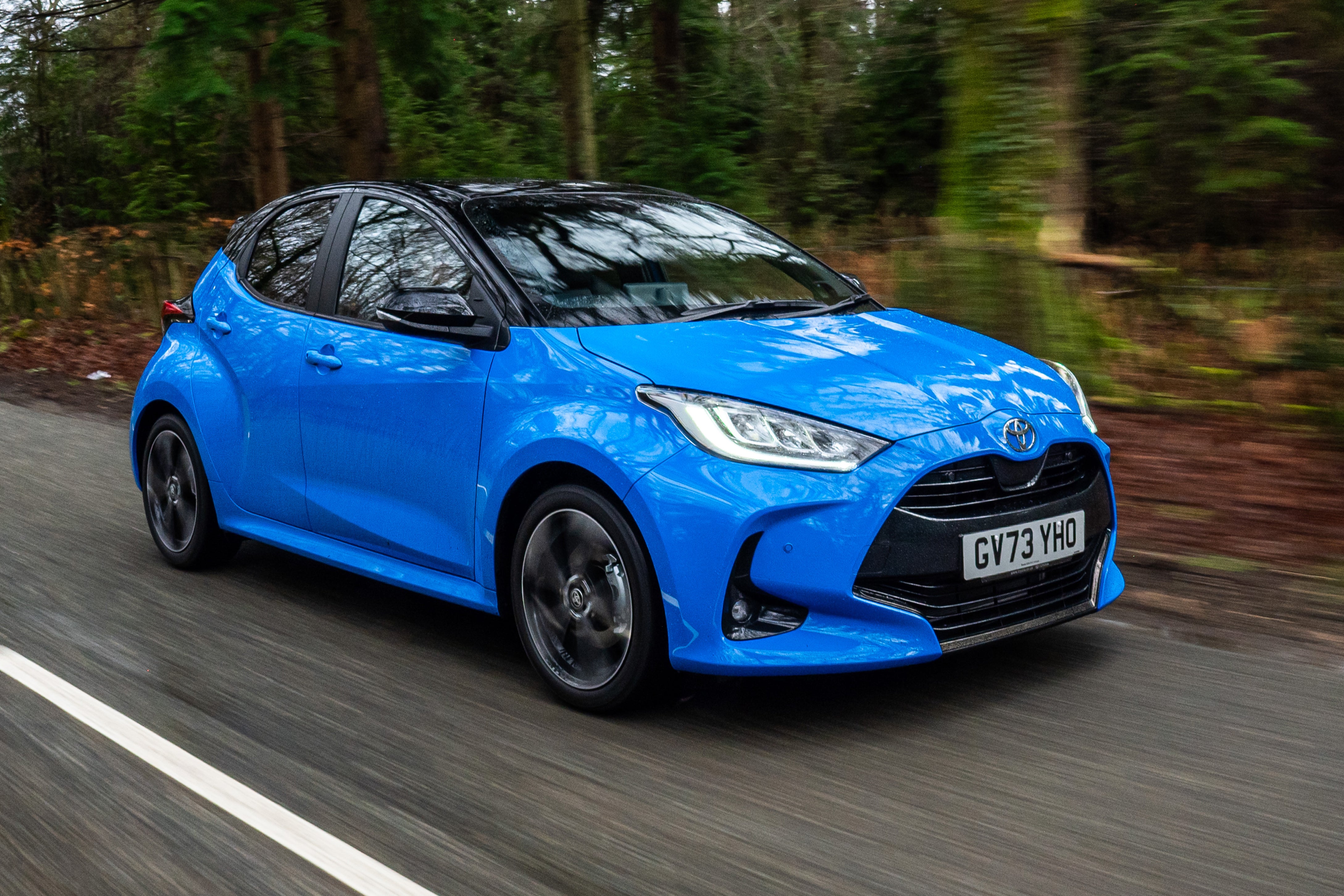
Honda Jazz Review

Written By Andrew Brady
- 2020
- Hatchback
- Hybrid
What we love
Magic Seats still make it one of the most versatile small cars around
Hybrid system is impressively efficient and easy to live with
Big-car visibility and ease of use
Things to consider
Expensive next to mainstream hatchback rivals
Ride can feel firm on rough roads
Not especially enjoyable to drive
The DRIVE take on the Honda Jazz, is it the right car for you?
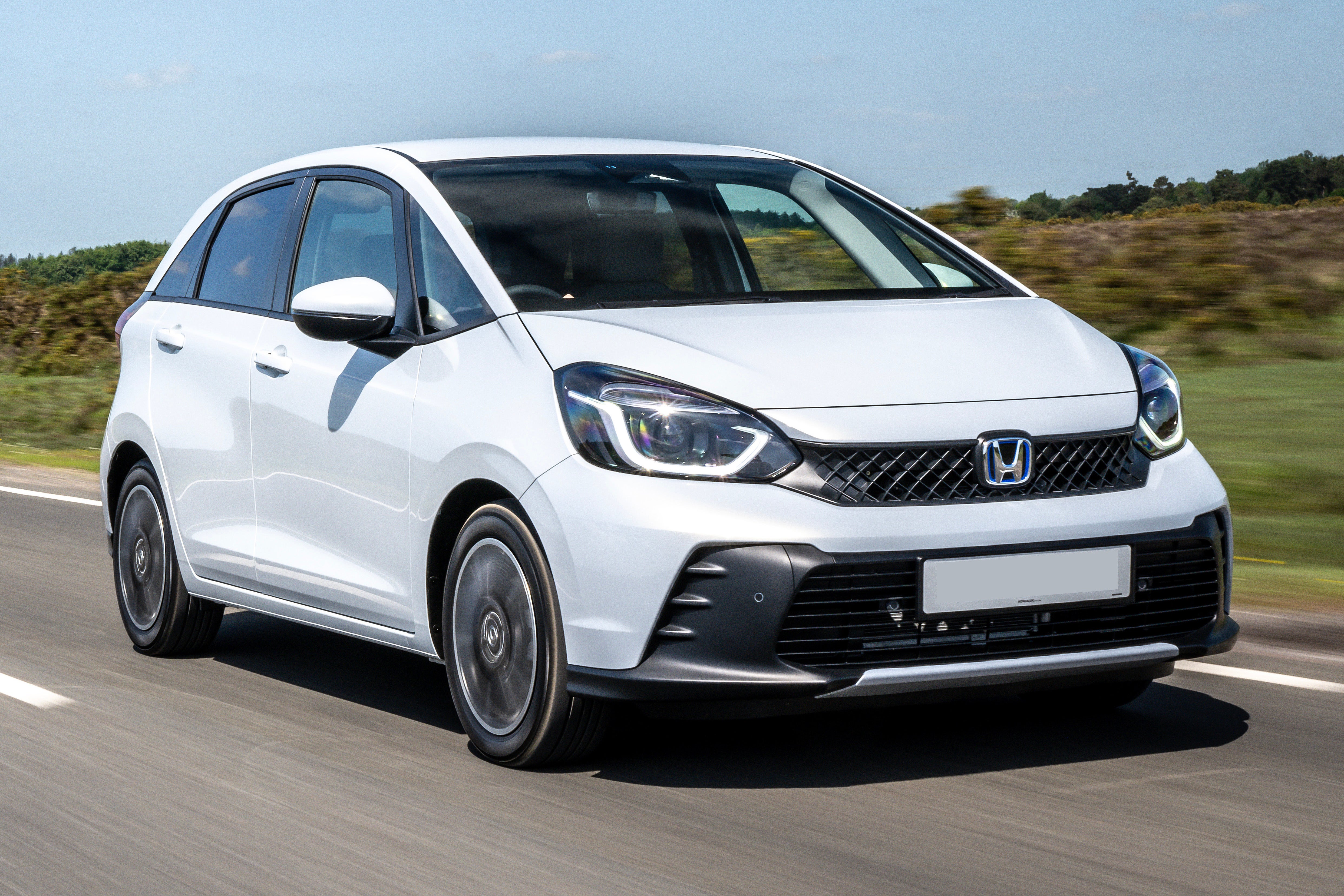
The Honda Jazz remains one of the easiest small cars to recommend if practicality, efficiency and low-stress ownership matter more than style-led image or driving sparkle. It is spacious for its size, thoughtfully designed inside and still feels unlike anything else in the supermini class thanks to its Magic Seats and hybrid-only line-up. The drawbacks are familiar enough: it is expensive for a small hatchback, the ride can feel firmer than you might expect and it is not especially entertaining to drive. Even so, the Honda Jazz is still one of the smartest real-world choices in this part of the market.
The Honda Jazz in more detail
The 2023 facelift kept the Honda Jazz fresh without disturbing the things buyers like most about it. Styling changes were subtle, but the update brought a useful power increase, better standard equipment and a generally smarter feel across the range.
That matters because the Jazz has always appealed more on substance than image. It is not trying to be a fashionable supermini or a cut-price hot hatch. Instead, the Honda Jazz focuses on visibility, versatility, low running costs and the sort of day-to-day usability that many small cars still fail to deliver.
Browse used Honda Jazz models for sale →
Every current Honda Jazz uses the same 1.5-litre full-hybrid set-up and automatic transmission. That makes the range easy to understand, and it suits the car’s character well. You do not need to plug it in, and in mixed driving it can be impressively frugal without asking much of the driver.
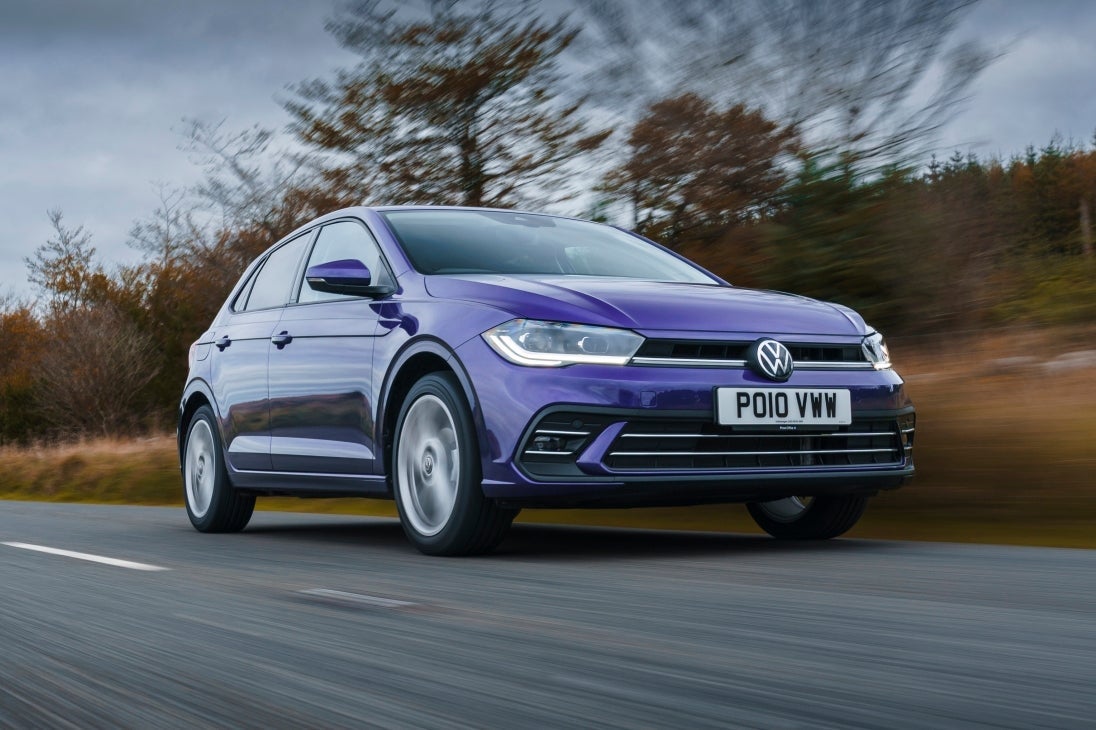
Practicality remains the Jazz’s party trick. It may be similar in size to a Volkswagen Polo on the outside, but inside it feels roomier than most rivals. Rear-seat space is excellent, visibility is outstanding and the Magic Seats system still gives it a level of flexibility that many larger cars cannot match.
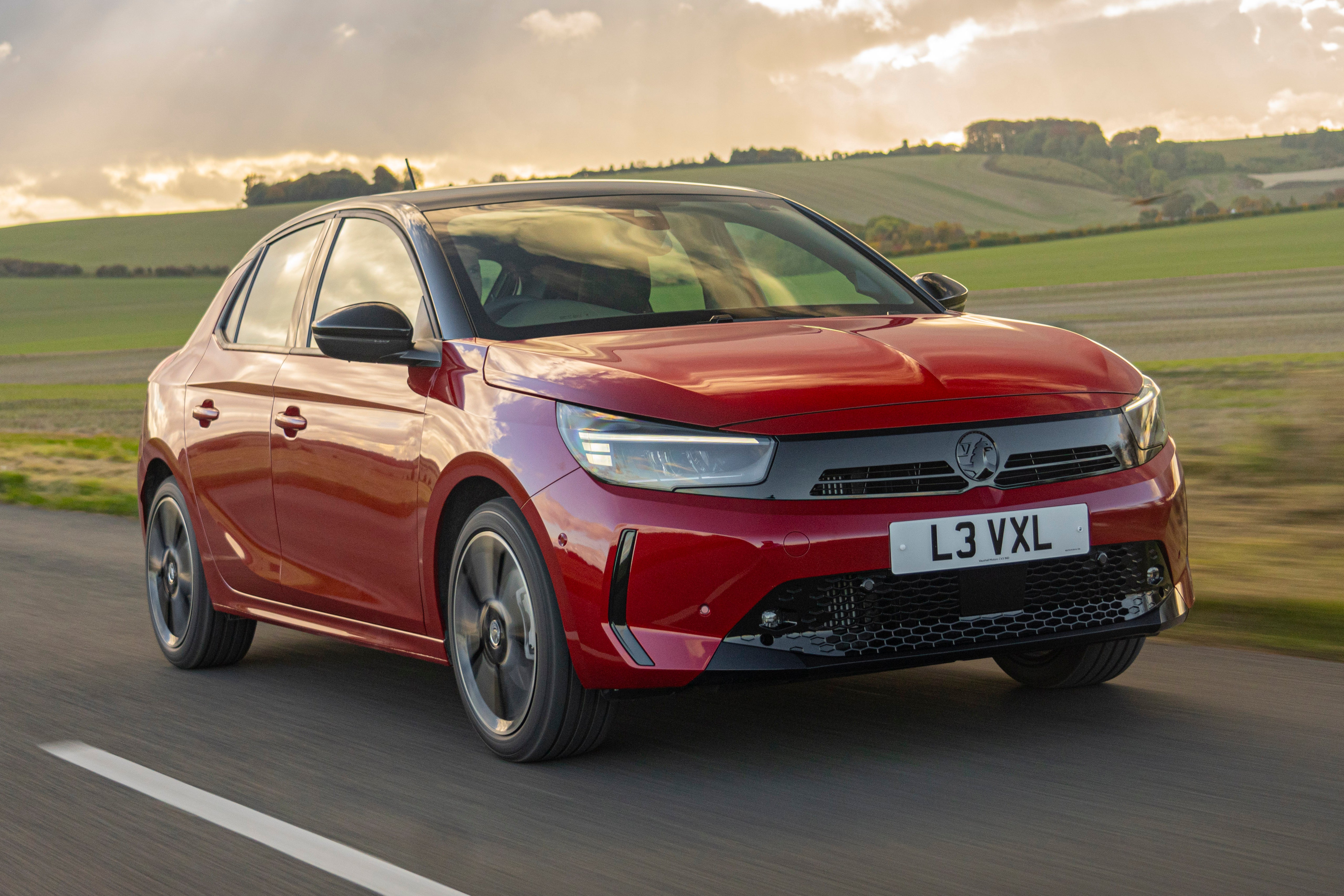
The obvious catch is price. The Honda Jazz sits well above the cheapest versions of the Renault Clio, Skoda Fabia or Vauxhall Corsa, and that makes it harder to justify if you are shopping purely by size and sticker. But the Jazz is not really trying to be a bargain hatchback. It is trying to be the small car that solves more problems than most, and in that role it still stands out.
What's the best Honda Jazz trim and engine option?
There is only one engine, so the real decision is trim. For most buyers, the Honda Jazz Advance is the one to have. It adds useful equipment over Elegance, including navigation, a heated steering wheel, keyless entry and rear USB charge points, without pushing the price too far into territory where a larger car starts to look tempting.
Elegance is still a sensible choice if you want to keep the price down, and it is better equipped than entry-level superminis tend to be. Advance Sport adds a little more visual edge and some chassis tweaks, but the Honda Jazz is not really a car you buy for sporty intent.
What’s the price of the Honda Jazz?
The current Honda Jazz range starts at £28,475 for the Elegance. The Advance costs £29,715 and the Advance Sport tops the regular Jazz range at £30,995. There are also plenty of used Honda Jazz models for sale for considerably less.
That makes the Honda Jazz notably more expensive than many mainstream superminis. You can buy a very well-equipped Volkswagen Polo, Renault Clio or Toyota Yaris for similar money, and in some cases you could step into a larger hatchback or a small SUV.
Honda’s defence is that the Jazz combines hybrid efficiency, strong standard equipment and class-leading practicality in one package. That is true, but the pricing still means it needs to be judged as more than just another small hatchback.
Alternatives to the Honda Jazz
The Toyota Yaris is one of the most obvious alternatives because it offers hybrid efficiency in a smaller, cheaper and more style-conscious package, even if it cannot match the Honda Jazz for practicality.
The Volkswagen Polo remains a strong alternative if you want something that feels a little more grown-up and conventional, while the Renault Clio and Skoda Fabia both offer good space and a lower starting price.
If practicality matters above almost everything else, the Honda Jazz stands apart. That is its biggest strength, and the reason it remains such an easy recommendation for buyers who value everyday usability over fashion.
What's the interior like in the Honda Jazz?
The Honda Jazz has one of the most thoughtfully designed cabins in this class. It looks neat, feels airy and major controls are exactly where you expect them to be.
Honda Jazz boot space and practicality
Practicality is where the Honda Jazz really earns its keep. Front-seat space is excellent, the driving position is slightly higher than you might expect in a supermini and visibility is superb thanks to the large windscreen and slim front pillars.
Rear-seat space is even more impressive. Adults can sit comfortably in the back in a way that still feels unusual in a car this size, with far more headroom and knee room than you get in most rivals.
The boot is not enormous on paper at 304 litres, and that means a Volkswagen Polo actually beats it for outright capacity. But the Honda Jazz’s load area is a useful shape, there is only a modest lip and the underfloor cubby helps with odd bits and bobs.
The bigger reason the Jazz remains so practical is its Magic Seats system. The rear seat bases flip up cinema-style to create a tall load area, or the whole bench folds down to open up a much larger luggage space. That gives the Honda Jazz a level of flexibility that most rivals simply do not offer. If you regularly carry awkward loads, plants, flat-pack furniture or a bike, the Jazz makes a lot of sense.
Honda Jazz dimensions
The Honda Jazz measures 4,089mm long, 1,694mm wide and 1,526mm high, with a 2,517mm wheelbase.
More important is how efficiently Honda uses that footprint. The Jazz feels much roomier inside than its exterior dimensions suggest, which is a big part of its appeal.
Tech and infotainment in the Honda Jazz
Every current Honda Jazz gets the same 9.0-inch central touchscreen, and that is good news because it is one of the better systems in this class for straightforward usability. Navigation, wireless Apple CarPlay and Android Auto are standard on the current range.
It is mounted high on the dashboard, the menus are logical, the graphics are clear and there are enough physical shortcuts to stop it becoming irritating. There is also a proper volume knob rather than some fiddly touch-sensitive substitute.
In a class where several rivals have made day-to-day usability worse in the name of looking modern, the Honda Jazz deserves credit for staying sensible.
Materials available on the Honda Jazz
The Honda Jazz does not feel premium, but it does feel solid and well assembled. There are some harder plastics if you start poking around, though the surfaces you are most likely to touch are finished more thoughtfully than you might expect.
The current line-up feels smart enough throughout, helped by better trim and upholstery choices than older Jazz models offered.
What's the Honda Jazz like to drive?
The Honda Jazz is best when treated as a calm, efficient and easy car to drive rather than something you are meant to enjoy on a twisting road. That may sound faint praise, but it suits the Honda Jazz well.
Honda Jazz range and performance
Every current Honda Jazz uses the same 1.5-litre e:HEV full-hybrid set-up.
Around town, the Honda Jazz feels exactly as you would hope. It pulls away smoothly, it can run under electric power for short periods and the hybrid system does a very good job of masking what is going on beneath the surface.
Push harder and the limitations are easier to spot. The automatic transmission lets the revs flare up under acceleration, and the engine becomes noisier than you would want. It is not disastrous, but the Honda Jazz is clearly happier being driven smoothly than hurried.
Performance data
| Model | Engine/battery size | Power | 0-62mph | Range/MPG |
|---|---|---|---|---|
Honda Jazz e:HEV | 1.5-litre full hybrid auto | 122PS | 9.6 seconds | up to 62.8mpg |
Honda Jazz driving and refinement
The Honda Jazz is excellent in town. The steering is light, the turning circle is tight and visibility is among the best in class. It is one of those cars that immediately feels easy.
Out of town, the Jazz remains composed and stable enough to feel more grown-up than its size suggests. It is not as engaging as a Ford Fiesta or as sharp as a Toyota Yaris, but it feels secure and predictable.
Ride comfort is more mixed. The Honda Jazz can feel surprisingly firm over potholes and broken urban surfaces, especially on cars riding on 16-inch wheels. That is one of the few ways in which the Jazz does not quite deliver on its otherwise comfort-led brief.
Refinement is generally good at a cruise, with wind noise well suppressed. The main drawback is the engine note under heavy acceleration, which becomes much more obvious than in gentler driving.
How safe is the Honda Jazz?
The Honda Jazz earned a five-star Euro NCAP rating in 2020. It remains a very strong showing for a small hatchback.
Standard safety equipment is generous. All cars get a broad spread of active safety systems, including collision mitigation braking, road departure mitigation, adaptive cruise control and traffic-sign recognition.
Running costs: What it's like to live with a Honda Jazz
The Honda Jazz’s running costs are one of its strongest cards. It is efficient in the real world, reliability should be excellent and the hybrid system does not ask anything special of the driver.
Honda Jazz fuel economy
Official fuel economy is up to 62.8mpg, and in real-world use the Honda Jazz is one of those rare hybrid cars that can get very close to its quoted numbers if you drive it gently.
Even mid-50s mpg should be easy enough to achieve in mixed driving, which makes the Honda Jazz an attractive option for buyers who want hybrid efficiency without needing to charge.
Honda Jazz warranty and servicing
All new Honda cars come with a three-year warranty, and for cars registered from 1 April 2026 Honda’s service-activated warranty can extend cover annually up to eight years or 100,000 miles if the car is serviced on schedule at an authorised Honda retailer or service centre. Standard warranty cover is three years or 90,000 miles, while hybrid components are covered for five years or 90,000 miles.
Honda also offers its THREE Service Plan, covering the first manufacturer-recommended scheduled services for up to three years or 37,500 miles.
That only strengthens the Honda Jazz’s long-standing reputation as a low-hassle ownership proposition.
Honda Jazz insurance groups
Insurance groups for the current facelifted range start at group 21 for Elegance and rise to group 22 for Advance and Advance Sport.
That is not bargain-basement cheap for a supermini, but it is reasonable enough given the hybrid system and standard equipment.
How much does it cost to tax a Honda Jazz?
The standard VED rate from the second year onwards is £200 a year for petrol and hybrid cars registered on or after 1 April 2017. None of the current Honda Jazz range crosses the £40,000 list-price threshold, so there is no Expensive Car Supplement to worry about.
In practice, that means every current Honda Jazz costs £200 a year in VED from year two onwards.
What trims are available with the Honda Jazz?
The current Honda Jazz range is simple, with Elegance, Advance and Advance Sport trims.
Elegance comes with 15-inch alloy wheels, a leather-trimmed steering wheel, fabric seats, the 9.0-inch touchscreen, front and rear parking sensors, rear-view camera, Honda SENSING, Magic Seats and adaptive cruise control.
Advance adds 16-inch alloy wheels, heated steering wheel, navigation, blind-spot information, rear cross-traffic monitor, rear USB charge points and keyless entry.
Advance Sport tops the regular range and adds sportier styling details, black exterior trim and chassis tweaks intended to make the Honda Jazz feel a little more responsive.
Ask the Drive experts: common questions
How much does the Honda Jazz cost?
Is the Honda Jazz a good small car?
Is the Honda Jazz a hybrid?
Is the Honda Jazz practical?
Get our latest advice, news and offers
Keep me updated by email with the latest advice, news and offers from Drive.