Vauxhall Corsa Review

Written By Andrew Brady
- 2019
- Hatchback
- Petrol, mild hybrid
What we love
Good petrol and hybrid engines
Strong standard equipment
Easy to drive and refined on a cruise
Things to consider
Ride can feel brittle at low speeds
Rear-seat space is tight
Cabin quality is mixed in places
The DRIVE take on the Vauxhall Corsa, is it the right car for you?
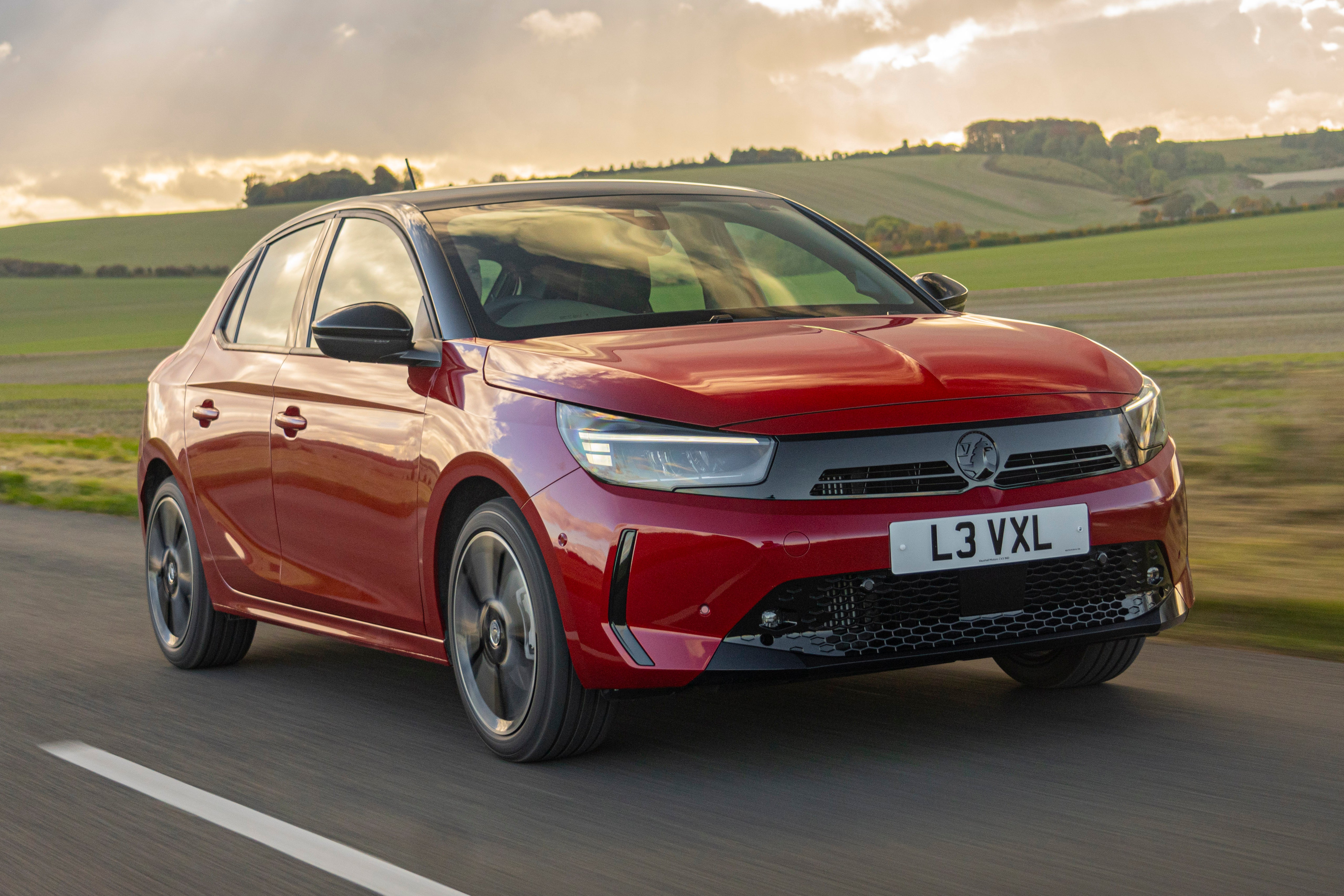
The Vauxhall Corsa does a lot of the important small-car things well. It looks smart, it is easy to drive, the engine range makes sense and the standard equipment list is stronger than many buyers will expect. It also feels much more grown up than older Corsas ever managed. The catch is that the best superminis have moved on as well. A Ford Fiesta is still more fun to drive, a Volkswagen Polo feels more rounded and spacious, and a Skoda Fabia is easier to live with in the back. Even so, if you want a stylish, well-priced small hatchback with a good petrol engine or an efficient mild-hybrid option, the Corsa remains a very credible all-rounder.
The Vauxhall Corsa in more detail
The Corsa has always been one of the default names in the supermini class. That familiarity has helped it hugely over the years, but it has also meant previous versions sometimes got by on reputation and sales momentum rather than genuine excellence. This generation had to do more than that.
The current car benefits enormously from Stellantis underpinnings and close links to the Peugeot 208. That gives it a much more modern base than older Corsas enjoyed, and Vauxhall has worked hard to tune the chassis for UK roads and tastes.
The result is a car that feels much more contemporary than the badge might once have suggested. The styling is sharper, the infotainment is more current and the whole thing has a more coherent, more mature feel than old Corsas ever did.
That does not mean it is perfect. There are still some hard edges to the way it rides, the rear seats are tighter than some rivals manage and the cabin materials do not fully match the best in class. But there is enough talent here to make the Corsa easy to recommend to buyers who want something straightforward and modern rather than overtly characterful.
For this review, the focus is firmly on the petrol and hybrid Corsa models. The electric version is covered separately in our Vauxhall Corsa Electric review.
What's the best Vauxhall Corsa trim and engine option?
For most buyers, the best Vauxhall Corsa is the GS with the 1.2 Turbo Hybrid 145PS e-DCT6.
That version makes the most convincing all-round case because it combines the Corsa’s strongest current powertrain with the trim level that adds the most desirable equipment without tipping too far into expensive territory.
The standard 1.2-litre petrol is still a good engine, especially in 100PS form on earlier cars and 100PS or 130PS where still available in the wider used market. It is punchy, refined enough and suits the Corsa’s character well.
But the mild hybrid is the one that feels most current. It improves economy, smooths off the drivetrain’s responses in traffic and is simply the easiest version to recommend if you are buying new or nearly new.
In simple terms, Design is the sensible entry point, GS is the sweet spot and Ultimate is the plush one.
What’s the price of the Vauxhall Corsa?
The current Vauxhall Corsa hatchback range starts at £20,905 for the Design 1.2 petrol 75PS manual. From there, prices rise through the petrol and hybrid line-up, topping out at £29,635 for the Ultimate Hybrid 145PS e-DCT6.
That puts the Corsa right into the heart of the modern supermini market. It is no longer a bargain-basement small hatch, but it does come with more standard equipment and a more upmarket feel than older Corsas managed.
Used examples continue to make a lot of sense, too. Depreciation tends to be kinder to used buyers than to first owners, which means there are often strong nearly new deals to be had on petrol Corsas in particular.
Alternatives to the Vauxhall Corsa
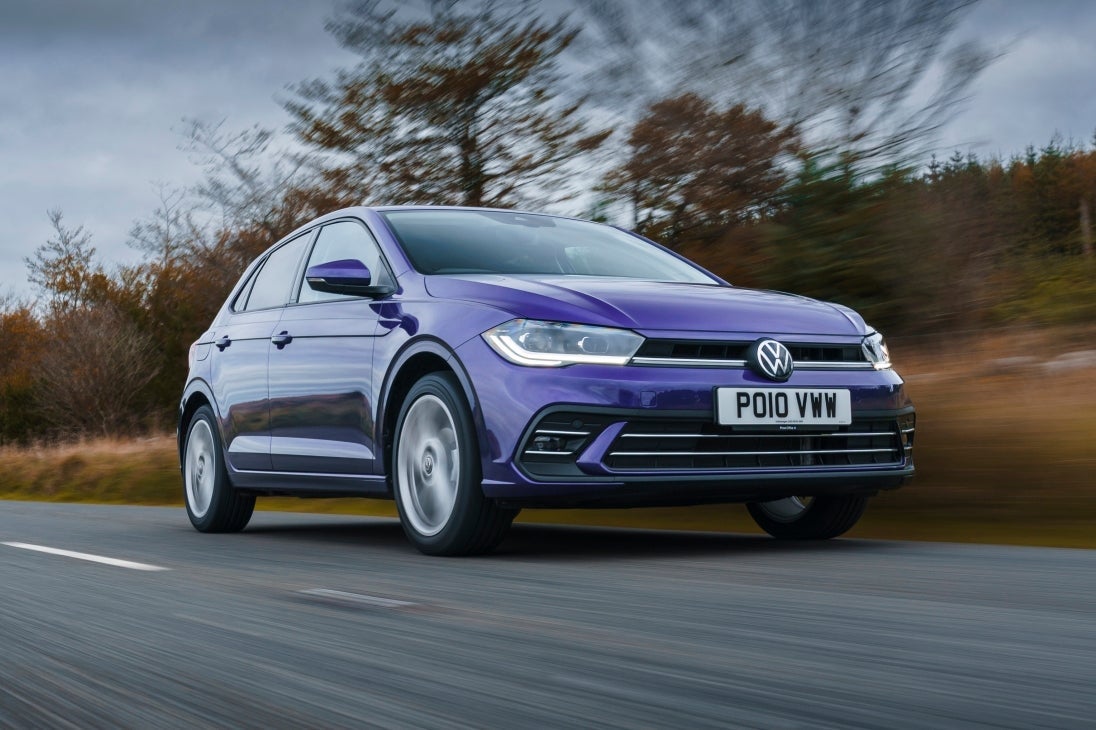
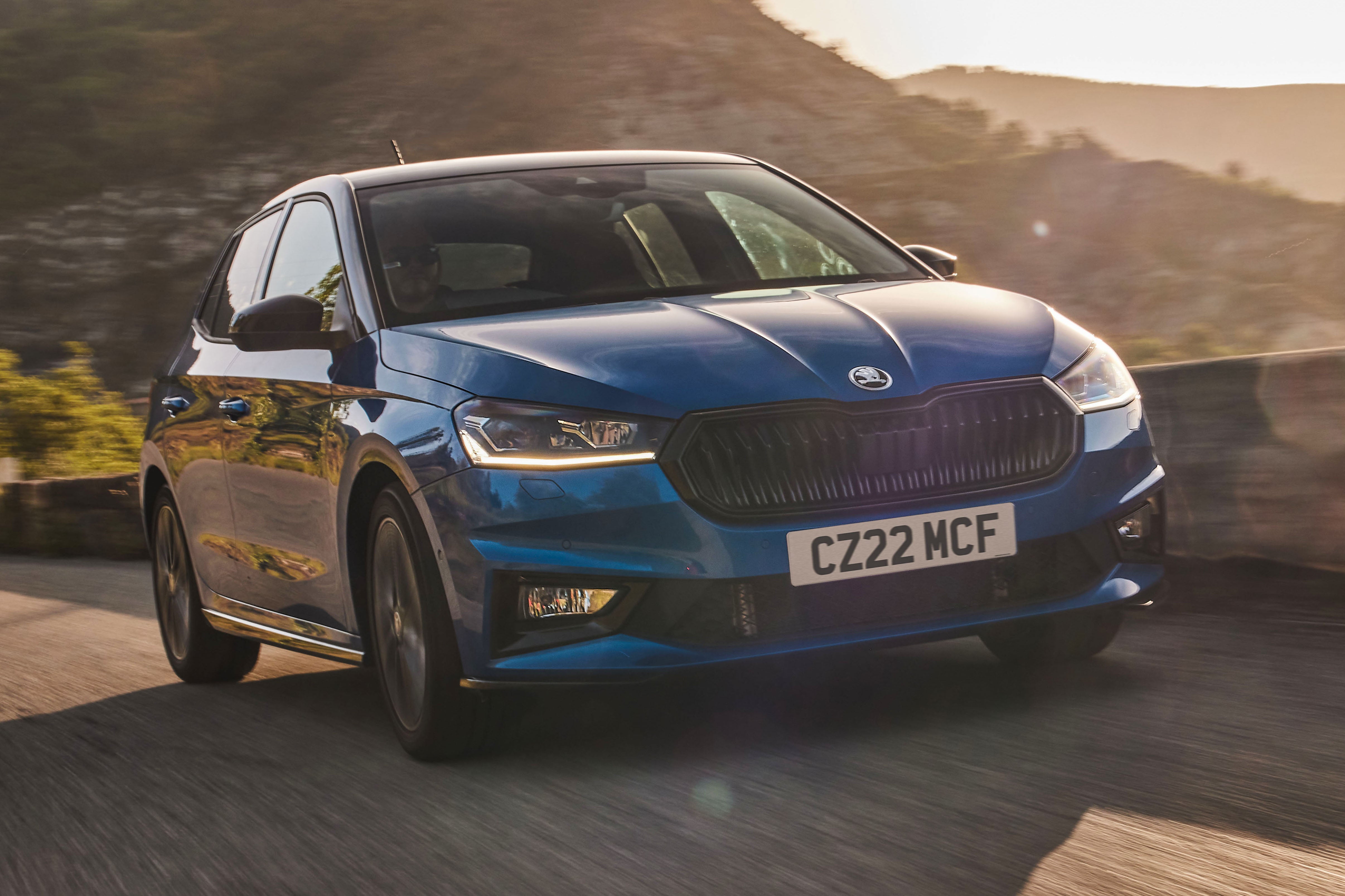
The Volkswagen Polo remains one of the Corsa’s clearest rivals because it is such a strong all-round benchmark. It is roomier, more comfortable and feels more mature inside, though it is not always as generously equipped at equivalent money.
The Skoda Fabia is another obvious alternative if space and comfort matter most. It is one of the most practical cars in the class and makes a very strong everyday case against the Corsa.
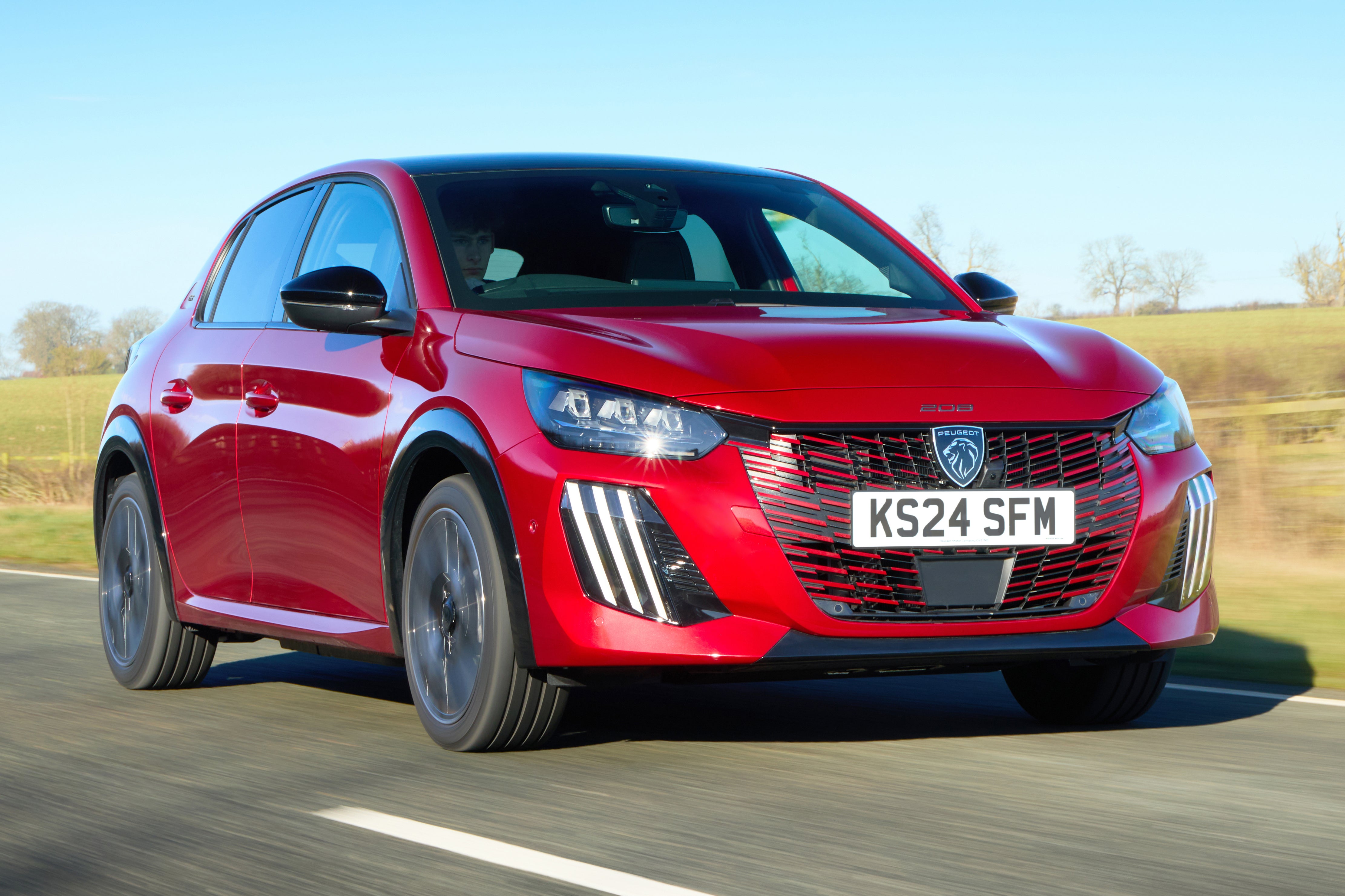
The Peugeot 208 is impossible to ignore because it shares so much of the Corsa’s underlying hardware. It is more flamboyant inside and out, while the Vauxhall counters with a slightly cleaner, more straightforward feel.
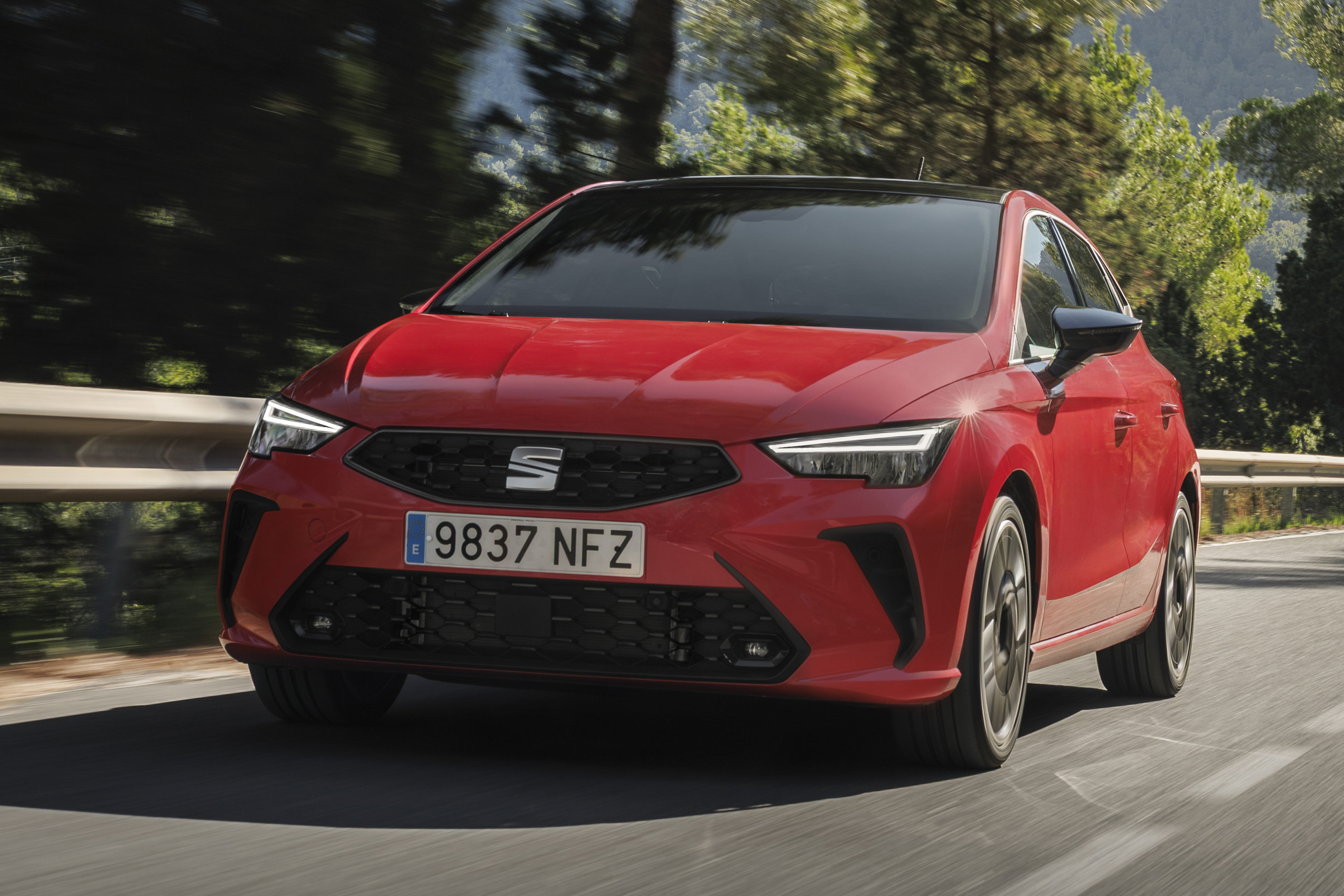
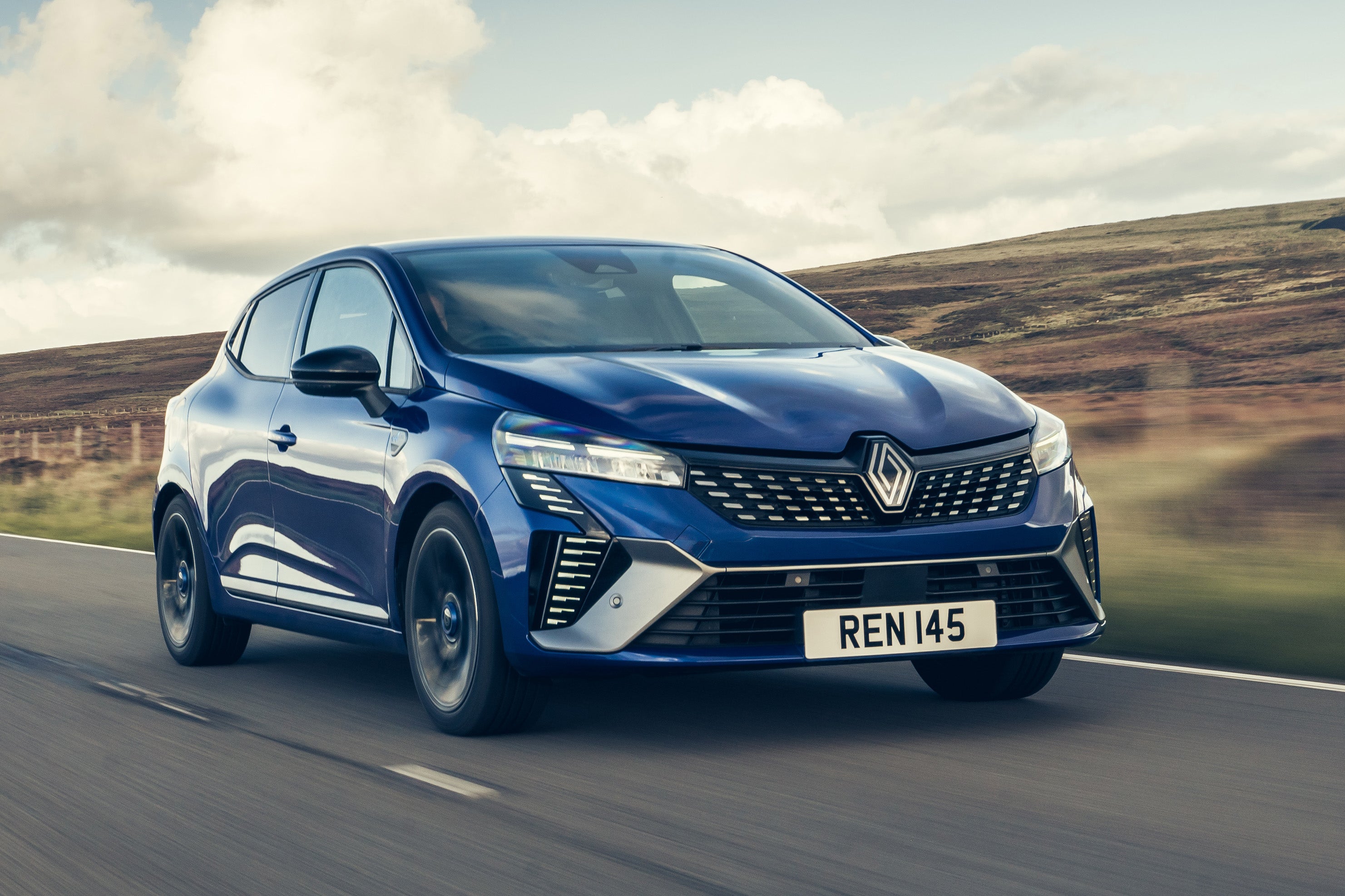
Beyond those three, the Renault Clio, SEAT Ibiza and Hyundai i20 all deserve a look. The Corsa makes most sense if you want a small hatchback that feels modern and well equipped without shouting too loudly about it.
What's the interior like in the Vauxhall Corsa?
The Corsa’s interior is a step forward from older models, though it is still not the class best for quality or space.
Vauxhall Corsa boot space and practicality
Vauxhall has taken a step back with this generation of Corsa when it comes to fitting in rear seat occupants. The previous Corsa was one of the roomier cars in its class, but this one drops down the ranks to become one of the less accommodating.
That’s a shame as it means adults will find it hard to squeeze into the back of the Vauxhall Corsa without their knees jutting into the rear of the front seats – not comfortable for anyone. Headroom is also dismal and forces even average-sized adults to sit with their heads at an angle to fit in here.
Put children in the back of the Vauxhall Corsa and it’s a better story, but still far from the best in the class. However, the flat bench cushion means you can fit three kids across the Corsa with enough room for their elbows and shoulders. All three get a triple-point belt and headrest, while ISOFIX kiddy seat mounts are supplied with the two outer seats.
With this Corsa, Vauxhall has decided not to offer a three-door model, so getting in and out of the rear seats is simple as you don’t have to clamber between front seat and door pillar to do so. The rear doors open wide and make it easy for parents to lift in a kiddy seat, though the ISOFIX mounts are tucked behind slits in the upholstery rather than easier to use plastic covers.
Head round to the back of the Vauxhall Corsa and you find a tailgate that opens up high but reveals a load sill that is also high off the ground. It forces a big drop to the boot floor, though the cargo bay itself is well shaped and unhindered by the rear wheelarches or suspension. It’s a pity there are not any storage cubbies on either side of the boot, but at least the Vauxhall Corsa offers 309-litres of boot space to be one of the biggest in the supermini class.
Folding the 60/40 split and tumble rear seats in the Vauxhall Corsa is as easy as in any other small hatch. Topple the seats and it reveals a little intrusion at the sides from the suspension which narrows the available gap to slide larger items through. With the back seats down, you have up to 1081-litres of boot space in the Vauxhall Corsa, which is again among the better in the class.
Vauxhall Corsa dimensions
The Vauxhall Corsa measures 4,060mm long, 1,765mm wide & 1,433mm high. Those dimensions put it right in the middle of the supermini class and explain why it feels easy to place in town while still offering enough substance for longer trips.
Tech and infotainment in the Vauxhall Corsa
The lower end Vauxhall Corsa models came with a 7-inch infotainment screen, while the Elite Nav Premium and Ultimate Nav models have a 10-inch display - this is now standard across the board for new Corsas. In both cases, they are simple to pair with your smartphone using the USB port and Apple CarPlay or Android Auto.
Using these connections also means you can access apps from your phone through the car’s display. It means every Corsa driver has sat-nav to hand through their phone, while those models with the larger 10-inch screen gain integrated sat-nav.
We find the smaller screen can be tricky to read while driving due to its narrow shape. The bigger 10-inch version solves this and is easy to use. It’s also very responsive to the touch of your finger, while shortcut buttons on the display make it quicker to access important menus for the heating, stereo and nav controls. Also with the larger screen, you can input destinations using voice control that helps avoid nudging the stereo’s volume dial by accident when pressing icons on the infotainment screen.
Materials available on the Vauxhall Corsa
Material quality is mixed. The upper dashboard looks neat enough and there are some decent trim details, but the Corsa is still let down by harder, cheaper-feeling plastics lower down.
That is not unusual in this part of the market, but some rivals do a better job of hiding it. The overall feel is more functional than plush. What matters more is that the cabin feels sturdily assembled. It may not wow you for richness, but it does not feel flimsy overall.
What's the Vauxhall Corsa like to drive?
The Corsa is easy to drive and stable on faster roads, though it still cannot quite match the very best superminis for either ride comfort or fun.
Vauxhall Corsa range and performance
The current focus of the range is on the familiar 1.2-litre petrol and the mild-hybrid versions that build on it. The entry 75PS petrol is serviceable enough, but it is not the one to pick unless budget is everything.
The stronger petrol versions are much more convincing, with the 100PS and 130PS 1.2-litre turbo engines giving the Corsa the sort of punch it needs to feel relaxed beyond town use. The mild-hybrid versions, badged Hybrid e-DCT6, bring either 100PS or 136PS on earlier terminology, now represented in the current range by the 145PS hybrid system output.
For most buyers, the hybrid is now the best fit. It is brisk enough, more efficient than the regular petrols and better suited to stop-start daily driving.
Performance data
| Model | Engine/battery size | Power | 0-62mph | Range/MPG |
|---|---|---|---|---|
1.2 75 | 1.2-litre | 75PS | 13.2 seconds | Up to 52.3mpg |
1.2 Turbo 100 | 1.2-litre | 100PS | 9.9 seconds | Up to 54.3mpg |
Hybrid e-DCT6 | 1.2-litre | 145PS | 8.6 seconds | Up to 64.2mpg |
Vauxhall Corsa driving and refinement
This Vauxhall Corsa is markedly better to drive than its predecessor. That isn’t saying a great deal as the older model was marred by unfeeling steering and a ride that was too hard in most circumstances. Helping this latest generation is reduced weight, so the suspension has less heft to deal with.
Even so, the Vauxhall Corsa still manages to come across as a bit stodgy and a car that doesn’t know whether it wants to head in the sportier direction of the Ford Fiesta or the comfort bias of the Volkswagen Polo. As a result, it falls between the two stools and satisfies on neither front rather than covering all bases. It’s a missed opportunity from Vauxhall, especially as the Corsa is very stable and easy to drive on the motorway. This is the high point of its driving abilities, which is not perhaps what you’d expect of a supermini.
In town, the ride is just about decent, though choose a Vauxhall Corsa model with bigger alloy wheels and the comfort suffers as a result. The steering is light for parking duties and doesn’t demand much of its driver, but it also doesn’t interact in the same way a Fiesta’s does to let the driver know what the car is up to. On faster, curvier roads this discourages the Corsa driver from making the most of the car’s considerable grip and poise in bends whereas the Fiesta’s driver will be having fun.
At this sort of higher pace, the suspension takes on a harder edge that has the driver scanning the road ahead to avoid all but the least severe dimples and ripples. Given the Vauxhall Corsa has been developed from the same platform as the Peugeot 208, it’s frustrating to know the French car is agile and dexterous when it comes to plotting its way along similar pitted surfaces.
If the Vauxhall Corsa’s ride quality fails to impress, at least it does a good job of keeping noise from the tyres and suspension isolated from the cabin. At any speed, the Vauxhall Corsa’s interior is largely free from the roar that can afflict others in this sector and this holds true of those trims with larger wheels.
It’s the same story when it comes to wind noise as the Corsa happily swishes along the motorway with very little disturbance from the breeze.
As for the engines, they are impressively quiet and smooth running in the Vauxhall Corsa. Even when worked hard, the 1.2-litre petrol keeps itself in check, while the diesel is also among the quietest of its type in the supermini class. It all adds up to a small car that is very capable on longer journeys and this is forte of the Corsa, albeit one that a couple of others come close to rivalling, such as the Skoda Fabia and Volkswagen Polo.
How safe is the Vauxhall Corsa?
The current Corsa has a four-star Euro NCAP safety rating.
That is respectable rather than class-leading, but the standard safety package is still decent. All versions get autonomous emergency braking, lane assistance, traffic-sign recognition and driver-fatigue monitoring.
Higher trims can add extras such as blind-spot alert, but even the basic car does not feel sparsely equipped in safety terms.
Running costs: What it's like to live with a Vauxhall Corsa
The Corsa’s running costs are one of its stronger points, particularly if you choose one of the better petrol engines or the mild hybrid.
Vauxhall Corsa fuel economy
The petrol Corsa range remains reasonably efficient, with the 75PS car returning up to 52.3mpg and the 100PS turbo managing up to 54.3mpg.
The mild-hybrid version improves on that with official fuel economy of up to 64.2mpg, which makes it the best choice if you want a non-plug-in Corsa that feels especially easy on fuel.
That means the hybrid makes the strongest case for itself in mixed driving, especially urban and suburban use where the electrified assistance has the best chance to pay off.
Vauxhall Corsa warranty and servicing
Vauxhall’s new-car warranty runs for three years from first registration, with unlimited mileage in year one and a 60,000-mile cap over years two and three.
Servicing is structured around Vauxhall’s retailer service-plan model. The current guidance points to Interim and Main service events on a 24-month pattern, with Major services every 48 months.
Vauxhall Corsa insurance groups
Insurance groups run from 10 for the cheaper petrol versions up to 26 for the more powerful hybrid models in higher trims.
That spread is fairly typical for the class, though it does mean the upper-spec hybrid Corsas are no longer especially cheap in insurance terms.
How much does it cost to tax a Vauxhall Corsa?
The petrol and hybrid Vauxhall Corsa now pay the standard annual VED rate after year one, which is £200.
None of the current non-electric Corsa hatchbacks crosses the £40,000 threshold, so there is no Expensive Car Supplement to worry about here.
What trims are available with the Vauxhall Corsa?
The Vauxhall Corsa line-up now centres on Design, GS and Ultimate.
Corsa Design is the entry point, but it is far from sparse. It gets 16-inch alloys, LED headlights, rear parking sensors, the 10-inch touchscreen, a 7-inch digital driver display and the key safety systems.
Corsa GS is the trim that makes the strongest overall case. It adds 17-inch alloys, a sportier body kit, black styling details, climate control, keyless entry and start, front centre armrest and electrically folding mirrors.
Corsa Ultimate sits at the top of the range. It adds IntelliLux adaptive headlights, adaptive cruise control, heated front seats, heated steering wheel, massaging driver’s seat and Alcantara trim details.
Ask the Drive experts: common questions
Is the Vauxhall Corsa a good small car?
Which Vauxhall Corsa is best?
Is the Vauxhall Corsa Hybrid worth it?
Does the Vauxhall Corsa get the Expensive Car Supplement?
Get our latest advice, news and offers
Keep me updated by email with the latest advice, news and offers from Drive.