Volkswagen Polo Review

Written By Andrew Brady
- 2017
- Small hatch
- Petrol
What we love
Decent cabin space
Superb refinement and ride comfort
Feels classy and built to last
Things to consider
80PS engine best suited to shorter journeys
115PS engine comes with DSG only
Higher trims use touch-sensitive climate controls
The DRIVE take on the Volkswagen Polo, is it the right car for you?
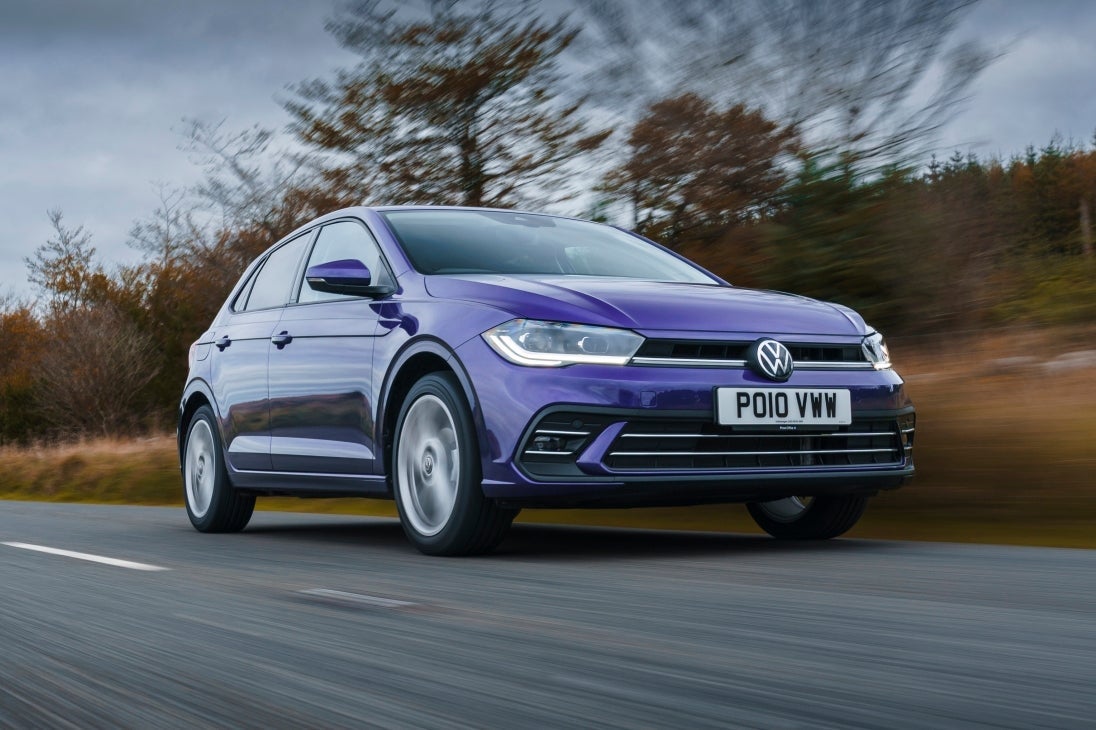
The Volkswagen Polo is one of the most complete small cars on sale because it feels a class above in many of the areas that matter most. It’s compact enough to feel at home on tight city streets, but it’s also spacious, comfortable, refined and easy to live with, giving it a big-car feel. It’s not the cheapest option in the class, and nor is it the most entertaining to drive, but if you want a small hatchback that feels mature and well-made, the Polo continues to impress.
The Volkswagen Polo in more detail
For as long as the Golf has been the default family hatchback for so many buyers, the Polo has played much the same role in the supermini class. And for similar reasons. Both models have the sort of practicality, quality, comfort and refinement that make them feel like bigger, more grown-up cars than they actually are.
Mechanically, the Polo has a lot in common with cars such as the Skoda Fabia and SEAT Ibiza, but the Polo manages to feel a little more upmarket than its relatives, with a posher cabin, impressive comfort and excellent refinement. Rear-seat space is generous by supermini standards, the boot is a very decent size, too, so a small family really could have a Polo as its only car.
Browse used Volkswagen Polos for sale →
The 2021 facelift helped keep it current. The styling changes were light, but the Polo gained standard digital instruments, smarter lighting and more modern infotainment. There was also a move towards touch-sensitive climate controls on the higher trim levels, which are fiddly to use.
The current engine range is now simpler than it once was. Diesel is no more, leaving only petrol engines. The range starts with the naturally aspirated 1.0-litre petrol with 80PS, while there are two turbocharged 1.0 TSI alternatives with 95PS or 115PS, and these suit the car far better. There’s a GTI hot hatch version as well, but we’ve covered that separately in our dedicated Volkswagen Polo GTI review.
What's the best Volkswagen Polo trim and engine option?
For most buyers, the best Volkswagen Polo is the Match Plus version with the 1.0 TSI 95PS engine.
The 95PS 1.0-litre petrol is punchy enough to get the Polo around with purpose, and without feeling too strained, while fuel economy is good, too. The 115PS version might be worth considering if you do a lot more motorway driving or simply want a little more flexibility, but the difference isn’t huge, and the 95PS car will be perfectly adequate for most buyers.
Match Plus is the sweet spot in the trim line-up because it adds useful and desirable extra kit over Life and Match trims without charging too much more for it, and it’s considerably cheaper than the R-Line and Black Edition versions.
What’s the price of the Volkswagen Polo?
The Volkswagen Polo range currently starts at £22,055 for the Polo Life, and the range extends through Match, Match Plus, R-Line, and Black Edition trims, with an Edition 50 limited edition version currently being offered as well to celebrate the Polo’s 50 anniversary. If you don’t count the GTI, which we won’t here as we’ve covered it in a separate GTI review, the range rises to £28,635 for the most expensive version of the Black Edition. There are also plenty of used Volkswagen Polos for sale for considerably less.
That means the Polo certainly isn’t the budget option in this class: there are many cheaper superminis, and some of them offer more equipment for similar money. However, the Polo feels a cut above most rivals, with better quality, comfort, refinement, and a generally more mature feel.
Alternatives to the Volkswagen Polo
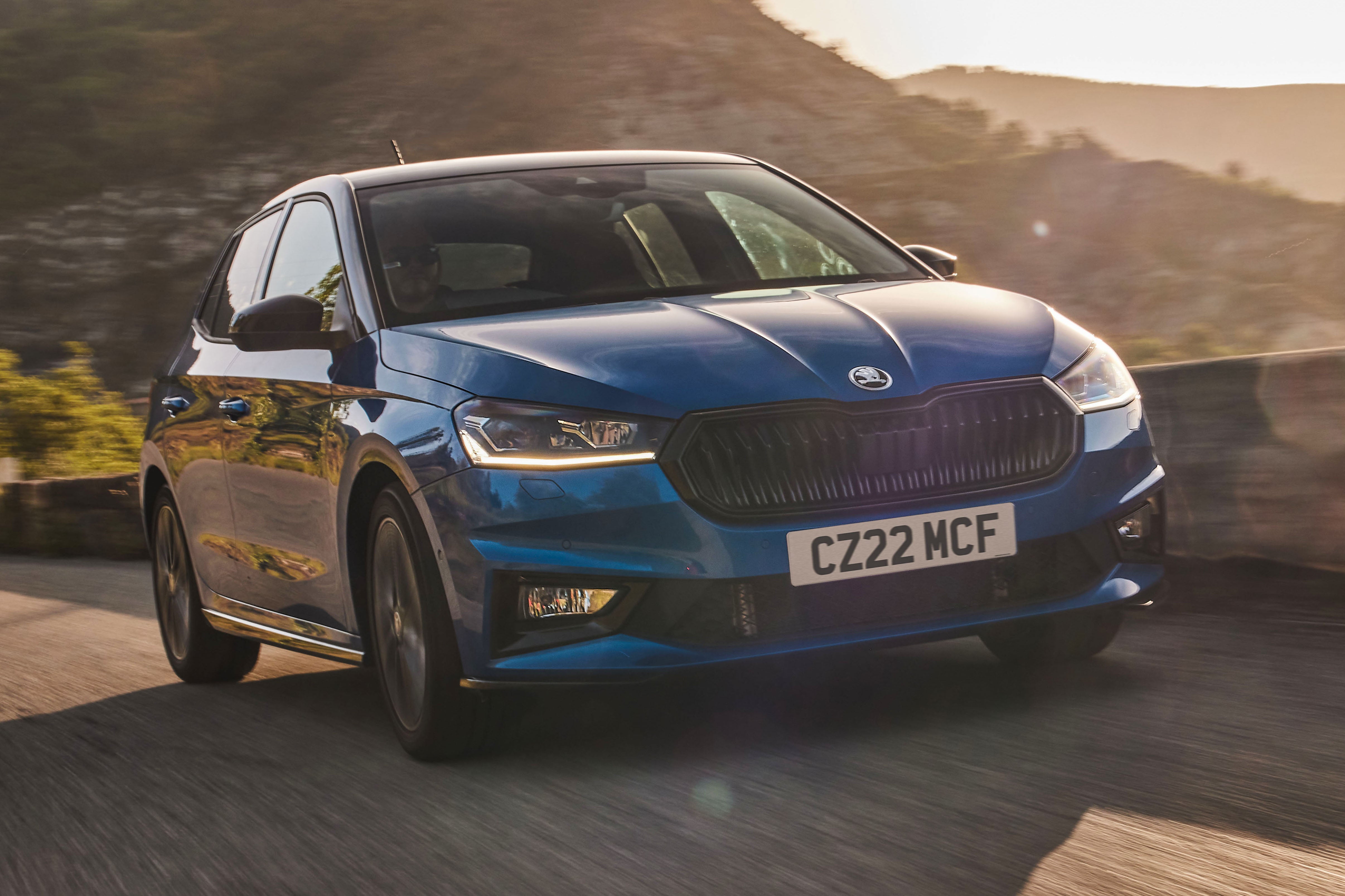
The Skoda Fabia is one of the Polo’s strongest rivals because it offers much of the same underlying engineering and technology, plus even more space, all for a lower price. That makes it very difficult to ignore, but the Polo does have a posher image that will appeal to some buyers more.
The SEAT Ibiza is another natural competitor because, again, it shares so much with the Polo under the skin, but packages it in a more youthful and sporty way. Again, the Polo counters by being posher and more grown-up.
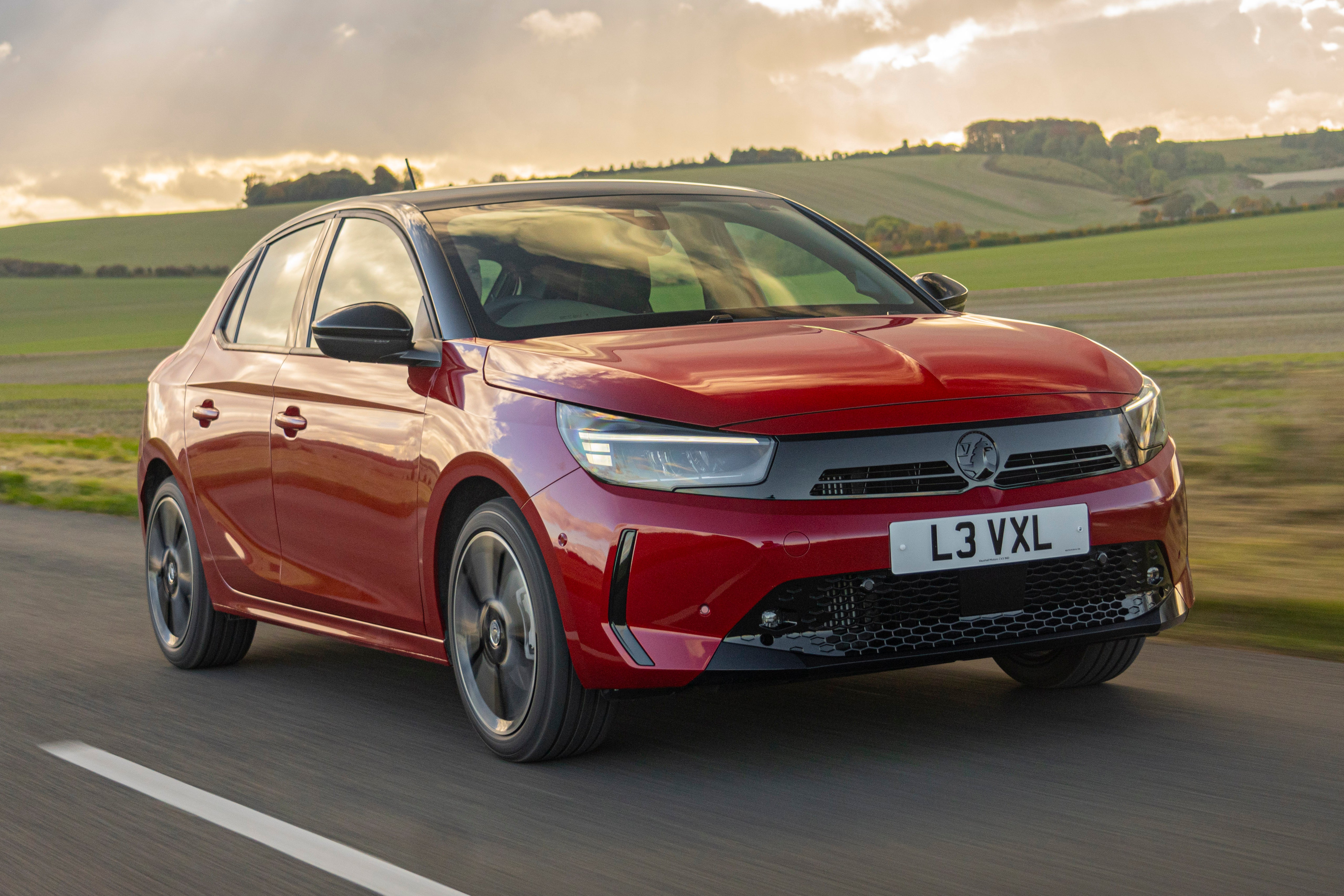
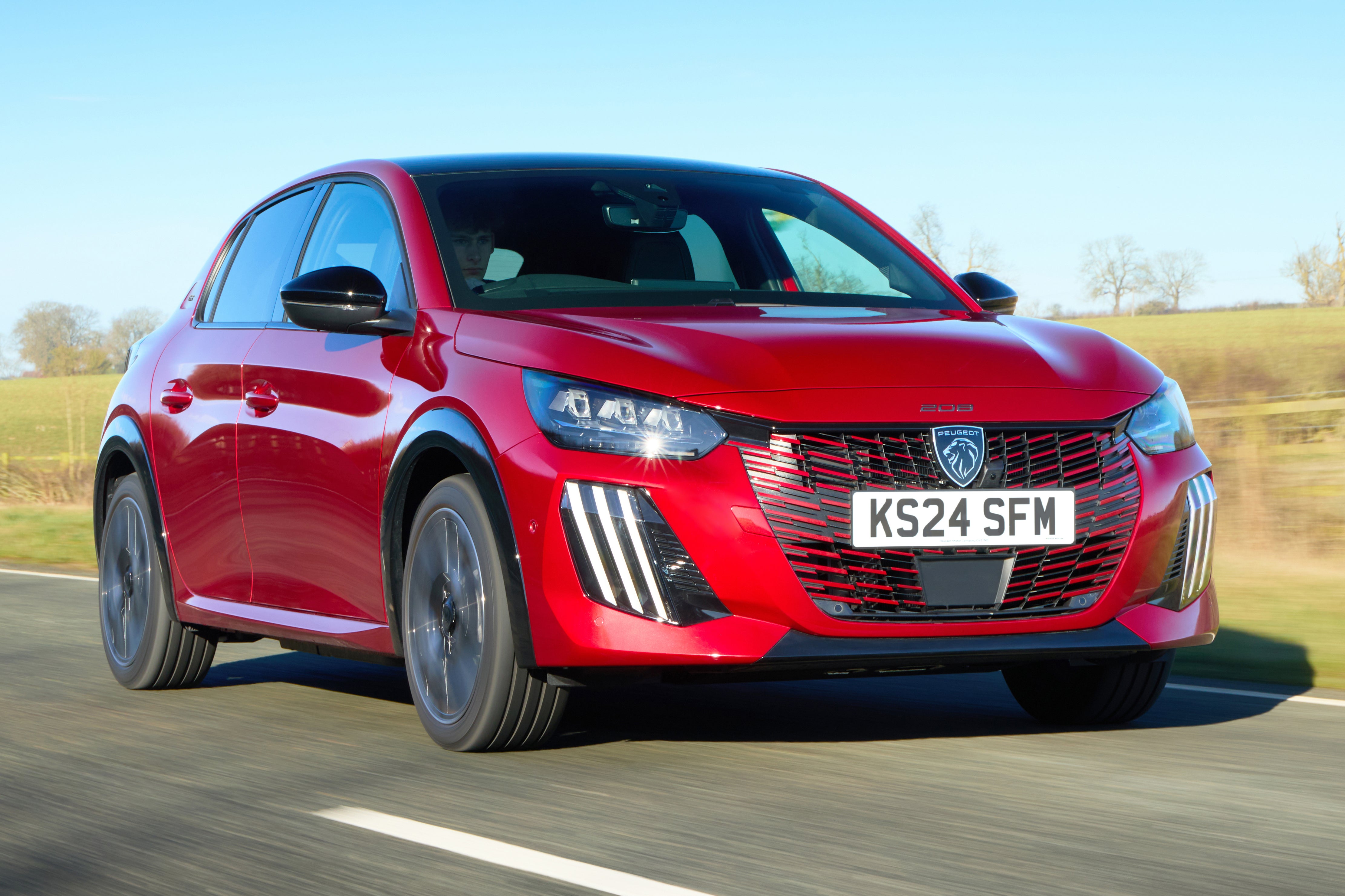
The Vauxhall Corsa remains a key rival as well, primarily because it offers a wide spread of trim levels and engines, and a very competitive ownership proposition in some forms. The same goes for the Peugeot 208, which offers most of the same attributes - not surprising when these two cars are also very similar under the skin - but the 208 offers more styling flair and more flamboyant interior design.
The Ford Fiesta used to be the most obvious rival, having previously been the UK’s best-selling car, but it’s no longer offered as a new car. It’s still a big rival if you’re buying used, though.
What's the interior like in the Volkswagen Polo?
The Polo's cabin feels spacious, sensibly laid out and posher than most small hatchbacks. It's more practical than you might think, as well, with a boot that isn't far off as big as a Golf's.
Volkswagen Polo boot space and practicality
The Polo is one of the more practical cars in the supermini class, and that’s one of the many reasons it feels like a bigger car than it is. The boot is comparatively large at 351 litres, and in fact, that’s only 30 litres shy of what you get in the bigger Golf hatchback. It’s a usefully square shape, too.
The rear-seat backrests fold down in a 60/40 split to free up more cargo space, and with the moveable boot floor in its higher position, everything lies level so there’s no step in your extended load bay. Those backrests do lie at a slight angle, though, so there is a gentle slope.
When the rear seats are needed for people, there’s enough headroom and legroom to keep a couple of burly adults perfectly happy. Fitting three passengers across the rear bench is a lot less comfy because the cabin is too narrow to comfortably accommodate three sets of shoulders, but that’s the case in pretty much all cars of this size and type. Importantly, the large windows help the rear of the Polo feel relatively light and airy.
Up front, there’s as much space as you expect, plus a clear view out in all directions. Storage is pretty good, too, with a variety of cubbies and pockets to stash bits and pieces in.
Volkswagen Polo dimensions
The Volkswagen Polo measures 4,074mm long, 1,751mm wide & 1,451mm high. Those dimensions are about average for the class, but the clever packaging means the Polo feels marginally bigger inside than most rivals.
Tech and infotainment in the Volkswagen Polo
The Polo’s infotainment tech saw a big improvement with the 2021 facelift. There are now two standard systems depending on the trim level you buy, both with an 8.0-inch central touchscreen. The one in Life, Match and Match Plus trims has DAB radio, Bluetooth, wireless phone charging, and wireless operation of both Apple CarPlay and Android Auto. The system in R-Line, Edition 50 and Black Edition trims, meanwhile, adds native sat-nav and a larger 10.25-inch digital instrument panel behind the steering wheel to replace the 8.0-inch instrument screen in the lesser versions.
Both central screens have touch-sensitive shortcut icons down either side of the screen, accompanied by a pair of physical knobs, one for cranking your stereo volume up and down, and the other for cycling through the various on-screen options, which is more precise and less distracting than using the touchscreen functionality.
The software isn’t Volkswagen’s latest or most sophisticated, but that’s actually a good thing because it means that there’s not so much functionality crammed in that the system becomes bamboozlingly complicated to use. The menus are actually reasonably logical, so it’s a pretty easy system to get on with. The touchscreen responses are quick and pretty reliable, too, which isn’t something you can say of all VW systems over the last few years.
The higher-grade trims can optionally be specified with an upgraded system that brings a 9.2-inch screen and streaming and internet connectivity, but it’s no easier to use, especially as you lose the two knobs on either side of the screen.
Happily, the Polo gets separate controls for the air-conditioning, so you don’t have to use the touchscreen for such exploits, but the nature of those controls depends on trim level. Life, Match and Match Plus trims come with manual air-conditioning controlled by rotary knobs that are intuitive and precise. The higher trims, meanwhile, get dual-zone climate control that lets the driver and front passenger select different temperatures, but this system is controlled with touch-sensitive sliders that are fiddly and distracting.
Materials available on the Volkswagen Polo
Softer-touch finishes are reserved for the upper dashboard and the main cabin surfaces you notice most, while tougher moulded plastics are used lower down around the centre console, door bins and footwells where they’re better suited to everyday wear.
A lot of the visual appeal comes from the trim detailing rather than any one standout material. Depending on the version, you’ll find different dashboard inserts, gloss black or metallic-look accents, contrast stitching and a range of seat fabrics that help give the cabin a smart, mature look. Higher-spec cars also bring a more substantial steering wheel and richer upholstery combinations.
What's the Volkswagen Polo like to drive?
The Volkswagen Polo might not be as fun to drive as some of its rivals, but it's a comfortable and refined companion over long distances. It's also silky smooth on the motorway, with virtually no road or wind noise making its way into the cabin.
Volkswagen Polo range and performance
The current Volkswagen Polo has been offered with a range of petrol and diesel engines during its considerable time on sale, but these days, there are three mainstream choices on offer, all petrol-powered.
The entry-level engine is a naturally aspirated 1.0-litre three-cylinder petrol delivering 80PS through a five-speed manual gearbox. It’s just about okay for pottering around town, but it quickly starts to feel out of its depth on faster roads, and you have to work it very hard for even moderate pace. If you’re regularly using motorways or carrying passengers, then the likelihood is that this engine won’t suit you.
The next one up in the range will, though. It’s a turbocharged 1.0-litre TSI engine with 95PS, and it’s available with either a five-speed manual gearbox or a seven-speed dual-clutch automatic. Either way, it’s not massively quick, but it has a considerable extra slice of low- and mid-range urge that makes your progress feel much easier and more relaxed than with the entry-level engine. It’s definitely the best all-rounder in the range.
The top-of-the-range engine (excluding the GTI) is a 115PS version of the 1.0-litre turbo, offered exclusively with the DSG automatic gearbox. It’s a little faster and easier than its 95PS equivalent, but it’s also a lot more expensive to buy, and its advantage simply isn’t worth the difference.
Performance data
| Model | Engine/battery size | Power | 0-62mph | Range/MPG |
|---|---|---|---|---|
1.0 5MT | 1.0-litre petrol manual | 80PS | 15.6 seconds | Up to 53.9mpg |
1.0 TSI 5MT | 1.0-litre petrol manual | 95PS | 10.8 seconds | Up to 55.2mpg |
1.0 TSI 7AT | 1.0-litre petrol automatic | 95PS | 11.5 seconds | Up to 53.1mpg |
1.0 TSI 7AT | 1.0-litre petrol automatic | 115PS | 9.8 seconds | Up to 52.8mpg |
Volkswagen Polo driving and refinement
This is one of the many areas in which the Polo feels like a bigger, more grown-up car than it actually is, and the car’s impressive refinement is a big part of that. Those engines we were just talking about - with the exception of the non-turbocharged entry-level one - are smooth and quiet, even when you work them hard, with none of the rattles and clatters traditionally associated with three-cylinder engines.
Wind noise and road noise are also very well isolated at motorway speeds. Versions on larger alloy wheels exhibit a bit more of the latter than those on smaller rims, but it’s still at a lower level than in most rivals.
This all contributes to the Polo’s generally very relaxed and easygoing nature, and so does its impressive ride comfort. The supple suspension smoothes over most lumps and bumps really effectively, keeping those on board chilled out and happy. However, the suspension isn’t so soft that the body falls over when faced with a corner: okay, so some firmer-riding rivals turn more eagerly, but the Polo always changes direction in a controlled and competent manner. There’s plenty of grip, and the steering is responsive and accurate, while also being light enough to make parking and manoeuvring easy.
If you want a small car with a big-car feel, that’s utterly at home in pretty much all driving situations, and deals with them in a polished and sophisticated way, the Polo is very difficult to beat.
How safe is the Volkswagen Polo?
The VW Polo has been crash-tested by Euro NCAP on two occasions, the first time in 2017 when it first went on sale, and then again in 2022 when that first rating was due to expire (these ratings only apply for five years due to ever-improving safety standards, at which point they expire and no longer apply). Happily, the car achieved the full five-star score on both occasions.
Standard driver aids across the board include autonomous emergency braking, various levels of lane assistance, driver monitoring, and dynamic road sign display. You also get adaptive cruise control from Match trim upwards.
All versions come with rear parking sensors, while Match adds a reversing camera, and Match Plus trim adds front parking sensors. R-Line cars gain LED headlights with automatic high-beam assist, and Black Edition cars have even more sophisticated headlights.
Running costs: What it's like to live with a Volkswagen Polo
The Polo is certainly not the cheapest supermini to buy, but it should be relatively affordable to run. Fuel economy is strong across the board, and some versions are in the lowest insurance groups.
Volkswagen Polo fuel economy
The Polo can’t match the fuel economy of rivals with hybrid powertrains, but compared with straight petrol competitors, it does a very reasonable job. The best on-paper economy comes from the 95PS turbo engine when paired with the manual gearbox, another reason why this is our favourite version. Official WLTP figures put its fuel return at up to 55.2mpg.
The entry-level 80PS non-turbo engine is only just behind with a figure of 53.9mpg, but we can see it lagging further behind than that in the real world, purely for the reason that you have to work it so hard for so much of the time just for moderate pace.
Add the DSG automatic gearbox to our favourite engine, and economy drops to 53.1mpg, while the 115PS engine is only available with the DSG, and returns up to 52.8mpg.
Volkswagen Polo warranty and servicing
Volkswagen covers the Polo with a three-year, 60,000-mile warranty. Most combustion-engined Volkswagens have service intervals of every year or 9,300 miles, but high-mileage drivers can opt for a variable servicing regime that could allow longer between services.
Volkswagen Polo insurance groups
Once upon a time, the Polo was one of the few cars that qualified for a group 1 insurance rating - the lowest there is - in its least powerful forms, making it very popular with young drivers looking for the lowest possible premiums. That’s no longer the case, but if you can put up with the entry-level 80PS engine, then a grouping of 3 is still very good. Depending on engine and trim level, current groupings rise up to group 17, so no version should be ruinous for insurance if you have a decent no-claims bonus.
How much does it cost to tax a Volkswagen Polo?
Combustion-engined cars that cost over £40,000 when brand new, including optional extras, are subject to a higher rate of annual VED road tax than those that cost less than that threshold, and the difference is steep: £640 per year compared with £200 per year for a temporary five-year period.
The Polo’s pricing is low enough that it’s not currently possible to spec a mainstream version to a level that busts that barrier, even if you choose the top-of-the-range model and add every conceivable option and accessory. So, a higher-rate tax should not be a worry for Polo buyers.
What trims are available with the Volkswagen Polo?
The Polo has been offered in a wide variety of different trim levels throughout its many years on sale, and lots of limited-run special edition versions have been offered over time, too. Currently, however, the mainstream range consists of Life, Match, Match Plus, R-Line and Black Edition. There’s currently also a limited-run Edition 50 version on top of that to celebrate the model's 50th anniversary. There’s also a sporty GTI model at the top of the range, but we’ve covered that in a separate review.
Life is the entry point, but it’s still reasonably well equipped as standard. You get 15-inch alloy wheels, automatic LED headlights, rain-sensing wipers, power folding and adjusting door mirrors, rear parking sensors, four electric windows, manual air-conditioning, cruise control, and all the safety and infotainment kit we mentioned earlier on.
Match trim adds 16-inch alloys, a reversing camera, rear privacy glass and adaptive cruise control. However, it’s worth making the upgrade to Match Plus trim because it costs hardly any more money, and on top of that little lot, you also get heated front seats, keyless entry and start, and front parking sensors.
R-Line comes next, adding a sportier element to the styling both inside and out. You also get niceties such as dual-zone climate control, cleverer LED headlights and the bigger 10.25-inch digital instrument panel.
The Black Edition is the range-topper, with 17-inch alloys, exterior ambient lighting, and Matrix LED headlights.
The Edition 50 comes with 17-inch Matrix LED lights, a panoramic sunroof, a self-parking function, and sports seats.
Ask the Drive experts: common questions
Is the Volkswagen Polo a good small car?
Does the Volkswagen Polo have a big boot?
Is the Volkswagen Polo liable for the Expensive Car Tax Supplement?
Which Volkswagen Polo is best?
Get our latest advice, news and offers
Keep me updated by email with the latest advice, news and offers from Drive.