Hyundai i10 Review

Written By David Ross
- 2020
- Hatchback
- Petrol
What we love
Roomier than most city-car rivals
Excellent ride quality for a small car
Strong standard equipment and five-year warranty
Things to consider
Automated manual gearbox is best avoided
Boot is useful rather than generous
Entry-level engine struggles on faster roads
The DRIVE take on the Hyundai i10, is it the right car for you?
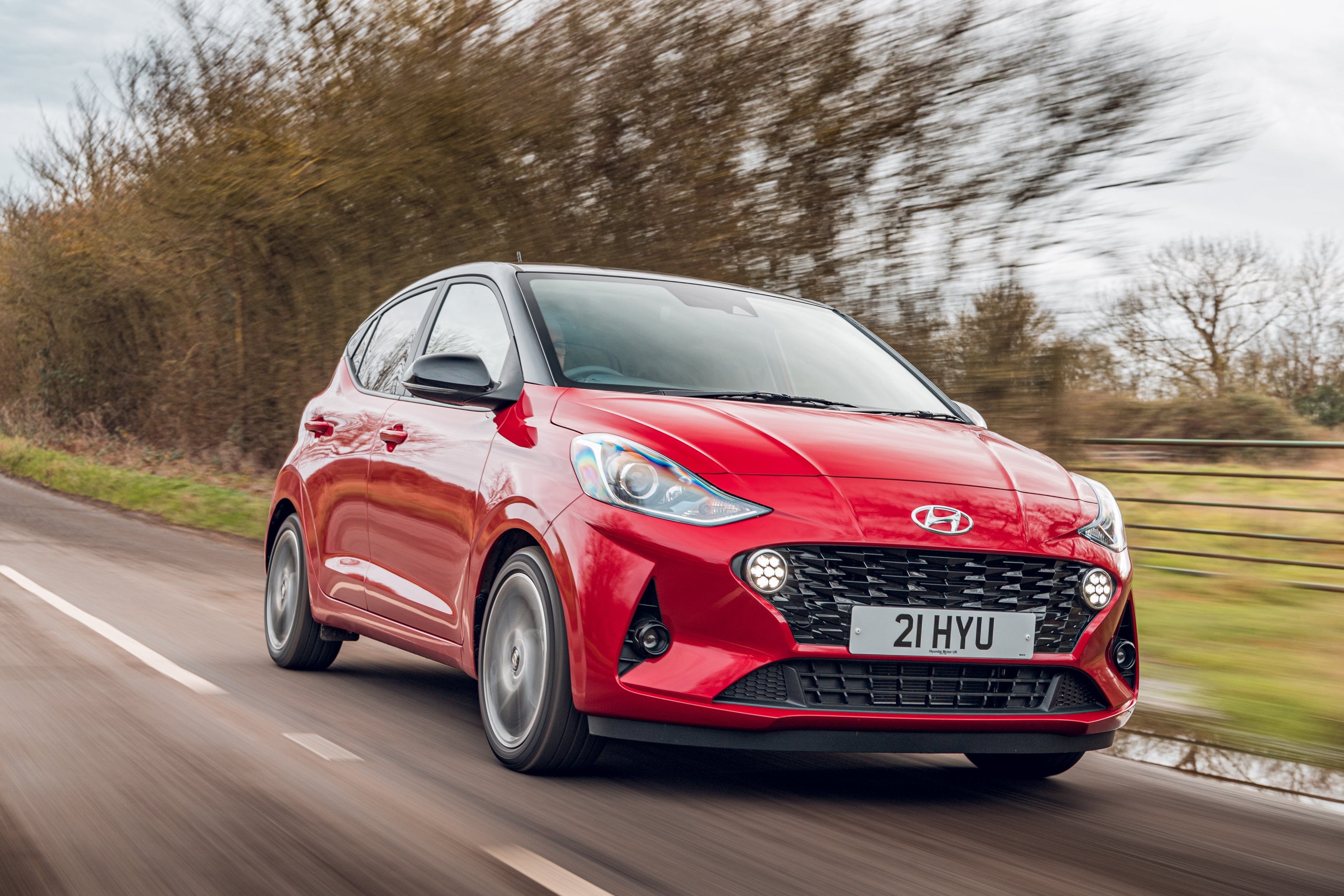
The Hyundai i10 is one of the easiest city cars to recommend. It's comfortable, surprisingly spacious for its size and far more grown-up on the road than many alternatives.
It doesn't have the visual charm of a Fiat 500 or the fun factor of the old Volkswagen Up, but as an all-round small car, the Hyundai i10 gets an awful lot right. It's well equipped, inexpensive to run and backed by a reassuring five-year warranty from new.
The small petrol engines aren't especially powerful, and we'd avoid the jerky automated manual gearbox, but the i10's comfort and ease of use make it a great everyday companion.
The Hyundai i10 in more detail
The Hyundai i10 is one of those rare small cars that makes sense on more than just price. It's small enough to squeeze through town and fit neatly into tight parking spaces, but it also feels substantial enough to cope with longer trips without constantly reminding you that you bought one of the smallest cars on the forecourt.
That's a big part of its appeal. Some city cars are easy to recommend on paper but feel compromised the moment you try to use them as your only car. The Hyundai i10 avoids that trap better than most. It has more rear-seat space than buyers often expect, a sensible cabin layout and a level of comfort that some rivals struggle to match.
Hyundai ended production of the i10 in January 2026, although a few unregistered examples may still be available from dealers. For most buyers, though, it's now a used car, and there's plenty of choice at considerably lower prices than when new.
The range is easy enough to understand. Earlier versions came in SE, SE Connect, Premium and N Line specifications, while the 2023 facelift introduced Advance in place of SE Connect.
There are three petrol engines: a basic 1.0-litre three-cylinder, a smoother 1.2-litre four-cylinder and a turbocharged 1.0-litre reserved for the sporty N Line. Outputs vary depending on age, with later versions producing 63PS, 79PS and 90PS respectively.
For most buyers, the decision will come down to whether the standard 1.0-litre is enough or whether you want the extra performance and smoothness of the 1.2-litre. The N Line sits a little apart from the rest thanks to its more powerful engine and sportier styling.
Inside, the i10 looks and feels modern enough, with an easy-to-use infotainment system and physical controls that are refreshingly straightforward. Later cars also benefit from digital instruments and improved safety equipment. Passenger space is excellent for such a compact car. There are five seatbelts, reasonable rear legroom and a useful 252-litre boot, making it more practical than you might expect.
Where the Hyundai i10 falls short is mostly where you'd expect. It's not especially fast, the boot is decent rather than class-leading and the automated manual transmission remains a weak point. But taken as a whole, the Hyundai i10 feels like one of the best-judged cars in this part of the market, particularly if you want something compact enough for town but capable of longer journeys.
What's the best Hyundai i10 trim and engine option?
For most buyers, the Hyundai i10 Advance with the 1.0-litre petrol engine is an excellent choice. It's well equipped, economical and the little three-cylinder engine suits the car's city-friendly character.
Advance was introduced with the 2023 facelift and includes alloy wheels, an 8-inch touchscreen with Apple CarPlay and Android Auto, air conditioning, cruise control, rear parking sensors and a reversing camera.
If you're looking at an earlier car, SE Connect is a good alternative, offering a useful amount of equipment without the expense of the more luxurious Premium.
The 1.0-litre is perfectly suitable for town driving, although we'd favour the 1.2-litre if you regularly make longer journeys. Its stronger acceleration and smoother four-cylinder engine make it more relaxed at motorway speeds.
The 1.2-litre is worth seeking out on the used market, particularly if the price difference is relatively small.
We'd avoid the automated manual gearbox unless you absolutely must have a two-pedal setup. The manual is much smoother and more pleasant to use, while the automated transmission can be jerky and hesitant when changing gears.
Premium is tempting if you want heated seats, a heated steering wheel and automatic climate control. The turbocharged N Line is the most entertaining version, although it's more expensive and its sportier character won't appeal to everyone.
Ultimately, we'd prioritise condition, mileage and service history over a particular trim level. A well-maintained 1.0-litre Advance or SE Connect represents an excellent used buy.
What’s the price of the Hyundai i10?
Used Hyundai i10 prices vary considerably according to age, mileage, condition and specification. As a guide, examples from 2020 and 2021 typically cost around £9,000 to £11,500, while 2022 and 2023 cars generally sit between £11,500 and £13,500.
Newer 2024 and 2025 examples often cost around £13,000 to £16,000, with the youngest, lowest-mileage cars commanding up to approximately £17,500. Cheaper examples are available, particularly with higher mileages.
For context, the final published new-car range cost £18,365 to £21,115 on the road, although production ended in January 2026.
That makes used examples particularly appealing, with potentially substantial savings compared with the original purchase price.
The i10 is generally well equipped for its size, so there's no need to spend heavily on a top-specification version. We'd focus on finding a clean, properly maintained car with a good history.
Alternatives to the Hyundai i10
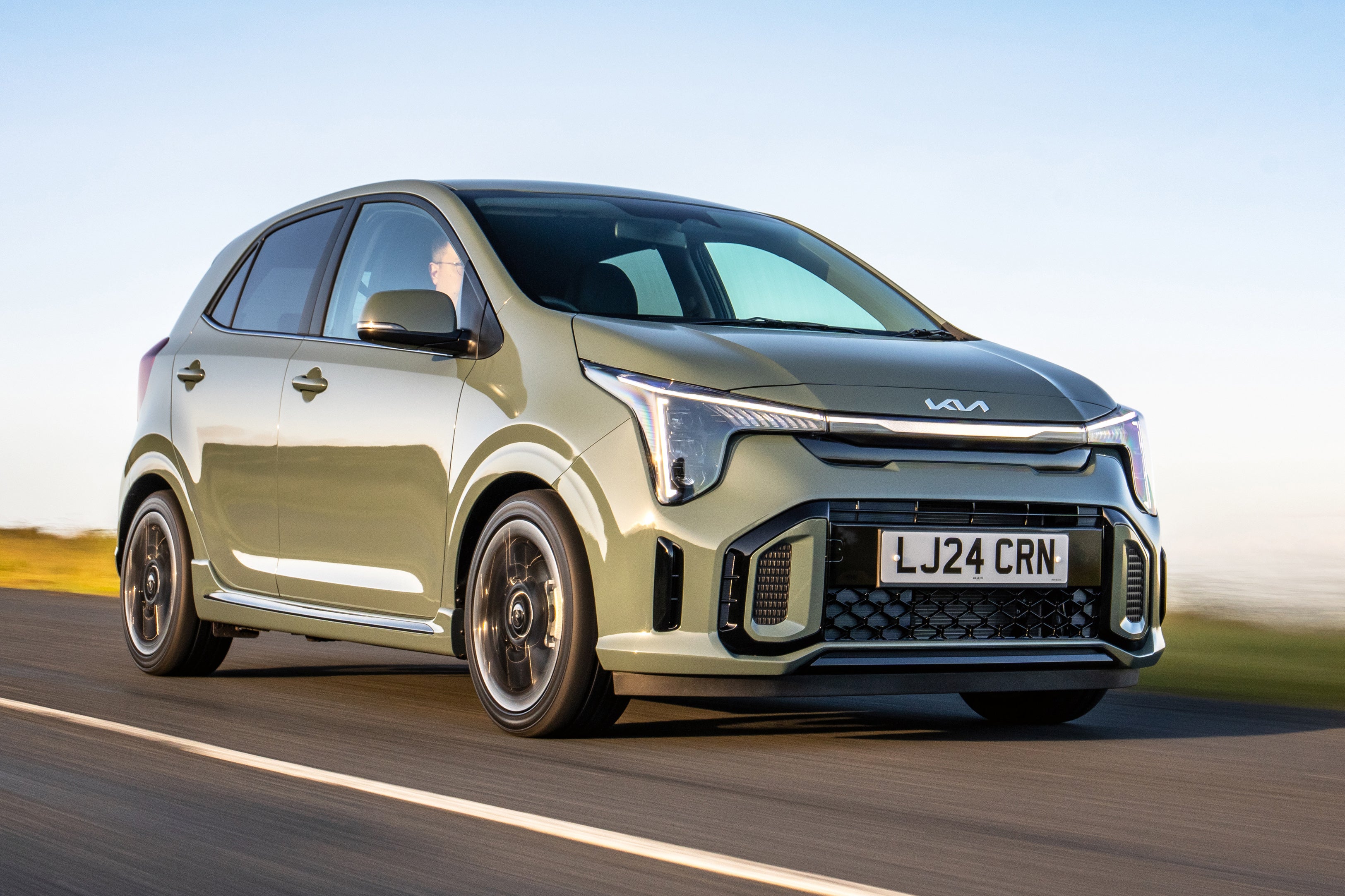
The Kia Picanto is the most obvious alternative because it offers a similar combination of compact dimensions, practicality and affordable running costs. It's also available new, with a seven-year warranty, making it attractive to buyers wanting longer manufacturer cover.
The Toyota Aygo X is worth a look if you want something with more visual flair and a slightly crossover-style character. The latest version uses a full-hybrid powertrain, giving it an advantage in fuel economy, especially around town. However, it's more expensive and has only four seats.
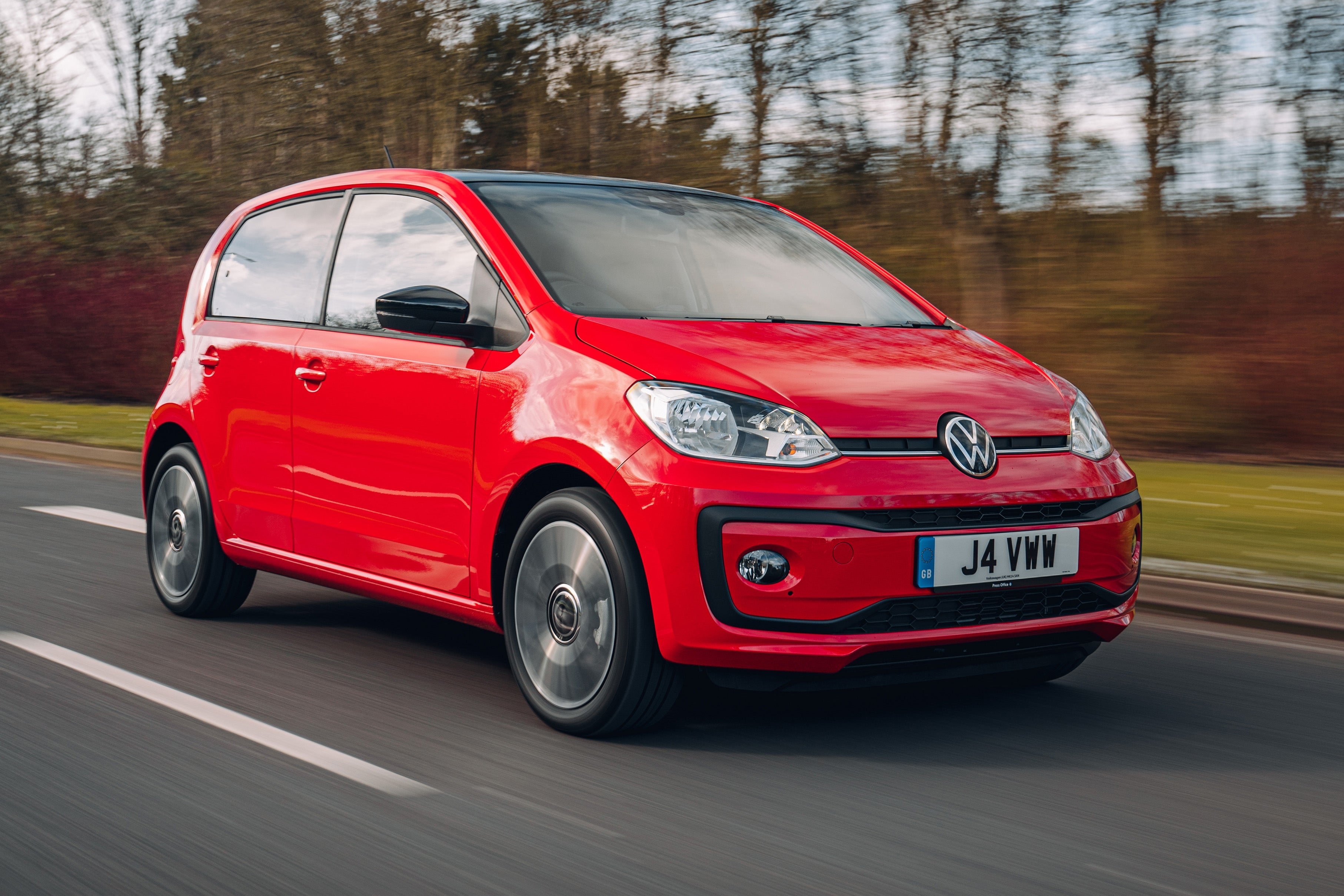
The Volkswagen Up is one of the best used alternatives. It's enjoyable to drive, surprisingly spacious and has a similarly grown-up feel, although production ended in 2023.
The Suzuki Ignis is another interesting used option if you like something a bit more unusual. Its upright body provides good visibility and easy access, although it's less refined on longer journeys.
For buyers willing to consider a slightly larger car, the Dacia Sandero offers more space and can represent excellent value on the used market.
The Hyundai Inster is also worth considering if you're ready to switch to electric power.
The i10's edge is that it blends comfort, practicality and grown-up road manners more convincingly than most other city cars.
What's the interior like in the Hyundai i10?
The Hyundai i10's cabin is one of the main reasons the car makes so much sense. It's simple, clear and easy to use, avoiding the gimmicks that can make some rivals feel needlessly frustrating.
The dashboard looks modern enough, with an 8-inch touchscreen and physical buttons for the climate controls. Facelifted cars also benefit from digital instruments. There's good space in the front, while the rear seats are surprisingly usable for such a small car.
Materials are fairly basic, but everything feels sensibly arranged and well assembled. Higher specifications add extra colour, more attractive upholstery and useful comfort features, although even the more affordable versions are reasonably well equipped.
Hyundai i10 boot space and practicality
The Hyundai i10 feels roomier than most city cars. There's enough space up front for taller drivers to get comfortable, and the slightly raised seating position helps with visibility and ease of entry, which is particularly useful for buyers who want a compact car but don't like sitting very low to the ground.
The front seats are comfortable enough for longer journeys, with a useful range of adjustment. The steering wheel also adjusts for height, although there's no reach adjustment, so some drivers may find it harder to achieve their ideal driving position.
Visibility is excellent. The relatively upright bodywork, large windows and short bonnet make it easy to judge where the corners of the car are, while parking sensors and a reversing camera are fitted to many versions, helping in tighter spaces.
Cabin storage is surprisingly good. There's an open compartment above the glovebox, reasonably generous door pockets and useful space around the centre console for everyday odds and ends.
Facelifted cars benefit from updated USB-C charging connections, which are handy if you're carrying passengers who need to charge their devices.
Rear-seat space is another strong point for a car of this size. It's still a small hatchback, so five adults will be pushing it, but four can fit more comfortably than you might expect. There's enough legroom for average-height adults on shorter journeys, while the upright roofline helps provide reasonable headroom. The i10 also has five seatbelts, which isn't something every city car can offer. Isofix child-seat mounting points are provided on the two outer rear seats. The rear doors open reasonably wide, making access easier than in some smaller three-door alternatives.
Boot space stands at 252 litres, which is decent rather than exceptional. It's enough for everyday shopping or a couple of soft bags, but it isn't the Hyundai i10's standout feature. Fold the 60:40 split rear seats and capacity increases to 1,050 litres, providing useful extra room for larger loads. Some versions also have an adjustable luggage floor, which can help reduce the loading lip. For context, the i10's boot is comparable with that of a Kia Picanto and ahead of the smaller luggage area in the Toyota Aygo X, although it trails larger hatchbacks such as the Dacia Sandero.
Hyundai i10 dimensions
The Hyundai i10 measures 3,670mm long, 1,680mm wide and 1,480mm high, with a wheelbase of 2,425mm. The N Line is fractionally taller at 1,483mm, but the differences are insignificant in everyday use.
Those numbers make the i10 ideal for narrow streets and tight parking spaces. It's substantially shorter than a typical supermini, yet feels more spacious inside than many rivals with similar exterior dimensions. Its turning circle is just 9.72 metres, making U-turns and awkward parking manoeuvres relatively straightforward.
The compact body is especially appealing in towns and cities, although the short overall length doesn't prevent the i10 from accommodating four adults reasonably comfortably.
Tech and infotainment in the Hyundai i10
The Hyundai i10's infotainment is one of the better systems in this part of the market. Most versions get an 8-inch touchscreen with DAB radio, Apple CarPlay and Android Auto, and the menus are clear enough that you don't need to spend ages learning how everything works. Built-in satellite navigation is also available, depending on specification, along with Bluetooth connectivity and a four-speaker audio system.
Facelifted models introduced in 2023 also get a digital instrument display ahead of the driver, which presents speed and other useful information clearly. It isn't as elaborate as the displays in more expensive cars, but it does everything most owners will need. Hyundai's Bluelink connected services provide additional features on equipped models, including navigation information and access to selected vehicle functions through a smartphone app. Different subscription periods apply to the available connected services, so used buyers should check which features remain active.
Hyundai has kept physical controls where they matter, which makes the car very easy to use on the move. That's especially welcome in a city car, where you're often dealing with junctions, cyclists and tight roads at the same time. Climate controls are simple and clearly labelled. Basic versions get conventional air conditioning, while higher specifications feature automatic climate control.
A reversing camera and rear parking sensors are also fitted to many cars, although it's worth checking the exact specification of older examples. Premium and N Line models offer additional convenience features, including heated front seats, a heated steering wheel and, on later versions, wireless smartphone charging.
Materials available on the Hyundai i10
The Hyundai i10 doesn't pretend to be premium, but it feels sturdily put together and the design is neater than you might expect in a car at this price.
Most of the dashboard and door panels are finished in hard plastic, although the textures and patterns stop the cabin from feeling particularly bare. Many versions have a leather-wrapped steering wheel and gear knob, which are welcome touches in an otherwise straightforward interior.
Facelifted Advance models have black cloth upholstery with white striped detailing, giving the cabin a little more visual interest than a plain grey finish. Premium adds tartan-patterned seat inserts, purple stitching and blue ambient lighting, creating a slightly more colourful atmosphere. N Line brings its own sportier detailing, including black and red upholstery, red stitching and distinctive trim around the air vents.
Earlier cars have different upholstery and trim combinations, although the overall design and material quality are broadly similar.
The fit and finish are convincing, particularly for a car designed with affordability in mind. It's a cabin that prioritises durability and ease of use rather than luxury materials, and that suits the i10 perfectly well.
What's the Hyundai i10 like to drive?
The Hyundai i10's strongest dynamic trait is its comfort. It rides with a maturity that makes many rivals feel brittle or busy by comparison. The steering is light and accurate, the compact dimensions make town driving effortless and there's enough composure for longer journeys.
The basic 1.0-litre engine suits urban use but feels strained when accelerating onto faster roads. The 1.2-litre is more relaxed, while the turbocharged N Line provides noticeably stronger performance. The five-speed manual gearboxes are easy to use, but the automated manual transmission is best avoided if you want smooth, predictable gear changes.
Hyundai i10 range and performance
The Hyundai i10 was offered with three petrol engines during its production life, although their power outputs changed over time.
The entry-level engine is a naturally aspirated 1.0-litre three-cylinder petrol. Earlier examples produce 67PS, while later cars have 63PS. Neither version is especially quick, but both suit the i10's lightweight, city-friendly character. The 63PS manual takes 15.6 seconds to reach 62mph, while the earlier 67PS version manages 14.8 seconds.
That's adequate for town driving, although drivers regularly using faster roads will need to work the engine harder, particularly when carrying passengers or luggage.
There's also a five-speed automated manual transmission, which changes gears automatically but doesn't provide the smoothness of a conventional automatic. It's considerably slower to accelerate than the equivalent manual and can feel hesitant during gear changes, so we'd avoid it unless you particularly need a two-pedal car.
The 1.2-litre four-cylinder petrol is a more appealing option for drivers who regularly venture beyond town. Earlier versions produce 84PS, while later cars have 79PS. The stronger acceleration and smoother engine make motorway journeys and overtaking easier, without a particularly significant fuel-economy penalty. The 79PS manual takes 13.2 seconds to reach 62mph, compared with 12.6 seconds for the earlier 84PS version.
At the top of the range is the N Line, which uses a turbocharged 1.0-litre three-cylinder engine. Earlier N Line models produce 100PS, making them the quickest versions of this i10 generation, with a 0-62mph time of 10.5 seconds. Later models have 90PS and take 11.4 seconds to reach 62mph. Both are available exclusively with a five-speed manual gearbox and offer noticeably stronger acceleration than the regular engines.
Official fuel economy varies by age, engine, gearbox and trim, but the most economical versions achieve around 55mpg.
For most buyers, the 1.0-litre manual is sufficient for driving around town, while the 1.2-litre provides a useful improvement for longer journeys. The N Line is the choice if you want more character and stronger acceleration, but it remains an enjoyable city car rather than a true performance hatchback.
Performance data
| Model | Engine/battery size | Power | 0-62mph | Range/MPG |
|---|---|---|---|---|
Hyundai i10 1.0 67PS manual | 1.0-litre petrol, five-speed manual | 67PS | 14.8 seconds | Up to 55.4mpg |
Hyundai i10 1.0 67PS AMT | 1.0-litre petrol, five-speed automated manual | 67PS | 17.8 seconds | Up to 52.3mpg |
Hyundai i10 1.2 84PS manual | 1.2-litre petrol, five-speed manual | 84PS | 12.6 seconds | Up to 53.3mpg |
Hyundai i10 1.2 84PS AMT | 1.2-litre petrol, five-speed automated manual | 84PS | 15.8 seconds | Up to 51.4mpg |
Hyundai i10 N Line 100PS | 1.0-litre turbo petrol, five-speed manual | 100PS | 10.5 seconds | Up to 52.3mpg |
Hyundai i10 1.0 63PS manual | 1.0-litre petrol, five-speed manual | 63PS | 15.6 seconds | Up to 55.4mpg |
Hyundai i10 1.0 63PS AMT | 1.0-litre petrol, five-speed automated manual | 63PS | 18.4 seconds | Up to 53.3mpg |
Hyundai i10 1.2 79PS manual | 1.2-litre petrol, five-speed manual | 79PS | 13.2 seconds | Up to 53.3mpg |
Hyundai i10 1.2 79PS AMT | 1.2-litre petrol, five-speed automated manual | 79PS | 16.6 seconds | Up to 51.4mpg |
Hyundai i10 N Line 90PS | 1.0-litre turbo petrol, five-speed manual | 90PS | 11.4 seconds | Up to 52.3mpg |
Hyundai i10 driving and refinement
The Hyundai i10 is one of the most comfortable city cars available. It absorbs potholes and rough surfaces with a suppleness that makes many rivals feel brittle or busy by comparison.
But that doesn't come at the expense of control. The steering is accurate enough, there's decent grip and the i10 feels more composed than many small cars when the road opens out.
Around town, it's particularly easy to drive. The compact body, excellent visibility and light controls make it a natural fit for busy streets and awkward parking spaces. The suspension is well suited to British roads, taking the sting out of broken surfaces without making the car feel excessively soft or unstable.
On country roads, the i10 feels predictable and secure. There's some body roll through tighter corners, but it isn't excessive, and the steering provides enough precision to make the car easy to place. It isn't quite as entertaining as the old Volkswagen Up, but there's more than enough competence here for everyday driving.
The N Line adds more responsive steering and firmer suspension tuning, giving it a slightly sportier character. Its turbocharged engine also provides noticeably stronger acceleration, making it more enjoyable on faster roads.
The standard 1.0-litre engine is best suited to urban use. It can feel stretched at motorway speeds, particularly when overtaking, and you'll need to change down a gear when climbing hills or accelerating with passengers aboard. The 1.2-litre engine feels smoother and more relaxed at higher speeds, making it the better choice if you regularly cover longer distances.
Refinement is otherwise good for the class. Road and wind noise are both better suppressed than many buyers will expect in a car this size, helping the i10 feel surprisingly mature on the motorway.
The main weak point is the automated manual gearbox. It's slow and can interrupt acceleration noticeably while changing gear, making it less pleasant than the conventional manual transmission. That hesitation is particularly noticeable in stop-start traffic and when accelerating away from junctions.
These characteristics are shared broadly across the i10's production life, although individual engines and specifications can feel slightly different. It's worth trying the exact version you're considering before buying.
Overall, the Hyundai i10 is a relaxed and reassuring city car that handles longer journeys more comfortably than its dimensions suggest. Its strengths lie in ease of use and ride comfort rather than outright performance.
How safe is the Hyundai i10?
The Hyundai i10 has a three-star rating from independent safety organisation Euro NCAP, following testing carried out in 2020. It scored 69% for adult occupant protection, 75% for child protection, 52% for vulnerable road users and 59% for safety assistance. That's a relatively modest result, particularly compared with larger and newer cars, although it doesn't mean the i10 lacks useful safety equipment.
Standard safety features on later cars include autonomous emergency braking with pedestrian and cyclist detection, lane-keeping assistance, lane-following assistance, driver attention warning, high-beam assistance and emergency call functionality.
Equipment improved with the 2023 facelift, so buyers considering an older example should check which driver-assistance systems are fitted.
The rating highlights some limitations in occupant protection and driver-assistance performance, so buyers prioritising crash-test results may want to compare it with newer alternatives.
Running costs: What it's like to live with a Hyundai i10
The Hyundai i10 is relatively inexpensive to fuel and insure in most versions, while its five-year unlimited-mileage warranty adds reassurance when buying a younger used example. Its small petrol engines deliver official fuel economy of up to 55.4mpg, and the modest 36-litre fuel tank provides a useful range between fill-ups.
Routine maintenance should be relatively affordable, and Hyundai offers service plans to spread the cost. Insurance groups are low for most versions, making the i10 an attractive option for younger drivers.
Used buyers should prioritise a complete service history, particularly if the car has covered relatively little mileage but has been used primarily for short urban journeys.
Hyundai i10 fuel economy
The Hyundai i10's small petrol engines are reasonably economical, particularly in manual form. The 1.0-litre manual achieves up to 55.4mpg in official WLTP testing, while the 1.2-litre manages up to 53.3mpg. The turbocharged N Line returns up to 52.3mpg.
The automated manual versions are slightly less economical, although the differences are relatively small.
In real-world use, the 1.0-litre should return respectable figures, which helps keep the Hyundai i10 inexpensive to run. With a 36-litre fuel tank, the most efficient version has a theoretical range of around 440 miles, although actual consumption will depend on driving conditions.
The 1.2-litre's extra performance may make it more comfortable on longer journeys, while the 1.0-litre is particularly well suited to town driving.
Fuel economy can vary slightly between earlier and later versions, so buyers should check the official figure for the particular car they're considering.
A full hybrid such as the Toyota Aygo X will generally use less petrol in urban traffic, but the Hyundai's efficiency is competitive for a conventional petrol city car.
Hyundai i10 warranty and servicing
Hyundai sold the i10 with a five-year unlimited-mileage manufacturer warranty. That's one of the strongest warranty offers in the city-car class and a major part of the vehicle's appeal.
For used buyers, the important thing is how much of that original cover remains. A 2024 or 2025 example could have several years left, while the warranty on older cars may have expired. It's worth checking the vehicle's original registration date and maintenance history.
Routine servicing is generally required every 12 months or 10,000 miles, whichever comes first.
Hyundai's Promise Approved Used programme offers a minimum 24-month warranty on qualifying vehicles, alongside 12 months of roadside assistance. However, other Approved Used cars may carry the balance of their original manufacturer warranty or a separate retailer-backed policy.
Hyundai i10 insurance groups
Insurance costs are one of the Hyundai i10's strongest selling points, particularly for younger drivers. Depending on age and specification, ratings range from group 1 for some earlier automated manual versions to group 10 for the sportier N Line.
The regular 1.0-litre and 1.2-litre models generally sit in low insurance groups, helping make the i10 appealing as a first car or inexpensive second vehicle. These are very favourable ratings by modern standards, although insurance premiums aren't determined by group alone. Individual costs will depend on age, driving history, location and other personal circumstances, so it's worth comparing quotes for the exact version. Don't assume that a low insurance group automatically means a cheap premium, particularly for newly qualified drivers.
How much does it cost to tax a Hyundai i10?
The Hyundai i10 pays the standard annual Vehicle Excise Duty (VED) rate of £200 for the 2026/27 tax year. Because every version costs considerably less than the £40,000 Expensive Car Supplement threshold for petrol cars, there's no additional annual charge.
What trims are available with the Hyundai i10?
The Hyundai i10 was offered in several trim levels during its production life. Earlier examples came in SE, SE Connect, Premium and N Line specifications, while the 2023 facelift introduced Advance in place of SE Connect.
SE is the most basic version and is worth considering if keeping the purchase price low is the main priority. Equipment is relatively simple, so check carefully for features such as touchscreen infotainment, a reversing camera and other convenience items.
SE Connect adds more useful technology, including an 8-inch touchscreen with Apple CarPlay and Android Auto. It's a good choice for buyers wanting a well-equipped older car without paying Premium prices.
Advance became the entry-level trim with the 2023 facelift, bringing a generous amount of equipment. Standard features include 15-inch alloy wheels, LED daytime running lights, air conditioning, cruise control, electric front and rear windows, rear parking sensors and a reversing camera. Inside, there's an 8-inch touchscreen with smartphone connectivity, a digital instrument display, Bluetooth and useful USB-C charging connections. That makes Advance particularly appealing on the used market, because it offers most of the equipment buyers will want without needing to step up to a more expensive version.
Premium adds additional comfort and convenience features, including 16-inch alloy wheels, rear privacy glass, heated front seats and a heated steering wheel. Later models also get automatic climate control, blue ambient lighting, distinctive tartan-patterned upholstery, power-folding door mirrors and wireless smartphone charging. Earlier Premium cars have slightly different equipment, but the emphasis on extra comfort and convenience is similar.
N Line is the sportiest version, with a more powerful turbocharged petrol engine, distinctive bumpers, unique alloy wheels and red exterior details. Inside, there are sportier seats, red trim accents and N Line badging. Later cars also benefit from heated front seats, a heated steering wheel and automatic climate control. N Line's steering and suspension are tuned for a slightly more engaging driving experience, although it's still a city car rather than a dedicated hot hatch.