Volkswagen Up (2012-2023) Review

Written By Andrew Brady
- 2012
- City car
- Petrol
What we love
Still feels classy and well-engineered for a city car
Surprisingly good ride and handling balance
Cheap to run and easy to insure
Things to consider
Rear-seat space is best suited to shorter journeys
Five-door version is more practical for everyday use
Later cars have the more modern technology
The DRIVE take on the Volkswagen Up, is it the right car for you?
The Volkswagen up! is one of the smartest used city cars you can buy if you want something that feels a cut above the usual cheap-and-cheerful choices. It's cleverly packaged, easy to drive and much more mature on the road than many rivals, which is why the up! has worn its years so well. It's not especially quick in regular form, and is a strict four-seater, but if you want an urban runabout or first car with genuine polish, the old up! still makes a very strong case.
The Volkswagen Up in more detail
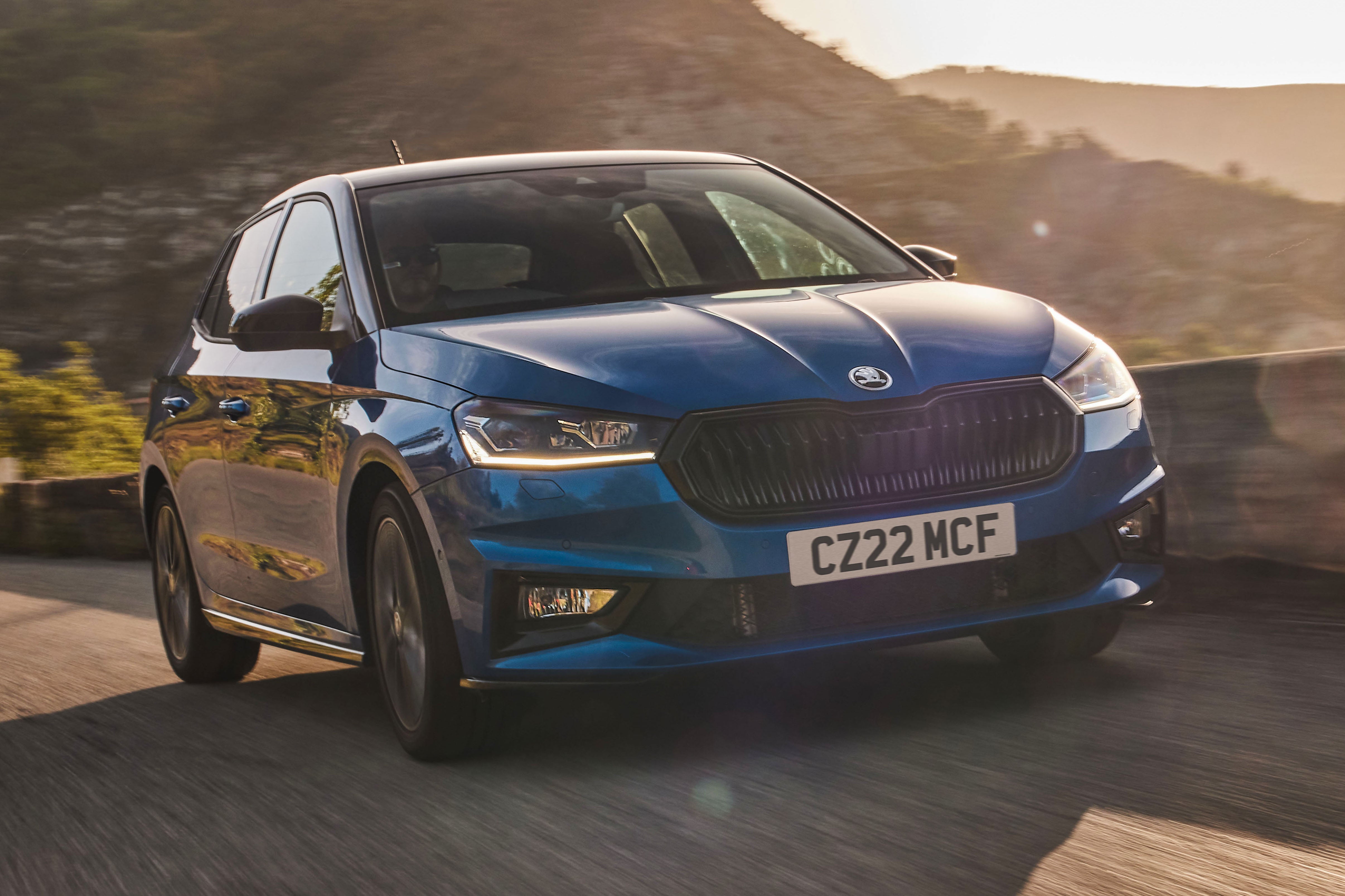
The Volkswagen up! remains one of the best city cars going, and was the main act in a trio of cars that included the SEAT Mii and Skoda Citigo. This review shows that age is no barrier to excellence.
Much like the Toyota Aygo, Peugeot 108 and Citroen C1 siblings, the Volkswagen Group trio shared a body structure, almost all the mechanicals and the basic layout of the interior, with only some engine choices, specification and visual elements to distinguish them. As is usually the way, the Volkswagen was the smartest of the three, and you paid a premium for it too.
Browse used Volkswagen up! models for sale →
Things changed in 2020 however, as the Mii and Citigo went all-electric with the Mii Electric and Citigo-e iV, ditching the petrol options altogether. The up! still gave you the choice of petrol or electric, but there was only one petrol option for the regular up! alongside the almost twice as powerful up! GTI warm hatch. There's also the fully-electric Volkswagen e-up, which was greatly improved in 2020 with a much larger battery.
Much of what made the Volkswagen up! so good back in 2012 remains true today when buying it as a used car. From the outside the design tells its own story. A squared-off box with the purpose of maximising interior space, with tiny overhangs front and rear, a short bonnet and a near-vertical tailgate to boost the boot space as well as making it easy to judge the car’s extremities when reversing. Despite its age, the up! still looks smart. It received a mild facelift for 2020 with different badges and smarter bumpers, but it’s the same shape and it still cuts it.
There’s not much in the way of new news to report on the inside either. The basic layout remained as it was, for good and bad. The up! has a slim dashboard and centre console, and keeps all the important stuff like the heating and ventilation controls, key switches and audio buttons right in the centre. The dials are smart but understated too, and although fancy TFT instrument displays are the thing these days, there’s something pleasingly simple about a trio of analogue dials.
The realigned engine range for 2020 meant the VW up! became essentially limited to a single engine option - the 65PS version of the 1.0-litre three cylinder unit, with 95Nm of torque. It’s good enough for the city, but get out onto the open road and it is less comfortable. Pre-2020 versions of the up! came with a wider engine choice - there was the 75PS version that added some useful extra urge at higher speeds, and later in the up!'s life there was a 90PS turbocharged version that gave it genuinely strong performance. There was also a 60PS version that served up until it was replaced by the 65PS motor in 2021.
The driving experience remains one of the VW up!’s trump cards. It rides well over poor road surfaces - as long as you don’t go for the massive alloy wheel options - and it’s surprisingly fun to drive, with engaging steering, plenty of grip and well-sorted suspension. No one really expects city cars to be fun to drive, which makes the up!’s ability something of a bonus.
Time and the competition have moved on since the up! first arrived, but it remains competitive as well as desirable as a used car. It still makes a compelling case for itself. It still looks smart, is a great drive in and out of the city, and feels like a quality product, even if the basic design is getting on a bit.
What's the best Volkswagen Up trim and engine option?
For most used buyers, the one to have is either a 75PS or 90PS petrol car in Move up!, High up! or up! Beats trim. Those versions preserve the up!’s city-car simplicity but give you enough extra urge and equipment to make the car more useful beyond town driving.
The later 65PS engine is fine if your life is almost entirely urban, and it keeps the up! cheap to run. But if you expect to leave town regularly, the 75PS or especially the 90PS turbo version is the one to look for.
Trim matters more than it might in some city cars. Basic versions are still perfectly usable, but the mid- and upper-level trims make the up! feel much more complete and a bit more special to live with.
What’s the price of the Volkswagen Up?
Used Volkswagen up! prices now start from around £4,000 for older, higher-mileage cars, with later examples, smarter trims and the more desirable engines sitting noticeably higher. There are still plenty of used Volkswagen up! models for sale on the secondhand market.
The up! has always held its value well, and that means it can look slightly expensive next to its SEAT and Skoda sister cars. Even so, the Volkswagen usually feels like the more polished product, which helps explain why buyers are willing to pay that premium.
If you can stretch to a later, well-specced car, it's usually worth doing. You will get a more complete feeling up! and, in many cases, a car that still feels surprisingly fresh.
Alternatives to the Volkswagen Up
The SEAT Mii and Skoda Citigo are the obvious alternatives because they are effectively the same car underneath and usually cost less. The Volkswagen counters with a slightly classier feel and stronger badge appeal.
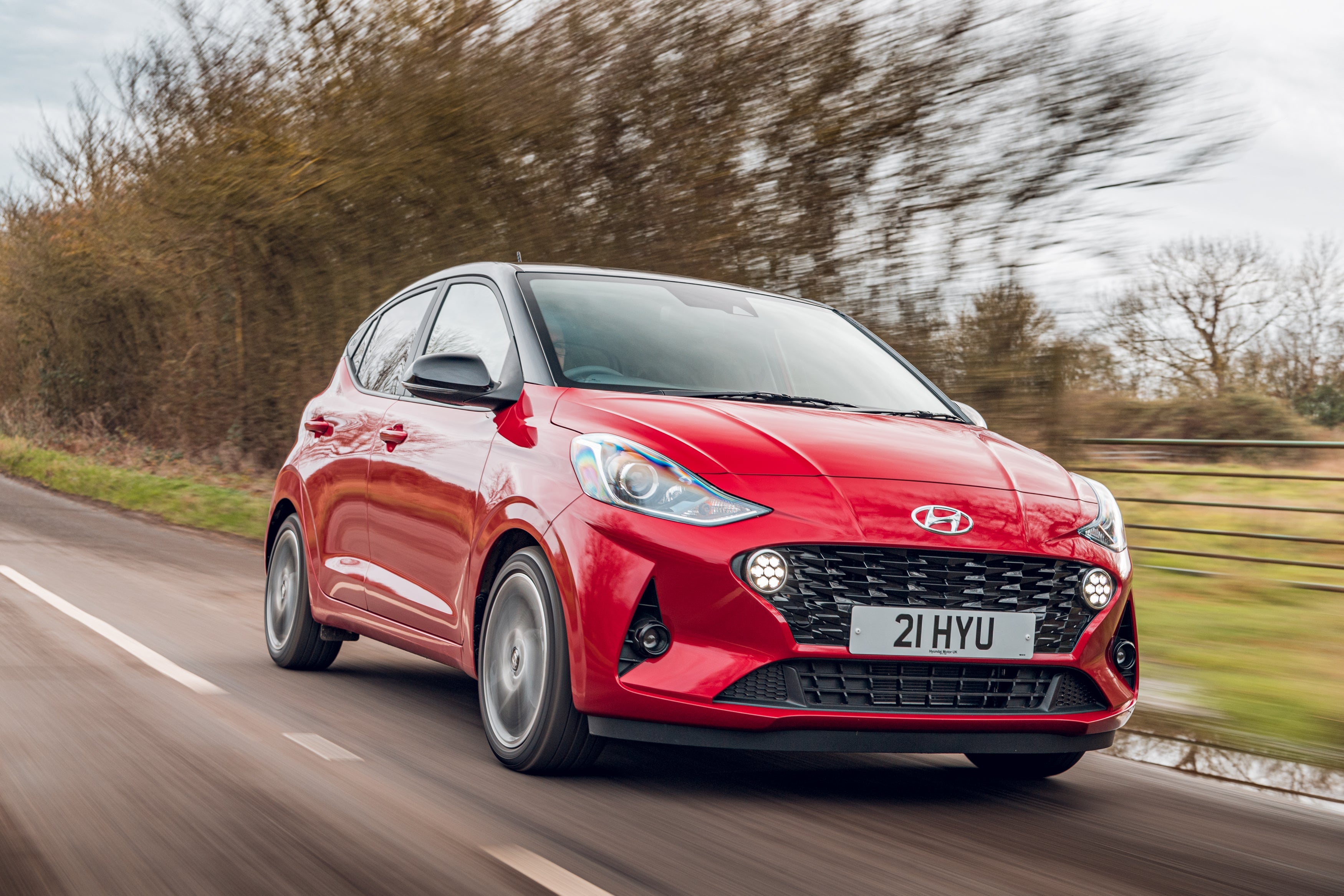
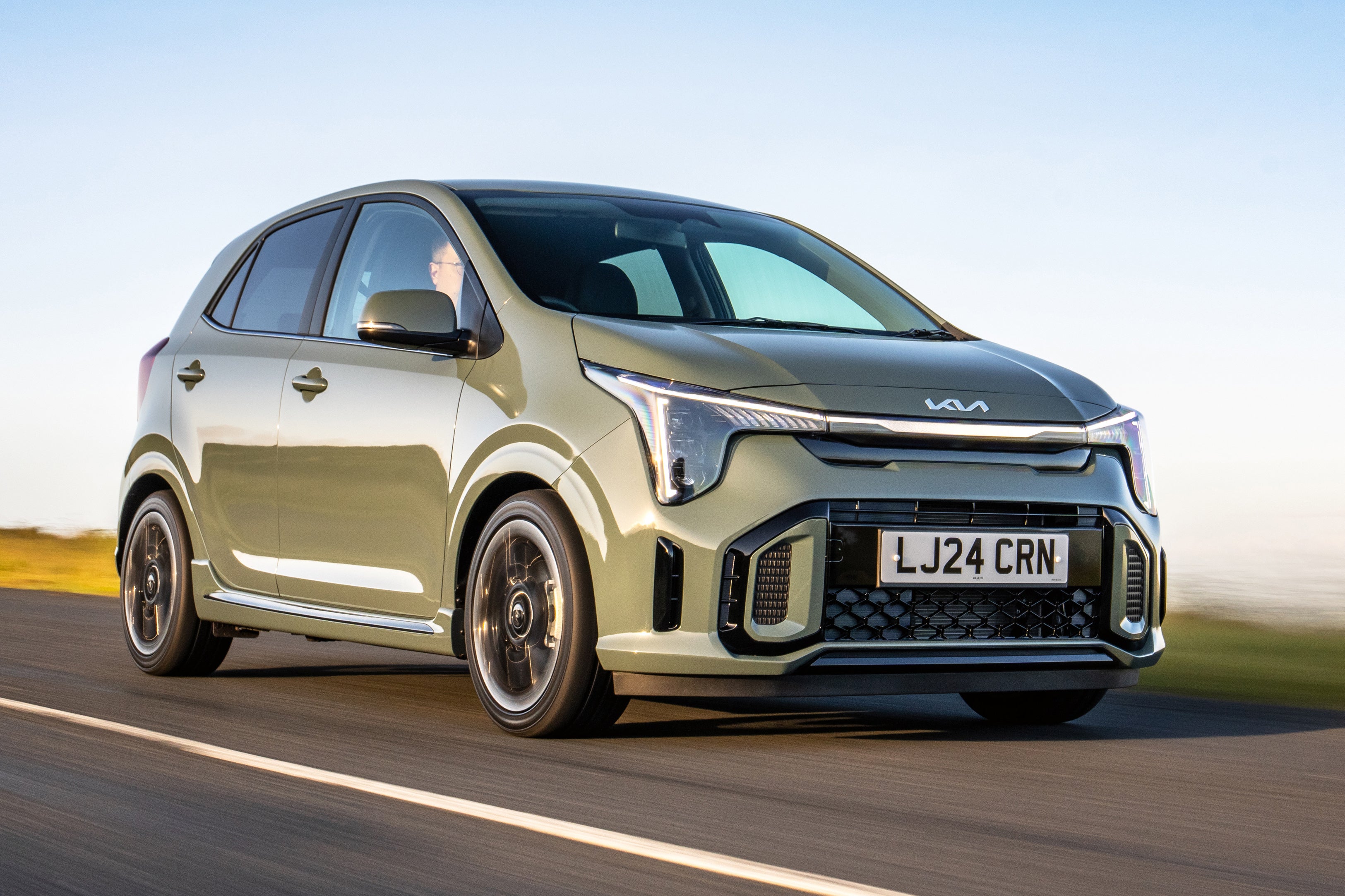
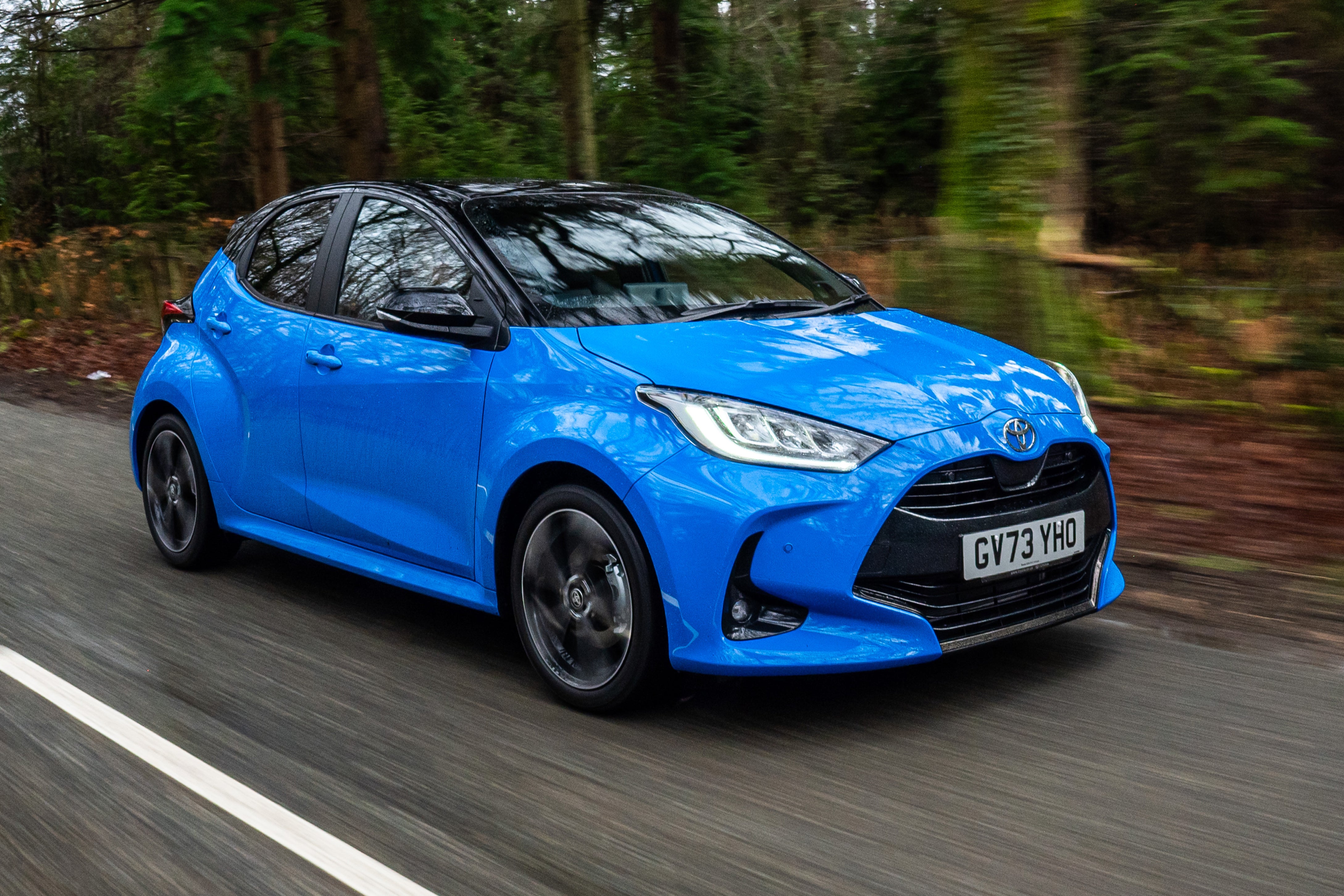
The Hyundai i10 and Kia Picanto are also excellent city-car alternatives, especially if you want something roomier or a little newer in feel. The Toyota Aygo, Peugeot 108 and Citroen C1 are worth a look too, although none feel quite as mature on the road as the up!.
The up!’s real strength is that it feels like a small car designed by people who understand that cheap does not have to mean flimsy or crude.
What's the interior like in the Volkswagen Up?
The Volkswagen up!’s cabin is simple, sensible and surprisingly appealing. It's not flashy, but it's cleverly laid out and makes better use of its tiny footprint than many rivals manage.
Volkswagen Up boot space and practicality
One of the up!’s cleverest tricks is how roomy it feels for such a small car. Up front, there’s plenty of headroom and enough legroom that even taller drivers can get comfortable, which is not something every city car can claim.
The rear seats are naturally tighter, but they are more usable than you might expect. This is a proper four-seater rather than a nominal five-seater with an impossible middle perch, and for shorter journeys, two adults can fit in the back without too much complaint.
The boot is another strength. At 251 litres, it's very competitive for a car of this size and useful enough for shopping, weekend bags or the sort of day-to-day clutter a city car has to deal with. Fold the rear seats, and there’s much more flexibility, although earlier basic versions can be less versatile than later cars with split-folding rear seatbacks.
Volkswagen Up dimensions
The Volkswagen up! measures 3,600mm long, 1,641mm wide and 1,504mm high. That makes it delightfully compact by modern standards.
It's small enough to thread through town and squeeze into tiny parking spaces with ease, but cleverly packaged enough that it does not feel comically compromised inside.
Tech and infotainment in the Volkswagen Up
Technology is one of the areas where the up!’s age shows most clearly, but that’s not always a bad thing. The cabin is refreshingly free of overcomplicated screens and fiddly interfaces.
Earlier cars could be fairly basic, while better-equipped versions used Volkswagen’s detachable Maps + More system or, later on, a phone-based app approach. Neither feels especially cutting-edge now, but both fit the up!’s simple, low-cost brief well enough.
Later cars with Bluetooth, DAB and the better smartphone integration are the ones to look for. They won’t feel state-of-the-art, but they do everything most city-car buyers actually need.
Materials available on the Volkswagen Up
Material quality is one of the up!’s calling cards. It's obviously not luxurious, and there are plenty of hard plastics, but the overall fit and finish feel solid and well-judged.
That is what lifts it above many rivals. The switches feel properly engineered, the design is clean and simple, and the whole cabin gives off the impression of a small car built to last rather than one built down to a price at all costs.
What's the Volkswagen Up like to drive?
The up! is one of those rare city cars that manages to be easy, comfortable and genuinely enjoyable to drive all at once. It feels light on its feet, but never flimsy or nervous.
Volkswagen Up range and performance
All versions of the up! feature a 1.0-litre three-cylinder engine, with outputs spanning from 60PS up to 90PS in the mainstream range.
The lower-powered 60PS and 65PS cars are perfectly fine around town, where their modest performance is less of an issue. Out on faster roads, though, they can feel strained.
The 75PS version is the better all-rounder, while the 90PS turbocharged car is the one to seek out if you want a regular up! that feels genuinely comfortable beyond the city. The up! GTI is covered separately, so it only needs a brief mention here as the performance offshoot rather than the core recommendation.
Performance data
| Model | Engine/battery size | Power | 0-62mph | Range/MPG |
|---|---|---|---|---|
Volkswagen up! 65PS | 1.0-litre petrol manual | 65PS | 15.6 seconds | 52.3mpg |
Volkswagen up! 75PS | 1.0-litre petrol manual | 75PS | 13.5 seconds | 58.9mpg |
Volkswagen up! TSI | 1.0-litre turbo petrol manual | 90PS | 9.9 seconds | 54.3mpg |
Volkswagen Up driving and refinement
The up! drives with a confidence and composure that make it stand out in this class. The steering is light enough to make parking effortless, but it also feels accurate and direct enough that the car is genuinely enjoyable when the road opens up.
Ride quality is another big strength. On sensible wheel sizes, the up! deals with poor urban roads with a level of polish that many city cars can’t manage. It feels settled and grown up rather than skittish and brittle.
That same maturity extends to the way it handles. Body roll is kept in check, there is enough grip to feel secure, and the whole car responds in a way that makes it easy to trust. You would never call it fast in regular form, but it's pleasingly well sorted.
Refinement is strong by city-car standards as well. The little three-cylinder engine can sound busy when you work it hard, but it's not unpleasant, and wind and tyre noise are kept under decent control for something so small. The up! feels more substantial on the road than many rivals from its era.
How safe is the Volkswagen Up?
The Volkswagen up! has been tested twice by Euro NCAP. Once in 2011 when the car was initially launched, and then again in 2019 as the electric e-Up. In the first test it scored five stars, but in the most recent test it achieved three stars.
There are three mitigating factors in respect of the change in score. Firstly, Euro NCAP frequently raises the bar, so cars must keep getting safer to achieve a higher score, and secondly the e-Up is substantially heavier than the petrol up! - almost 400kg. Finally, a significant amount of active safety tech is required to get the highest scores, and fitting all that would mean the up! was no longer a cheap car.
At launch, all models bar the entry-level up! (called Take up!) were fitted with ESC as standard, but this was included on all models when the range was revised in 2016. All later up!s come with ESC as standard, as well as lane assist, although automatic emergency braking was not available as an option on any version.
Running costs: What it's like to live with a Volkswagen Up
Running costs are one of the up!’s biggest attractions. Fuel use is low, insurance is cheap, and the mechanical simplicity helps make ownership less daunting than it can be with more complex modern cars.
Volkswagen Up fuel economy
Even the more powerful engines are very frugal, and the lower-powered cars are especially cheap to run. In real-world use, seeing 50mpg or more is entirely realistic if you drive with a bit of sympathy, which helps keep the up! very appealing as a first car or second car.
Volkswagen Up warranty and servicing
Any remaining manufacturer warranty will now depend on the age of the car, but Volkswagen Approved Used examples remain the most reassuring place to start.
Volkswagen Approved Used currently includes one year of Unlimited Mileage Warranty, one year of Roadside Assistance, independent vehicle history and mileage checks, a comprehensive multi-point vehicle check and service history checks. That extra reassurance is useful on an inexpensive used car, where condition and previous care matter more than headline spec.
Volkswagen servicing is straightforward enough, and the up!’s mechanical simplicity is part of its appeal.
Volkswagen Up insurance groups
Insurance is one of the up!’s biggest strengths. Most regular versions sit in very low groups, with some even in group 1, which helps make it an especially attractive first-car option.
The 90PS turbo version sits a little higher, but even that is hardly ruinous. The GTI is a separate proposition and naturally costs more to insure.
How much does it cost to tax a Volkswagen Up?
For Volkswagen up! examples registered on or after 1 April 2017, the ongoing standard VED rate is now £200 a year. Earlier cars remain under the older system, which means some of the most efficient versions can be significantly cheaper to tax.
That means it's worth checking the registration date carefully, because it can make a meaningful difference on a low-cost city car like this.
What trims are available with the Volkswagen Up?
If you’re buying a Volkswagen up!, the base specification (just called Up) is worth considering if you're looking at newer cars from 2020 onwards. Unlike the older cars, it includes some of the more essential bits of equipment like air conditioning and remote central locking, and you get the same infotainment system as the rest of the range too. Consider the up! Beats if you want a banging stereo system and nicer looking interior, too.
The basic Take up! is a pretty barren thing, so we’d suggest choosing the Move up! as a minimum to get the height adjustable driver’s seat, electric front windows and air conditioning. There are many special editions too, but most of them are just visual upgrades spun off the High up!, so don’t pay more for them. The High up! itself is the top dog, and comes with some leather trim and heated front seats, which are nice to have but not worth breaking the bank for.
Ask the Drive experts: common questions
Can I buy an automatic version of the VW Up?
Is the old Volkswagen up! still worth buying?
Which Volkswagen up! engine is best?
Is the Volkswagen up! a good first car?
Get our latest advice, news and offers
Keep me updated by email with the latest advice, news and offers from Drive.
.jpg)