Kia Picanto Review

Written By Andrew Brady
- 2017
- Hatchback
- Petrol
What we love
Easy to drive and easy to park
Strong standard equipment for a city car
Seven-year warranty still stands out
Things to consider
1.0-litre engine is slow away from town
Rear seat is usable rather than generous
GT-Line S rides more firmly on 16-inch wheels
The DRIVE take on the Kia Picanto, is it the right car for you?
The Kia Picanto remains one of the most convincing city cars on sale. It is compact enough to feel effortless in town, but grown-up enough to work as genuine everyday transport rather than a bare-bones runabout. The facelifted car looks sharper, the equipment count is strong and the cabin is easier to like than many alternatives at this price. It is not especially roomy in the back, and the non-turbo petrol engines need patience on faster roads, but the Kia Picanto still gets the core city-car brief very right.
The Kia Picanto in more detail
Small petrol city cars are becoming rare, which only makes the Kia Picanto more relevant. While plenty of manufacturers have moved upmarket or gone electric at the bottom end of their range, Kia still offers a straightforward, compact hatchback that does the basics well and does not cost a fortune to buy or run.
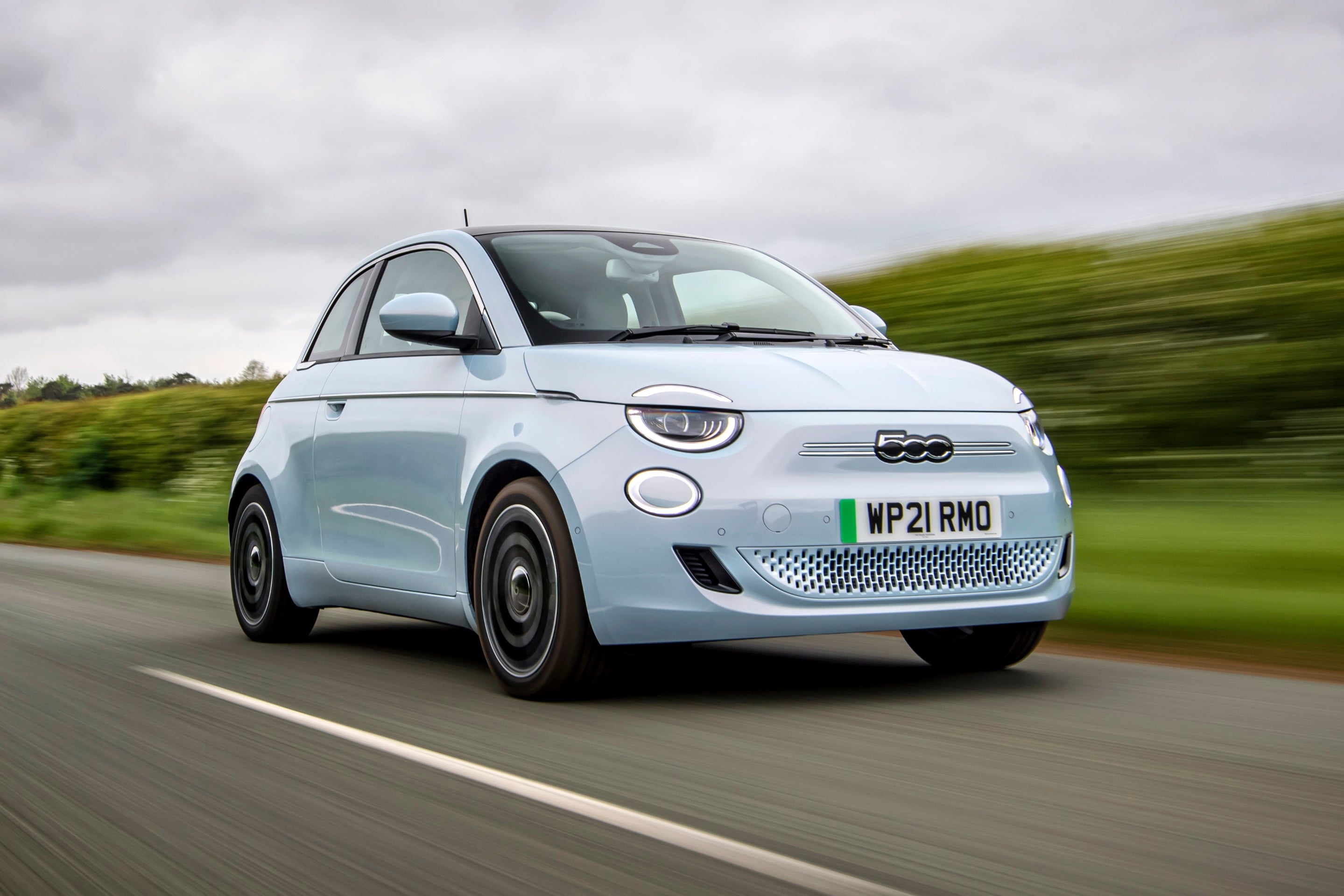
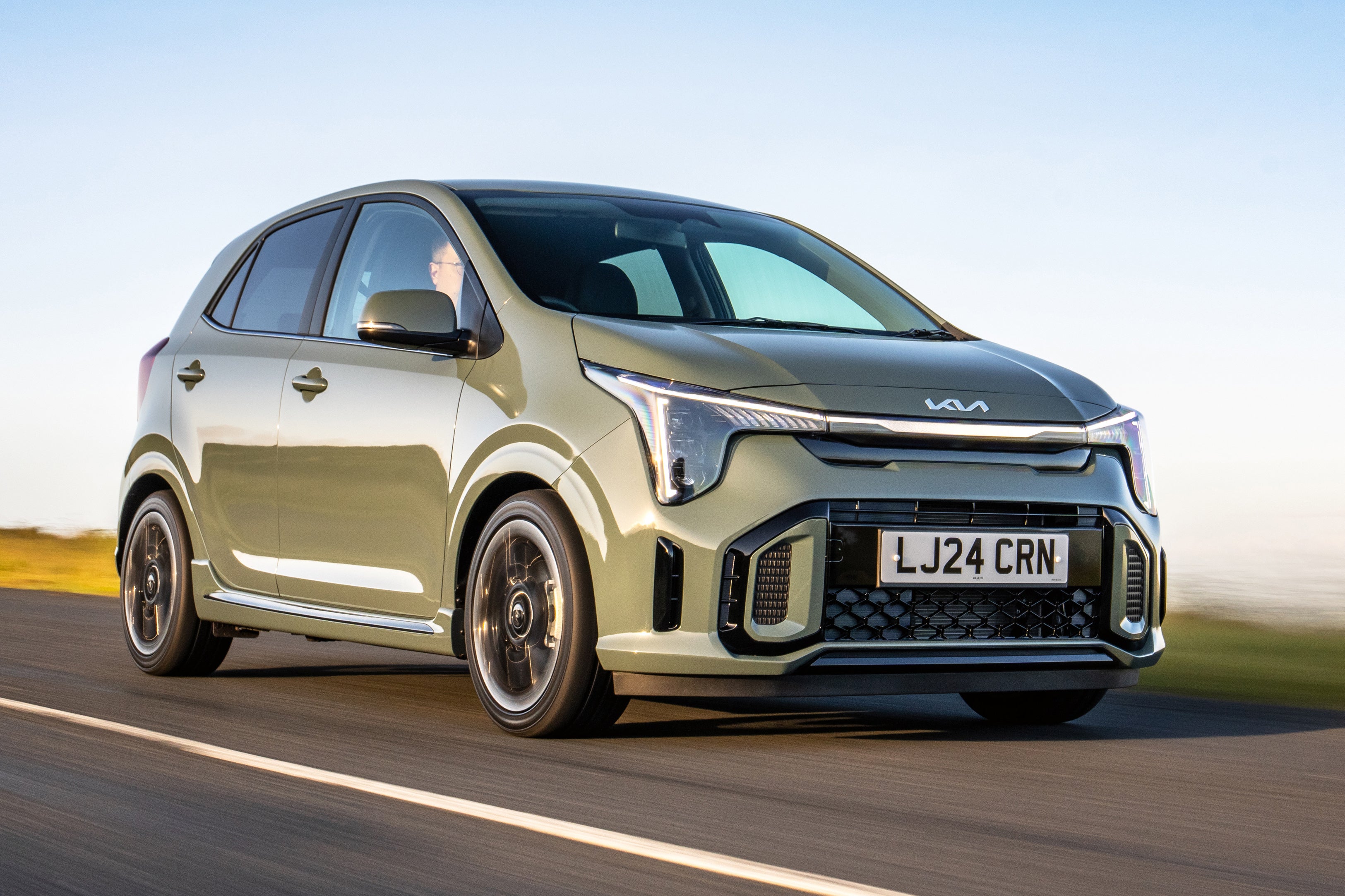
The facelifted Picanto arrived in 2024 with much sharper styling, bringing the nose more into line with Kia’s newer electric models. The old Picanto was always competent, but the current car looks more modern and more distinctive, particularly in GT-Line trims.
Browse used Kia Picantos for sale →
The line-up is also much simpler than before. Kia has trimmed away some of the older versions and now focuses on a smaller walk-up headed by Pure, GT-Line and GT-Line S. The older 1 trim is gone from the new-car range, and the turbocharged 1.0-litre petrol has also disappeared, leaving two naturally aspirated petrol engines.
That means there is less choice than there used to be, but it also means the range is easier to understand. The 1.0-litre is the default pick for town use, while the 1.2-litre only appears higher up the range and makes more sense if you spend more time on faster roads.
The other reason the Kia Picanto still matters is that it feels properly thought through. The controls are simple, visibility is good, the boot is decent for the size of car and the cabin does not feel thrown together. Add the seven-year warranty and the Picanto makes a very persuasive case for itself.
What's the best Kia Picanto trim and engine option?
For most buyers, the Kia Picanto GT-Line is the best place to start. It brings the sharper styling that suits the facelift best, adds useful equipment over the base Pure and keeps the price below the top-spec GT-Line S.
Engine choice depends on how you use the car. The 1.0-litre petrol is fine for mostly urban driving, where its modest performance matters less. If you regularly venture onto A-roads or motorways, the 1.2-litre in GT-Line S is worth having because it feels less strained.
What’s the price of the Kia Picanto?
The current Kia Picanto range starts at £17,095 for the Pure, rises to £18,245 for the GT-Line and tops out at £19,945 for the GT-Line S. There are also plenty of used Kia Picantos for sale for considerably less.
That makes the Picanto more expensive than city cars once were, but there are not many direct alternatives left, and Kia does at least offset the asking price with a decent equipment count and a very strong warranty.
Alternatives to the Kia Picanto
The Hyundai i10 remains the clearest alternative because it shares a similar brief and much of the same underlying thinking, but feels a touch more grown-up and a little more comfortable over rough roads.
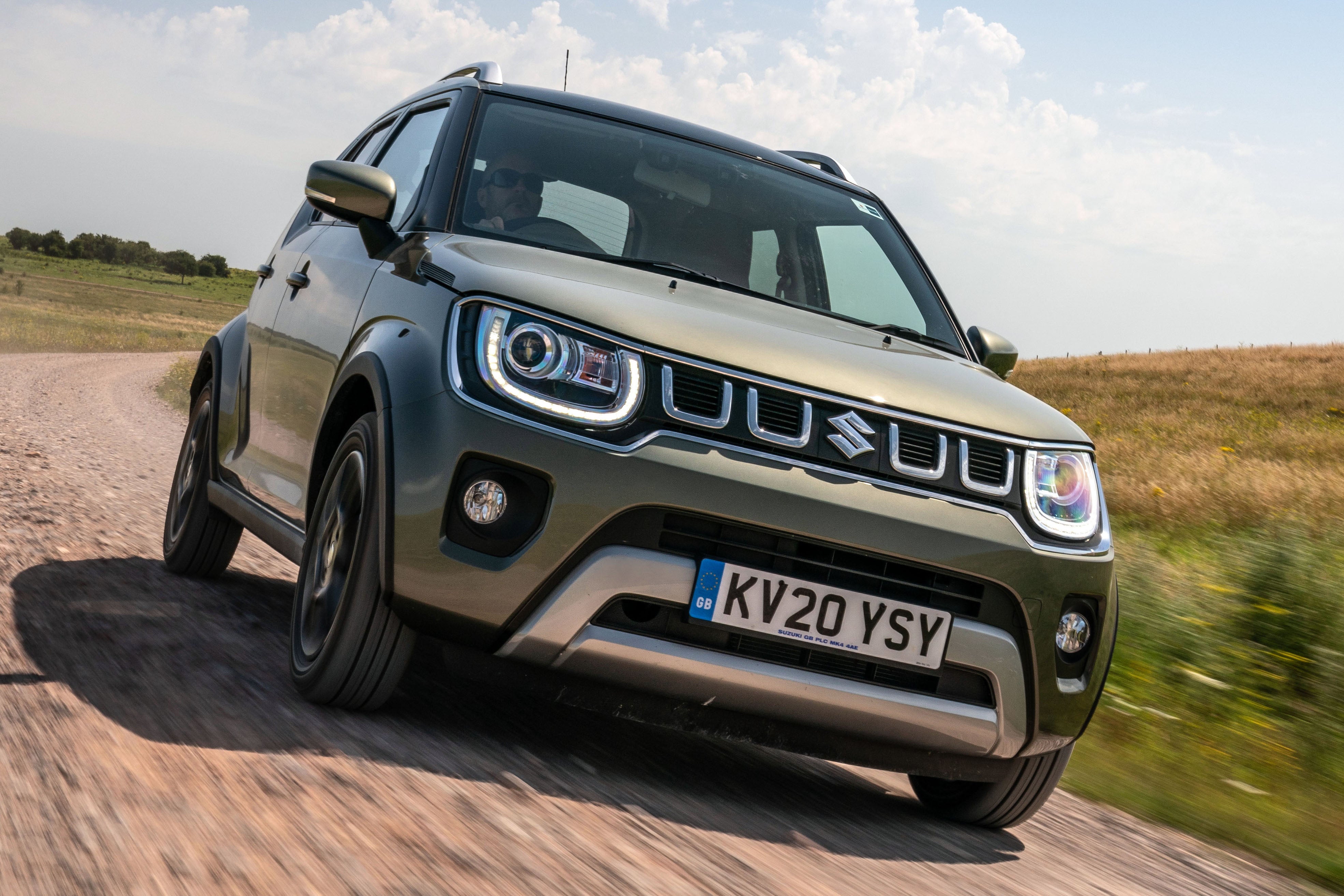
The Volkswagen Up is still one of the best used alternatives if you are happy not to buy new, because it feels more refined on faster roads. The Suzuki Ignis is also worth a look if you want something with a bit more height and a little more countryside-friendly character.
If space matters more than compact dimensions, the Dacia Sandero gives you much more car for similar money, even if it does not feel as neat or as city-friendly as the Picanto.
What's the interior like in the Kia Picanto?
The Kia Picanto’s interior is simple, sensible and far nicer than many city cars manage. It does not pretend to be premium, but it is well laid out and easy to use.
Kia Picanto boot space and practicality
The Picanto is one of the more practical cars in this class, but there are still obvious limits to how much space you can expect from something this small.
Front-seat space is good. You sit upright, visibility is excellent and there is enough adjustment to get comfortable without much fuss. The dashboard design also helps the cabin feel more open than the dimensions suggest.
The rear seat is less impressive, though still usable. Adults can fit for shorter journeys, but taller passengers will feel cramped behind a tall driver. The Picanto is more accommodating than a Toyota Aygo X or old Citroen C1, but it still cannot match the extra space of a Hyundai i10 or Dacia Sandero.
Rear access is decent because every Picanto has five doors, although the door apertures are not especially wide. Child-seat fitting is possible thanks to Isofix points on the outer rear seats, but larger rear-facing seats will force the front passenger seat well forward.
Boot space is one of the Picanto’s stronger points. At 255 litres, it is competitive for a city car and useful enough for shopping, cabin bags or the weekly family errand run. Fold the 60:40 rear seats and capacity rises to 1,010 litres.
For context, the Picanto’s 255-litre boot is a shade ahead of a Hyundai i10’s 252 litres and bigger than many older city cars, though the Dacia Sandero’s 328 litres is clearly more useful if you regularly carry bulky luggage. The Picanto’s boot is strong for its class rather than exceptionally large in absolute terms.
Kia Picanto dimensions
The Kia Picanto measures 3,605mm long, 1,595mm wide and 1,485mm high. Those tiny dimensions are a big part of the car’s appeal.
It feels genuinely easy to place on narrow roads and in tight car parks, and it is small enough to make sense in towns and cities where a bigger supermini can start to feel unnecessary.
Tech and infotainment in the Kia Picanto
All current Kia Picantos get an 8.0-inch touchscreen, which is a real plus in this class. The system includes navigation, Apple CarPlay and Android Auto, and it is one of the better infotainment set-ups you will find in a city car.
The screen is clear, responsive and easy to understand, while the physical buttons around it help with day-to-day use. Kia has also made the 4.2-inch digital driver display standard across the facelifted range.
Higher trims add useful extras such as wireless phone charging, but even the basic system is strong for the size and price of the car.
Materials available on the Kia Picanto
Material quality is what you would expect from a city car, which means plenty of hard plastics, but the Picanto still feels well assembled and neatly presented.
Chrome-look detailing, a decent steering wheel and some brighter trim touches stop the cabin feeling dreary, while GT-Line versions add enough visual lift to make the interior feel more special.
What's the Kia Picanto like to drive?
The Kia Picanto does the core city-car jobs very well. It feels small, light and easy to thread through traffic, and there is enough agility to make it enjoyable at sensible speeds.
Kia Picanto range and performance
The current Kia Picanto range uses two naturally aspirated petrol engines.
The 1.0-litre is the city-car engine. It sounds characterful and feels willing enough around town, but once you leave urban speeds behind it quickly runs out of breath.
The 1.2-litre is still not quick, but the extra power makes it noticeably easier to live with if your driving includes faster roads, hills or a loaded-up car.
Performance data
| Model | Engine/battery size | Power | 0-62mph | Range/MPG |
|---|---|---|---|---|
Kia Picanto 1.0 | 1.0-litre petrol manual | 63PS | 15.4 seconds | up to 54.3mpg |
Kia Picanto 1.2 | 1.2-litre petrol manual | 79PS | 13.1 seconds | up to 51.4mpg |
Kia Picanto driving and refinement
The Picanto feels nimble and tidy through town, with light steering and a turning circle that makes parking simple. It is one of those small cars that shrinks around you in a helpful way.
It is also more entertaining than many rivals. There is decent body control, accurate steering and enough grip to make it feel keen on a country road.
The trade-off is ride quality. Lower-spec versions ride acceptably well, but GT-Line cars on bigger wheels can feel fidgety and a bit thumpy over broken surfaces. The Hyundai i10 is the more comfortable and more settled choice if refinement matters most.
At motorway speeds, the Picanto is predictably less impressive. You hear more wind and road noise than in a larger car, and the 1.0-litre can sound busy. It is still capable of longer trips, but that is not where it feels most at home.
How safe is the Kia Picanto?
The Kia Picanto’s Euro NCAP rating is old and no longer a reliable guide to current expectations, because it dates back to earlier test protocols. The key point for buyers is the current equipment rather than the stale star count.
All current facelifted Picantos get a decent baseline of safety kit including autonomous emergency braking, lane-keeping assistance and driver attention warning. That gives the Picanto a stronger active-safety story than many older city cars.
Running costs: What it's like to live with a Kia Picanto
Running costs are one of the Kia Picanto’s big strengths. It is efficient, simple and backed by a warranty that still looks excellent in this part of the market.
Kia Picanto fuel economy
The 1.0-litre returns up to 54.3mpg officially, which makes it the most efficient engine in the current range. The 1.2-litre is only slightly behind at up to 51.4mpg.
In real-world use, that means the Picanto should be inexpensive to fuel, particularly if most of your driving is urban or suburban.
Kia Picanto warranty and servicing
Kia covers the Picanto with its seven-year / 100,000-mile warranty, which remains one of the best manufacturer-backed offers in the business.
Service intervals are every 10,000 miles or 12 months, whichever comes first. That is fairly typical for a small petrol car, even if it is not especially stretched.
Kia Picanto insurance groups
Insurance groups now run from 4 to 8 across the current range. That is still low enough to keep the Picanto attractive to younger drivers, even if it is not quite the absolute cheapest thing to insure.
How much does it cost to tax a Kia Picanto?
The standard VED rate from the second year onwards is £200 a year for petrol cars registered on or after 1 April 2017.
No current Kia Picanto gets anywhere near the threshold for the Expensive Car Supplement, so there is nothing extra to worry about on that front.
What trims are available with the Kia Picanto?
The current Kia Picanto range is available in Pure, GT-Line and GT-Line S trim.
Pure opens the range with 14-inch alloys, air conditioning, the 8.0-inch touchscreen, navigation, Apple CarPlay and Android Auto, a 4.2-inch digital driver display and the key safety essentials.
GT-Line is the trim most buyers should focus on. It adds sportier exterior styling, larger alloy wheels, LED lights and a more distinctive look overall.
GT-Line S sits at the top of the range and brings the more powerful 1.2-litre engine, plus extra luxury touches such as heated front seats, a heated steering wheel, wireless phone charging and a sunroof.
Ask the Drive experts: common questions
How much does the Kia Picanto cost?
Is the Kia Picanto a good city car?
Is the Kia Picanto practical?
What is the best Kia Picanto version to buy?
Get our latest advice, news and offers
Keep me updated by email with the latest advice, news and offers from Drive.
.jpg)
.jpg)